
The film opens at a temple festival, full of colour and music. The camera draws the eye in through a range of points of view, creating the feeling of being part of the milling crowds. It’s all very colourful and entertaining, and then the knives come out. We’re in a place divided by caste and old grudges, where the police are the law but not the authority.
In a black and white flashback, a young girl is pushed into a well. Her cousin, Paruthiveeran, helps to keep her alive, and an obsessive love is born. The children become friends and promise to be together always, even after they grow up. Soon Muthalagu tells anyone who will listen and everyone else as well, that she will marry Paruthiveeran and only him.
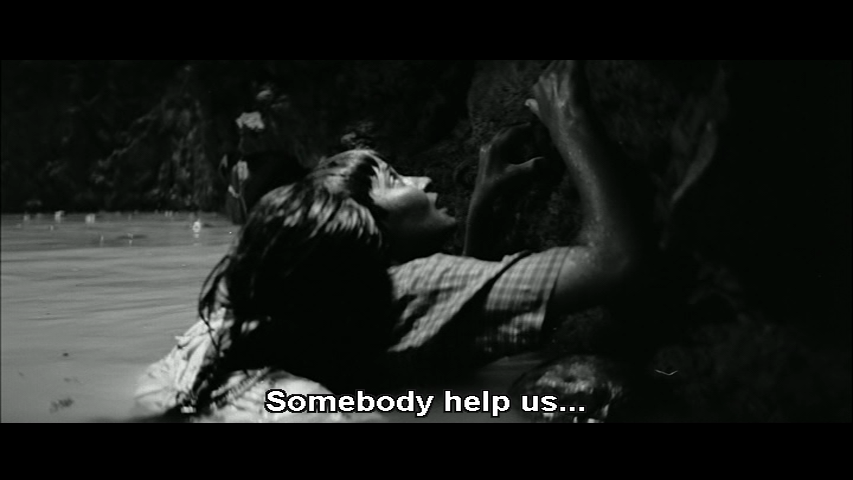
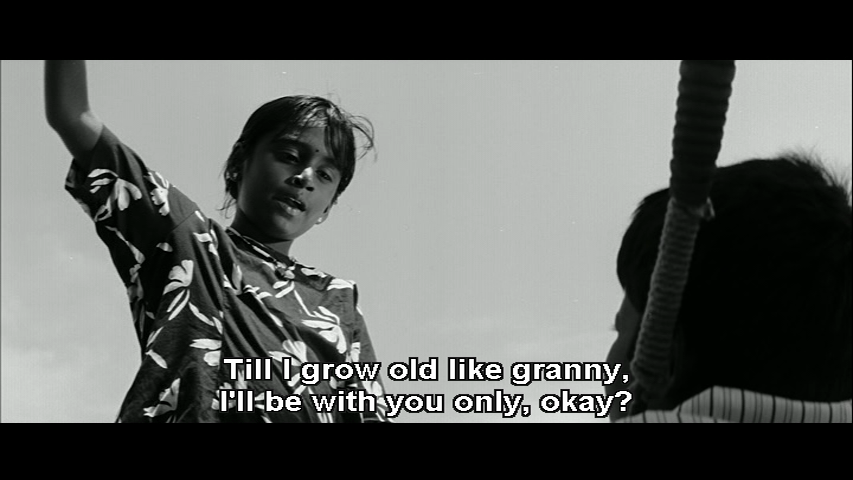
Back in the present day Paruthiveeran, or Veeran, played by Karthi (knife wielding ne’er do well from the opening sequence) and Muthalagu (Priyamani) are still in the village. What will happen to a strong willed girl who refuses all other offers and stands up to her father? Why would she want Veeran who is a drunken womaniser, not interested in her and not particularly attractive? Priyamani and Karthi make the melodrama more compelling than it might seem.
There are lots of spoilers ahead so if you really don’t want to know, please stop now.
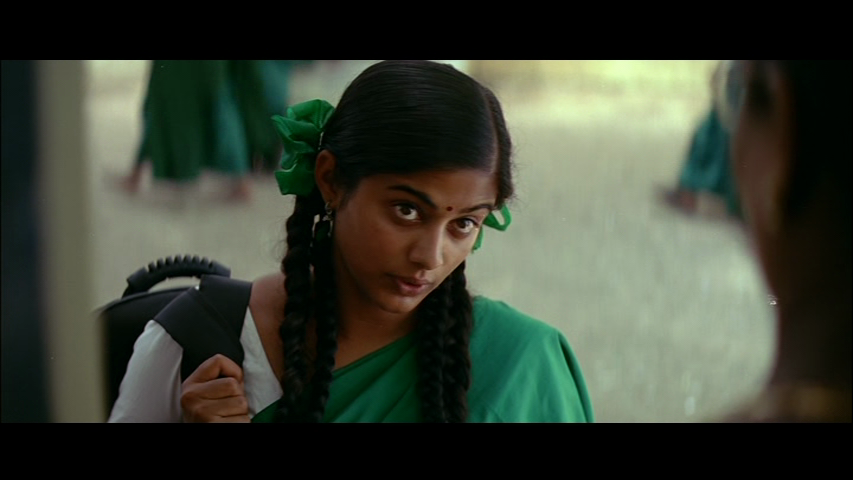
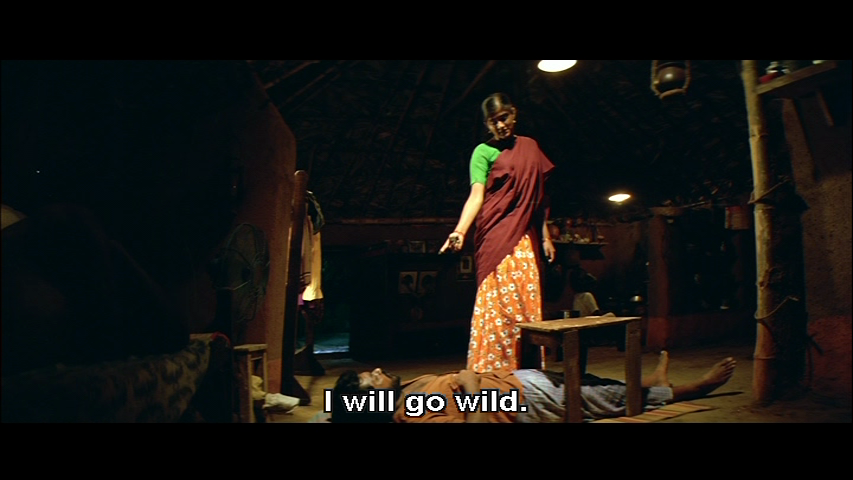
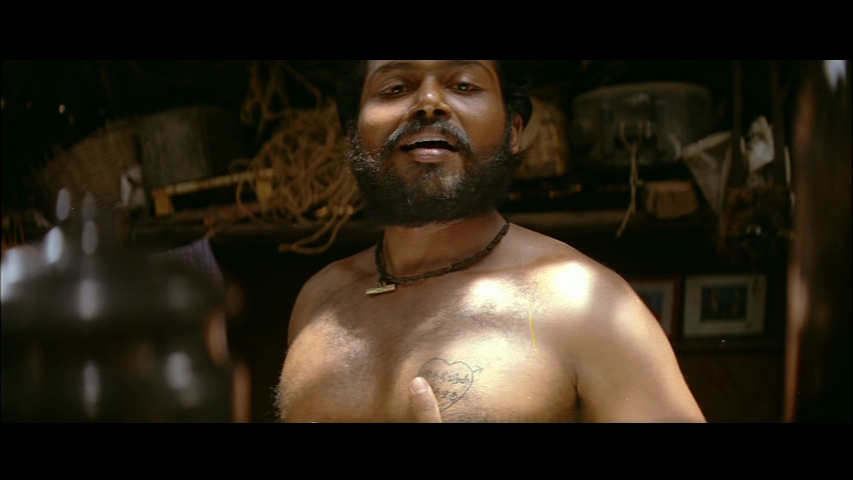
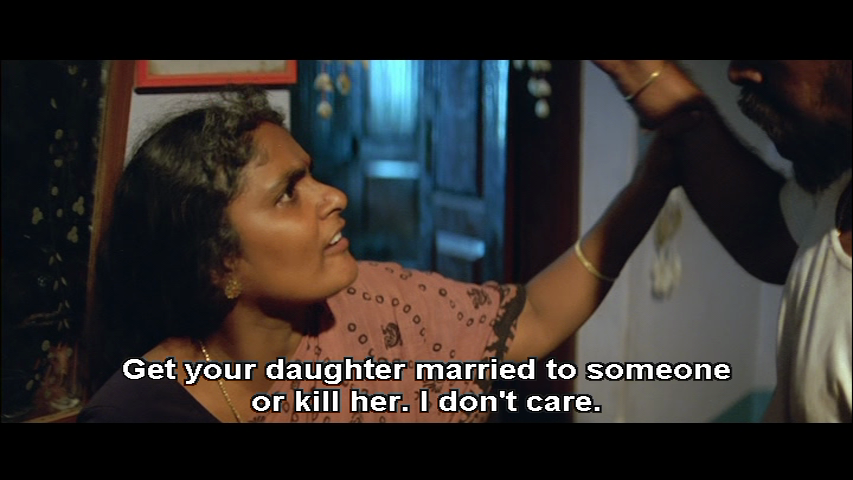
Muthalagu is an interesting character, and not your usual romantic girly heroine. Priyamani’s performance is totally convincing, even as I was rolling my eyes at some of her character’s choices. Muthalagu is complex yet single minded and while I couldn’t see myself ever obsessing over Karthi, I could believe that she was. She is beaten and verbally abused by both of her parents but will not flinch, and even threatens her father in return. Her teachers and others keep asking why she wants to throw herself away on a man who is usually in jail, why she would deliberately fail 4 years of school so she can postpone being married off. She takes poison rather than marry another man. She drugs Paruthiveeran, ties him to his bed and tattoos her name on his chest.
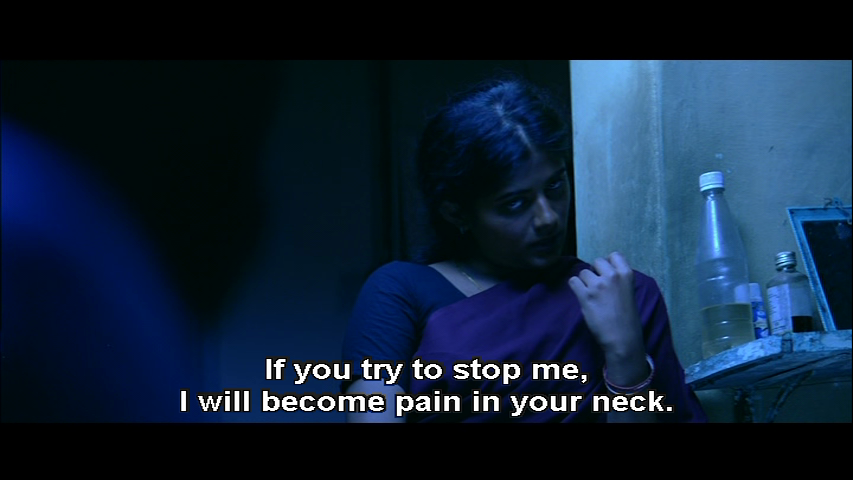
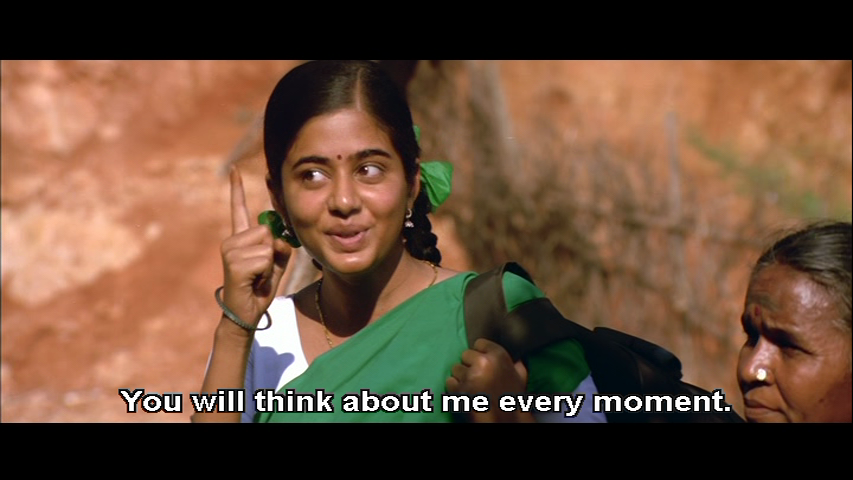
This is not a shrinking violet, but nor is she a crazed caricature. She knows everyone is talking about her, but she never tries to hide her feelings or make any pretence. She believes Paruthiveeran is her fate, they are meant to be together and she will not break her promise to him or to god. There is no swaying her, not even his protests can persuade her.
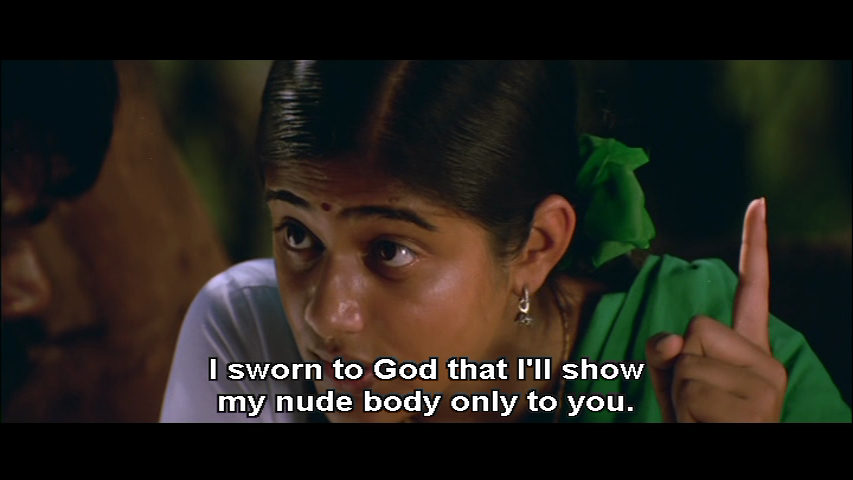

It’s not a glamorous role – most of the time Priyamani is in plaits with the scrubbed face no makeup look. She doesn’t try to make crying look pretty; she lets the anger and frustration burn through. Her body language and facial expressions really capture a mix of arrogance and uncertainty. When Muthalagu smiles, she is a radiant young girl in love. Priyamani has been praised to the skies for this role and bagged a number of awards, and I can see why.
Karthi did his best in his debut to give his character some depth. Veeran is a bully and a bit of an idiot, his only ambitions seem to be to upset local dimwit Douglas and to commit a big enough crime to go to Madras prison.
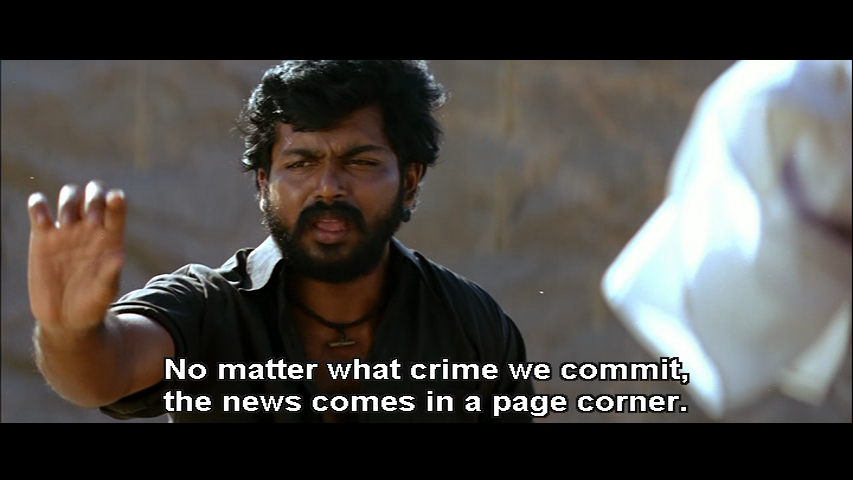

He spends a lot of the film hanging around with his equally useless uncle Sevvalai (Saravanan), getting into fights, avoiding Muthalagu and shagging an assortment of women (some paid, some volunteers). He basically steals a prostitute from some local men (he gives her back when he is done), and is asked to share one of his girls with them one day – a throwaway line that will have repercussions. He rejects and humiliates Muthalagu time and time again, and he is as frustrated by her obsession as she is by his resistance.I did enjoy his visible transformation to the semi-domesticated boyfriend; once again, ruler straight side parted hair seems to be the Good Boy indicator. But how good can he possibly be? Well, he does get that tattoo amended to have both their names enclosed in a heart so I suppose that is a commitment.
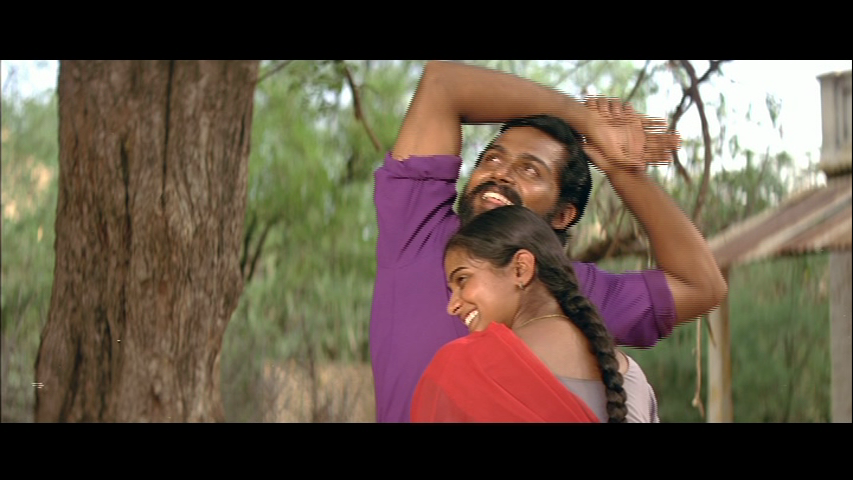
Once the two admit their now mutual feelings, the film starts to go off the rails a bit in search of more dramatic tension. The family feud gains intensity, caste violence takes the stage and some of the characters seem to go out of focus. There is another flashback sequence that explains the origin of the family enmity, but I didn’t think such detail was all that necessary.
The film builds to a finale that is both highly melodramatic and somehow shockingly real. Deciding to make a break from the village and start a life together, Paruthiveeran hides Muthalagu in his shack and leaves to protect his uncle. Unfortunately, that sleazy guy from the prostitute episode sees her and decides it is time to claim his dues. After a horrible gang rape sequence that is disturbingly matter of fact, Veeran comes back to find her dying. I don’t think this is a case of a ‘bad girl’ being marked for death – Muthalagu died because of Veeran’s actions and who he was, and she didn’t seem to be subject to a directorial judgement by Ameer Sultan. The death scene was well written, and not at all sickly sweet. Muthalagu’s parting words to Veeran are a demand for some kind of explanation as to how she could have waited her whole life, and ended like this. And I was asking the same thing. Veeran decides he must cover up the dishonour to his love, and perhaps also use her death to have one last shot at her father. What he did startled me and while it made a sort of sense, the ick factor was high. Karthi did reasonably well with the extremely emotional scenes, but it was in the quieter sorrowful moments that he really convinced. It was quite unnecessary that we got an eyeful of Karthi’s butt in the final scenes but whoever pre-ripped his clothes was very determined. I am sparing you the sight.
The support cast are very good – they look and sound the part and this isn’t a glossy view of country life. I wasn’t so taken with the little girl who played young Muthalagu. Her voice was a monotone buzz that grated, but her expressions were fun and she managed to be precociously flirty and still a child. Saravanan as Sevvalai is good but doesn’t get much to do apart from support Karthi. The grandmother and mother (Sujatha) in Muthulagu’s family are intense and their performances are high on energy but not overly histrionic. I really felt the tension in her family, and it made the typical family disapproval scenes much more compelling.
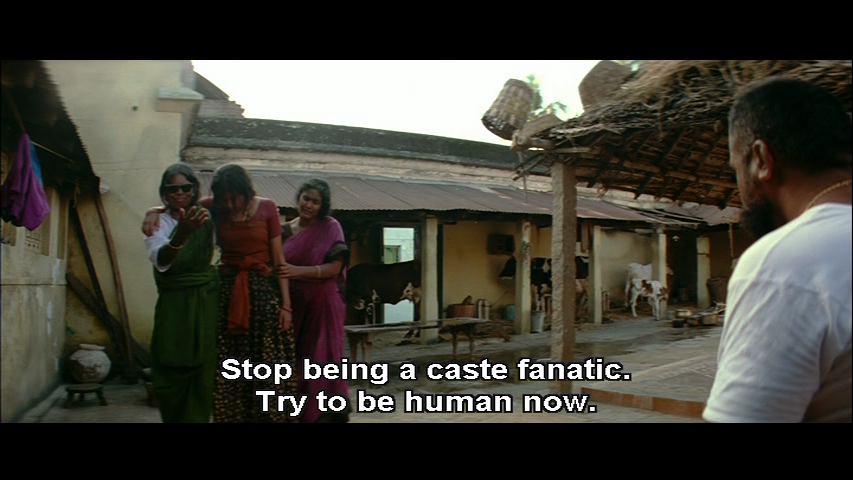
Yuvan Shankar Raj’s soundtrack is excellent. Some tracks sound as though they are sung by traditional singers rather than studio artists, and I think that works really well in building the sense of place. The rural setting is very picturesque and appealing, and the cinematography captures both the energetic village life and the open countryside.
The flashbacks took up too long, and the ending is what I have come to think of as typically ‘everyone dies or lives unhappily ever after Tamil romance’. I’m never very happy about the depiction of rape in films, but I think this was given some weight and treated as an assault, not a justly deserved punishment. It was not made to be the girls fault, despite what her rapists may have said, and I appreciated the writing that made the scene compelling. Priyamani is the reason I picked up the DVD in the first instance, and her performance is remarkable. I don’t imagine I will feel the need to watch it again anytime soon, but I did like seeing great acting, a strong female character and some interesting relationships on screen. I give it 3 and 1/2 stars.






 Cinema Chaat