August 22 is not far away, so it is time to start thinking about Megabirthday 2012!
I need no excuse to squee over Chiru, but a birthday is always fun to celebrate. Chiranjeevi has delighted me when I have needed cheering up, entertained me on dull grey rainy days and made me wonder when stocky men in lycra pants became my type.
I realised I may have a problem when I watched the following clip and wondered if they gave Butterfly Chiru green lettuce-ish wings because his character is a porter in a vegetable market and decided that would make sense. The question I should have been asking was – since when does Batman wear yellow kneepads and turn into a vampire? Perhaps I was distracted by the excellent Robin Hood attire. Or the ewoks. Probably just the megaboots.
I bought THREE copies of that DVD because two of them didn’t include that song in the movie (Muttamestri – I’ll be blogging about it in August).
We’ll be posting Megabirthday stuff here between 18-31 August. As always, the more the merrier so please join in if you feel inclined. I’ll collate the links and be tweeting them as they appear. The Twitter hashtag is #Megabirthday2012 or you can email cinemachaat at gmail dot com or post a link here. Go on! You know you want to.
Totally Filmi has already taken the plunge. See Katherine’s first Mega encounter here.
I will leave you some inspiration and the sheer joyful energy that is a hallmark of Chiru’s dancing.
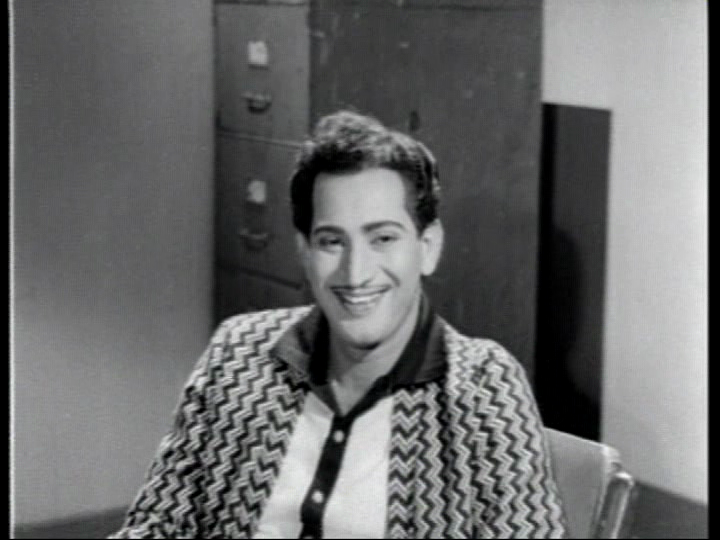
Long before Mithun Chakraborty squeezed himself into those tight white flares to play Gunmaster G9 in Suraksha, Superstar Krishna was the suave and debonair Agent 116 in this Bond-inspired tale of secret agents, evil villains and a fiendish plot against India. Or at least so I deduce, given that this was another adventure without subtitles. There are elements from a number of early Bond films, but Gudachari 116 seems to be very loosely based on Dr No with a few other classic sixties motifs that pop up from time to time. This was the first of Krishna’s forays into the spy genre and while it’s nowhere near as over the top as his later film James Bond 777 or other Hindi spy films I’ve seen, there are still a few fabulous moments and plenty of recognisable references to the Bond films.
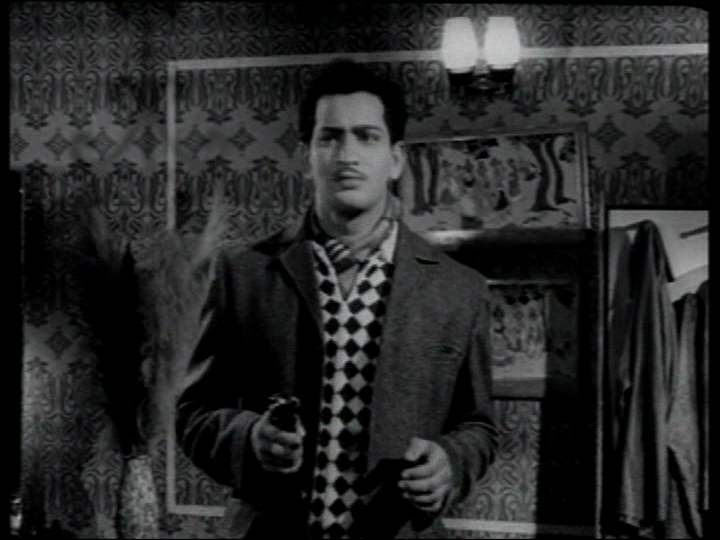
Agent Gopi (Krishna), better known by his code number 116, is a typical James Bond character. He’s smooth and successful with the ladies, possible due to his natty collection of cardigans, sports coats and leisure shirts. (This may also explain some of his son Mahesh’s multi-layering and accessorising style).
However he has to leave his singing, dancing and romancing in the hills when news of Agent 303’s rather theatrical death reaches the head of their intelligence agency.
Agent 303 (Shobhan Babu) was shadowing a gang of men who were attempting to blow up a bridge. After foiling their plan, he managed to take pictures of the gang and their getaway car, thus ensuring he could track them down at a later date and find the boss of their organisation. Obviously this information is of critical importance for the security of the nation, but the intelligence agency seems to be operating on a tight budget so he drops off his pictures to the local camera store to be developed before visiting his sister.
Missions of national importance run a poor second to familial obligations for Agent 303, which mean that he is killed before passing on the information about the gang to his superiors. Gopi’s mission is to find the photographs, identify the bad guys and stop their plans to destroy India. Just in case that seemed to be rather a lot for a single man to accomplish, he does have a number of fancy gadgets and the somewhat dubious assistance of local man on the spot Simhachalan (Relangi Venkataramaiah) and his merry band of helpers.
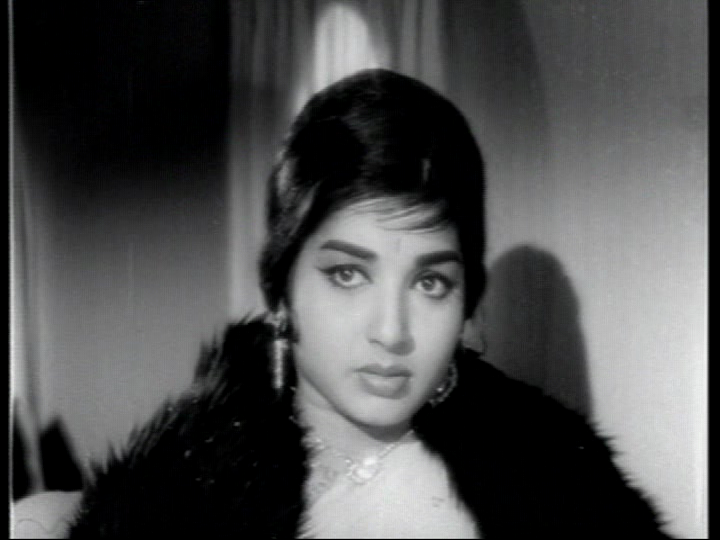
On the way to his meet-up with Simhachalan, Agent 116 runs into the beautiful Miss Radha (Jayalalitha) and starts up a brief flirtation with her on the plane. However Radha is the daughter of Agent 116’s chief suspect for the role of evil mastermind behind the bombings which, luckily for Gopi, means that their friendship can be cultivated as part of his mission. Gopi ends up at Radha’s birthday party where he plays the piano for her in this song which reminds me of the Chordettes classic. I love the rather Christmassy decorations for her birthday which almost get tangled up with the backing dancers and the dancing couple in the bottle on top of the piano.
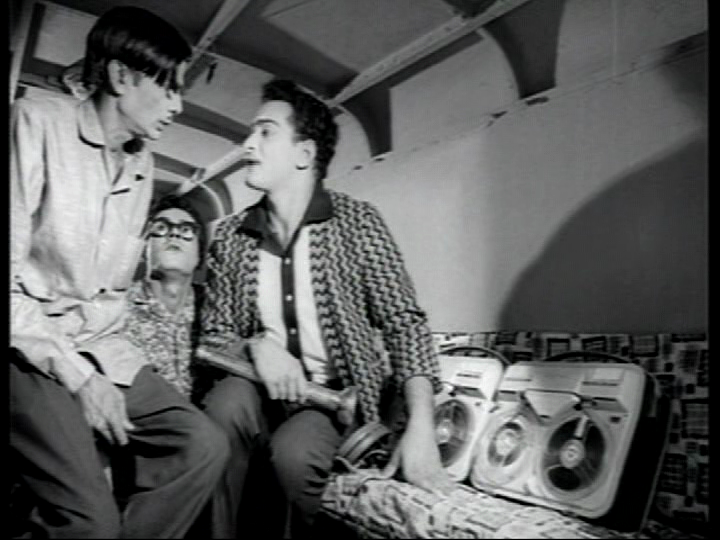
Simhachalan has given Gopi two of his men to help his investigation and they provide most of the comedy side-plot which as usual doesn’t add much to the proceedings. Ramana Reddy and Rajababu do however manage to provide Gopi with some assistance and with the aid of some helium balloons, a hidden microphone and of course a little phone tapping, Agent 116 discovers that Radha’s father (Rajanala) is only a front for the real villain.
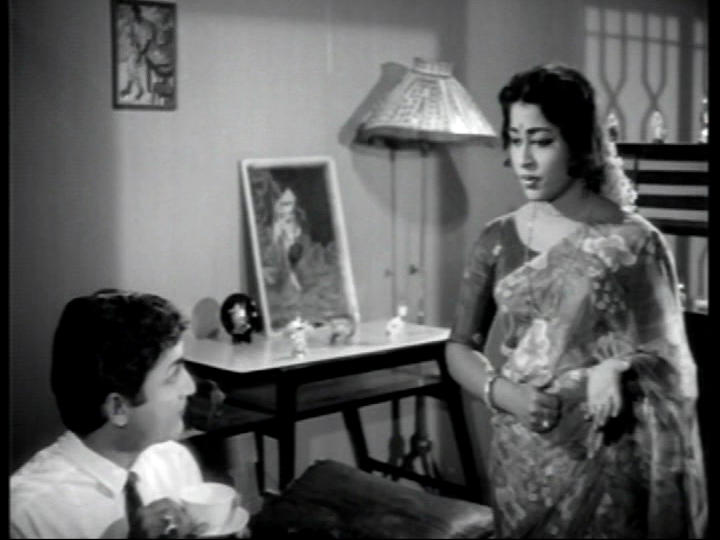
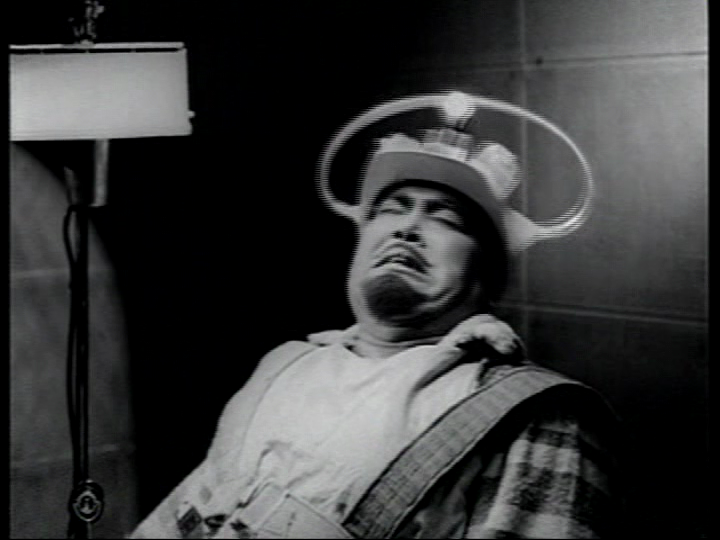
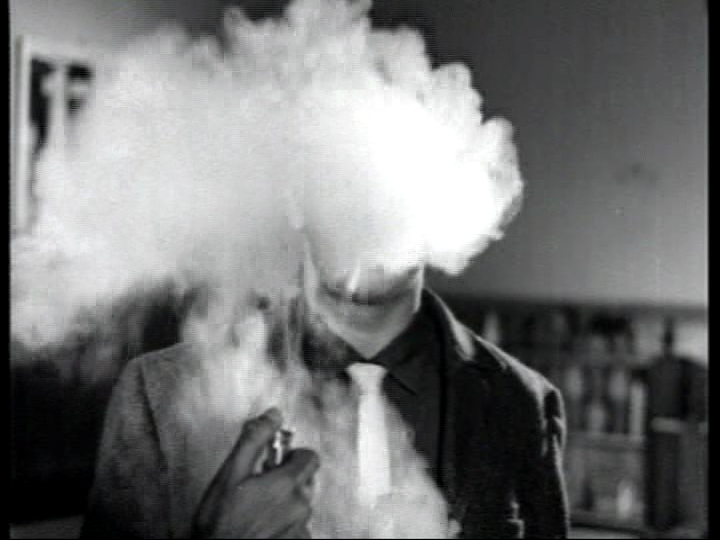
Agent 303’s sister also gets involved in the action as Radha’s father convinces her that he is the police officer in charge of her brother’s murder case and enlists her help to trap Gopi. This involves her attempting to seduce Gopi in his hotel room by dancing and then drugging him before handing him over to the gang. He looks rather puzzled by her advances, although that may just be the combination of the wallpaper and the pictures which is rather overpowering. Gopi ends up in a rather drab and utilitarian secret hideout with a man intent on frying his brains as a means of extracting information from him but in true super-spy fashion quickly turns the tables and extracts some information himself.
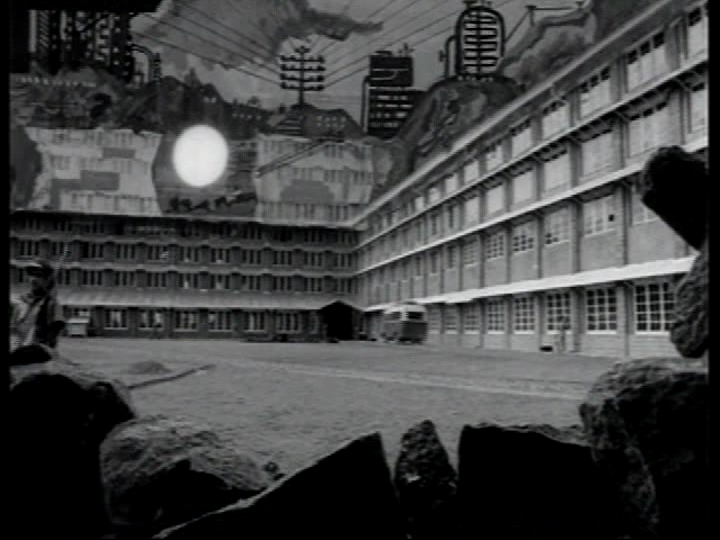
The plot gets more convoluted as Radha is kidnapped by the evil mastermind’s men to force her father’s continued co-operation with their plans and Gopi tries to rescue Agent 303’s sister while foiling the plans of the real villain. These plans are never really clear but seem to involve a rather large factory and a team of scientists making poisonous gas for some nefarious purpose. The boss, a rather sinister Chinese-looking villain, communicates with a series of gestures rather than by using actual words so perhaps his main henchmen are all telepathic and therefore no description of the plot is needed.
Overall, Gudachari 116 keeps to the spy/action story without too many deviations into cheap special effects or ridiculous leaps of faith. The interiors are wonderfully decorated with some amazing wallpaper and curtain combinations and there are plenty of chandeliers making an appearance. In comparison the outfits are rather restrained (at least in comparison to the Hindi remake Farz) and Radha appears elegant and stylish in a number of beautiful saris. Gopi and the various other main characters are also all very dapper and it’s only the gang of hired thugs who appear in outlandish shirts and scarves.
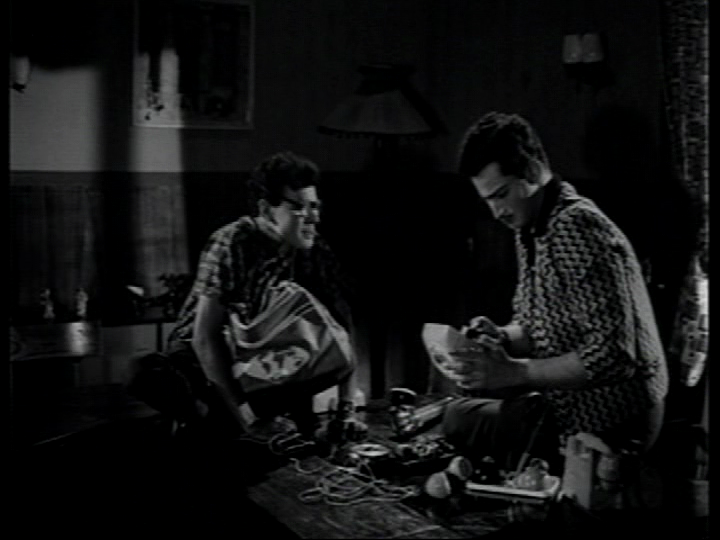
There are one or two instances where obviously model cars and planes get blown up, but mainly the effects are limited to radio receivers disguised as books and knock-out gas in a cigarette lighter which seem fairly plausible. Perhaps the most incredible invention is a method of restoring burnt paper back to its original pristine condition and retaining the written message but everything else is within the realm of possibility (at least for a secret agent).
The songs are another highpoint and the music by T. Chalapathi Rao seems to suit the general sixties ambience. This is probably the best – a fusion of traditional music and rock and roll that lets Jayalalitha show off a number of dance styles.
Gudachari 116 has a convincing storyline written by Arudra with much influence from Ian Fleming and the Bond film franchise, and is capably directed by M. Mallikharjuna Rao to give an entertaining spy adventure. Krishna is excellent as Agent 116 and the role of the sophisticated spy suits him well. Despite the lack of subtitles and an occasional unfunny ‘comedy’ scene I really enjoyed this film and I’d recommend it as an excellent take on the spy genre. 4stars.
Temple says:
This is the first of Superstar Krishna’s Bond style forays and I don’t think he had quite hit his stride in terms of the balance of serious spy action and parody that the later films do so much better. The Bond of Ian Fleming and that of (most of) the films are quite different characters, and this film sort of falls between the two. At times it was a bit closer to Get Smart than any credible spy thriller as the low tech gadgetry was so badly made that I could have done better with a shoe box and a couple of bits of wire!
The lead actors are good and Krishna fits the suave man of the world style. His knitwear was horrifying, but it was the late 60s so I am just thankful the film is in black and white. Apart from the instantly recognisable ears, he also seems to have passed on some of his dance mojo to his son, as that lanky frame and the laid back style was very familiar. Jayalalitha is a feisty heroine and some of her outfits are very eye-catching indeed, so she earned her screen time. The comic sideplot is bad enough, but Ramana Reddy’s hamming is the last straw. He really is terrible and I have grown to loathe the very sight of him.
The music is a real mish-mash. There are fragments of the Addams Family theme used at dramatic moments (more comic than dramatic for me). There are hillside cavorting love duets as well as a blend of 60s rock n roll with whatever else took their fancy. It’s entertaining even if the choices are bewildering!
The story is not particularly credible or thrilling as it is bog standard ‘good guy against ill defined villain’ and the pace is very slow, especially considering national security is at stake. I enjoyed this mostly for the retro charm, excellent visual excesses, and the very entertaining songs. I greatly prefer James Bond 777 (which is available on Youtube), which has a fab funky soundtrack and a gang of bank robbing dogs that compensated for the plotholes. Gudachari 116 is nice to look at, but you could just watch the songs and skip the narrative and you would still get a feel for the style of the film. I don’t think I would re-watch this, while other films in the spy caper genre have become favourites. 3 stars.
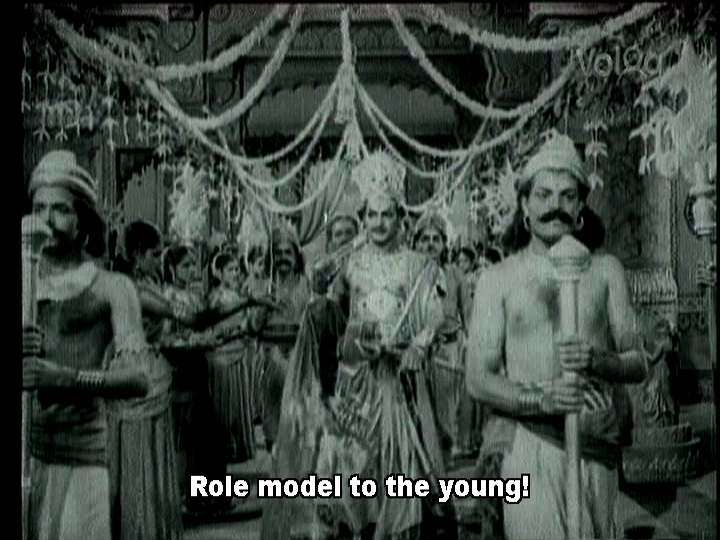
Bhookailas is replete with all the necessary elements for fine entertainment; great actors, beautiful music, lots of excellent dancing, fabulous sets and most important, a good story. It’s not just a fluffy fairytale or fantasy though as there is some philosophy underneath the gilding. But more than anything, it is a great entertainment and a pleasure to watch. (The Volga DVD has good subtitles and the picture quality is fine on screen although poor in screencaps.)
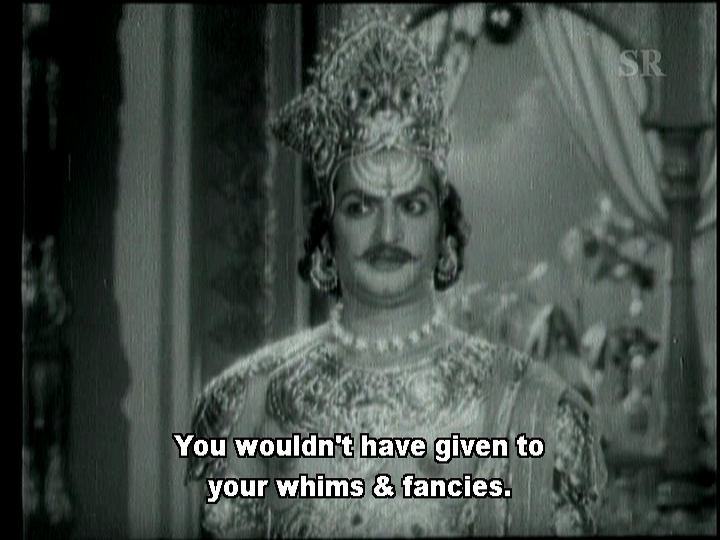
Ravana (NTR) has conquered the human world and is at a loose end. Being a magnanimous ruler, he asks his brother demons what they want as a reward for this victory. His generals suggest a sleeping festival (excellent!), peace and justice for all, and finally that he declare war on heaven as the gods are worthy opponents for demons, not like frail humans. In order to avert this war which Ravana will likely win, the sage Narada (ANR) starts conniving and scheming to keep Ravana from invading.
Ravana is brave, intelligent, principled but very impulsive and has little self control. NTR is in his element as the larger than life Ravana. He creates a sympathetic character but one whose flaws are all too evident. The character spans broad comedy, doe eyed romance and the aggressive assurance of unchallenged leadership. Ravana is easily manipulated by Narada, Vishnu, Parvathi, his own mother and Ganesh among others.
His lack of insight and self awareness brings him undone when he has the potential to rival the gods should he focus his will. So he is like lots of men we all know- asked to bring back one specific item from the shops, and coming back with either nothing or something completely random.
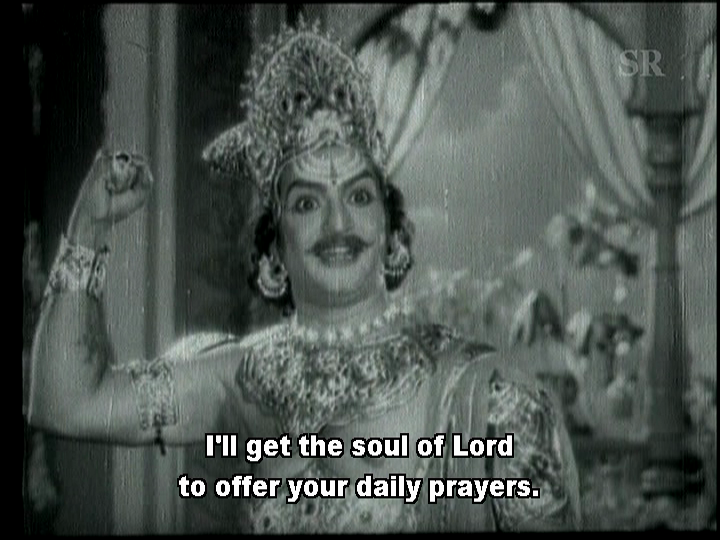
Ravana’s mother Kaikasi (Hemalatha) is a devotee of Shiva. When her prayers are disrupted to stop her gaining Shiva’s benediction, she charges Ravana with making Shiva answer her prayer. He is a total mummy’s boy. He takes it one step further and promises to bring back Shiva’s atmalingam, his soul, for her to pray to. When he decides to beseech Shiva through rigorous penance, not even Helen can distract him.
But he loses this focus and falls under an illusion that sends him off on a tangent. Ravana’s quest to win back that blessing from Shiva takes many detours thanks to Narada.
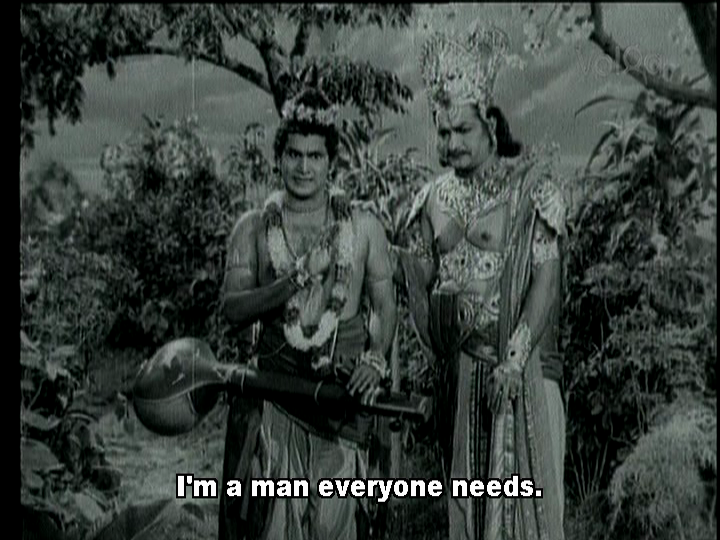
Narada (ANR) is intent on maintaining the status quo. He plays on the susceptible Ravan and the change resistant gods. He puts the wind up heaven with dire predictions about what will happen should Ravana succeed. He stirs up Ravana’s impulsive and suspicious nature to manipulate him. ANR’s performance is lots of fun with a supercilious eyebrow here, a self serving whinge there, and a whole lot of economy with the truth. He sabotages Ravana’s request for a boon from Shiva, using illusion to persuade Ravana to ask for Parvathi as his reward. But the plan doesn’t play out exactly as Narada hoped, and he scrambles from drama to catastrophe and back again with only his wit and sophistry to help him navigate between the gods and demons. The gadfly tactic manoeuvres the protagonists, sets up conflict and also provides some of the more comedic moments.
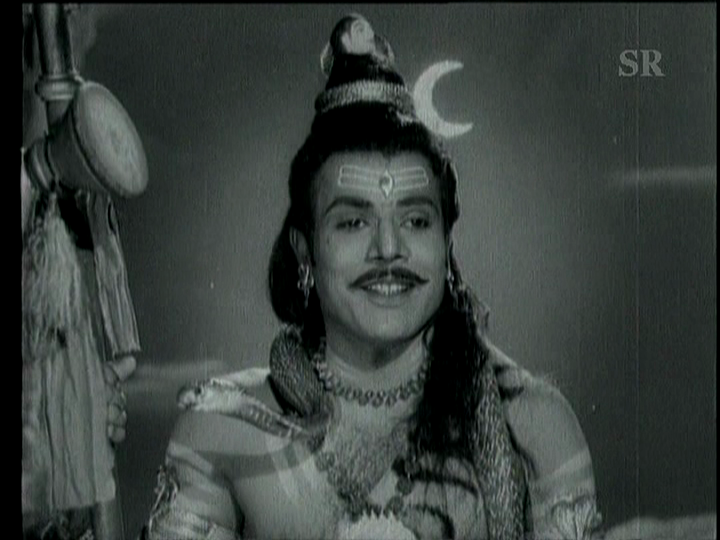
Shiva’s alert and active snake companion was a highlight. The snake is quite interested in the proceedings. I was picturing the person responsible for snake directing and the bag of tricks they must have employed. Occasionally the snake would have a snooze and seemed to be waiting for someone to do something entertaining. Nagabhushanam portrays Shiva in a more paternal style, taking an indulgent approach to his devotees most of the time.
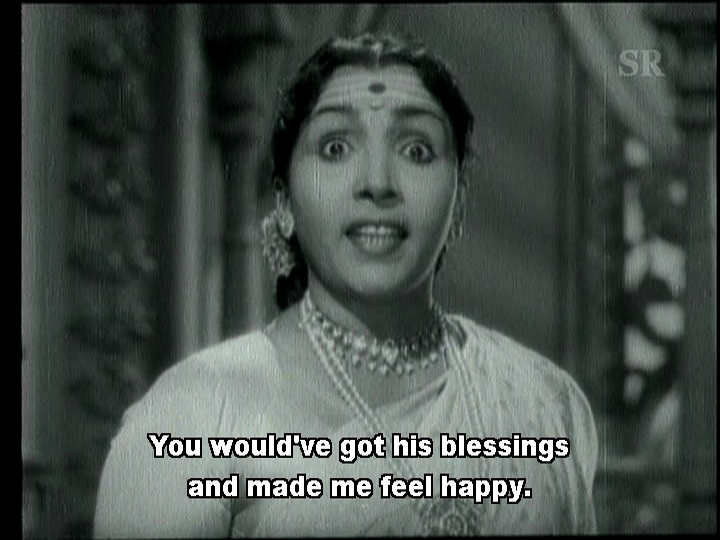
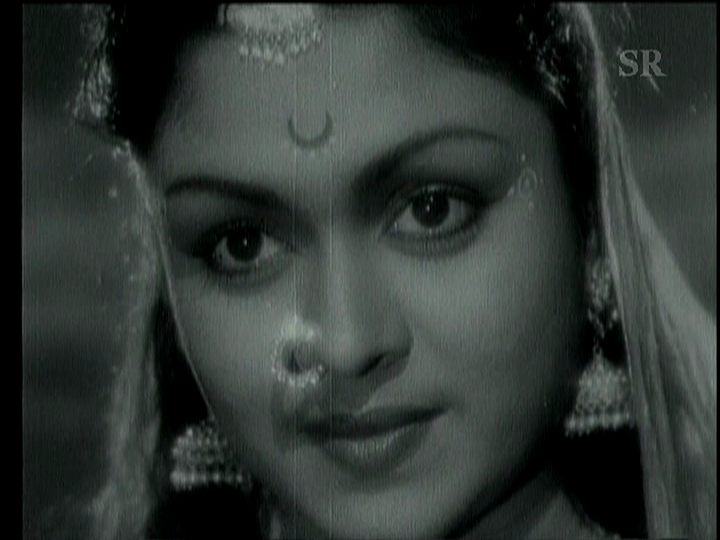
Parvathi (B Saroja Devi) is beautiful and stately and her role requires little more than that. Parvathi is used as a pawn in the game Narada is playing with Ravana, and despite her power she finds herself being carted around from pillar to post. But finally after prompting from the ever helpful sage, she uses her own power of illusion to break free. Apparently Ravana couldn’t see her inner beauty.
Mandodari (Jamuna) is Mayasura’s daughter, and persuades herself to fall for Ravana. Jamuna is lovely but she looks a little too mature and knowing to be totally convincing as the young and inexperienced princess. Her handmaidens joke about how Ravana will be a bucktoothed crosseyed hunchback and then tease her when they see she has feelings. Mandodari is very privileged and enjoys the finest things in her father’s lavishly decorated aquatic themed underwater kingdom.
But she has a hard time of it when she gets the husband she wants and discovers he was under the impression he had married the goddess Parvathi. Mandodari is another unwitting player in Narada’s plan to keep the three kingdoms in their proper place.
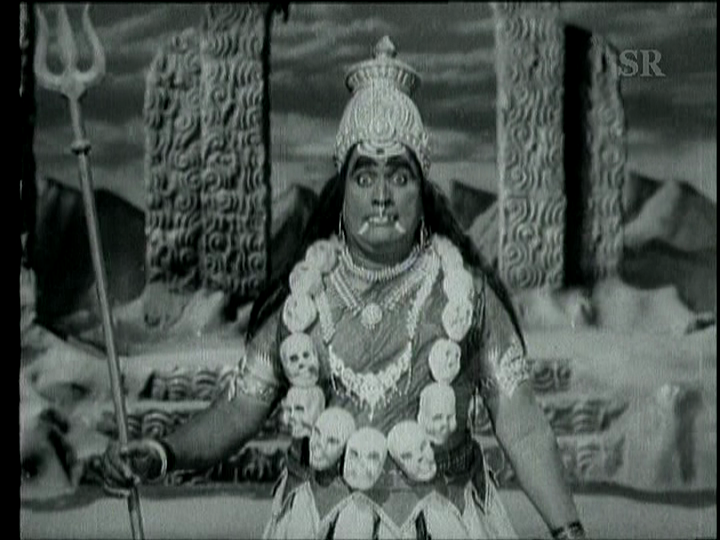
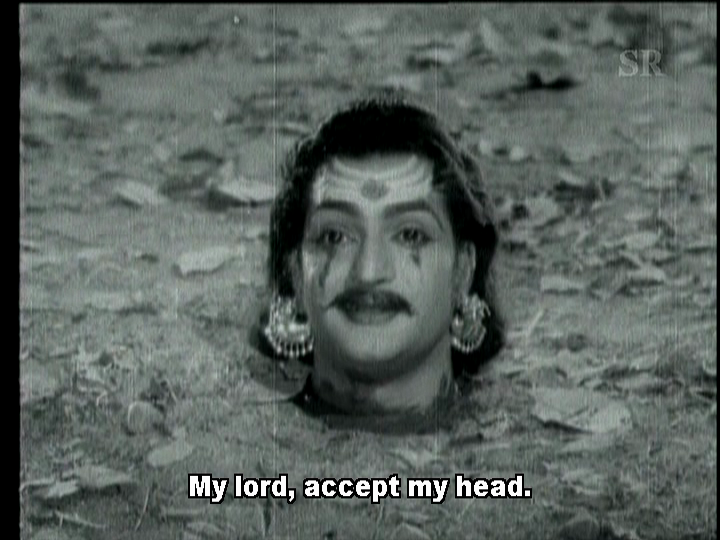
After all the trickery and deceit, Ravana offers penance in very dramatic style, cutting off his own head. It makes the acts of contrition my school priests used to dish out look pathetic. Ravana wins forgiveness but fails to triumph thanks to his inability to stay on task. Again. He neglects an instruction, disregards a warning and jeopardises the very thing he had struggled for.
His flaws were his undoing and they were all things he could control or learn to manage. Luckily his failure created something very special for the human world, so the film ends on a cheery note.
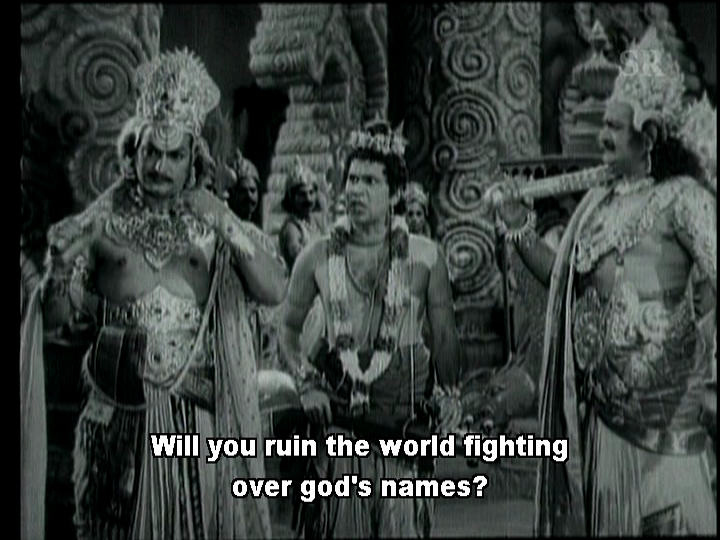
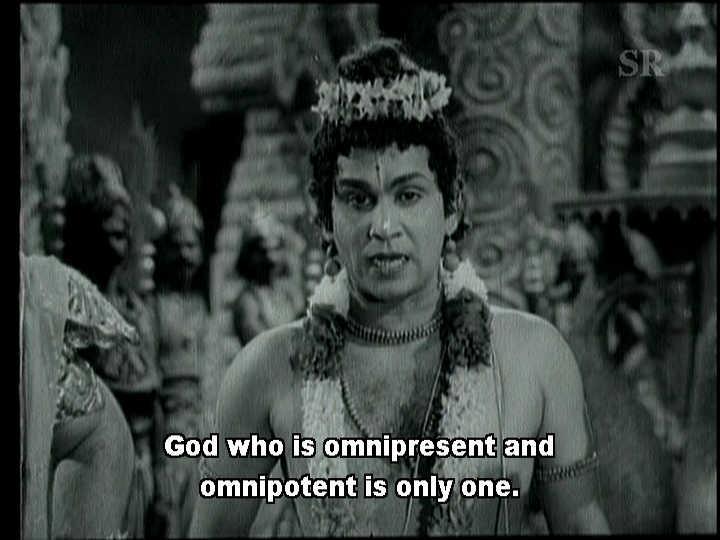
The animosity between would-be in-laws Ravana and Mayasura (an ebullient S.V Ranga Rao) is due to their worship of different gods – Shiva and Vishnu. There are some very pointed references to this, including Narada rebuking them for not realising that god is one and omnipotent. I wondered if this speech was in response to current day issues or purely part of the story. It seemed to be directed straight down the barrel of the camera which made me think it was at least partly commentary aimed at the audience.
The songs are particularly enjoyable, even more so with the bonus of excellent dancers. The songs are directly linked to the story so expand on things or underline issues. In Mayasura’s palace Kamala Laxman performs a very elegant dance depicting Vishnu’s avatars, while Gopi Krishna dances in a more wild and entranced style in devotion to Shiva.
The visual effects are simple, and the use is restrained, so they also enhance the atmosphere of a world outside of human reality.
As with many of the devotional, religious and mythological films from the 50s and 60s that I’ve seen, you don’t need to know anything about the main characters as a preqrequisite to enjoy the story. Bhookailas is beautifully self-contained, and K. Shankar has structured it to make the story accessible and entertaining. Watch this for the rattling good story, the wonderful actors and the visual riches. 5 stars!
Heather says: I found Bhookailas to be an interesting film as it shows Ravana from a totally different point of view. NTR’s demon king is depicted more in his ‘devoted follower of Shiva’ character rather than the more traditional ‘Ravana as the embodiment of all evil’ and for most of the film he is heroic and really quite dashing. It’s quite a change as I think this is the first film I have seen where Ravana hasn’t been just the villain that everyone is supposed to hate and it does make for a fascinating story.
NTR is excellent in his role and his depiction of Ravana’s all-conquering and all-powerful king is very believable. His devotion to Shiva is well shown but even better is his colossal arrogance which NTR hits just right, and when Ravana loses his temper there is a real edge which brings out his demonic nature clearly. However, Although I really liked NTR here, the standout performance for me was ANR. He is brilliant in his depiction of the sage Narada, and I think that this is probably the best characterisation of the trouble making sage I have seen. Narada’s frequent nods, winks and knowing looks are very well done, and he excels in causing trouble for trouble’s sake. ANR hits the character perfectly and his mannerisms and facial expressions make his scenes very enjoyable to watch. The interactions between Narada and Ravana are also very well written, and both actors work very well together to bring their characters to life.
As Temple has mentioned, there is very little scope for any of the female roles here, and Hemalatha as Kaikasi probably has the role with the most substance. I enjoyed her performance and her exasperation at her impetuous son was excellently done. I wasn’t very impressed with Jamuna’s Mandodari and all her simpering, but I did love the underwater palace where she lived. Seeing Helen pop up in a song was a lovely surprise, and I was suitably impressed that Ravana was able to ignore her wonderful dancing as he meditated. Great music, fantastic performances and a thoroughly entertaining story make Bhookailas very well worth watching and I thoroughly recommend it. 4 stars.
















 Cinema Chaat