Jagame Thandhiram (2021)

I’ve been a fan of Karthik Subbaraj’s previous films, even his venture with Rajini, but he seems to miss the mark this time. Despite an excellent cast and some good ideas, Jagame Thandhiram fails to engage as it should, mainly due to its over 2 ½ hour run time. But there is also a clash of themes, with the first half of the film being a typically violent gangster film with flashes of comedy that doesn’t mix well with the political ideology and humanitarian motif in the second. The supposed redemption of the lead character is also problematic, but at least Dhanush has enough charm to induce a whiff of plausibility to the change.
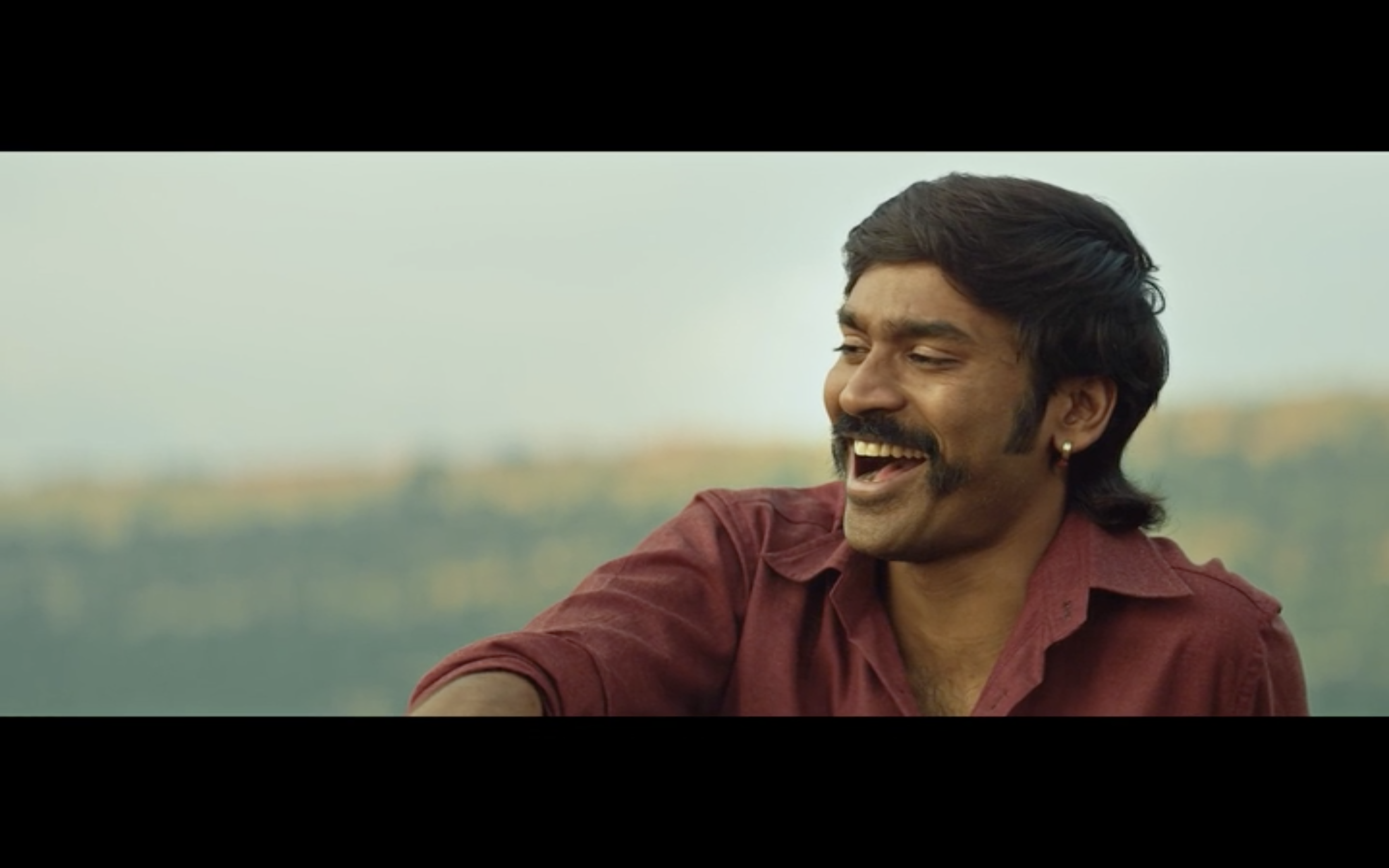

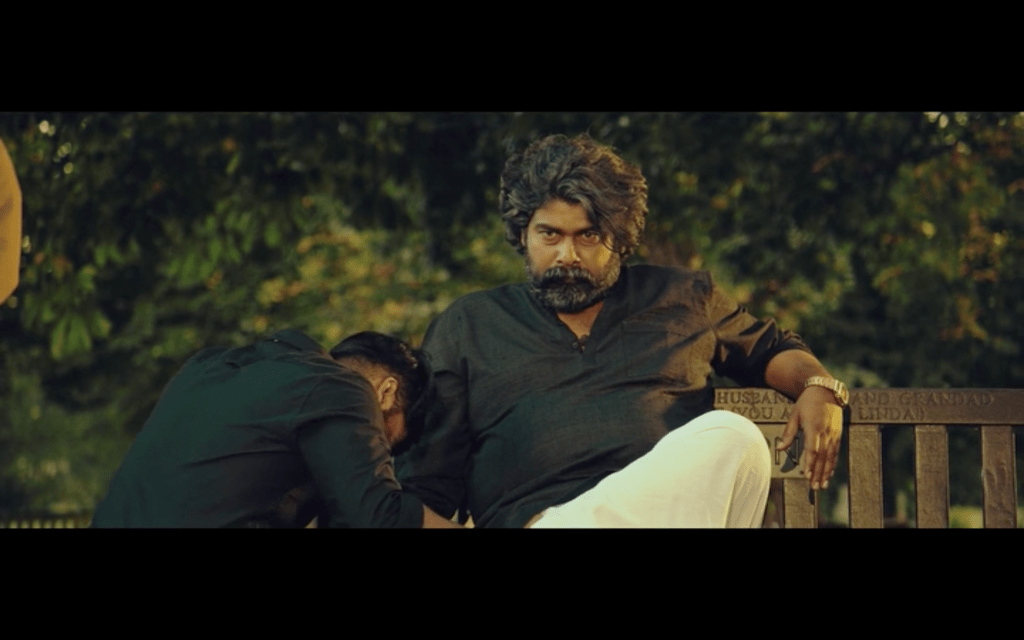
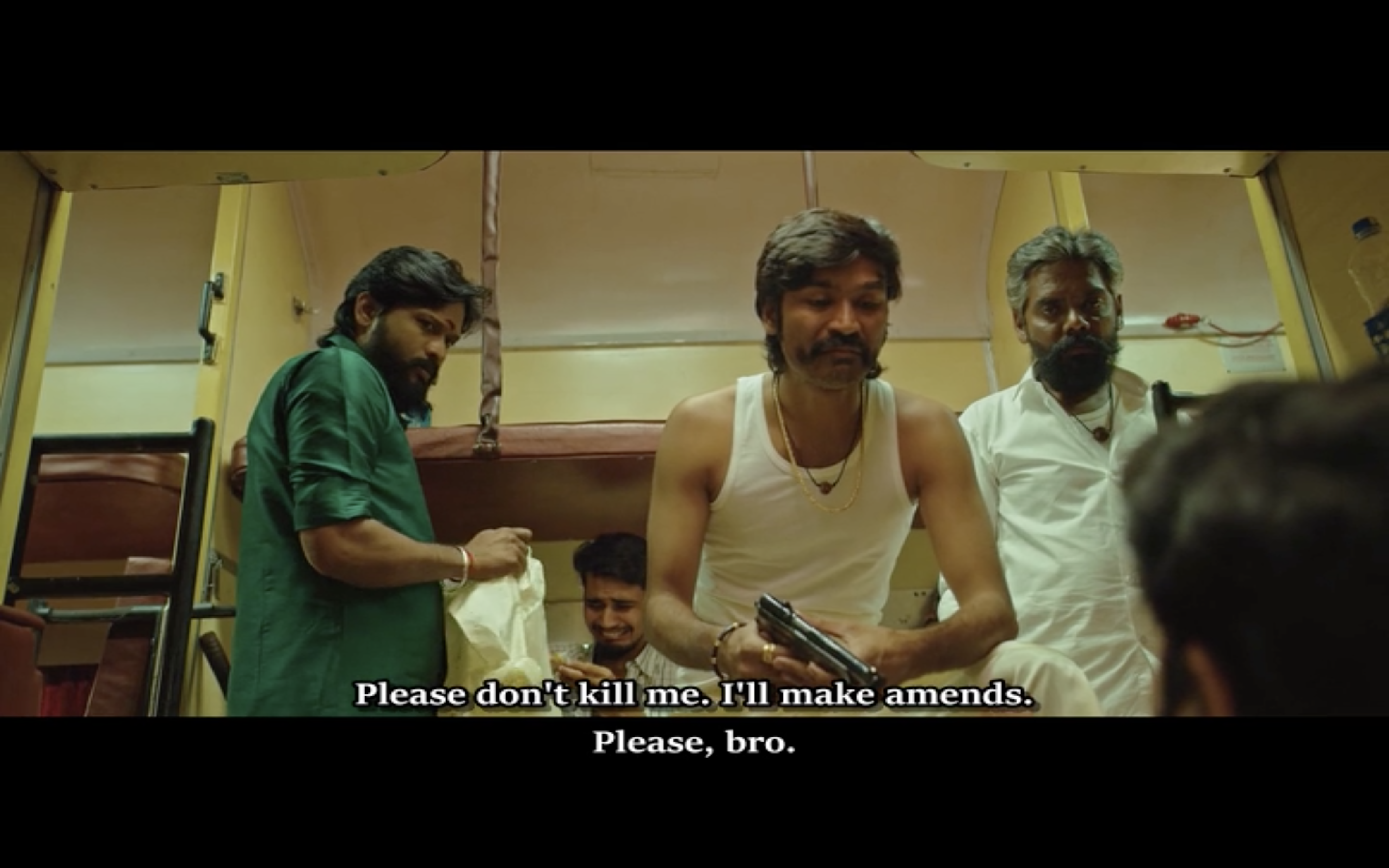
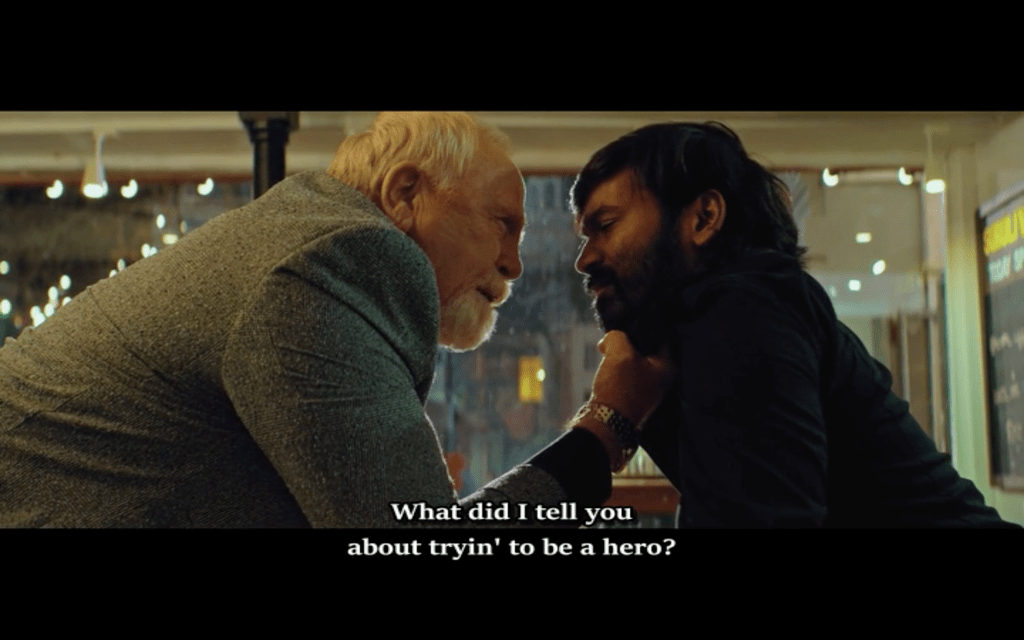
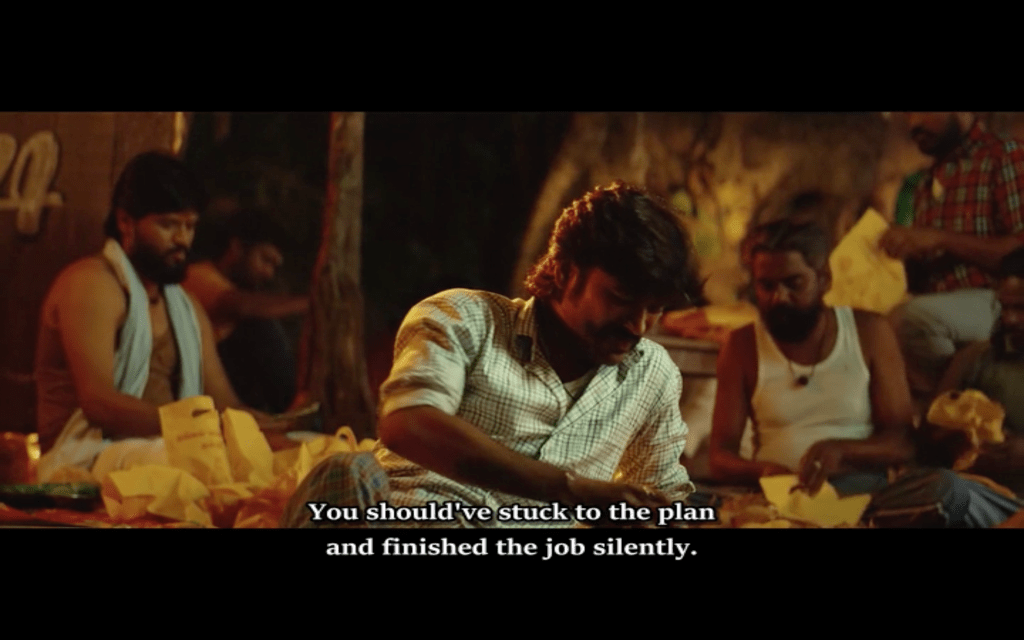
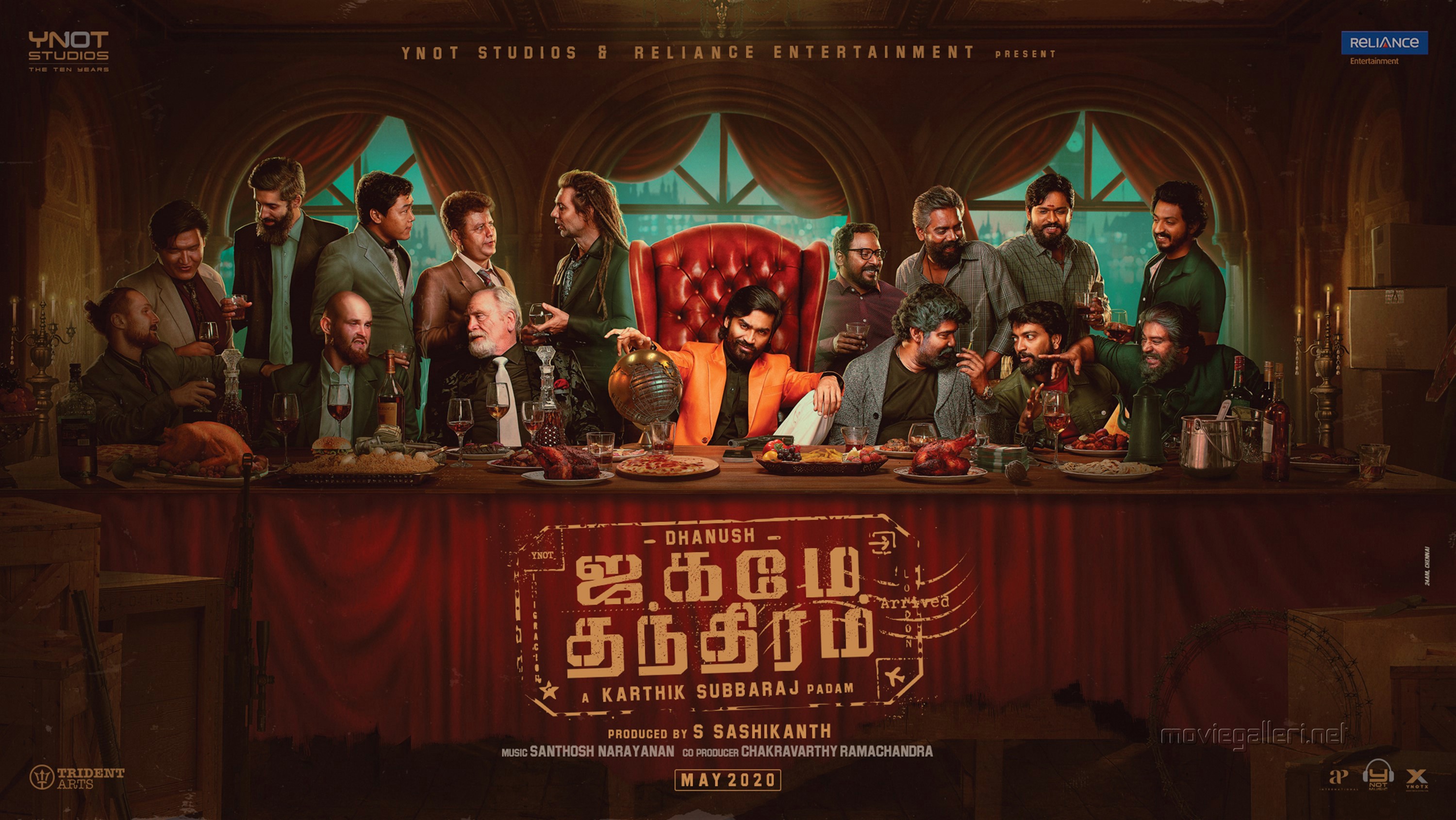
The film sets the scene with a violent murder in the streets of London before moving back to Tamil Nadu and introducing a local rowdy Suruli (Dhanush). Suruli’s reputation is such that his bride prefers to leave him immediately after the ceremony rather than go through with the marriage, but when a London gang is looking for a murderer for hire, they decide that Suruli would be the ideal fit. Lured away from his parotta restaurant by the promise of vast sums of money, Suruli finds himself working for a white supremacist by the name of Peter (James Cosmo) while his childhood friend Vicky (Sharath Ravi) translates Peter’s demands. This actually works well as a device to show that we tend to hear what we want to hear and not what is actually being said. However, with so much else going on, the translation issue tends to get pushed to the background.
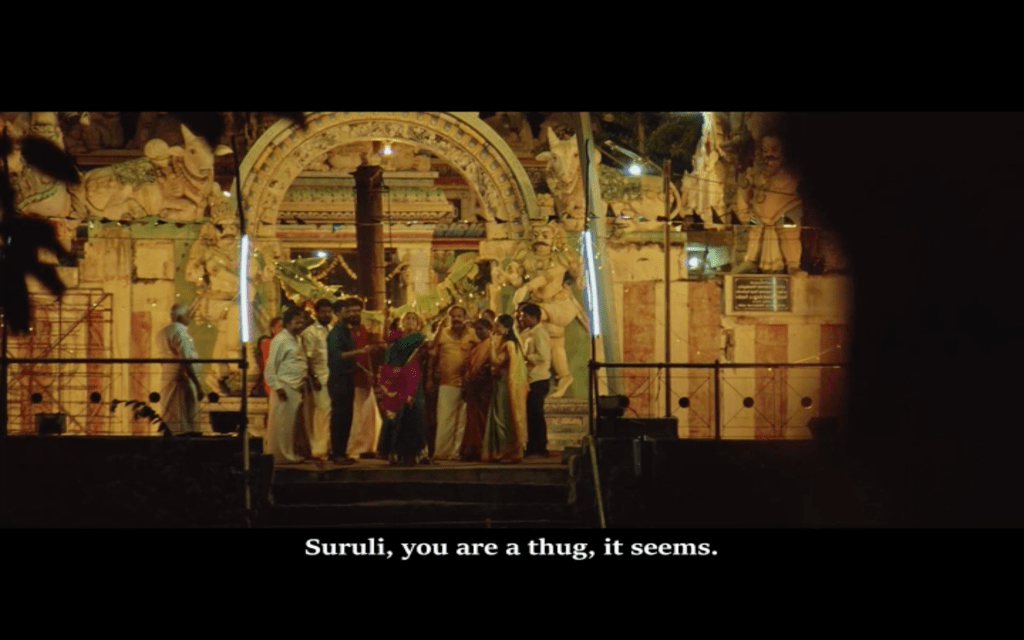
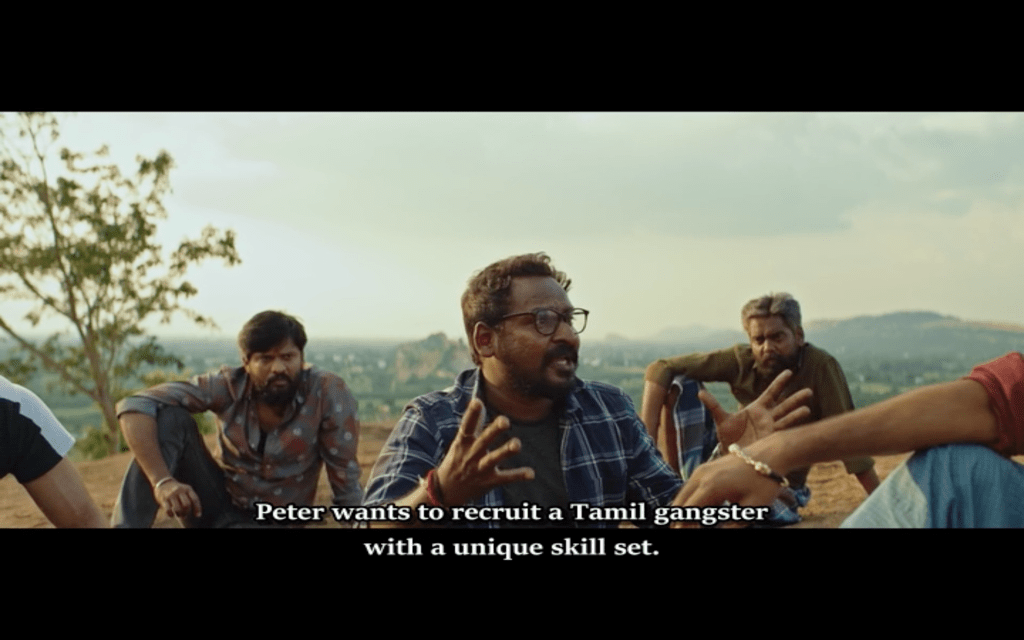
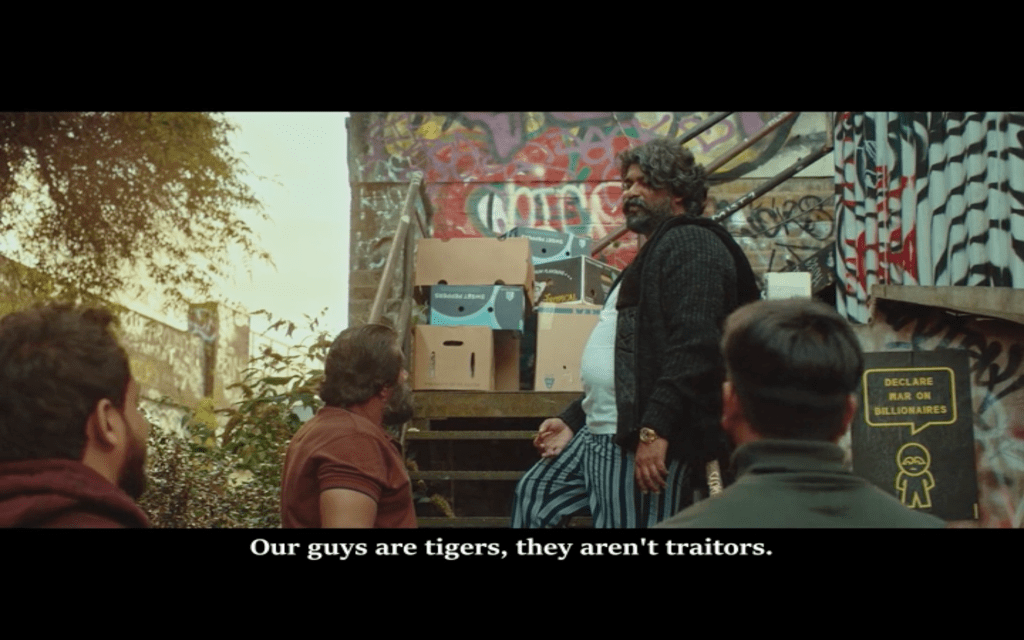
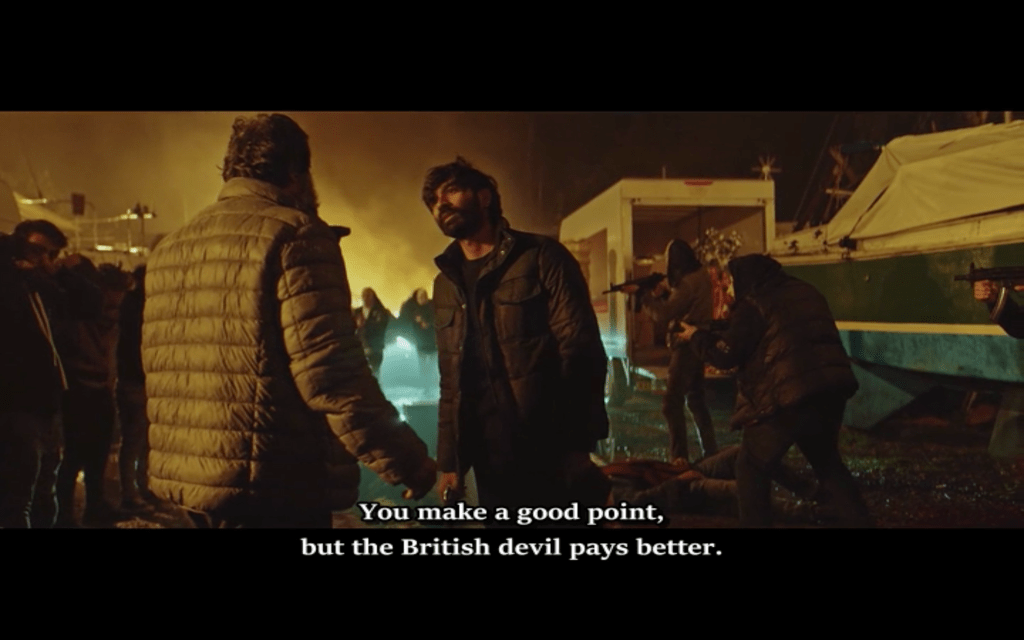
Peter’s target is a Tamil gangster Sivadoss (Joju George) who was behind the murder of one of Peter’s men in the opening scenes. Sivadoss is a smuggler, primarily trading in guns for gold, but he also is involved in assisting refugees to settle in the UK. As a bigoted anti-immigrant, Peter is violently opposed to immigration and decides to use a brown man, Suruli, to solve a brown man problem – Sivadoss. So far so good, with Peter’s over the top posturing not too unrealistic given similar behaviour has actually occurred far too frequently in real life recently. But just when everything seems to be settling in for a nicely violent gangster film, Karthik Subbaraj decides to introduce a secondary theme that ultimately derails the film.

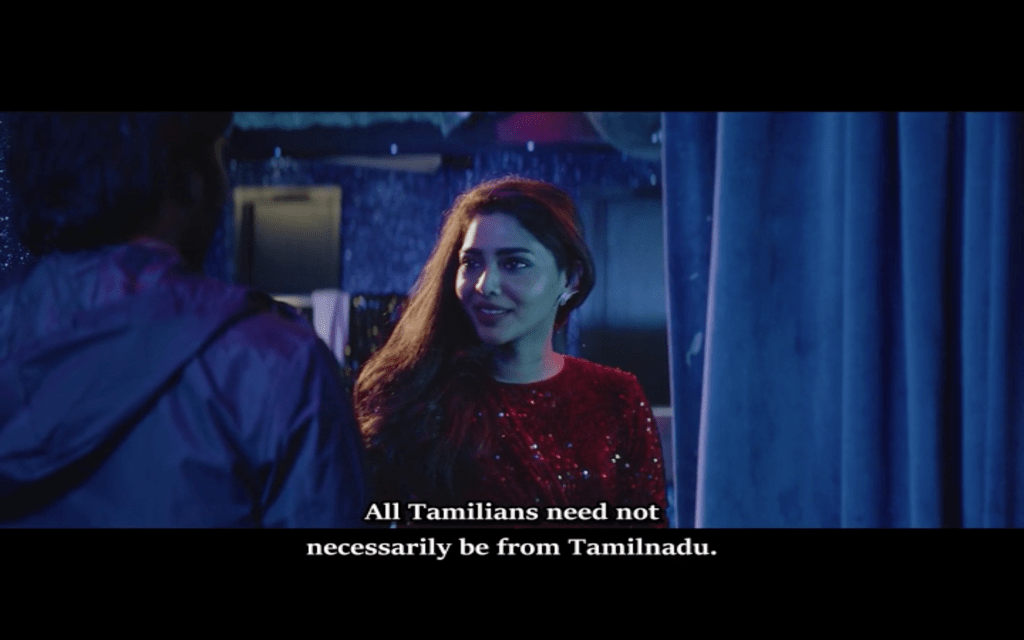
On one of his outings with Vicky, Suruli spots Attilla (Aishwarya Lekshmi) who is singing in a bar. There follows the usual tired and very outdated love at first sight trope that really needs to be allowed to rest in peace, but at least Attilla does push back – at first anyway. The whole romance feels like a bad fit with the rest of the film, and more like a nod to appeal to a mass audience rather than a genuine attempt to add something different to the screenplay. But in the second half, Attilla shares her past which moves the story in a different direction although unfortunately, none of this proceeds in a way that fits with the previous storyline or is even slightly believable. Added to that, both leads look uncomfortable with each other, which ensures the romance never takes off either and makes the final point of using Attilla as Surali’s redemption a step too far that misses by a mile.
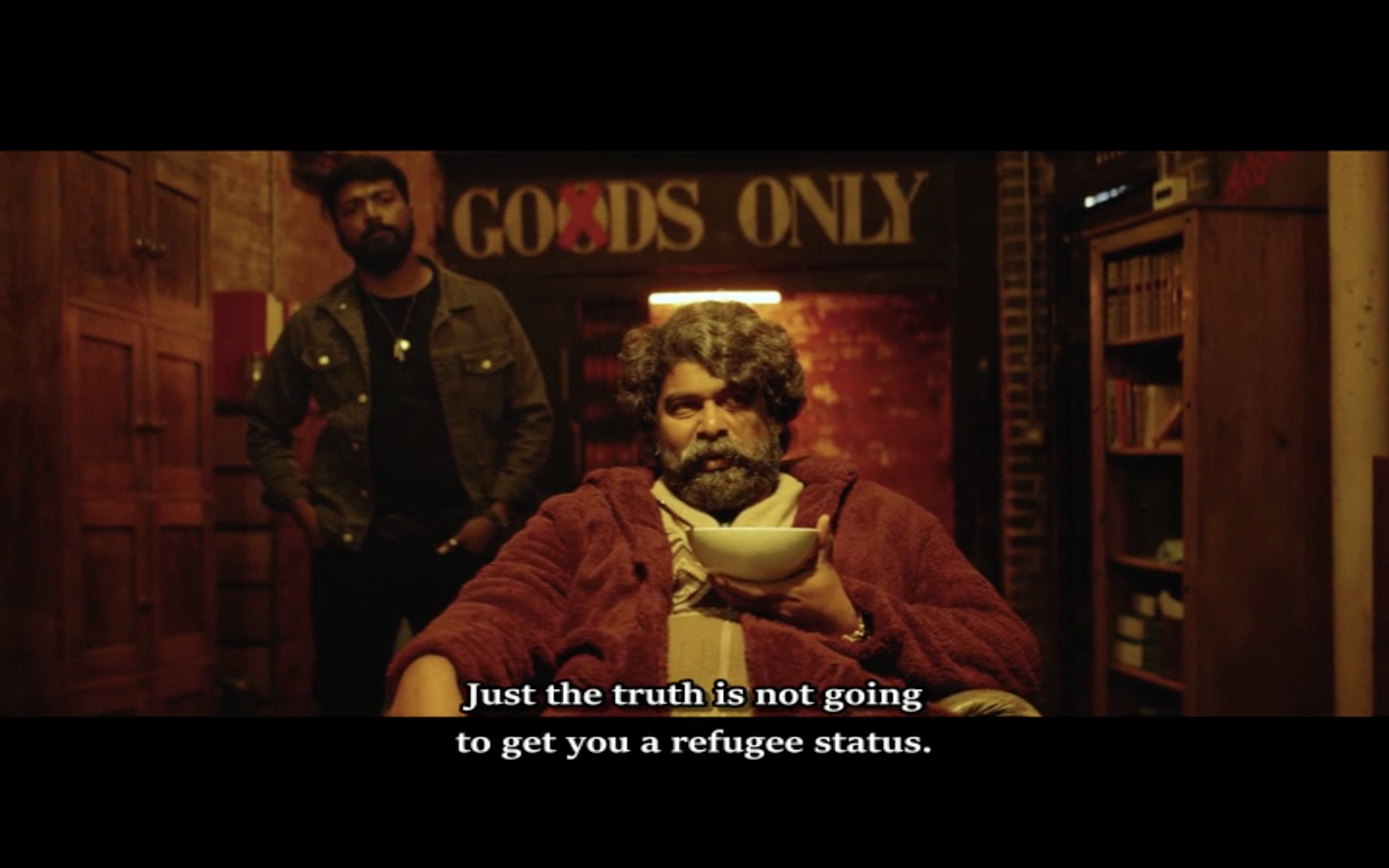
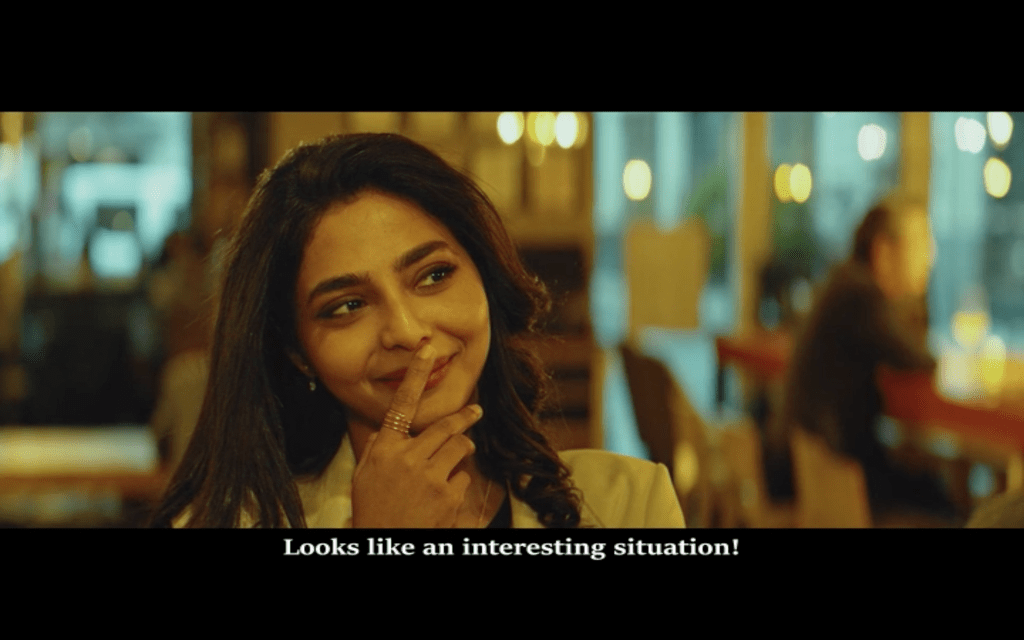
Although the story fails to deliver to Karthik Subbaraj’s usual standard, the cast mostly fit well into their roles. It’s just a shame they are all acting in a different film to each other. Dhanush has played this type of gangster film many times before and perhaps that’s why he seems less than thrilled with some of the scenes. The action sequences are great, but he seems as bemused by the romance as I was, and it’s really only the scenes where he is double-crossing anyone and everyone that genuinely come alive. Joju George and James Cosmo are both very good in their roles but of the two, Joju has the better role. The character of Peter is one-dimensional to a point that makes him almost a cartoon figure, while at least Sivadoss has more shades and better dialogue. The various other gang members are mostly interchangeable and superfluous with even Vicky being relegated to the background as the violence heats up. Aishwarya Lekshmi is totally wasted in a role that probably looked good on paper, but doesn’t work at all within the context of the rest of the film. 
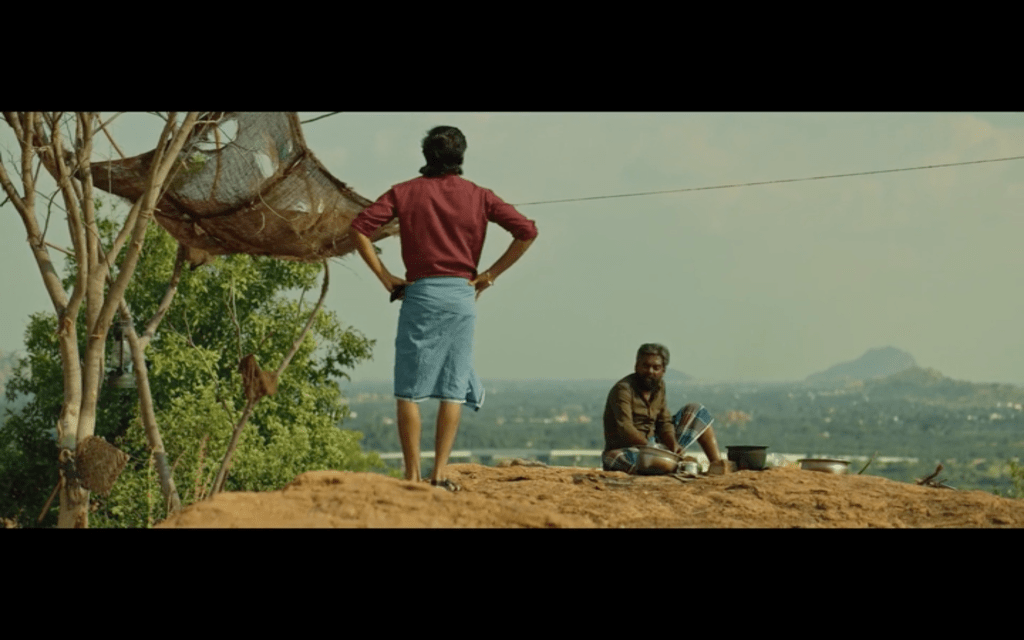
What does work well are the action sequences which are beautifully choreographed and flow easily into the storyline. The music from Santhosh Narayanan is also good and the songs also fit well into the film. It was also good to see parts of London on screen and the usual chilly British weather ensuring everyone (apart from James Cosmo) looked suitably frozen in any outdoor scene. James Cosmo benefited from a rather warm looking coat and cashmere scarf and so looked much more comfortable, but then as a Scot is probably more used to the cold anyway! And if you’ve ever wondered how Scottish dancing would look with Tamil music, wonder no more.

Jagame Thandhiram could have been a really good gangster film, or a really good refugee film, but it can’t be both. The combination storyline makes for an overly long running time and the two halves never gel together. As a result Suruli’s character is also problematic, having made too many bad decisions in the first half for any of the events in the second to ring true. There are lots of good ideas, but for once Karthik Subbaraj fails to bring them all together and the usual deliciously wicked humour is totally missing. Perhaps if it had been a 4 episode web series it might have had the space required to fully develop the story, but even with two and a half hours, there just isn’t enough time to make it work here. 2½ stars.
Mandela (2021)

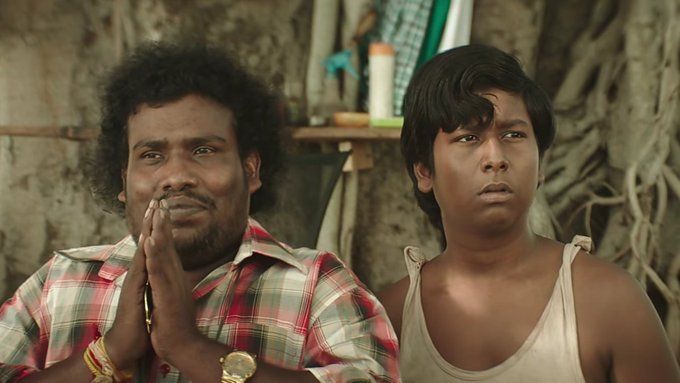
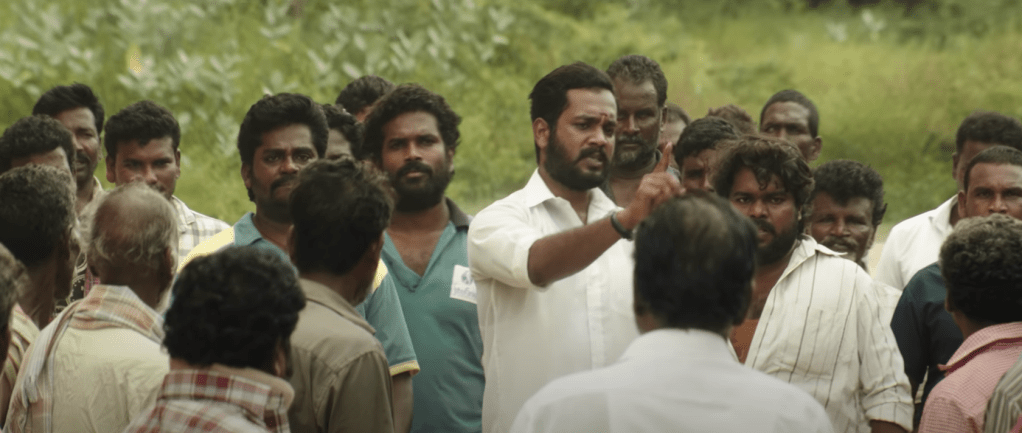
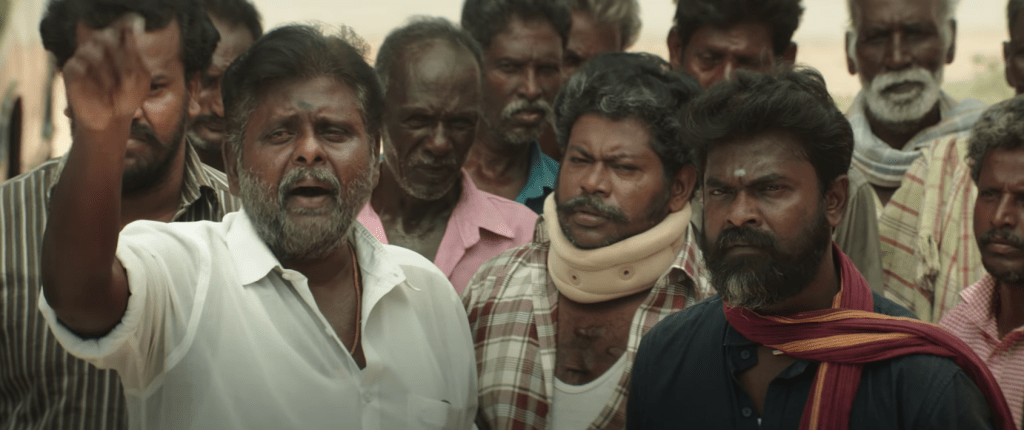
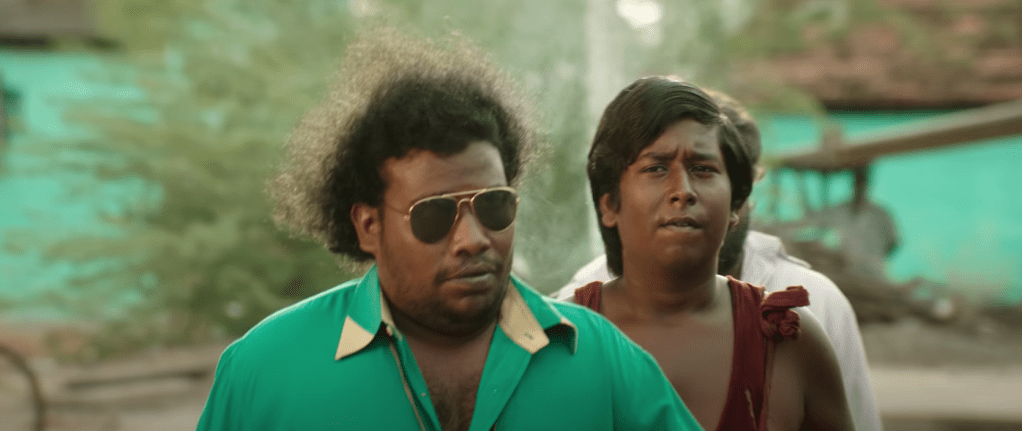
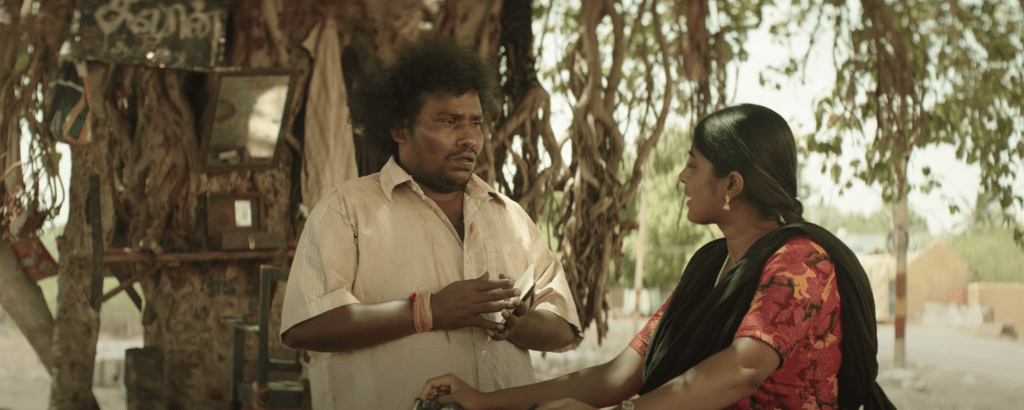
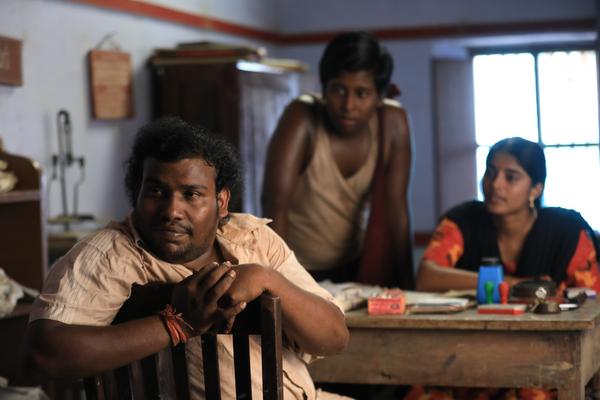
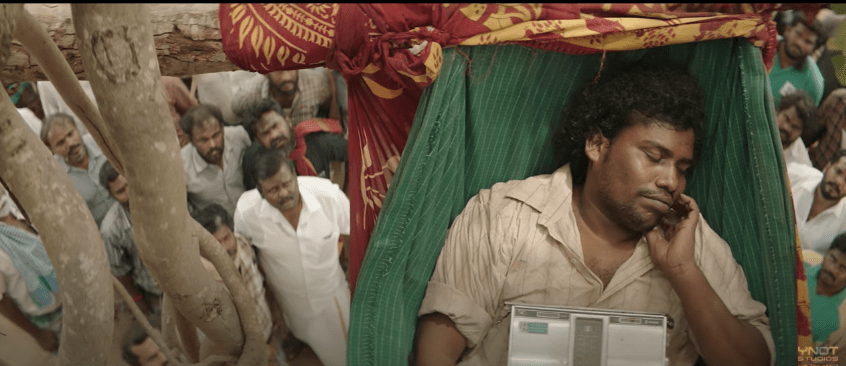
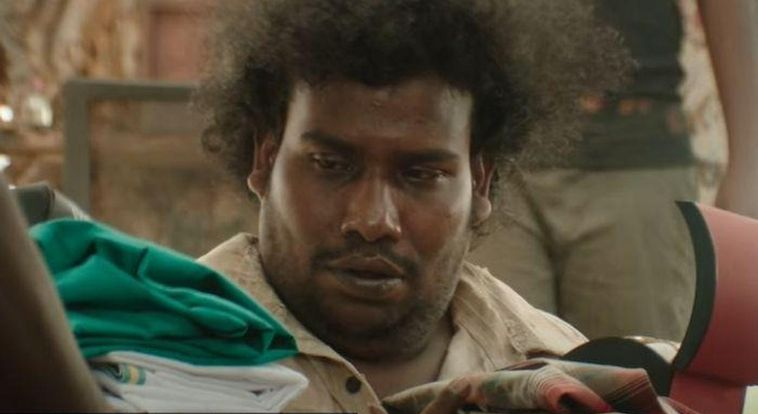
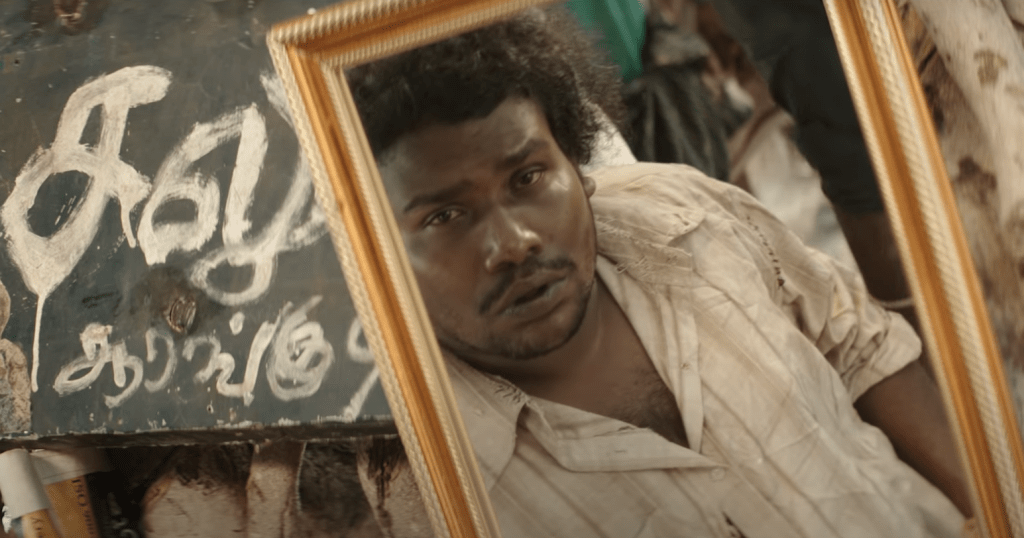
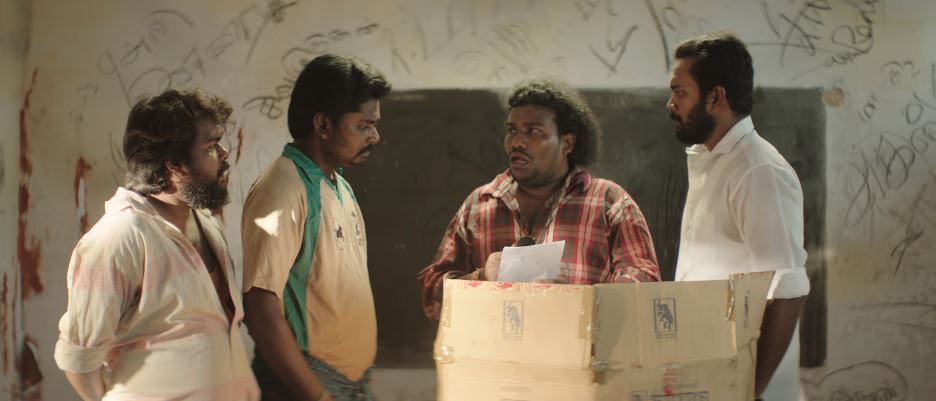
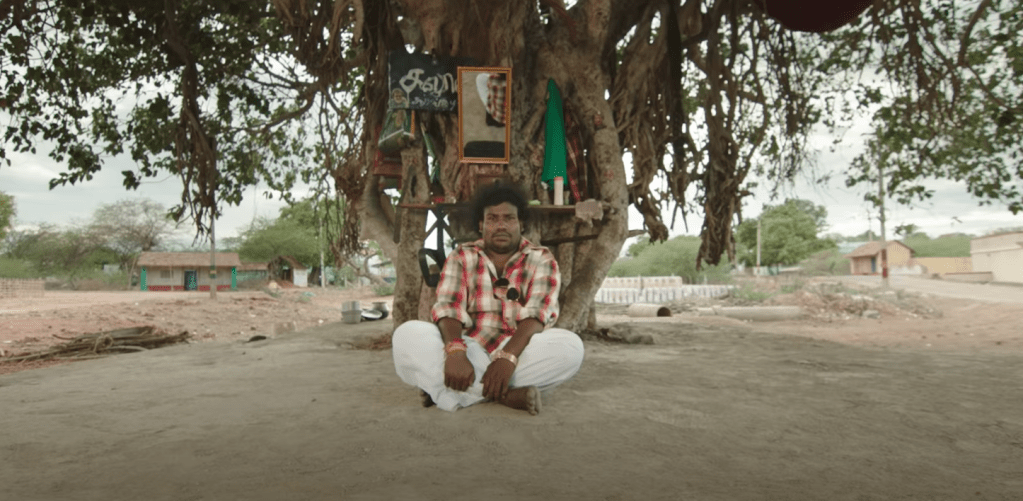
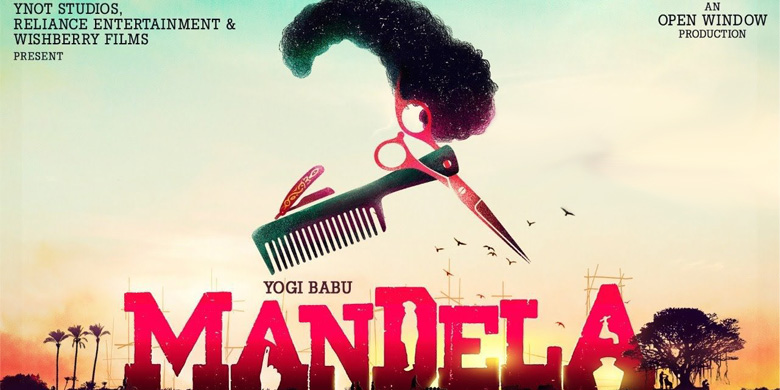
Madonne Ashwin’s political satire takes an election in a small village in Tamil Nadu as the backdrop for issues of caste, corruption and electoral rights. It’s mostly framed as a comedy, but there is plenty of emotional drama in the final scenes, and for all the jokes, the issues still come across as serious problems for society. Yogi Babu shines in the lead role, playing a low caste barber with easy humility and plenty of charm. G.M.Sundar and Kanna Ravi get to snarl at each other across the village divide, while Sheena Rajkumar is excellent as the level headed postmaster adding sanity to the proceedings.

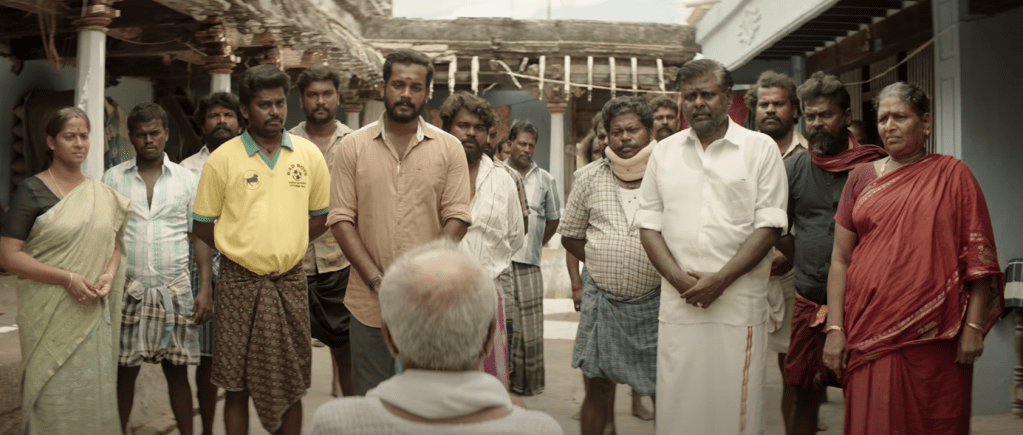
The story is based around the fact that the village of Soorangudi is divided in two with a fierce rivalry between those who live in the north and those who live in the south. The rivalry is caste based and to try and keep the peace, the village leader has two wives, one from each faction in the village. But Devi, from the north, wants her husband to favour her son Rathinam (G.M. Sundar) while southern Valli stands up for her son Mathi (Kanna Ravi). As a result, while the arrangement may be to try and create peace in the village it has the opposite effect for the leader’s household. All the president’s attempts to improve the village founder at the feet of the village rivalry and there is no peace for anyone in the village while Rathinam and Mathi each try to make their mark.

The film starts with the kidnap of a man heading out into the woods for his morning ritual dump. His presence is needed at the unveiling of a new toilet in the village to ensure that the northerners enforce their ownership and block any southerners from trying to use the new facility. But the southerners also turn up in force, and in the ensuing chaos the toilet is smashed, ensuring no-one, north or south, is able to use the hygienic solution to public defecation. The scene sums up the problem in a microcosm. There is the leader, trying to forge a centralist path, but harangued on either side by his two wives. The women of the village look on in horror as the men once again destroy something that would have made their lives much easier, while the village barber Smile (Yogi Babu) is humiliated and belittled for no other reason than his lower caste status. It’s perfectly done and an excellent introduction to the various characters and their place in the village hierarchy.

When the village president suffers a stroke, his two sons each vow to stand in the election, pitting north against south in a race to win precedence. The votes are equally split between the two brothers until Smile, with his new name Nelson Mandela, is the recipient of a brand new voter card. Suddenly Mandela has the deciding vote in the election and no expense can be spared to buy his favour.

The basic idea here is excellent, and for the most part the film lives up to the introduction, poking fun at numerous societal issues within the village which afflict the greater population on a more general scale. Having been in Tamil Nadu a few years ago while local elections were being held, I well remember the mania that seemed to ensue, and writer director Madonne Ashwin captures the hysteria around the election perfectly. At the same time, each scene references a political issue. Whether it be caste, the lack of local education, poor roads and public defecation, all are brought to light as the brothers focus on what their (male) supporters want and ignore the needs of the village completely.

What works well is how Mandela reacts when Rathinam and Mathi each try to buy his vote with favours. It’s very natural that he accepts everything he is offered and tries to get as much as he can out of the two warring brothers. As the situation escalates and the bribes become threats, Mandela’s bafflement with the way he is treated is clearly depicted although there is still the same resigned acceptance that this is just his lot in the world. Mandela’s attitude is contrasted with that of his apprentice, Sideburn, who quickly sees that nothing has really changed, and the villagers still don’t respect Mandela or what he does for them. It takes an act of violence for Mandela to understand he is still at the very bottom of the village hierarchy, and realise that he will be discarded just as soon as the election is over.

Another excellent piece of writing sees Mandela get his name from the postmistress Thenmozhi (Sheena Rajkumar), who arranges an account for him along with an ID and voter card. Thenmozhi is a person who gets things done. She fixes the broken door to the post office herself and extends a helping hand to anyone who needs it. Her character is the breath of fresh air that the village needs, but refuses to take, while she is the only person who seems to show Mandela any respect. It’s always refreshing when there isn’t a female romantic lead, and in fact Thenmozhi is the absolute opposite. She’s from another village so doesn’t buy into the north/south divide and has no prejudice to overcome. I loved her firm, no nonsense attitude and Sheena Rajkumar does an excellent job with her character.

Mandela is a clever look at the political system that pokes fun at the leaders, their followers and even the issues that fuel political debates. It’s funny and charming at the same time, mainly thanks to Yogi Babu, but there is a serious message that still gets across despite all the laughs. Definitely one to watch and an excellent addition to the genre. 4 stars.

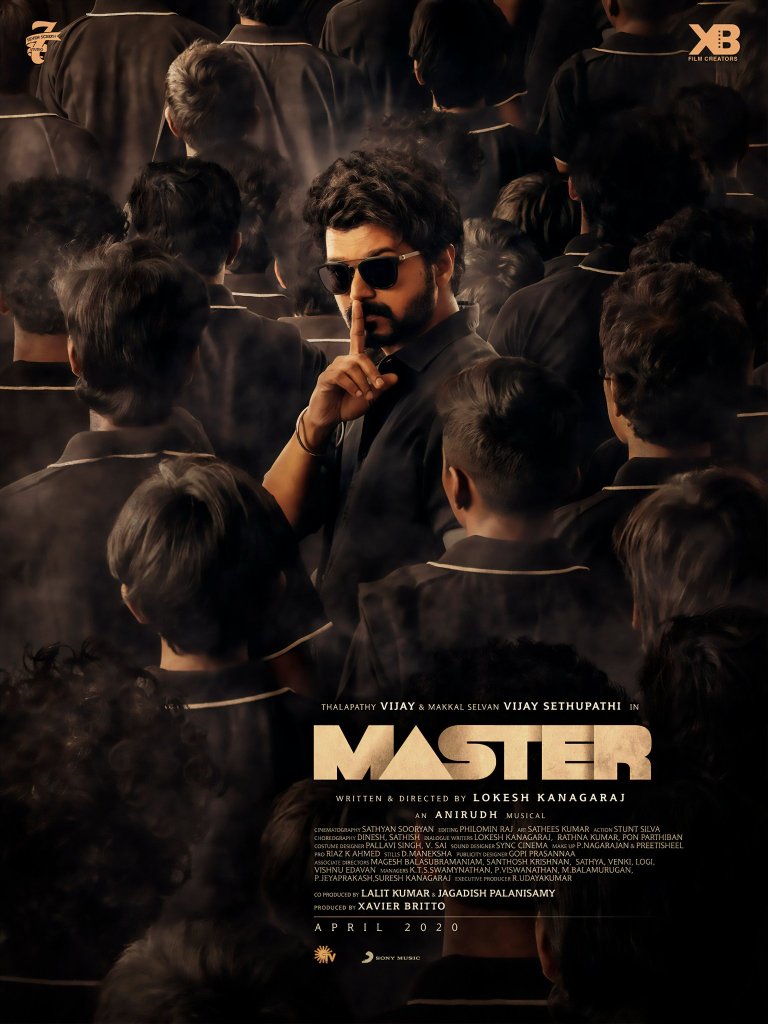
Master (2021)

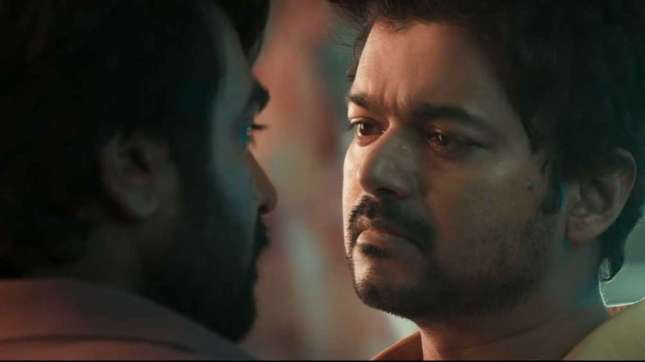
I loved Lokesh Kanagaraj’s last film Kaithi, and was interested to see how he would approach having a big name star for his latest movie. Not that Kathik isn’t a star (he definitely is!), but there are certain fan expectations for a Vijay film and as might be expected Lokesh follows most. However Master is more than simply another star vehicle and thankfully there are some touches that make this a cut above the usual Vijay mass film. For instance, the villain here is just as important as the hero – in fact he has more of a backstory and quite frankly a more interesting story arc. The obligatory ‘romance’ is practically non-existent and here Vijay plays a more dislikeable hero with more flaws than I’ve seen before. It’s not a perfect movie, but better than I was expecting and with both Vijay and Vijay Sethupathi on screen together, a real treat for fans of both.

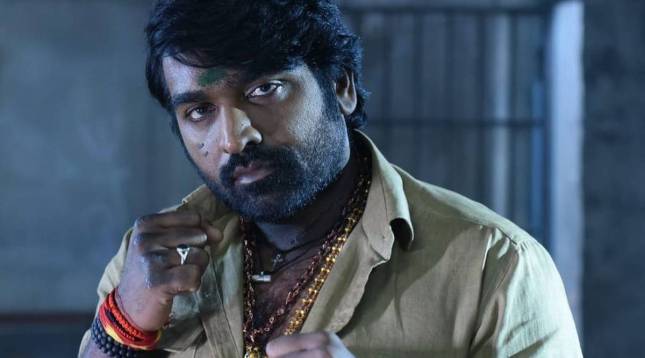
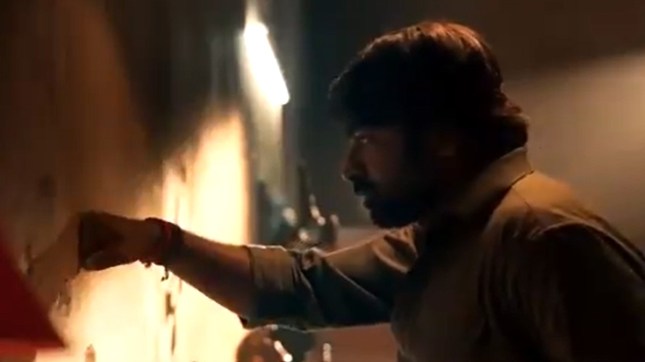
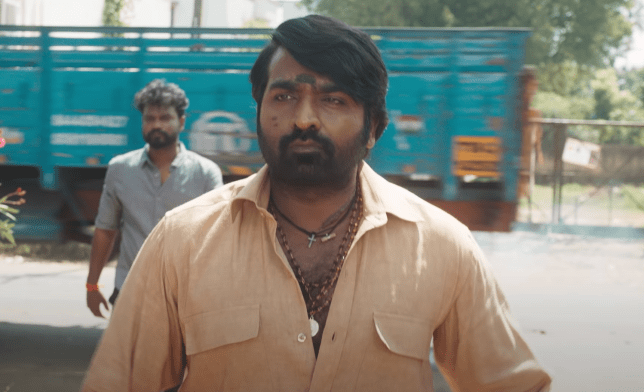
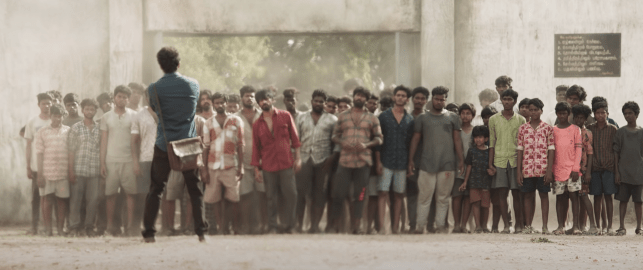
The film opens with a young Bhavani (Master Mahendran) being menaced by his father’s enemies after they have murdered his family. He’s thrown into a juvenile detention centre where he is beaten and bullied, leading Bhavani to develop a tough persona and his own ‘superpower’ from years of pounding his fist into the wall. Moving forward to the present, and the now adult Bhavani (Vijay Sethupathi) has taken control of the trucking industry using the young inmates of the detention centre as his criminal associates. Most notably he uses them to take the blame for his various illegal acts, while plying the youngsters with drugs and alcohol to keep them compliant.

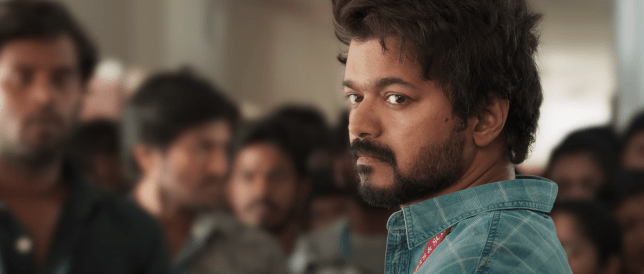
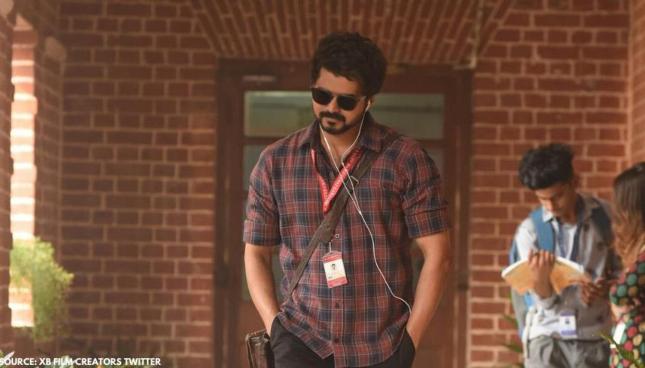
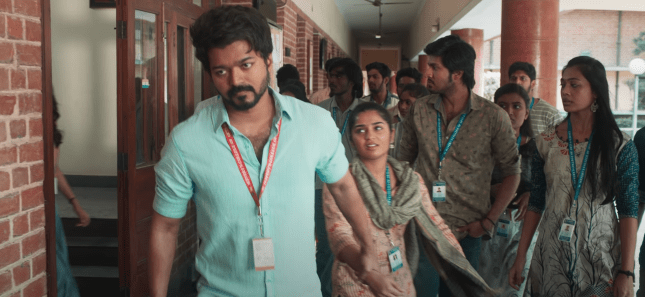
Meanwhile, a college teacher John Durairaj aka JD (Vijay) is struggling with his job. Although he is loved by the students for his stance on student rights, the headmaster and other staff dislike him, possibly due to his popularity with the students, although this doesn’t ring true. When a contest for a new student president descends into violence, JD is quickly ousted from his job and moved to the juvenile detention centre to take charge of the facility as the new ‘Master’. JD quickly discovers the facility is beset by corruption and after a distressing incident involving two of the inmates, he starts to make changes in his own life. The idea seems to be that to change the facility he first has to change himself. After discovering links between Bhavani and his juvenile pupils, he sets out to destroy Bhavani and redeem the inmates.

So far so good, the story is engaging if rather predictable, and the addition of a good and personable villain really helps. As expected for a Vijay film, the action sequences are well choreographed and executed to a high standard. Those involving Bhavani and the various people who stand between him and the coveted Union leader’s position are made even more awesome by his ‘super-power’, which harks back to those hero fight scenes where the hero can manage to defeat hundreds of men without even breaking a sweat! There is a terrific extended sequence with JD in a police station, and it’s clear that all these small fight scenes are leading up to the big finale between JD and Bhavani, which also does not disappoint. While I would have liked a few more fight scenes with Vijay, overall, in terms of action, Master gets the recipe just right. The songs too are excellent. The energy and exuberance in this opening number with Vijay is simply spectacular!

What also works well is the development of Bhavani as a villain. Initially the character evokes sympathy for the way he was treated, and in many other films this would be the track that turns someone into a hero. But not here. Instead, after being powerless as a teenager, Bhavani becomes corrupt and willing to sacrifice anyone and everyone for his ambition.  Lokesh uses Vijay Sethupathi’s voice for the young Bhavani, I think modulated to sound younger, and it’s works well to anchor Bhavani’s persona in what he experienced as a youth. Vijay Sethupathi uses his physicality to really dominate in the film and I loved that here was a villain that I could really enjoy. There is some comedy and naturally lots of cool mannerisms that meant I was rooting for Bhavani in every single fight (well, the people he was fighting were just as corrupt) at least until he locks horns with Vijay. I am a big Vijay Sethupathi fan, and it was good to see him as the villain of the story for a change.

Interestingly, Vijay’s character JD had much less character development, although there is a long sequence at the start that introduces him and deals with his issues in the college where he works. This part of the film does drag and it also introduces characters that don’t add anything much to the story. Although they do appear at the end, by that stage I’d forgotten who they were and why I should care about their fate. Indeed, the entire introduction sequence only had 3 points of note, all of which could have been established in a fraction of the time. 

JD’s introduction sequence does feature new teacher Charu (Malavika Mohanan) who has a crush on JD. But s is so often the case in these big hero films, there was simply no point to Charu’s character and unfortunately, she adds little to the story. Her crush doesn’t go much further and attempts to bring her into the story using ‘connections’ in the detention facility fall rather flat. The only part of her story I enjoyed was when young inmate Undiyal (Pooviyar) manages to save her from a gang of thugs while JD is unable to do anything but watch. That felt much more like a Lokesh Kanagaraj touch. The best scenes are those with Vijay and the kids in the detention facility, and in these the mix of comedy, action and tension is just right. The contrast between Bhavani’s scenes of menace and destruction are used well to contrast with the gritty but still lighter scenes in the facility. I just wish there had been more of this and less of the ‘fluff’ and window dressing,

The good parts of the film; the fight scenes, Anirudh’s music and Vijay Sethupathi as a villain, are all excellent. Vijay is awesome in the fight scenes and his interactions with the kids in the detention facility are really cute. But where Master really falls down is the length. The film is really long and there is much that just feels unnecessary and indulgent. The screenplay seems loose and at times not coherently put together with a number of side alleys and diversions that should have been curtailed. The additions and distractions slow down the plot and the film only comes back to life when either JD or Bhavani are centre stage without all the extra padding weighing them down. An action film with Vijay should be tight and exciting from start to finish but sadly, Master isn’t, not quite. But it’s still a fun watch and I did enjoy watching Vijay Sethupathi as a villain and Vijay’s foray into the educational system. Thanks to rekhs and her excellent subtitles the film is also easy to understand while the production is slick and polished. I wish I’d been able to watch this in the cinema with a huge crowd, which would have helped get through some of the slow sequences. But even at home, Master is still a good film and definitely a better than average watch.