Aidondla Aidu

Aidu Onda Aidu (Five times one is five) is a Kannada film by the director V K Prakash. Known mainly for his Malayalam films this is his first venture into the Kannada language and is being shown in Australia and New Zealand  as part of the Indian Film Festival . The film is based on extracts from 18 Natakangal, a collection of plays by award winning Malayalam author and playwright Jayaprakash Kuloor. There are four short stories in the narrative linked together by the fifth tale of a director trying to make the stories into a film. While the individual stories are all very well told and beautifully shot, the linking narrative is less compelling and as a result the film doesn’t quite make a complete whole.

The film starts with the story of Kantha who is trying to make the film of his dreams.  He takes a year’s unpaid leave of absence from his job and seems to be relying on his unrestrained enthusiasm and the support of his wife.  I think that the actor playing the role of his boss is actually Jayaprakash Kuloor himself, but I’m not familiar with most of these actors so please excuse me if I’m wrong here. As Kantha tries to sell his story he runs into every possible difficulty with the various producers he meets.  People like his story, but it needs more action, more gimmicks, more everything and of course this starts to take a toll on his enthusiasm.  In the course of his struggles we see the four stories he is trying to film. 

All the tales revolve around the relationships between a husband and wife and although each explores different facets of the marital relationship, at their core they involve communication and the consequences of misconception. 

The first story is a charming tale of a new bride and groom which has plenty of humour.  This is told with a very light touch and the two actors appear fresh and natural in their roles.  This song is one of my favourites in the film as Gowri is making yet more payasa for her husband Lokesh.

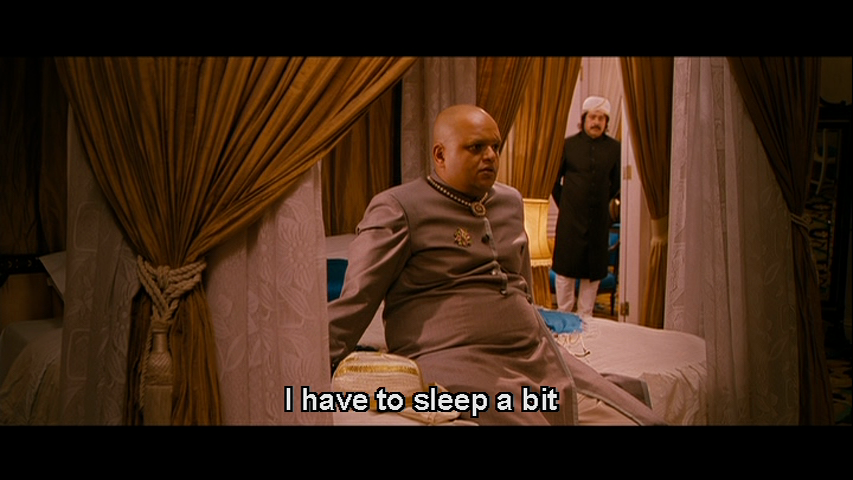
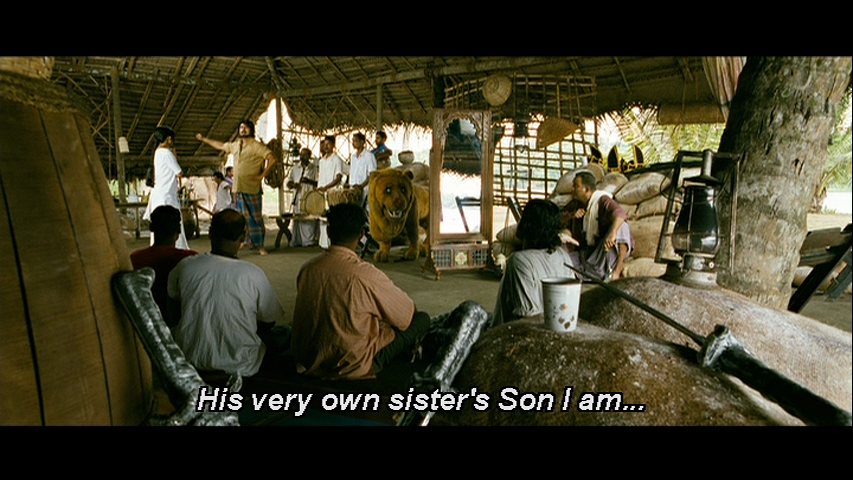
The next story is a simple tale about the effect of a mirror on a poor couple who have never seen their reflections before. While it’s perhaps hard to believe in their naivety, the story is more of a parable about the effects of jealousy on a relationship. Again the story is told with plenty of light comedy and the song by the pedlar who gives them the mirror is excellent.

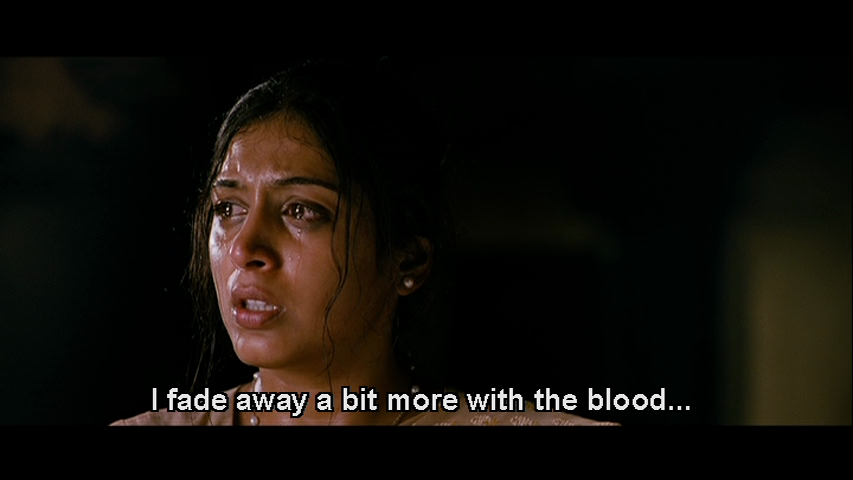
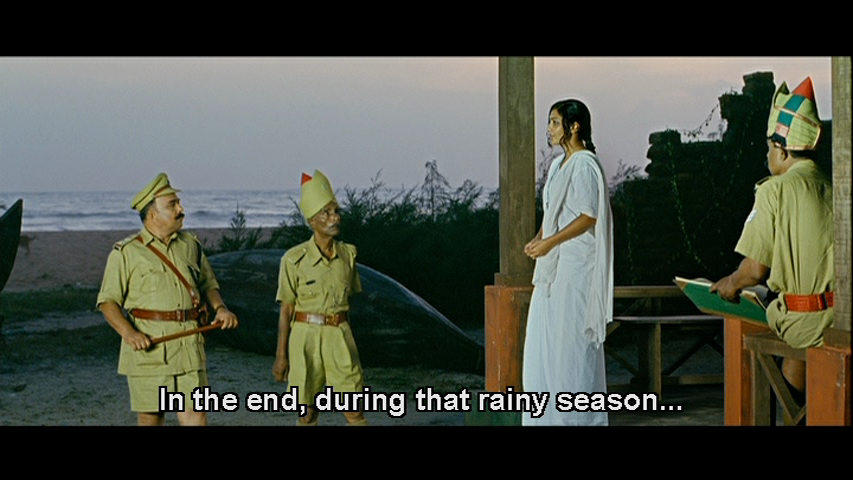
The third story is quite different, although it still has at its core the relationship of a husband and wife. This time the tale is much more realistic with less humour and as a result breaks into the almost magical atmosphere created by the other two. The final story goes back into more of a fairy tale like tone and focuses on the rekindling of a relationship during the rainy season. This allows the film to end on an optimistic note, albeit a somewhat soggy one.

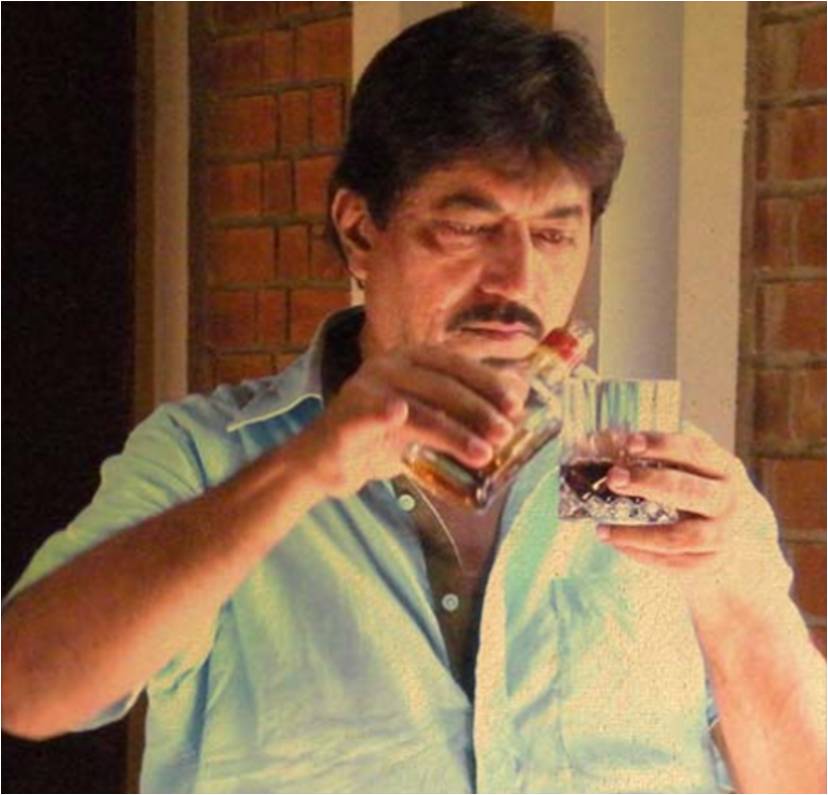
These four stories within the main narrative succeed in different ways and the use of a number of directors of photography and editors helps to give each a distinctive feel. The songs in particular are nicely integrated into each and work very well. There is a lot of comedy in the stories although this is very gentle and grows out of the various relationships depicted. I have to admit I don’t know many of the actors here but I was impressed with the performances and thought they all fit their resprective roles well.

The linking story is kept brief and somewhat pedestrian which is perhaps why it doesn’t grab my attention in the same way as the other four tales. There is little exploration of why the director feels compelled to tell these stories and there seems to be a few wasted opportunities to further explore his own relationship with his wife. This is frustrating, particularly when compared to the other short stories which are beautifully complete in themselves and yet allow for a wider interpretation of the relationships portrayed. Kantha is shown as having an early love of cinema and is childishly enthusiastic, but that doesn’t explain why he goes about his film in the way he does. His wife has the potential to be an interesting character as she is prepared to stand by her husband and help him realise his dream despite the hardships incurred, but her motivation is never really fully explored. More development of both these characters would have made their story much more compelling and provided a firmer foundation for the other four tales.

While overall the film is funny and charming, the different stories are quite disparate giving a slightly disjointed feel. A more detailed linking narrative would have made this a much more cohesive film as there is so much else which is excellent. The short stories themselves all are rather fanciful and this is another factor which separates them from the main theme which is very much set in the real world. Its still a film I would recommend watching for the music, good song picturisation and impressive performances from the large cast. This film was a good start to the festival for me . 3 1/2 stars.

Athu Oru Kanakalam

Athu Oru Kanakalam has all the right ingredients to be a good film, but despite an acclaimed director, an interesting storyline and impressive performances from the cast it doesn’t all come together as it should. The film begins by exploring the issues of class and the pressure of social expectation which is interesting and engaging, but then it loses direction after the interval and the end is basically a disappointment.

Srinivasan (Dhanush), nicknamed Cheenu, is the only child of middle class parents and spends his days lazing around with his friends after finishing his degree. He is lazy, spoilt and petulant seemingly as a result of his mother’s indulgence. His father Ganeshan (Delhi Ganesh) is a strict disciplinarian with a tendency to violent outbursts as he berates Cheenu for his apathy and lack of enthusiasm with job hunting. Cheenu insists that he is nothing like his father and is obviously afraid of him, but as we see when he is out with his friends, he has exactly the same violent temper and tendency to strike out when he is angry. Cheenu’s mother is sidelined throughout the film and rarely gets a chance to speak. Mostly she is helpless and unwilling to intervene between father and son.

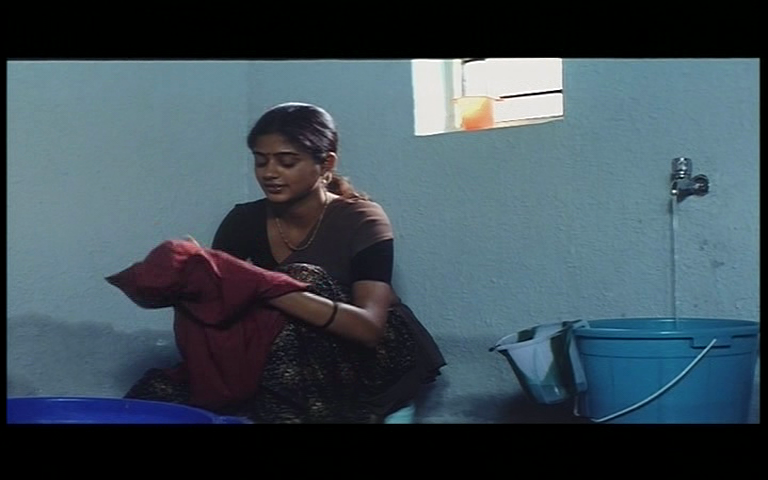
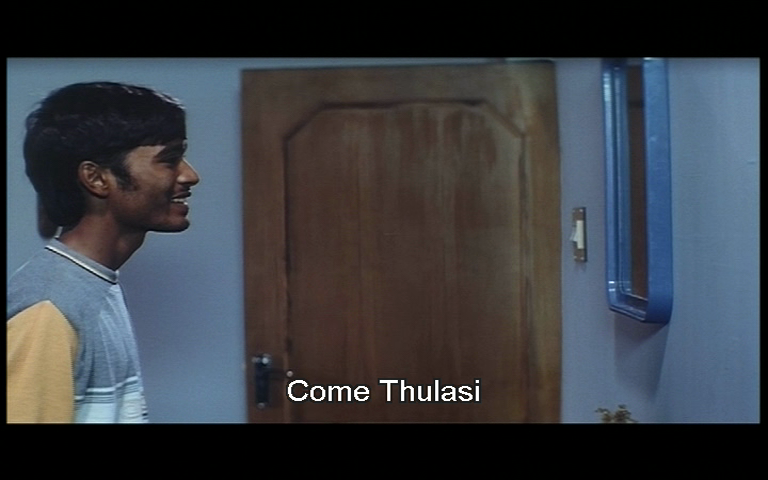
When his parents go away for a few weeks, the family maid Satya (Kalai Rani) is unwell and sends her daughter Thulasi (Priyamani) in her stead. Cheenu and Thulasi were friends as children and while Thulasi is obviously still attracted to Cheenu, he initially doesn’t recognise her. Although younger, Thulasi is more mature than Cheenu. She is also very aware of her social status and despite her attraction to him acts like any proper young servant girl should. On the other hand, he behaves like any typical young man when faced with a pretty girl, and his gauche reactions seem very natural.

In the space of the few days they have, they end up falling in love and into a committed relationship –this is the dream period of the film title. Balu Mahendra shows their romance developing in a song and doesn’t spend much time on it. It’s obvious they are in love and Cheenu is determined to marry Thulasi, we don’t need to know any more about it than that. This is a lovely song, and I’m sorry I can’t find a better quality version.

Cheenu tells his friends a little about his romance, but doesn’t introduce them to Thulasi and actually hides her in the bathroom when one of his friends visits. He seems ashamed of his relationship with a girl from a lower class. It’s hard to decide if this is also partly because he is trying to hide the relationship from his father as Cheenu is very well aware that he will not approve. The difficulties of an inter-class relationship are well explored and developed despite the initial romance not being given the same treatment, and the pair’s behaviour is realistic in this context. The development of Cheenu’s character here is convincing and Dhanush is believable as the young man realising that he will have to change his ways and actually get a job if he wants to marry against his family’s wishes. Priyamani is exuberant in her role as Cheenu’s lover and the change in her outlook as she realises the obstacles they have to face appears genuine and natural.

When Cheenu’s father does discover the relationship his reaction is predictable and dramatic, and Cheenu responds in kind. He vows to marry Thulasi despite the opposition from their respective families and the disapproval of his friends. It looks as if the romance may be the making of Cheenu but before he can follow through with his plans, he ends up in jail after a night out drinking with his friends.

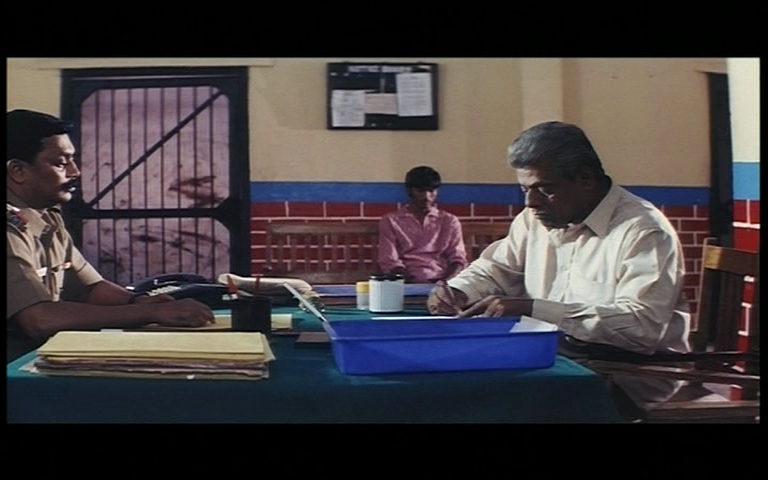
When Ganeshan decides to teach his son a lesson and leave him in jail overnight his plans go badly wrong as Cheenu kills another prisoner and consequently receives a prison sentence for murder. I like the fact that although the prison term is obviously a plot point to keep the lovers separated, there is a strong emphasis on the consequence of violent behaviour. Despite the death being an accident, Cheenu has to acknowledge the result of his action and although unapologetic, he accepts that he has to pay for his mistake.

From such a promising beginning, the second half of the film loses the realism that kept the story interesting. The director starts to rely on prison clichés with brutal film guards, sympathetic fellow prisoners and a fairly ridiculous fight scene. Naturally there is an opportunity for Cheenu to escape just when he has found out that Thulasi is in dire straits and he absolutely has to go to her. Another problem is that Thulasi’s role is greatly reduced and she only appears on screen to cry and plead with various policemen and prison guards. Priyamani is wasted in these scenes and although she does her best there is very little she can do to make her character less of a caricature. The end is particularly disappointing as the film seems to be building up to a dramatic conclusion that never actually happens.

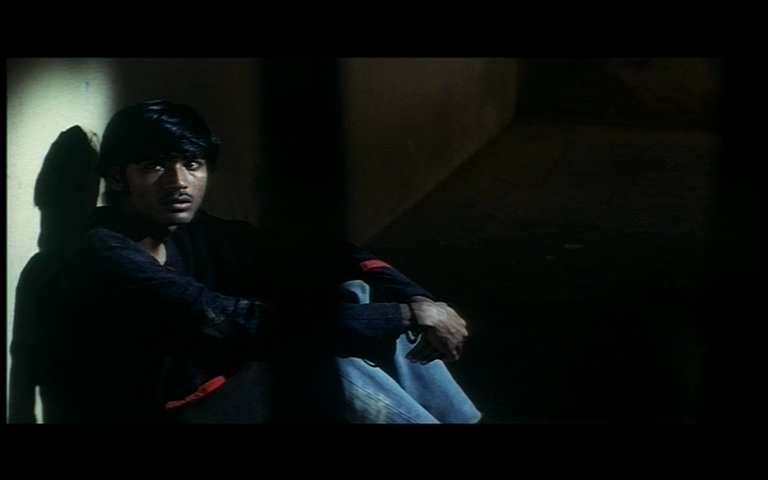
Despite the issues I have with the second half of the film, there are some good points. Dhanush does an excellent job of conveying the fear and trepidation of a young naïve man sent to prison. Cheenu’s interactions with the other prisoners are an interesting contrast to his relationship with his father and despite the clichés the prison scenes never descend into farce. There are quite a few jokes referring to the skinniness of Dhanush throughout the film, and most of the humour has a light touch. It is also good to see intelligent police officers who don’t search aimlessly for an escaped prisoner but actually investigate and have a reasonable plan to capture Cheenu.

The music by Ilayaraja is beautiful and haunting but is used mainly as a way to show some of the story: the childhood friendship between Thulasi and Cheenu, their romance and Cheenu’s relationship with his mother. One exception is the first song which is a bizarre item number with nothing to do with the story. It is purely an excuse for a skin show from Tejashree with some rather lewd lyrics (even in subtitles) and the film would have been improved by its absence.

I was disappointed in this film. While it kept my interest and was perfectly watchable, mainly due to the lead actors performances, it should have been so much better. I enjoyed seeing two of my favourite actors together and they did have an onscreen chemistry which helped make the romance more believable. While the film succeeds in the most part to be realistic it would have benefitted from a tighter second half and a more exciting climax – but perhaps that wouldn’t have been as true to life. Then again, it may just be that I’m not used to a Tamil drama actually having a (nearly) happy ending!  3 ½ stars

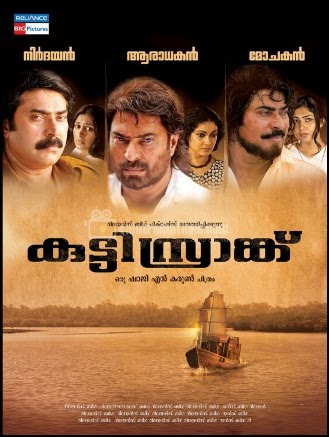
Kutty Srank

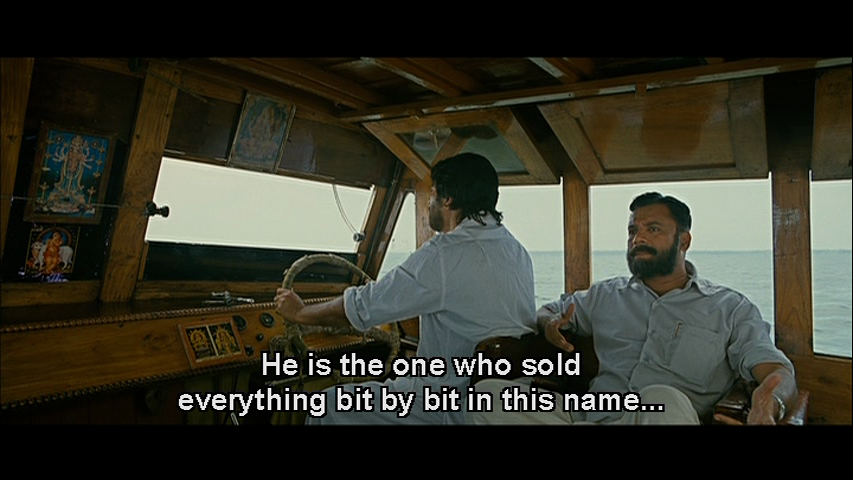
I’d only ever seen one Malayalam film before this, the excellent Manichitrathazhu, so I was ready to double my Mollywood count with Kutty Srank. I’d read that the film had won a number of National Film awards in India and had also screened at a number of international film festivals, so it sounded like a good film to catch. I was lucky enough to be able to see Kutty Srank subtitled on the big screen here in Melbourne as part of the Indian Film Festival organised by our friends at India Talkies. Going by the two films I’ve now seen and recommendations from the excellent totally filmi blog I will definitely be watching a lot more Mollywood.

The film tells the story of a disreputable sailor who earns his living working on the rivers of Kerala. We see him through the eyes of three dissimilar women and he is someone different to each of them. The film asks us to decide which of these different personas is the real Kutty Srank. Is he a thug and killer, an actor, a lover or a faithful husband? By the end of the film we even question if he is really dead, despite the film beginning with the discovery of a corpse. The writer/director Shaji N Karun never really answers any of these questions, but allows us to draw our own conclusions as each part of the story unfolds.

Revamma (Padmapriya) is the first person to come forward and identify a corpse, which has been found on the beach. She explains her connection with Kutty Srank in a flash back sequence. Her father Moopan is the local don in their area near Malabar and is a man literally steeped in blood.  Revamma’s memories of her early life are related to blood in some way and blood features heavily throughout the first scenes. Adding to all this symbolism, Kutty Srank has an intermittent nose bleed and his nostrils are permanently filled with the smell of blood. Revamma has returned from studying overseas and overthrows Moorpan’s great plans for her by announcing that she is going to become a Buddhist. Her father’s reaction is fairly predictable but his plans backfire when he uses Kutty Srank to dispose of a Buddhist monk who was with Revamma.

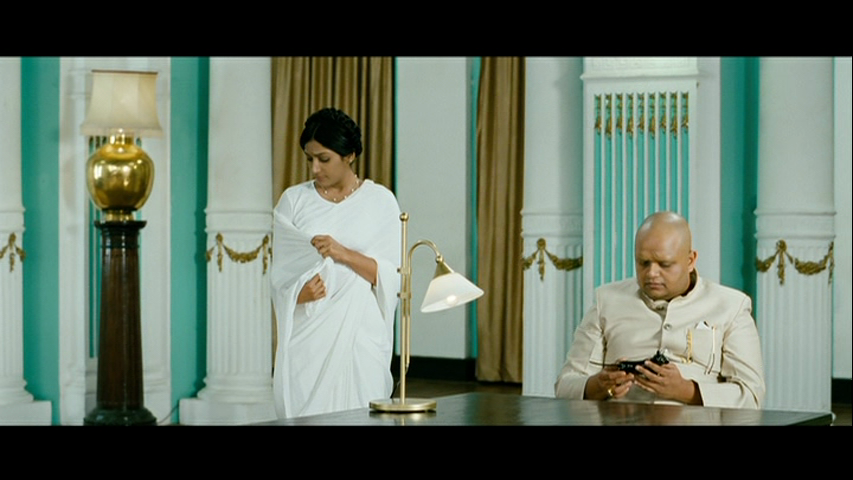
Kutty Srank’s loyalty to Moopan is unwavering and unquestioning until this betrayal and Revamma takes immediate advantage of Kutty Sranks despair and confusion, using this vulnerability as a way to engineer her escape. Despite the overly heavy blood symbolism this part of the story is fairly logical and the characters react in understandable if rather extreme ways.  Mamooty plays the swaggering thug Kutty Srank to perfection, making him violent but with enough shadows and depth to hint at much more to the man. Moopan’s rather grandiose living conditions are a nice contrast to the rest of the film and his affectations make him easier to despise.  Revamma seems to have been driven insane by her early experiences and her behaviour is very irrational and disturbed. The only normal people here are Revamma’s aunt and uncle who seem to be genuinely trying to help her and deal with her father as best as possible.  The escape takes Revamma and Kutty Srank close to Cochin where he meets Pemmana (Kamalinee Mukherjee), the second woman who turns up to identify the body.

 It appears that Kutty Srank has worked as a ferryboat captain in Pemmana’s village previously, but skipped out under dubious circumstances as is his usual habit. He is great friends with Pemmana’s brother, Loni (Suresh Krishna) who picks Kutty Srank to play the lead role in their annual Chavittu Nadakam about Emperor Charlemagne.

This traditional drama provides an excuse for some fantastic costumes, singing, dancing and stomping around the stage by the various members of the village. It also allows Mammootty to showcase the more human and fun side to Kutty Srank’s character. Although the menace is still there, the interactions between Kutty Srank and Loni give him an opportunity to laugh, joke and drunkenly sing as they roam around the village. The local priest is not happy to hear of the irreligious Kutty Srank taking part in the play and also taking over the affections of Pemmana. Father Yonas (Siddique) has been enlisted by the feckless Joppan to push his match with her and as Joppan seethes with jealousy, Father Yonas whips up fear and mistrust of Kutty Srank.

Tensions escalate in the village and there is plenty of scope for betrayal and murder – it rapidly becomes merely a question of who and when. Moopan’s henchmen also turn up on the river again in a very groovy speedboat. This, along with the death of his best friend, means that Kutty Srank is ready to skip town again. Avoiding the attentions of Pemmana and escaping a murder hunt are purely side benefits.

The third woman who turns up to identify the body is a mute, Kali. She has been living with an older woman who has amazing interpretative skills and understands exactly what Kali is trying to say. She is introduced as Kutty Srank’s pregnant wife and sensationally states that the body is not her husband. The final flashback tells her story which starts after Kutty Srank has moved on to Travancore trying once again to elude Moopan’s men .

Kutty Srank has taken up with Unnithan (Sai Kumar) who presides over an unhappy family where tragedy has been the normal order for the past 10 years. Unnithan blames this on Kali, a local mute who lives in the forest, and has tried a number of ways to be rid of her. As his trusted man, Kutty Srank heads off in a drunken rage to kill Kali but when he finds her and sees her pitiful existence he is unable to go through with the execution. He ends up being cared for by Kali following a snake bite and eventually becomes her husband.

We see a more tender and caring side of Kutty Srank through the eyes of Unnithan’s daughter in law Nalini who romanticises the couple in an escape from the misery of her own daily existence.  In the end Kali and Kutty Srank have to make a run for it as Moopan’s men have again put in an appearance.   The last scene takes place back in the village where the play must go on, and this leads to the final chapter in Kutty Srank’s life.

The film hinges on the performance of Mammootty since he’s on screen for almost all the film. In each storyline he brings out the complexities of his character and allows a little more of his inner nature to be revealed.  Mammootty brings plenty of physicality to the role and exudes menace and tenderness with equal conviction. He has stacks of charisma and it’s easy to see why the easy-going Loni hails him as a friend and all the woman in his life are fascinated by him. This is the first film I’ve seen with Mammootty in the lead and it’s obvious why he’s such a big star in Mollywood.

His co-stars manage to hold their own well enough against the superstar despite their smaller roles. Padmapriya does an excellent job of showing frailty and mental confusion. By the end, her enforced peaceful existence and escape from her father seems to have had an effect and she acts more normally. Kamalinee Mukherjee is fine as the obsessed young girl enthralled by the older man, but her character is more of a caricature. Her actions to get what she wants are appropriately shocking and this gives an unexpected twist to the story.  The outstanding performance of the three is by Meena Kumari as Kali. She is impressive as the frightened yet determined woman who finds the inner strength to deal with the frustrations and dangers of her existence. She has enough compassion to be able to love the man who tried to kill her and manages to convey all of this through her facial expressions and gestures alone.  The other supporting actors all do well within their roles but apart from the three women, the other characters are all more lightly drawn to ensure that the focus of the film is firmly on Kutty Srank.

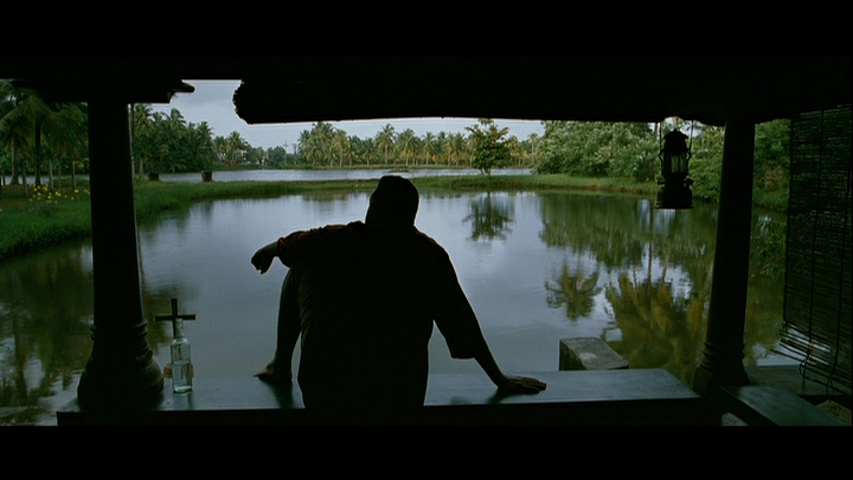
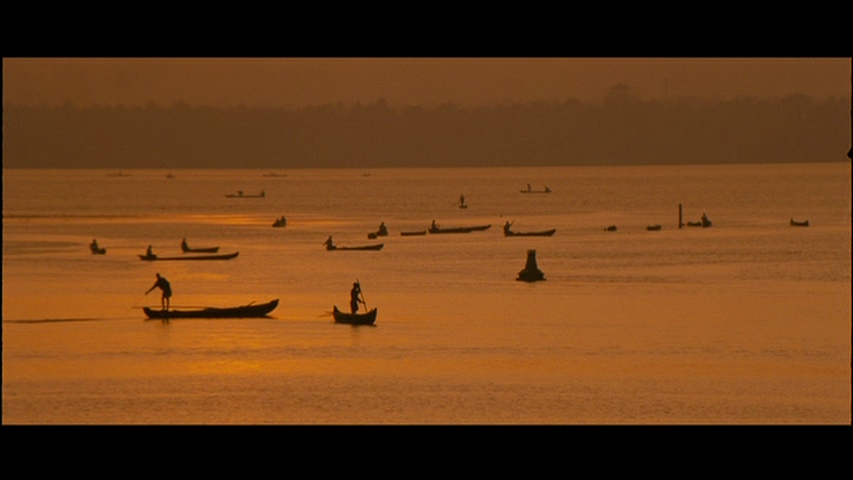
The film excels in the cinematography and the different parts of Kerala are beautifully filmed by Anjali Shukla. The landscape is as much a character in the film as the other actors. It shapes the actions of many of the protagonists and provides both livelihood and death in equal amounts. The film won 5 awards at the National Film awards and has been screened at a number of film festivals. It’s definitely worth catching in a cinema if you get a chance to appreciate the sweeping shots that really highlight the beauty of Kerala. 4 ½ stars.