Sujata

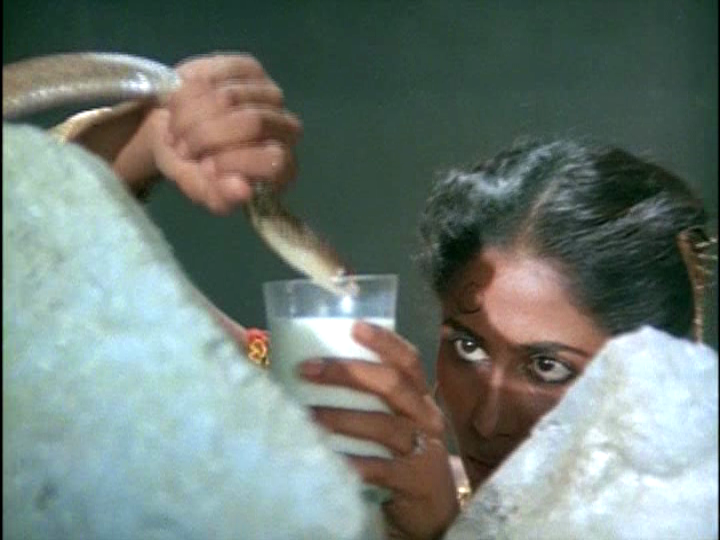
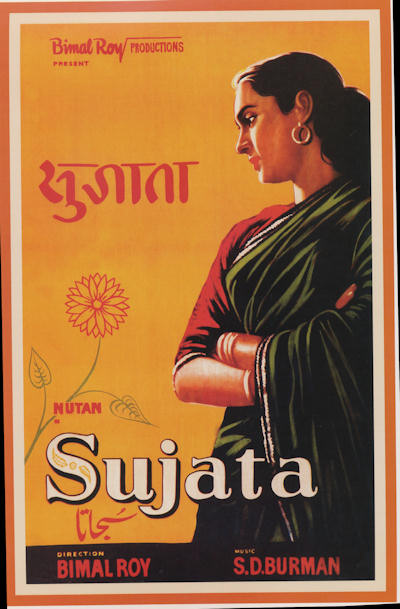
Bimal Roy’s 1959 Sujata is both a romance and a condemnation of the caste system, questioning what makes a family, and how we judge a person. Nutan and Sunil Dutt star, supported by Sulochana Latkar, Tarun Bose, Shashikala, and Lalita Pawar.
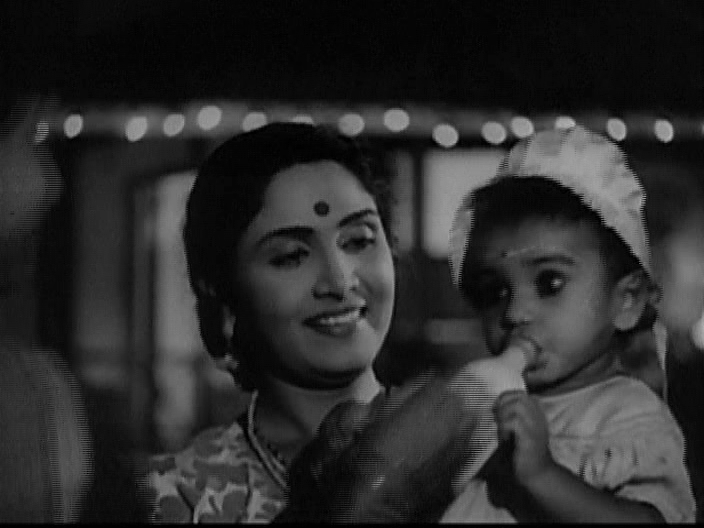
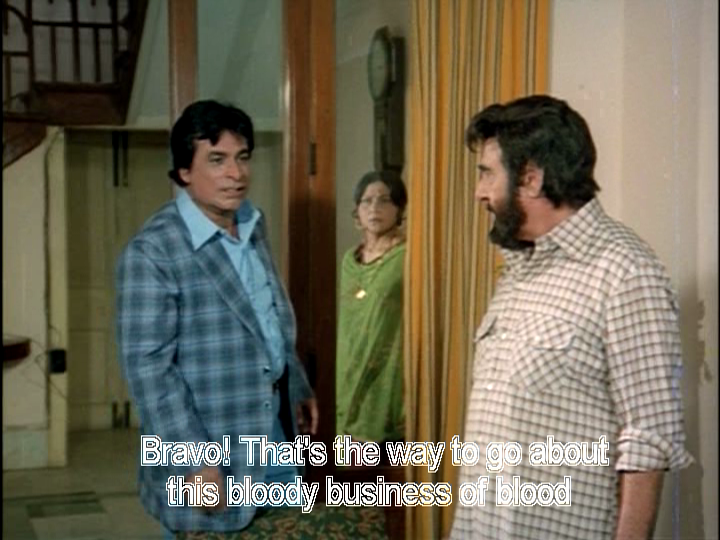
An orphaned baby girl is adopted by, or rather given to, a Brahmin couple on the same day as their baby daughter Rama’s first birthday party. The contrast could not be more marked. Rama is pampered and given the finest that her parents can afford while the baby is put in the maid’s room. The father, Upen (Tarun Bose), names the baby Sujata, a high caste name for an untouchable child. Charu (Sulochana) and Upen have their own struggles as caste rules clash with their growing affection for the little girl. They keep talking about sending her away to someone in her own community, and yet it never happens. Lalita Pawar as their Aunt Giridala is completely against keeping an untouchable in the household and demands they get rid of her.
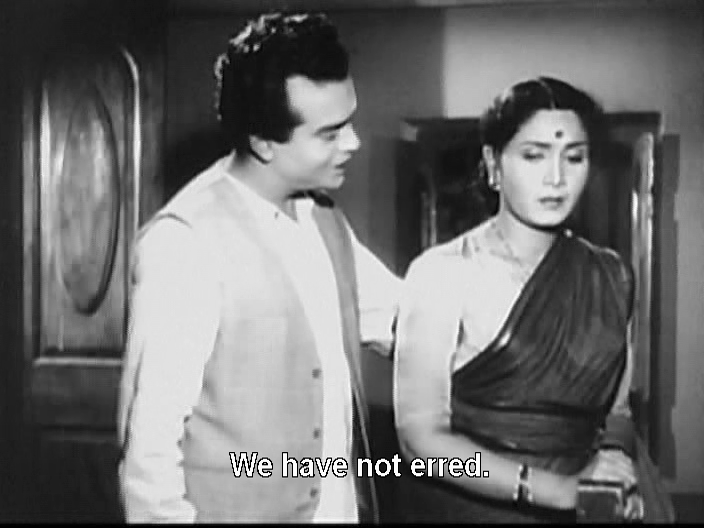
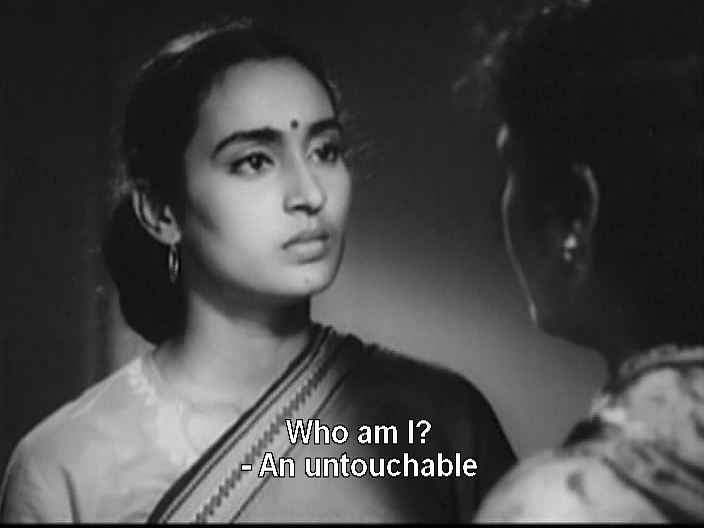
Upen and Charu relocate several times for his work, so are able to avoid the hard conversations for a while. Even so, Charu is ambivalent and often pushes Sujata away, never letting her forget that she is adopted. One day, she tells Sujata the truth – not only is she adopted, she is an untouchable. Predictably, Sujata is devastated.

While the caste issue is a focus, it is not what resonated most strongly with me. Perhaps it is that caste seems like such a backward social division to me.  Sujata’s relationship with her adoptive family was fascinating.  Regardless of the reasons for the emotional distance apparent at times, it had a strong effect on the young girl. Rama was educated and given pretty new things, had a big birthday party every year and was raised in an atmosphere of love and privilege. Sujata had to fight to learn to read and had no known birthday to celebrate, filling the role of housekeeper to be useful and a good daughter. Sujata yearns for her parents to love her but she is all too aware that she is not ‘good enough’.
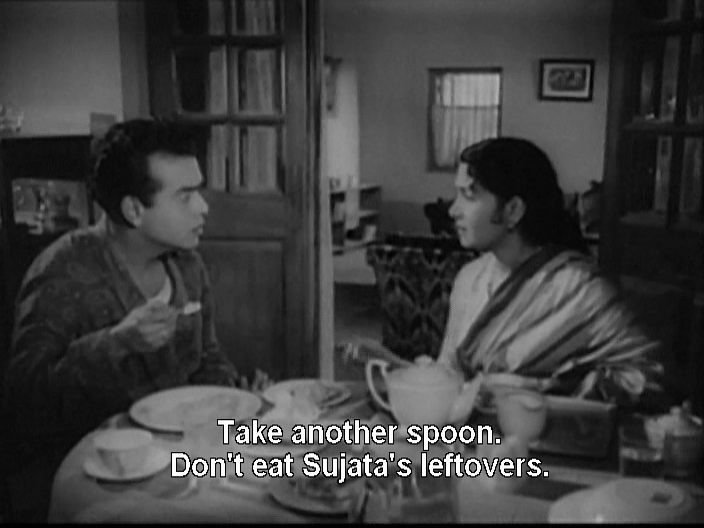
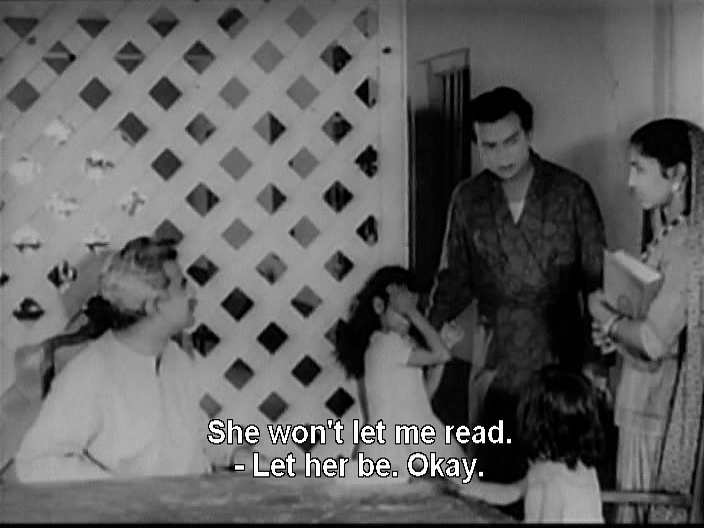
Sulochana is very good at showing the conflict Charu feels between doing what her Aunt says and following her instincts. Upen simply ignores any restrictions he doesn’t like, and little Sujata idolises him. Tarun Bose’s characterisation is sweet but Upen is a little weak or ineffectual when it counts. It tugged at my heart just a bit to see Sujata being kept at a distance and not understanding why. My parents gave short shrift to anyone who questioned whether I was really part of the family (yes, I had relatives who voiced reservations about adopting children).  Mum made it very clear I was theirs and anyone who said different was wrong. I can’t imagine growing up without that fierce maternal love as my foundation.

Meanwhile Sujata and Rama have grown up as sisters, fighting, squabbling and playing together. The little girls are played by Baby Farida as Rama and Baby Shobha as Sujata. Baby Shobha is excellent as the fiery little girl who adores her parents and can’t stand the idea of being separated from them. She keeps asking why she isn’t allowed to learn, why Charu won’t feed her with her own hands. It’s sad.  As Sujata grows up, now played by the radiant Nutan, a further complication emerges as she threatens to outshine Rama. Aunt Giridala keeps getting in Charu’s ear about how she needs to get rid of Sujata.

Grown up Rama (Shashikala) has modern attitudes and doesn’t care about Sujata’s origins. Rama sees all the good qualities in her big sister and includes her in all family events.

Rama seems to be blind to the gulf between Sujata and the rest of the family and I’m not sure whether that was naiveté or determination to ignore the discrimination. She knows her aunt wants her to marry Adhir (Sunil Dutt) but she sees he is interested in Sujata and gives their love room to develop. Shashikala is bubbly and fun, and makes Rama very likeable.
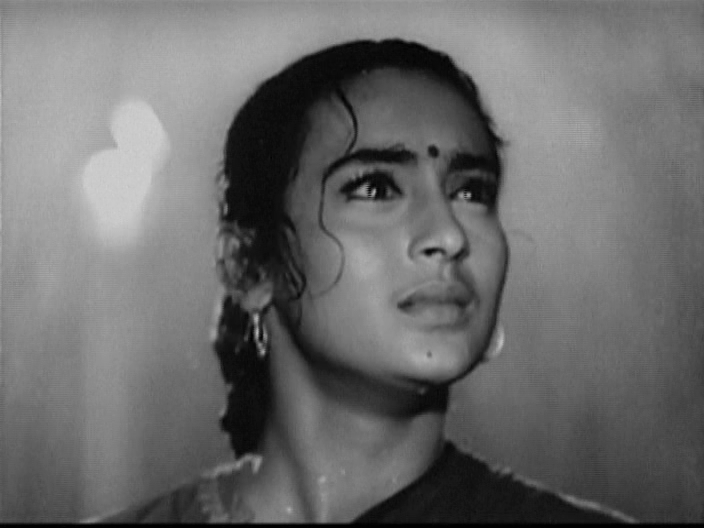
Nutan is just lovely. Because Sujata is often on the fringe of scenes, she has little dialogue and Nutan uses her beautifully expressive face and posture to show her feelings.

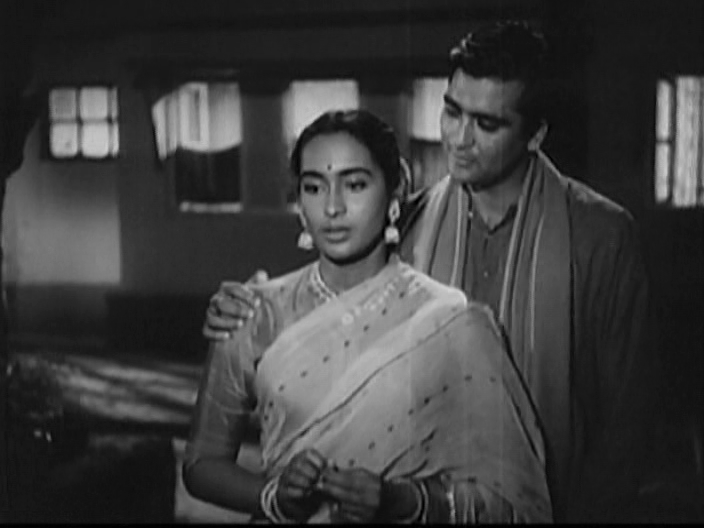
The thing Sujata wants to hear 1000 times is not Adhir saying “I love you” but Upen and Charu declaring “you are our daughter”. But having Adhir express a love that is just for her must have been amazing and intoxicating after craving acknowledgement and affection for so long. When he touches her, she shudders not in affront or with desire but with the sheer shock of being touched by another person. She does spend a huge amount of time crying, but her sadness is evident and I’d cry too if I had felt that my parents really didn’t love me and I didn’t belong. Sujata doesn’t expect anyone to fix things for her. She has some crises and chooses her next steps even as she knows her loyalty may not be rewarded.

Sunil Dutt is perfect as the charming and well bred Adhir, his clean cut good looks suited to the romantic ideal. His feelings develop slowly and he is deliberate yet not pushy. Adhir respects Sujata’s reticence although he doesn’t understand why she resists. Once he discovers her origins, he is clear that it makes no difference to him. The scenes between Sunil and Nutan have a delicate and intimate feeling, and they seem to act with each other rather than for the camera.

Adhir woos her over the phone in the lovely Jalte Hain Jiske Liye, trying to reassure Sujata that they can be together. I can see why she would be smitten!

S.D Burman’s music is used sparingly and the songs are tailored to the characters. Rama’s songs are jaunty upbeat Western infused, while Sujata tends towards the more lyrical. Often there is no background music or sound at all, sometimes just the sounds of birds or rain. Adding to that understated use of sound, emotions are mirrored in simple visual devices. When Sujata is overwhelmed, she switches off the light so she can hide herself in the shadows. When love strikes, Bimal Roy shows rain, leaves blowing in a gust – maybe showing that emotions are natural and not subject to man made rules. There are some charming visual effects when the child Sujata is told that she is going to visit a magical land (an orphanage) but by and large the characters speak for themselves.

I was moved by Sujata and found myself engrossed in the family drama. The resolution is so textbook filmi and yet profoundly satisfying as it destroys a few obstacles and hammers home the message. See it if you appreciate a melodrama with a social message and for the beautiful and restrained performance by Nutan. 4 ½ stars!

Badle Ki Aag

Badle Ki Aag is insane.

There are SEVEN children in peril as the film opens, from three different families. I had to make notes to work out who was who. Normally I might not care so much but as one of the kids grows up to be the object of love or lust for several of the others, I felt I needed to be clear on who was related to who just to stop my shrieking ‘No! What? She’s your SISTER…oh um … hang on …OK”.  So just in case you find yourself in that same position, please feel free to use this cheat sheet. Extra points if you can read it!

So much happens in the first twenty minutes that I expected the rest of the film to fizzle out, but it is packed with incident, conflict, coincidence, horrible outfits and so much melodrama I almost passed out from the effort of keeping up.

And there is little time wasted on explanations or boring logic. This song for instance has NOTHING to do with anything. I suspect it was just an excuse for Jeetu to bust out his salsa hip swivels. (Link is to the whole film but the video should start at the song. If not, zip along to 34.30 and enjoy the greatness.)

https://youtu.be/P7FvyfKTT9c?t=34m33s

I really like all the people standing around in the background – are they interested onlookers or disgruntled commuters?

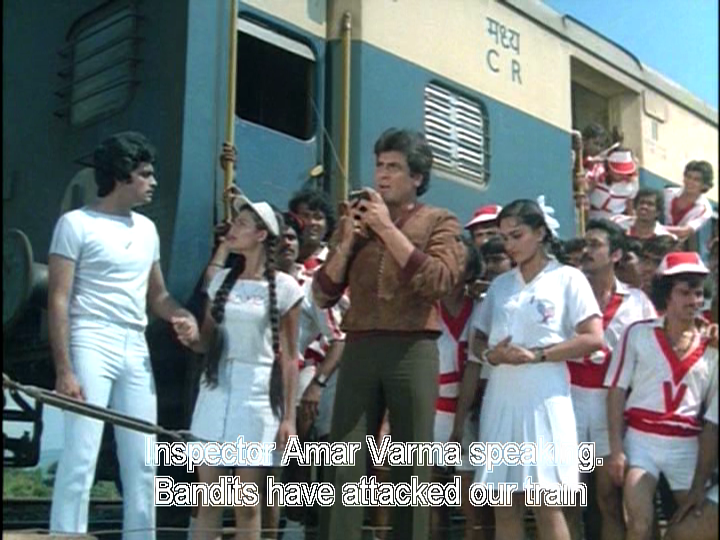
Amar is an upright and uptight policeman, the perennial goody-goody. He is quite inept despite all the dedication. Persisting with motorised transport he fails to catch crooks if they are on foot or on horseback no matter how slim their lead is. He is a poor shot, is bad at disguises and the criminal element don’t seem to fear him at all.  Even when he had Lakhan tied to a post in front of a firing squad he managed to bugger it up. Amar has a controlling streak in his personal life, perhaps because he is hopeless at his job. Jeetendra’s expressions range from “Who farted?” to “I’ll kill you all” with a touch of “Lovesick Puppy”. He is in touch with his dark side, maybe because he is forced to wear these:

Dharmendra as Shera Singh generally looks hungover or drunk. And his wigs are terrible. (I hope they were wigs.)

Dharmendra looked bleary and puffy for most of the film, and Jeetendra looked a little the worse for wear too. Anyway, I wondered if he and Jeetendra might have been enjoying a glass or two or ten of an evening.  I’m not a big fan of Dharmendra and he is certainly overshadowed here by Reena Roy, Smita Patil and Sunil Dutt. Shera is a horrible character with no redeeming features, and I really pitied anyone who had to put up with his mood swings.

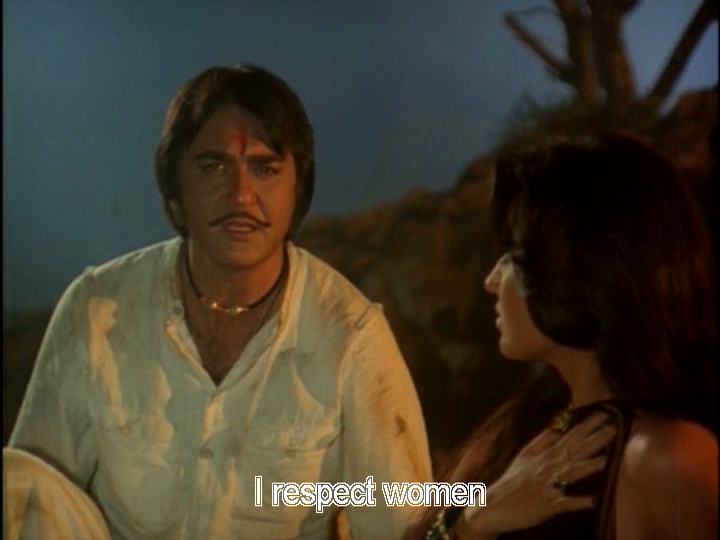
Sunil Dutt plays Lakhan in swashbuckling style and seems to have decided that since almost everyone else in the film is stupid, he will talk directly to the camera. He declaims some hilariously over the top dialogues with his typical conviction and manages to make it seem almost sensible at times. He is the honourable dacoit, protecting women and doing god’s work as he evades the law. Of course he did start his career in crime by killing a man who was assaulting his Ma. He is competent and resourceful – good in a fist fight and able to rig up a jeep as wrecking ball for a spectacular jailbreak.

Nirupa Roy is the worst mother ever. If she isn’t just plain losing her children she is warping their delicate minds with psychological torment. One minute Lakhan is her golden child and favourite tiny axe murderer, next he is being berated for his crimes. Sheesh.

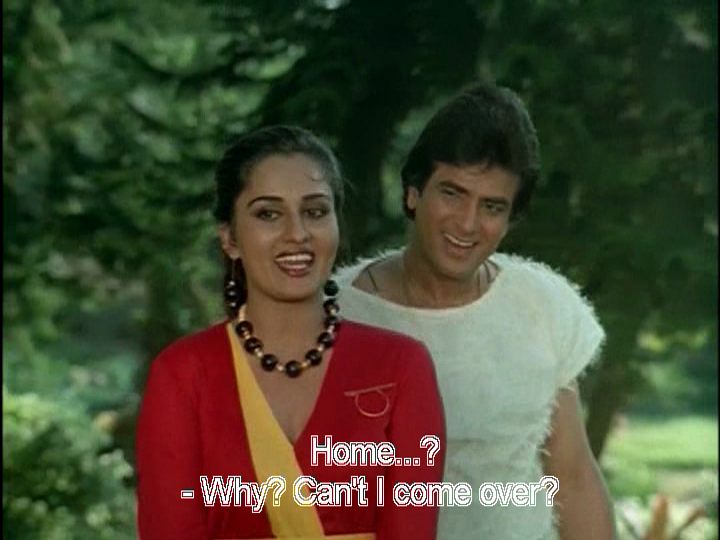
Reena Roy is wonderful as Gita. Gita was adopted by a lady who seems to run a small scale brothel – and Gita only ‘dances’ so she is a virgin prostitute. Amar falls for Gita and she loves him too, but love cannot get in the way of her revenge mission. When she realises that Lakhan might put her closer to her goal she decides he might be the best prospect.

Love is less compelling than killing Rajaram. Given that her profession closes many doors to family and relationships, Gita is quite self reliant and philosophical, and doesn’t waste too much time on self pity. She doesn’t wait for the menfolk to sort out her revenge, she goes for it herself. I really enjoyed Reena Roy’s performance and she has some amazing outfits.

Smita Patil doesn’t seem entirely comfortable in this madness but seems to be so determined to deliver a quality performance regardless of the material. I felt really bad for Bijli. She had to wear fringed Annie Oakley outfits, and was hopelessly in love with Shera. What a thankless life. When she got him drunk and had her way with him, his reaction was quite insulting.

I thought he might be more circumspect considering she was a professional knife-thrower. Poor Bijli.

She doesn’t take rejection as the final nail in the coffin, and continues to fight for ‘her’ man.

Badle ki Aag does some things so well and others so very badly. When Gita is half drowned, Lakhan saves her but does not resort to the Shashi Kapoor school of hypothermia cure. He is a sensible man who uses a blanket to cover her body and keeps his own kit on. He is also a filmi hero so he knows that now he has touched her, he must marry her lest they both lose honour. On the downside some stunts are so ill conceived and poorly executed that they went beyond funny and into ouch territory. Especially for the horses. I liked the blatant use of plastic horses in some scenes, but then they used real ones and it looked horrific.

Kader Khan is double the fun as the arch villain and his twin brother, and lots of well loved character actors turn up in uncredited supporting roles.  Pran is a police officer, Om Prakash is a dithering fool with good intentions, Sulochana Latkar is a nanny and load of others from Madan Puri to Jankidas to Shakti Kapoor do their thing. Sarika was OK in her small role as Lakhan’s sister. Asha is another of the interesting women in the film – a law student who stands up against her boyfriend Suraj’s harsher views on capital punishment.

The Laxmikant-Pyarelal songs are a highlight, not just because of the costumes. Reena Roy does lots of dancing, and there is a fun qawwali with all three leading men in flimsy disguises. Most of the dances take place at Rajaram’s palace and the carpet is a sight to behold.

https://youtu.be/P7FvyfKTT9c?t=1h36m1s

Shera lives in a lair reached through a cave, but one that includes a spacious living area with silver tiled dome and chandeliers. Lakhan’s cave complex is more traditional. Rajaram’s place is a fabulous eyesore. And the costumes are just crazy. Sunil Dutt and Dharmendra are in basic white (Lakhan) and black (Shera), but everyone else seems to be at the mercy of the some very creative designers. There are crazy camera angles, amazing interiors and colour and movement everywhere you look.

Rajkumar Kohli has certainly fulfilled the commandment to be entertaining. I have a soft spot for Badle ki Aag and its cavalier disregard for facts, logic, physics and colour coordination. I highly recommend it – with a caveat regarding the horses. 5 stars for fun, maybe 3 for quality. Do yourselves a favour and watch it!

Heather says: This has to be one of the most OTT masala films I’ve seen, and I was literally reeling (and laughing hysterically) after just the first 20 minutes of mayhem. It’s no wonder that I started to get confused when all the children turned up as adults – thank heavens Temple had already told me that no-one erroneously hooked up with their long-lost sibling! But the beauty of Badle Ki Aag is that it all makes sense eventually and getting to the end is just so much fun.  I loved the fake fight scenes, the not-so-special special effects, incredibly awful costumes and fabulous dialogues. ‘I’ll take your eyes for my shirt buttons’ has become my preferred threat and I’m sure ‘Even those who have no feet leave their footprints’ will come in useful at some stage too. Every single utterance appears to be a matter of life or death and there is so much scenery chewing that it’s surprising the sets hold up under the strain. But underneath all that masala-y goodness and after getting through the truckloads of plot, there is more happening than just lost children, murder, revenge and all that velour.

There is an underlying commitment to at least some form of justice throughout the film and I liked how people finally had to pay for their crimes, no matter who they were. I also enjoyed the rather novel concept (at least in Bollywood) of a hero who was prepared to stand up and fight for woman’s rights. Lakhan’s commitment to respect women makes him a more interesting character even though I’m not a big fan of Sunil Dutt and he didn’t endear himself to me with his performance here. Jeetendra was OK, and I do generally like him in these roles, but I agree with Temple that Dharmendra was particularly irritating as Shera.  In comparison the women were excellent! Gita had a practical streak when she debated over which one of her suitors would give her the best chance to gain her revenge and I loved that she was well prepared and methodical in her approach. There had also been some thought put into Asha’s character in the way that she decided to fight injustice against her family in a different way and was studying to be a lawyer. Every female character was more than just a romantic love interest, and I did love Bijli’s knife-throwing as a means of gainful employment.

This film really does have almost everything – it’s a who’s who of the actors from the era and there is enough plot for at least 5 films! I’d recommend it for when you really need a dose of masala and don’t want logic or good acting to get in the way. 4 stars purely because it made me laugh so much!

Reshma aur Shera

Reshma Aur Shera is one of my favourite films in any language. I don’t often like romantic tragedies as all too often I feel I’ve wasted my time watching people I don’t care for as they do idiotic things that could have been avoided if they weren’t so one dimensional or stupid. But each time I watch Reshma Aur Shera, despite knowing what is going to happen next, I fall in love with it all over again.

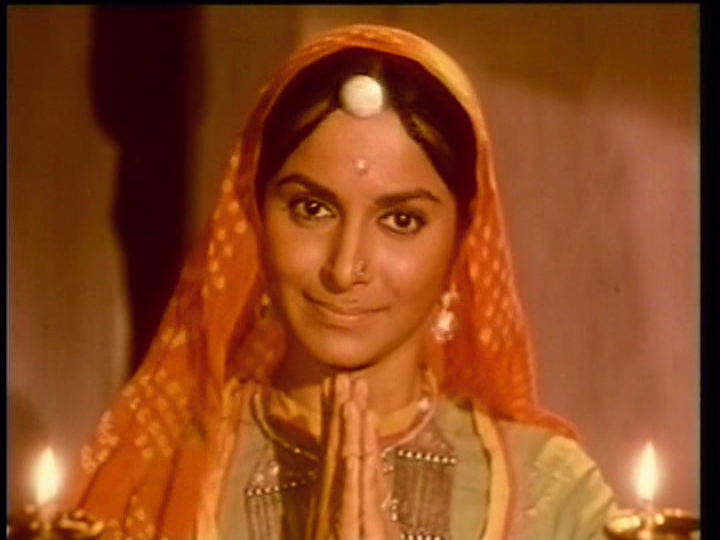
The love story is simple but engaging and Waheeda Rehman and Sunil Dutt light up the screen with their chemistry and brilliant acting. The tragedy comes from the spectre of death in a tribal feud set against the hope for change. Producer, director and star Sunil Dutt and writer Ali Raza created a full context for the lovers and that sense of place and family, the depth of the characters,  makes their predicament feel more immediate and of consequence. It also makes the film entertaining beyond just the romance, and it isn’t all gloom and despair. There is joy, fun and beauty too.

Reshma (Waheeda Rehman) is the daughter of Chaudhury of Pochina and Shera (Sunil Dutt) is the eldest son of his enemy, the Chaudhury Sagat Singh. These families have been picking each other off for years.

They meet at a fair in Jaisalmer, at the Durga Puja (she is also the presiding deity of the story). Shera fancies Reshma on sight and, like a good girl, Reshma coyly avoids him. The fair is wonderful looking, and I had moments of feeling I was watching a documentary rather than a set. There is so much to see with Reshma as she darts around enjoying the amusements, the snacks and the shopping.


The ecstatic music of a qawwali brings them face to face again, and in this heightened state a deeper emotional connection forms. I love this picturisation as it takes the viewer deep into the scene, with the vocals conveying the intoxication and pain of love. And it features a very young Sanjay Dutt (who developed his unique sense of rhythm early on it appears).

Once they discover each other’s identity, Reshma asks Shera to sacrifice her at the altar – a blood sacrifice not a marital altar. She wants to protect her brother Gopal (an outrageously handsome Ranjeet), and offers her life in place of his. Shera had already rescued Gopal from his own brothers earlier that day, proving himself honourable if unpopular with his kin and further impressing Reshma. Shera is determined their love will succeed and Reshma wants to believe.  They meet in the temple before leaving for home, and decide that they can have each other and bring about an end to the feud if they are careful.

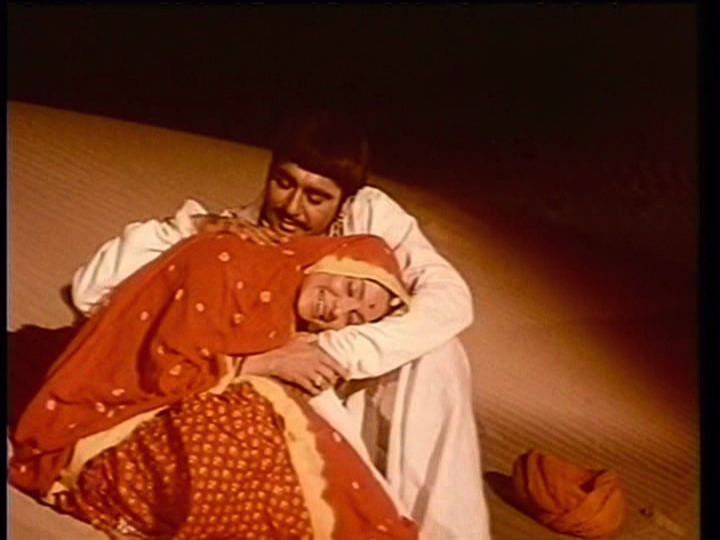
Back in their villages life goes on, except that Shera and Reshma sneak into the desert to meet at night. Despite the stalker-ish beginning to the romance, it is a passionate mutual attraction and they both have a share in conversations about their future.

Family and friends are an important part of who Reshma and Shera are and why they do what they do. And the supporting cast is so impressive – Vinod Khanna as Shera’s nasty brother Vijay, Amrish Puri as an elder in Shera’s village, Jagant and Sulochana Latkar as Shera’s parents, the dashing Sudhir as the qawwali singer, Padma Khanna as an uninhibited nautch girl, Ranjeet as Gopal, Rakhee in a small but high impact role as Gopal’s wife, just to name a few.

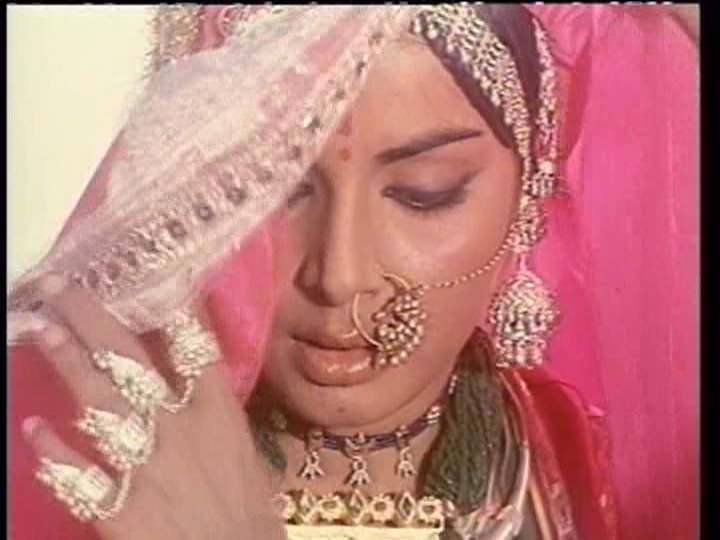
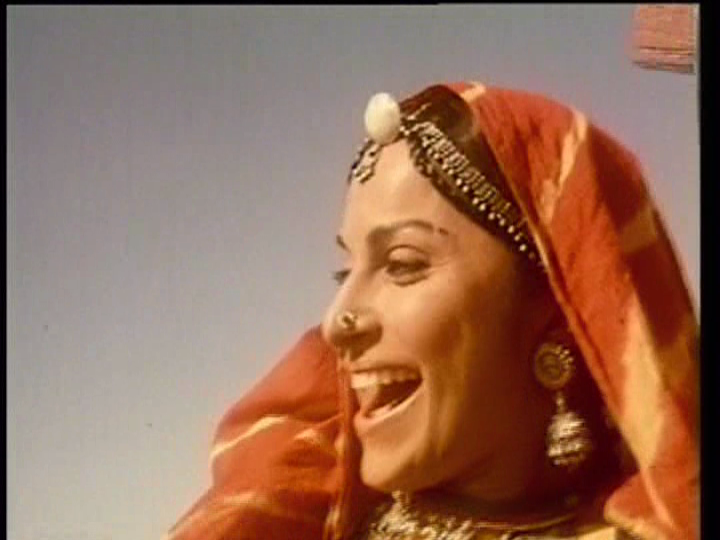
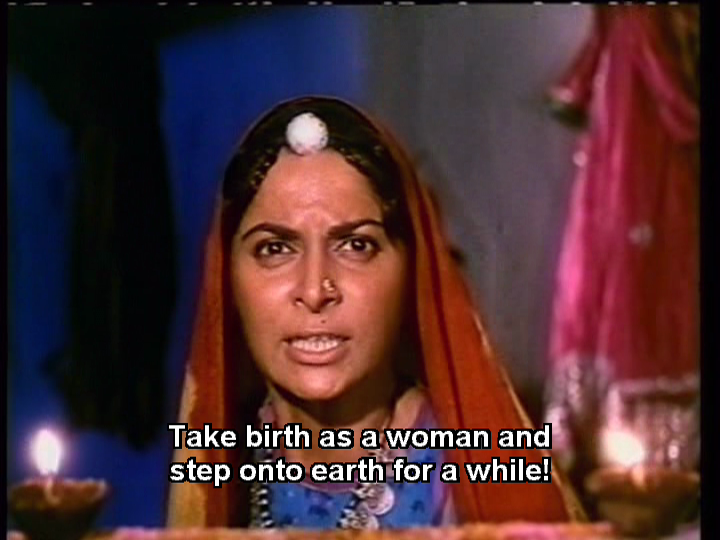
Waheeda Rehman is simply amazing. Reshma evolves from a pretty young thing, giddy with excitement, to a more sombre young woman passionately in love with an enemy.  She realises she should send Shera away for good, but cannot sever their bond. Finally running out of options, Reshma challenges Durga to prove herself by taking on life as a woman on earth and see how that feels. Waheeda is just magnificent as she demands help in return for all the sacrifices to the goddess. And Durga does give her an answer.

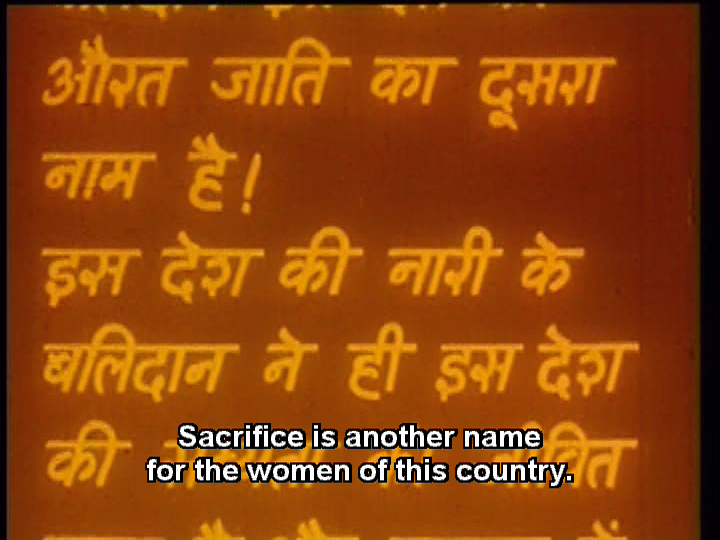
Despite a ponderous voiceover at the start of the film extolling the Indian woman’s virtue of sacrifice, Reshma is not a passive sacrificial offering but rather uses herself as a means of creating change. When she makes up her mind, she does it to save Shera and stop the feud from claiming everyone she loves. She is determined and forceful, a far cry from the blushing girl she was at the start. It’s a challenging role and she delivers a beautiful characterisation.

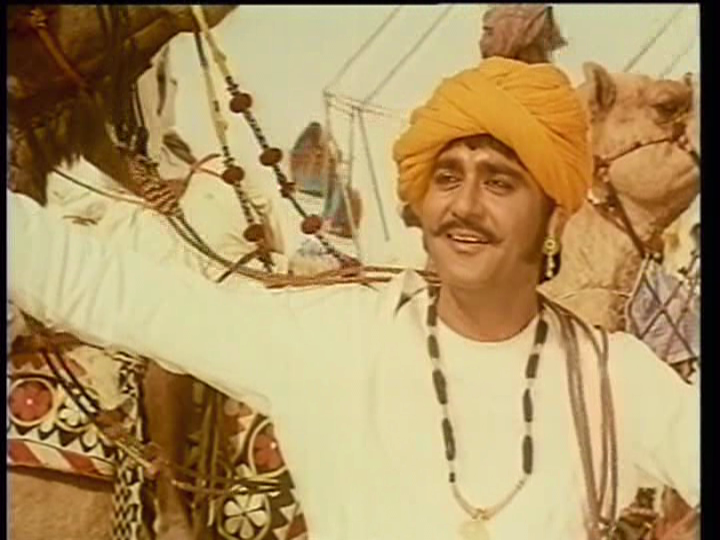
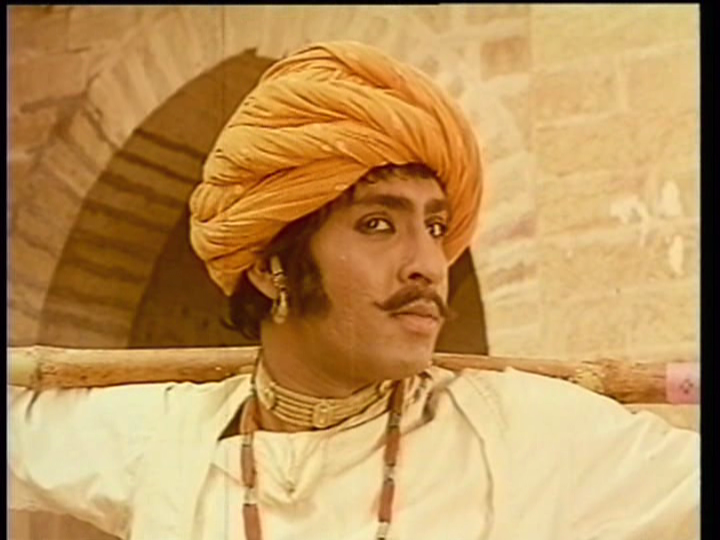
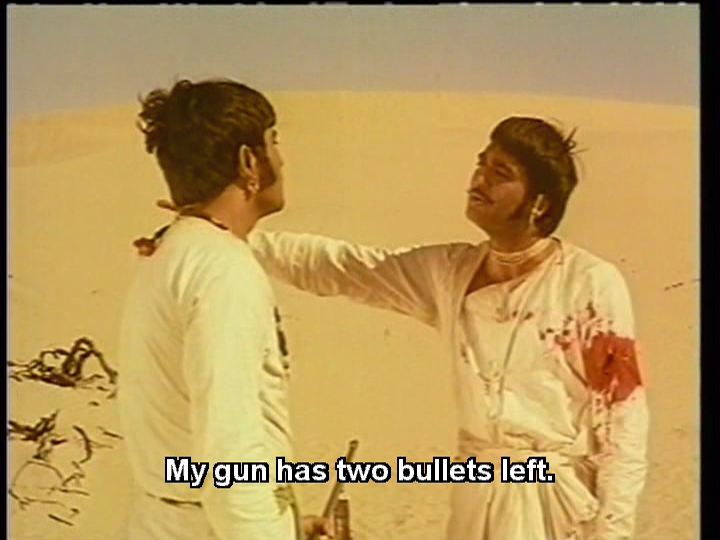
While I initially thought Sunil Dutt looked a little too mature to be Shera, he has a certain appeal and even plays some unexpectedly goofy and sweet moments. He transforms from a lad about the fair to a future leader challenging his own father. His internal conflict is evident – the Rajput sense of honour and the man who wants a happy and peaceful future with the love of his life. Shera seems to benefit from the close relationship he has with his mother and his respect for Reshma, being prepared to think outside the heroic norms. But where Reshma suffers loss after loss and creates a solution of sorts, Shera reverts to type becoming as vengeful and bloodthirsty as his father and brothers.

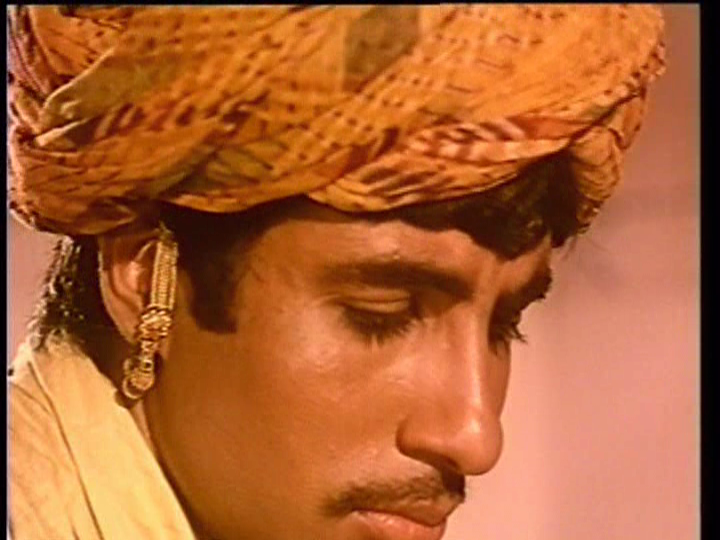
Chotu (Amitabh) is a mute and is neglected by brothers Vijay and Jagat unless they need his sharpshooting skills. He worships Shera who treats him kindly and seems to be his only friend. Amitabh’s performance is beautiful, quite restrained and very moving. Chotu is a sad and confused young man, following his father’s path. He is ultimately responsible for killing Reshma’s father and brother, and that sets the final train of events in motion. While Sagat Singh takes the boys to a brothel as reward, Shera swears vengeance on whoever the killer was.

Their mother (Sulochana Latkar) emerges as a powerful force. Initially she wants Shera to follow his father’s order and kill Gopal, putting her sons above all else. But once things implode, she takes matters into her own hands to save what is left of her family. She takes Chotu to Reshma’s village and offers him as a sacrifice. The confrontation in Reshma’s home is gut-wrenching. Chotu is traumatised and disgusted at himself, and Rakhee as Gopal’s widow faces a life in ruins. He wants to die, can’t bear the pain of betraying Shera and knows he is doomed. This sequence is the one that gives me a lump in my throat every time. I can identify with the motivations of all the characters, and it seems impossible to reconcile their needs.

Creative versus destructive energies underlies much of the character interactions and is often divided on gender lines.  Not that the women are all about popping out babies and nurturing – I mean that their energy seems more focussed on preserving their homes, and on renewal and regeneration. They might destroy something or someone, even themselves, to achieve it but they have a positive goal rather than just aiming for obliteration of an enemy.  The action in the film may generally follow the men but the women are making choices that drive the story. It’s also a film rich in symbolism and visual themes. The motifs of fire and circles reinforce the cycles of destruction and rebirth.

The cinematography is beautiful, and S Ramachandra captures the harsh light, the muted earth tones and the vibrant fabrics of Rajasthan. The costumes and jewellery are stunning, and the buildings look real and lived in, with glimpses of details in kitchens and bedrooms. Plus – lovely music by Jai Dev, choreography by Gopi Krishna (assisted by one Miss Saroj Khan), and playback singers Asha, Lata, Manna Dey.

My DVD is missing about 20 minutes of the complete film so there are a couple of large gaps, one of which probably shows the killing of Reshma’s family. It’s so frustrating but the story is still clear and you can fill in the gaps.

The first time I watched Reshma aur Shera I was stunned. I immediately wanted to watch it again but as with any decision about true love versus a passing fancy, I decided to give it some time. Love it is. It is such a captivating film, and a beautiful work of art. I cannot recommend it highly enough. 5 stars!
Katherine at Totally Filmi is coordinating a month long celebration of women in Indian cinema. Links will be collated at Delicious so keep an eye on that page for lots of other articles and blog posts to be added throughout March.