Devadasu (1953)

So many people recommended versions of Devdas when I started watching Indian films. Prior to seeing the Telugu Devadasu, I’d watched a few of the various adaptations in Hindi. I have mentioned before that the role of Tight Slap Administrator could be a dream job for me, but honestly I would have been exhausted about an hour into any film version of Devdas. I prefer romances to involve people I can care about to some extent, otherwise why bother? Whether we’re talking whinging Dilip Kumar, tear drenched Shah Rukh or aggressively self centred Abhay Deol, Devdas is one of my least favourite characters. This is a drawback when the story is just a long wait for Dev to work out how to drink himself to death. So it was a bit of a surprise to find myself not exactly liking but empathising with Devadas (Akkineni Nageshwara Rao) and feeling quite kindly towards Parvati (Savitri). Maybe it was the lack of subtitles that let me reshape the story to suit myself. I certainly had no trouble following the story –  there are so many adaptations of the book by Sharat Chandra Chattopadhyay it’s almost a plague – and it’s easy to find a synopsis if you need one.

Director Vedantam Raghavaiah’s version opens with Devadas and Parvati as little children, partners in crime, tormenting their teachers and causing mayhem. Devadas demands her obedient following, Parvati demands to be spoilt and adored and generally that is how things go. If one upsets the other, they retaliate with no thought of the consequences. And that sets the tone for their whole relationship even as they grow up. When he was sent away to school, he seemed to become that rich kid who funded his friends’ adventures and went with the flow. Meanwhile Parvati waited at home, confident he would come back and she would be part of his life.
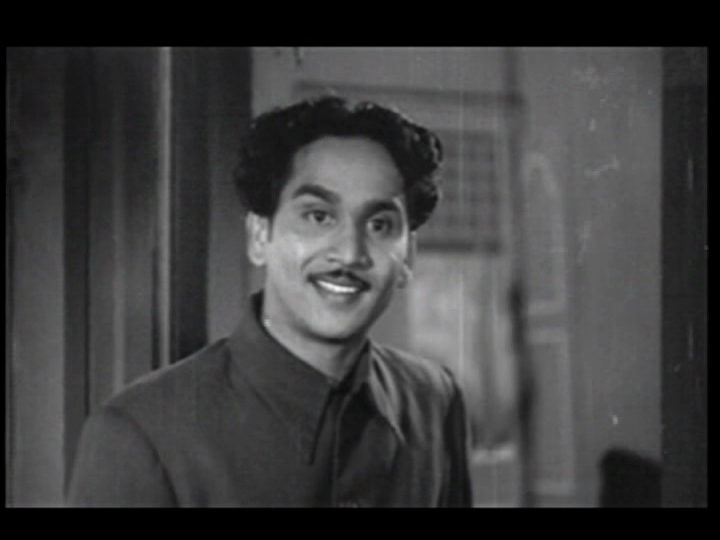
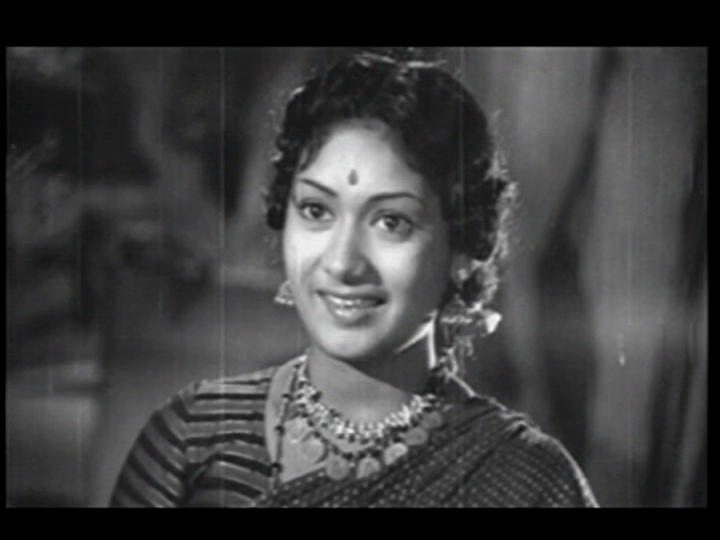
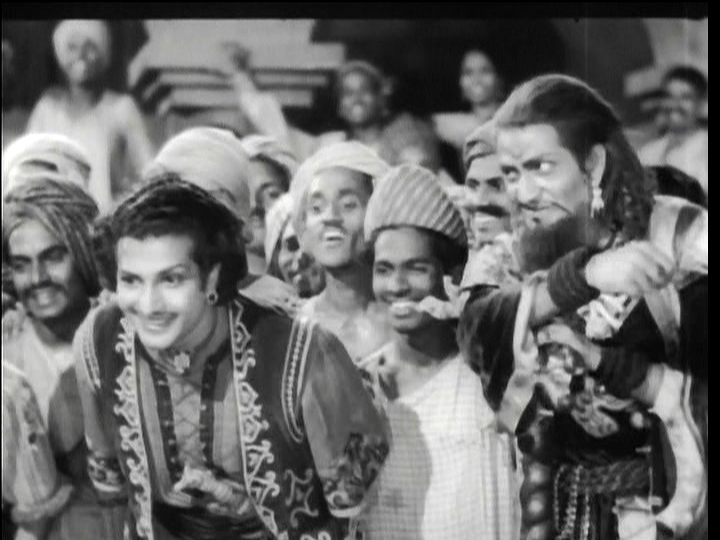
ANR’s Devadas is a man who knows he has screwed up and has no one else to blame. He conveys the frustration of a young man caught under the thumb of his domineering father (SV Ranga Rao), and the weakness that paralyses him. He and Parvati realise that they can’t continue to be inseparable as they were in childhood without formalising their relationship. There are some really lovely scenes early on when he and Parvati are rediscovering each other, as in this song.

There is also the infamous scene where Devadas strikes Parvati in retaliation for her pride. ANR looked appalled and remorseful after lashing out so viciously and Savitri portrayed a mix of shock, anger and sadness that spoke volumes about the way their relationship still played out. Her parents proposal is rebuffed as they are of a lower social status, and suddenly time is running out.
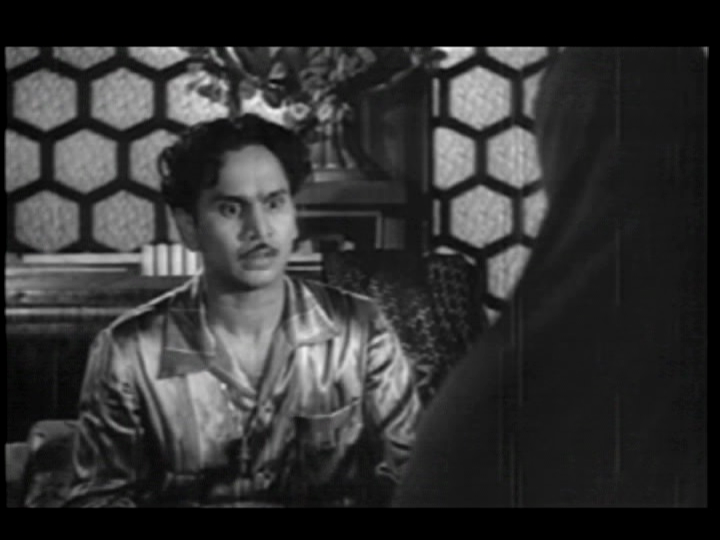
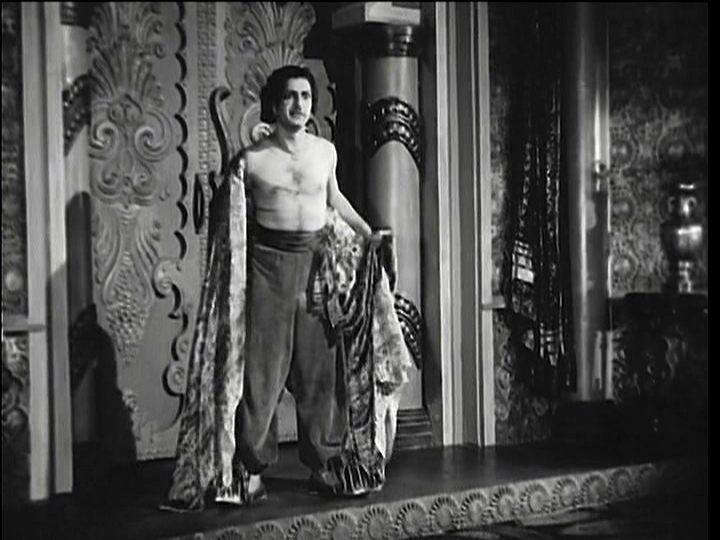
Parvati sneaks into his room to beg him to marry her before she is married off elsewhere but he cannot stand up to his dad (or whoever chose these pyjamas for him).

And so he loses her, cuts ties with his family and is ripe for a decline into self pity and booze.

Later, when Devadas returns home following his father’s death, he sees the married Parvati. They have a beautiful scene together where suddenly the old Devadas is visible just for a moment. They light up in each other’s presence even as they break down. He has no resilience or motivation – he is carried by the currents of luck and money and when the luck is bad, he doesn’t know how to change things.

His refuge in alcohol initially makes him happy as he hallucinates seeing Parvati. Once the addiction has hold of him, the euphoria starts to disappear and he becomes a shambling wreck. ANR portrays the gradual descent into self destruction very well. While I think Devadas is an idiot I had to look away in some scenes because he was so painfully frail and damaged.

Parvati is a minx and gets her own way but she isn’t completely obnoxious. Savitri does a wonderful job of showing Parvati using her childish impulsive ways but aware of Devadas’ attraction to her, experimenting with her sexual appeal. When she sees Devadas after he has been at school for so many years, her affection is obvious. They talk about his father’s objection to her proposal and there is little game playing when it counts. When she is married off to an elderly widower who really seems to want a nanny more than a wife, her grief is evident but she tries to fit in.

I wasn’t quite sure about the physical side of her marriage – her husband mostly treats her like a niece or daughter, but there was one scene where he said something and Savitri looked quite ill and horrified so I wondered if a conjugal visit was on the cards. She is affectionate towards her stepchildren and wins over her jealous sister-in-law. She really does make the best of it and the kids seem very fond of her so her life isn’t shown as empty without her first love. In the final scene where she realises Devadas is near and tries to see him before he dies, the family seem to stop her because they are worried, not to punish her or protect their honour. Thanks to Savitri’s nuanced acting I really felt for Parvati.
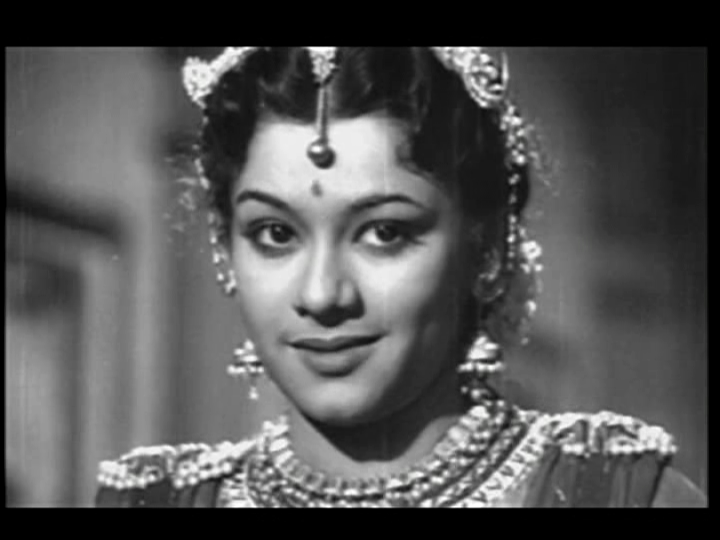
Lalitha, one of the renowned Travancore sisters, is Chandramukhi, the other woman who loves Devadas. Her role is important but doesn’t occupy as much screen time since Devadas usually prefers to pity himself in solitude.  She is flirty and practiced, a woman who knows what men want and knows she has it. Despite her commercial nous, she can’t resist the misery of her newest and most reluctant client. While he initially rejects her, a relationship of sorts does grow over time. She is prepared to lose her livelihood over him and argues with her staff, including a comically inclined orchestra, as she cuts back on working. When Devadas really deteriorates she searches for him and brings him home, offering practical care to keep him comfortable. Lalitha has great physical presence and really suits Chandramukhi’s self aware femininity. Her dancing is assured and she displays her body with confidence, again a perfect fit for this character.

I liked the less grandiose sets in this version as they suit the characters and allow them to be the focus. The music is lovely and as the duets often take the place of conversations, they fit the mood of the scenes. The dances at Chandramukhi’s brothel are quite simple and she performs alone to entertain her clientele – it’s clear what she is selling but the scenes aren’t overly vulgar.

It is really hard to comment on the technical aspects of the film as the DVD picture and sound are so bad, and there are clearly some scenes missing and abrupt edits. Once again I will have a whinge about the terrible print quality of a classic film, and wonder why this is almost the norm. If so many people can recommend a movie as a classic of their industry, why doesn’t anyone take on the task of preservation and restoration? I’m not sure who most of the supporting actors are, but they were all very good and suited their roles.

Anyway – I’ll never wholeheartedly love the story of Devadas and Parvati, but this is my favourite version to date. See it for the excellent acting that made two silly fools seem more relatable than I expected, and for some beautiful melodic songs. 3 ½ stars.

Heather says:  Devdas has never been my favourite story, perhaps because the first version I saw was Sanjay Leela Bhansali’s extravagant epic and I found it difficult to relate to the characters. However I’ve appreciated some of the earlier Hindi film versions a little more, and now agree wholeheartedly with Temple that this Telugu version is the best.

Devdas is certainly not an attractive character at all. He’s arrogant and selfish; almost child-like in his inability to deal with the world and ANR captures this perfectly. In the early scenes his conceit takes centre stage and despite the lack of subtitles his inability to deal with his family’s disapproval of Parvati comes through clearly.  As Devdas falls into self-recrimination and takes up a decadent lifestyle, ANR’s portrayal of the shattered and hopeless alcoholic almost manages to wring some sympathy, despite knowing that he brought it all on himself. So even although I want to dislike Devdas (and usually do), ANR makes his weakness understandable to such an extent that I end up pitying him. It really is an outstanding performance.

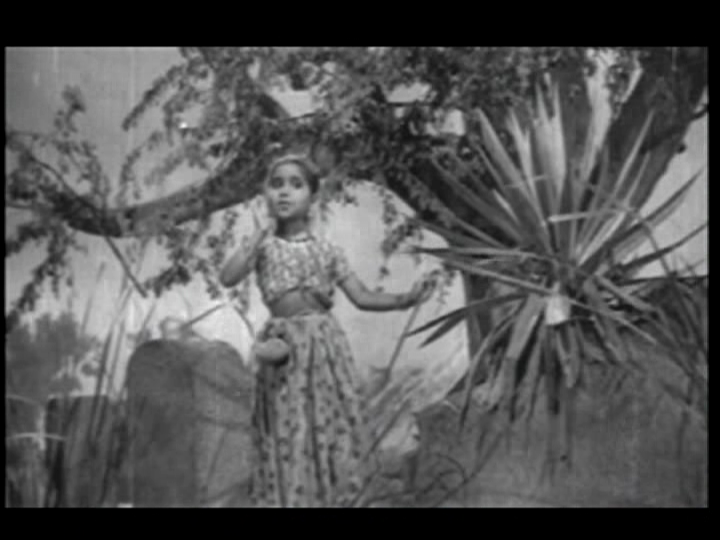
I agree with Temple that Savitri is excellent here as Parvati, giving her innocence and a child-like adoration of Devdas which makes her later actions more reasonable. I also loved Lalitha in her portrayal of Chandramukhi, but my favourite actor is the little girl who played the young Parvati. Her eyes were incredibly full of expression for such a young actor and every emotion was written loud and clear on her face. I ended up watching her scenes over and over again and would love to know who she was. Anyone know?

It is such a shame that this film isn’t available with subtitles as much of the beauty in other versions of the story is in the dialogues. I will add my plea that someone needs to please restore and re-release all these old films before they are too far gone to salvage, preferably with English  subtitles too. This really is a classic and should be required viewing for everyone interested in Telugu cinema! 4 stars.

Thiruvilayadal

Thiruvilayadal is a wonderfully embellished pastel confection of a film, supported by a powerful performance from Sivaji Ganesan as Shiva. Thank you to Suja and Ajit for their enthusiastic recommendations. I am also very grateful to the rajshritamil channel on Youtube for making the film available with subtitles. Suja asked how meaningful or interesting a vintage devotional film would be to a non-Hindu? The answer is – very!

I was raised Catholic which, as a friend said recently, is the glitzy end of Christianity. Catholicism incorporates numerous saints, some having their own specialities or areas of influence so the faithful can pray to the one best placed for their situation. They are identifiable by different visual elements and props, often referencing a gruesome means of death if the saint had been martyred. So the colour, pageantry, stylised imagery and iconography of a devotional film are familiar elements for me even though the philosophy and faith are different. One of the biggest differences is something I remarked on after watching Mayabazar. The relationship with God as depicted seems a lot more direct and personal than I am used to. And Shiva is not immune from displaying vanity and caprice as well as humour and tolerance, so I found it a more human interpretation of God.

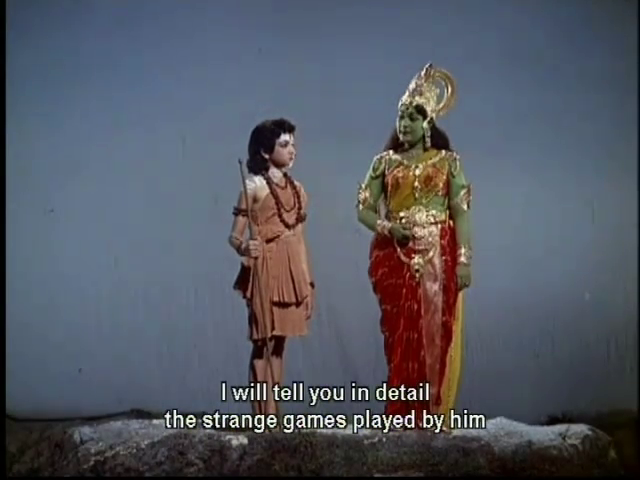
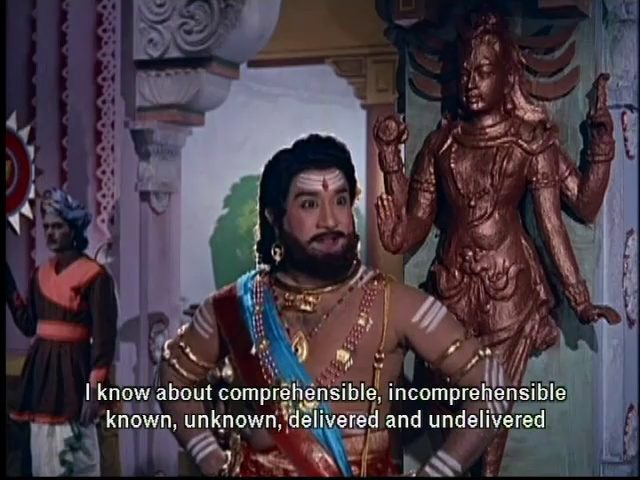
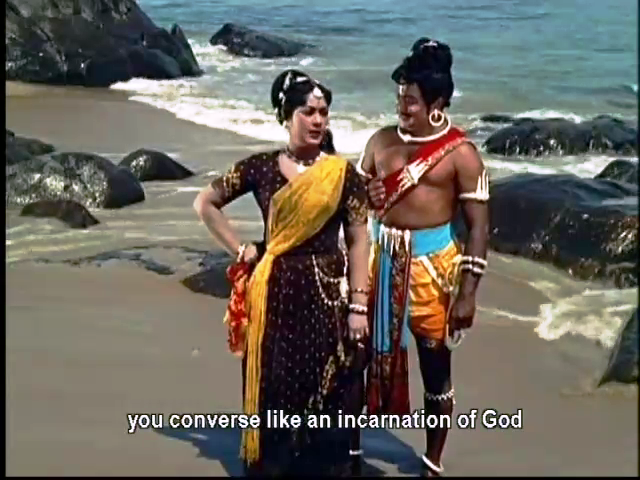
I suspect more than one team was responsible for the subtitles. Why? Lord Shiva speaks like this occasionally:

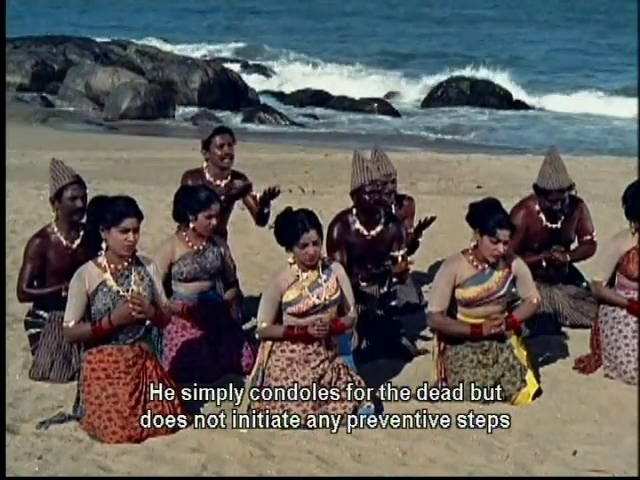
While fisherfolk in a rustic village complain thus:

Anyway, the story begins as a resplendent Shiva (Sivaji Ganesan) receives the praise of his devotees, including his wife Parvati (Savitri), which promotes that groovy mood.

Even divine families have their squabbles and a contest between Ganesh and Murugan ends when Ganesh uses his erudition to define the question and win the prize. Murugan is incensed by losing to his sibling and leaves home. Parvati tries to persuade Murugan to return, and explains that it is Shiva’s way to test his devotees.

She narrates several stories of Shiva’s ‘games’ to persuade her son that there was no insult intended. The stories are very entertaining and the format allows different aspects of Shiva to be explored in array of visually delightful settings. Again, the theme of God testing the faith of an individual is a familiar one to me, but the style and methodology do differ.

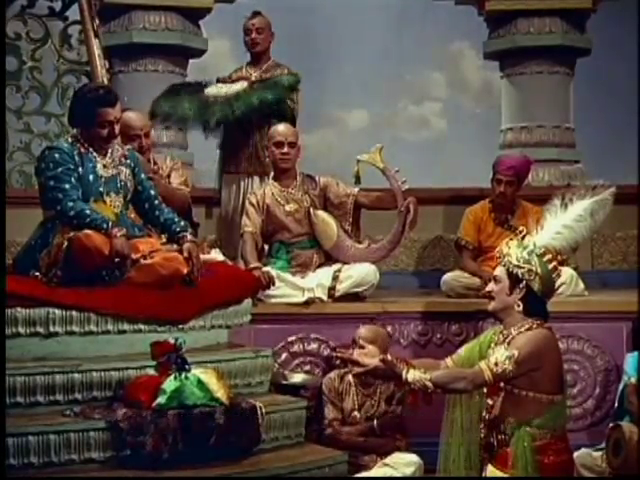
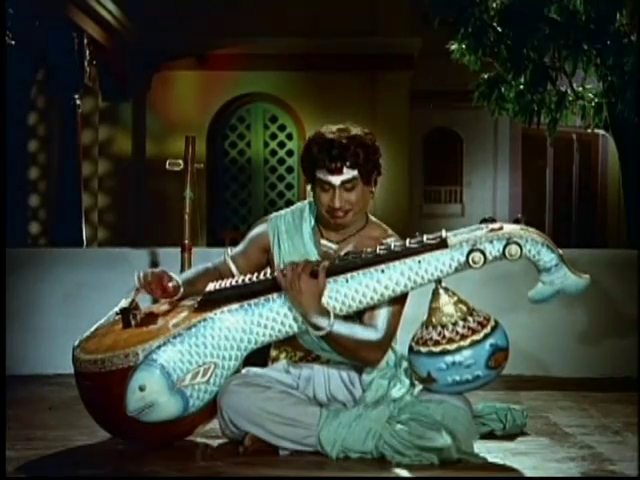
Shiva tests the knowledge (and ego) of a renowned scholar and teases a poor poet. Both get their rewards, but for Shiva the reward seems to be the fun of the game.

And for the viewer, we get an answer to the vexing question ‘Does a woman’s hair possess a natural perfume?’ Muthuraman and Devika are lovely as the King and his glamorous queen, and their ornate palace is stunning.

Sivaji Ganesan revels in the role, exuding a majesty and playfulness that makes him compelling. He is not what I would call handsome but he is absolutely magnetic. His larger than life style is perfect for Shiva. I love this song, performed by Shiva posing as a firewood vendor. An arrogant musician challenges the Tamil court to best him, and the kingdom is at stake. Shiva sets up outside the musician’s residence and psychs him out before the contest by singing a song so perfect it stops the birds in the air and the waves in the ocean. Even if you don’t love the music as much as I did, watch this clip for Shiva’s exuberance and joy in creation and art, and his pleasure in being really annoying.

Savitri is regal and composed as Parvati. She has endured Shiva’s whims for aeons. She is his equal in temper, but he wields his destructive power without fear of consequences where she is more restrained. Once, after momentarily diverting her attention from her husband to her son, she was punished by being born in a fishing village with no memory of her divine nature. I think that was a harsh reward for good parenting. Parvati showed herself to be a leader in a human incarnation while in the village. I also enjoyed seeing Manorama as one of her girlfriends.

Of course Shiva wasn’t going to let anyone else win his wife in the ‘he who is bravest’ competition, so he appeared as a mysterious heroic fisherman.

Their flirting was cheesy but lots of fun. And this episode includes one of my favourite filmi things. A shark fight! Admittedly it is more like a rubber whale with dentures in some shots, but look upon the mighty beast and despair!

Shiva defeated the shark, won the girl and kindly restored her to her former glory.

The comedy is character driven and fits into the main narrative. Nagesh plays a poor poet who becomes a pawn in Shiva’s game. His mix of rapacity and naivete is funny without being too much. Shiva’s answers to questions by mortals are often a witty partial truth or play on words. It’s a sprightly and engaging film.

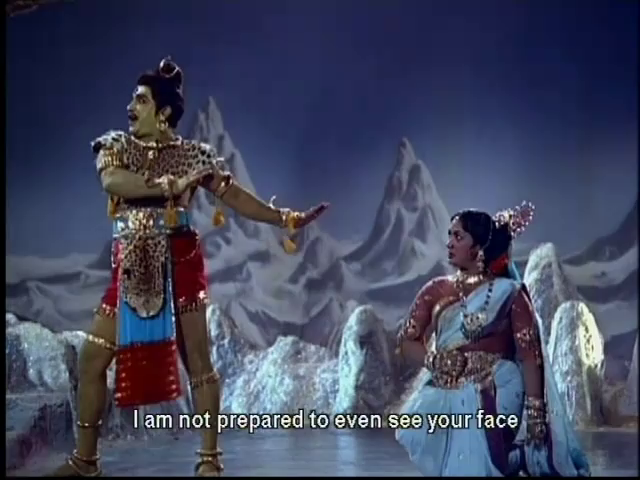
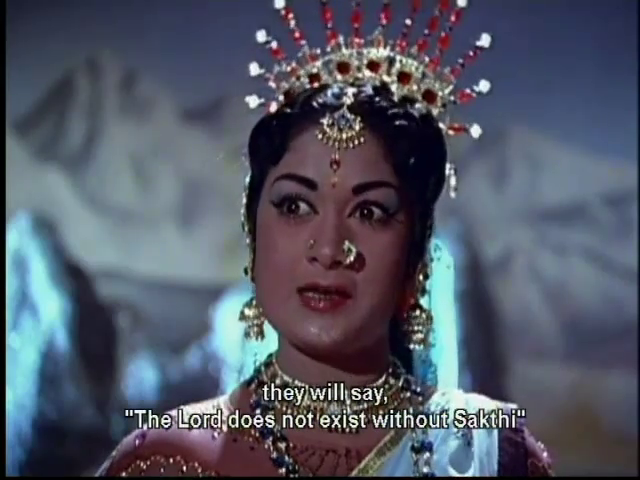
The subtitles are generally very good but I did have some questions about the translations. The balance of Shiva and Shakti is the subject of one story, with neither being able to exist without the other – the balance of opposing forces. After a squabble over her father Shiva uses his power as the destroyer and Parvati/Shakti’s lifeforce is vanquished. (The dance of destruction is dramatic but not terribly accomplished.)

The senior gods intervene and remind Shiva that without her the world becomes barren and dark and he relents and restores her. There are a couple of dialogue exchanges about how all women must submit to their husbands that seem at odds with the theological position. I wonder if it was translation that chose ‘submit’ when the actual word was more nuanced, or if it reflects other beliefs. This image seems to support a balance rather than the dominance of one aspect suggested by the script.

There is a strong theme of the purity and beauty of Tamil language and culture and Shiva rewards those who love and protect the tongue. Many key supporting characters are Tamil scholars and are accorded great respect and some indulgence by the gods. Since this is from the 60s maybe the positioning of Tamil culture and language as superior and preferred by the gods was a reflection of the Dravidian movement or other factors? I’m sure someone will tell me.

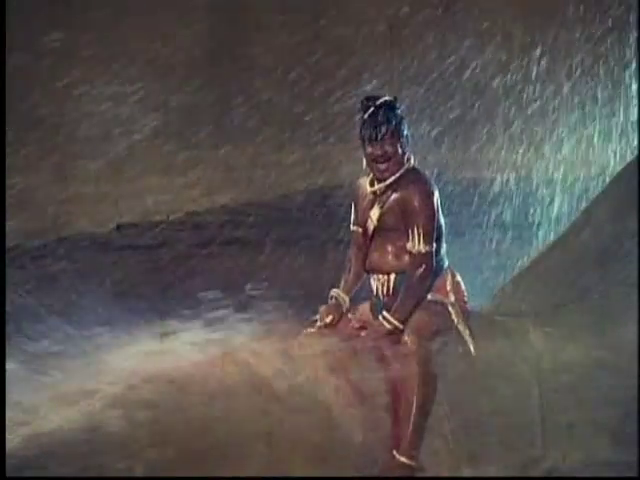
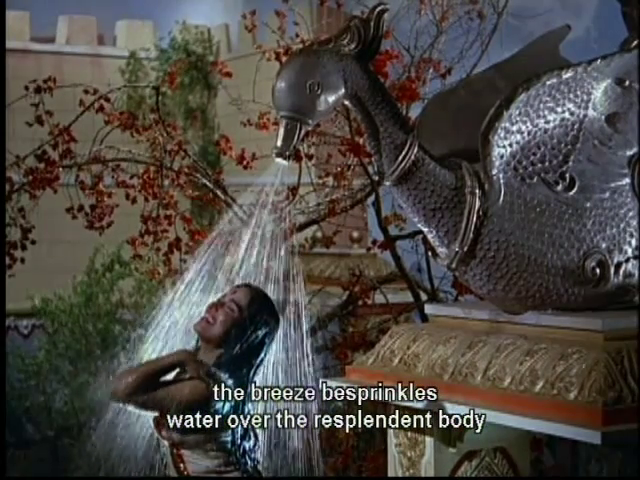
K.V Mahadevan’s music is not only enjoyable but is integral to the stories. The art design is just wonderful. There is such a wealth of beautiful detail, right down to treasures like the fish themed musical instruments and a fabulous bird shower.

The central performers are brilliant, the stories are engaging, and it is a pleasure to see and listen to. There is so much to enjoy in Thiruvilayadal whether you watch it as a colourful entertainment or with a more philosophical analysis. 5 stars!

Heather says: This is a simply a beautiful film. The colours are amazingly bright and it is incredibly iridescent and sparkly throughout. From the opening song and dance until the very end it is captivating with beautiful music and stunning performances. I think this was the first film I saw with Sivaji Genesan and he seems to be the perfect person to play Lord Shiva. He has such charm and brings so much character into the role. I particularly love his Tandava dance after the death of Sakthi where his facial expressions are superb and I love that he dances with his eyes. My dance teacher keeps telling me this is how to dance properly, and this is the perfect example of how much it brings to the performance. Even if as temple points out he’s not technically perfect otherwise. My favourite story is the one about the musician Hemanathan and the song above where there are multiple Lord Shiva’s playing different musical instruments is brilliantly done. Considering the film was made in the sixties and the special effects were presumably rather limited, it’s all put together very well and creates a magical effect every time I see it. And I totally agree with Temple’s comments about the subtitles – the ‘I feel groovy’ perhaps is showing the influence of the sixties, but some of the rest I have no explanation for at all.

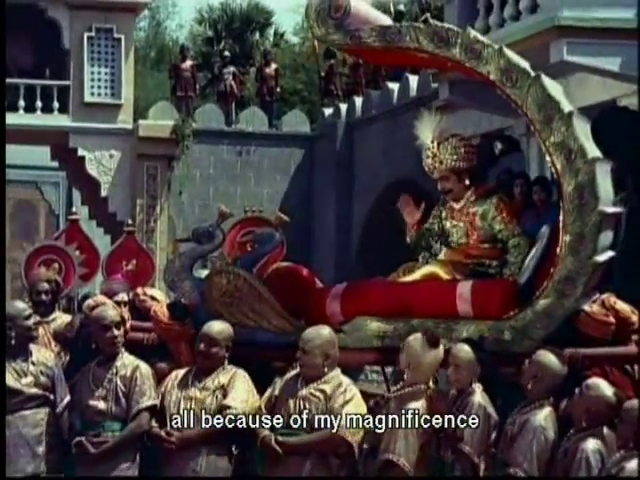
There is at times so much detail in the film that at times it distracts a little from the main action for me. The backing musicians during Hemanathan’s performance have amazing facial expressions and really get into the music. I tend to end up watching them and the various other servants and hangers-on rather than concentrating on the lead characters. But then again, so much of the detail is charming. There is the fish tika on Kayarkani’s forehead as the fisherman’s daughter, the wonderful peacock chariot that carries Hemanathan to the Pandian King and Shiva’s third eye that blinks just to name a few.

Thiruvilaiyadal is an absolute classic, and as a friend said when we were discussing the film, it’s one to watch again and again. 5 stars.

Patala Bhairavi (1951)

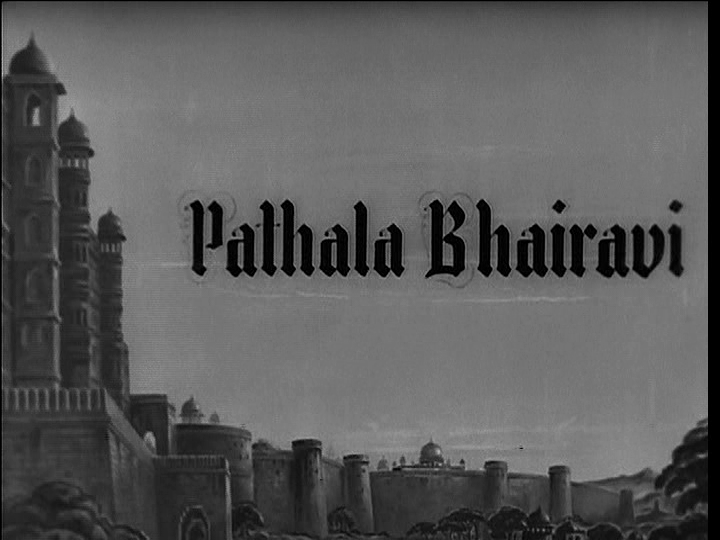
Patala Bhairavi is a wonderful fairytale complete with a pauper turned prince, a wicked wizard, a princess, a quest, flying castles, magic, disguises and divine intervention. This is not a stuffy staid classic; this is fun! I watched it without subtitles, but the story is clear and easy to follow. And the cast is fantastic – NTR, Malathi K, SV Ranga Rao , Relangi – and  a young Savitri makes a small appearance.  There are beautiful sets as well, and lovely music by Ghantasala. It really is a feast.

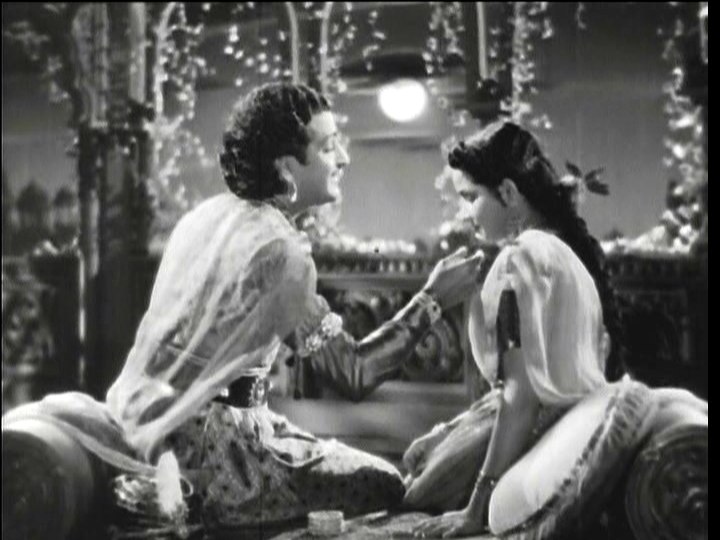
Thota Ramudu (NTR) lives with his mother Kanthamma the palace gardener (Surabhi Kamalabai) and his sidekick Anji (Balakrishna). He spies the princess Indumatha (Malathi K) and is smitten. Her father  is not as enamoured of the idea, and tries to deter the youngsters but love will not be denied.  The King dreams that the poor man will be his daughter’s saviour and decides to be merciful. After being released from the palace dungeons Ramudu vows to make his way out into the world and return with the requisite riches and glory to be deemed worthy.

NTR is excellent as the hero. He stands up to the king’s bullying brother (Relangi), defends those in trouble and exudes righteousness without being stuck up. He gives his mother some trouble as he and Anji are silly boys when given half a chance, but he is fundamentally a nice guy.

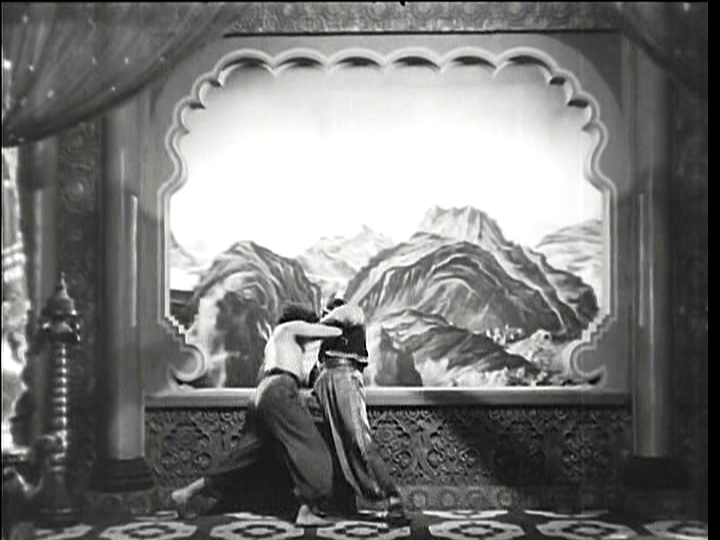
Plus – he has snake wrangling and crocodile wrestling skills! It’s a fun role and he really embraces the swashbuckling hero style. He also gets to do romantic and dramatic scenes so there is a range of emotion and intensity. NTR balances it beautifully. Had the performance been tipped more towards silliness or self importance, it would have been a lot less enjoyable.

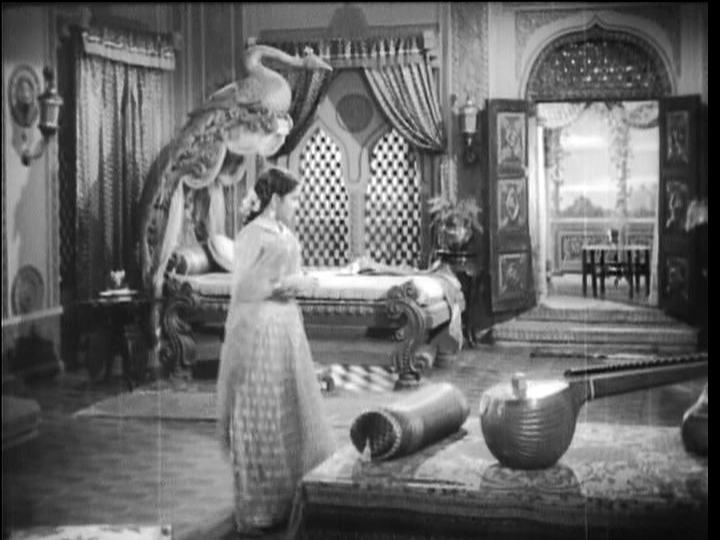
Indumathi is a proper princess. She lives in a palace, indulges in approved princess pastimes like singing to flowers and playing music, and after an exhausting day of these activities she sleeps in a peacock bed.

Indumathi doesn’t do much except wait…wait for her sweetheart, wait to be married, wait to be rescued. Malathi K made a strong impression in her later scenes when she is fearful and alone, but Indumathi is off screen for a lot of the film so she has little scope.

Relangi plays the king’s relative, and is NTR’s rival for Indumathi. There is little to fear on that front however as he delivers his habitual bumbling fool performance. He does have an eye catching hat though, so that was something. And he does his own singing. He and Balakrishna have ownership of the comedy track, and it is fairly amusing as the jokes are integral to their characters.

Anji is by Ramudu’s side for the adventure, and he contributes a little bit more than just comedy, although that is his primary purpose. In the battle of the sidekicks between Anji and the sorcerer’s apprentice Dingiri (Padmanabham), Anji wins the day. He is loyal and resourceful, if a bit dim, and without him the hero might have failed miserably. Considering I usually find the comedy sidekick more irritating than entertaining, I think he did really well to keep me from fast forwarding through his solo scenes.
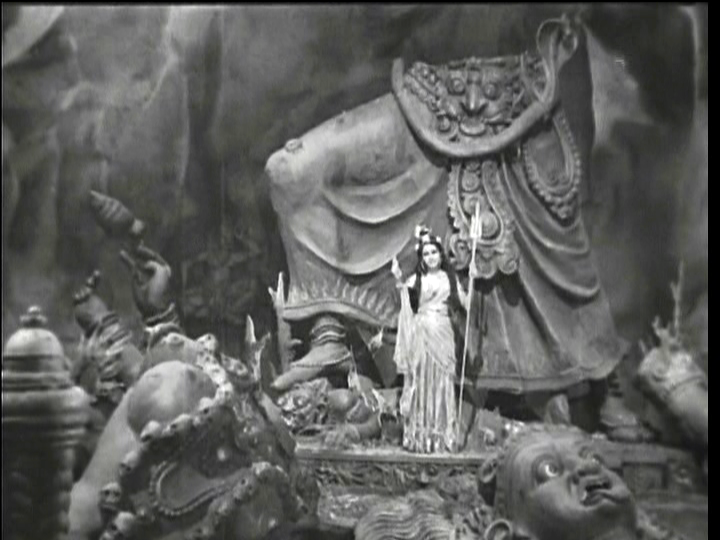
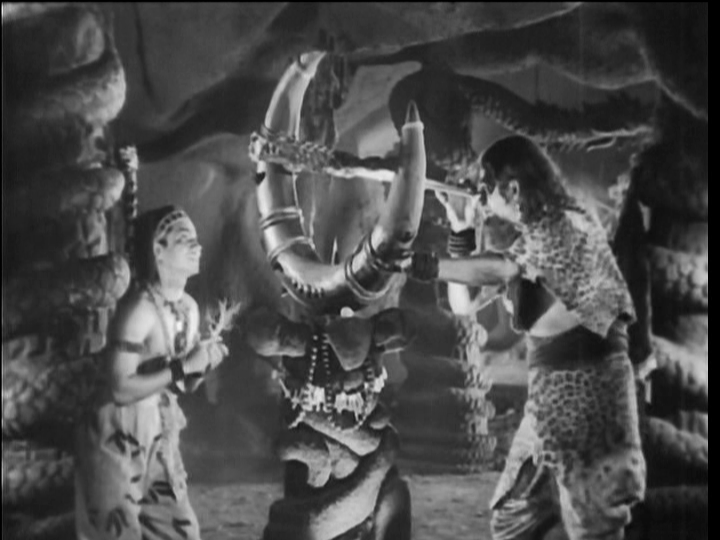
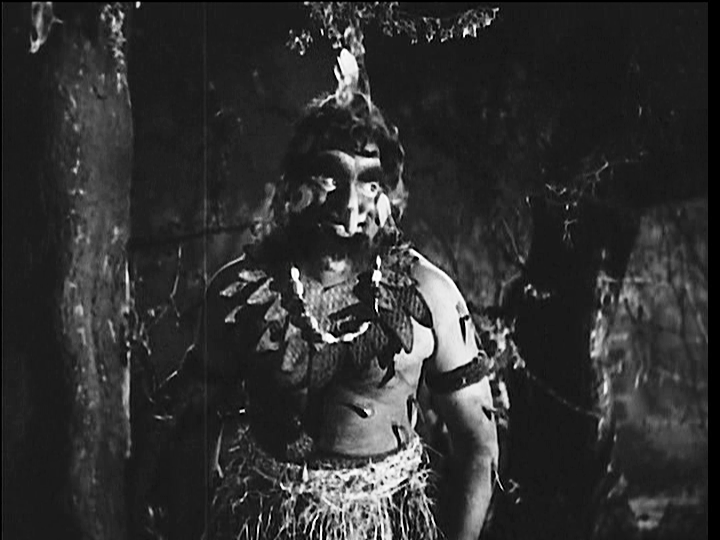
SV Ranga Rao is Nepala Mantrikudu, a sorcerer who needs to sacrifice an innocent young lad (I wonder who will fall into his hands) in order to gain control over an idol that can compel goddess Patala Bhairavi (Girija) to grant wishes. He has a fabulous cave lair with excellent statuary, and the hapless Dingiri as his assistant.
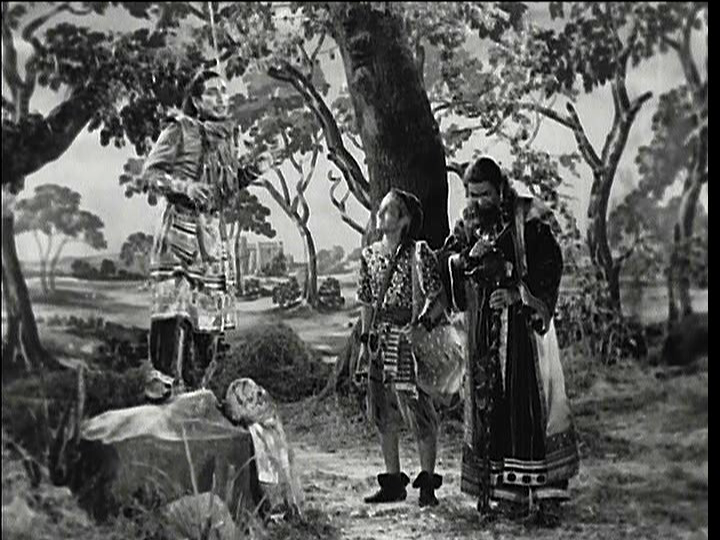
Nepala Mantrikudu is a determined man, who will stop at nothing to gain his desire. He even cut his own arm off once for a spell, and then used his magic to reattach it. I like his dragon headed telescope that sees whatever the user wants to find.

He impresses the yokels with a great array of tricks – including turning a rock into a monkey and then transforms the monkey into a dancing girl before giving Relangi similar treatment. Ramudu can’t resist the show, and that brings the protagonists together. I always like SV Ranga Rao as a villain because he can be amusing with a twinkle in his eye and then turn to seriously threatening in a blink. He adds most of the drama and menace to the story, and is larger than life.

Ramudu steals a magical vessel and tries to create his own wealth. But he lacks the ability to use it so, promised money and the princess, he goes with Nepala Mantrikudu to retrieve the idol. The quest involves a lot of near death moments for NTR including – the crocodile wrestling!

Not the most lifelike crocodile, nor the most convincing wound I have seen. I shall digress – I keep hearing rumours that Rana Daggubati may be in a remake of this film. I think he is a competent actor although I’m not sure he has the right acting style for this sort of caper, but I do think he might be excellent at shirtless crocodile wrestling scenes.

Ramudu emerges from his dip triumphant, and worded up about the magician’s treachery by a goddess in the crocodile pond. Of course the sorcerer and his intended sacrifice have different ideas, and Ramudu wins that encounter and the idol.

While he is rich (thanks to the goddess) on his return to Ujjain, he is not out of trouble. It takes more than decapitation to stop a dark sorcerer who has a history of sticking his limbs back on.

Old enemies unite against Ramudu and he loses control of the idol. What next?

There are demons, bears, seven-league boots, invisibility cloaks, disguises, flying palaces, fisticuffs and so much more before the end of the tale.

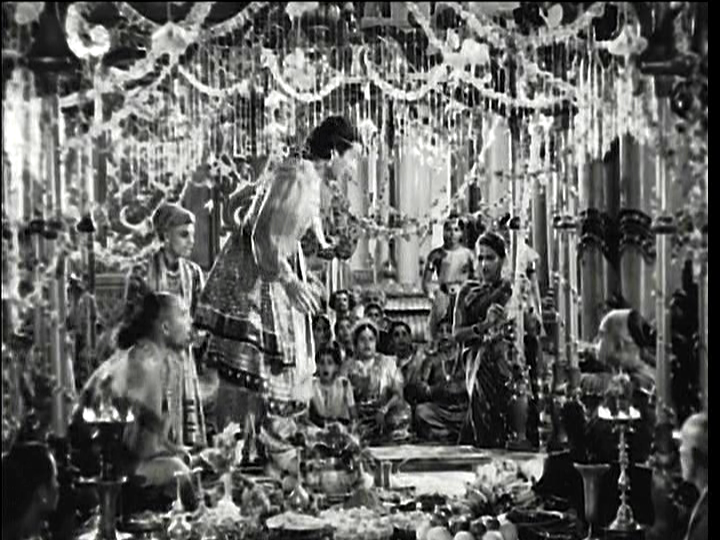
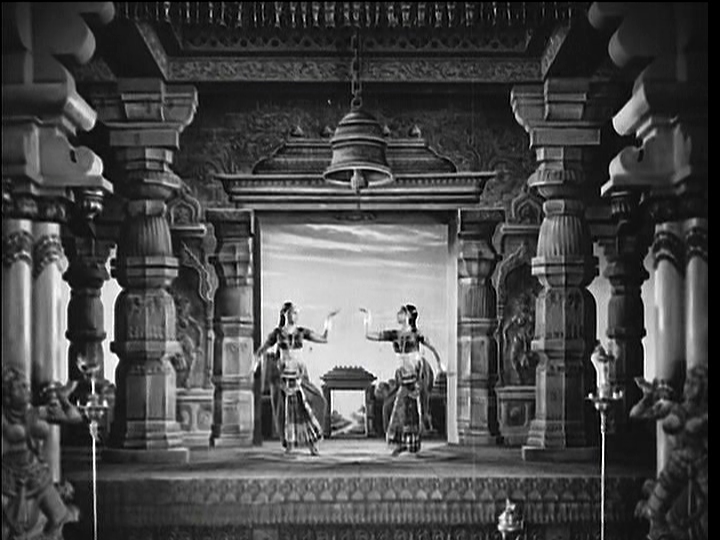
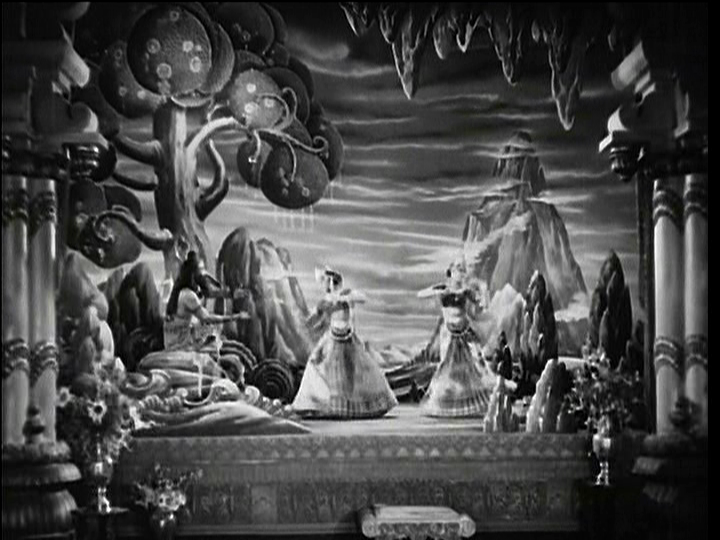
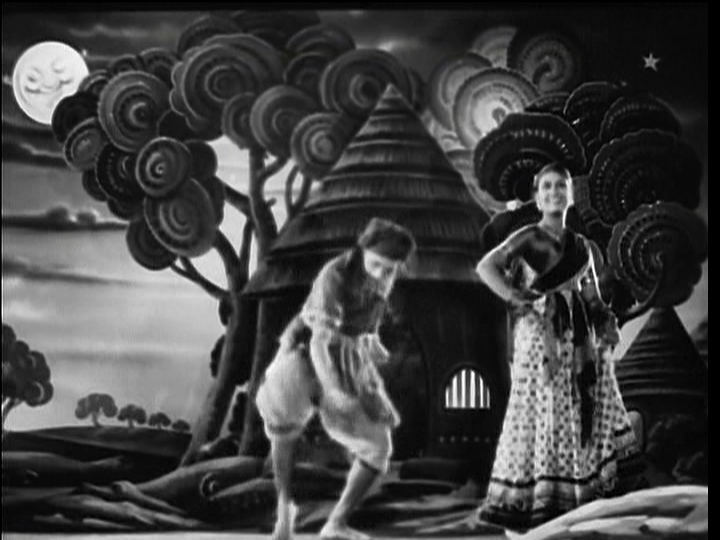
When I say the sets were lavish – there are 3 separate credits for set design, moulding and painting and I think they earned their keep. When Ramudu takes the royal family on a tour of his magically appointed residence, the building is stunning. This song includes some performances by his household dancers (including Savitri), and the sets are just delightful. I’ve screen capped if you can’t be bothered with the song clip.


The visuals perfectly match the story book action and characters, with the painted backdrops reinforcing the fantasy element. The special effects are lots of fun (especially considering it was the 1950s).  I saw Sri Rama Rajyam on Friday night and despite the apparently huge budget for CGI, I found the effects more distracting than beautiful. I know that is a devotional film, and this isn’t but it made me think about the use of visual effects in films that are depicting an alternate reality. Patala Bhairavi keeps the people at the centre. When someone pulls on an invisibility cloak, other characters react to this amazing sight – the gimmicks support the story. In Sri Rama Rajyam, they chose to use CGI for things like birds, leaves, foliage, peacocks and deer to the point that it cluttered up the screen. It detracted from the story and from the actors. I appreciated the mastery of Kadri Venkata Reddy. He and the team including writers Subbanna Deekshitulu, Kamalakara Kameshwara Rao, Pingali Nagendra Rao art director Madhavapeddi Gokhale and DOP Marcus Bartley  have created a really beautiful fantasy realm with an engaging story.

Perhaps I am fond of this film because it reminds me of being a kid, watching Disney TV shows with my family on a Saturday evening. The good guys are nice, there are pretty jewels and costumes to admire, the music is lovely and the story ends on a high note. I would love to see it with subtitles but I enjoyed it immensely without. 5 stars!