Rama Rama Re (2016)

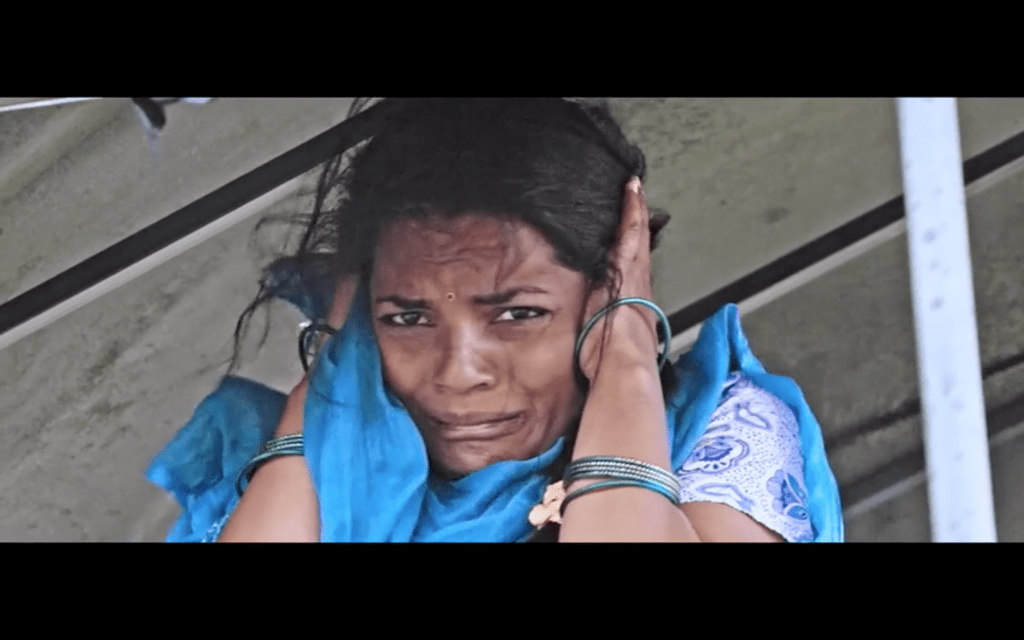
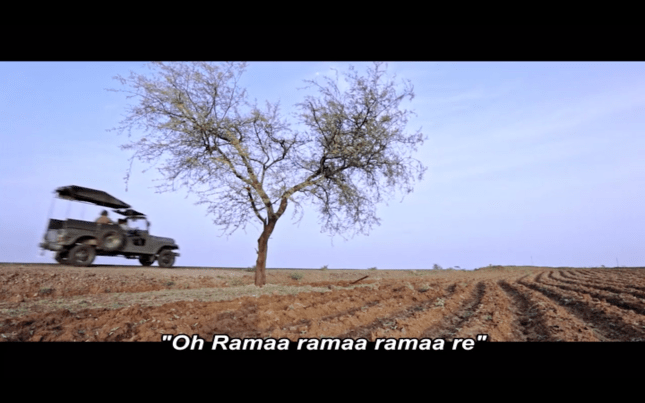
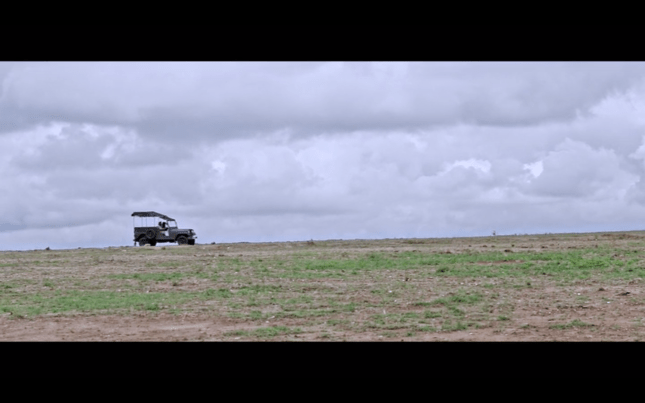
D. Satya Prakash’s début film is a classic road movie about an escaped prisoner and the various characters he meets along this journey Perhaps the most outstanding feature of the film is the superb cinematography as each scene appears beautifully constructed with a keen eye for detail, despite most of the action occurring on a jeep travelling through a rather desolate countryside. Add a fascinating story with engaging characters in often surreal situations and Rama Rama Re becomes a road trip to remember.

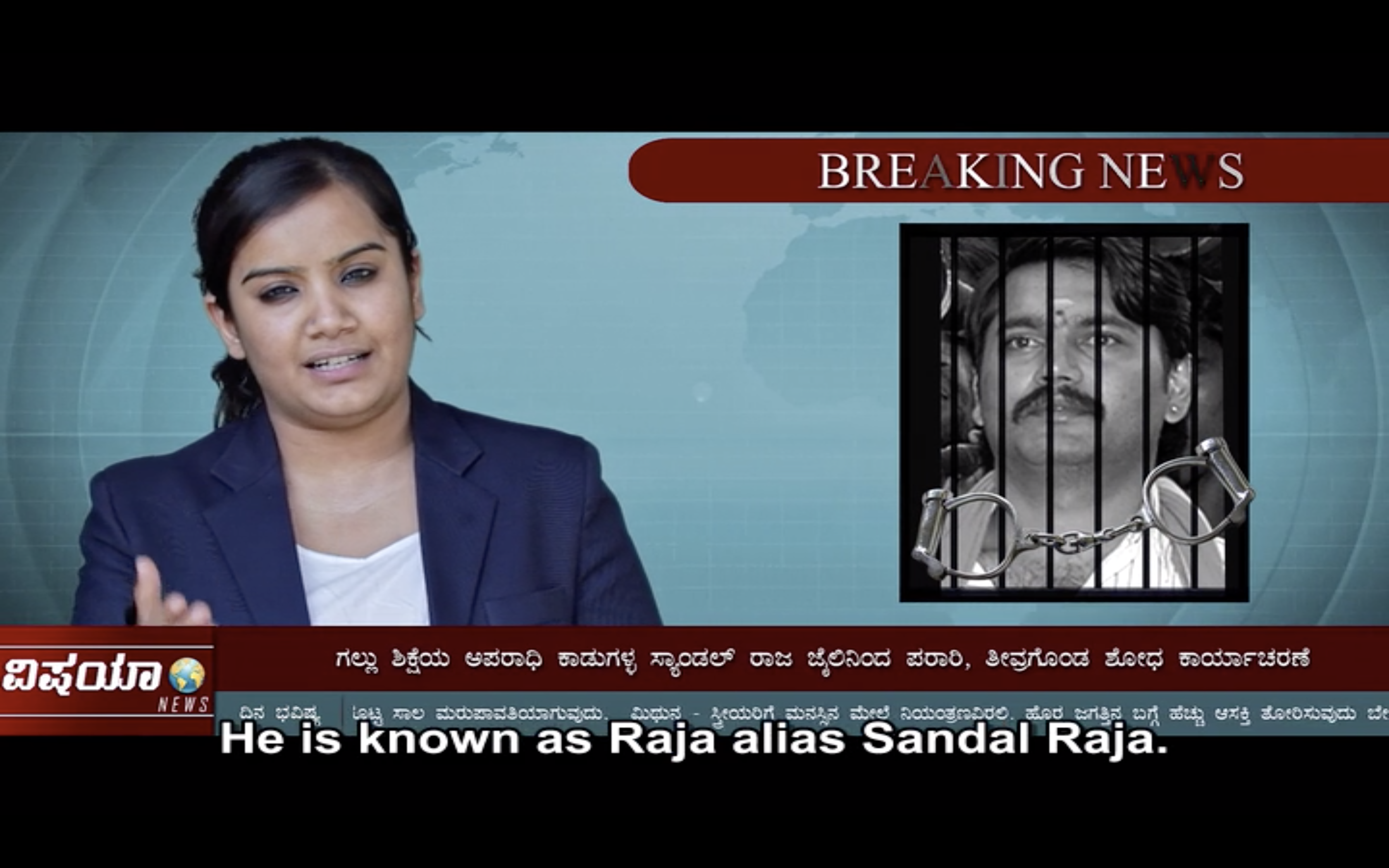
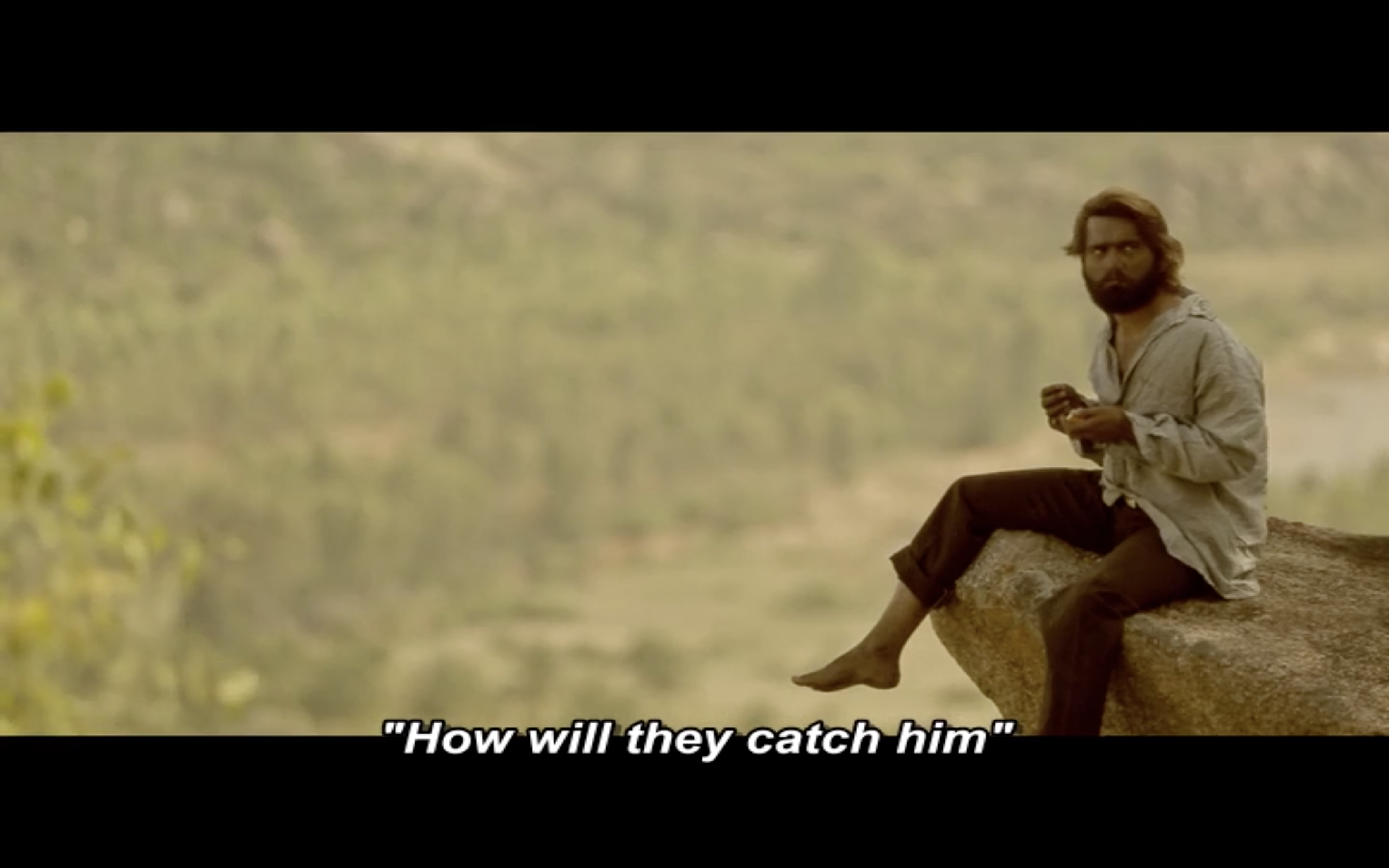
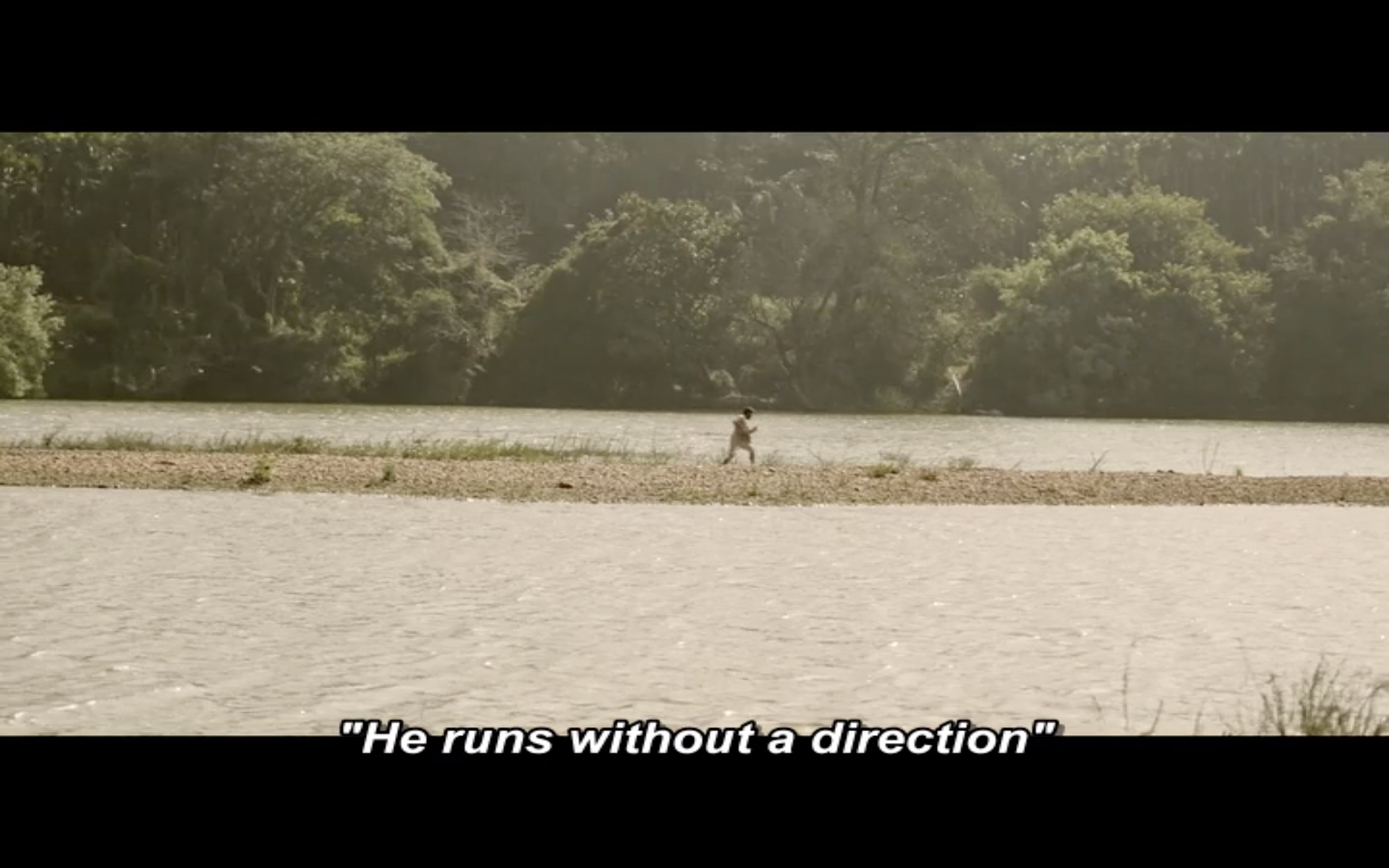
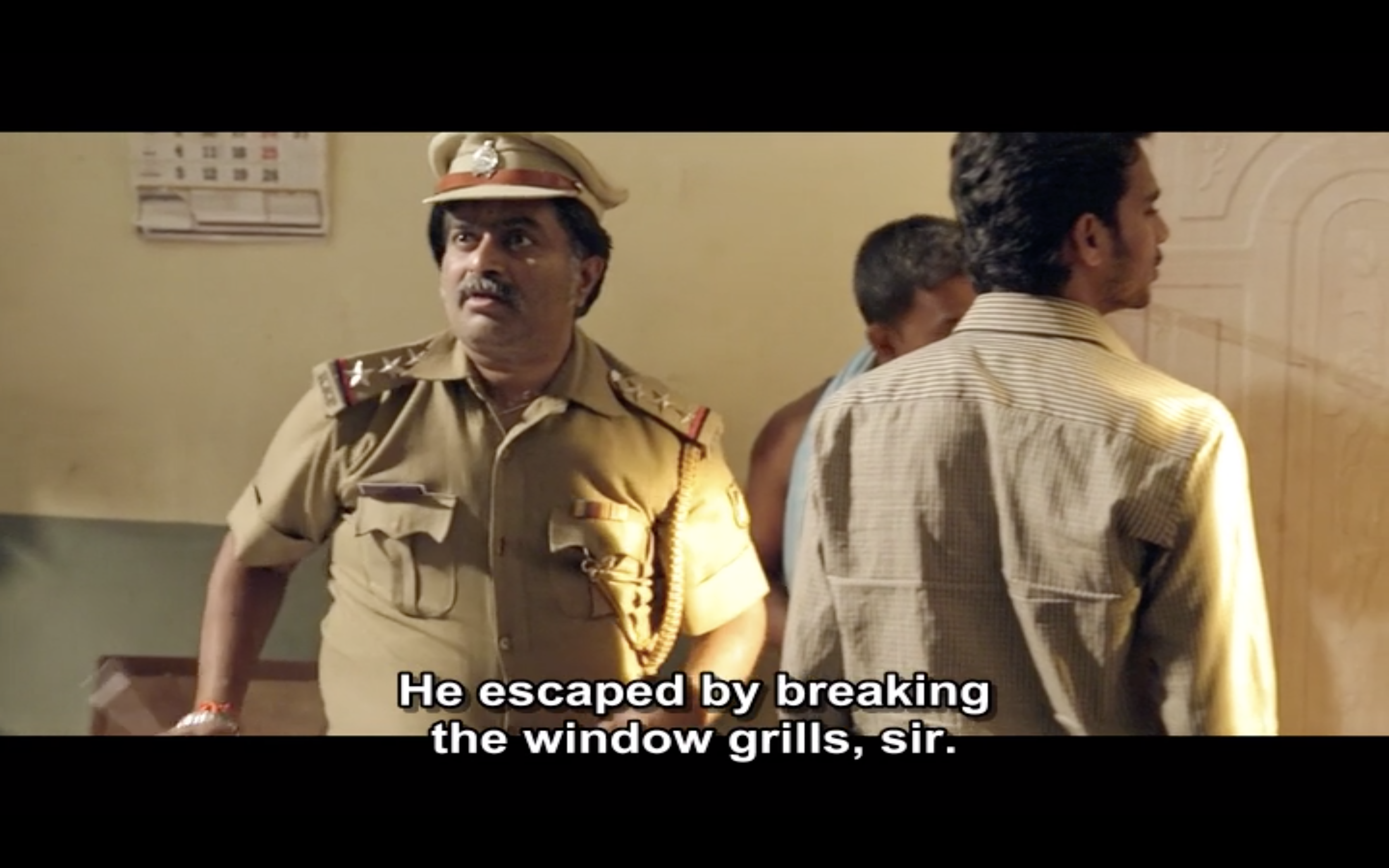
The film starts with ‘Sandal’ Raja (Nataraj) escaping from prison. In a preview of how the film will unfold, the escape itself isn’t shown and instead the film shows us the prison guards arguing with some labourers about their pay for the day. When the alarm is raised, the prison commander is torn between watching his favourite soap opera on TV and rushing to start the hunt for the prisoner. The corruption of the jail is quickly replaced by hysterical news reports showing interviews with the prisoners and guards that reveal Raja was afraid of dying and escaped before he could be hanged. As the hunt continues, Raja’s picture is everywhere and a large reward of 10 lakh’s is offered for his capture. Meanwhile Raja is shown running, and running, and yet more running, while his beard and hair grow longer as he moves further and further away from civilisation.
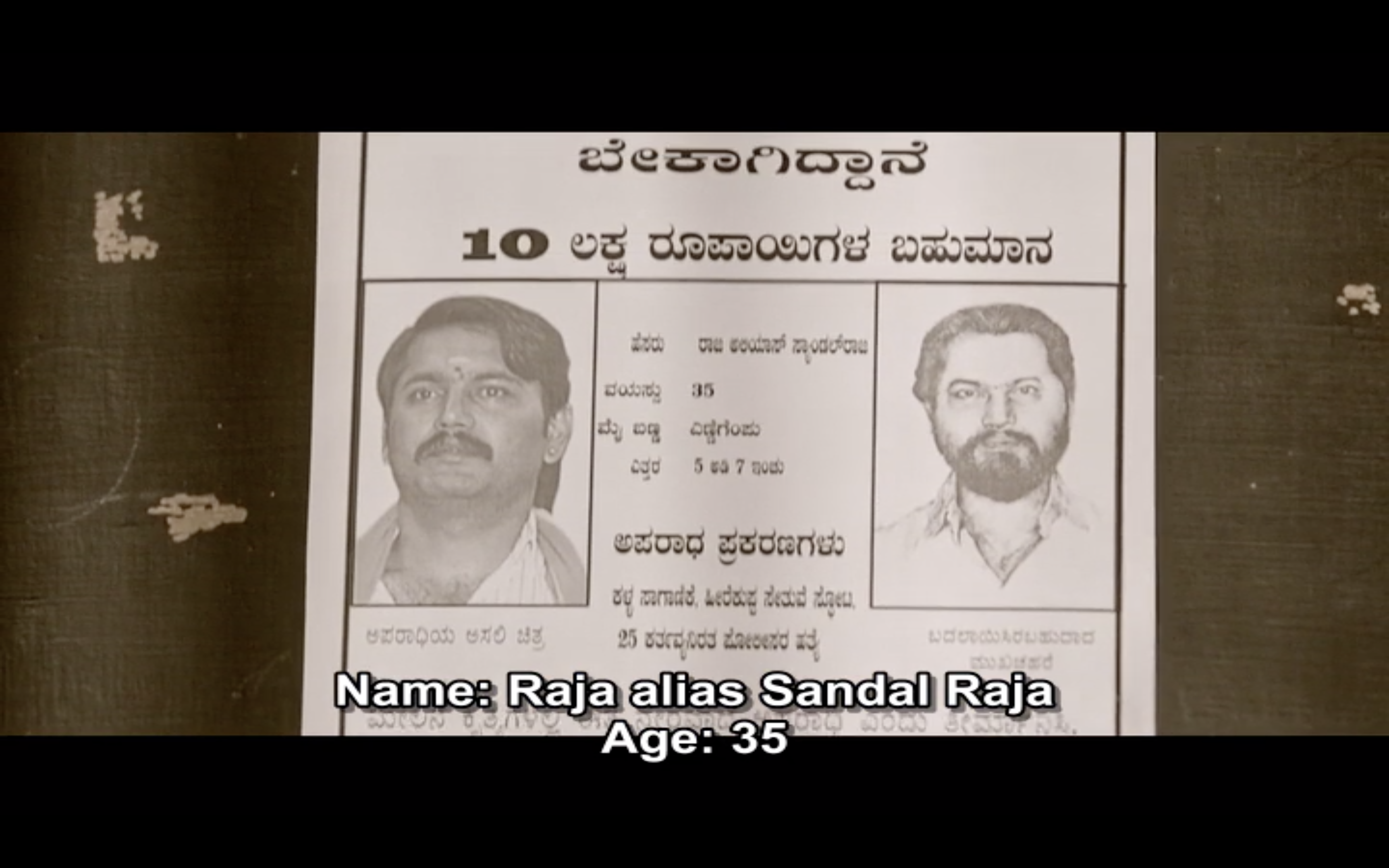
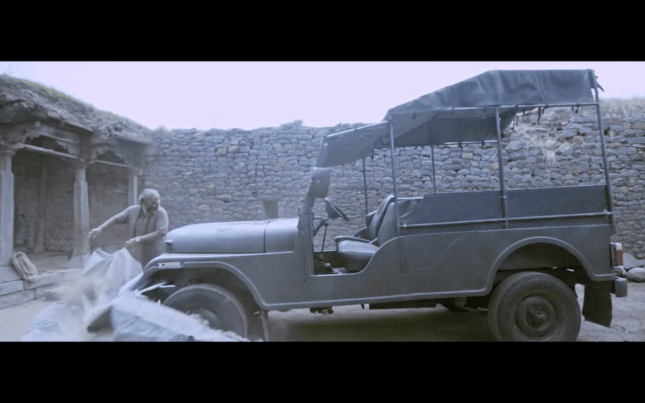
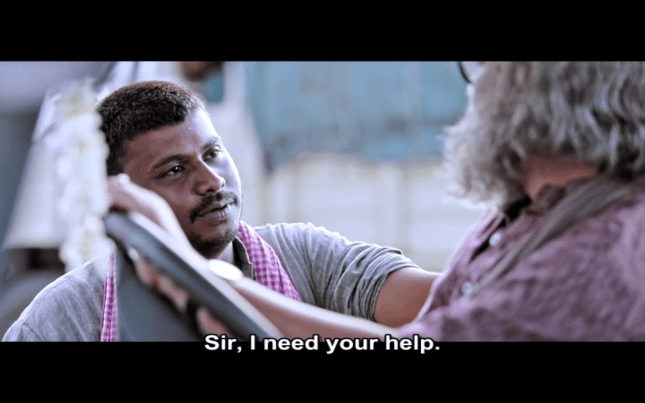
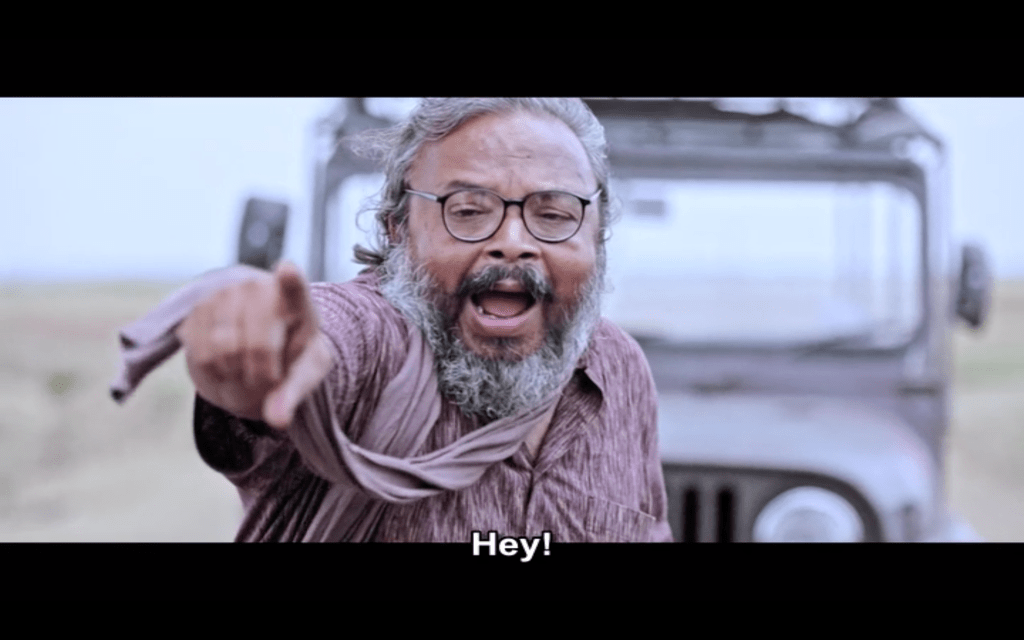
Meanwhile army veteran Ramanna (K. Jayaram) is preparing his ancient jeep for a trip. He buys new jasmine to hang on the rear-view mirror which just happens to be wrapped in a newspaper with Raja’s mugshot (a recurring image that is central to the storyline). As Ramanna sets off he meets with a truck driver (Bhaskar Dev) who has broken down on the road. After rather reluctantly towing him to the nearest garage, Ramanna is persuaded to give the driver’s passenger a lift to the nearest town – a passenger who just happens to be Raja.
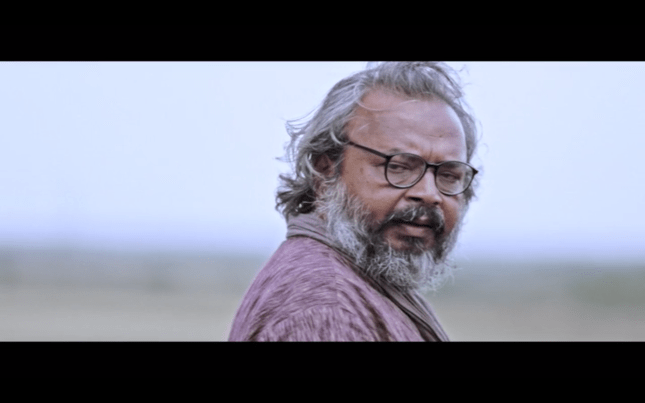
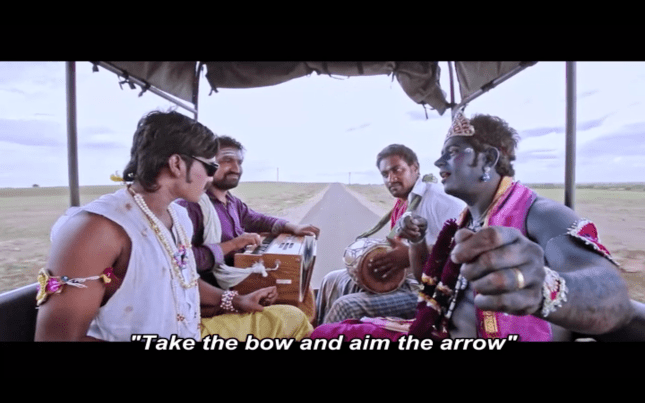
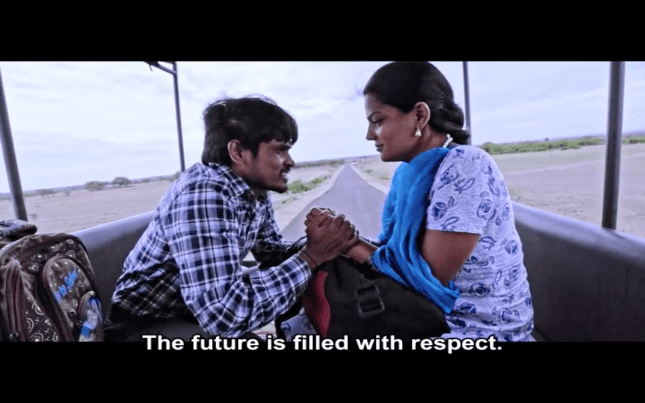
Shortly afterwards Ramanna picks up an eloping couple Dharma (Dharmanna Kadur) and Subbi (Bimbashri Ninasam) who hide in his jeep. The couple are being chased by various members of their respective families, who disprove of the inter-caste relationship. Dharma also recognises Raja and wants to claim the reward, but the pursuing families, a soldier (Sridhar) on leave on his way to be with his pregnant wife and a group of travelling musicians all conspire to make Raja’s recapture seem unlikely.

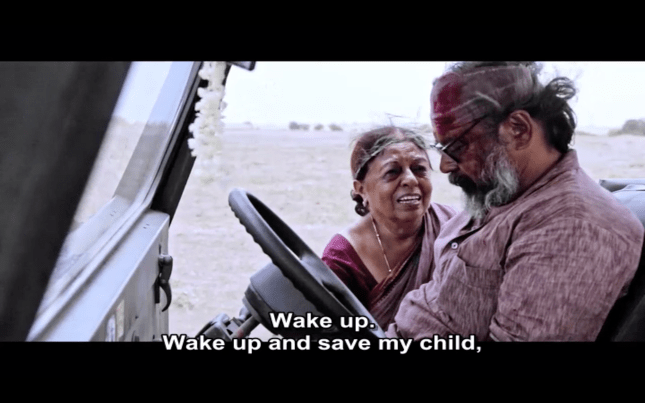
Throughout the journey the story briefly delves into issues such as caste, corruption and the limited healthcare available in rural locations. These are never allowed to implicitly interfere with the characters’ journey but are often the reason behind some of their choices and as such do have an impact. The relentless pursuit of Raja and the treatment of prisoners is also briefly touched on but the sensationalism of the media and need for reform are only part of the backdrop to the story.  The focus is on the journey and how each of the characters react to the various revelations and experiences along the way. All of them are flawed and none are particularly likeable which ensures that it is the journey and experience that is important rather than any particular character.

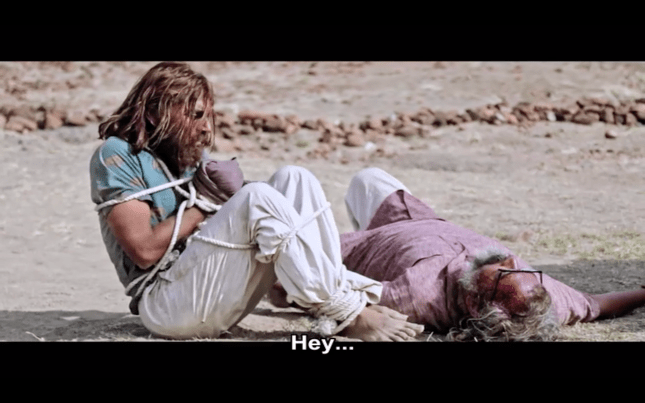
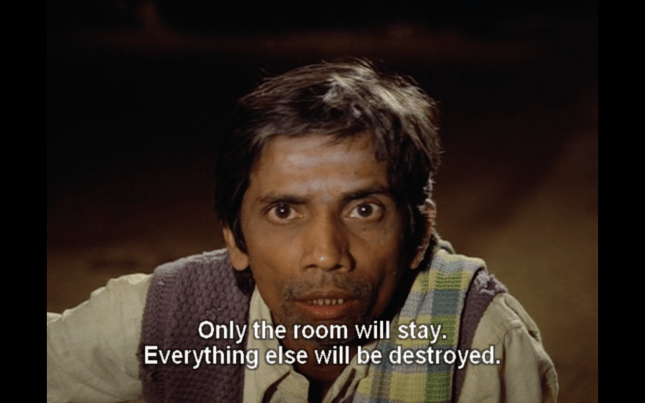
I particularly liked how Raja seems to have devolved as a result of his imprisonment and subsequent escape. He is like a trapped animal, only concerned with flight and doesn’t seem to have any real plan or final destination in mind. This is an excellent portrayal of a man so desperate to escape that everything else has become irrelevant. Nataraj doesn’t have much dialogue, and so it’s his facial expression and body language that are crucial to illustrate his thought processes and focus on escape above all else. I thought he was excellent in the role and that his portrayal of desperation was pretty much spot on.
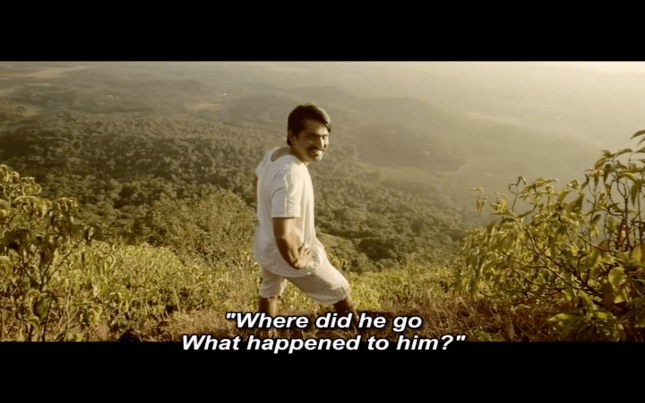
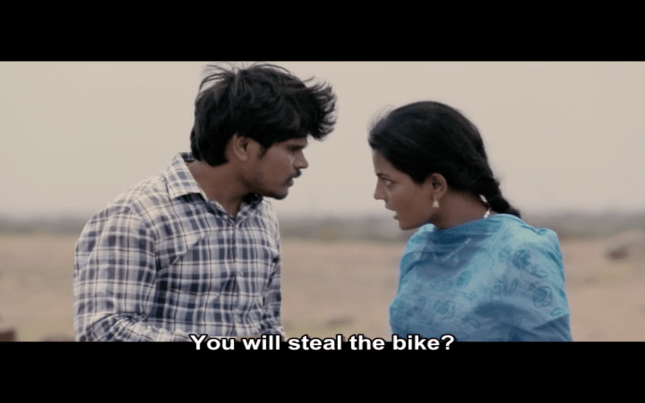
The character of Dharma is initially incredibly irritating, although he embodies so many common traits that it’s hard not to smile at his various antics. His obsession with combing his hair is just one of these, and he does bring some light-heartedness into the film just when it starts to drag in the first half. The relationships between Dharma and Subbi is also interesting as he promises her the world but fails to deliver. However, Subbi seems to be completely aware of Dharma’s shortcomings and in some lovely pieces of writing does turn the tables rather nicely on him to make sure she gets what she wants. The contrast between the couple and their reluctant traveling companions is also used to good effect to accentuate each of their flaws as the journey progresses.
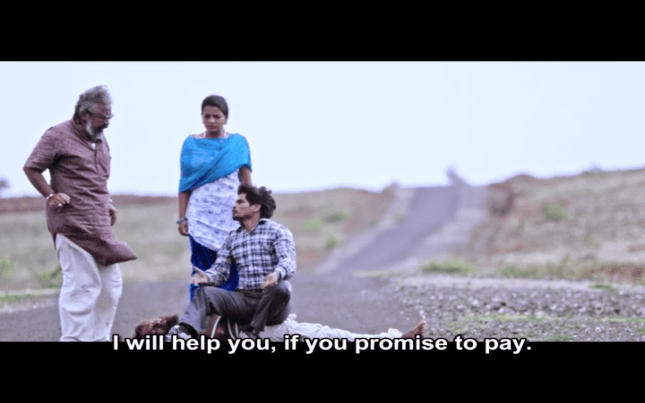
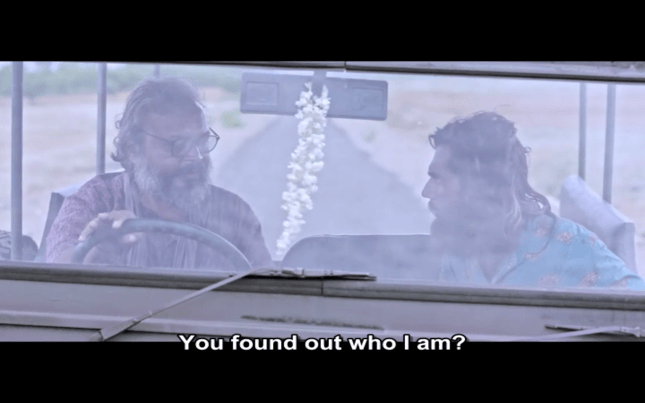
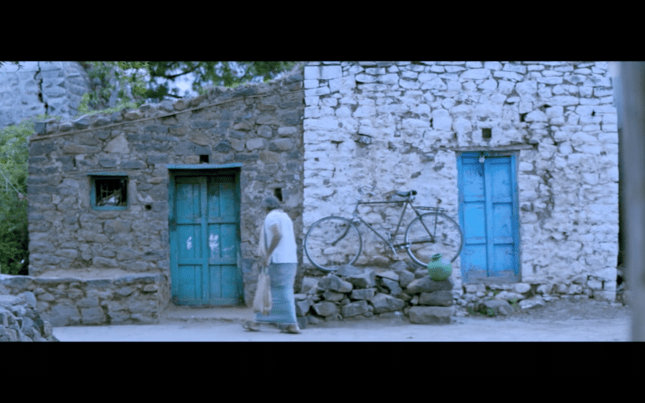
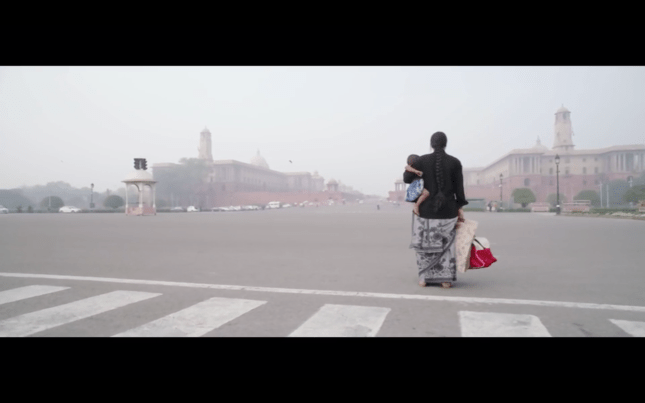
What I really love about this film is the perfection and attention to detail in each frame. There is so much to enjoy even in the shots of the landscape as the jeep travels through. The TV in the prison at the very start is surrounded by papers and files while the shelves are just as shambolic with files strewn everywhere. With just a few images cinematographer Lavith captures the disorganisation and carelessness of the prison officers perfectly.  I also love the precision of the bicycle with the water jug sitting in front just outside Ramanna’s house, and how this contrasts to the limited and out of focus shots of the interior. The countryside looks amazing, despite being devoid of life and during the journey it almost becomes a character itself, and certainly just as important. Just as precisely, the pictures of Raja in the newspapers are carefully repeated and contrasted to images of his current appearance although his travelling companions only seem to register the mugshot and the reward. It’s all perfectly put together as a visual feast that compliments the action beautifully. The soundtrack from Nobin Paul is excellent and the songs from Vasuki Vaibhav work well to keep the narrative moving.
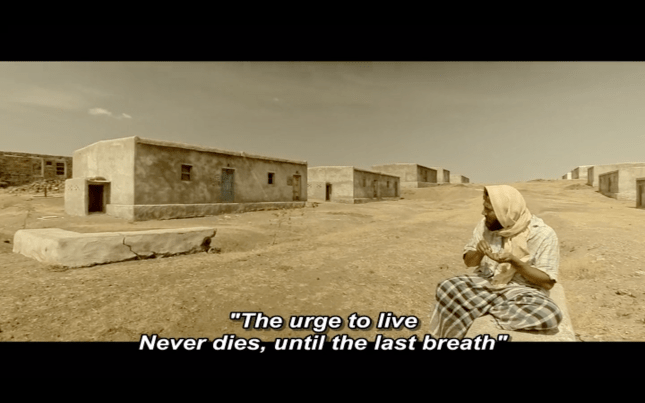
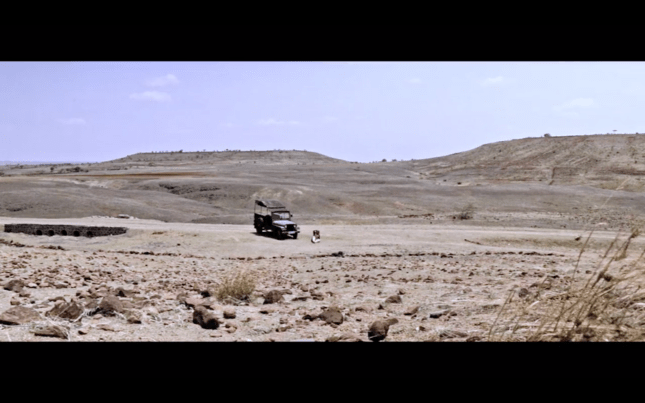
Rama Rama Re does follow a classic journey template but the journey itself is unique. The story is allowed to develop at its own pace and the characters are quirky but plausible within the framework of the plot. Although the film does drag a little in the middle, the gorgeous images and wonderful characterisations overcome this slight lag, while the end is just as unusual and unexpected as the rest of the journey. This is a clever film, beautifully filmed with interesting characters and very well worth watching. 4 stars.

Gehrayee

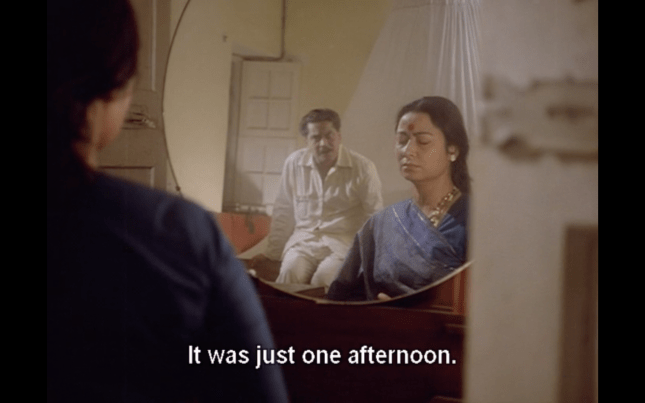
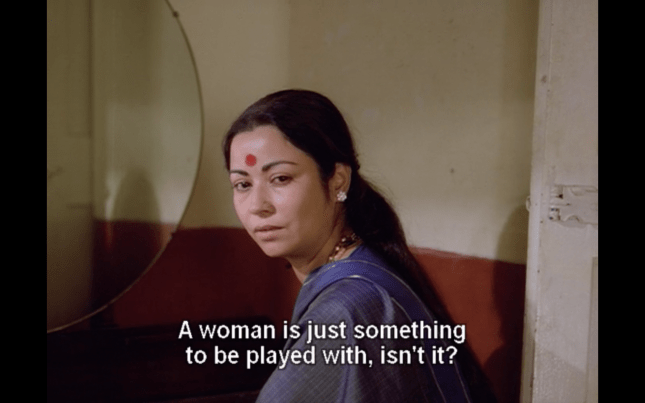
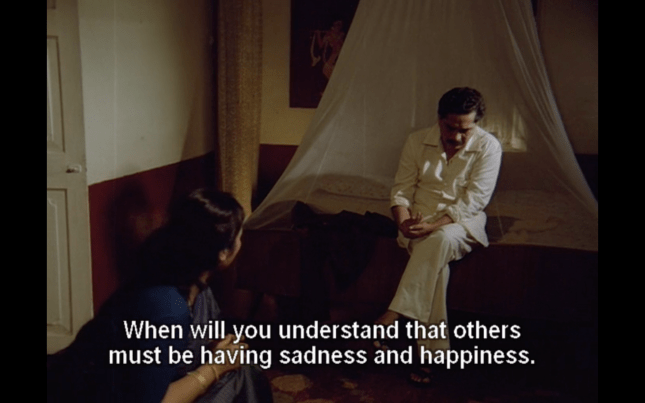
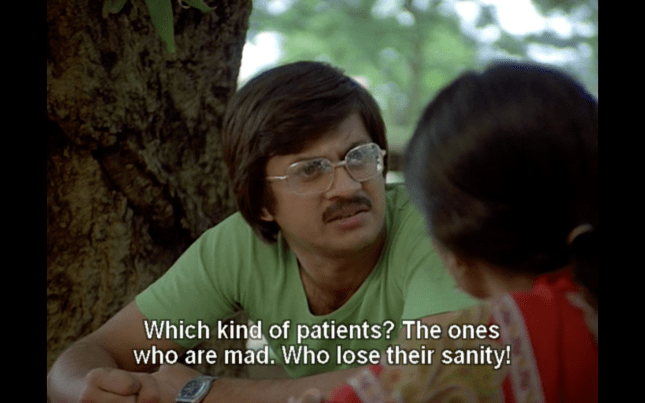
This 1980 supernatural suspense film follows the fortunes of a family after they sell an ancestral plantation to a soap factory. Aside from the supernatural elements, the story touches on the themes of gender inequality, the issue of caste and even environmentalism with an insightfulness that is surprising in a Bollywood film of the era. Although there are influences from Western films such as The Exorcist, Gehrayee is firmly grounded in Indian culture with references to traditional practices, god-men and sacred rites. Starring a very young Padmini Kolhapure, Anant Nag and Rita Bhaduri, Gehrayee is a rather different Bollywood ‘horror’ film that has plenty of relevance even today.

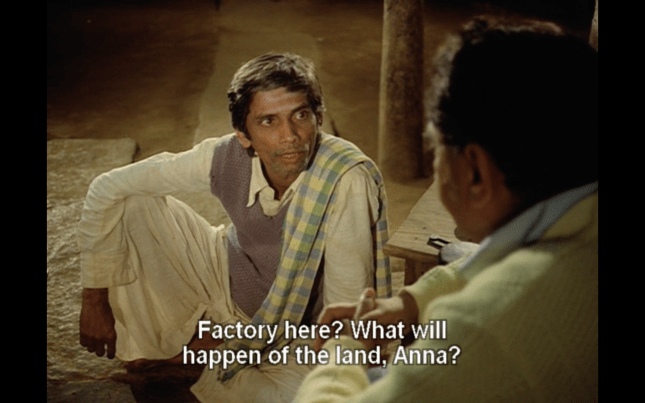
The film starts with Chennabassapa (Sriram Lagoo) visiting his family plantation in a small village. The plantation is looked after by Basava (Suhas Bhalekar) who lives on the farm with his daughter Chenni (Rita Bhaduri). During his visit, Chennabassapa announces that he has sold the plantation to a soap factory as he needs money to build a new house in Bangalore. He offers Basava a job in the factory, or work in a bank in Bangalore, but Basava is devastated by the announcement and doesn’t take Chennabassapa up on any of his offers. Instead, he bewails the destruction of the forest and what he calls the rape of the land in the name of money. 

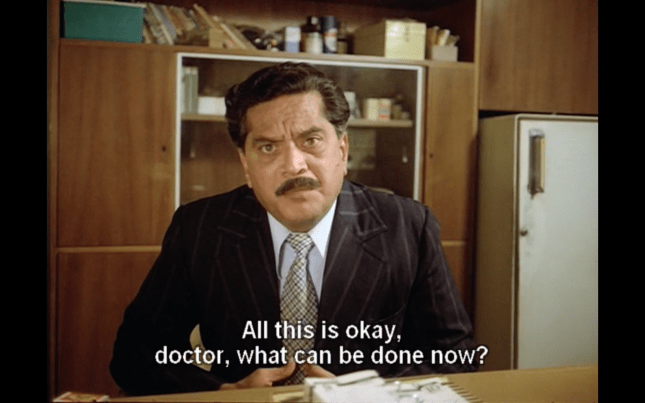
On his return to Bangalore, Chennabassapa continues to demonstrate his total lack of empathy when retrenching workers from one of his factories. Despite other members of his team pointing out that it’s not about the monetary compensation, Chennabassapa ignores the humanitarian aspects and continues to concentrate only on profit, although he does pay off his workers in line with government regulations. It’s not that he is mean and only focused on profit, but he sees his workers as just another commodity and not worth any further consideration once he has no further use for them. Chennabassapa is a man of science and rationality, convinced of his own superiority and sure that he is always right, but by the end of the film, this is shown to be a bad thing, and not something to be proud of at all!

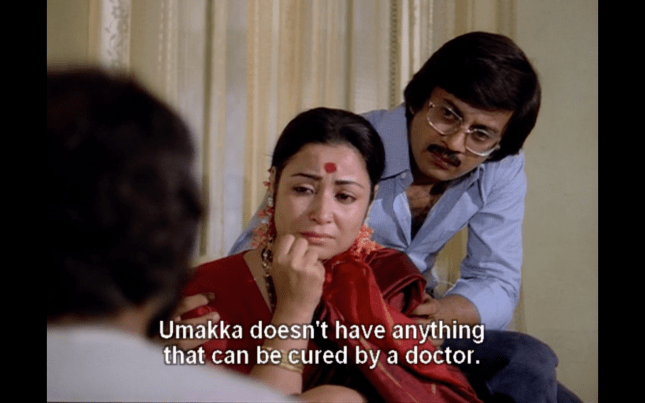
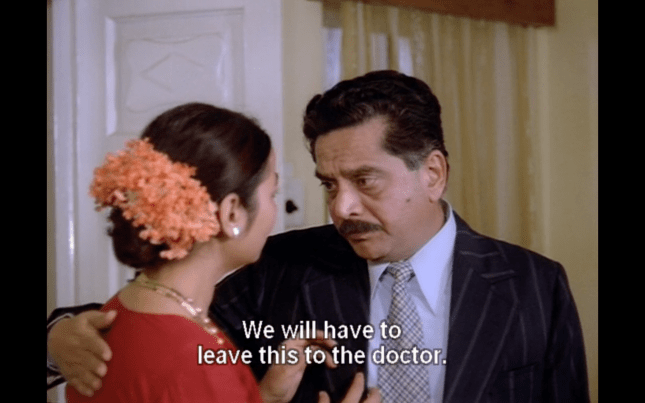
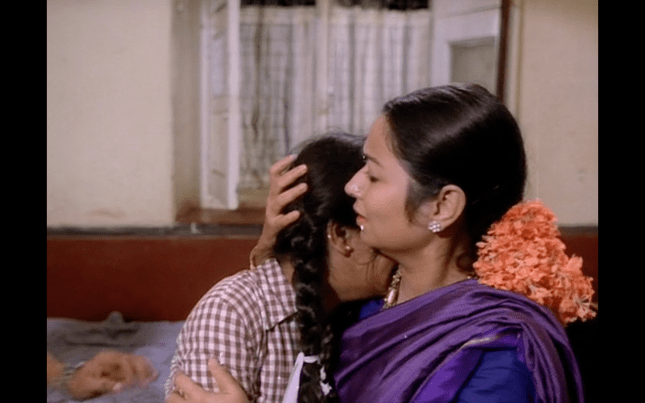
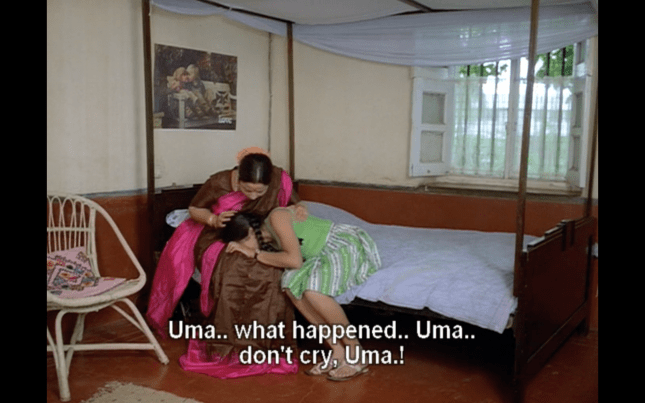
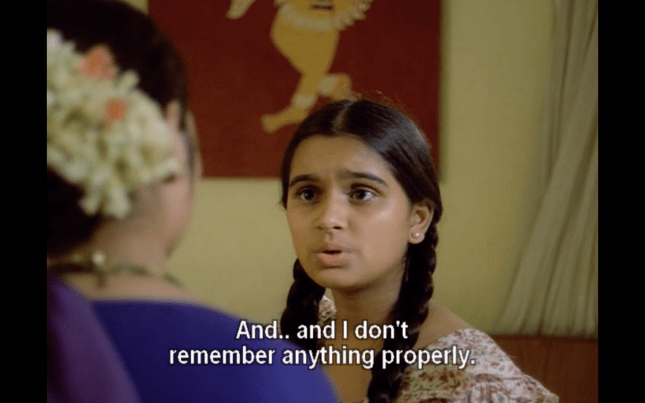
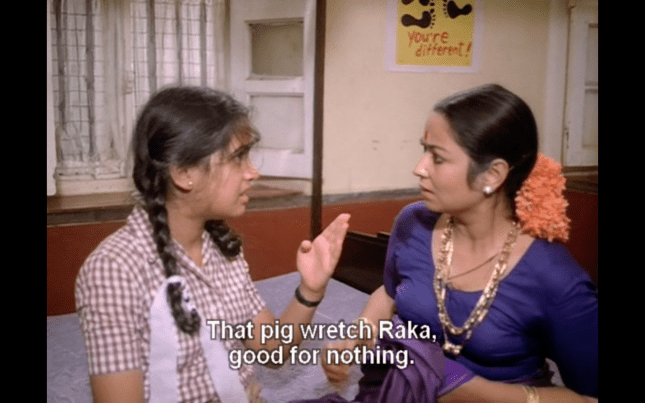
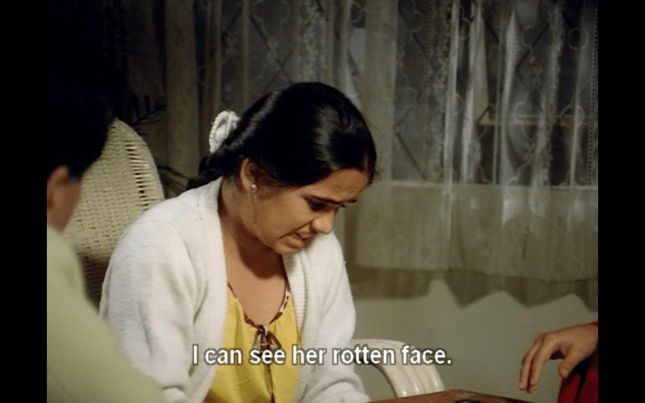
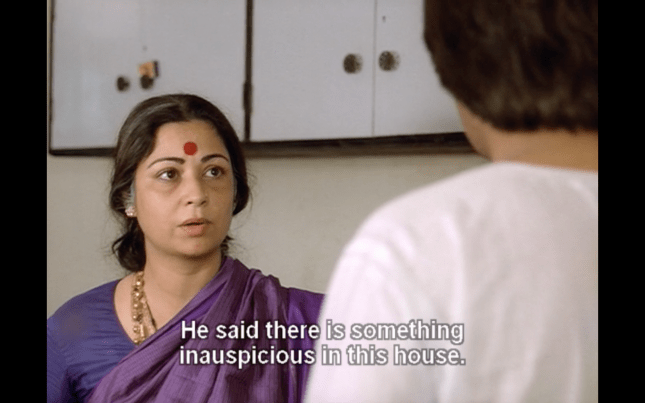
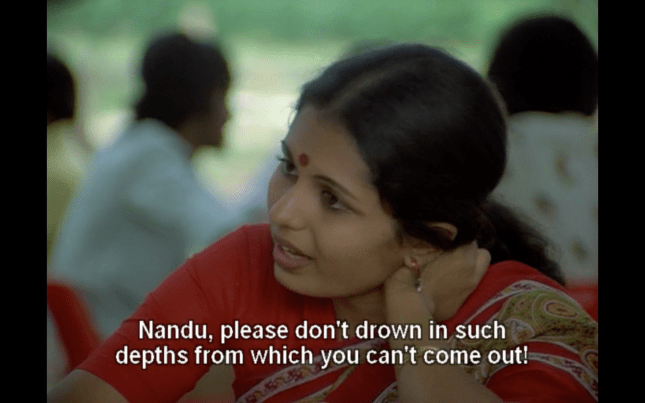
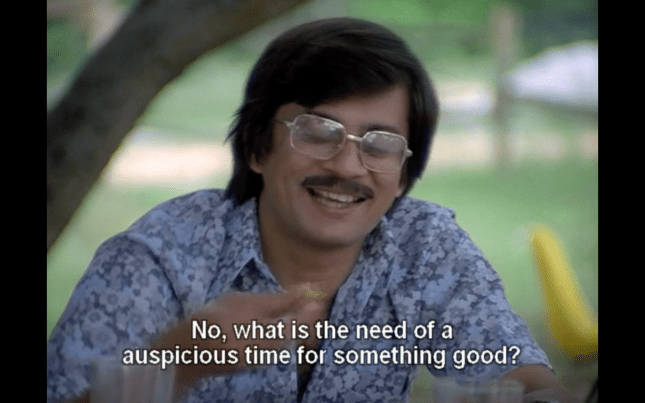
Shortly after Chennabassapa’s return from his village, his daughter Uma (Padmini Kolhapure) starts to behave very oddly, waking up screaming and speaking about events from Chennabassapa’s past in an odd voice. Unlike Chennabassapa, his wife Saroja (Indrani Mukherjee) is very superstitious and although she is accepting of the decision to take Uma to see a doctor, she also looks for other remedies and more traditional cures to help her daughter. As part of her treatment Uma undergoes shock therapy, which Chennabassapa’s son Nandu (Anant Nag) vehemently argues against. He is convinced that this will have a detrimental effect on his young sister and instead takes her out for rides on his motorcycle and trips to parks to help try and recover her senses. However, this seems to backfire as Uma then shockingly tries to seduce Nandu in front of their parents, and she continues to reveal indiscretions from Chennabassapa’s past.

One of these revelations is that Chennabassapa seduced Basava’s wife who then suicided by jumping into a well. Saroja takes Chennabassapa to task, telling him that like all men his sexual conquest meant nothing to him but was a major event for the woman that resulted in a death. It’s a small part of the plot, but it makes a big impact as, in a few words, Saroja rips apart her husband’s complacency and points out the inherent hypocrisy of their society. I wish the film had gone further into this and perhaps even brought it into the climax, but it’s still an excellent piece of writing and kudos to scriptwriters Vijay Tendulkar, Vikas Desai and Aruna Raje for including such a frank conversation in the film.

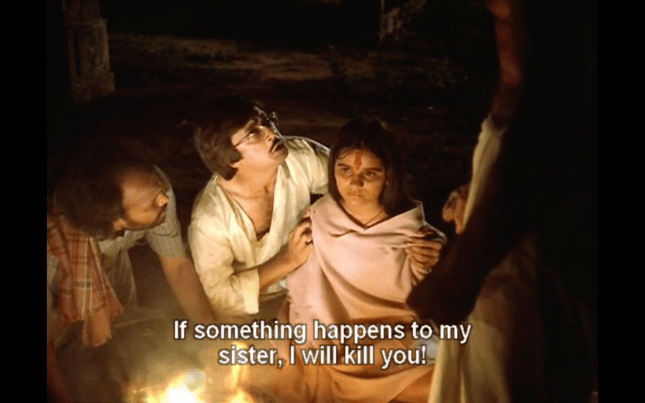
Meanwhile, as Uma appears to be getting worse, the family servant Rama (Ramakrishna) tries to help by suggesting a tantric lime placed under Uma’s bed. Apparently this will rot if she is possessed but will otherwise stay fresh. However the next morning the lemon is missing and shortly after Rama is sacked after the family’s food rots in the pan. At the same time, Saroja starts to look for other solutions and tries a succession of god-men who try to exorcise the evil spirit from Uma. One of these (a youthful Amrish Puri) kidnaps Uma to use in a demonic ritual of his own, but luckily Nandu and Rama are able to rescue her in time. As Uma becomes weaker and weaker the family becomes ever more desperate to finds a solution before time runs out. But perhaps the most shocking revelations occur at the climax of the film, when Nandu tries to find out why his family have been targeted and ends up raising Basava’s ghost to try and get to the bottom of Uma’s illness.

While there isn’t ever anything particularly frightening that happens in Gehrayee, some of the scenes of possession and the final climax are definitely quite creepy. Padmini Kolhapure is exceptionally good in her portrayal of a young girl possessed by a demonic spirit, and even if there are no horrific special effects, her expressions and body language perfectly express the two sides to her personality. Anant Nag is also excellent as Nandu, slowly starting to experience his own mental issues and managing to convey both his despair and his internal confusion as his beloved sister becomes a stranger. Sriram Lagoo and Indrani Mukherjee are also excellent and make the most of their conflicting views to keep the story moving along. The conflict between science and superstition is nicely equitable with both having their successes and missteps although in the end the supernatural problem requires a supernatural solution.

 The background music from Laxmikant Pyarelal also adds to the suspense with odd noises and other-worldly screeches along with the more usual musical build-up. The contrast between Chennabassapa’s belief in science and medicine compared to his wife’s more spiritual approach to the problem works well and adds to the general uneasiness of the film. Nandu seems torn between the two belief systems which ultimately contributes to his own mental deterioration while Chennabassapa’s attitude also highlights the divide between rich and poor, and the harsh struggle to exist for those who live in small rural villages. Basava’s lament for the plight of the land echoes throughout the film, contrasting the lush parks in the city with the barrenness of the village once the factory has taken over the land. One of Uma’s breakdowns also occurs in a park where she is surrounded by trees, where it seems as if nature is taking its revenge on her family.

Although the story is about demonic possession, ultimately it’s the evils of society that end up as the focus of the film, and therein lies the real horror. Vikas Desai and Aruna Raje keep the outcome uncertain right to the very end and the juxtaposition of events that can be explained with those that cannot bring a feeling of unease that persists throughout. It’s very well done to keep the audience unbalanced and waiting for something awful to happen, right up until the climax. More of a social commentary that just happens to have a supernatural element, Gehrayee is a film ahead of its time and one that deserves a wider audience. 3½ stars.

Ka Pae Ranasingam

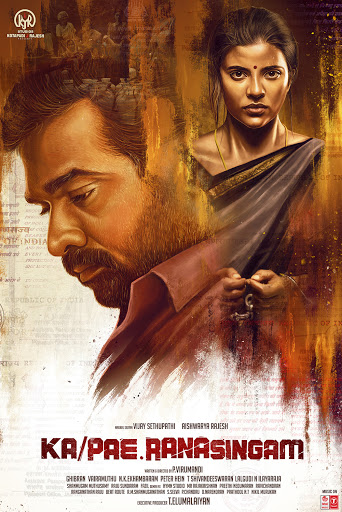
P Virumaandi’s debut film is based on a real-life story about the difficulty in repatriating a deceased husband back to India. While the content is fascinating, unfortunately what should have been an emotional story centring around Aishwarya Rajesh’s character is instead hijacked by prolonged episodes of backstory and political messaging. As much as I love Vijay Sethupathi, this needed to be much less about his character and more about Ariyanachi as his wife, especially given Aishwarya’s fine performance throughout. 

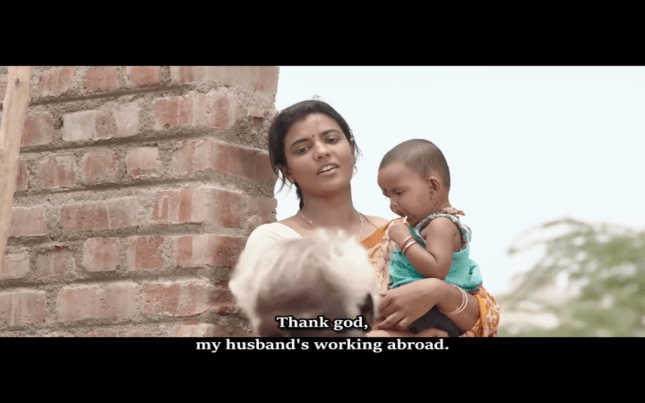
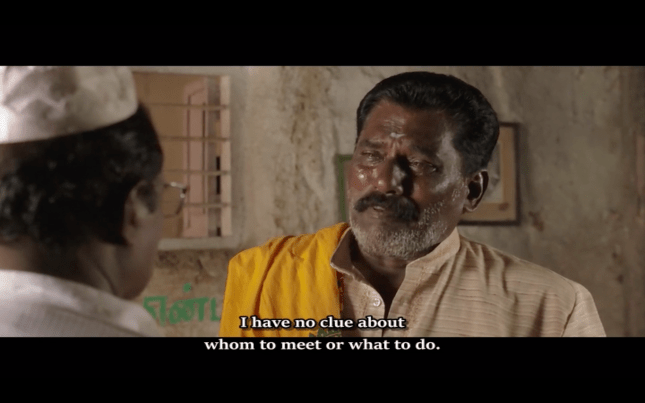
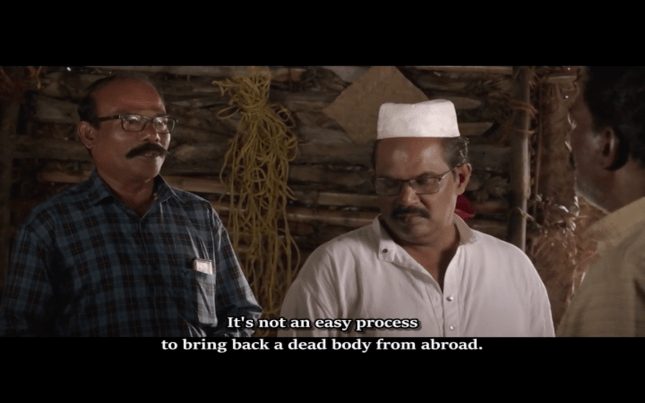
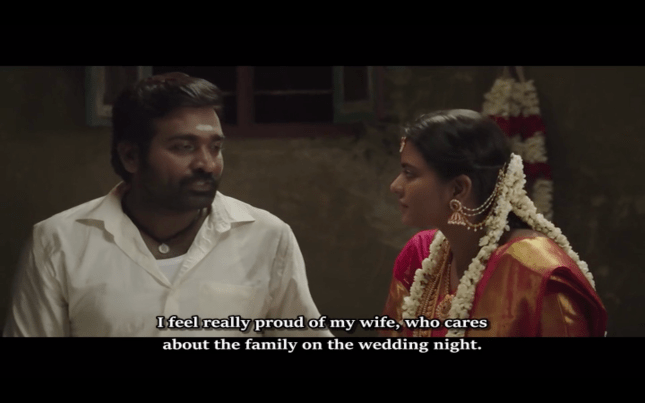
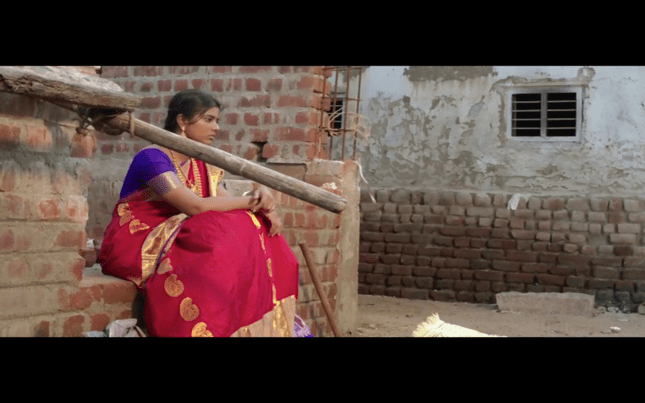
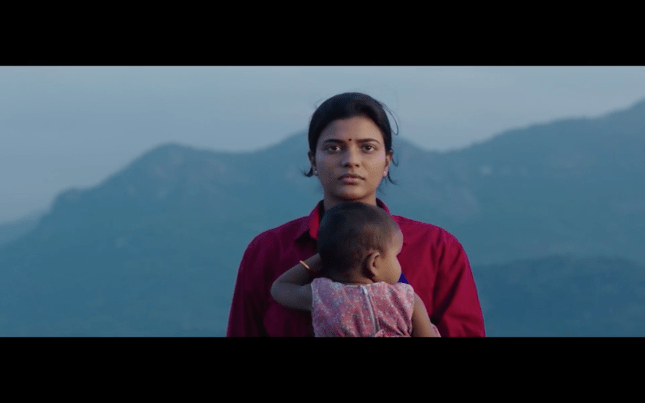
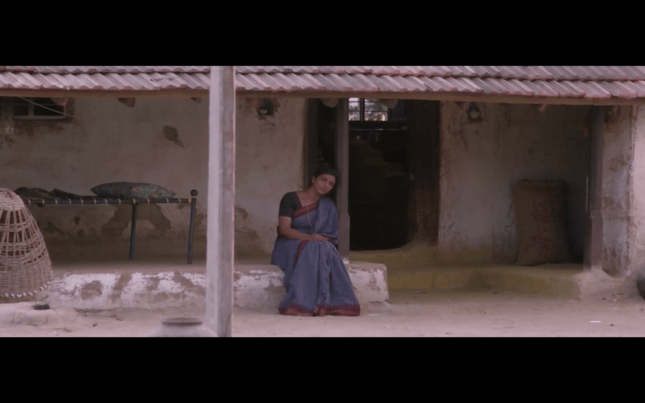
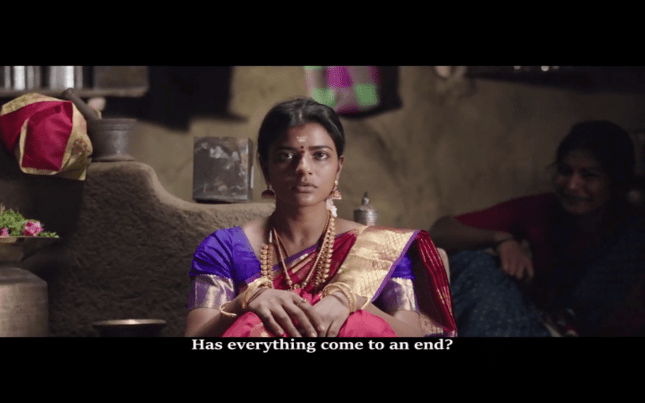
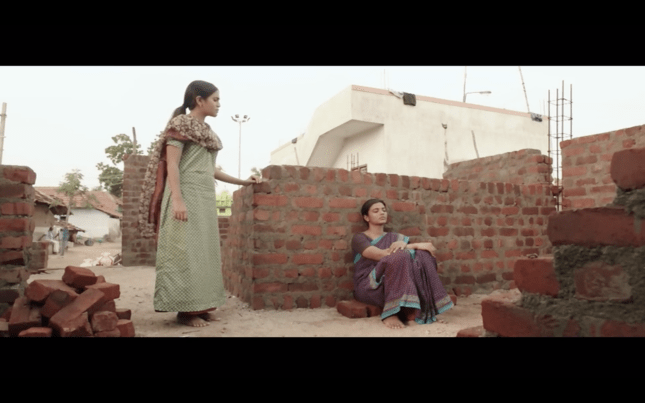
The film opens with Ranasingam (Vijay Sethupathi) absent from his village as he is working for an oil company in Dubai. His wife Ariyanachi (Aishwarya Rajesh) is looking after the family in his absence and is shown to be the perfect daughter, bringing water to the home, looking after Ranasingam’s parents and sister, and supervising the building of their new house. However, at their daughter’s ear-piercing ceremony, a messenger arrives to tell the family that Ranasingam has died in Dubai during a protest. The family are devastated but unaware that this is only the beginning of their heartache as they try to bring his body back to India.

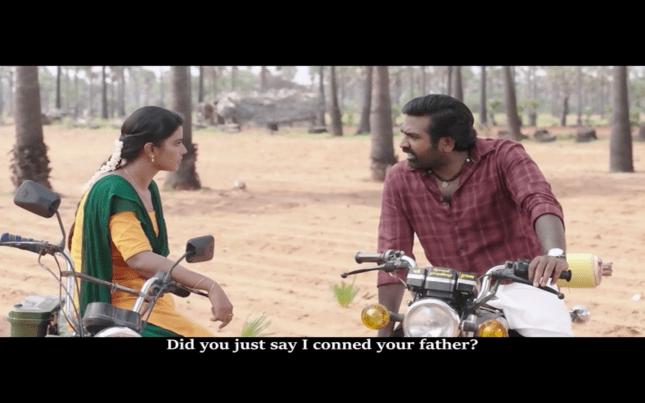
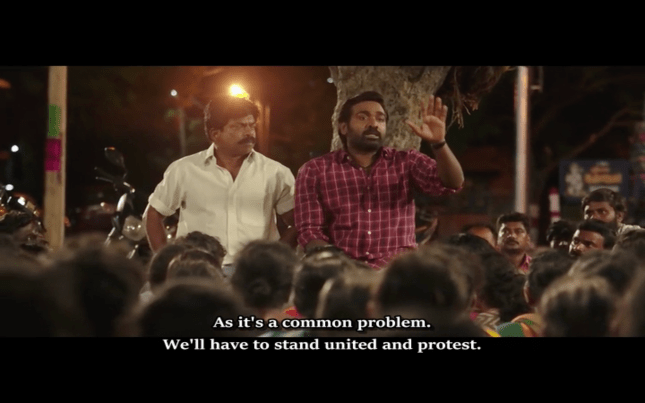
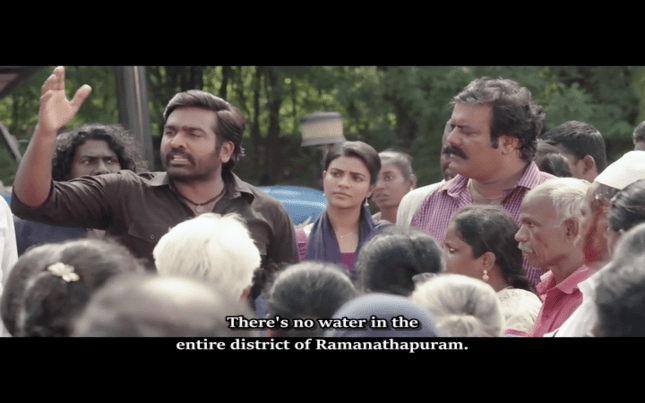
The film then goes into the first of many flashbacks to explain how Ariyanachi and Ranasingam met when he was dowsing for water on her father’s farm. Ariyanachi’s initial scepticism is gradually worm away by Ranasingam’s amazing ability to find water, and also by his dedication to social issues and equal rights for all. Throughout, despite his propensity for protest and disregard for the local police, Ranasingam, still shows respect for the law and a belief in the political system that at times seems oddly naïve given the obvious corruption at all levels. However, Vijay Sethupathi is on top form here and his portrayal is of an easy going and happy man who knows when to take a stand, but who at heart wants only the best for his family.
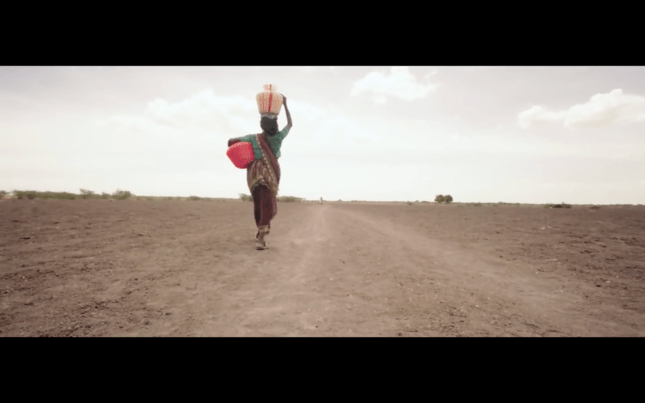
Having established the relationship and given some indication of why the authorities may be inclined to believe the protest allegation despite evidence to the contrary, Virumaandi should have left it there and concentrated on Ariyanachi’s struggles to bring her husband’s body home. Instead, the film keeps flashing back to instances in Ranasingam’s life which really don’t add much more to the story. Rather, they detract from the emotional build-up that Aishwarya achieves with each of her scenes and end up mostly just dragging the pace of the film back. Given that the film has a run time of just under 3 hours, there is a lot of unnecessary back story here that could easily have been cut without affecting either the tone of the film or the impact of the story at all.

Thankfully Aishwarya Rajesh is excellent and hits every emotional note just right. Her frustration at her inability to get any answers in palpable and infuses every frame. Although her grief is more restrained, it’s still a poignant backdrop to the second half of the film and Aishwarya gives Ariyanachi plenty of dignity along with amazing resilience and a determination that feels very real. Although it seems perhaps too obvious, the moment where Virumaandi contrasts the return of Sridevi’s body with the interminable red tape and delays that meet Ariyanachi’s every attempt to repatriate her husband’s body does make an impact, more so because he doesn’t dwell on the disparity but moves quickly on to the next problem.

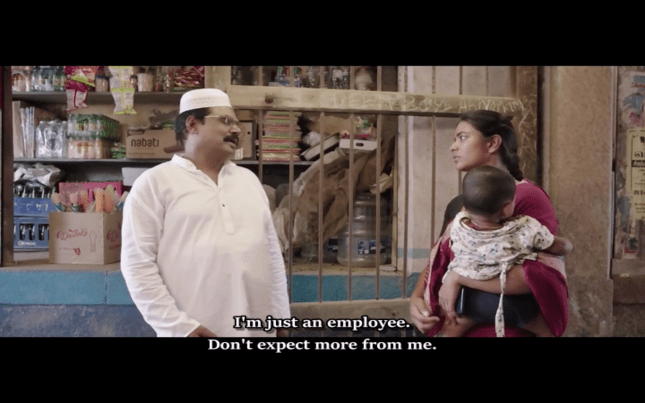
Some parts of the story are overly dramatic which doesn’t seem necessary given that the underlying tale is poignant enough to not need any further embellishment. Many of the flashback scenes refer to farmers rights, but these work much better when shown as part of Ariyanachi’s life in the village. Similarly, the social issues tackled by the film are most effective when part of the story, such as when Ariyanachi struggles to prove that she is indeed married to Ranasingam since the couple have no legal documents to show that the marriage took place. These scenes are where the film really comes to life, and Aishwarya Rajesh ensures that every scene is realistic and completely believable.

Although there are issues with the film’s length and the incessant flashbacks, overall this is one that deserves to be seen. The emotional storyline is carried well by Aishwarya Rajesh and the support cast, while the social issues are clearly important to highlight in these days of increasingly politicised issues around water rights and the increasingly large international workforce. I wish there had been more of a focus on Ariyanachi’s story, but there is still a lot to enjoy in Ka Pae Ranasingam. Well worth watching for Aishwarya Rajesh, Vijay Sethupathi and an introduction to the issues surrounding the death of workers overseas. 3 ½ stars.