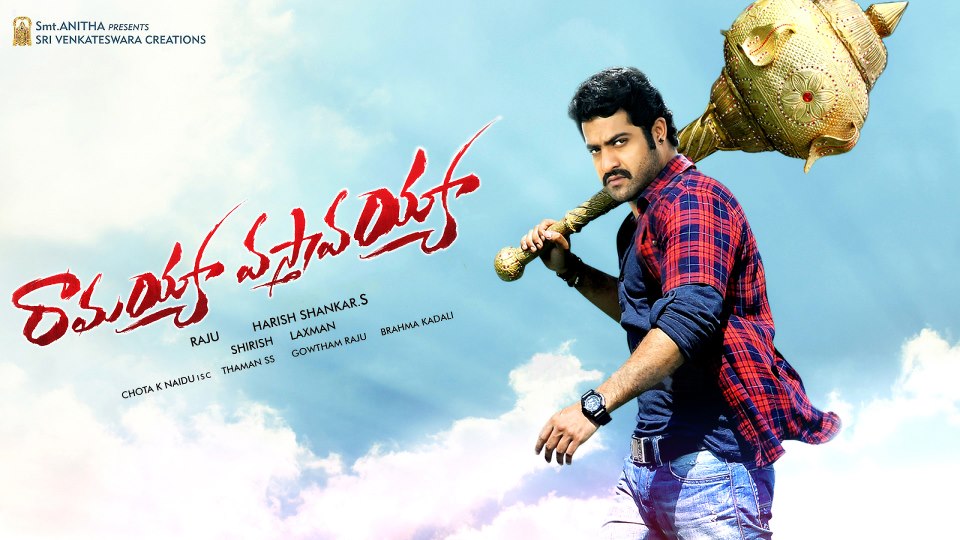
Ramayya Vastavayya (2013)

Ramayya Vasthavayya

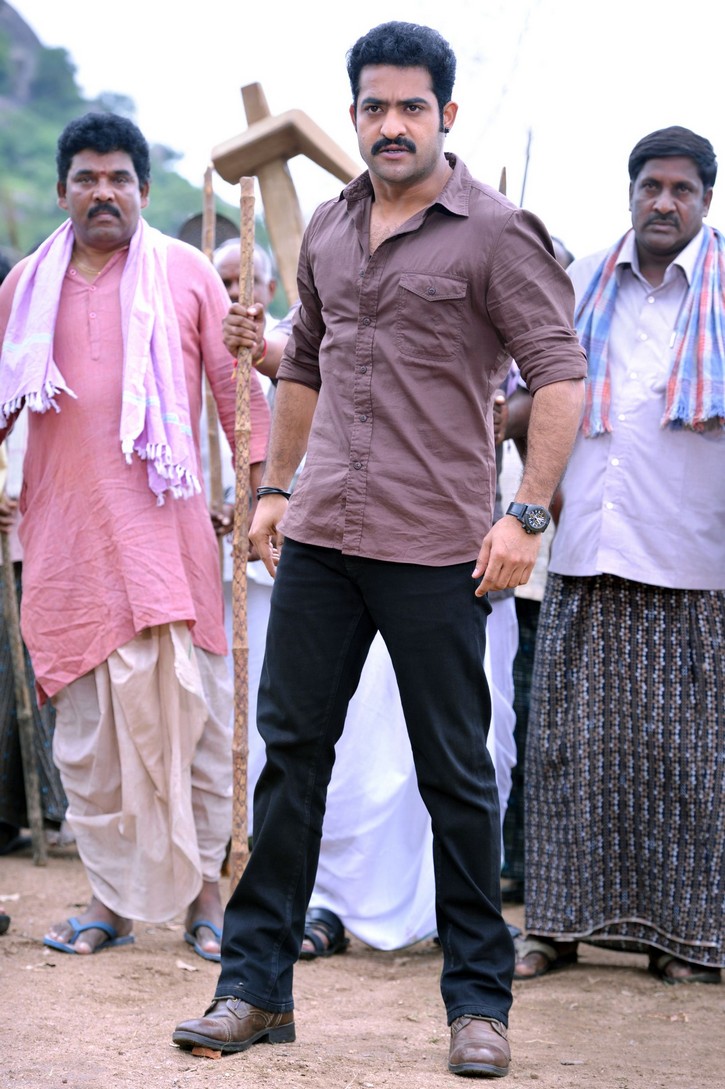
It seems like a very long time since the last NTR Jr. film and since I read some speculation about Tarak’s ‘new look’ I was interested to see exactly what Harish Shankar had come up with.  However the ‘new look’ is really just the old look, except for the odd moment on horseback which I admit was pretty cool.  And there were some groovy new shades.  But otherwise Ramayya Vastavayya sticks to the same old formula with the usual faces reprising roles they have played a million times before. Ultimately not even the actors seem to be able to rustle up much enthusiasm and although Tarak and Samantha both work hard and deliver good performances, the film is still let down by the clichéd storyline and stereotypical characters.
Ramayya VasthavayyaRamayya VasthavayyaRamayya Vasthavayya


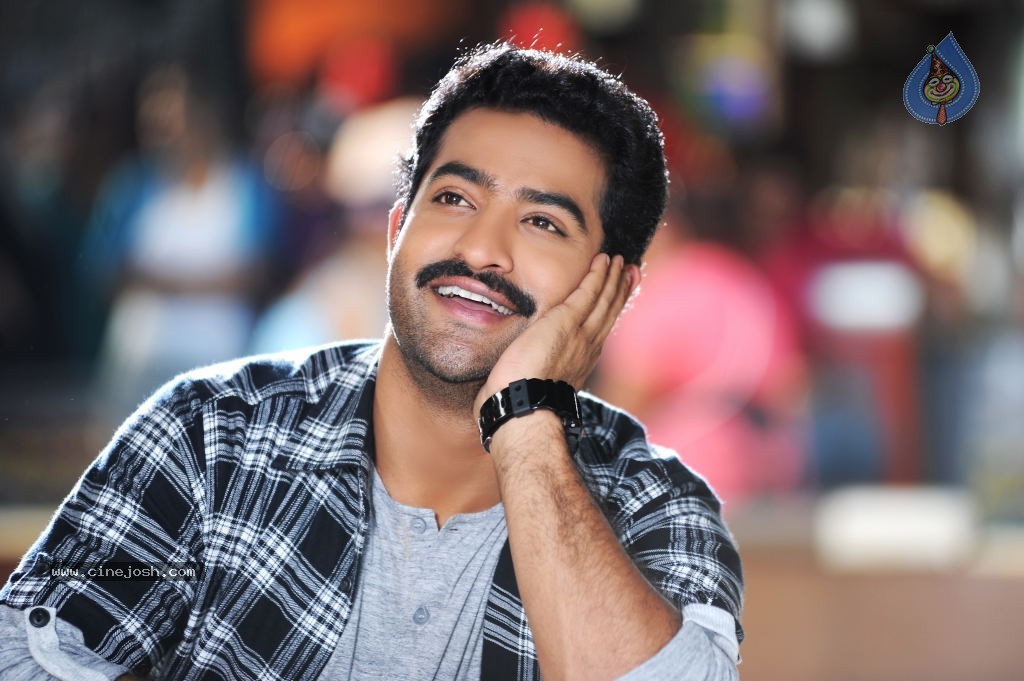
The first half of the film is generally entertaining since it focuses on the developing romance between Nandu (NTR Jr) and Akshara (Samantha).  The romance aspect was perhaps enhanced by the fans behind throwing rose petals along with the usual strips of paper, but at least it made for a pleasingly more fragrant trip back to the old Chinatown cinemas in Melbourne.  As I’ve come to expect (yawn), Nanu sees Akshara one day while hanging out with his buddies at a coffee shop and falls instantly in love.  Akshara is not quite so sure and the ensuing comedy as Nandu tries to win her heart with a variety of schemes is amusing enough to overcome the usual discomfort of the’ stalking = true love’ theme.  
 Ramayya VasthavayyaRamayya Vasthavayya

Rohini Hattangadi pops up as an aunt of some sort to Akshara and her older sister and although her role is small and fairly gratuitous she still steals the limelight every time she appears.Presumably to appeal to a wider audience, there are numerous references back to classic films, the most blatant being Tarak’s entry scene.  Most of these are fairly obvious and seem contrived to ‘fit’ into the storyline, and I’m sure there are more that I missed (hopefully more subtle) by not understanding the dialogue.  

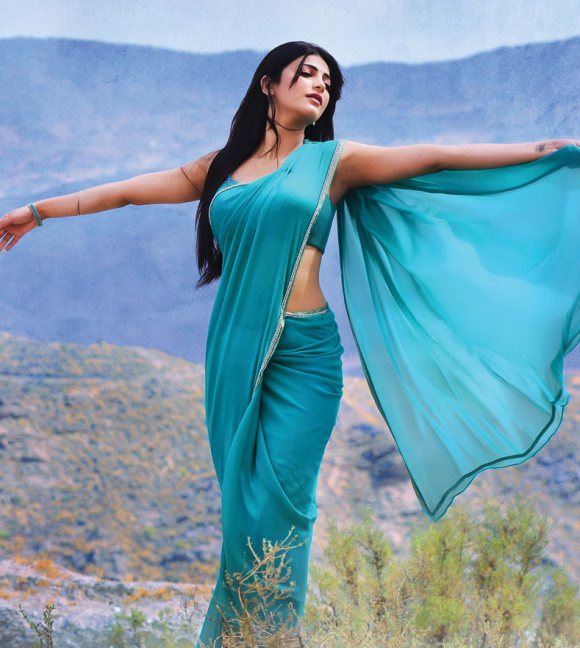
Samantha looks gorgeous and there is only one attempt by the notorious Telugu shoe designer to make her look ridiculous so I’m presuming she must be a favourite with wardrobe.  However, Akshara is a standard Telugu heroine, whose only purpose is to make the hero look good and is otherwise completely one dimensional, which seems a complete waste of Samantha’s talents. Still, she does get to dance and there is good chemsitry between Samantha and NTR Jr. which makes their interactions more enjoyable to watch.

Tarak’s Nandu seems a fairly typical hero – there are the requisite commanding dialogues laced with a modicum of modesty and comedy, excellent dancing skills and the ability to defeat numerous opponents by the mere flexing of a muscle or two accompanied by a snarling grimace.  As always, Tarak delivers exactly what is expected of him with plenty of animation and charisma, but since he’s playing the same character he has played in his last few films it feels stale and completely predictable.  The only really up side are the songs which feature better than usual choreography and excellent dancing from both Tarak and the backing dancers.  I loved the addition of spectacles as part of the costumes for one of the songs and the music by S. Thaman was generally catchy and effective, and at least better than the recent crop of new releases.
Ramayya Vasthavayya

After the interval, Nandu moves on from bouncing people off wall, floors and sundry items of furniture to hacking people apart with increasingly bloodier and even more poorly choreographed fight scenes.  I’m not sure who is responsible for the action for Ramayya Vastavayya, but they seem to have taken inspiration from episodes of Tom and Jerry rather than anything that remotely resembles a feasible fight scenario.  The gore content rises but it’s so ridiculous that even the various severing of limbs has little impact, particularly since the fights are so obviously staged and formulaic to begin with.

Ramayya Vasthavayya

The second half also moves the action to the countryside for Akshara’s sister’s wedding and attempts to explain the antipathy between Akshara’s father Nagabhushanam (Mukesh Rishi) and two assassins (Ajay – yay!) who tried to kill him at the beginning of the film.  This involves a lengthy flashback with Shruti Haasan as Nandu’s previous fiancée Amullu, but it’s dull, overlong and Shruti and NTR Jr. have absolutely zero chemistry together.  To make matters worse, P. Ravi Shankar appears as a stereotypical evil and lecherous politician with mannerisms straight out of the ‘Villains for Dummies’ handbook and, inevitably, Kota Srinivasa Rao appears as his equally evil father. Doesn’t he ever get tired of playing the same role?  Adding to the stereotypes, Tanikella Bharani appears as Amullu’s father, Saranya Ponvannan as her mother and M.S. Narayan briefly appears in a throwaway role which adds absolutely nothing to the plot.  Harish Shankar tries to evoke American crime shows by tying together moments from the first half with explanations later in the film, but it looks clumsy and is generally ineffective.
Ramayya VasthavayyaRamayya Vasthavayya

Ramayya Vastavayya disappointingly doesn’t cover any new ground and Harish Shankar sticks to a very well-worn formula without adding anything novel.  With such a tired screenplay and an abrupt change of pace in the second half, it’s really only the songs that appeal despite generally good performances from the actors.  NTR Jr. is as good as ever, but even with his energy and the appeal of two heroines Ramayya Vasthavayya is really a film solely for the fans.  Still, it’s worth watching at least once for the dancing, which is excellent and much better than the film deserves.
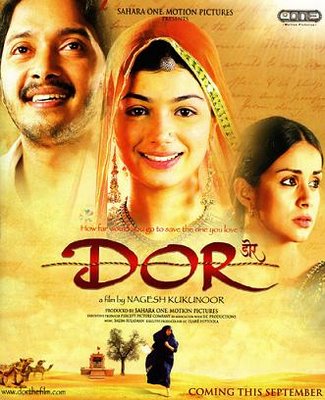
Dor (2006)

Dor

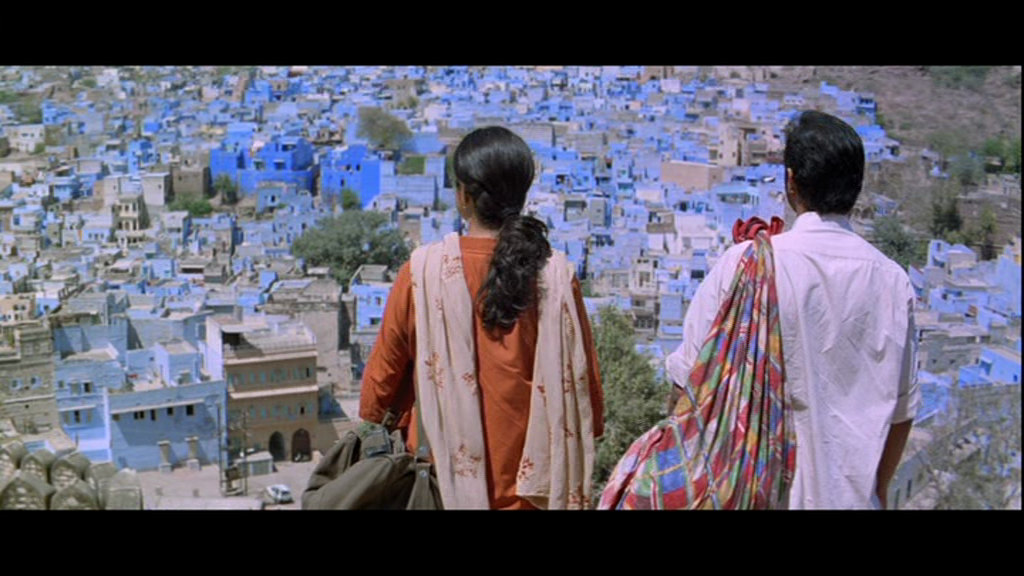
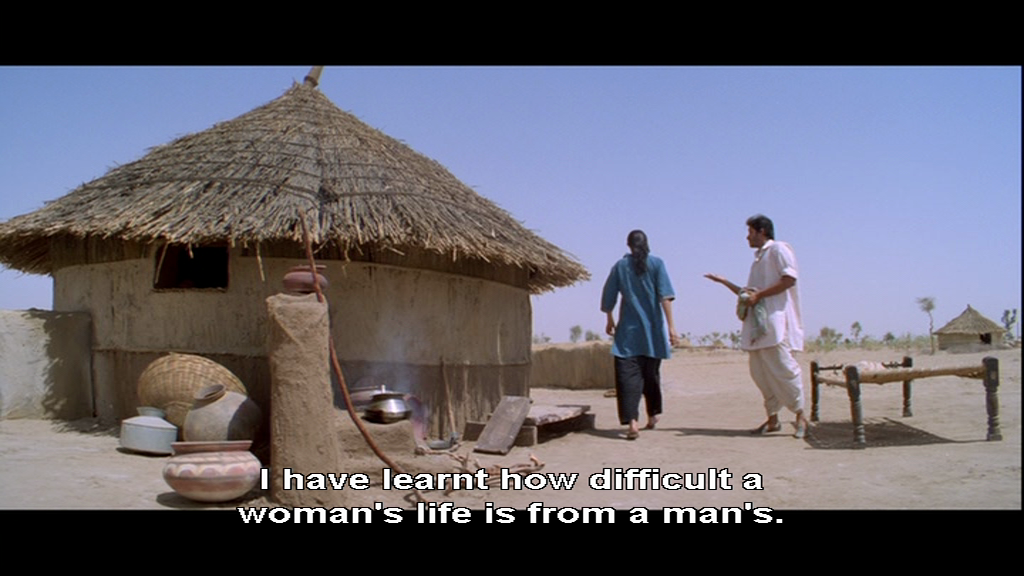
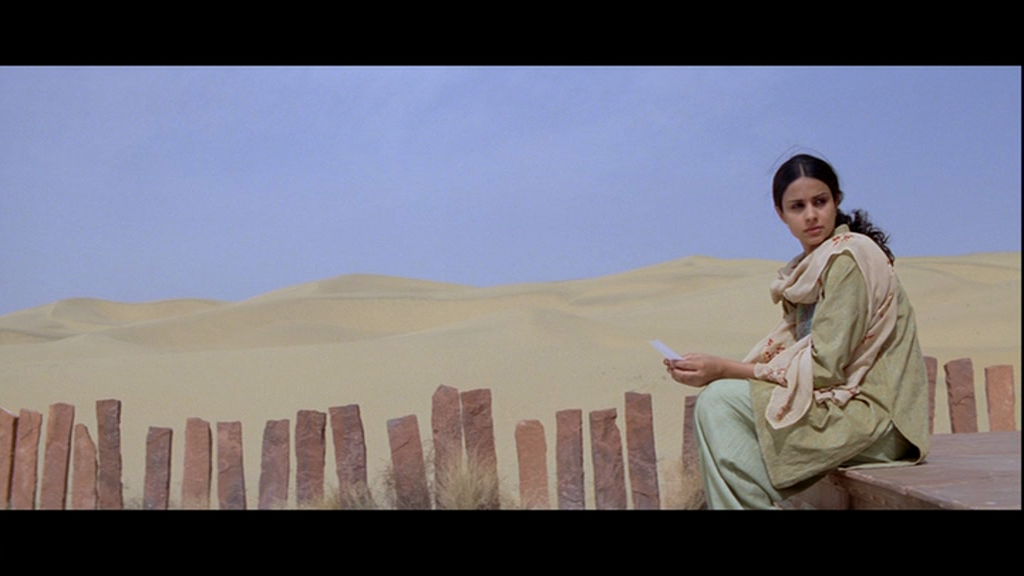
Dor is one of those rare gems in Indian cinema – a film with strong female characters and an engaging story that keeps you hooked right to the end. There are excellent performances from all the cast and the visuals are stunning with beautiful shots of Himachal Pradesh and Rajasthan.  It’s a story that contains many aspects of love and friendship, but it also shines a light on the life of women in rural India and the harsh realities of losing the protection of a husband in a patriarchal society. 

The film tells the story of Zeenat (Gul Panag) and Meera (Ayesha Takia), two completely different women in matters of personality and culture, and how their lives become intertwined.  Despite their many differences the two women also have some commonality as they are both recently married and their husbands have left to work in the Middle East.  In the opening scenes, director and writer Nagesh Kukunoor uses similar events in the lives of the two women to illustrate differences in their temperament and situation which rather neatly gives the bare bones of the plot, as well as introducing the characters.

DorDorDorDor

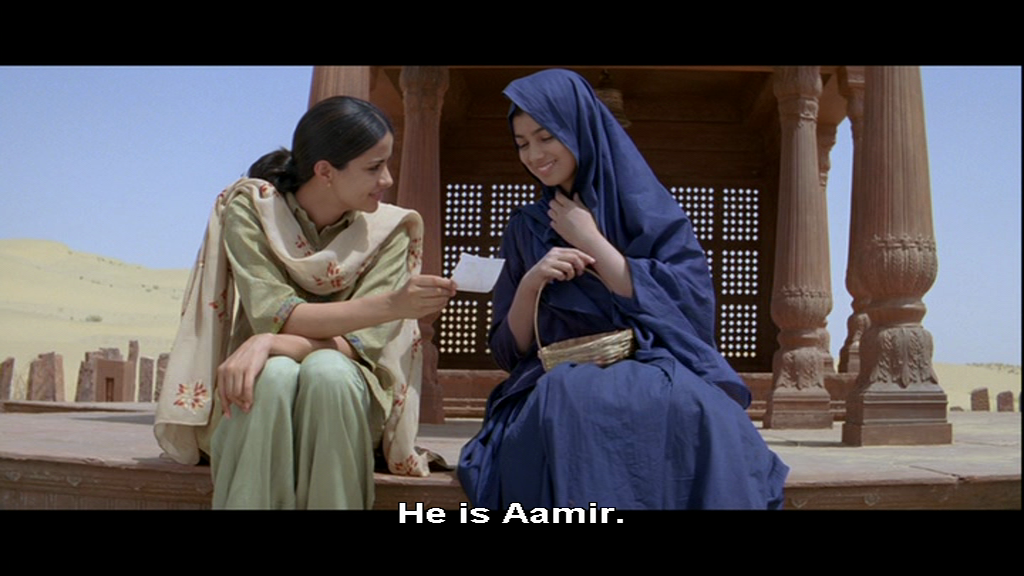
Gul Panag suits the character of Zeenat and perfectly captures her stubborn independence.  Zeenat is a Muslim woman from a small town in Himachal Pradesh who is determined to live life on her own terms and maintain her freedom.  For example, when her suitor Aamir (Rushad Rana) comes courting Zeenat rejects his advances in favour of repairing her house – personally I would have put him to work! This down-to-earth practicality and lack of sentimentality is repeated throughout the film which has the effect of making the few romantic moments much sweeter as a result of their rarity.

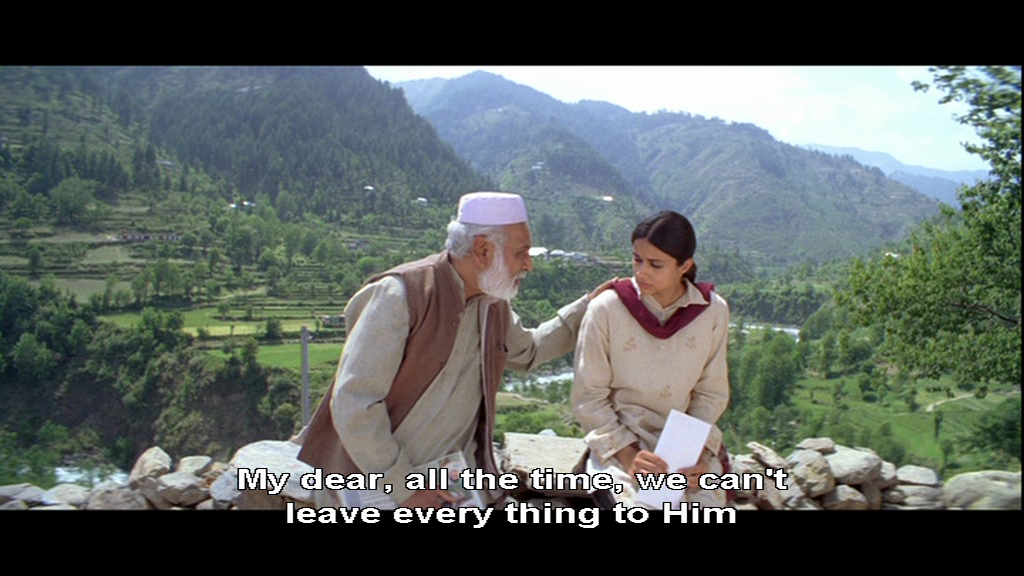
Despite her independent nature, Zeenat does love Aamir and when word comes that he has been detained in prison for the suspected crime of killing his room-mate, she immediately springs to his defence.  Zeenat is convinced that the death must have been an accident and is dismayed to learn that Aamir has been sentenced to death unless she can obtain a pardon from the wife of the dead man.  Zeenat has a close relationship with the local Imam and takes his advice on how to track down the young woman who may be the means to Aamir’s freedom. 

DorDorDorDor

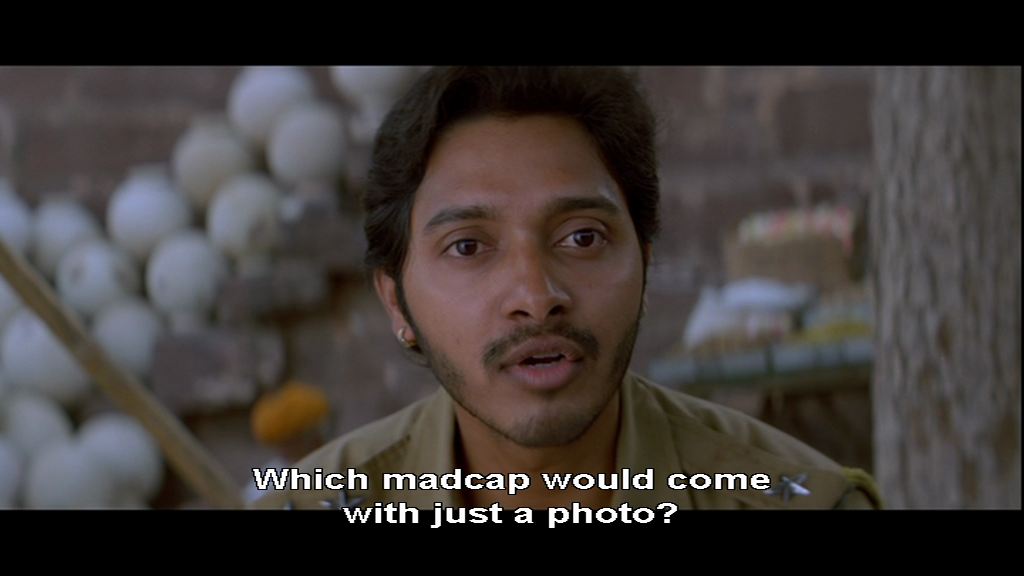
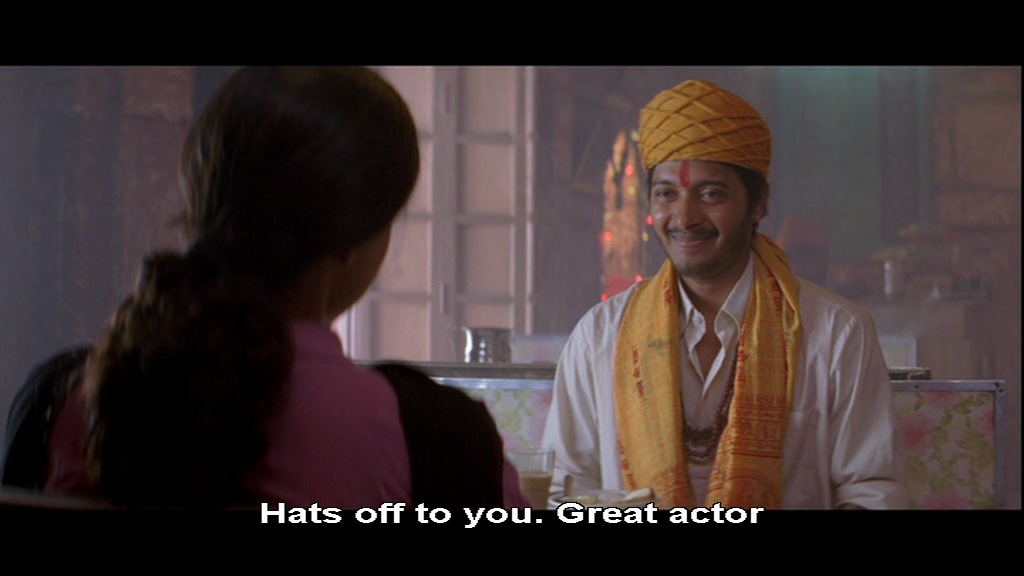
Although she doesn’t know anything about the woman’s whereabouts, Zeenat heads off to Rajasthan with a small bag, a photograph of the two men and a huge amount of determination and optimism.  Her faith in the universe seems to be answered when she meets up with a Behroopiya (Shreyas Talpade) despite the fact that at their first meeting he tricks and robs her.  However it is the Behroopiya who does manage to lead her in the right direction to find Meera. 

DorDorDorDor

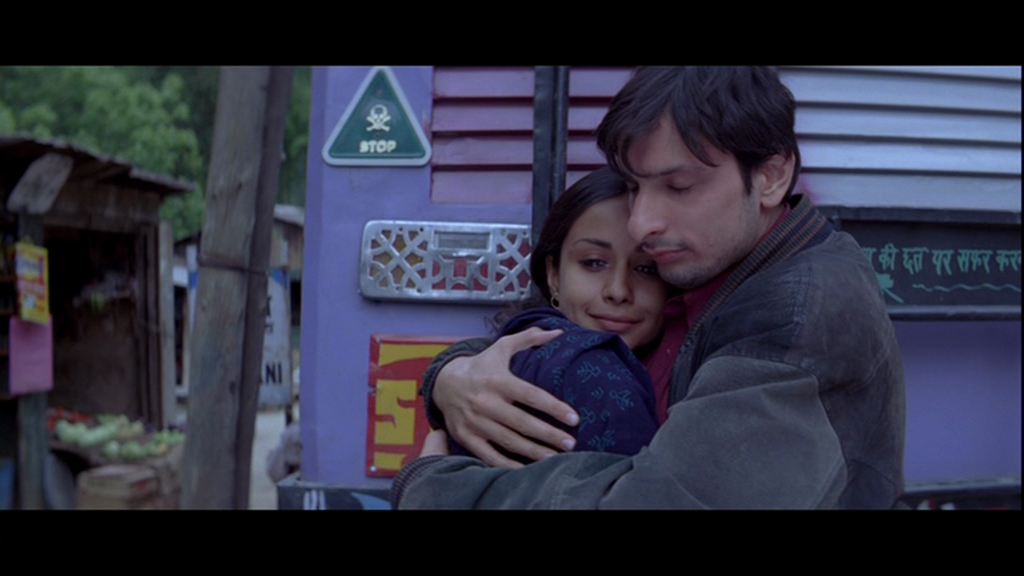
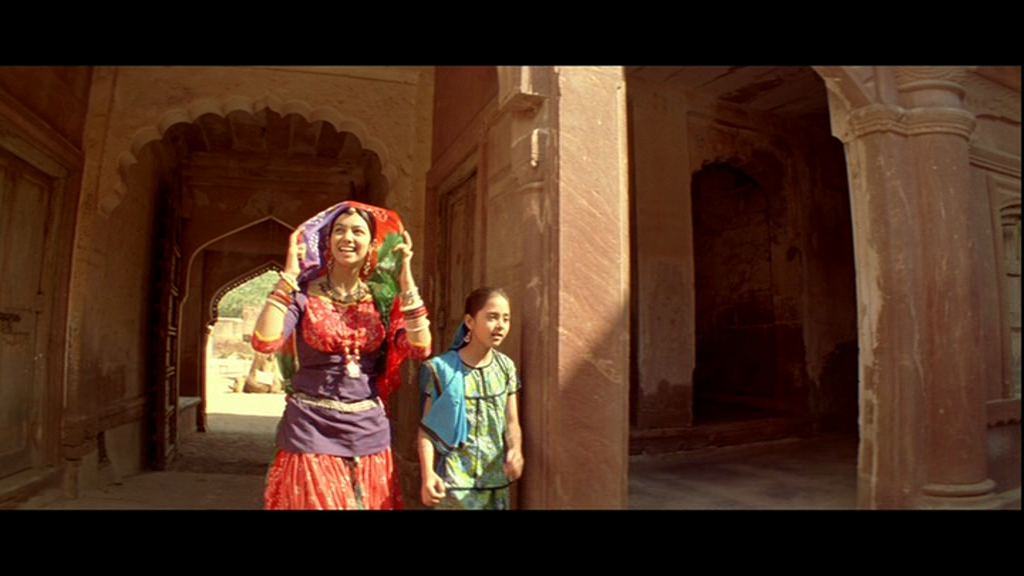
Throughout the opening scenes with Zeenat, we are also introduced to Meena and her very different outlook on life.  Meera is happily married to Shankar (Anirudh Jaykar) and has no problems living within the confines of a strictly traditional family in Rajasthan.  Ayesha Takia portrays Meena as young and innocent, flirting as she dances joyously for her husband, and becoming upset that he is leaving to work abroad.  Her youth is also shown in her pride that it is her husband who is earning the money which will buy back the family’s ancestral home.  However as the story progresses and Meena finds out that Shankar has been killed, she exhibits maturity along with strength and resilience as her world crumbles around her.

DorDorvlcsnap-2013-09-28-17h50m19s6Dor

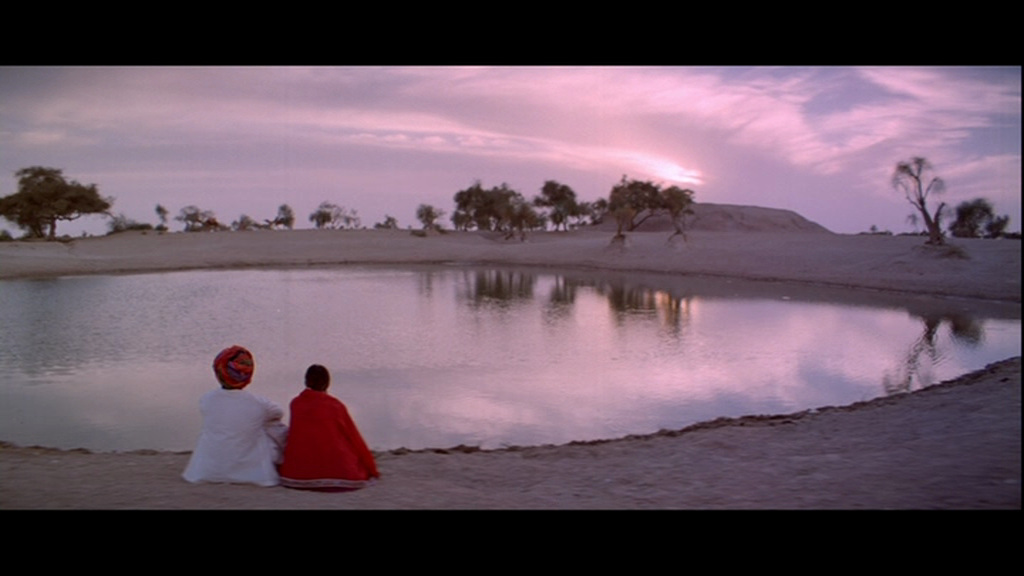
Ayesha Takia is very impressive in a role that demands  her character go through a major upheaval in her life and cope with the aftermath.  She makes the transition from young wife to virtual living non-entity as a widow very naturally and brings out every emotion as Meera has to deal with her new status in life.  Her reaction to the suitcase of her husbands clothes is perfectly nuanced and her moments of joy as she discovers friendship are beautifully acted.  It’s not surprising that she won a number of awards for her performance here.  One of my favourite moments is when she dances in the desert with Zeenat and the Behroopiyah – perfect!

Although at times the contrasts between the two women seems a little too contrived, for the most part the juxtaposition of their different lives works well. The grief and devastation shown by Meera for the double blows of the death of her husband and her loss of freedom is realistically portrayed while Zeenat’s self-contained grief is tempered with her determination and drive to save her husband at all costs.  Both actors seem very well suited to their roles, and Shreyas Talpede adds just the right amount of comic relief as the Behroopiya.  This character appears to be some kind of a guardian angel or possibly just an embodiment of Zeenat’s subconscious, as he watches over Zeenat and gives her advice.  It’s effective, especially when added into the more dream-like landscape of Rajasthan. 

DorDorDor

DorThere is one misstep in the film with the director playing a sleazy businessman who is renting the house in Rajasthan.  His repellent suggestion to Meera’s father in law feels filmi and false compared to the rest of the screenplay, although otherwise both Girish Karnad and Prateeksha Lonkar are excellent in the roles of Meera’s in-laws.

The background score by Salim – Sulaiman Merchant is beautiful and although there are no song and dance numbers the dancing within the film is spontaneous and just wonderful. This is another excellent song which shows Zeenat’s journey from Himachal Pradesh along with Meera’s symbolic journey from wife to widow.

Although not credited, Dor is based on a Malayalam film Perumazhakkalam which perhaps explains the quality of the story.  I’m still trying to track down a copy of this original film with English subtitles as it also won numerous awards and I’d like to compare the two.  However, Dor is still an enchanting film and the two leads ensure that the quality of the acting is as impressive as the screenplay and Sudeep Chatterjee’s gorgeous cinematography.  Although there is an underlying theme relating to the plight of women and their lack of value in some parts of India, it’s counterbalanced by Zeenat’s fierce independence and fighting spirit, so Dor never feels too preachy or morally worthy.  it’s a simple tale, beautifully told and I thoroughly recommend it.  4 ½ stars.

Dor

Gundello Godari

Gundello Godari

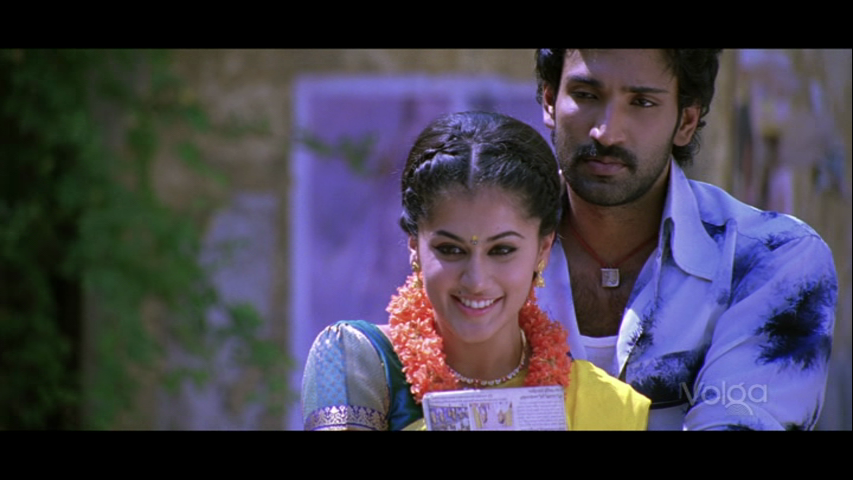
Gundello Godari is a step away from mass masala, going back to basics with a simple love story that evolves in quite a different way from the usual fare.  This is director Kumar Nagendra’s debut film and it’s loosely based on a novel by BVS Rama Rao, set around the real-life devastating floods in 1986.  Initially, newlyweds Malli and Chitra know nothing about each other, but as they battle through the Godavari floodwaters, they gradually learn about their respective troubled pasts.  The screenplay is a little patchy in places and the flood is frequently overly melodramatic, but good performances and beautiful music by Ilaiyaraaja make this a better than average watch.

Gundello GodariGundello GodariGundello GodariGundello Godari

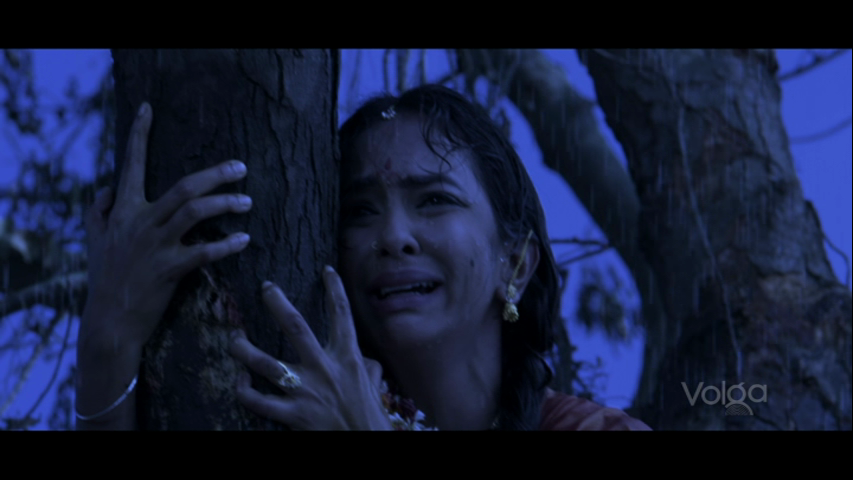
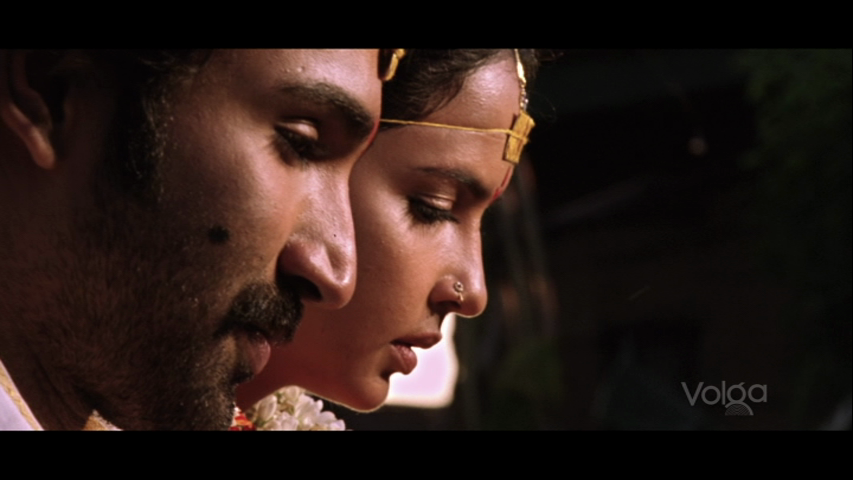
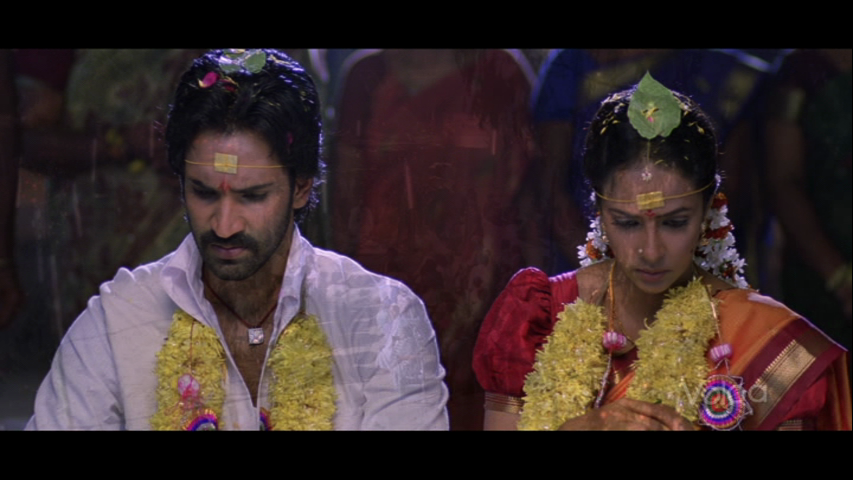
The story opens with the marriage of Malli (Aadhi) and Chitra (Lakshmi Manchu), although they barely acknowledge each other throughout the ceremony.  The first spark of interest occurs when the beautiful Sarala (Taapsee Pannu) gifts the groom with a golden ring, obviously with the intention of making his new bride jealous.  At that point, the sleazy Dhorababu (Ravi Babu) arrives and also has a present for the happy couple, this time a gold chain for the bride.  Lost in their thoughts, Chitra and Malli linger too long and get caught up in the flood waters as the rest of the village evacuates.  However, they end up cast adrift on a thatched roof together, just managing to stay afloat, and in the likelihood that they won’t survive, decide to discuss their past lives and exactly how Sarala and Dhorababu fit into the picture.

Gundello GodariGundello GodariGundello GodariGundello Godari

The initial flood scenes are well integrated between the sets and some good CGI.  There are one or two moments of soggy model villages eroding with a trickle of water, but these are brief, and after all, who doesn’t like to see the traditional model village make an appearance.  The cinematography by M.R.Palanikumaar is excellent, with beautiful shots of the river, wildlife and surrounding countryside particularly during the flashback scenes.  These contrast with the fury of the river in full flood, and also highlight the difference between Malli and Chitra’s earlier lives and their current turmoil.  Predictable perhaps, but when the parallels are drawn this well with good imagery it’s hard to object.
Gundello GodariGundello Godari

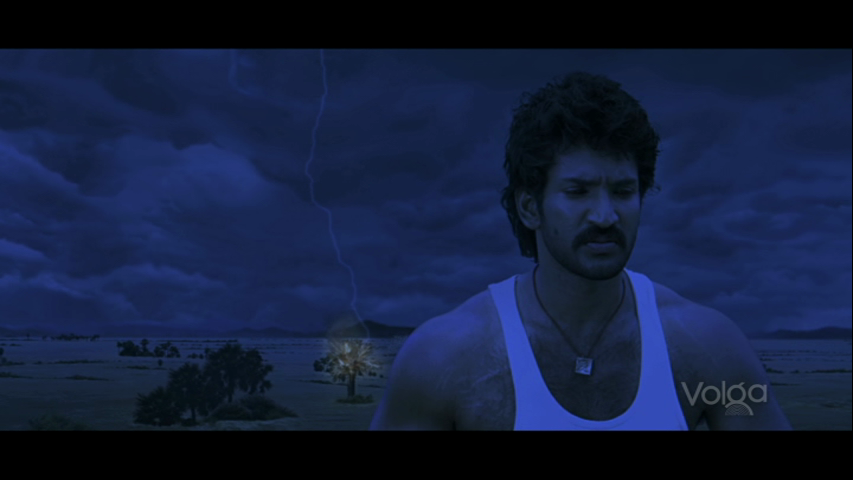
The first flashback deals with Malli and his undoing at the hands of his boss’s daughter.  Malli is a hard-working fisherman who has a good circle of friends, looks after his mother like all good boys should, and is saving up to buy his own boat.  He also tends to favour a string vest, but we shouldn’t hold that against him.

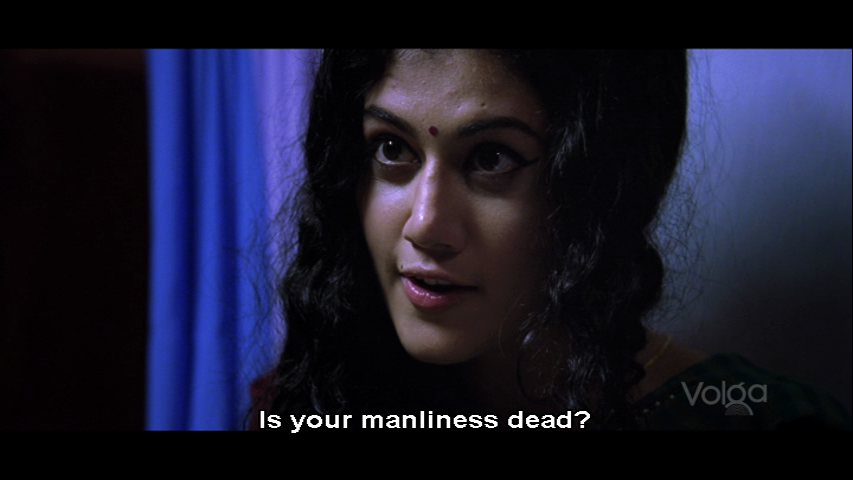
Kumar Nagendra captures the hopes and aspirations of a village fisherman perfectly and Aadhi is excellent in the role.  A boat race at a local fair epitomises Malli’s drive and determination to achieve what he wants, although the same fair brings him inadvertently to the attention of Sarala.  Despite her impending marriage, Sarala has no compunction in going after what she wants, and in this case what she wants is Malli!  Although she initially appears child-like as she threatens and cajoles Malli into taking her to the movies on her birthday, events become more sinister as Malli arrested by the local police on a spurious charge of brewing illicit alcohol.  Whether it’s Sarala or her father who is responsible, Malli ends up taking his frustration out on Sarala and gives her exactly what she wants in the process.  Sarala is an interesting and atypical character with her overt sexuality and brazen attempts to drag Malli into her bed.  Taapsee is good in the role, but her expression rarely varies, and although her knowing smirk is suitable a little more variation would have given her character more appeal.  Aadhi on the other hand does a fantastic job of capturing frustration, anger and even some lust in his dealings with Sarala and despite the nature of their relationship, there is plenty of emotion and sparkage between the two characters.

Gundello GodariGundello GodariGundello GodariGundello Godari

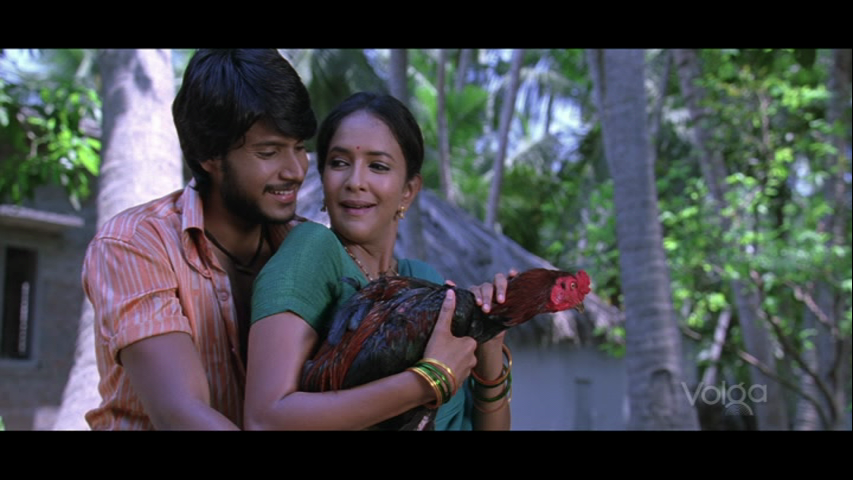
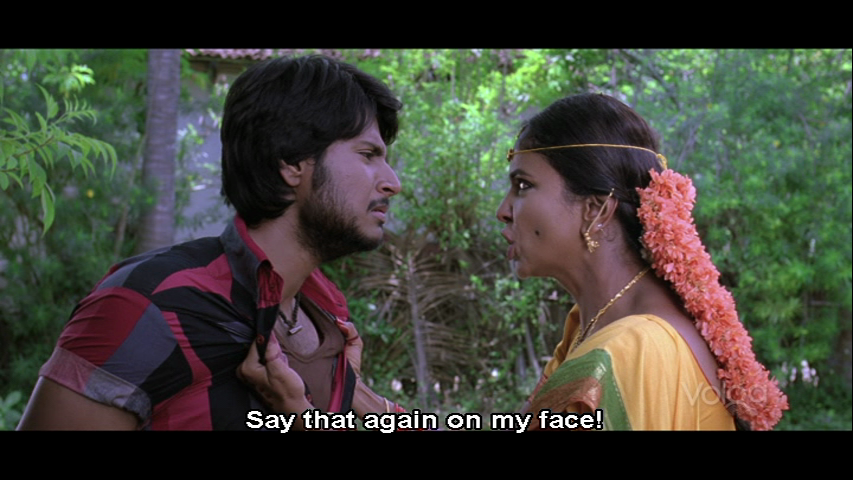
After Malli’s story, Chitra’s explanation of past events is not as well written and her story tends to wander off track.  Chitra was adopted by Suri’s (Sundeep Kishan) parents as a child, but it’s not a happy family. Suri’s father Somaiah is a drunkard and his mother Rathamma works as a prostitute to keep the wolf from the door.  Chitra is in love with the adult Suri, but he’s a man more interested in his chickens, in particular fighting cocks, than in Chitra.  He also pays a little too much attention to the bangle seller Bangari (Suja Varunee) and all together there seems very little reason for Chitra to want to marry Suri.

It’s actually a little creepy since they were brought up together as brother and sister, but since there is minimal chemistry between the two actors this isn’t a major issue.  Sundeep Kishan is restrained but adequate in his role as Suri, and the character doesn’t have a lot of depth for Sundeep to work with.  The explanation for Dhorababu turning up at the wedding is also less convincing, but Lakshmi Manchu is good as the beleaguered Chitra, and her spirited defiance against the various calamities that befall her is heartening.

Gundello GodariGundello GodariGundello GodariGundello Godari

While the flashback sequences provide some explanation of previous events, they do provoke more questions that are never answered.  There is no explanation of what happened to Malli after his interaction with Sarala, and more importantly no mention of whether or not he is working as a fisherman and able to support a wife given his previous dismissal by his erstwhile boss.  The arrangement of the wedding is never discussed and there is no reason given for these two strangers deciding to marry each other. Still, the developing relationship between the two is well handled, even though it is almost swamped at times by the drama of the flood, and both Aadhi and Laksmi Manchu are both very good in their respective roles.

Gundello GodariGundello Godari

Ilaiyaraaja’s music is evocative of the time, although there are two rather oddly placed item numbers which don’t fit as well and don’t have any real place in the narrative.  Mumaith Khan features in one of these, while Suja Varunee does the honours in the second, but both feel as if they are just added in to try and appeal to a more mass audience and aren’t particularly well choreographed.  However, apart from the first song, these are the only two numbers which feature any dancing, since the rest are used to showcase the various relationships of the main characters.

Gundello GodariGundello Godari

Gundello Godari is a brave attempt to take a different look at relationships and approach a love story in a more unusual way.  For the most part it works, although the second half could be tighter condensed to allow for a more detailed development of the relationship between the two main leads.  Worth watching for evocative imagery, good performances from Aadhi and Lakshmi Manchu and a bold characterisation from Taapsee.  3½ stars.

Gundello Godari