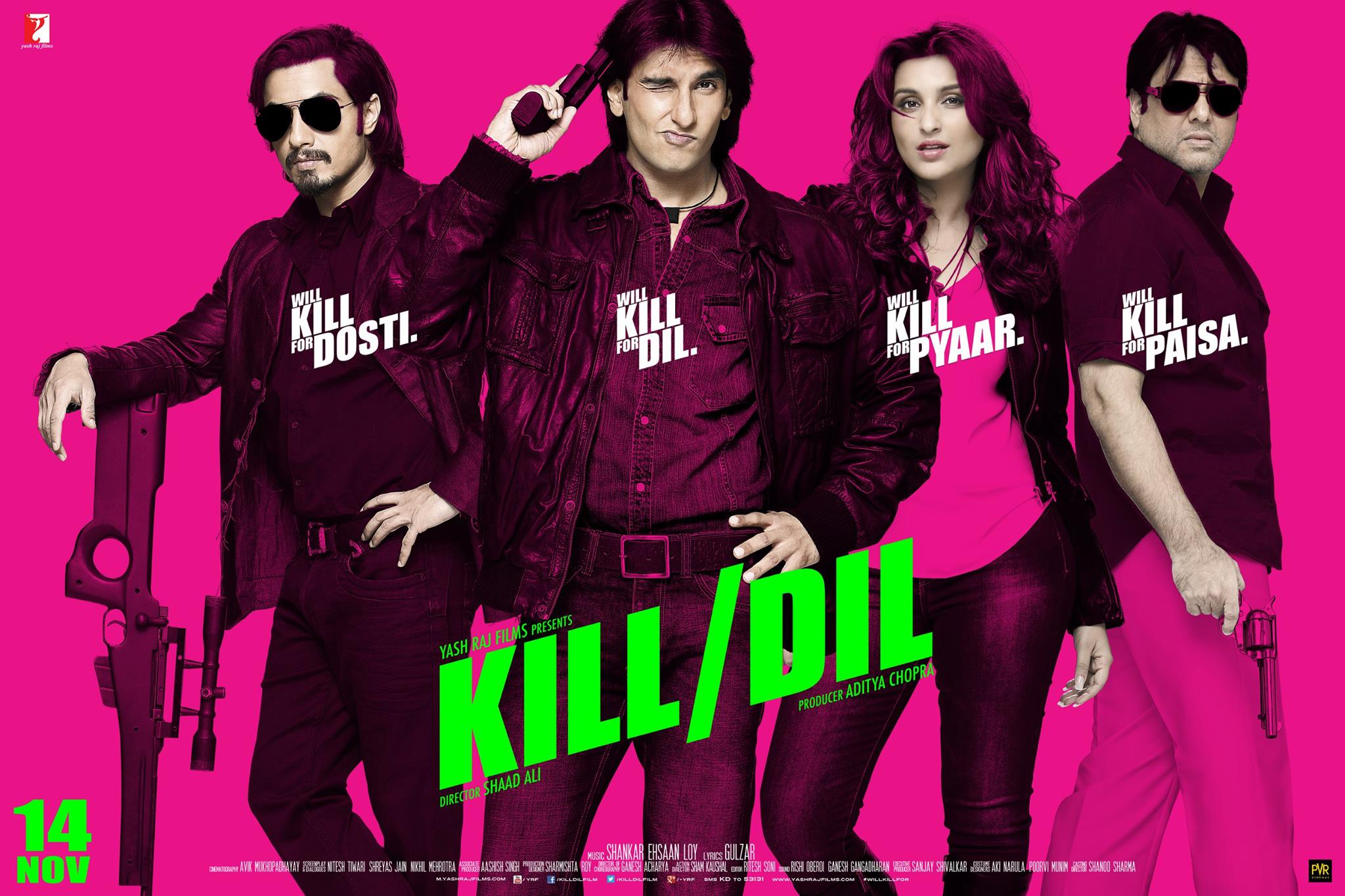
Kill Dil (2014)

Kill Dil

I had high hopes for Kill Dil. I like Ranveer Singh and Ali Zafar. I enjoyed Shaad Ali’s previous films, even the fairly nonsensical Jhoom Barabar Jhoom, and hey – Govinda! So, surely all these elements would be great together? Well, not so much. Kill Dil isn’t terrible, but it just isn’t as good as it should have been, mainly due to the shallow and poorly developed story. I don’t have a problem with the 70’s style masala plot, or with the Urban-Western style of Kill Dil, but I do prefer to have some plausibility in a romance and at least a smidgeon of logical possibility in the storyline. Both are conspicuously absent here. At least Ranveer, Ali Zafar and Govinda are all very watchable, while Shankar-Ehsaan-Loy’s exuberant songs are a definite plus, so even if the sum isn’t as great as all of its parts, Kill Dil is still worth a look  if you just sit back, leave logic at home and watch the spectacle.

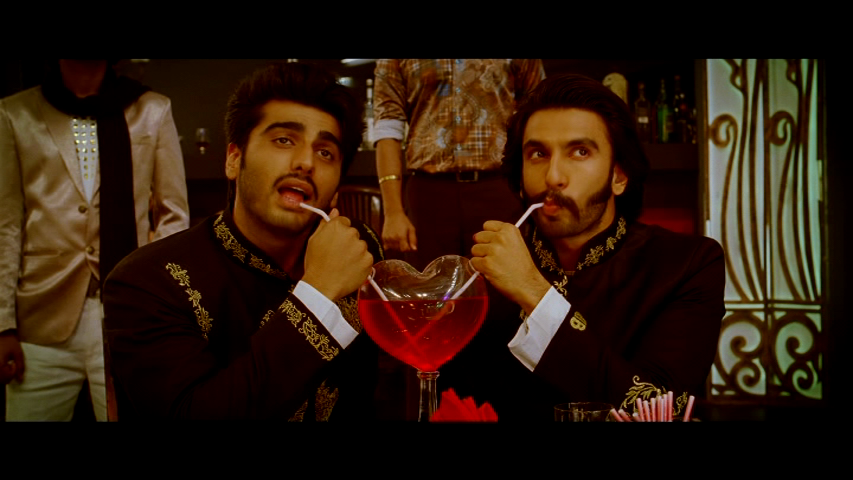
The story starts with shades of Gunday as Bhaiyaji (Govinda) finds two babies in the rubbish and decides to raise the kids himself, despite the fact that he’s a gangster who kills people for a living. Somehow the orphans manage to survive, although they learn how to shoot a gun almost before they can walk and both drop out of school to work for Bhaiyaji as assassins for hire. Tutu (Ali Zafar) is apparently the elder, although how Bhaiyaji worked that out is anyone’s guess. He’s the quiet, less flamboyant and more brooding one who seems a little more aware of the risks but still seems content in his work. Dev (Ranveer Singh) is more exuberant, and with his bouffy hair and leather bomber jacket he’s actually a bit of a dork. The two brothers live together, work together and party together, but still have a lack of worldliness when it comes to anything outside of murder.

While out clubbing one night, Dev saves the life of Disha (Parineeti Chopra), a millionaire who gave up her degree in medicine to help rehabilitate criminals. Um – what? Disha is portrayed as the quintessential  rich party girl and the idea that she works as some kind of social worker is ludicrous. Yet it becomes even more ridiculous when Dev falls in love with Disha and is inspired to give up his life of crime for love.

The question is will his life of crime, and specifically Bhaiyaji, be willing to give up Dev?

Although the film starts off with both Dev and Tutu having roughly equal amounts of screen-time, as the story unfolds, Dev takes centre stage. Ranveer Singh is excellent and veers between annoyingly hyperactive, sweetly naïve and ultra-cool, often during the same dialogue. Although his transformation from gangster Dev to insurance salesman Dev is by the numbers, Ranveer is charming and charismatic throughout, even as his look becomes ever more conservative. He is brilliantly energetic in the songs, despite some truly dreadful styling, and if the song placements are often abrupt and odd, there are at least plenty of them, which keeps the amusement level relatively high.

Ali Zafar’s Tutu is the stoic friend who warns Dev about the possible consequences of Disha discovering his past and who is left to try and pacify Bhaiyaji when Dev is off romancing. Unfortunately, he’s not particularly successful at either task. However the relationship between Dev and Tutu is well portrayed and Ali Zafar and Ranveer Singh do have good chemistry together, even if it doesn’t get close to the Shashitabh ideal of bromance. Parineeti Chopra on the other hand has one of the most pointless and nonsensical characterisations I’ve seen, which is not helped by a complete lack of chemistry in her romance with Dev. She’s portrayed as a shallow character and is not just an unbelievable persona, but her style of behaviour makes her character essentially unattractive. Ultimately Disha seems an unlikely partner for Dev in every possible way and apart from this one fantasy song (which is still more about the styling and Ranveer’s increasingly unfortunate coiffure), the romance is fairly limp and ineffectual. It’s frustrating, since Parineeti looks fantastic and seems as if she is capable of so much more, if only she’d been given a chance!

As an occasional relief to all the posturing, Govinda is refreshingly straightforward as Bhaiyaji. He doesn’t do anything particularly gangsterish, apart from hand over pictures of the next victim to Dev and Tutu, but he does growl and look appropriately menacing when required. Even better, he does get to break out his dance moves and proves that he hasn’t lost any of his old mojo. However not even Govinda can breathe some fire into the flimsy story by the end, and Bhaiyaji’s response to Dev’s defection is disappointingly weak.

Kill Dil then is a bit of a disappointment. While the cast all try as hard as they can to look cool, and do look as if they had a great time during filming, they are let down by poor character development and the unreasonable story. However despite feeling frustrated by the character of Disha and annoyed by the paucity of scenes involving Govinda, I still did (mostly) enjoy the film. Ali Zafar and Ranveer Singh are very cool dudes here, and I liked their partnership. The songs are also improved by the colourful choreography and Ranveer Singh’s energy and joie de vivre is contagious. Perhaps one more for the fans, although it is worth a look for even just the brief glimpse of Govinda back in top form.
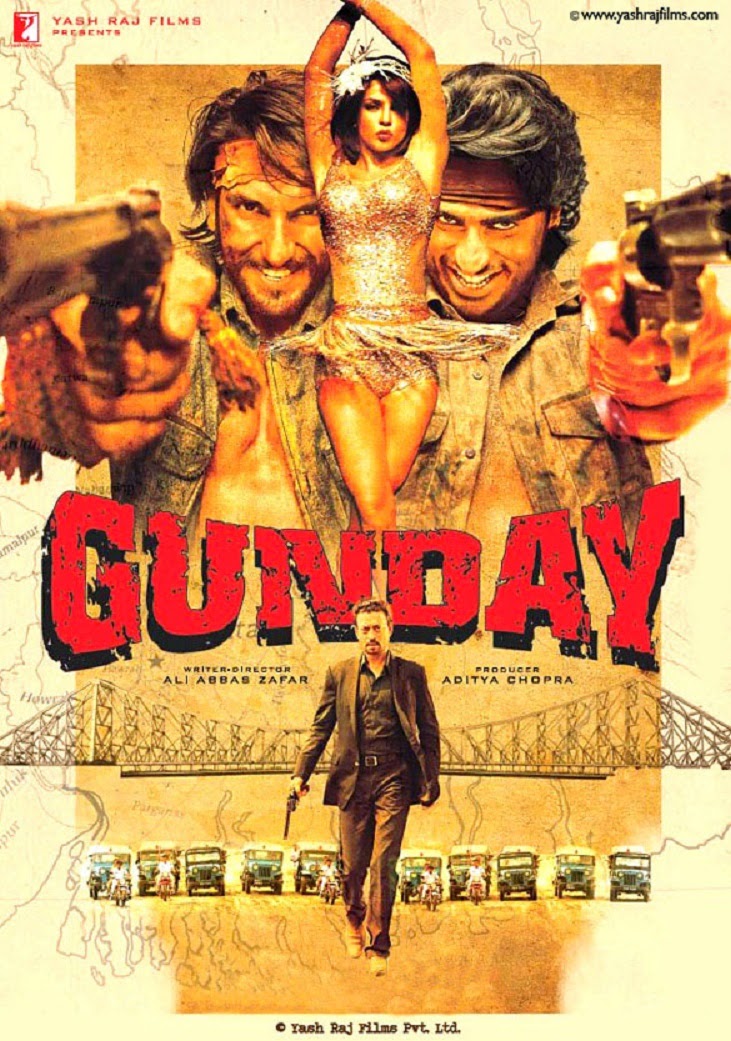
Gunday (2014)

Gunday poster

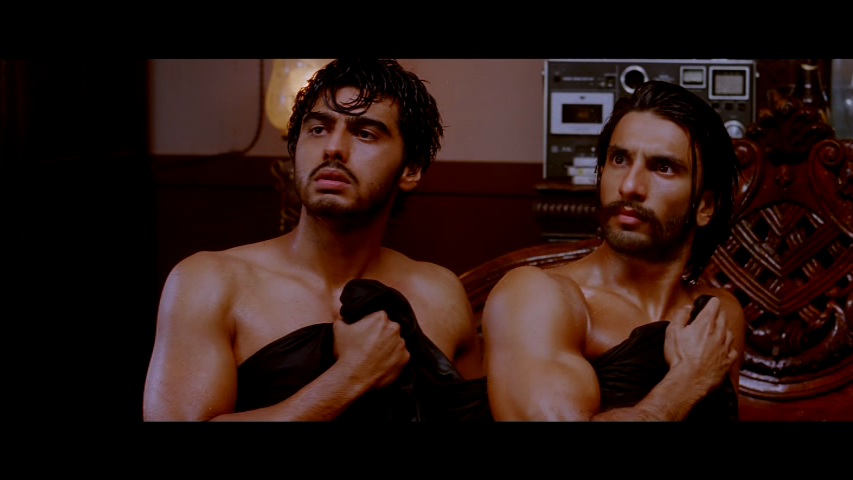
I missed Gunday in the cinema as I was in Tamil Nadu at the time of the film’s release, and it had finished its run by the time I got back to Melbourne.  It’s a film that I think would show better on the big screen to fully appreciate its boisterous lead men and riot of colourful masala, but it’s still an entertaining watch on DVD.  Ali Abbas Zafar takes us back to the buddy films of the seventies, although doesn’t quite ever manage to reach the same heights as The Shashitabh films of that era.  Still, buffed and oiled leads Ranveer Singh and Arjun Kapoor have a fine bromance while Priyanka Chopra adds glamour and style to the proceedings.  Add in some Irfan Khan and you have the recipe for a vibrant mix that is all the better for not being just another rehash of a Southern India film with a Northern twist.  There are some issues with the film; the excessive amounts of slow-mo and a bit of a lag in the second half being the major offenders, but otherwise there is plenty of colour, glamour and camaraderie to make Gunday well worth watching.

GundayGundayGundayGunday

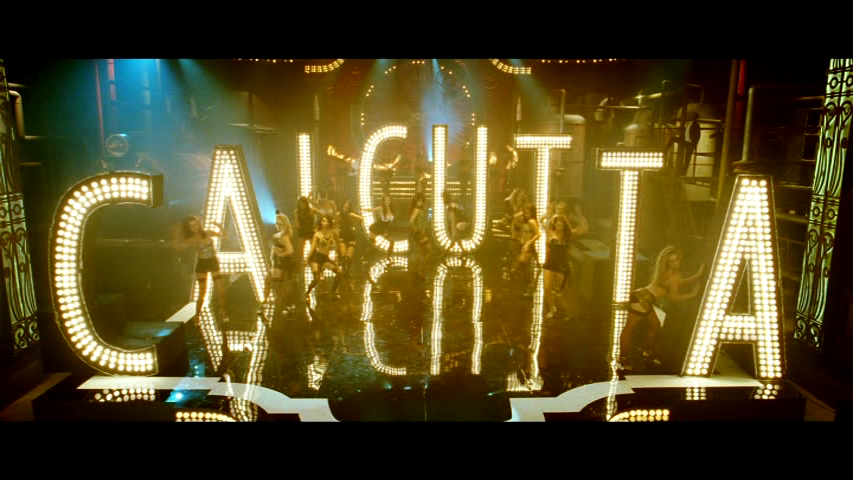
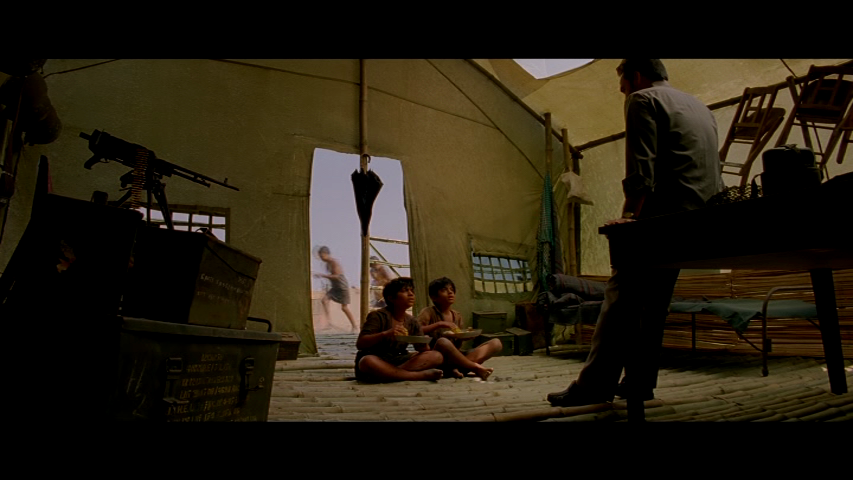
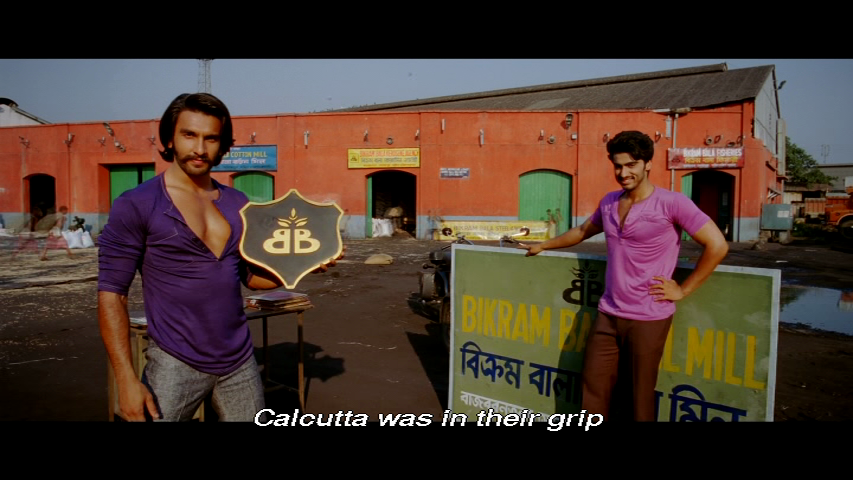
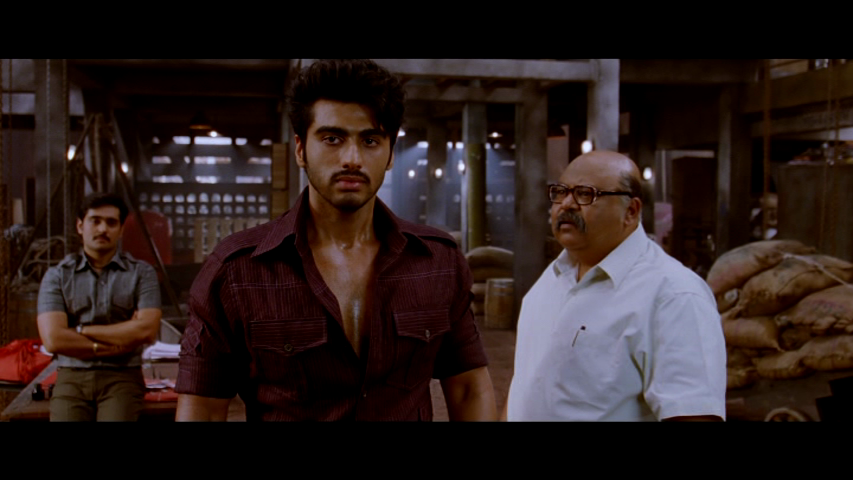
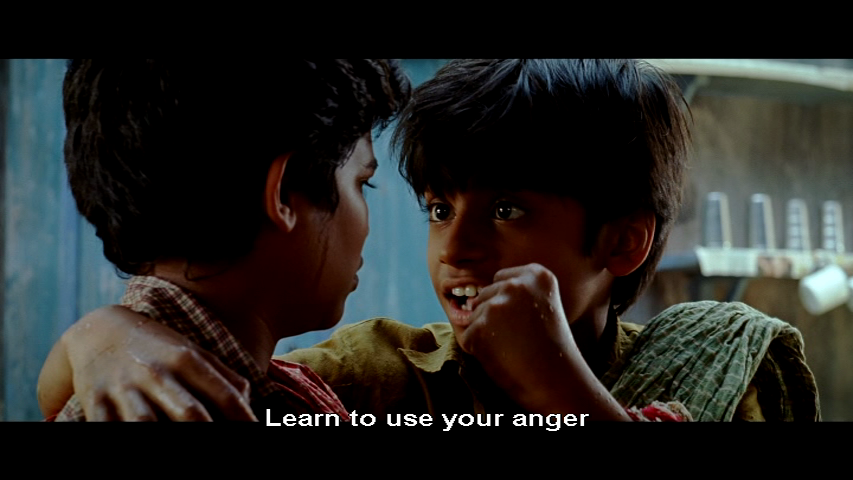
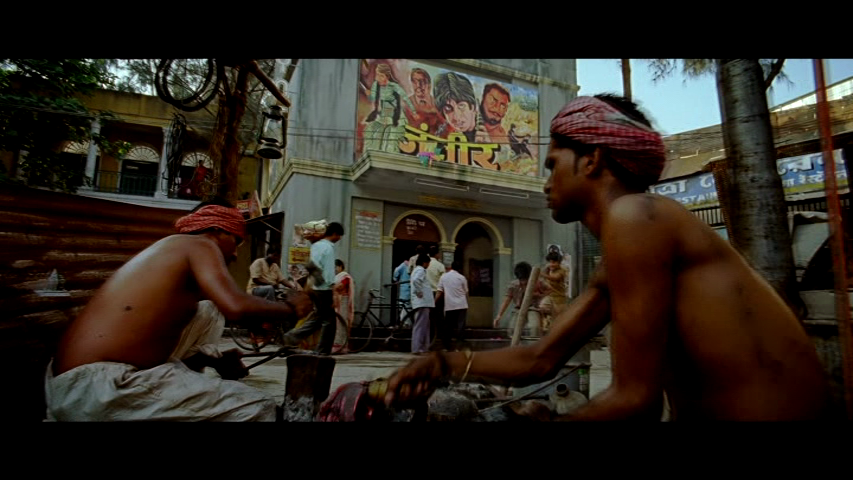
The film opens as young Bikram (Darhsan Gurjar) and equally young Bala (Jayesh V Kardak) seal their friendship in a Bangladeshi refugee camp when Bala rescues Bikram from a sleazy army guard.  The two mates have their feet set on the road to crime from an early age, acting as gun couriers in the camp and subsequently stealing and selling coal after they reach Calcutta.  Initially I thought that Ali Abbas Zafar was going to shine a spotlight on difficulties faced by Bangladeshi refugees in India, or perhaps focus the drama on child abuse, poverty or displacement due to war, but although he starts with a rejection of Bikram and Bala due to their background, apart from their own statements about the discrimination they have encountered there is little else in the film which follows this theme.  As in many seventies films, anything with the potential to be serious is glossed over and we quickly move forward a few years to the adult Bikram (Ranveer Singh) and Bala (Arjun Kapoor) and their current life of crime.

GundayGundayGundayGunday

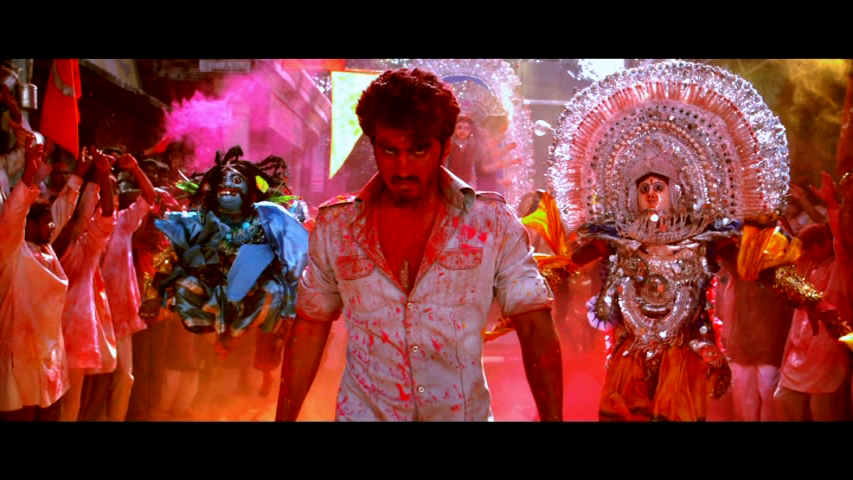
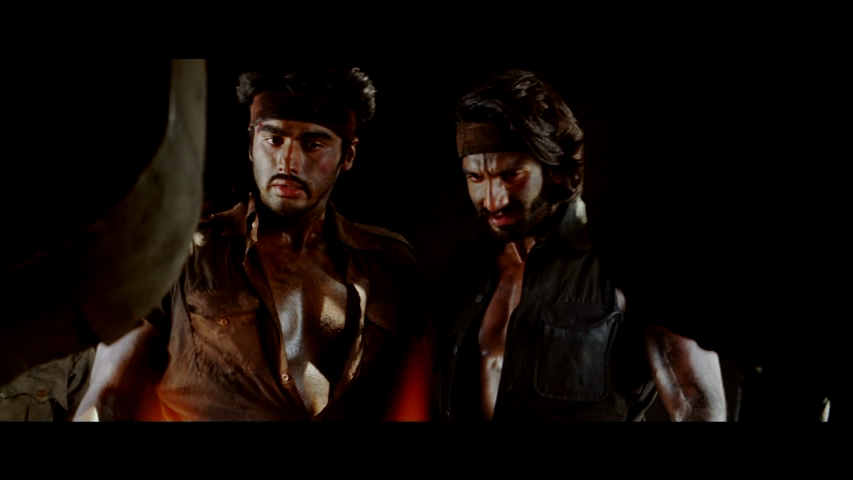
While Bikram and Bala may have started small, they have somehow worked their way up in the intervening years to become Calcutta’s biggest gangsters.  Although a gang is occasionally mentioned, their opening scenes show them working with each other to remove a local gangster and steal his coal.  There is no doubt that they are brutal killers, but as a useful side-line they finance schools and hospitals, cementing their ‘lovable rogues with hearts of gold’ personas.  The contrast is clear – dirty deeds are done covered in coal dust, while philanthropy comes courtesy of oiled chests, unbuttoned shirts and sharp white suits.

GundayGundayGundayGunday

So, having established that the friendship between Bikram and Bala is the defining feature of their lives, the scene is set for upheaval when they meet and both fall in love with club dancer Nandita (Priyanka Chopra).  But the romantic rivalry is not the only problem they face.  Assistant Commissioner of Police Satyajeet Sarkar (Irrfan Khan) is on their trail and searching for even the smallest sniff of evidence to lock the boys away for their criminal activity.  It’s a well-trodden path but mostly good performances from the cast make it a fairly enjoyable one to walk, while a few plot twists help maintain momentum.  Irrfan Khan is the standout here, and he is smooth and polished as the ACP while still maintaining a street cop vibe as he pursues Bikram and Bala.

GundayGunday

GundayGundayRanveer and Arjun have good chemistry together but individually Ranveer impresses more in his role as Bikram.  That’s partly due to Bikram’s more shaded character and Ranveer certainly has more opportunity to show off his acting skills, but he also has so much energy that he seems to explode off the screen.  It’s noticeable in the songs that Ranveer is putting in more oomph than Arjun, and the difference in energy levels causes a lull in the second half when the focus moves onto the characters as individuals rather than as a pair and attention is focused on Bala.

Bala is a more two-dimensional character and is limited by his depiction as headstrong and angry without a sense of burning injustice or any tempering balance to offset his constant rage.  There’s also a certain inevitability to Bala’s actions while Bikram seems to be more in control of his own destiny and frequently stops Bala from rushing off to do something stupid.  Bala comes across as just plain angry and Arjun’s performance occasionally slips into simply bratty and petulant in contrast to Ranveer’s slightly more mature and definitely more nuanced reactions.  However in the scenes with the two together, Arjun and Ranveer do make a likeable pair and the film relies on their jodi to keep the masala quotient high.

GundayGunday

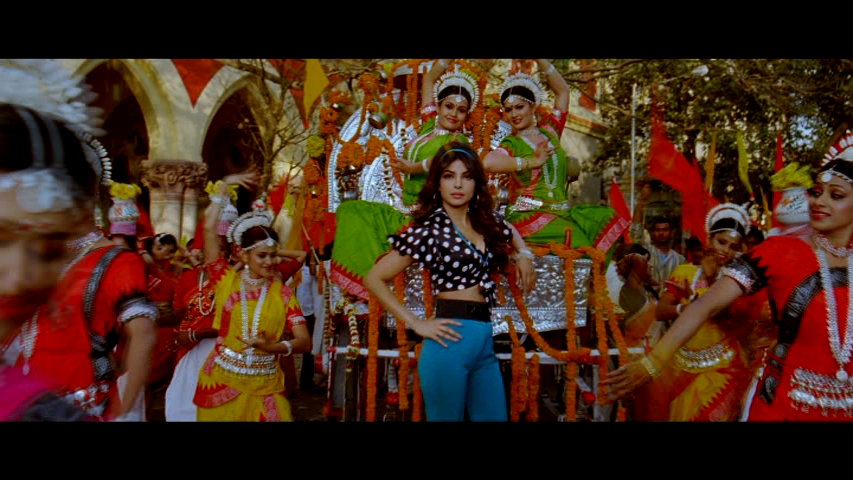
Priyanka Chopra looks amazing as the sultry singer Nandita, and Ali Abbas Zafar cleverly develops a contrast between her on stage persona and sari-clad and demure appearance when out shopping in the market.  It makes her seem more of a real person and less of a clichéd love interest although she doesn’t have much else raison d’être initially.  However as the story unfolds and she becomes more involved with Bikram and Bala there is more scope for her as an actor and she makes the most of her role in the second half.  Along with Irrfan Khan she appears as a very polished performer, while support stalwart Saurabh Shukla is effective in his small role.  The two young actors who play the gangsters as children are also impressive, hamming it up for the camera and generally fitting well into the seventies vibe.

GundayGundayGundayGunday

The masala feel of the story is enhanced by references to Sholay and Mr India, including a memorable fight scene to the backdrop of the later, while songs from Pakeezah and Disco Dancer in the background help settle the film firmly into its adopted era of the seventies.  The costumes also add to the cheesiness of the film, and Ranveer and Arjun are given plenty of opportunity to show off their manly chests in a variety of gaudy shirts.  Nothing to complain about there!

Although Gunday falls somewhat short of ‘classic’ masala it’s a good attempt to recreate the magic of seventies Bollywood and gives me hope that the genre is still alive and kicking.  Although the elements are all there, they don’t quite gel together to give the complete package despite good performances and plenty of onscreen chemistry between the main leads.  A little more depth to the characters would have helped, but Gunday is still a rollicking yarn that delivers plenty of action mixed up with a serving of dosti and betrayal – and that is plenty to be going on with. 3 stars.

Goliyon Ki Raasleela Ram-Leela

ram-leela-poster

Goliyon Ki Raasleela Ram-Leela* is mostly what I expected from Sanjay Leela Bhansali. It’s visually lush, with opulent sets, stunning landscapes, gorgeous costumes and lovely people to wear them. The movie opens with a looong stream of credits for Bhansali (producer, writer, director, editor, music director) including acknowledgement that Ram-Leela is inspired by Shakespeare’s Romeo and Juliet. Knowing the story and probable ending in advance raises the question – will the journey be worth it? Well, yes. I was pleasantly surprised to find myself entertained and interested most of the time.

Ram gives Ranveer Singh the opportunity to play both the prancing peacock and the traumatised young man who has been immersed in violence all his life. He makes a Rajnikanth-esque entrance, and springs straight into Tattad Tattad.

The choreography is disappointing – a friend calls it the Dandruff Song because of all the hairography. But based on audience reaction, they got the amount of shirtless shimmying about right. And his chest-oiler must have been working overtime, yet they were not named in the end credits which seems a sad oversight. Ram is obsessed with sex, with enjoying his life (especially sex) and has a cunning plan to take revenge on the enemy Sanedas (by having sex with their womenfolk). He admits that his thinking apparatus may be located in his pants. But Ram is also the one voice asking whether his side, the Rajadaris, should try to stop the cycle of killing. He is a mercurial creature, a natural leader but one with an unpopular message. I really liked Ranveer’s energy, his slightly self-mocking delivery of the deliberately cheesy lines, and his passionate sincerity when he confronted Leela.

Ram Leela Deepika

Deepika Padukone looks stunning and she has also crafted a good performance. This story is very familiar and requires logic suspension which means that the chemistry has to glide over any plotholes. I’ve often felt she struggled to show warmth with some co-stars, not so here. Sparks fly from Leela’s first sight of Ram in a rain of colours at Holi to the verbal sparring as they trade rhyming couplets. Leela is as interested in pursuing this relationship as he is, and she is not afraid to initiate intimacy or sort him out when he misbehaves. She also seems a bit smarter than Ram, and more cognisant of long term consequences. Deepika is convincing throughout, whether playing the giddy Leela falling in lust, dancing her heart out, or as the saddened serious young woman confined by the past.

The minor roles are interesting, especially the key female characters. Supriya Pathak is impressive as Baa, Leela’s mother and the leader of the Sanedas. Ultimately she is the one who will have to decide for the future, and she is a powerful, brooding presence. Richa Chadda plays another of her smart women in a regressive male dominated world (think Fukrey, Gangs of Wasseypur) and she is excellent as Leela’s sister-in-law Raseela. Barkha Bisht plays Ram’s sister-in-law Kesar, and she is equally good. The sisters-in-law give voice to the emotions of both sides. Both are widowed in the same stupid macho incident, and both women remain integral to the story long after their husbands are gone. Sharad Kelkar and Gulshan Devaiah round out the more significant male support roles. I was delighted to see Raza Murad as the Sarpanch even though his role was largely to provide ‘As you know Bob …” exposition. Abhimanyu Singh’s career mystifies me. He’s a terrible actor. He even overacts when he is supposed to be dead! And seeing Priyanka Chopra’s lacklustre item number made me grateful Deepika got the lead.

Ram-Leela Holi

The costumes are not just gorgeous, they reveal something about the characters. Leela wears a modern lehenga but the underskirt is a traditional patterned fabric. Kesar’s dark shawl signifies her position, but it’s lined with a light patterned fabric. Baa wears masses of ostentatiously heavy jewellery, showing her wealth and the strength to hold on to it.

ram leela guns everyhwere

Ram wears floral shirts edged with multi-coloured mini pom-poms and his holster is brightly embroidered. And there are guns EVERYWHERE. Like Leela, he carries his heritage with him. Many of the dances are garba style (showing off the excellent costumes) and most centre around religious celebrations (more colourful folkloric costumes). Everyone lives in old style houses but all the ladies whip out phones to film Ram strutting his stuff.  There is a sense of the ‘modern’ world invading this village where families have feuded for 500 years.

Ram Leela set design

Despite being less hidebound in their views, it doesn’t take much to make Ram and Leela each accuse each other of being a typical Rajadari or Saneda, just like ‘them’ as things turn sour. You don’t have to scratch the surface too hard to reach the inculcated mistrust and stereotypes. But after a cracking start, Bhansali loses control in the second half where the repetition of crisis and non-resolution becomes a little tedious.

I can’t help comparing this to Sunil Dutt’s stunning Reshma aur Shera and Baz Luhrmann’s excellent Romeo + Juliet, and while I like Ram Leela it comes up well short of both. Dutt expressed the tragedy and beauty of a doomed love in Rajasthan with fewer filmi tricks and greater emotional impact and maturity. Luhrmann stuck closely to Shakespeare and was still playful and original. Bhansali gestures towards Romeo and Juliet, mostly in the balcony scene which he recreated quite closely down to the dialogue. But he refers to iconic scenes in his own films as much as he does Shakespeare. He needs to curb the self-indulgence, and to edit with more eye to the story.

I’d definitely recommend seeing this in a cinema for the beauty and visual impact. The songs alone are worth a look and I had fun guessing which choreographer did which. I expected this to look great, and often that is all I get from Bhansali films as I just don’t connect with them. I didn’t expect Ram-Leela to be quite so entertaining and engaging.

*None of the marketing material or cinema listings here in Australia seem to have been changed so the film is still listed as Ram Leela. 

What? You want to see the colourful embroidery and outfits in detail? Here you go. Because I care.

Ram Leela everyone needs a smartphone

Heather says: I wasn’t expecting to enjoy this as much as I did. Sure, I knew it would be beautiful and I’ve been enjoying the soundtrack, but the performances from all the actors put this a notch above the usual SLB film.  Deepika in particular was a revelation and she seems to have been steadily improving with each film.  I used to find her wooden and somewhat tedious, but she really sparkles here in a role that gives her scope to show a number of different emotions as well as the smoking hot chemistry with Ranveer that Temple has mentioned. Phew!  I’ve only seen Ranveer once before and from his initial appearance in  Tattad Tattad I was expecting him to be woeful, but such is not the case.  He rises to the occasion (cough, cough) and is so much better than the 70’s porn star outfits suggest.  His swagger and bravado are just part of his persona and his Ram is full of passion and joy. Best of all though are the support female characters played by Supriya Pathak, Barkha Bisht and Richa Chadda.  As Temple has described, all had meaty roles that allowed them to be real people with varying emotions and motivations which gave more layers to the film.

However, as with every SLB film I’ve seen, Ram Leela could have done with a heavier hand with editing and the last hour had moments where it really did start to drag.  Still – the costumes are sumptuous, the scenery is beautiful and the performances were of a high enough standard that I completely agree with Temple that this is one to see on the big screen.  Ram Leela was much more entertaining than I expected and I thoroughly recommend it as one of the better Hindi films I’ve seen this year.