How time flies. Chiranjeevi’s birthday is just around the corner. I’m planning and dithering and rewatching DVDs for, um, research purposes. My mind is in a spin!
We’ll be celebrating with Chirucentric stuff during August and you’re all invited. Vote in the poll and help decide on one of the topics I’ll be writing about (currently Chiru’s socks are in the lead). Join in by posting on your own blog, let me know, and I’ll collate and publish the links. Or just watch for the #megabirthday2013 hashtag on Twitter and have a chat about all things Chiruriffic.
I’ll leave you with a song that inspired The Mahesh Fan to describe Chiru as “The Sexy Lobster”.
News just in: Katherine at Totally Filmi is planning something colourful too!
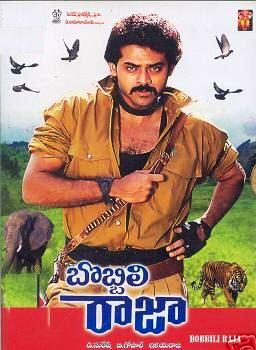
Bobbili Raja had been enthusiastically recommended by so many Telugu film fans that while I wasn’t wildly enthused by the plot synopsis, I had to watch it. I think it might be a film best enjoyed with nostalgic fondness for your 10 year old self, but it was entertaining enough and certainly kept my attention. Another Adventure Without Subtitles, I probably made up most of the plot but it isn’t subtle and there is a lot going on so that wasn’t too much of a chore to keep up.
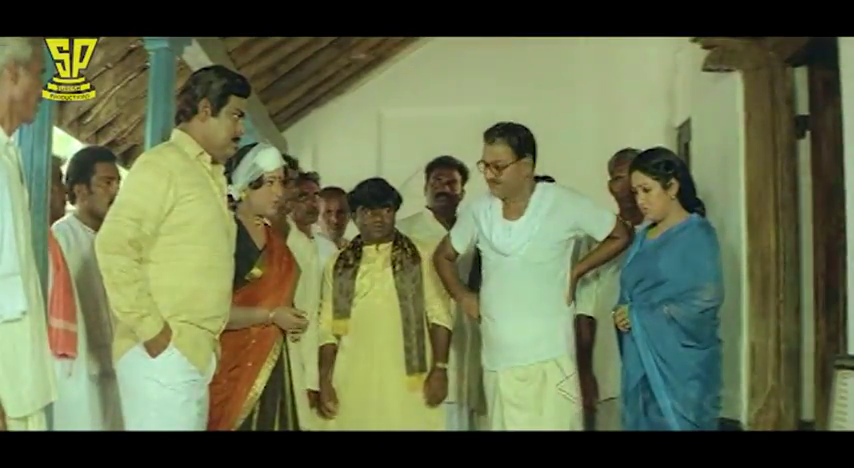
The film is loosely divided into three sections. The first bit sets up conflict between power and money hungry Rajeshwari Devi (Vanisri), Minister for Forestry, and rival politician Gummadi and his sister. Rajeshwari plays dirty and when a lackey overhears that the sister Soundarya (?) is pregnant, she tries to shame the family publicly. It emerges that Soundarya is secretly married to Rajeshwari’s brother-in-law (?) and that just makes matters worse. When he comes home, he is somewhat accidentally killed. Then Soundarya is almost raped and bayonets the corrupt policeman assaulting her. She and her brother escape to the jungle where they live in secrecy. The baby Raja (Venkatesh) is born and raised in that distant jungle which can be reached easily by foot unless you prefer to use a helicopter, jeep or bike. Working as a jungle guide, if he works at all, Raja is hired to take the minister’s daughter Rani (Divya Bharti) on a hunting trip. They get separated from her group of squealing girlfriends and following encounters with wildlife, Ooga Booga Central Casting “Natives” and other perils, they fall in love.
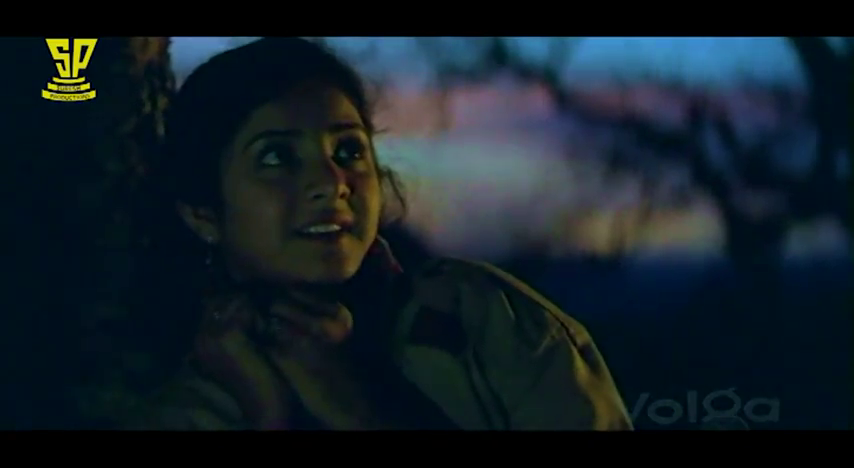
Rani’s eyes certainly lit up at the sight of Raja handling an enormous snake. But her mother has other notions and separates the lovebirds. So Raja moves to town and sets about getting revenge for his family and getting his girl back.
The jungle adventure is heavily influenced by films like Romancing The Stone (think the mudslide with faceplant into the heroine’s crotch. Classy) along with Indiana Jones style adventures (I loved those films when I was young) and a dash of The Gods Must Be Crazy (a franchise I loathed then and now). The humour is hit and miss, sometimes offensive and racist, but Venkatesh is effortlessly likeable despite the material. Raja’s catchphrase is a cheery ‘Aiyo Aiyo Aiyiyooooo’ so there is opportunity for audience participation or perhaps a drinking game.
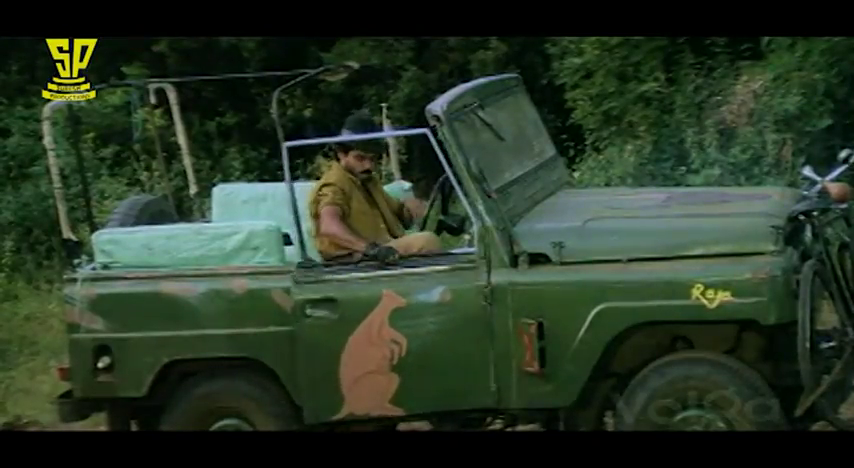
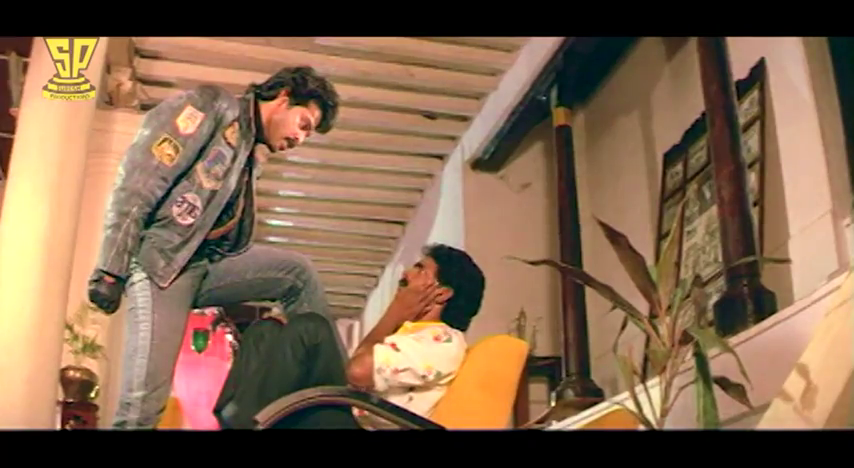
Raja deals with runaway cars (why does his jeep have a kangaroo painted on the door?), silly women and other forms of recalcitrant fauna and bad guys with aplomb.
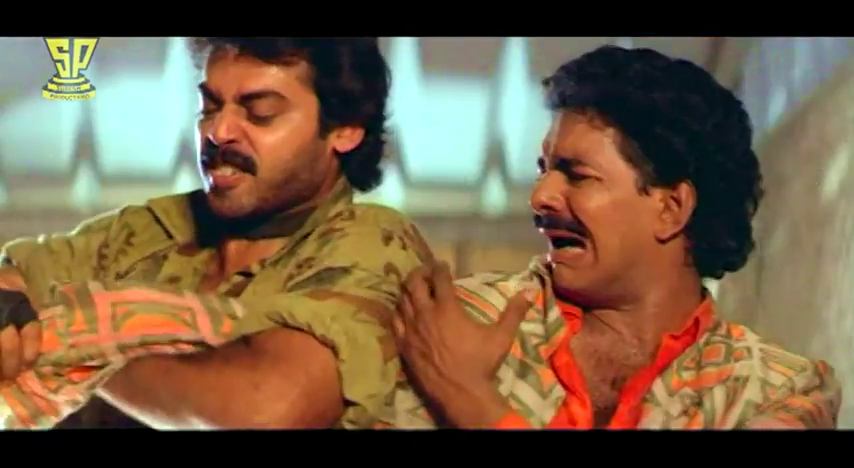
Venkatesh has a leisurely way of moving, as though he knows the camera will have to wait for him so there is no need to look flustered. This works reasonably well in his fight scenes as they are not particularly realistic and often played for laughs.
He does minimal dancing, partly due to the limited choreography, and generally relies on his characterisation rather than say, his burlesque chair dancing skills.
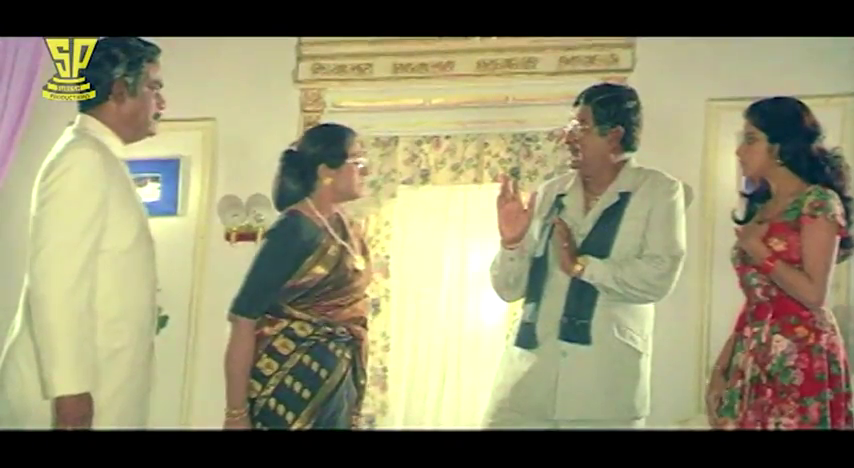
Rani is not my favourite filmi heroine but I do think Divya Bharti did quite well with what is often a shrill, silly character. Rani did rise to the occasion when she had to, although I was dismayed when I found myself almost cheering her suicide attempt as at least she did SOMETHING for herself that didn’t just involve shrieking “do you know who I am?” (She had some help from an enthusiastic red paint wielding assistant.) Her outfits were what I have come to expect from 90s Telugu films. But seriously ladies, when your mum asked what teenaged you and your boyfriend/self-declared husband got up to last night would any of you answer like this?
Maybe the mini Europe set provided some distraction from difficult questions. But so much of writhing and moaning. Tsk tsk tsk. The mood gets darker once Raja announces himself as Rani’s husband, escalating the conflict with Rajeshwari and co, and Divya does show a different side of her character to match that. She was so very young when she made this. Her performance was quite impressive when you look at the calibre of the rest of the cast and realise she wasn’t overshadowed.
Vanisri’s role is the most prominent of the supporting cast, and she is the true villain of the piece. She devises needlessly elaborate schemes and has the men in the family scared witless. I am not sure about the thinking behind her eyeliner technique.
Her husband (Kaikala Satyanarayana) is a kindly man, but never directly confronts her so his goodness is moot. He seems to be waiting for Raja to deliver the comeuppance. Kota Srinivasa Rao plays her brother and well, apple…tree… Brahmanandam plays a comedy policeman and Babu Mohan is another comedy bad guy. So much ‘comedy’.
The song picturisations must have had a decent budget, and as with all good mass films there is something for everyone whether your tastes run to Filmi Tribal or random European street dancing. Illayaraja’s music matches well with the cartoonish style of action and adds to the lightheartedness. On the subject of cartoons:
There are many things that amused me. I almost look forward to seeing some familiar “faces” in the array of taxidermy but the duck was a surprise. There are lots of scenes with animals, including some comedy elephants. I was concerned about the big cats as they seemed stressed but watching the end credits I was reassured a little that they were still quite feisty. Apart from the animals, the jungle is also inhabited by one or more people obsessed with digging pits and trenches.
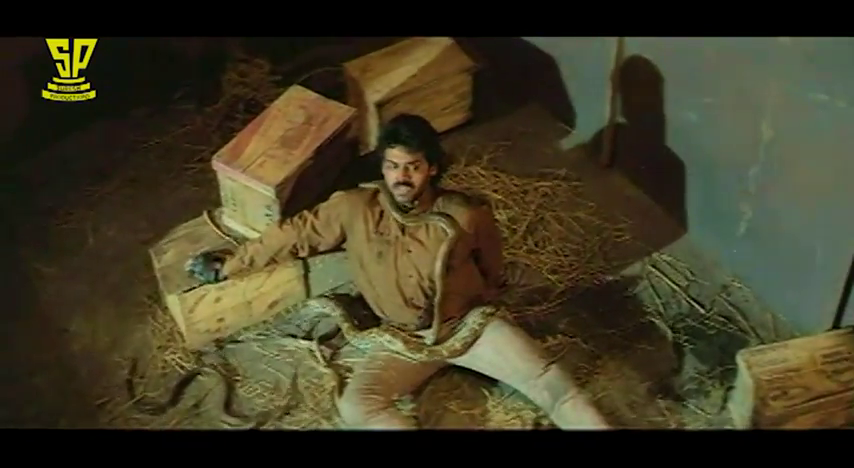
There are loads of stunts and fights and dramatic incidents as Raja takes on his reluctant mother-in-law and her lackeys. The climax of the film takes place on a hijacked train. Exciting! But just in case that isn’t enough, director B Gopal added a lion! And if THAT isn’t enough, snakes! Snakes on a train! It was almost enough to overcome the rather weak (but family friendly) ending. And that approach probably sums up the whole film – throw enough stuff at the audience and they’re bound to like some of it.
See this for Venkatesh, the fun if silly songs and the full throttle approach to mass entertainment that just tips the low-gore scale.
This was a film I happened to watch on a recent flight – mainly because I was intrigued by the title – and it turned out to be an excellent South Korean drama. The two main leads in particular are amazing in their roles, and I’m not surprised that it was a huge hit when it released last year. While the title suggests that it might be a horror story, in reality it’s more of a fairy-tale fantasy which interweaves a coming of age story with young romance. However, just in case you were disappointed, there is indeed a werewolf although that’s not the main focus of the story.
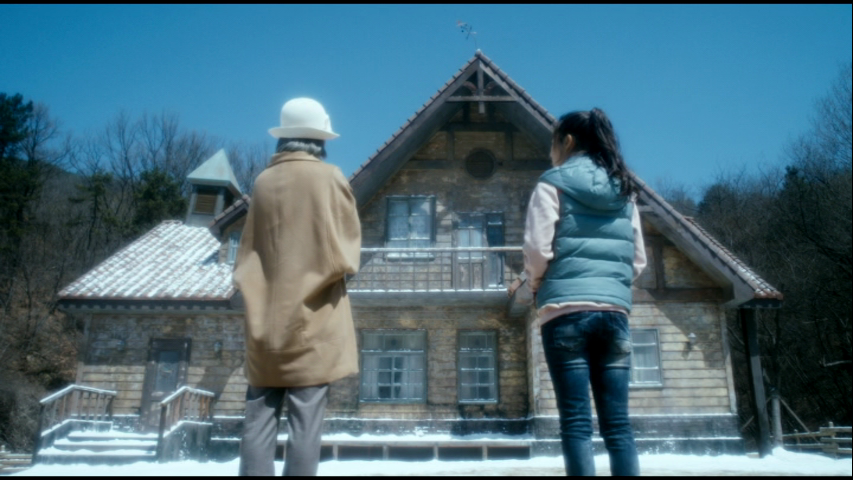
The film opens with an older Kim Suni (Lee Young-lan) living in America with her son and his family. I love how, in the opening shots, the camera slowly pans in from the town outside to the rooms inside, possibly symbolic of how restricted Suni’s life has become when compared to the wide open spaces and freedom of her childhood that we see later in Korea. There are a number of small clues to the rest of the story in these opening scenes, but they only become apparent on watching the film for a second time. I’m not sure if that’s because I’m not familiar with Korean films, or if writer-director Jo Sung-hee expected people to watch the film more than once.
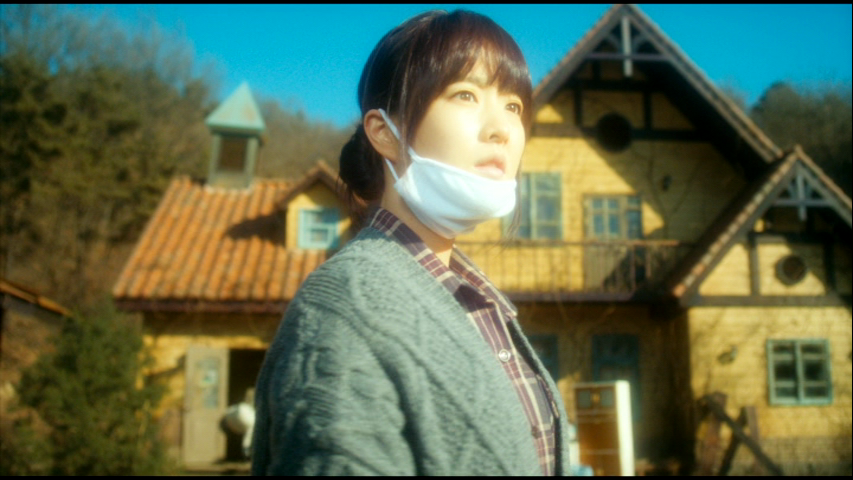
Kim Suni receives a phone call and discovers that she has to go back to Korea to deal with a house her mother (Jang Young-nam) has left to her. She arrives in Korea and after meeting with her granddaughter Eun-joo, travels to the house where she stayed for a short time as a teenager. From here the film tells her story in flashback, from when the young Suni (Park Bo-young) first arrived there some 47 years previously.
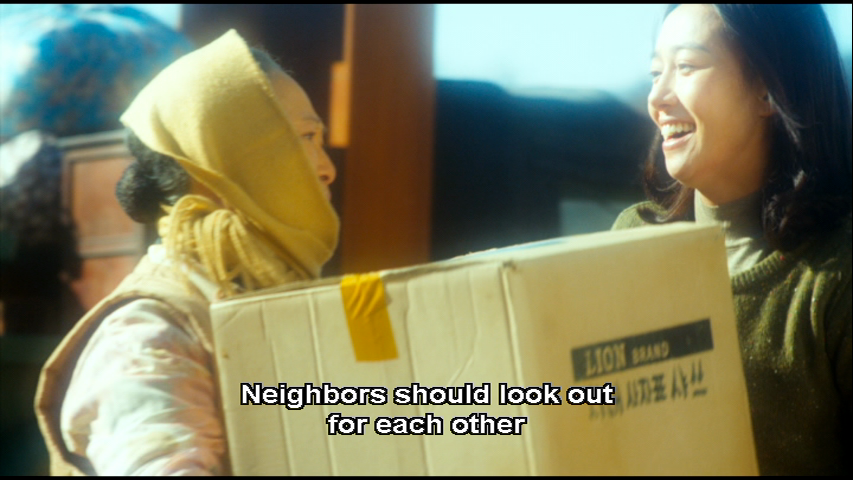
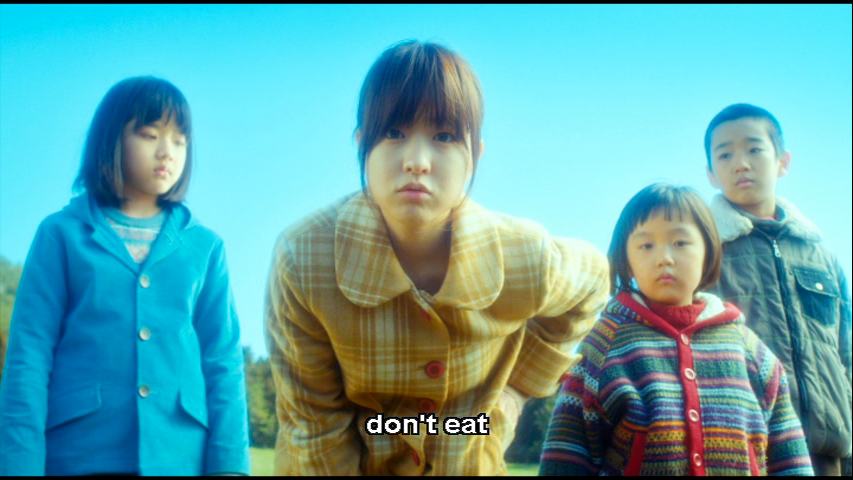
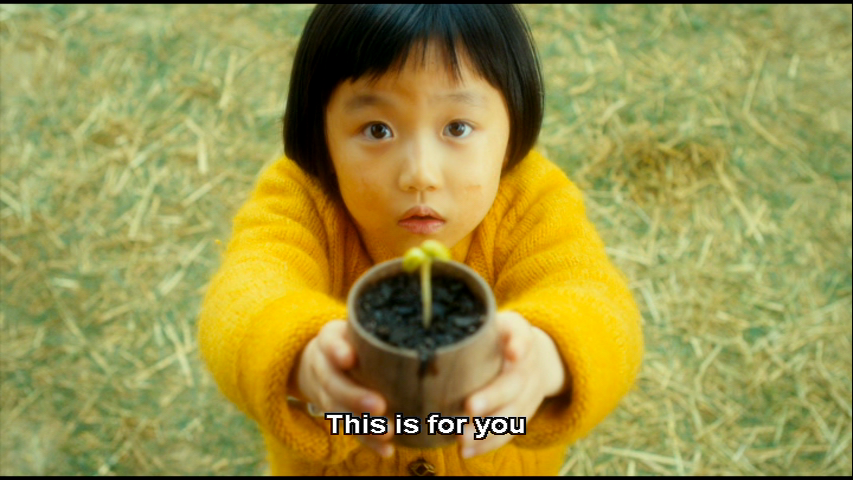
Suni, her mother and her sister Sun-ja (Kim Hyang-gi) move to the countryside to help alleviate problems with Suni’s health. A problem with her lungs has made Suni an invalid and this, along with a natural shyness has made her withdrawn and unhappy. The countryside isn’t quite to Suni’s taste as their neighbours are rustic and uncouth, while there appears to be something watching her out in the front yard. Her sister on the other hand, seems to slot into her new life with perfect ease, as she befriends the other local children almost instantaneously and is happy to run around the fields all day.
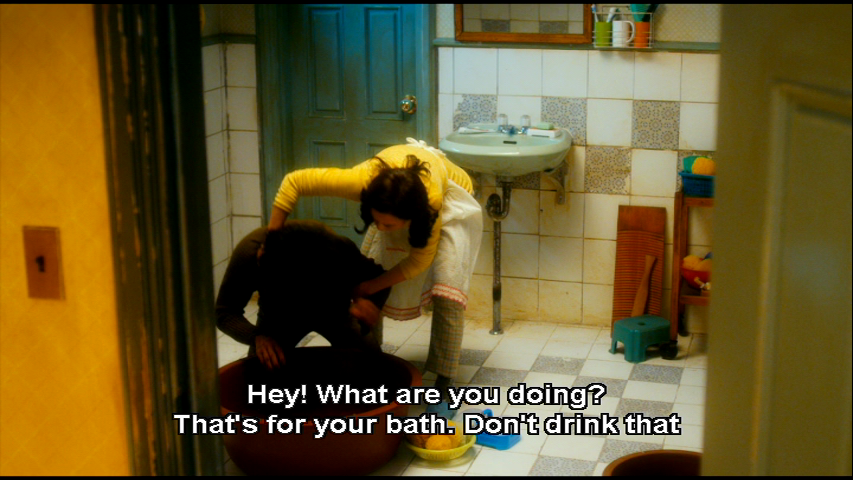
Things change when Suni and her mother discover what appears to be a feral boy lurking in their front yard. Suni’s mother takes him in, although she is taken aback by his lack of table manners and general lack of knowledge regarding things such as taking a bath. Although she contacts the authorities, no-one is interested and they dismiss the boy as just one of the many unfortunate children orphaned after the war. The family name the boy Cheol-su and while Suni’s mother tries to make him into the son she never had, Sun-ja takes him out to play with the other children and Suni refuses to sit at the table with him.
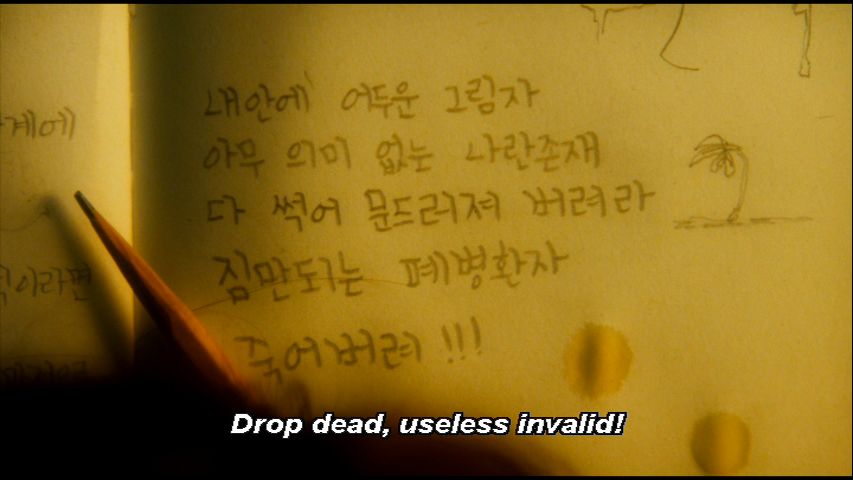
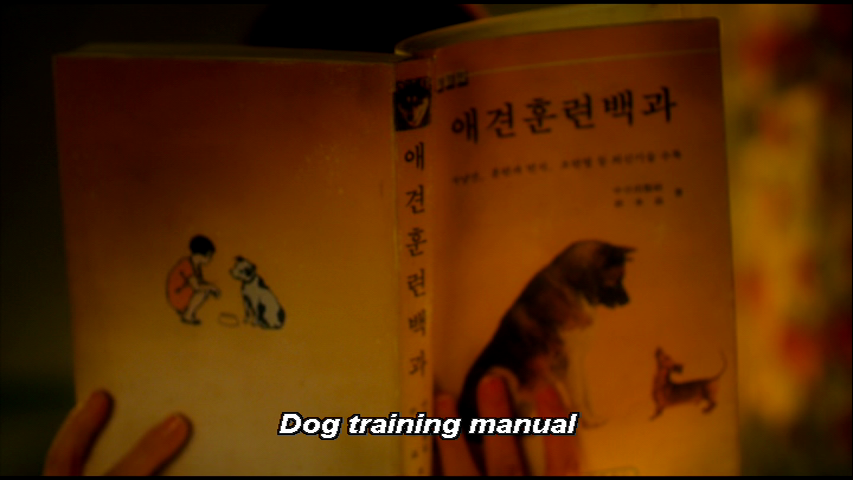
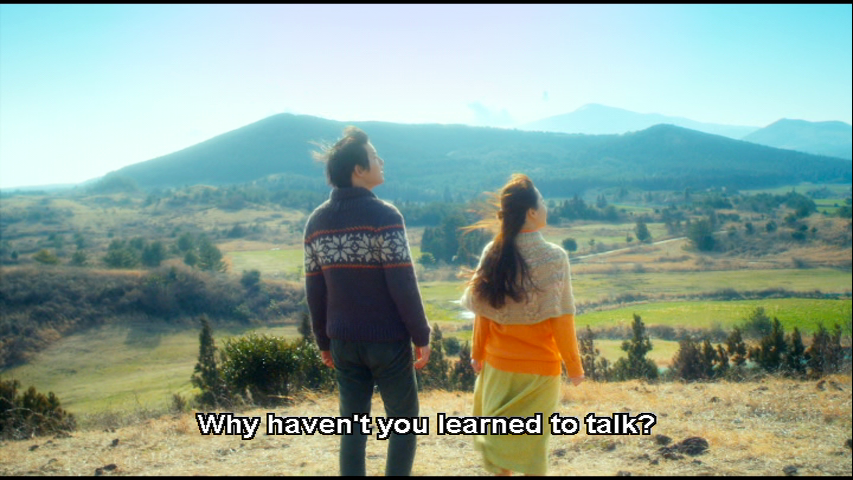
Then Suni finds a dog-traning manual and slowly this displaces her nightly unhappy diary entries as she looks for a way to civilise Cheol-su. Cheol-su cannot speak and Suni’s attempts to communicate with him start to bring her out of her shell and she forgets about her illness. But just when everything seems to be going so well, the family’s landlord Ji-tae (Yoo Yun-suk) shows up and discovers that Cheol-su is not quite what he seems.
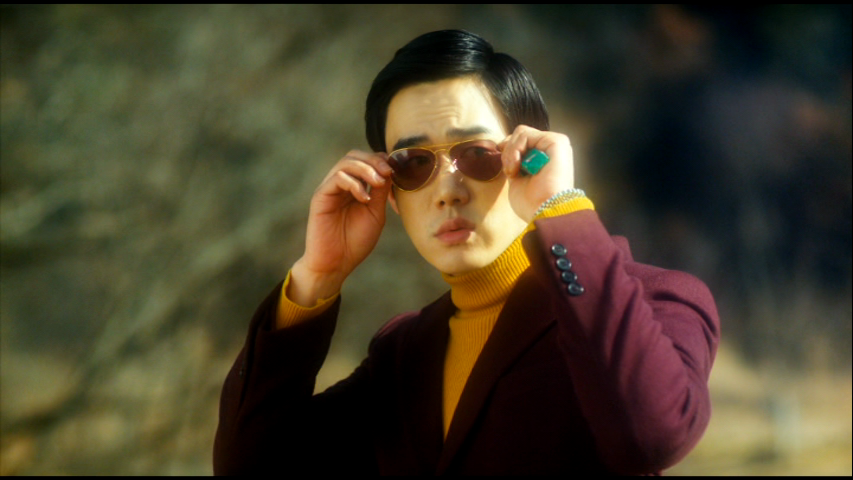
Ji-tae’s character is drawn with broad strokes but perhaps this is appropriate for the story since he is a classic unscrupulous fairy-tale villain with no redeeming features whatsoever. He is determined to marry Suni, although this desire is never really explained, and he’s just too completely depraved and evil to be very realistic. However Yoo Yun-suk does make a good villain, as he has an excellent sneer and is appropriately dressed for the part.
Park Bo-young has a very expressive face and she is excellent in her transformation from an unhappy invalid to a girl in the throes of first love and finally to a young woman who has some very harsh decisions to make. In Cheol-su, Suni has found another lost soul, and because of his animalistic nature, he’s not someone who makes her feel shy. In fact, because Suni is the one teaching him and is the only person that he seems to listen too, she has all of the power in their relationship. At least initially.
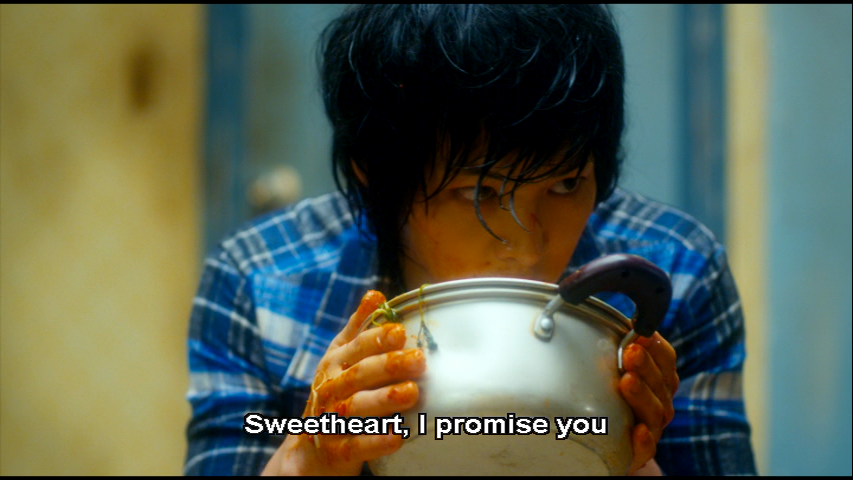
However the real revelation is Song Joong-ki, who is amazing as the werewolf boy. His first appearance is startling as he appears nervous and skittish before grabbing for food and he does seem completely feral. Subsequently he manages to behave as if he really has been living with a wolf pack as he brings dog-like mannerisms into his body language. In one scene he perfectly imitates a dog chasing a ball as he plays with Sun-ja and her friends. Not being able to speak also means that Song Joong-ki has to make his face talk for him and he manages to convey each emotion incredibly well. The reaction he shows here as Suni sings to him is just one example of how perfectly he makes his eyes express his thoughts and feelings.
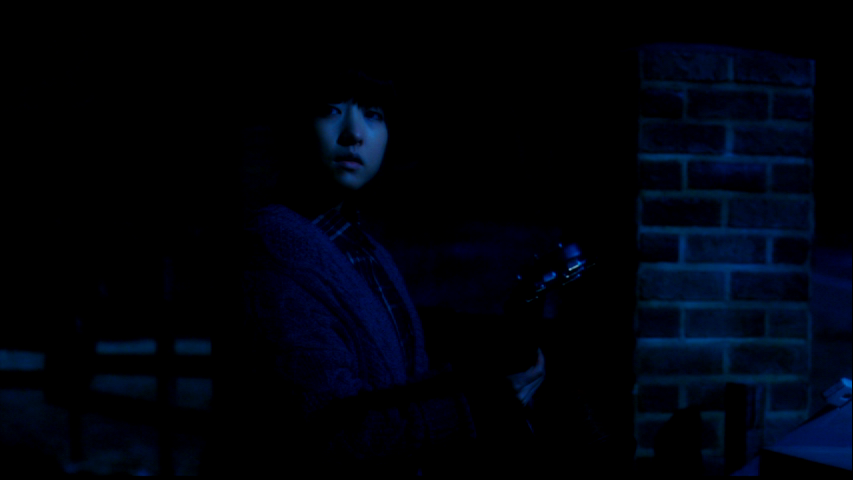
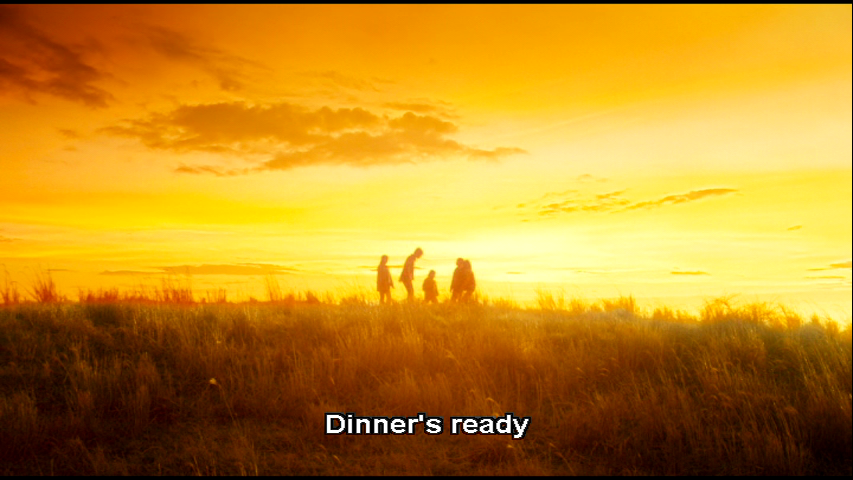
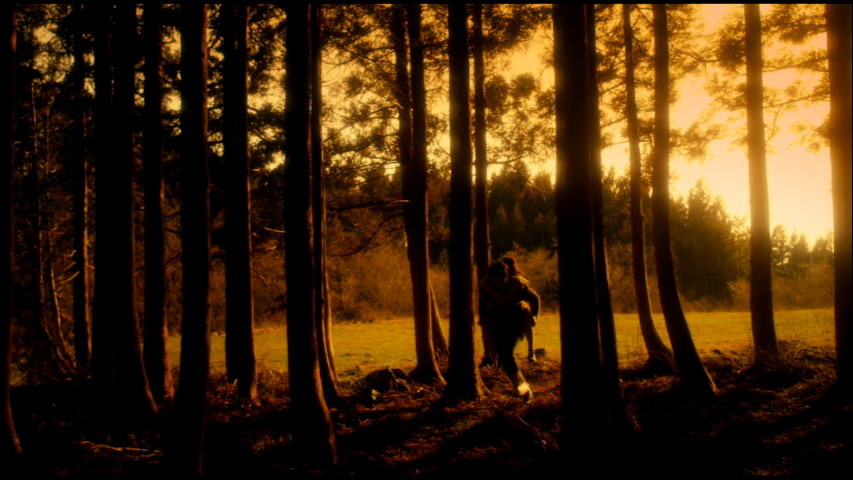
There are a few minor quibbles I have with the film, but they are relatively insignificant when set against the performances from Park Bo-young and Song Joong-ki. The special effects to turn Cheol-su into a werewolf aren’t particularly special and mainly consist of spiky hair and dim lighting. In fact a number of the shots are very poorly lit and at times it’s difficult to see exactly what is happening. But there are also scenes where the lighting emphasises the fantasy aspect and the sunlight looks like molten gold and others where the winter landscape invokes comparisons with European folk tales.
Although this is essentially a love story, I think the coming of age and development of Suni’s character are more interesting and appeal more than the romance aspect of the film. Cheol-su’s love for Suni is more of a platonic adoration as he mainly just wants to be with her, while Suni’s affection appears based in the camaraderie of two misfits rather than true romance. However they do have good chemistry together and the final scenes provide a poignant and somewhat unexpected end.
A Werewolf Boy is a well told story which mixes supernatural fantasy with the more mundane successfully. It’s worth watching for Park Bo-young and Song Joong-ki, but also for Jo Sung-hee’s direction which successfully steers around a number of possible plot holes to deliver a satisfying and captivating story. 4 stars.












 Cinema Chaat