Maara (2021)

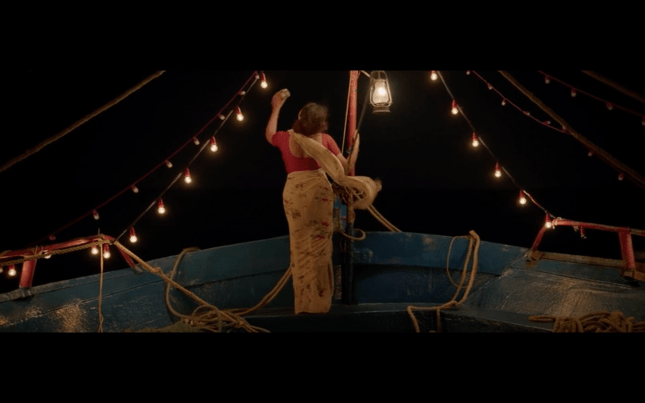
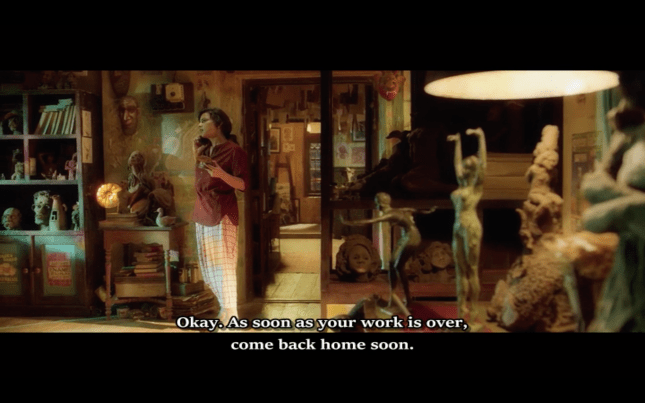
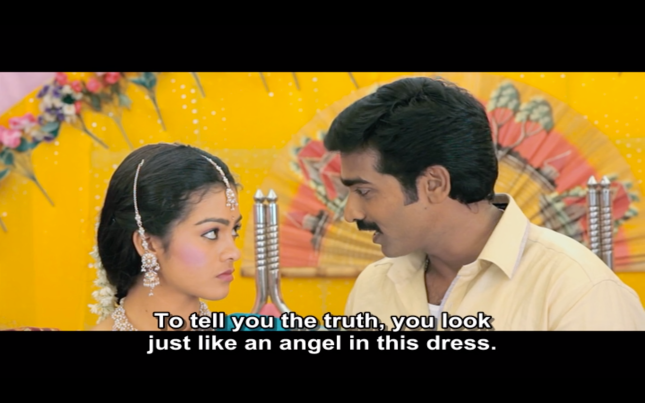
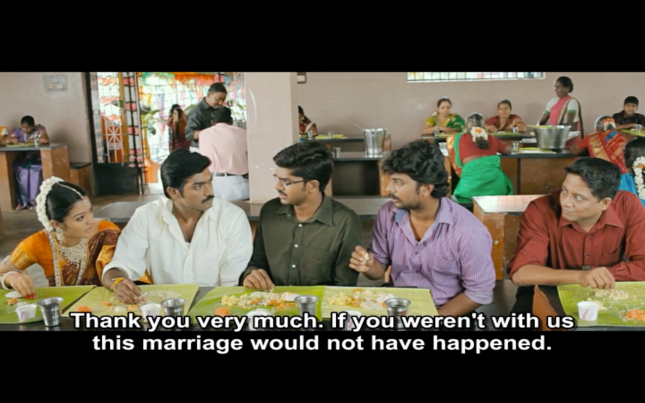
Dhilip Kumar’s interpretation of the 2015 Malayalam film Charlie takes the main characters and gives them both more maturity and more of a backstory. While this makes the film more grounded than Charlie, it does remove a lot of the fantasy feel and while on one hand that makes for a more complete drama, I still missed the magic. Maara has a sharper story, with more believable characters and a neater ending. But without the fairy tale element, the story is more pedestrian, the focus has shifted more towards the searches for certain characters and much of the charm is lost.  However, Maara looks just as stunning as Charlie, with excellent cinematography from Dinesh Krishnan and Karthik Muthukumar, while Ghibran’s music is beautiful and suits the film perfectly. With a more mature plot and some excellent performances from the support cast, Maara is more than a remake and definitely worth watching, even if you have already seen the original.

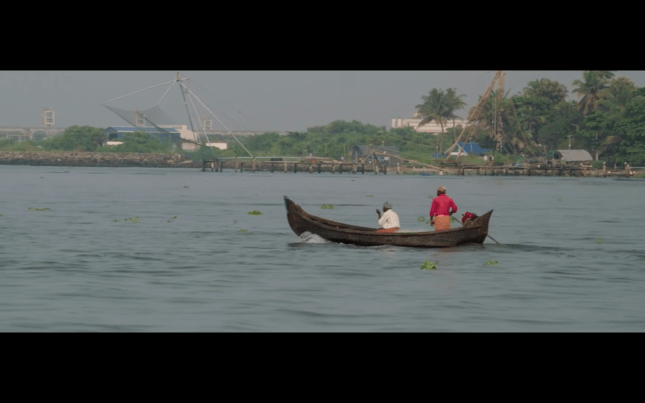
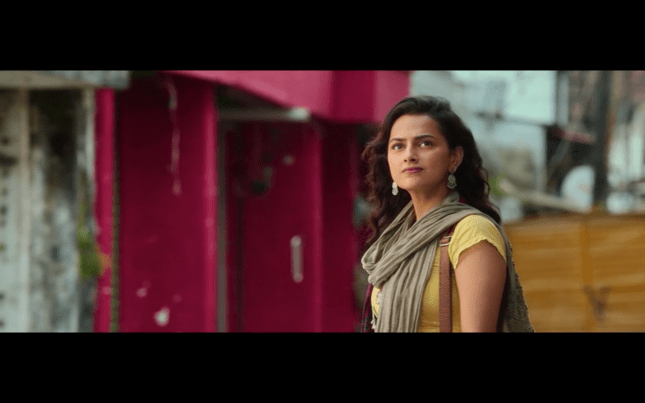
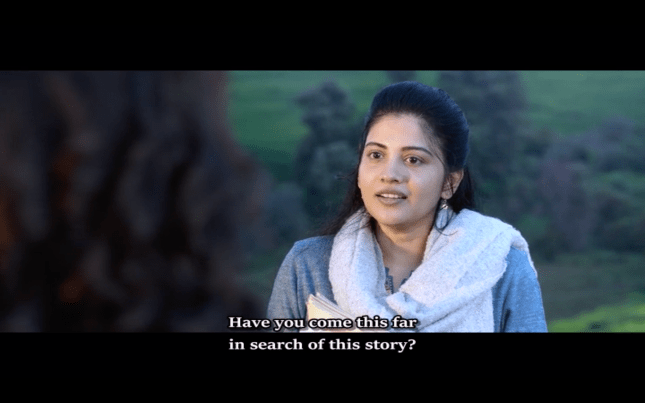
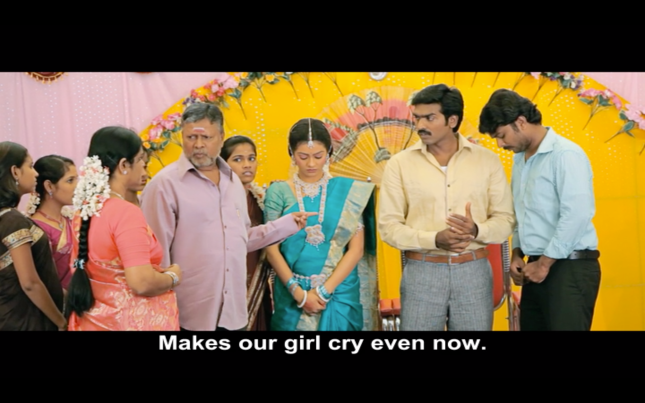
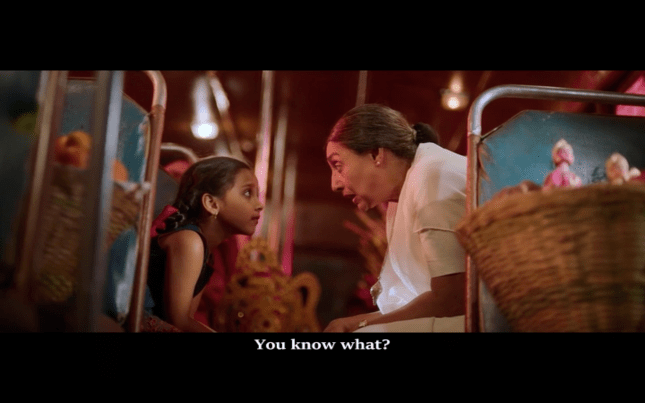
The film begins with a young Paaru hearing a story from a kindly fellow traveller while on a bus. Fast forward a few years and Paaru (Shraddha Srinath) is attending a family engagement where pressure is brought on her to finalise her own wedding plans. Refusing to be drawn into a relationship where her heart is not engaged, Paaru escapes to Kerala and finds a place to stay in a small coastal town.
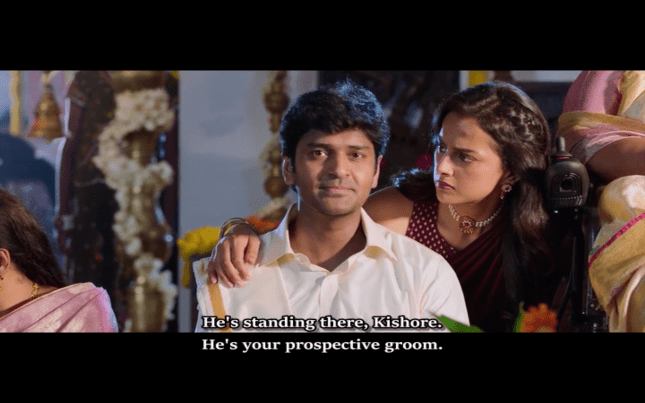
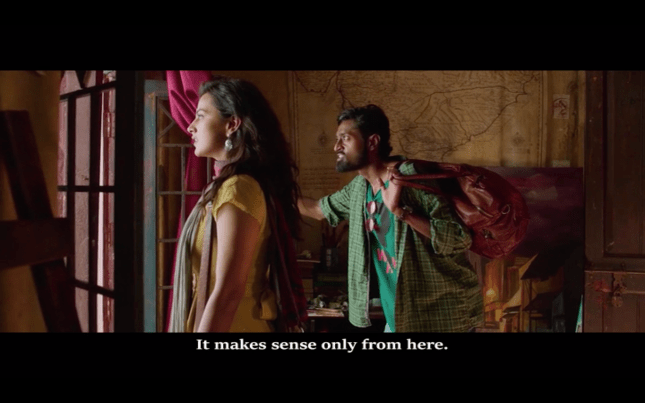
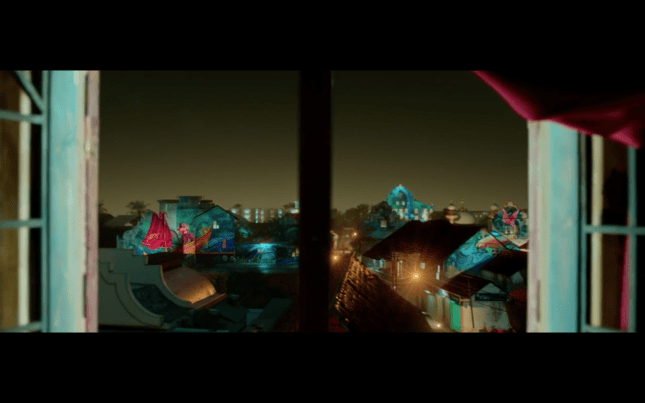
The apartment has previously been the living space for the elusive Maara (Madhavan) who has left his mark on the town by painting large murals on every available space. The paintings echo the story Paaru heard as a child and she is at once intrigued as no-one else has ever shown any knowledge of the story at all.
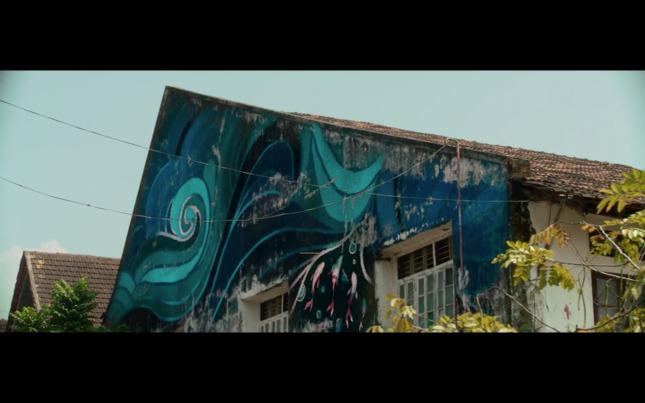
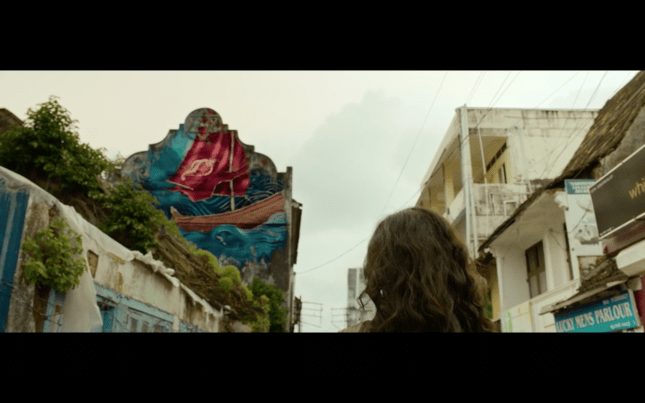
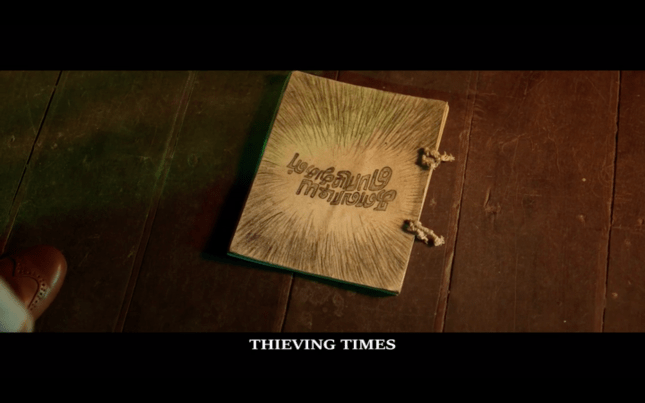
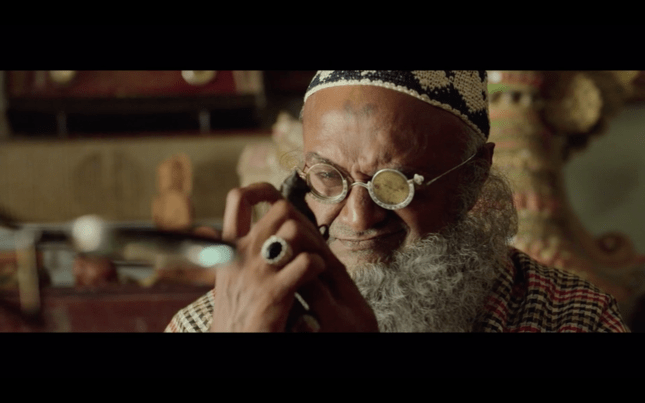
Maara tends to flit in and out of the town, helping those in need including a prostitute Selvi (Abhirami) and her daughter Rani (Nakshathra Prashant). Paaru finds a comic book which details Maara’s night out with a thief and is impelled to find out what happened after the story stops at a dramatic point in the tale. As she becomes more obsessed with finding Maara she also finds more mysteries which she uses as a means of avoiding her own problems with her family. Where Maara differs from the original is that we are shown more of his side of the story. The film shows Maara as a child and how he befriends Vellaiya (Moulee) and starts to turn his own nomadic existence into a search for Vella’s lost love Meenakshi. As she searches for Maara, Paaru meets the people who have impacted his life, the thief (Alexander Babu), the fisherman Chokku (Guru Somasundaram) and Doctor Kani (Sshivada), finally finding Vellaiya and the story of his lost love.

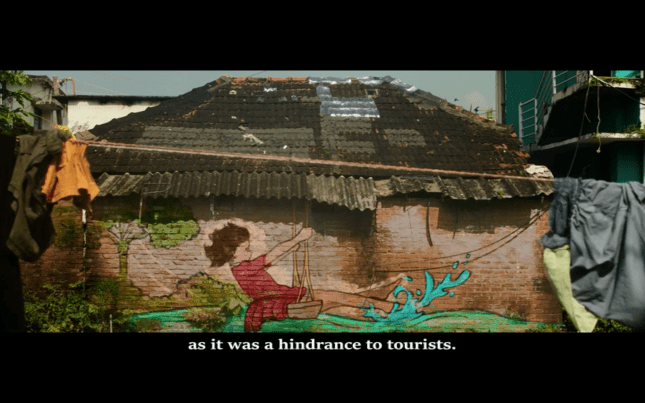
The story of Maara is more of a search for Meenakshi rather than a voyage of self-discovery for Paaru. While all the same elements from the original film appear, they are tied more neatly into the background story, and Paaru’s own issues fade into the background as a result. Shraddha’s Paaru is also more sensible and grounded than Parvathy’s Tessa which ultimately makes her a less interesting character, despite Shraddha’s impressive acting chops. Madhavan’s Maara is also less interesting than Charlie for much the same reasons. Despite having plenty of charm, there isn’t the same unpredictability or zaniness that characterised Dulquer Salman’s Charlie. It makes the film seem smaller, less worldly and more a standard drama than an epic love story.

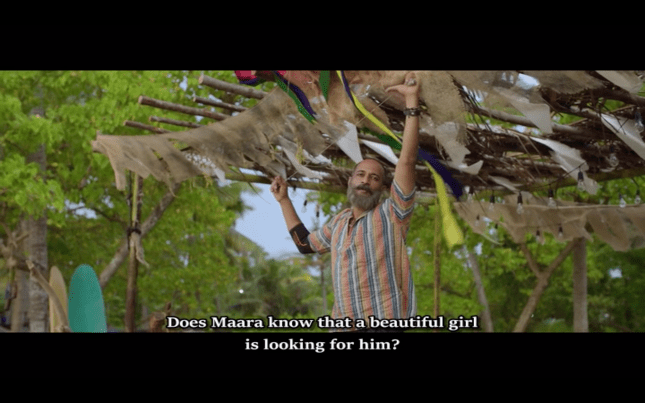
I do think that Maara suffers when compared to Charlie. When considered as a stand-alone film, it’s good and engaging. There are interesting characters, great performances from Shraddha, Madhavan, Moulee and the supporting cast and the story is well told. The murals are gorgeous and add colour and life to proceedings, while the scenery is captured in amazing detail throughout. The social commentary is still there and is probably more carefully developed in Maara, making more of an impact in the end. However, there is little chemistry between Paaru and the elusive Maara and at times the film seems in danger of drifting rather too much. Paaru is simply a way to follow the steps to find Maara and therefore Vellaiya, and we don’t get much insight into why she is so fiercely independent. Like some of the scenes, she too seems to be drifting rather than firmly taking control of her life. I wanted to see more of her thoughts rather than seeing her character simply through her search for Maara.
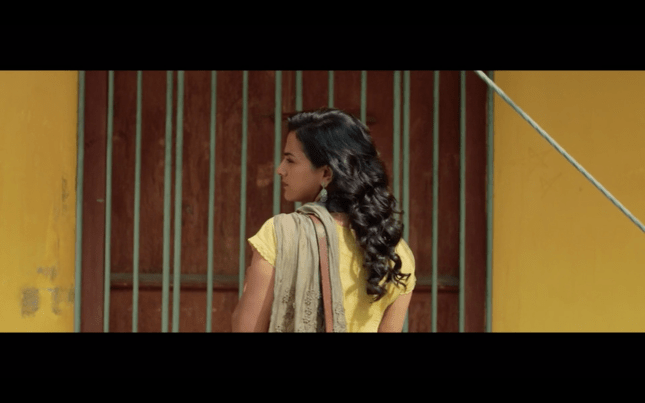
For me, Madhavan seems a tad too hearty and solid to be an itinerant painter. Maara is less whimsical than his Malayalam counterpart and I found that this gave the character a completely different vibe that didn’t quite gel with parts of the story. Maara is more responsible. He’s less outraged and more resigned. Knowing more of his background story makes him a less elusive and mystical character and the story doesn’t soar but instead, like the bus and train that Paaru and Maara use to travel at the start, merely journeys along to the final destination. It’s still a good story and an engaging film but I did miss the fairy tale element here. I did enjoy the music and the sumptuous colour palate used throughout the film. Great subtitles from rekhs make it easy to follow the story and the animation at the start is some of the best I’ve seen. There is certainly much to enjoy here and despite my quibbles above, I did still love the film.

Overall, Maara is a more complete and polished tale than Charlie, but be aware that it does lack some of the magic. If you haven’t seen Charlie then this is definitely well worth a watch and is an excellent story that is well told. Even for fans of the Malayalam original, I think this different approach gives a whole new understanding of that film too. 4 stars.
Ka Pae Ranasingam

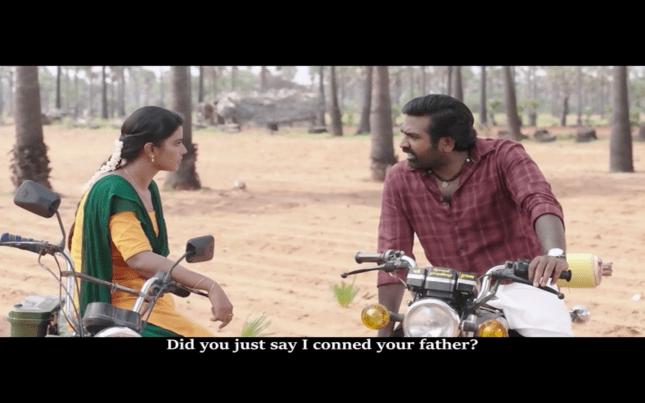
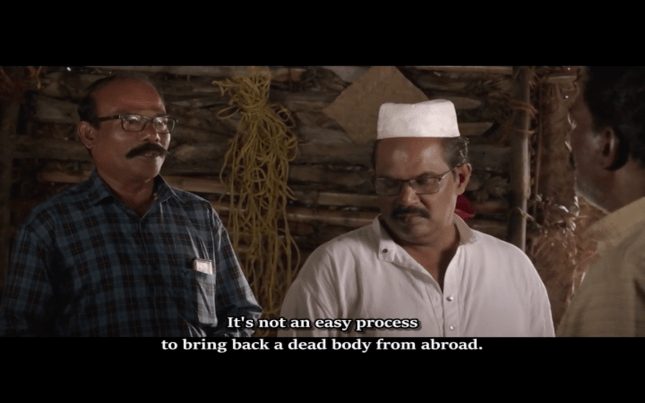
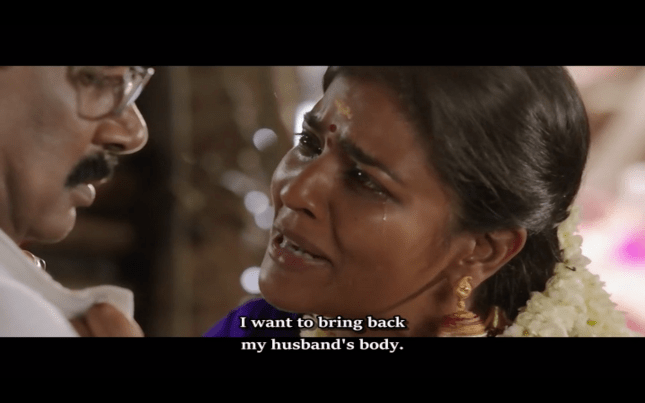
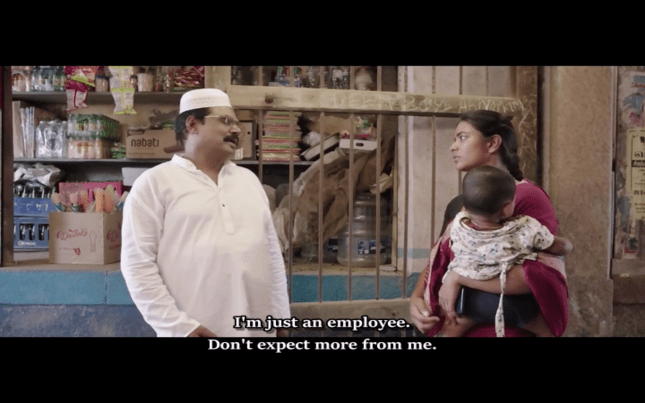
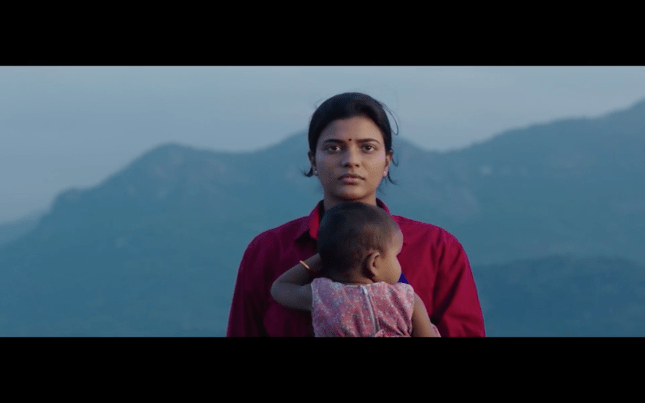
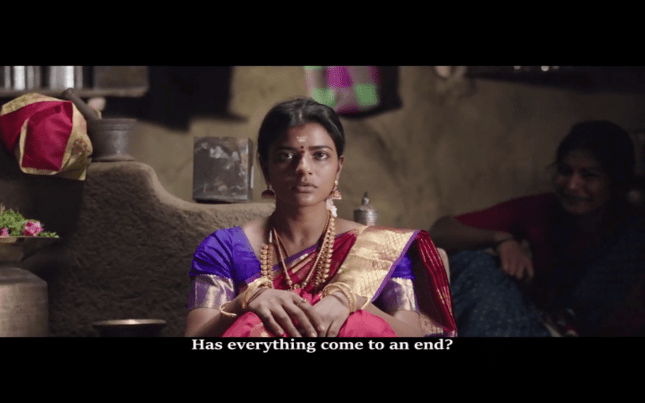
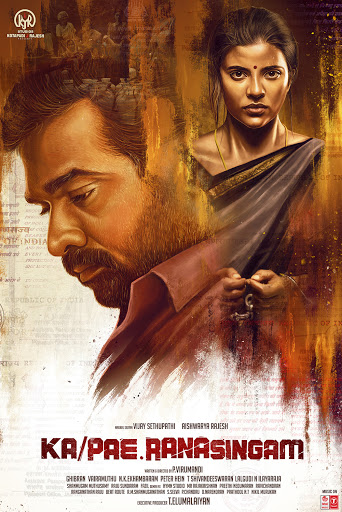
P Virumaandi’s debut film is based on a real-life story about the difficulty in repatriating a deceased husband back to India. While the content is fascinating, unfortunately what should have been an emotional story centring around Aishwarya Rajesh’s character is instead hijacked by prolonged episodes of backstory and political messaging. As much as I love Vijay Sethupathi, this needed to be much less about his character and more about Ariyanachi as his wife, especially given Aishwarya’s fine performance throughout. 

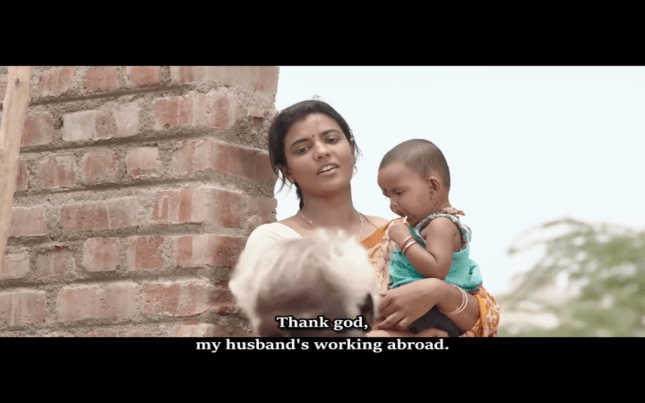
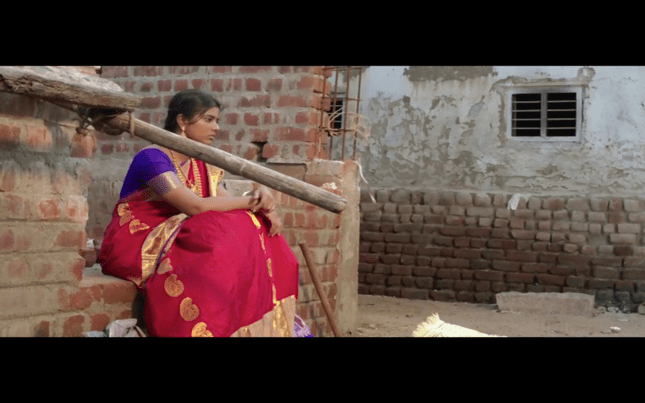
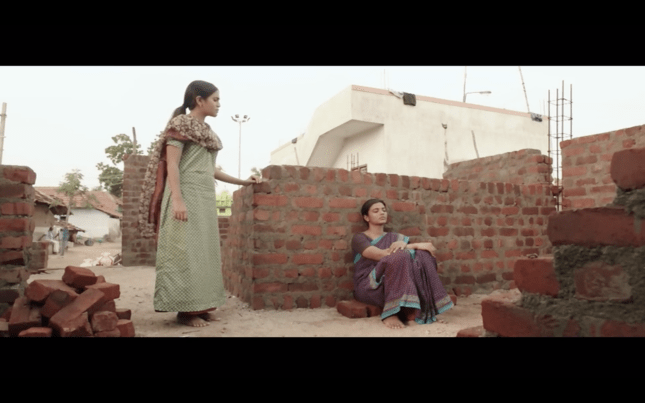
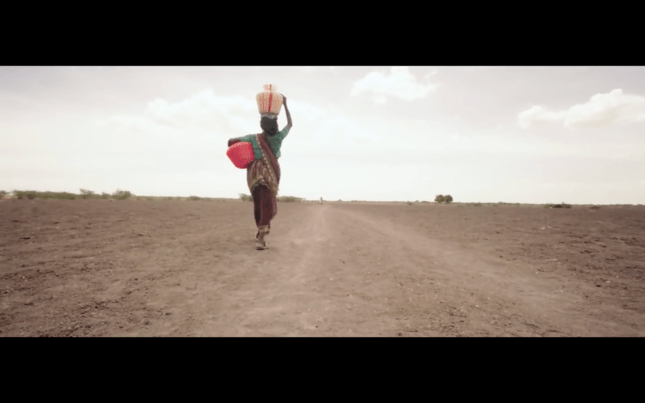
The film opens with Ranasingam (Vijay Sethupathi) absent from his village as he is working for an oil company in Dubai. His wife Ariyanachi (Aishwarya Rajesh) is looking after the family in his absence and is shown to be the perfect daughter, bringing water to the home, looking after Ranasingam’s parents and sister, and supervising the building of their new house. However, at their daughter’s ear-piercing ceremony, a messenger arrives to tell the family that Ranasingam has died in Dubai during a protest. The family are devastated but unaware that this is only the beginning of their heartache as they try to bring his body back to India.

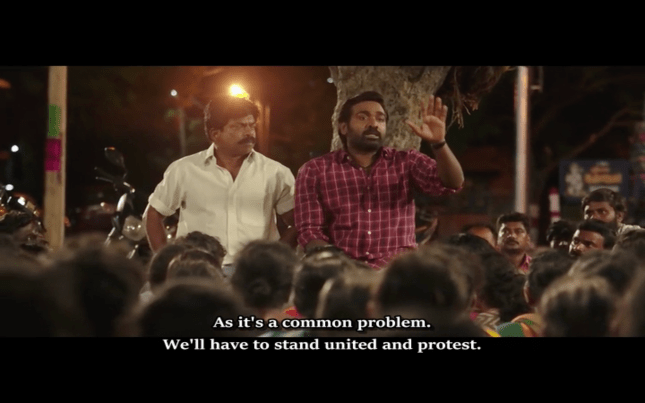
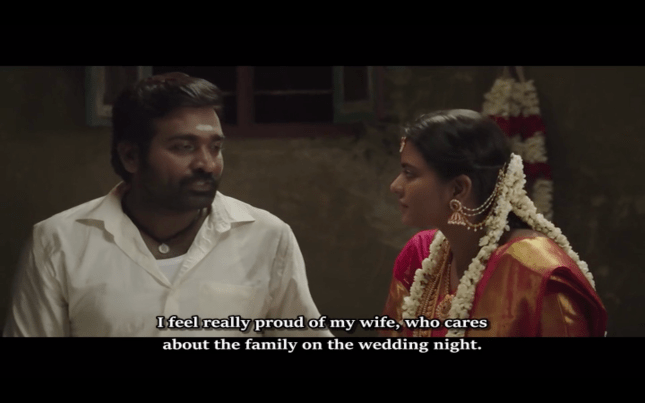
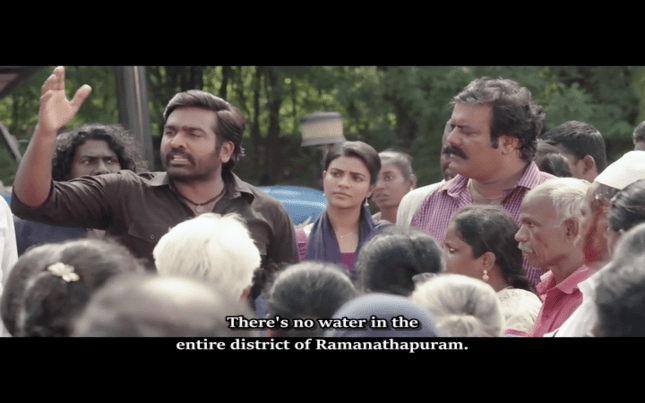
The film then goes into the first of many flashbacks to explain how Ariyanachi and Ranasingam met when he was dowsing for water on her father’s farm. Ariyanachi’s initial scepticism is gradually worm away by Ranasingam’s amazing ability to find water, and also by his dedication to social issues and equal rights for all. Throughout, despite his propensity for protest and disregard for the local police, Ranasingam, still shows respect for the law and a belief in the political system that at times seems oddly naïve given the obvious corruption at all levels. However, Vijay Sethupathi is on top form here and his portrayal is of an easy going and happy man who knows when to take a stand, but who at heart wants only the best for his family.

Having established the relationship and given some indication of why the authorities may be inclined to believe the protest allegation despite evidence to the contrary, Virumaandi should have left it there and concentrated on Ariyanachi’s struggles to bring her husband’s body home. Instead, the film keeps flashing back to instances in Ranasingam’s life which really don’t add much more to the story. Rather, they detract from the emotional build-up that Aishwarya achieves with each of her scenes and end up mostly just dragging the pace of the film back. Given that the film has a run time of just under 3 hours, there is a lot of unnecessary back story here that could easily have been cut without affecting either the tone of the film or the impact of the story at all.

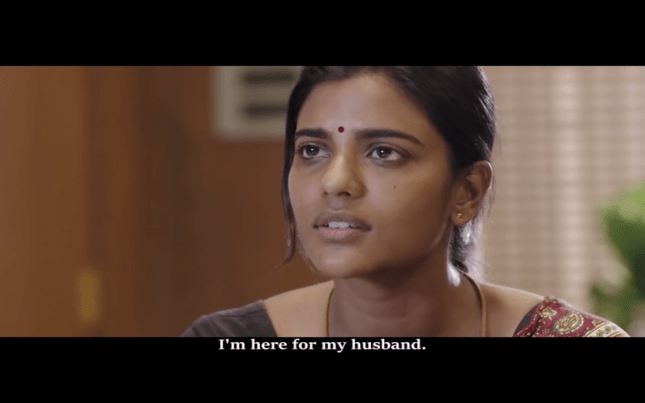
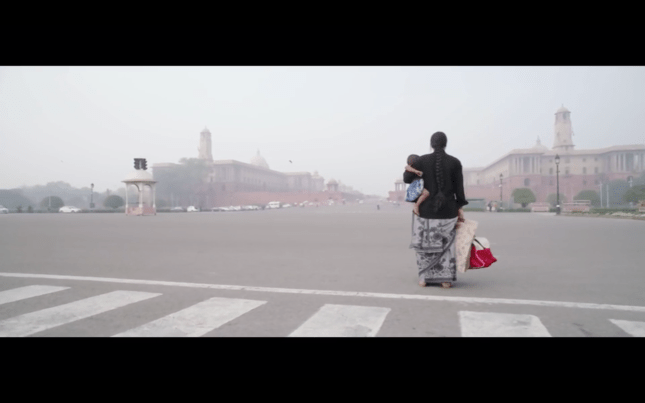
Thankfully Aishwarya Rajesh is excellent and hits every emotional note just right. Her frustration at her inability to get any answers in palpable and infuses every frame. Although her grief is more restrained, it’s still a poignant backdrop to the second half of the film and Aishwarya gives Ariyanachi plenty of dignity along with amazing resilience and a determination that feels very real. Although it seems perhaps too obvious, the moment where Virumaandi contrasts the return of Sridevi’s body with the interminable red tape and delays that meet Ariyanachi’s every attempt to repatriate her husband’s body does make an impact, more so because he doesn’t dwell on the disparity but moves quickly on to the next problem.

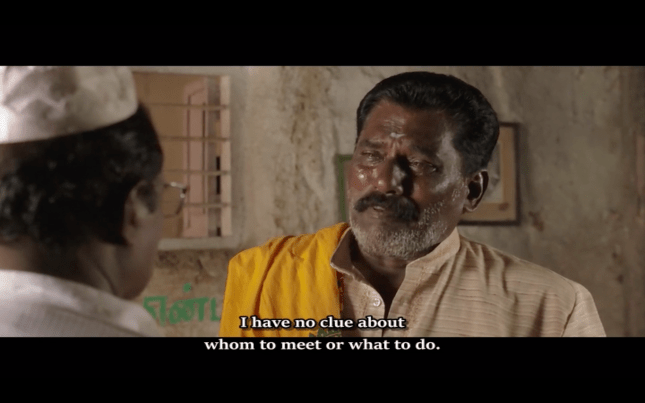
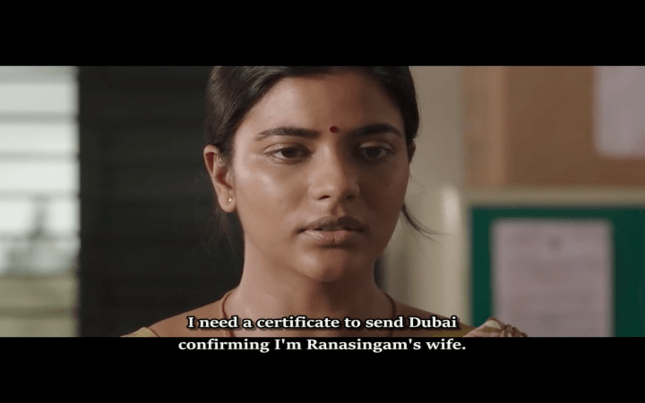
Some parts of the story are overly dramatic which doesn’t seem necessary given that the underlying tale is poignant enough to not need any further embellishment. Many of the flashback scenes refer to farmers rights, but these work much better when shown as part of Ariyanachi’s life in the village. Similarly, the social issues tackled by the film are most effective when part of the story, such as when Ariyanachi struggles to prove that she is indeed married to Ranasingam since the couple have no legal documents to show that the marriage took place. These scenes are where the film really comes to life, and Aishwarya Rajesh ensures that every scene is realistic and completely believable.

Although there are issues with the film’s length and the incessant flashbacks, overall this is one that deserves to be seen. The emotional storyline is carried well by Aishwarya Rajesh and the support cast, while the social issues are clearly important to highlight in these days of increasingly politicised issues around water rights and the increasingly large international workforce. I wish there had been more of a focus on Ariyanachi’s story, but there is still a lot to enjoy in Ka Pae Ranasingam. Well worth watching for Aishwarya Rajesh, Vijay Sethupathi and an introduction to the issues surrounding the death of workers overseas. 3 ½ stars.
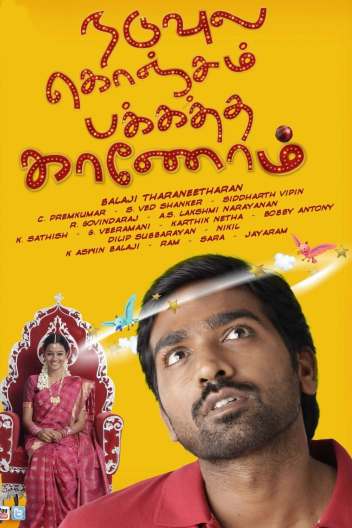
Naduvula Konjam Pakkatha Kaanom

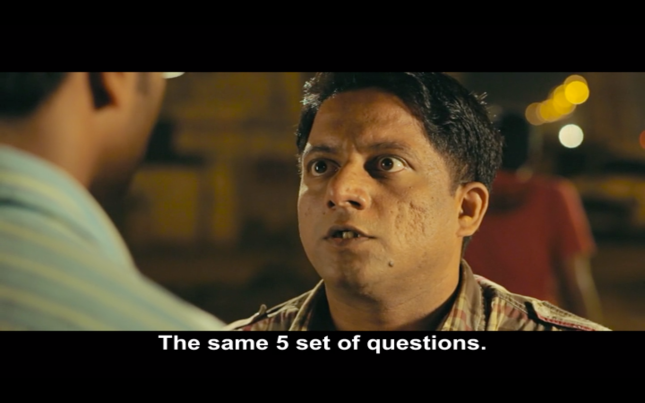
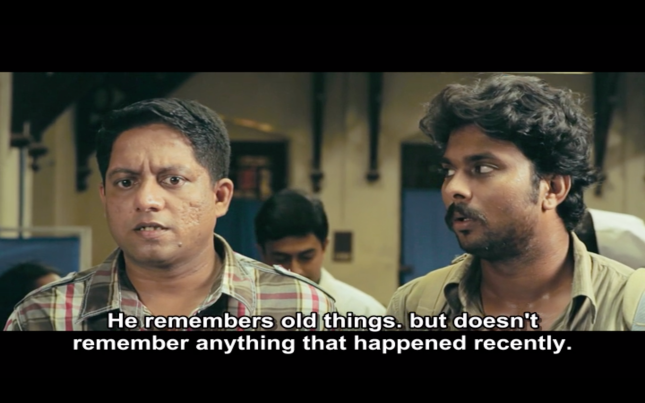
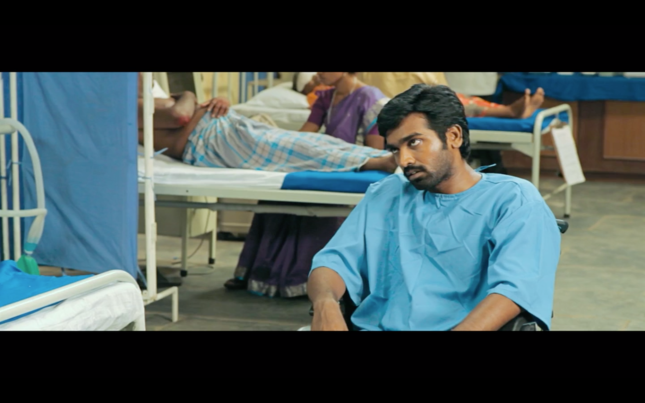
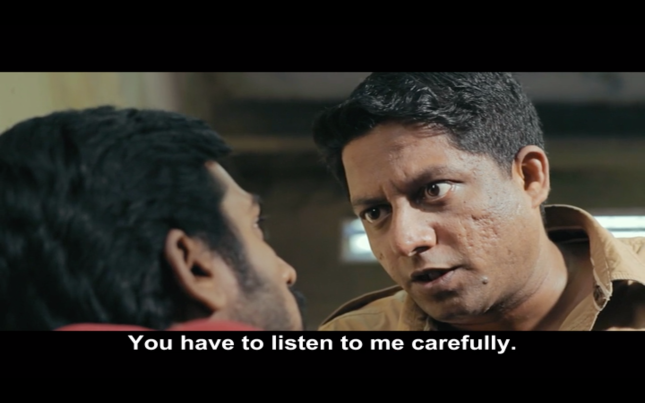
After tracking down a subtitled copy of Balaji Tharaneetharan’s début film, it took a little while to get around to watching the film. The synopsis wasn’t terribly inspiring; ‘a young man experiences retrograde amnesia after a cricket incident two days before his wedding’ and so, despite the presence of Vijay Sethupathi, I didn’t put it straight to the top of the pile. But I really should have known better. While not quite as good as Balaji Tharaneetharan’s later film Seethakaathi, NKPK has plenty of quirky humour and the story is much better than the one-line summary suggests. It’s funny, well told and best of all, the film is actually based on a true story that actually happened to one of Balaji Tharaneetharan’s friends. In fact the real-life Prem is the film cinematographer C Prem Kumar, while Bagavathi Perumal plays his real-life role as Prem’s desperate friend.
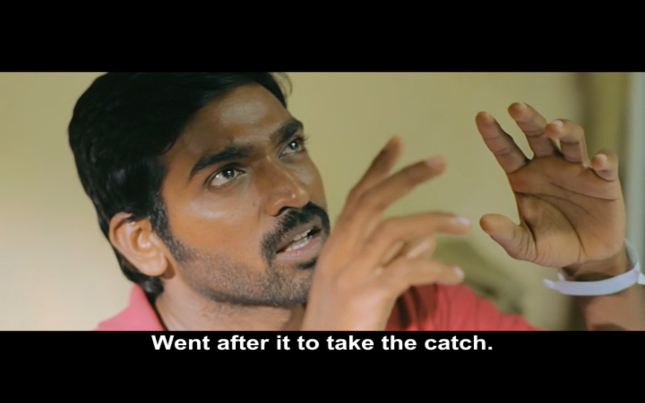
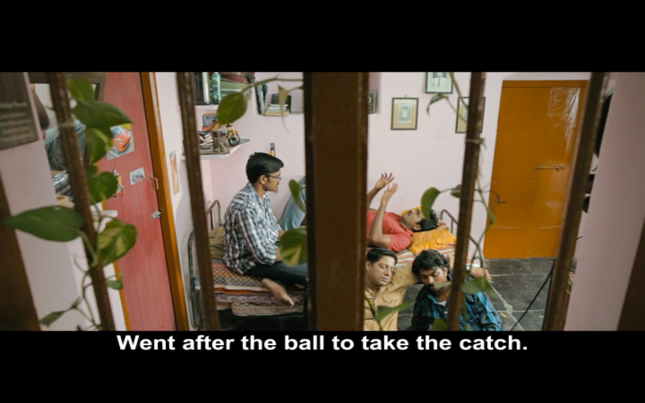
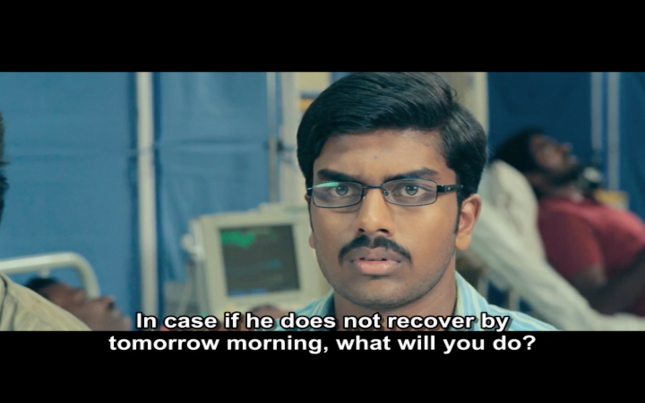
The plotline of the story really is as simple as the synopsis suggests, and yet there is so much more happening as Prem’s friends hide his amnesia from his bride-to-be and her family. And yet, the funniest part of the film isn’t the absurd lengths his friends go to in ensuring that no-one knows Prem has lost his memory. Rather it’s the baffled expressions on Prem’s face as he struggles to understand what is going on, and his repeated dialogue of the last few moments he can remember before he hit his head that raise the biggest laughs. Medulla oblongata has never sounded so funny!

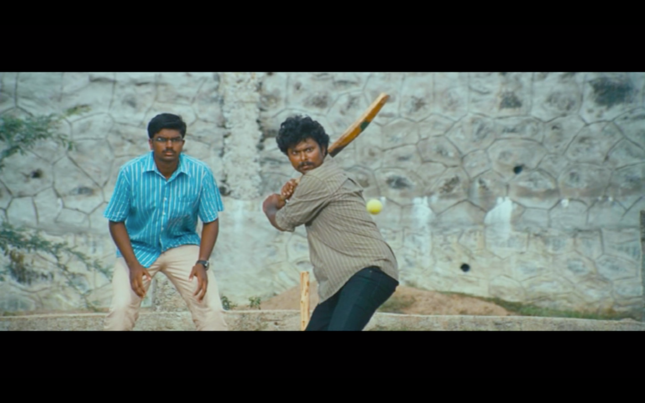
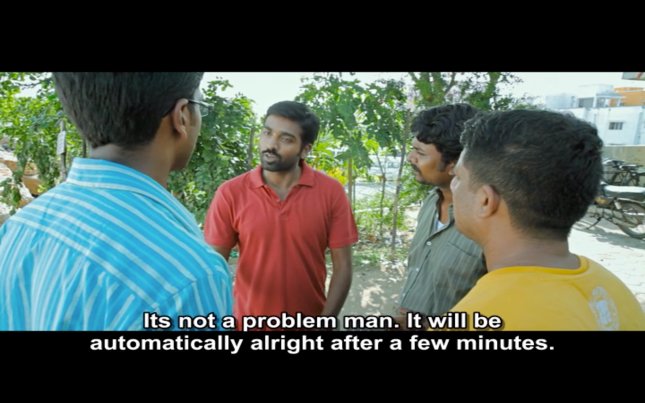
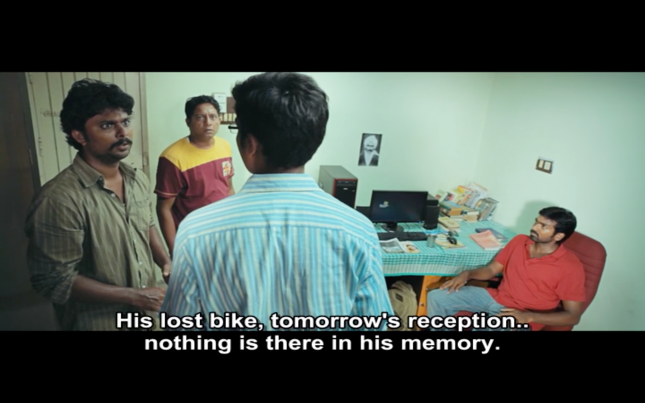
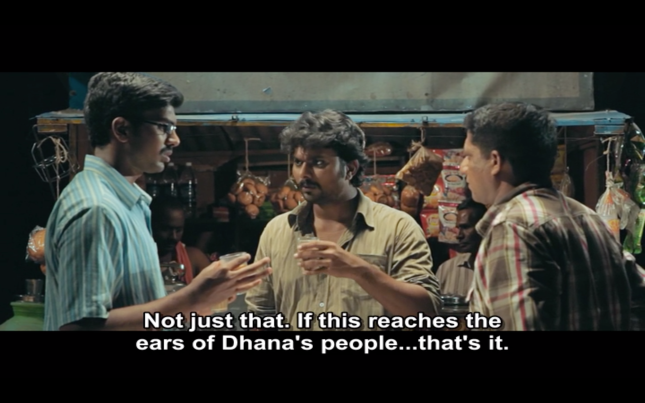
The film starts with Prem discussing his problems with his friends, Bugs (Bagavathi Perumal), Saras (Vigneshwaran Palanisamy) and Balaji (Rajkumar). It’s a couple of days before Prem’s wedding and he’s worried because his fiancée’s family don’t like the match, his bike’s been stolen and he’s having problems with his boss. To take his mind off his woes, the friends decide to go and play a game of cricket, which Bugs takes far too seriously, while everyone else struggle to even hit the ball. But then, when running back to take a catch, Prem falls and hits his head. He seems fine, but as the friends are heading back home, Saras realises that something might be wrong. Prem keeps repeating the same thing, over and over again, with exactly the same phrasing and timing. He can’t remember that his bike has been stolen, and worst of all, he has no idea who his fiancée Dhanalakshmi (Gayathrie) is.

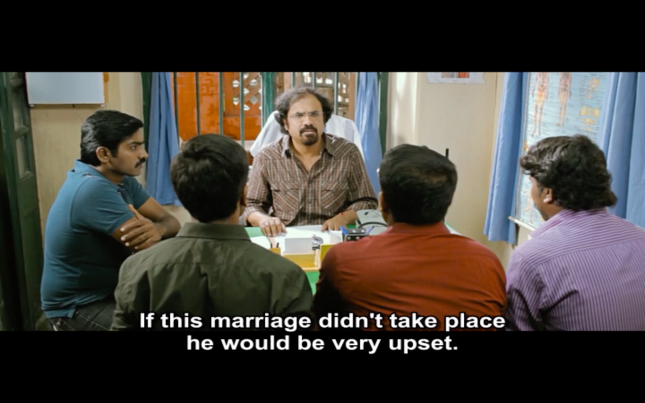
Because it’s a love marriage and the parents don’t approve, Bugs, Saras and Balaji spend the next few days doing absolutely everything they can to make sure no-one finds out and stops the wedding. They take Prem to a doctor who tells them that Prem could regain his memory at any time, or could potentially never remember, which means that they are continually on tenderhooks, waiting for that moment when Prem finally regains his memory. But instead, he just keeps going back to the moment when he falls and hits his head.

The friends are absolutely sure that Prem will be devastated if the wedding doesn’t take place, which seems a strange motivation for the extremes they go to, which even includes Saras jeopardising his own potential romance. But at the very end, there are stills of the actual wedding that the story is based upon, and by that stage it really does all make sense.

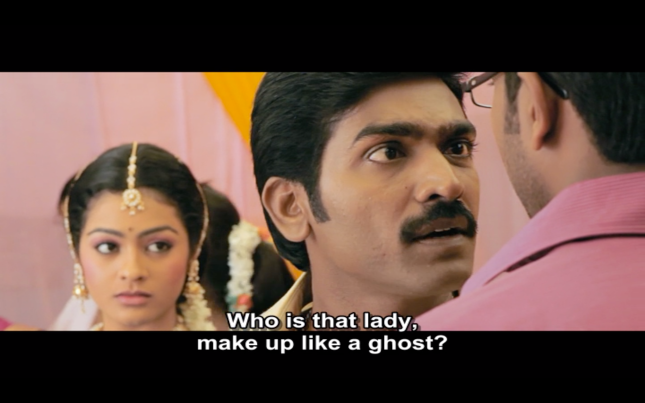
Vijay Sethupathi is simply amazing here, and brilliantly shows his internal confusion as he tries to work out what is going on, before losing the struggle and going back to the moment when he fell. His facial expressions are perfect, and I don’t know how he managed to keep repeating the same dialogue over and over again without cracking up laughing. The moment when he sees his bride and thinks she looks dreadful in all her makeup is sad and funny all at the same time. The writing is so well done that it’s possible to really feel for Dhanalaksmi and understand her hurt at Prem’s reaction, while still finding Prem’s comments hilariously funny.

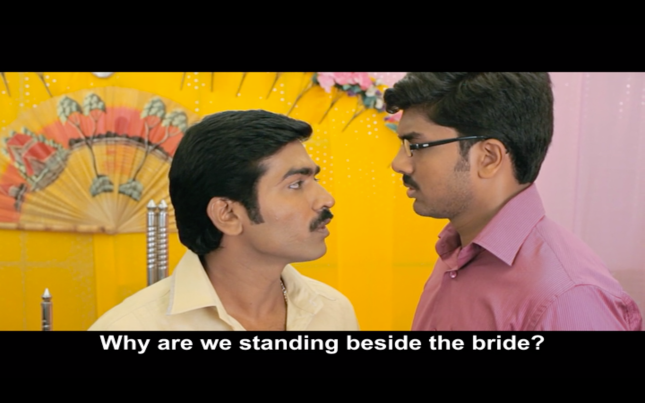
Gayathrie doesn’t have very much to do, except stand beside Prem during the wedding, but she is such a talented actress, that even with little dialogue she gets across Dhanalaksmi’s love for Prem and also her despair at his attitude on her wedding day. The friends all have their own personalities, but it’s Vigneshwaran Palanisamy as Sara who really stands out as being the driving force behind the various schemes to shield Prem.

This is simply inspired and a very funny story which has been put together very well. The entire film only covers three days, a cricket match and a wedding, but despite being a little slow to start, once Prem loses his memory, there is a lot to enjoy. There are so many jokes, both visual and in the dialogue, but through it all, it’s Vijay Sethupathi who really stands out as a terrific performer. There is some real tension because the outcome of the wedding, Prem’s future and even his relationship with his friends is always in doubt, right p to the end. This is just a fun film and I recommend it to anyone who needs something to make them smile. 4 stars.