Autonagar Surya

Autonagar Surya

Deva Katta’s Autonagar Surya doesn’t seem to know quite what it wants to be and as a result ends up as a disappointing muddle.  There are elements of a message film with the ‘one man against the system’ storyline, but at the same time the film attempts a broader social commentary while following a standard mass entertainer formula – including the obligatory romance and fight scenes.   There is little of the subtlety Deva Katta brought to Prasthanam and the additions of Brahmi and Venu Madhav with a woeful comedy track certainly don’t help.  After watching the more recent Manam, where Chaitanya displayed improved acting maturity, it’s disappointing to watch his uneven performance here, particularly since the film focuses heavily on his character. In fact the best performances come from the support cast, including Surya’s group of friends and the assorted thugs and villains, but despite their best efforts they’re not enough to make Autonagar Surya more than a one time watch.
Autonagar Surya

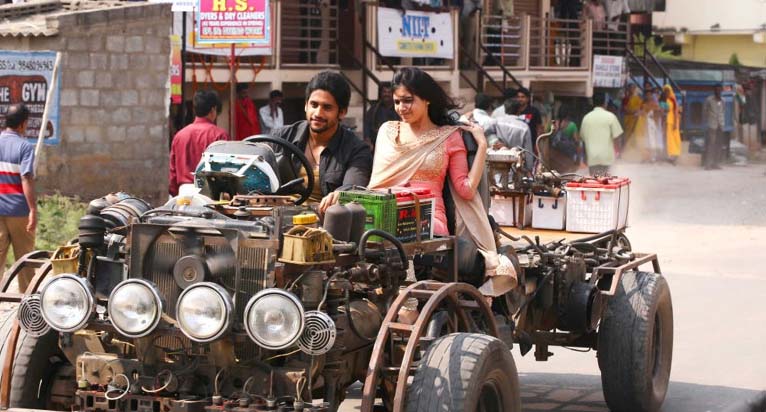
The film starts off well enough – if a little on the violent side.  After an initial parade and explosion, where Chaitanya’s Surya is blasted into the sky like a cheap rocket, there is a flashback to explain who he is and how he got to be a human firework.  The young Surya is orphaned when an obnoxious thug detrains his parents when they try to intervene in a rape.  Surya ends up being brought up by his uncle (Sai Kumar) who has little time for the orphan as he thoroughly disapproved of his parent’s marriage, and Surya moves in with the auto mechanic opposite.  Cut to a few years later where Surya has grown up to develop an interest in all things mechanical and demonstrates an accompanying bad fashion sense.  Although to be fair, so do his friends too.  So far so good then, until he gets on the wrong side of the local union boss and ends up in jail for murder.

Autonagar SuryaAutonagar SuryaAutonagar Surya


This turns out to have been a blessing in disguise, since while in jail Surya manages to study for a degree in engineering.  On his release, after a seemingly short time (5 years for murder?), he pressures his friends into helping him build a battery powered car.  However the union is still in power and worse still, his uncle is now the elected president and still has no time for his nephew (not his niece as suggested by the subtitles!).  However Surya has the hope of the downtrodden and a powerful vocabulary on his side.  With the help of his friends he decides to tackle the union thugs, but despite all his speechifying and rhetoric he basically employs their dubious tactics of fighting, kidnap and intimidation to achieve his aims.

Autonagar SuryaAutonagar Surya


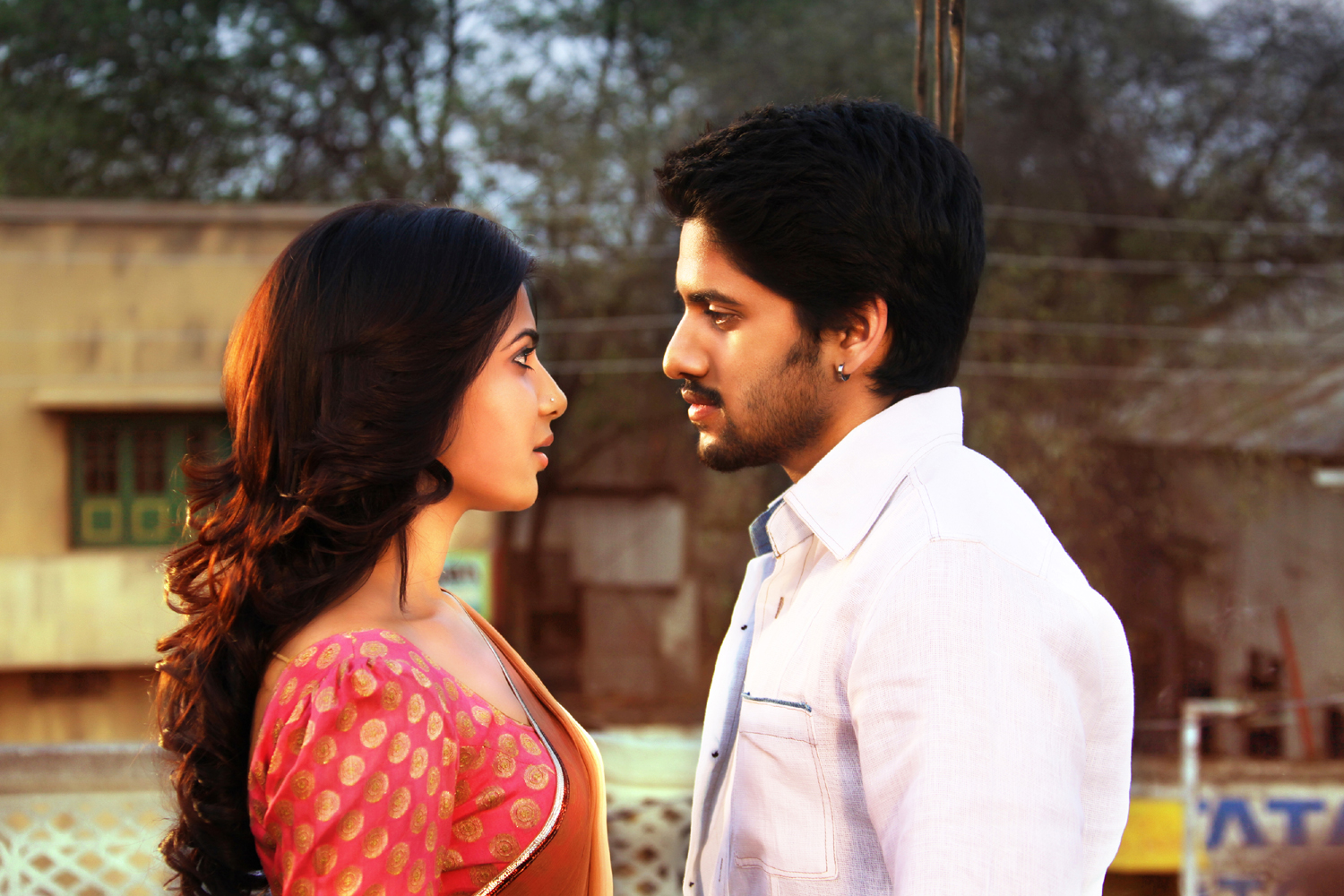
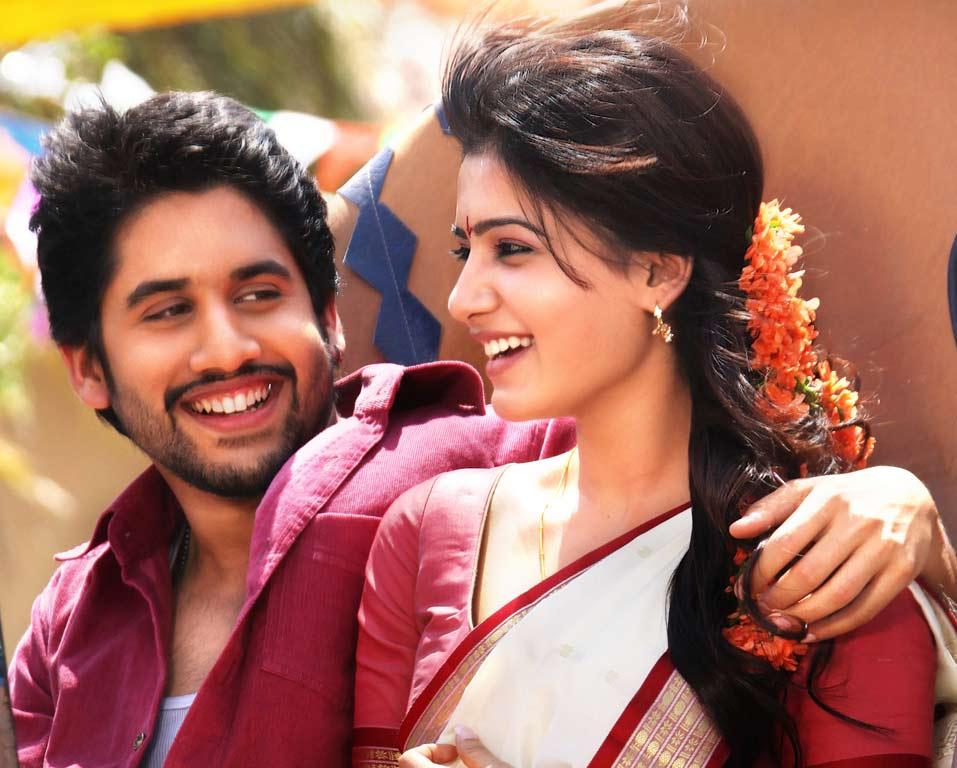
Sticking to the formula, there is a romance between Surya and his uncle’s daughter Siri (Samantha).  Samantha looks beautiful and has a couple of good scenes where she gets to explore her comedic side, but mostly she has frustratingly little to do. The love story is really only an excuse for a couple of forgettable songs with dull choreography and is dealt the death knell by a distinct lack of chemistry between Chaitanya and Samantha.  They seem to be more like best mates rather than lovers, and that probably would have made a more believable storyline too.
Autonagar SuryaAutonagar Surya

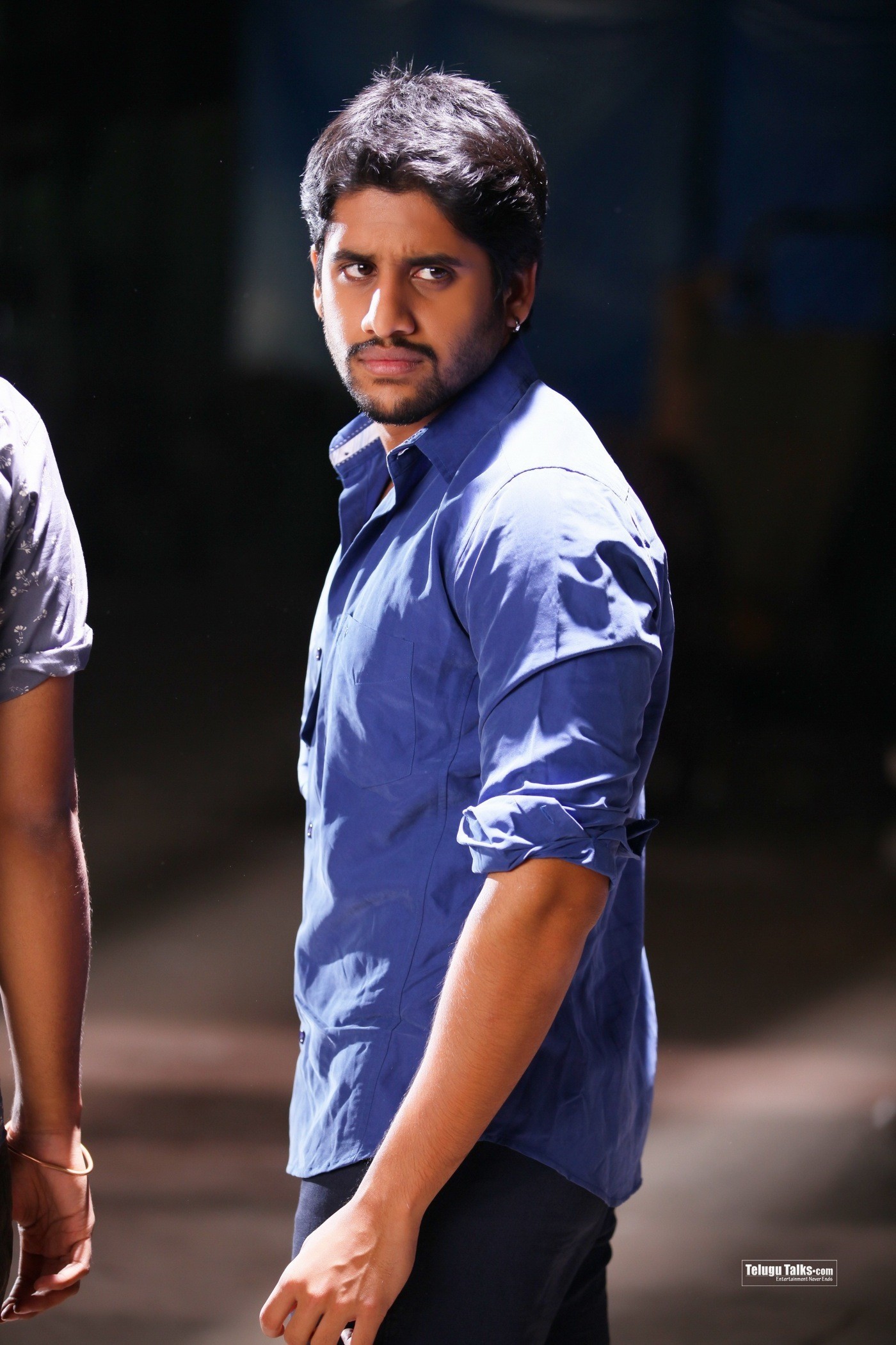
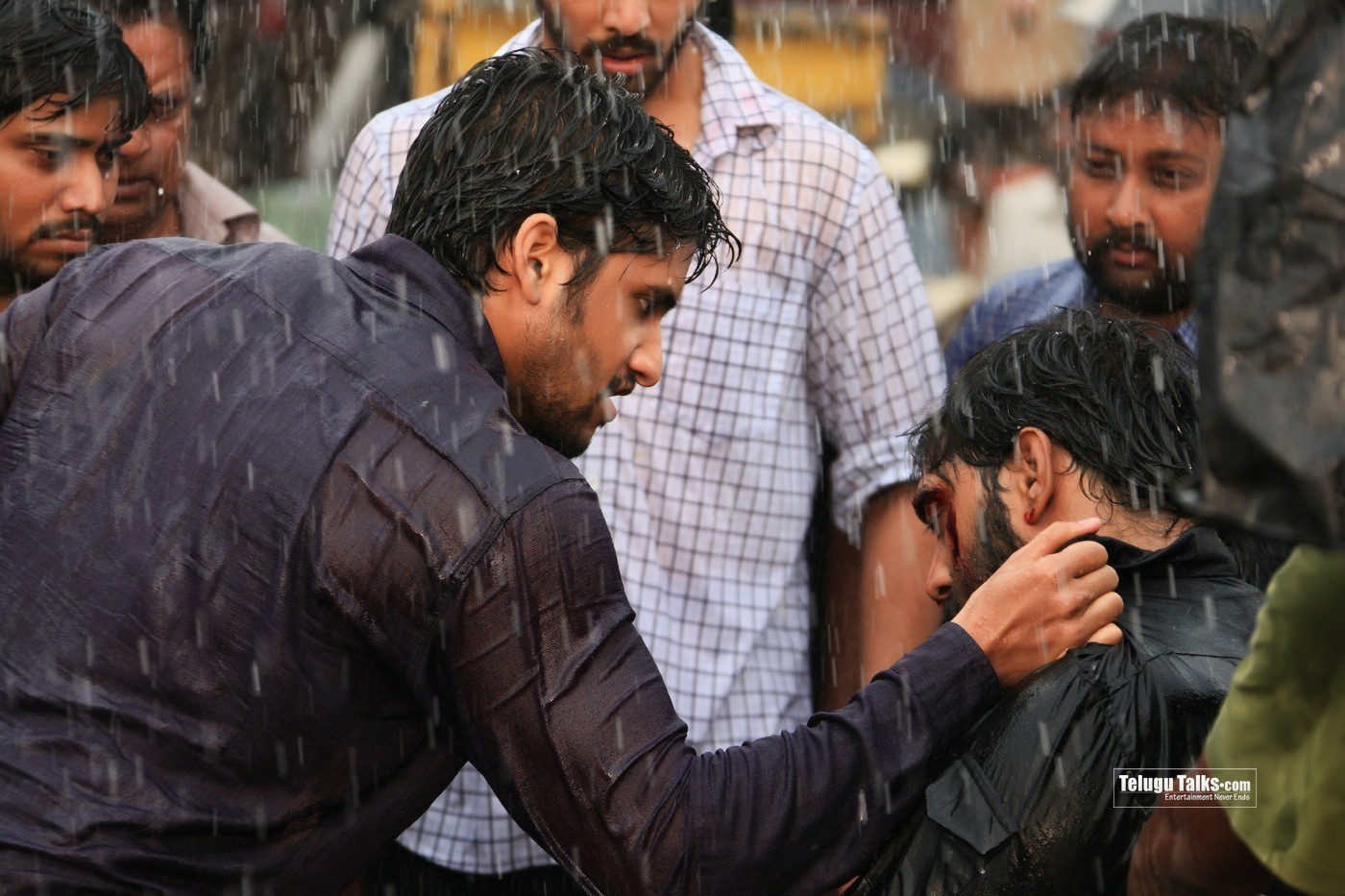
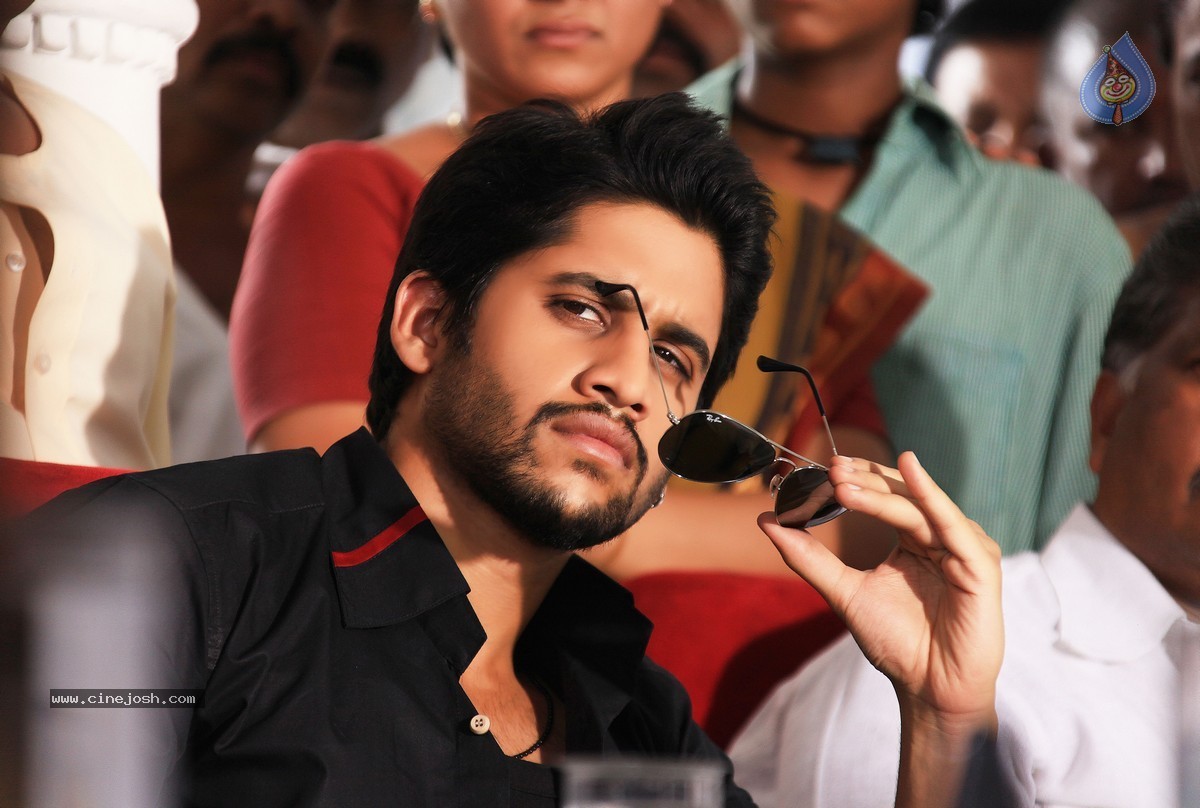
There are many fight scenes, particularly in the second half, which tend to be on the grisly side with plenty of spouting blood and the odd limb or two flying around.  The graphic fights seem to be at odds with Surya’s more intellectual dialogue relating to the human condition and it just doesn’t add up that such a technical and generally rational genius should also be a competent and vicious fighter. Chaitanya also doesn’t quite look the part, as he seems too young, and just not angry enough to be the classic ‘angry young man’ that I think Deva Katta wants to portray. Generally there is an overall lack of passion which makes Surya’s revolutionary speeches and rabble rousing dialogues fall somewhat flat.  It’s so frustrating when Naga Chaitanya has demonstrated that he can be much better than this.  At least the union thugs all know exactly what they are doing and why, so the various atrocities carried out by the gang fit more easily into the mass formula.  Ajay is particularly effective as one of the main villains, and it’s good to see him in a more protracted role.  Jayaprakash Reddy is a little too subdued, but is otherwise fine and Madhu impresses as an exceptionally evil mayor.
Autonagar Surya

While the first half shows some interesting potential, the second half drags and shows Surya to be just as vindictive and violent as the thugs he is trying to replace.  The good ideas introduced at the beginning seem to be submerged beneath repetitive fights, numerous references to RGV’s Shiva, and oddly placed songs.  Maybe I expected too much from Deva Katta after Prasthanam, but Autonagar Surya doesn’t come close to his previous film, despite the good ideas at the start.  Overall Autonagar Surya is disappointing on many levels, although does warrant a look for the excellent support cast and some impressive sets.
Bawarchi

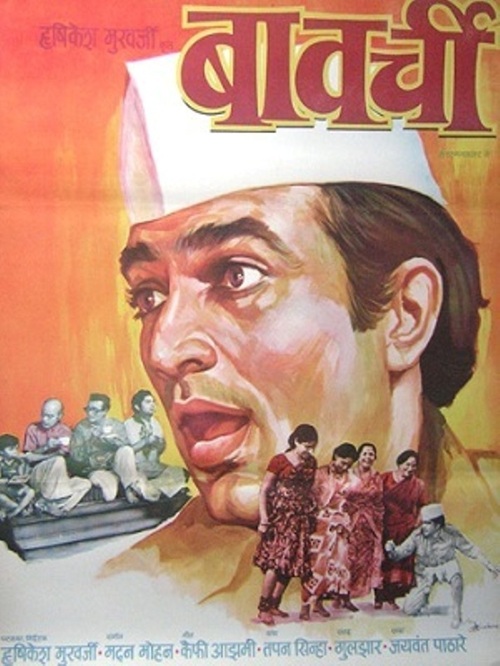
BawarchiBawarchi is simply a charming film and one that always makes me smile, even though it’s heavy on moralistic aphorisms and homely words of wisdom. Rajesh Khanna plays the cook who takes on the task of transforming a dysfunctional and argumentative family with his simple outlook on life; although there are numerous hints throughout that he may not be quite what he seems. The strengths of the film are the all-star cast who all fit into their roles perfectly and Gulzar’s well written dialogues that ensure the petty family disagreements are realistic and believable. Hrishikesh Mukherjee’s screenplay is based on Tapan Sinha’s 1966 Bengali film Galpa Holeo Satyi and Sinha is credited as the writer for Bawarchi. For anyone trying to track them down, both films are available on Youtube, although sadly the original Bengali film seems to only be available without subtitles.
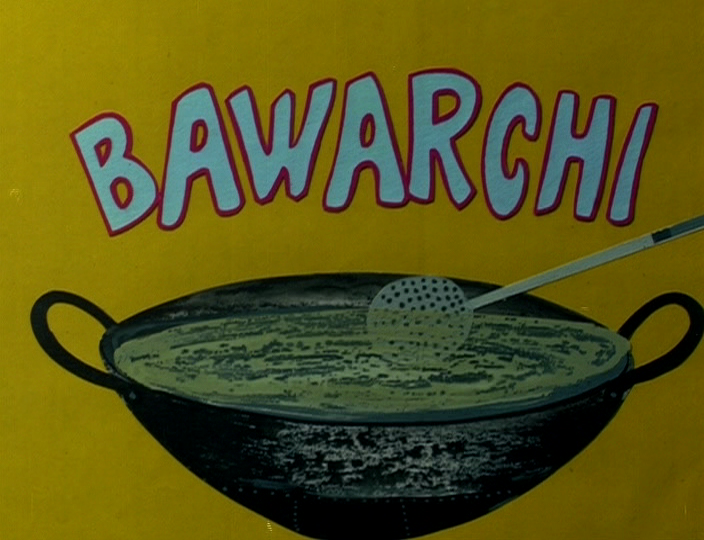
The story revolves around the household’s transformation from an unhappy and argumentative group of people to a caring and considerate family. Along the way there are songs, a dance competition and even a romance thrown in for good measure. I love the opening graphics which use the cooking theme to good effect, but there are only a few before Amitabh Bachchan takes over, announcing the credits against a rather oddly static red curtain, and carries on with a voice-over introducing the various characters in the drama. Firstly there are the fractious Sharma family members who live in the ironically named Shanti Niwas.

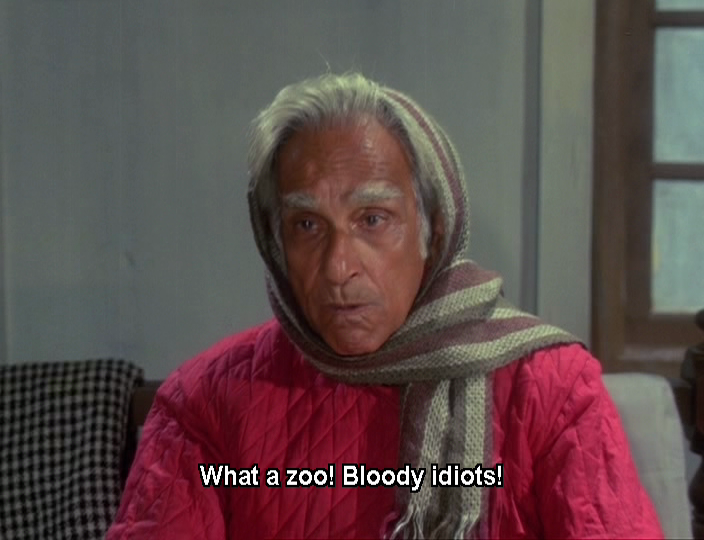
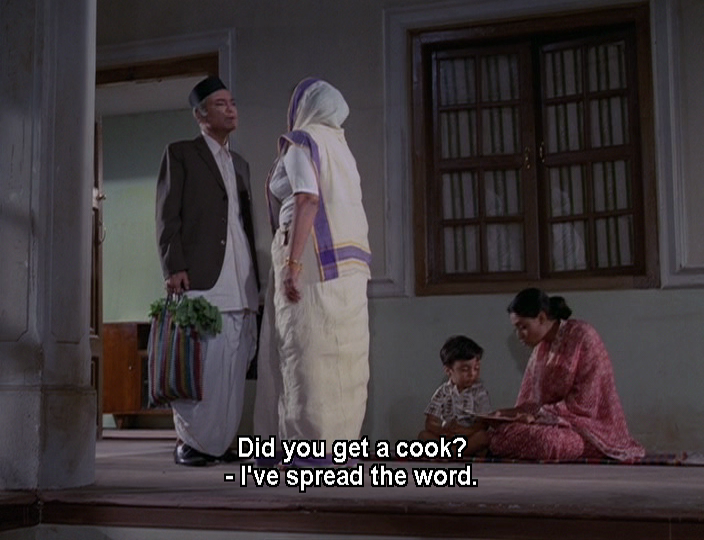
BawarchiBawarchiThe never-ending conflict in the house means that the family cannot keep their servants, which in turn leads to further discord and argument. As the story opens the family are in the process of losing their last servant – the family cook – who has decided to move on despite his new job paying less. The family is ruled by the ageing patriarch Shivnath Sharma (Harindranath Chattopadhyay) who complains about his sons, his daughters-in-law and the lack of a decent cup of tea in the morning.

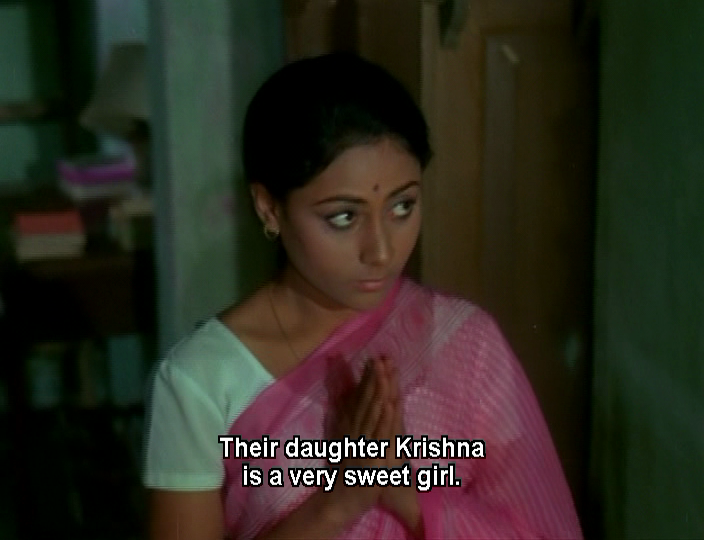
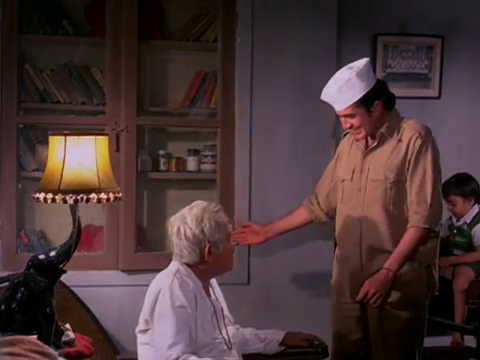
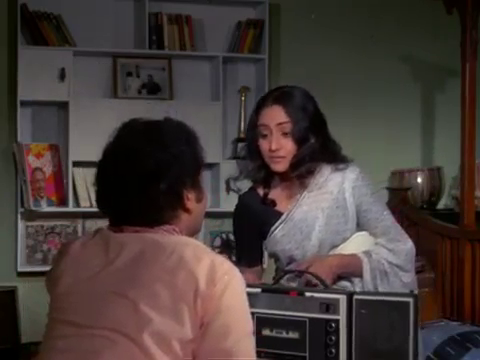
BawarchiBawarchiDespite his grumpy demeanour he is the only person in the house to think about the welfare of his late second son’s orphaned daughter Krishna (Jaya Bachchan as Jaya Badhuri). Harindranath Chattopadhyay is perfect here and his complaints are used to good effect to illustrate the trivial nature of most of the family disagreements. Krishna is at everyone’s beck and call, and yet she has a pleasant and sunny disposition which leads her to wait on everyone with a smile and not much thought of her own comfort. Just as well perhaps since no-one else thinks about her comfort at all.

BawarchiBawarchiAlso in the house are Shivnath’s eldest son Ramnath (A.K. Hangal), his wife Seeta (Durga Khote) and their daughter Meera (Mansiha). Ramnath is a harried clerk whose family life is impacting on his work. To combat his woes and possibly also to help him deal with his complaining wife and daughter he also drinks, although this actually makes him more pleasant to deal with, so perhaps it’s not entirely a bad thing. Seeta complains of her gout which makes her unable to help with the various household chores, while Meera is just plain lazy although she does get out of bed for her dance lessons.
BawarchiBawarchiShivnath’s third son Kashinath (Kali Banerjee) is a rather pompous school-teacher who lives in the house along with his wife Shobha (Usha Kiran) and their son Pintoo (Master Raju).
The last member of the family is Shivanth’s youngest son Vishwanath (Asrani) aka Babbu, a music director for films who, as Krishna so aptly puts it, copies English songs, adds Hindi lyrics and records them. It’s just one of the examples of tongue-in-cheek poking fun at the Hindi film industry which Hrishikesh uses to add some more gentle comedy, almost as if he’s letting the audience into a big filmi secret, even as he himself still sticks to type of BW conventions he mocks during the film.

BawarchiBawarchiBawarchi - ShobaBawarchiThe final two characters in the drama are Meera’s dance teacher Guruji (Paintal) and Krishna’s tutor Arun. Arun is Krishna’s love interest but their romance is only a small part of the story, although it does become more important towards the rather clunky end of the film.
The family squabbles are based on their own selfishness, and none of them wants to take on the responsibility of looking for new servants. Into this unhappy household steps Raghu (Rajesh Khanna) who just appears on the doorstep one day volunteering to be their new cook.

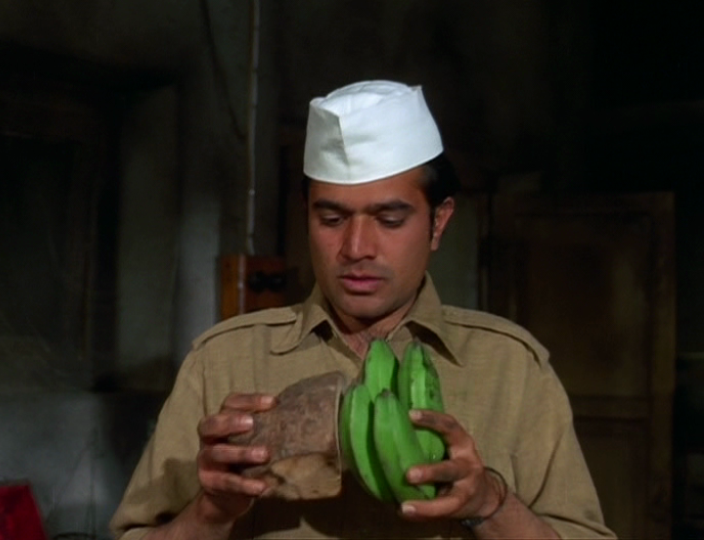
BawarchiBawarchiBawarchiBawarchiRaghu seems to be the answer to everyone’s prayers as he insists in a low salary, cooks amazing food and also has talents as a philosopher, singer, composer, and dance instructor to name but a few. Raghu seems to be a gift from the gods as his unfailing happiness and good cheer start to have an impact on the family, as does his willingness to tackle even the most demeaning of tasks.  This is a man who does the ironing – nothing else needs to be said!
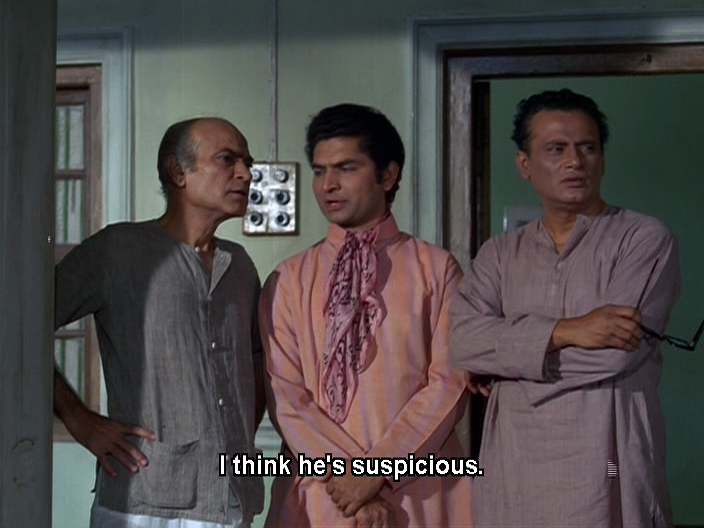
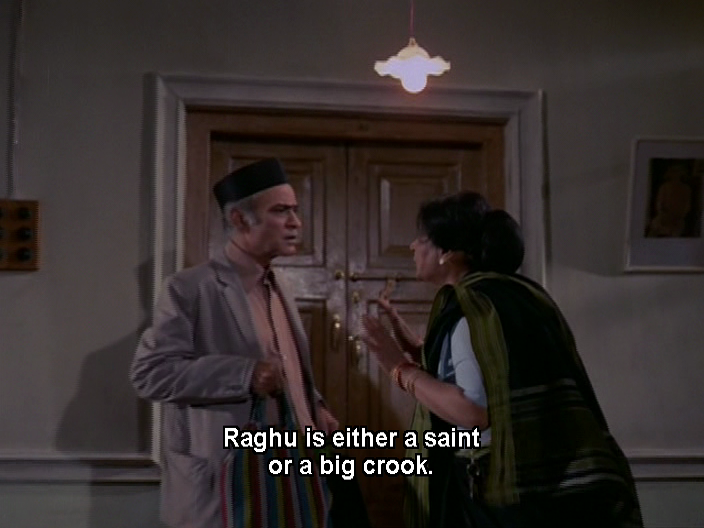
Raghu does however seem to have an unhealthy interest in the large box chained under Shivnath’s bed.This happens to contain the family jewels, and added in to reports of a thief in the area makes Raghu’s sudden arrival more than a little suspicious. However his ability to cook and his constant stream of knowledge about anything and everything soon make him indispensable to the family.

Bawarchi - happy songsBawarchiBawarchiBawarchiRajesh Khanna plays Raghu as a cheerful and somewhat bossy servant and he uses this relaxed outspokenness to stop the stream of advice from becoming too preachy. Despite his constant chirpiness Rahgu never seems too sickly sweet to be true, something which is helped by the suspicion that he may in fact be a thief and is simply putting on an act. Most of the films I’ve seen with Rajesh Khanna have been romances, but there is something very special about those few films where he doesn’t play the typical hero. Here he has an irrepressible twinkle in his eye and such a beautiful smile as he guides the family to an actual ‘peaceful abode’. It’s a wonderful performance and Rajesh Khanna is definitely a large part of why I love this film.

Just as amazing though is Jaya Bhaduri as she portrays shy innocence and naiveté with ease, and yet makes Krishna a normal down-to-earth person, trying to do her best with the lot she has been given. She’s sweet and natural with her grandfather, properly demure and respectful to her aunts but cheekily mischievous with her youngest uncle.  It’s hard to believe that this was one of the early films in her career as she definitely holds her own with the rest of the more experienced cast.

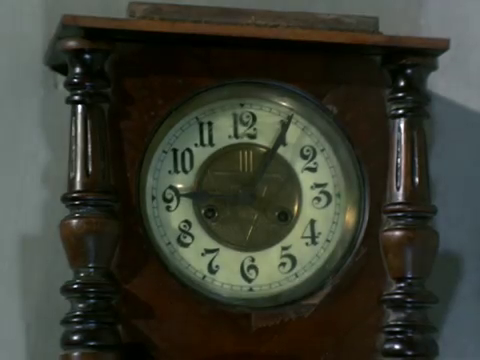
I also love the sets here which make the house look homely and lived in.  The locked case is impressive in it’s ‘look at me – I contain something valuable’ obviousness but there are also some wonderful lamps and clocks and Babbu has some very cool looking records on his shelf.

Bawarchi - the caseBawarchi - clockBawarchi - lampBawarchiThe only let-down in the film for me is the end, which seems a little too contrived as Raghu creates a rather unsophisticated solution to the final family problems. I feel it’s a little too simplistic considering some of the earlier scenes and the way Raghu’s character has evolved. However it’s a small quibble, particularly when the rest of the film is so enjoyable.  Bawarchi is definitely recommended for those times when you want to escape into a wholesome family drama that’s guaranteed to make you smile. 4 stars.


Engeyum Eppothum

Engeyum Eppothum

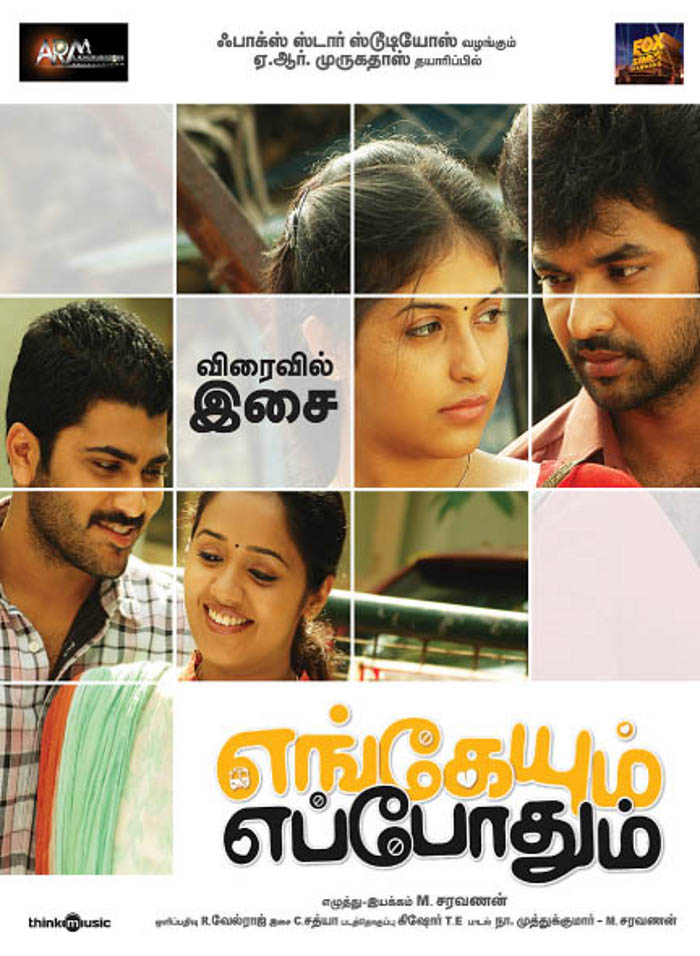
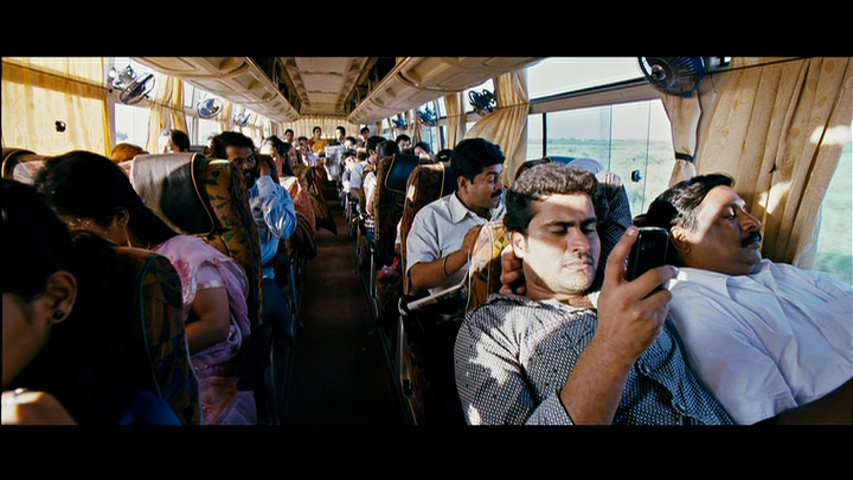
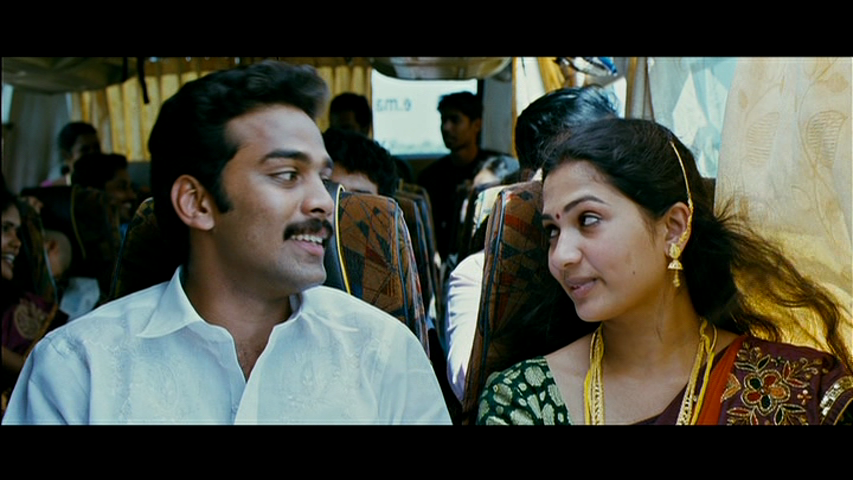
Engeyum Eppothum starts with a fairly gruesome bus crash, so it’s clear straight away that there isn’t going to be a happy ending – particularly since the rest of the film is a flashback of events leading up to the fatal accident.  However the journey to get there is just as important, and on the way to the death and mayhem there are a couple of enjoyable love stories that make you wish that there was actually going to be a happy ending.  One of the stories is set in Trichy, and it always makes me happy to see the city on screen, especially when they seem to have filmed in a number of places I recognise.  It’s the same with the bus station in Chennai, which also looks very familiar, and the whole film brings back memories of travelling by bus in India – although thankfully without the horror ending. One of the buses is a private bus running from Chennai to Trichy, while the other is a government bus travelling in the other direction, and the four main leads are passengers on one or other of the two.  Flashbacks introduce the four and tell their story in the lead up to the accident.

Engeyum EppothumEngeyum EppothumEngeyum EppothumEngeyum Eppothum

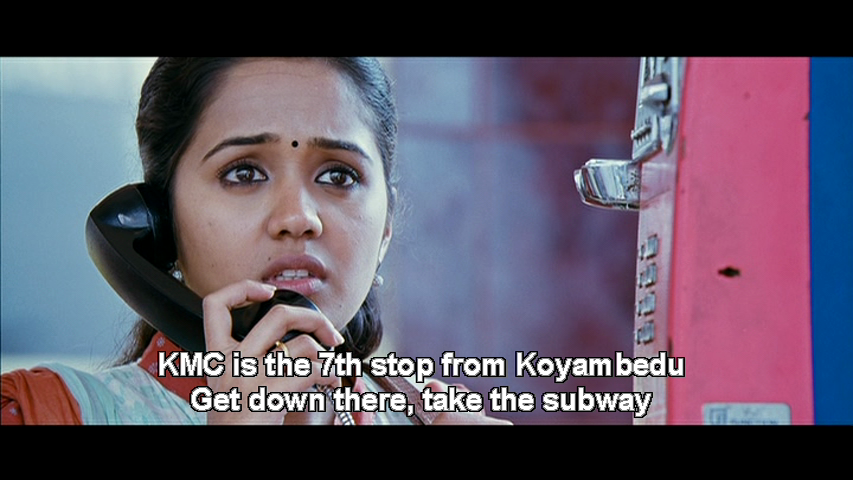
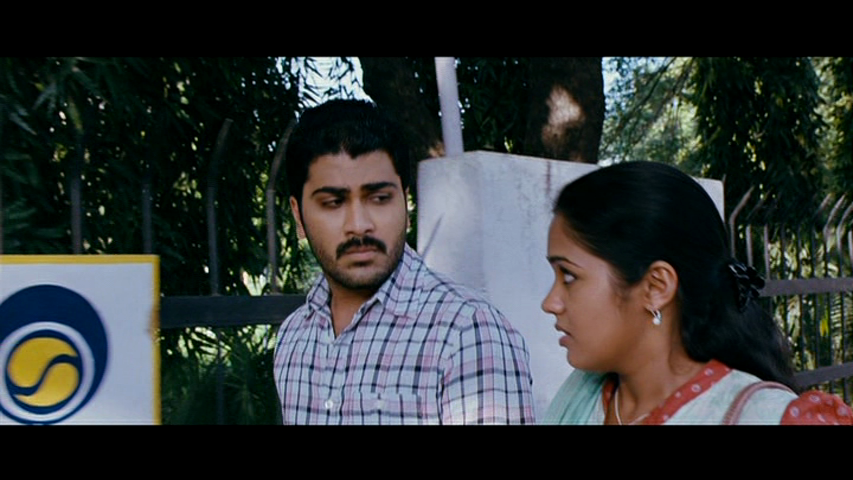
Amudha (Ananya) arrives in Chennai for a job interview, but is completely at a loss when her sister fails to pick her up due to a family emergency.  Luckily for her though, Gautham (Sharwanand) just happens to be dropping a friend at the bus station and Amudha manages to persuade him to show her to the bus stop.  She’s so totally lost in the city that despite her suspicions of him, Gautham ends up spending the whole day taking her to her interview, waiting for her and then taking her to her sister’s house.

Engeyum EppothumEngeyum Eppothum

Ananya plays the mistrustful girl from the country flawlessly here which is mainly why this love story feels so real.  Her mannerisms, and the way she relies on her sister’s instructions rather than believe Gautham when he tells her it is time to get off the bus are perfect ‘small town girl in the big city’ behaviours which I recognise from my own move from the country.  Her reaction when she sees girls in tight Western clothes is just perfect, as is the way she behaves in a restaurant when Gautham finally manages to persuade her that he is really quite harmless.  Her character is very well written to show the awe and trepidation of being somewhere where everything is unfamiliar, and Ananya does a fantastic job of portraying all that angst along with the wonder and amazement.

Engeyum EppothumEngeyum Eppothum

Sharwanand seems very wooden and unemotional in contrast, and while that does work to some extent for his character, there is very little emotion, and nothing to suggest that he would go to Trichy to look for Amudha later.  There really needed to be more open engagement with Amudha and at least some reaction to her character which doesn’t occur until near the end of the film when it is all a bit too late.

Engeyum Eppothum

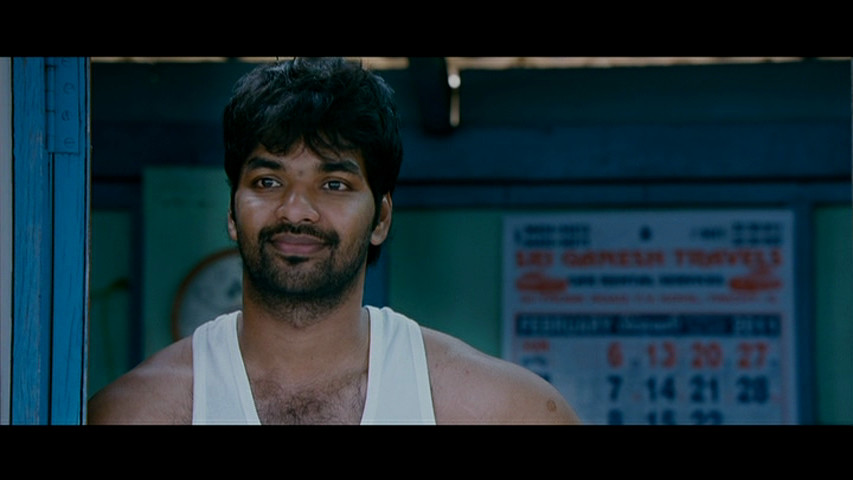
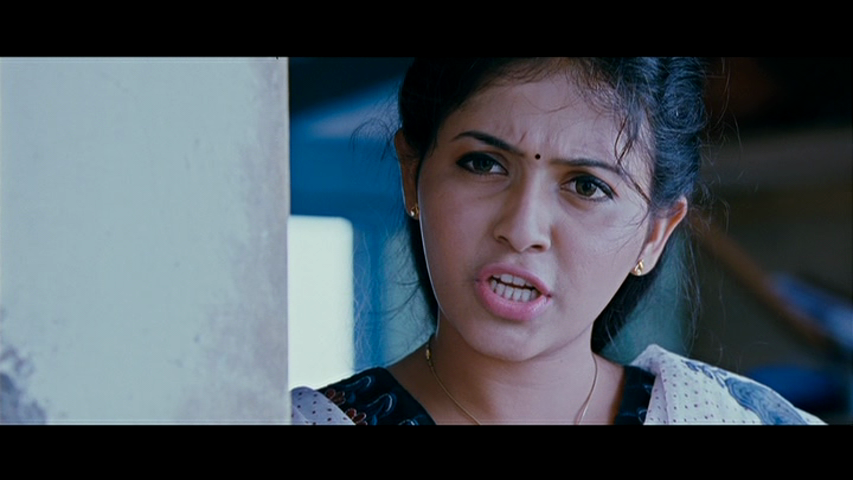
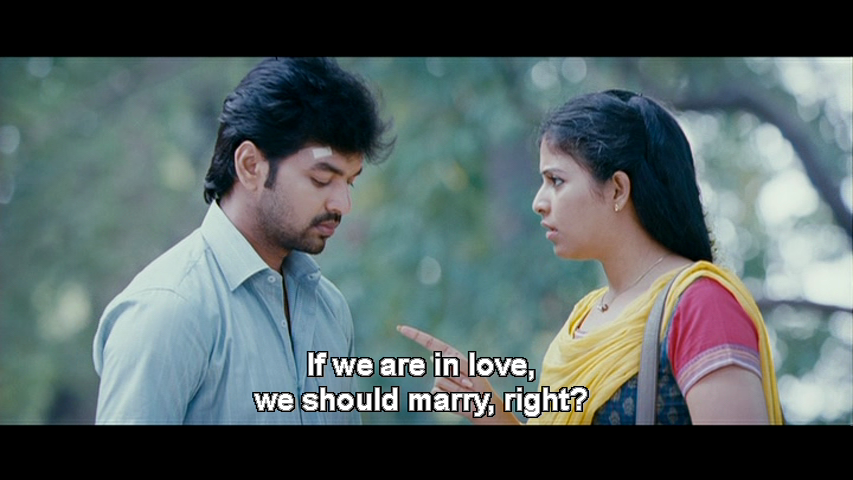
Engeyum EppothumThe second romance is set in Trichy where Kathiresan (Jai) watches Manimegalai (Anjali) every morning as she gets ready for work.  I love that this takes place in the back streets behind the Rock Fort Temple and that they meet in Mukkambu Park (both places that I know very well), which makes their romance seem that little bit more real to me.  Kathiresan has a good job, but is also from the country and is rather shy.  Rather than approach Manimegalai, he is content to watch her from a distance and co-ordinate his shirt colour to whatever she happens to be wearing that day.  This is a little known but obviously effective form of courtship, since Manimegalai does indeed notice his wardrobe choices.

Manimegalai doesn’t have the same reticence problem at all.  She is forthright and downright bossy, forcing Jai to skip work to meet her, sign up for organ donation and confront her previous suitor.  Naturally she’s a nurse.  Their story the best part of the film and Anjali steals the show with admirable support from Jai.  He is perfect as the quiet young man, completely swept away by Manimegalai and totally out of his depth.  And yet he still adores her and that comes across plainly in Jai’s body language and facial expressions.

Engeyum EppothumEngeyum EppothumEngeyum EppothumEngeyum Eppothum

It’s a fantastic performance but he is still upstaged by Anjali.  She is superb, from her initial domineering persona to the ruthlessly efficient nurse who manages to keep it all together in the aftermath of the crash.  It gives her final breakdown more impact too, and suddenly Kathiresan’s devotion makes perfect sense.  Throughout the romance both Jai and Anjali have good chemistry together, and as their love story develops their characters also acquire depth and back-story which also makes their relationship more convincing.

Engeyum EppothumEngeyum EppothumEngeyum EppothumEngeyum Eppothum

Woven through the film are small vignettes about other passengers on the bus which, while emphasising the point that every stranger has a story to tell, do make the film seem more of a road safety video.  Still, the developing romance between two students and the various other interactions between the passengers help round out the film and make the final scenes more engaging.  The bus crash is unnecessarily graphic with severed limbs and gore in abundance, none of which really adds any more to the story.  The crash alone would have been catastrophic enough and director M. Sarvanan does drive home the road safety message with a very big hammer.

Thankfully, with much of the subject matter being the accident, there are no big song and dance numbers and most of C. Sathya’s music is used to move the story forward with montages of the two couples.  The film title translates to Anytime, Anywhere and seems to relate to both romance and tragedy – you can meet your soul mate where and when you least expect to, and disaster can strike in exactly the same way.  As such, the film plays on the very normality of every scene, any of which could happen to anyone at any moment and the characters are all very normal, everyday people.  It’s a simple story and yet insightful, and one that resonates with anyone who has ever sat on public transport and wondered about the stories of their fellow passengers.  4 stars.