
Dhilip Kumar’s interpretation of the 2015 Malayalam film Charlie takes the main characters and gives them both more maturity and more of a backstory. While this makes the film more grounded than Charlie, it does remove a lot of the fantasy feel and while on one hand that makes for a more complete drama, I still missed the magic. Maara has a sharper story, with more believable characters and a neater ending. But without the fairy tale element, the story is more pedestrian, the focus has shifted more towards the searches for certain characters and much of the charm is lost. However, Maara looks just as stunning as Charlie, with excellent cinematography from Dinesh Krishnan and Karthik Muthukumar, while Ghibran’s music is beautiful and suits the film perfectly. With a more mature plot and some excellent performances from the support cast, Maara is more than a remake and definitely worth watching, even if you have already seen the original.


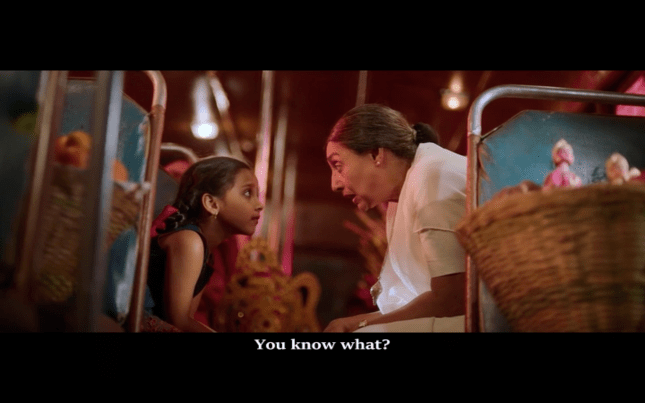
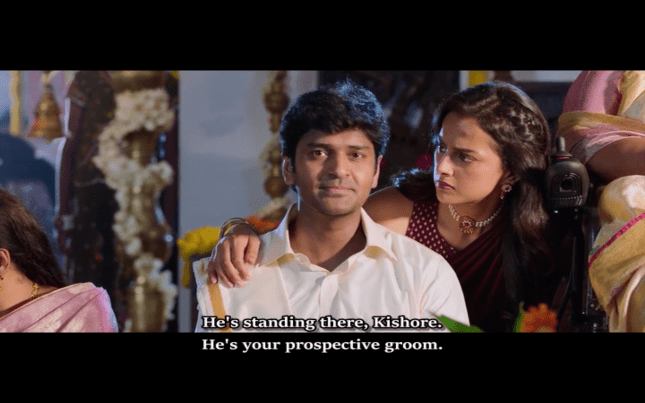
The film begins with a young Paaru hearing a story from a kindly fellow traveller while on a bus. Fast forward a few years and Paaru (Shraddha Srinath) is attending a family engagement where pressure is brought on her to finalise her own wedding plans. Refusing to be drawn into a relationship where her heart is not engaged, Paaru escapes to Kerala and finds a place to stay in a small coastal town.


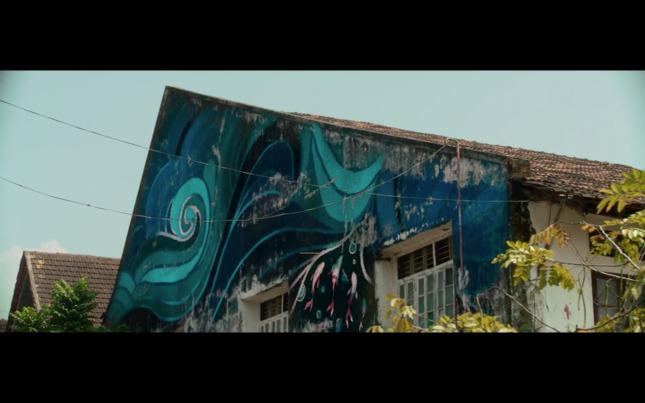
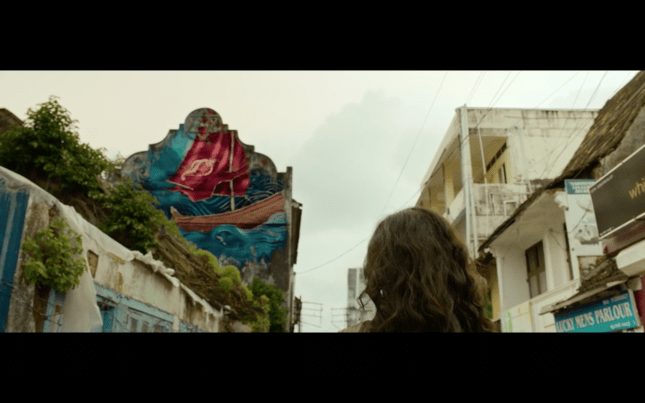
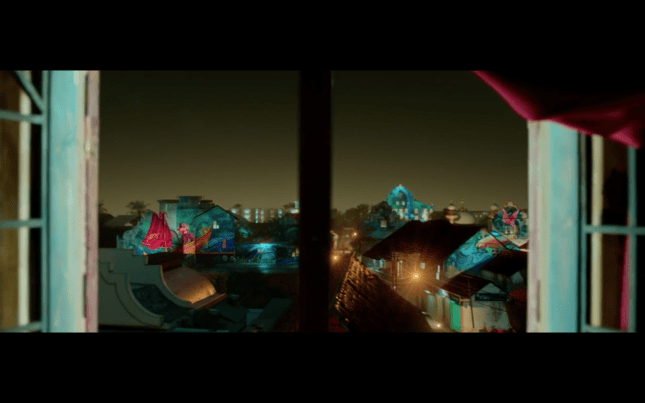
The apartment has previously been the living space for the elusive Maara (Madhavan) who has left his mark on the town by painting large murals on every available space. The paintings echo the story Paaru heard as a child and she is at once intrigued as no-one else has ever shown any knowledge of the story at all.


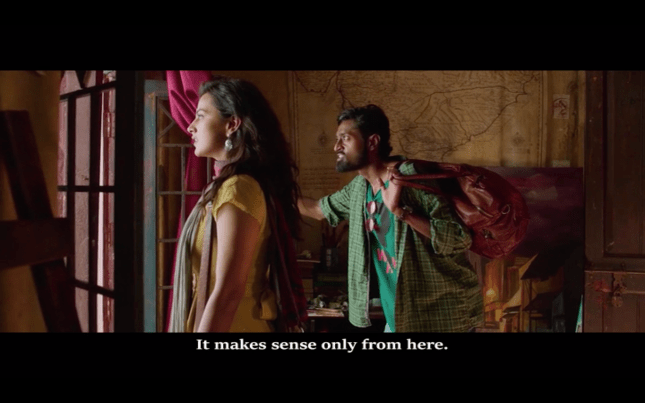

Maara tends to flit in and out of the town, helping those in need including a prostitute Selvi (Abhirami) and her daughter Rani (Nakshathra Prashant). Paaru finds a comic book which details Maara’s night out with a thief and is impelled to find out what happened after the story stops at a dramatic point in the tale. As she becomes more obsessed with finding Maara she also finds more mysteries which she uses as a means of avoiding her own problems with her family. Where Maara differs from the original is that we are shown more of his side of the story. The film shows Maara as a child and how he befriends Vellaiya (Moulee) and starts to turn his own nomadic existence into a search for Vella’s lost love Meenakshi. As she searches for Maara, Paaru meets the people who have impacted his life, the thief (Alexander Babu), the fisherman Chokku (Guru Somasundaram) and Doctor Kani (Sshivada), finally finding Vellaiya and the story of his lost love.

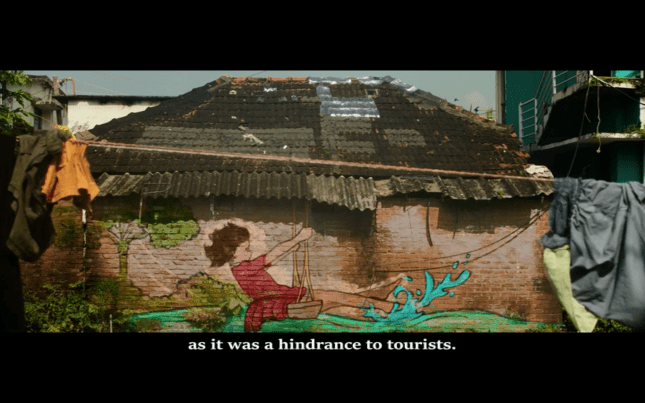
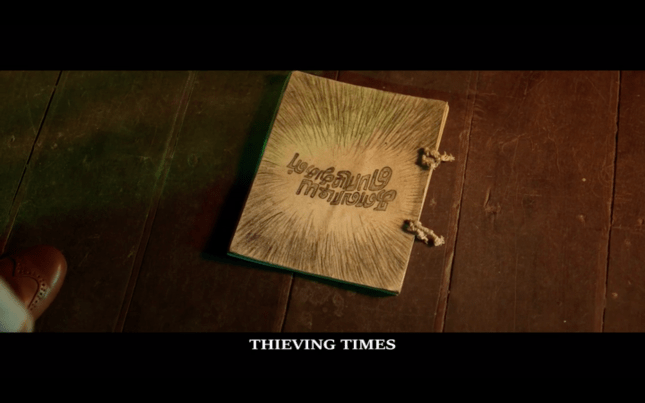




The story of Maara is more of a search for Meenakshi rather than a voyage of self-discovery for Paaru. While all the same elements from the original film appear, they are tied more neatly into the background story, and Paaru’s own issues fade into the background as a result. Shraddha’s Paaru is also more sensible and grounded than Parvathy’s Tessa which ultimately makes her a less interesting character, despite Shraddha’s impressive acting chops. Madhavan’s Maara is also less interesting than Charlie for much the same reasons. Despite having plenty of charm, there isn’t the same unpredictability or zaniness that characterised Dulquer Salman’s Charlie. It makes the film seem smaller, less worldly and more a standard drama than an epic love story.


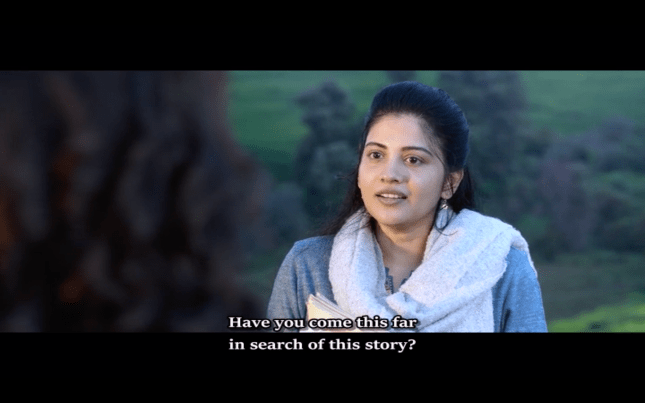
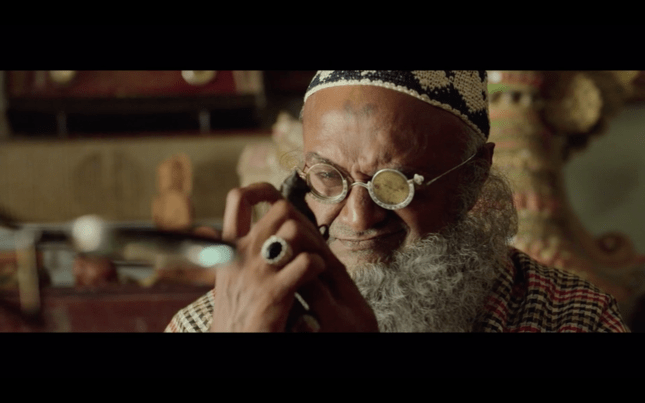

I do think that Maara suffers when compared to Charlie. When considered as a stand-alone film, it’s good and engaging. There are interesting characters, great performances from Shraddha, Madhavan, Moulee and the supporting cast and the story is well told. The murals are gorgeous and add colour and life to proceedings, while the scenery is captured in amazing detail throughout. The social commentary is still there and is probably more carefully developed in Maara, making more of an impact in the end. However, there is little chemistry between Paaru and the elusive Maara and at times the film seems in danger of drifting rather too much. Paaru is simply a way to follow the steps to find Maara and therefore Vellaiya, and we don’t get much insight into why she is so fiercely independent. Like some of the scenes, she too seems to be drifting rather than firmly taking control of her life. I wanted to see more of her thoughts rather than seeing her character simply through her search for Maara.
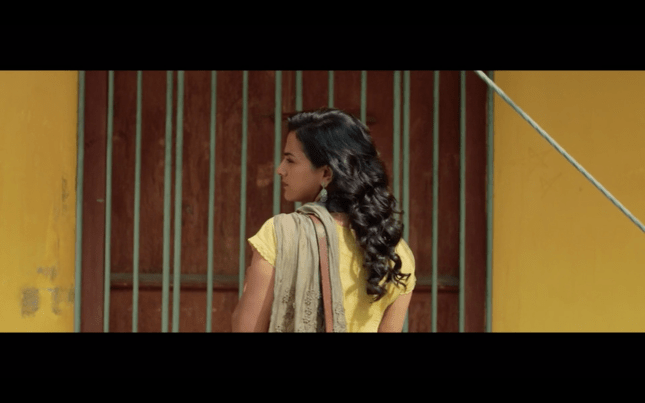


For me, Madhavan seems a tad too hearty and solid to be an itinerant painter. Maara is less whimsical than his Malayalam counterpart and I found that this gave the character a completely different vibe that didn’t quite gel with parts of the story. Maara is more responsible. He’s less outraged and more resigned. Knowing more of his background story makes him a less elusive and mystical character and the story doesn’t soar but instead, like the bus and train that Paaru and Maara use to travel at the start, merely journeys along to the final destination. It’s still a good story and an engaging film but I did miss the fairy tale element here. I did enjoy the music and the sumptuous colour palate used throughout the film. Great subtitles from rekhs make it easy to follow the story and the animation at the start is some of the best I’ve seen. There is certainly much to enjoy here and despite my quibbles above, I did still love the film.


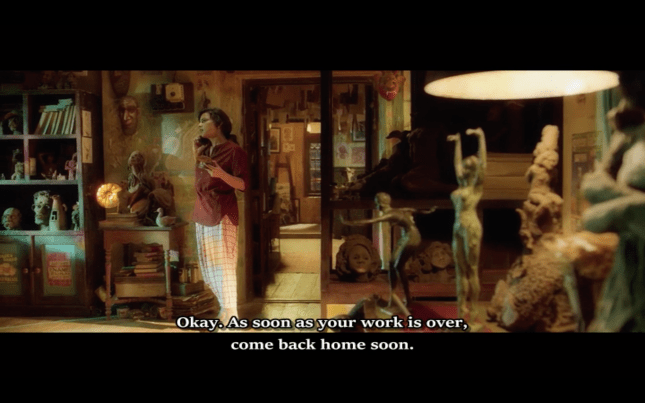
Overall, Maara is a more complete and polished tale than Charlie, but be aware that it does lack some of the magic. If you haven’t seen Charlie then this is definitely well worth a watch and is an excellent story that is well told. Even for fans of the Malayalam original, I think this different approach gives a whole new understanding of that film too. 4 stars.




 Cinema Chaat