Dor (2006)

Dor

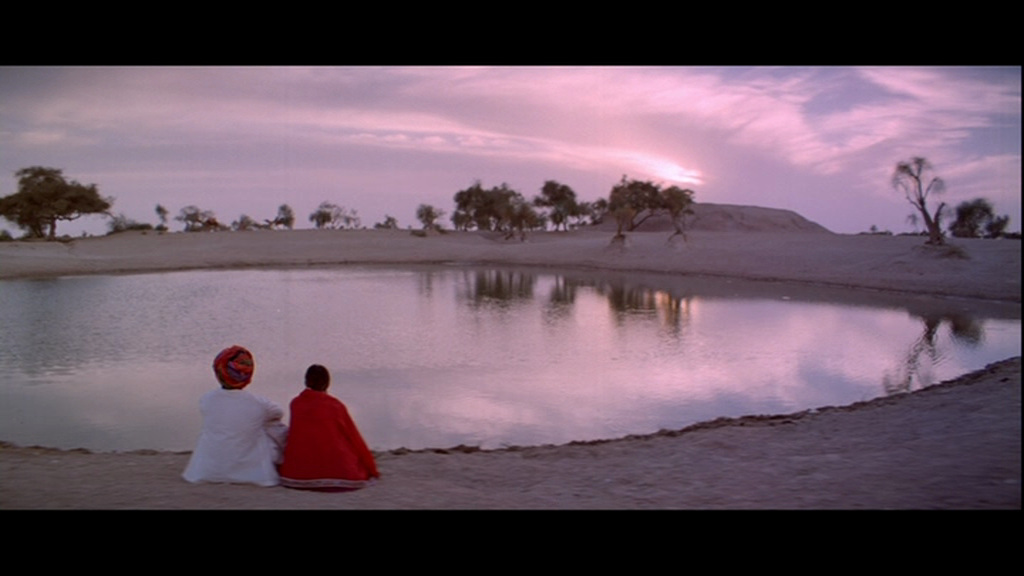
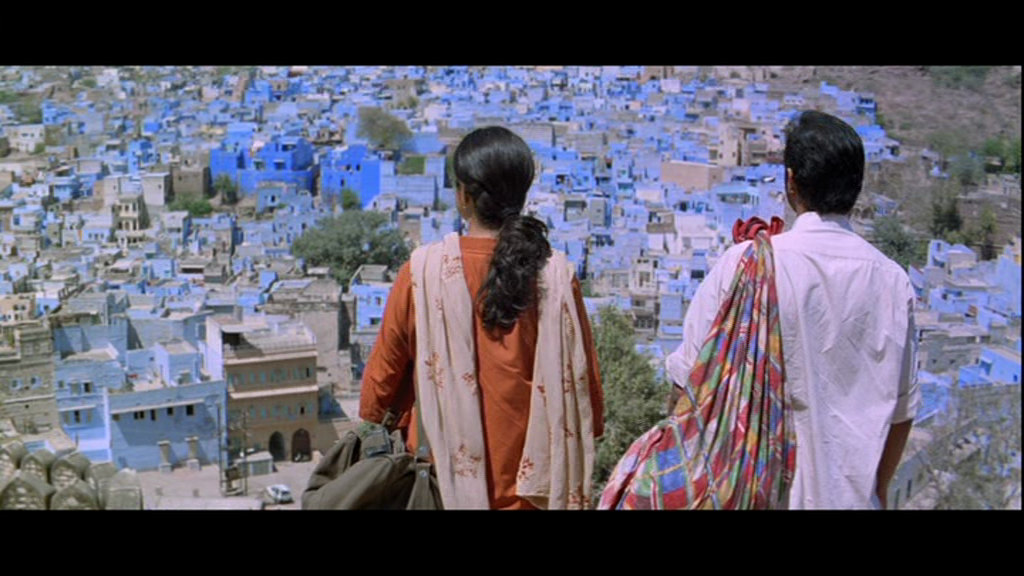
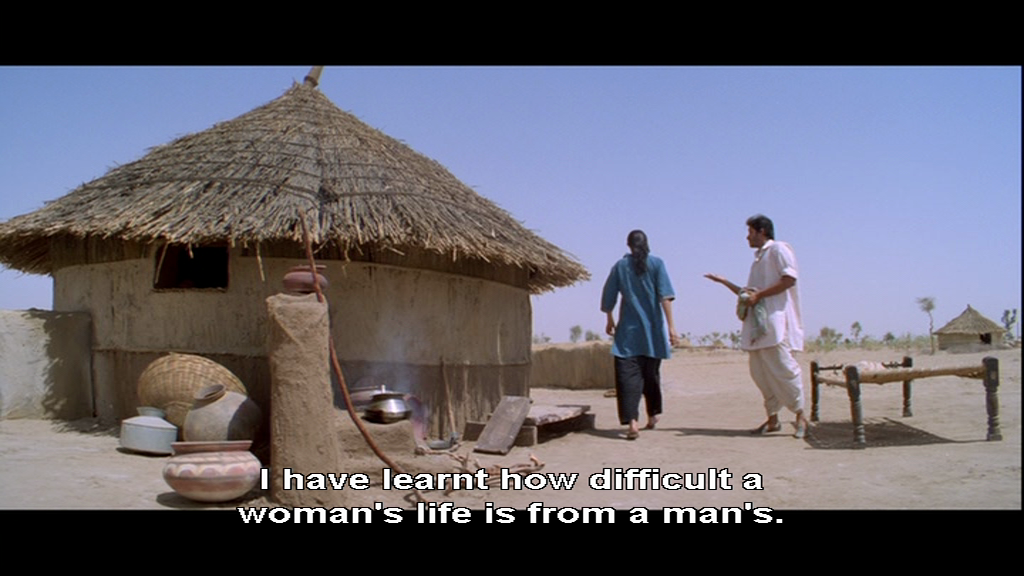
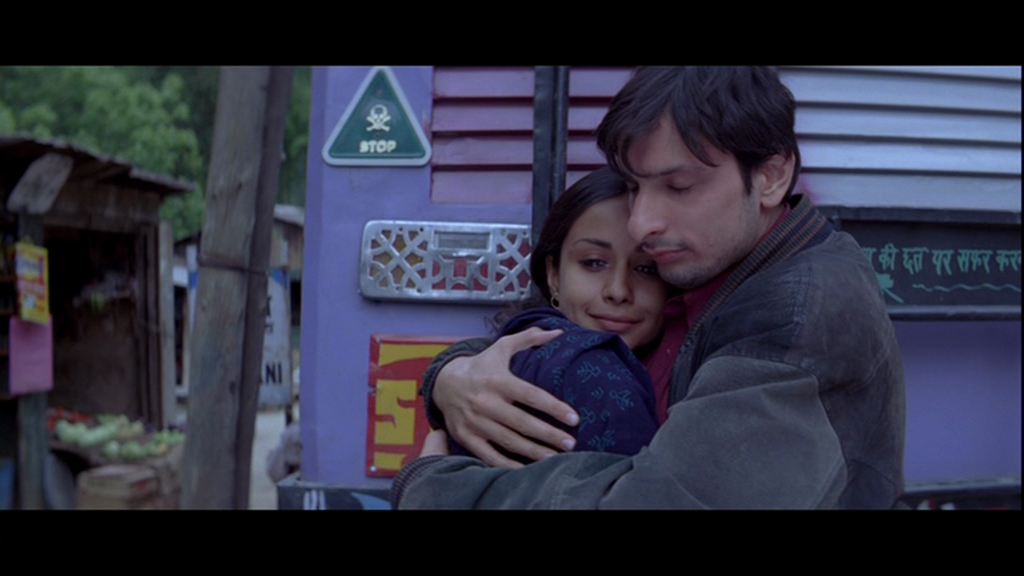
Dor is one of those rare gems in Indian cinema – a film with strong female characters and an engaging story that keeps you hooked right to the end. There are excellent performances from all the cast and the visuals are stunning with beautiful shots of Himachal Pradesh and Rajasthan.  It’s a story that contains many aspects of love and friendship, but it also shines a light on the life of women in rural India and the harsh realities of losing the protection of a husband in a patriarchal society. 

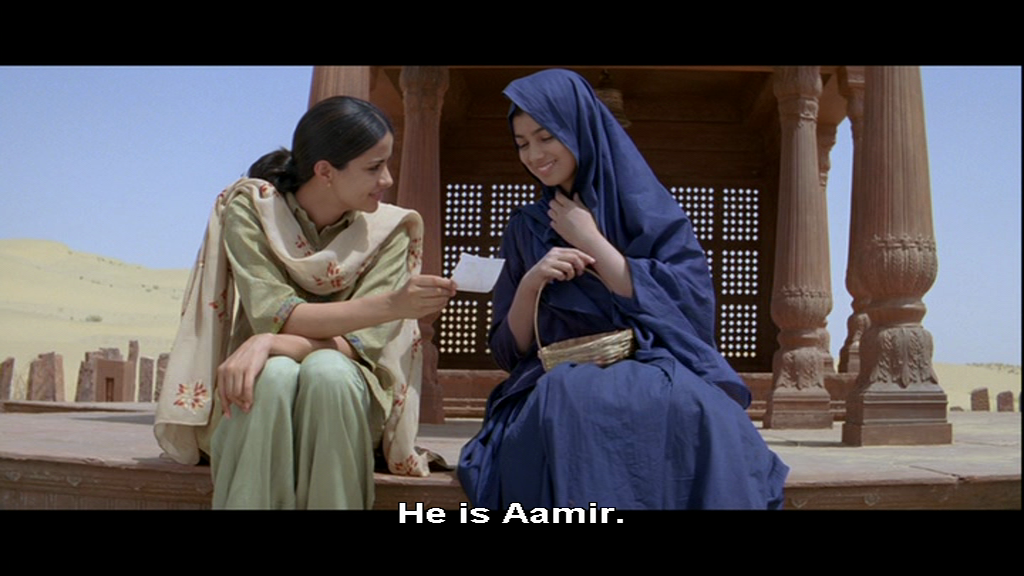
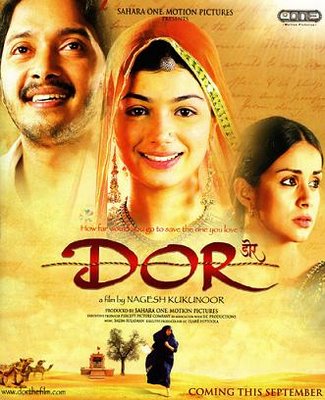
The film tells the story of Zeenat (Gul Panag) and Meera (Ayesha Takia), two completely different women in matters of personality and culture, and how their lives become intertwined.  Despite their many differences the two women also have some commonality as they are both recently married and their husbands have left to work in the Middle East.  In the opening scenes, director and writer Nagesh Kukunoor uses similar events in the lives of the two women to illustrate differences in their temperament and situation which rather neatly gives the bare bones of the plot, as well as introducing the characters.

DorDorDorDor

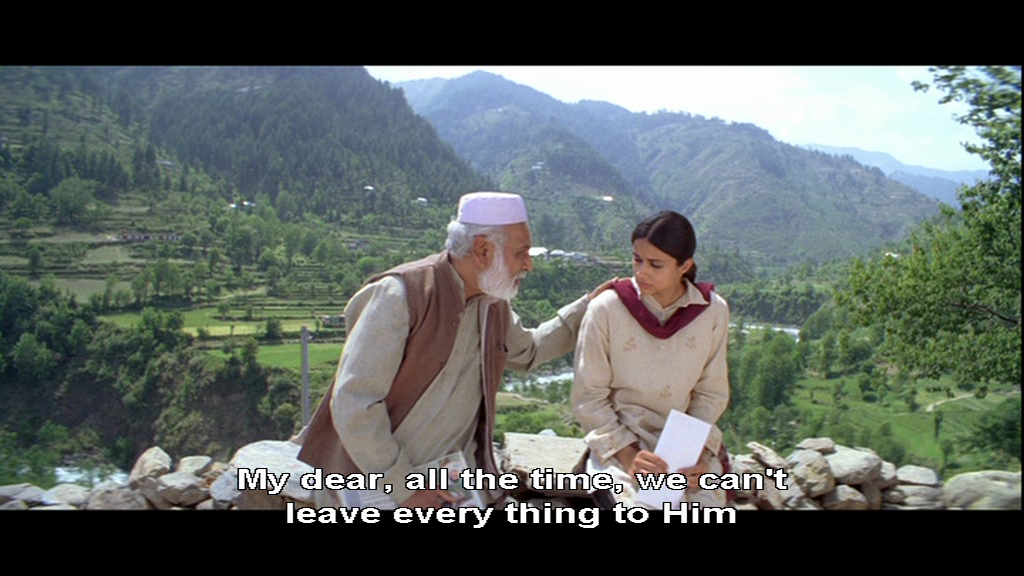
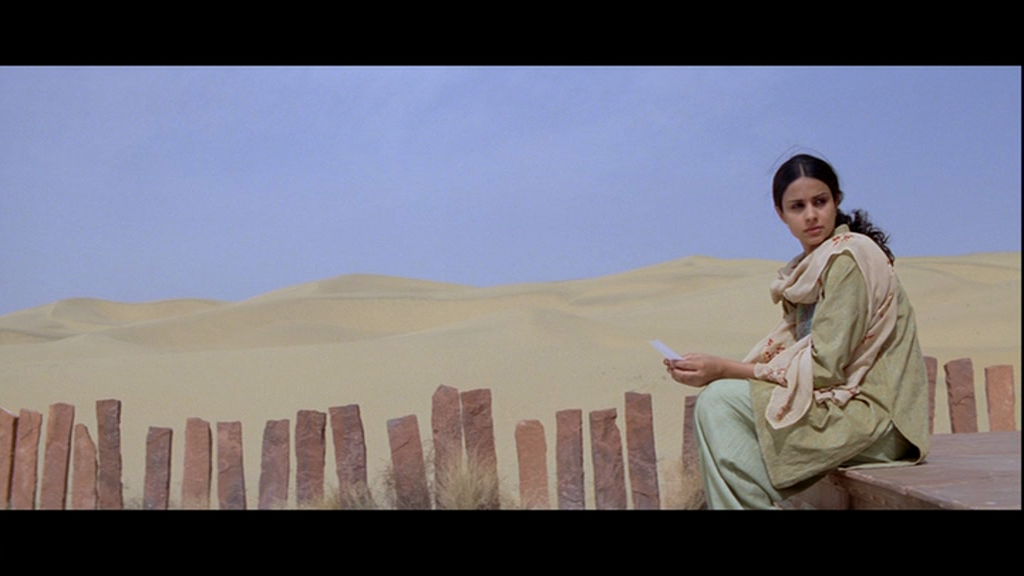
Gul Panag suits the character of Zeenat and perfectly captures her stubborn independence.  Zeenat is a Muslim woman from a small town in Himachal Pradesh who is determined to live life on her own terms and maintain her freedom.  For example, when her suitor Aamir (Rushad Rana) comes courting Zeenat rejects his advances in favour of repairing her house – personally I would have put him to work! This down-to-earth practicality and lack of sentimentality is repeated throughout the film which has the effect of making the few romantic moments much sweeter as a result of their rarity.

Despite her independent nature, Zeenat does love Aamir and when word comes that he has been detained in prison for the suspected crime of killing his room-mate, she immediately springs to his defence.  Zeenat is convinced that the death must have been an accident and is dismayed to learn that Aamir has been sentenced to death unless she can obtain a pardon from the wife of the dead man.  Zeenat has a close relationship with the local Imam and takes his advice on how to track down the young woman who may be the means to Aamir’s freedom. 

DorDorDorDor

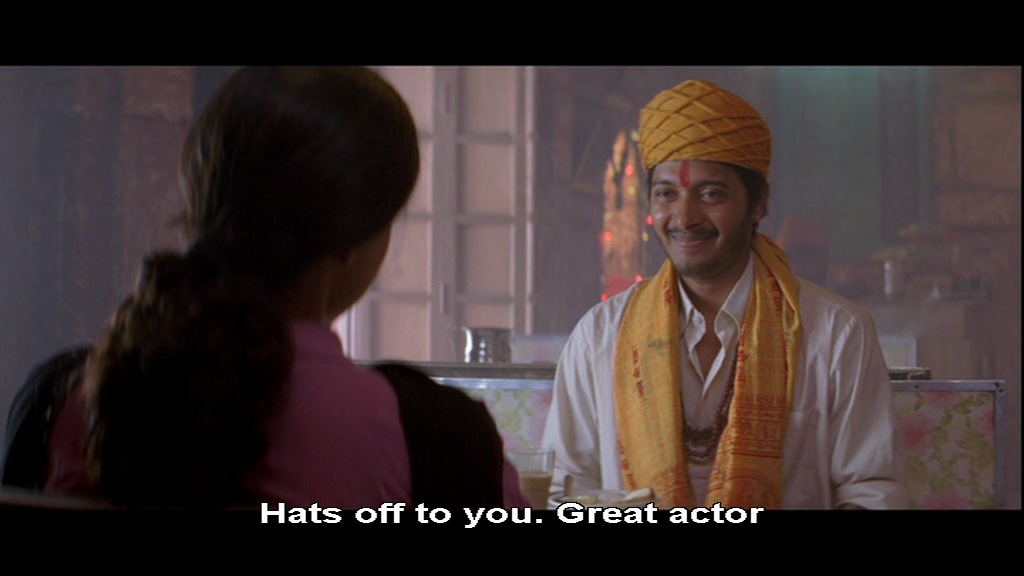
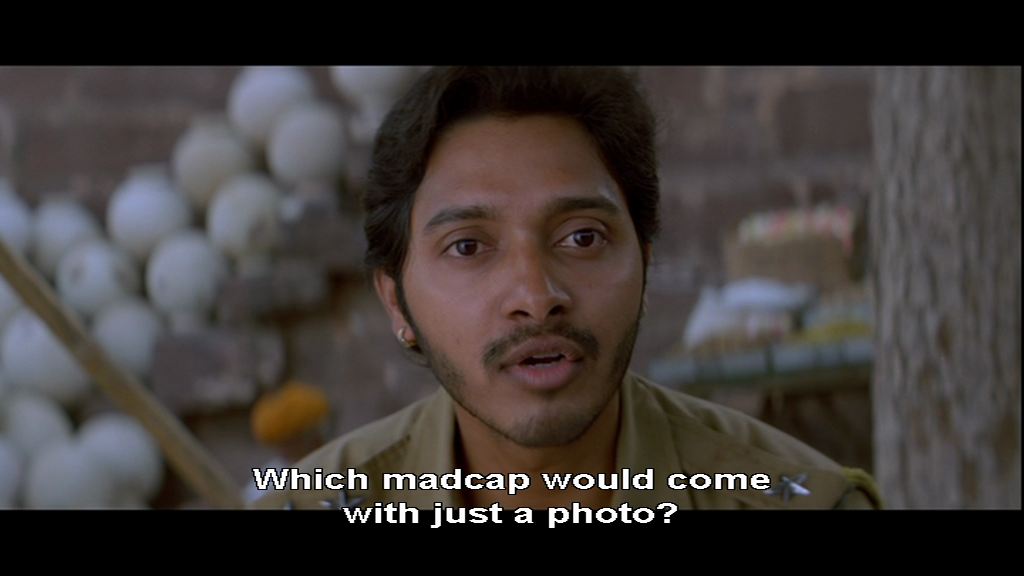
Although she doesn’t know anything about the woman’s whereabouts, Zeenat heads off to Rajasthan with a small bag, a photograph of the two men and a huge amount of determination and optimism.  Her faith in the universe seems to be answered when she meets up with a Behroopiya (Shreyas Talpade) despite the fact that at their first meeting he tricks and robs her.  However it is the Behroopiya who does manage to lead her in the right direction to find Meera. 
DorDorDorDor

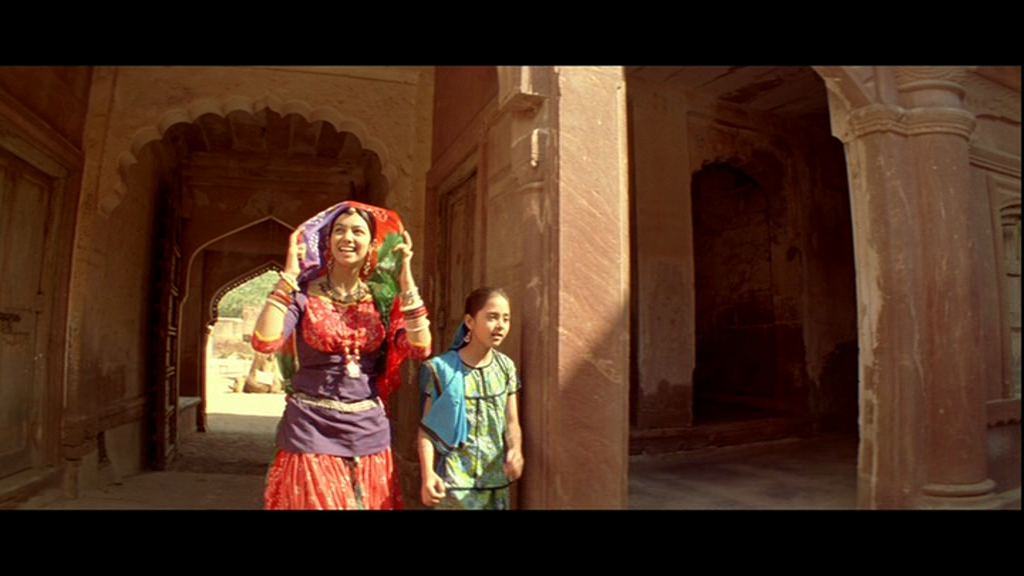
Throughout the opening scenes with Zeenat, we are also introduced to Meena and her very different outlook on life.  Meera is happily married to Shankar (Anirudh Jaykar) and has no problems living within the confines of a strictly traditional family in Rajasthan.  Ayesha Takia portrays Meena as young and innocent, flirting as she dances joyously for her husband, and becoming upset that he is leaving to work abroad.  Her youth is also shown in her pride that it is her husband who is earning the money which will buy back the family’s ancestral home.  However as the story progresses and Meena finds out that Shankar has been killed, she exhibits maturity along with strength and resilience as her world crumbles around her.
DorDorvlcsnap-2013-09-28-17h50m19s6Dor

Ayesha Takia is very impressive in a role that demands  her character go through a major upheaval in her life and cope with the aftermath.  She makes the transition from young wife to virtual living non-entity as a widow very naturally and brings out every emotion as Meera has to deal with her new status in life.  Her reaction to the suitcase of her husbands clothes is perfectly nuanced and her moments of joy as she discovers friendship are beautifully acted.  It’s not surprising that she won a number of awards for her performance here.  One of my favourite moments is when she dances in the desert with Zeenat and the Behroopiyah – perfect!

Although at times the contrasts between the two women seems a little too contrived, for the most part the juxtaposition of their different lives works well. The grief and devastation shown by Meera for the double blows of the death of her husband and her loss of freedom is realistically portrayed while Zeenat’s self-contained grief is tempered with her determination and drive to save her husband at all costs.  Both actors seem very well suited to their roles, and Shreyas Talpede adds just the right amount of comic relief as the Behroopiya.  This character appears to be some kind of a guardian angel or possibly just an embodiment of Zeenat’s subconscious, as he watches over Zeenat and gives her advice.  It’s effective, especially when added into the more dream-like landscape of Rajasthan. 
DorDorDor

DorThere is one misstep in the film with the director playing a sleazy businessman who is renting the house in Rajasthan.  His repellent suggestion to Meera’s father in law feels filmi and false compared to the rest of the screenplay, although otherwise both Girish Karnad and Prateeksha Lonkar are excellent in the roles of Meera’s in-laws.

The background score by Salim – Sulaiman Merchant is beautiful and although there are no song and dance numbers the dancing within the film is spontaneous and just wonderful. This is another excellent song which shows Zeenat’s journey from Himachal Pradesh along with Meera’s symbolic journey from wife to widow.

Although not credited, Dor is based on a Malayalam film Perumazhakkalam which perhaps explains the quality of the story.  I’m still trying to track down a copy of this original film with English subtitles as it also won numerous awards and I’d like to compare the two.  However, Dor is still an enchanting film and the two leads ensure that the quality of the acting is as impressive as the screenplay and Sudeep Chatterjee’s gorgeous cinematography.  Although there is an underlying theme relating to the plight of women and their lack of value in some parts of India, it’s counterbalanced by Zeenat’s fierce independence and fighting spirit, so Dor never feels too preachy or morally worthy.  it’s a simple tale, beautifully told and I thoroughly recommend it.  4 ½ stars.

Dor

Phata Poster Nikla Hero

phata-poster-nikla-hero-poster

Shahid Kapoor is just so likeable. Rajkumar Santoshi should thank his lucky stars he landed a lead actor who could partly overcome some of the major flaws with his patchy action comedy. I didn’t hate the film, but I’m glad I saw it on ‘Tightarse Tuesday’ when tickets are half price and my expectations are that little bit lower.

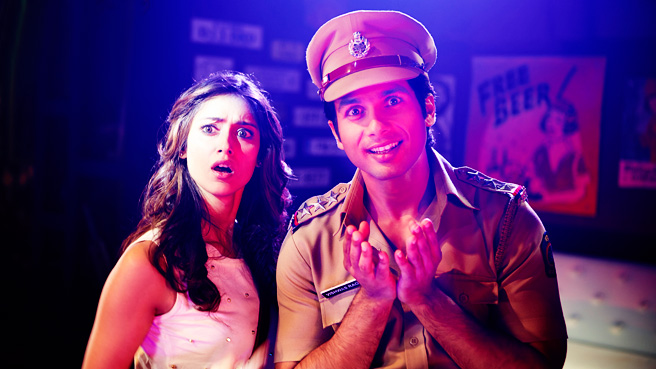
Vishwas Rao (Shahid) is a young man who has been obsessed with film heroes all his life. His Ma Savitri (Padmini Kolhapure) is a strong woman who raised him alone, working as an auto driver to pay the bills. She has her own reasons for wanting Vishwas to be a good policeman. He wants to be an actor, and when events conspire to send him to Mumbai it seems he might be getting closer to his dream. Dressed as a cop for a photo shoot, he is mistaken for the real thing and his double life starts. A police inspector to his mum and feisty ‘Complaint’ Kajal (Ileana D’Cruz), and a struggling actor to everyone else, Vishwas is headed for comedy complications. Especially once the mob and an expat terrorist get involved. Hijinks ensue.

Phata-Poster-Nikla-Hero- a very filmi boy

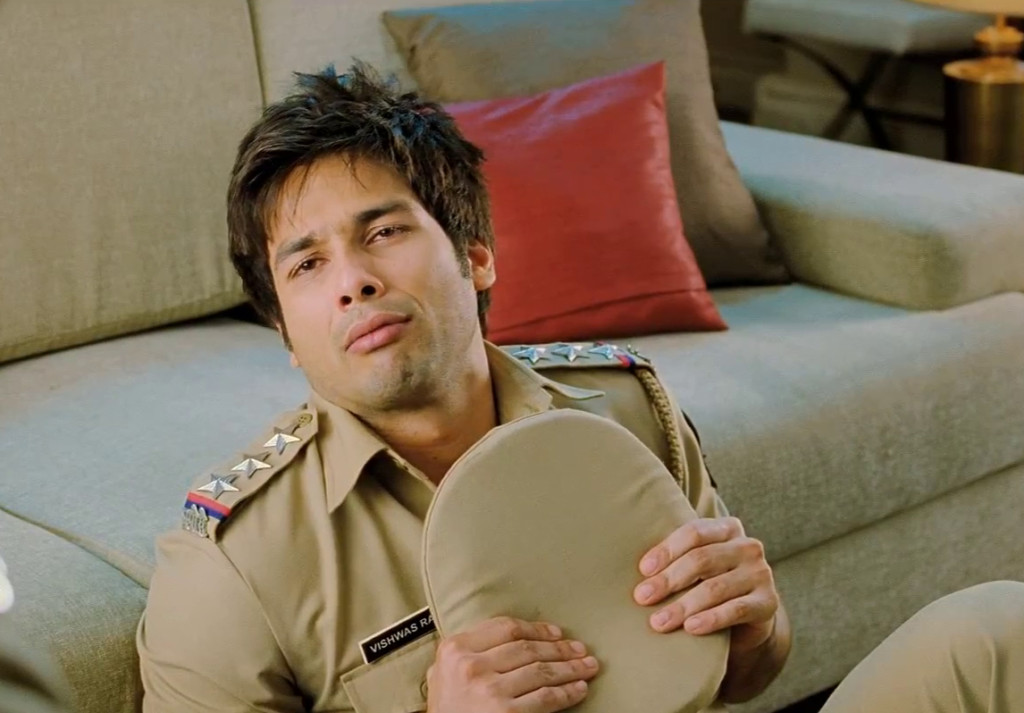
Shahid is required to play broad range of emotions from juvenile comedy to emotionally distraught mummy’s boy and steely eyed action hero and he does it all with aplomb. The comedy is not to my liking but I respected his effort to make it all work. The action scenes have the flavour of the month South Indian style, right down to the dramatic earth tremors when Vishwas stamps his foot and the extremely aerodynamic rowdies he despatches. Shahid dances his way through these scenes rather than fights, and I think a bit more grunt was warranted to live up to the mass standard. He declaims heroic threats with conviction and does puppy eyes with the best of them. No one feels sorrier for themselves than an Indian film hero, and Shahid oozed self pity as Vishwas contemplated a life of not being a big movie star. And he does get to dance a bit which made me happy. Especially a wildly silly pole dancing prelude to a confrontation with the bad gang. It’s a great role for him to show off his acting and have some fun.

phata-poster-nikla-hero-Ileana

I liked Ileana’s role as Kajal, the social worker and love interest. She has her own thing going on, and initially is only interested in Vishwas as an honest policeman in a force overpopulated by corrupt idiots. But she is drawn by his innate goodness or perhaps the way he fills out his rented uniform.

phata-poster-nikla-hero-dynamic duo

Their romance develops and is a part of their lives but it isn’t the whole story and is taken for granted rather than overplayed. Ileana is expressive and lively, occasionally veering towards the Genelia Line (beyond which lies Manic Pixie/Escaped Psychiatric Patient territory).  She only does one really stupid thing, and even that was because Vishwas didn’t think to tip her off before she spoke.

The real heroine is Vishwas’ mother Savitri. She is the kind of filmi ma who sees trouble and immediately tucks her pallu at her waist and wades in to help. She raised Vishwas on her own after her husband, a corrupt cop, took off. I think Savitri had read the “Nirupa Roy Guide to Filmi Parenting” but applied her learnings selectively. She laid on the emotional blackmail when she thought Vishwas was doing the wrong thing, and wasn’t averse to invoking god and suicide when he baulked. But as she came to understand her son rather than just seeing her idealised boy, she changed her mind. Their relationship was the emotional core of the film, not the fluffy romance. I also liked seeing a single parent family where the mother had dignity and her own income and wasn’t existing on some nebulous mix of charity and whinging.

phata-poster-nikla-hero-no need for subtletyPhata-Poster-Nikhla-Hero-Shahid

Where the film lost me was partly the comedy. I did enjoy the film references from an excellent cameo by Salman Khan, Shahid’s impressions of yesteryear heroes, right through to Vishwas paraphrasing the famous “Mere paas Maa hai”. They even worked in a Salman style tearing off of shirt, very appropriate for the Chulbul Pandey obsessed fake policeman!  But there are too many comedy uncles and so much slapstick. I started off enjoying a scene where a fat middle aged don and a fat middle aged cop started fighting but were puffed within a few blows. It was funny and believable as these old adversaries tried to face off. But then it went on and on and on, then added another bumbling policeman and there was a kind of bumble-off and that went on for too long and meanwhile there was a timebomb ticking away but hey, let’s go back to the bumble-off. There are ways of building tension and using comedy to defuse it while still maintaining the momentum. Santoshi doesn’t seem to know any of them.

Phata-Poster-Nikhla-Hero-colour and movement

The soundtrack by Pritam is serviceable. None of the songs have made much of an impression on me for the music alone. “Tu Mere Agal Bagal Hai” is more memorable for the excellent colour and movement and Chihuahua inspired choreo, and Dhating Nach for the inexplicable inclusion of Nargis Fakhri as the item girl. The thing I remember most is not the soundtrack so much as the background soundtrack. It is such a busy, noisy film. Every single gesture is underscored with a chord, a whistle, a trill, a whole freaking orchestra duelling in every conversation. Bosco-Caesar handled the choreography and when they could get Shahid on his own, they gave him decent material to work with. But I guess they gave up on the ladies and went for draping them over trees, or Shahid, in preference to actual dance steps.

Overall I felt that Rajkumar Santoshi couldn’t decide what to concentrate on so he just did a bit of everything and thought that was vintage masala style. Good masala still has pace and purpose. If a character is leading a double life, that can be revealed to heighten the drama or add a twist. But in this case a “twist” was revealed before it needed to be, then was reiterated by several supporting characters in conversations with each other. It was clumsy and again, made the pace drag. Also I take issue with villains who have no sound business plan and seem to plot destruction just for the sake of being bad. Also – what kind of doomsday bomb needs a sophisticated detonator but also has a big red “on” button and an equally big blue ‘off’ button? A comedy bio-weapon, that’s what. I didn’t find it all hilarious and I couldn’t take the supposed jeopardy very seriously.

This is an honest, if unsuccessful attempt at a good all round entertainment and I liked some elements a lot. If you’re a Shahid fan, you’ll like his performance regardless. If you have a tolerance for stupid comedy and slapstick, you’ll find much more to love than I did. Worth a watch, but would be just as good on DVD.

Gundello Godari

Gundello Godari

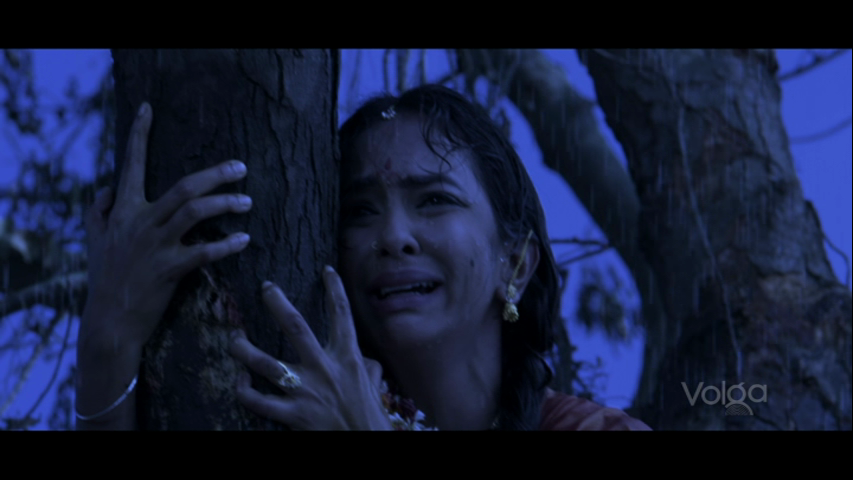
Gundello Godari is a step away from mass masala, going back to basics with a simple love story that evolves in quite a different way from the usual fare.  This is director Kumar Nagendra’s debut film and it’s loosely based on a novel by BVS Rama Rao, set around the real-life devastating floods in 1986.  Initially, newlyweds Malli and Chitra know nothing about each other, but as they battle through the Godavari floodwaters, they gradually learn about their respective troubled pasts.  The screenplay is a little patchy in places and the flood is frequently overly melodramatic, but good performances and beautiful music by Ilaiyaraaja make this a better than average watch.

Gundello GodariGundello GodariGundello GodariGundello Godari

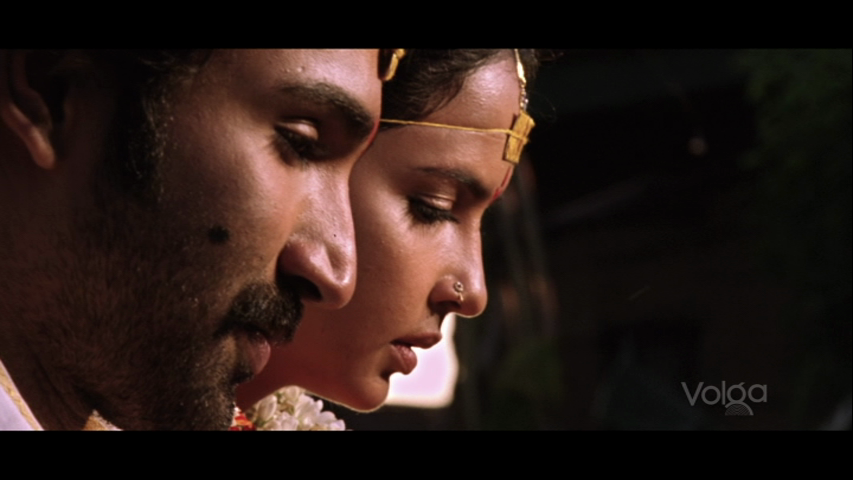
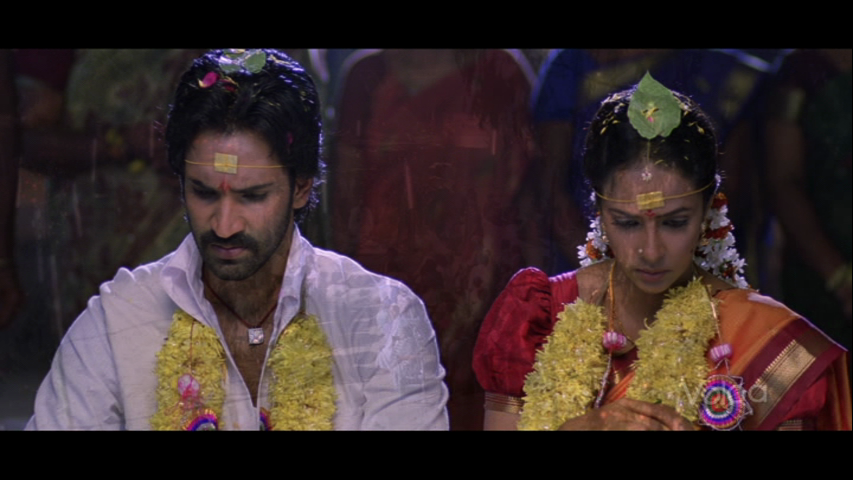
The story opens with the marriage of Malli (Aadhi) and Chitra (Lakshmi Manchu), although they barely acknowledge each other throughout the ceremony.  The first spark of interest occurs when the beautiful Sarala (Taapsee Pannu) gifts the groom with a golden ring, obviously with the intention of making his new bride jealous.  At that point, the sleazy Dhorababu (Ravi Babu) arrives and also has a present for the happy couple, this time a gold chain for the bride.  Lost in their thoughts, Chitra and Malli linger too long and get caught up in the flood waters as the rest of the village evacuates.  However, they end up cast adrift on a thatched roof together, just managing to stay afloat, and in the likelihood that they won’t survive, decide to discuss their past lives and exactly how Sarala and Dhorababu fit into the picture.

Gundello GodariGundello GodariGundello GodariGundello Godari

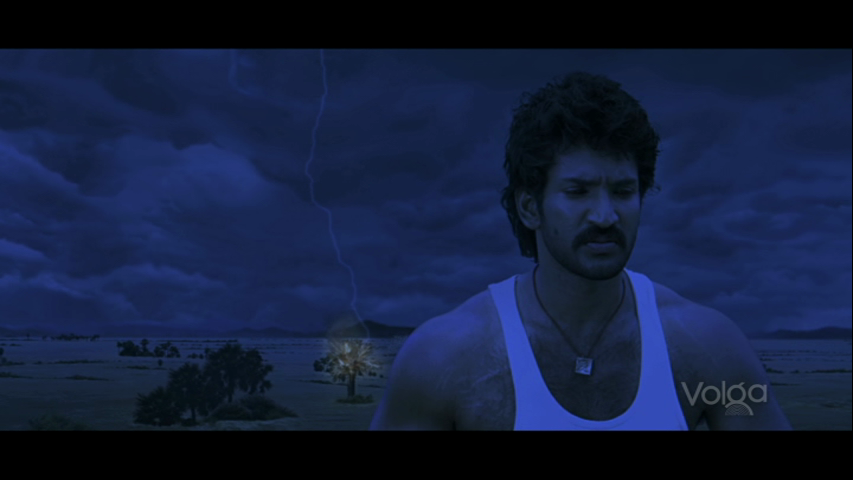
The initial flood scenes are well integrated between the sets and some good CGI.  There are one or two moments of soggy model villages eroding with a trickle of water, but these are brief, and after all, who doesn’t like to see the traditional model village make an appearance.  The cinematography by M.R.Palanikumaar is excellent, with beautiful shots of the river, wildlife and surrounding countryside particularly during the flashback scenes.  These contrast with the fury of the river in full flood, and also highlight the difference between Malli and Chitra’s earlier lives and their current turmoil.  Predictable perhaps, but when the parallels are drawn this well with good imagery it’s hard to object.

Gundello GodariGundello Godari

The first flashback deals with Malli and his undoing at the hands of his boss’s daughter.  Malli is a hard-working fisherman who has a good circle of friends, looks after his mother like all good boys should, and is saving up to buy his own boat.  He also tends to favour a string vest, but we shouldn’t hold that against him.

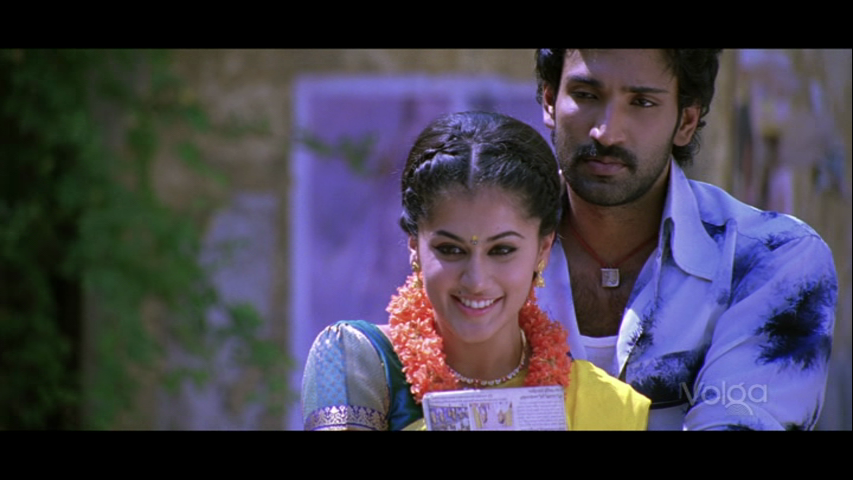
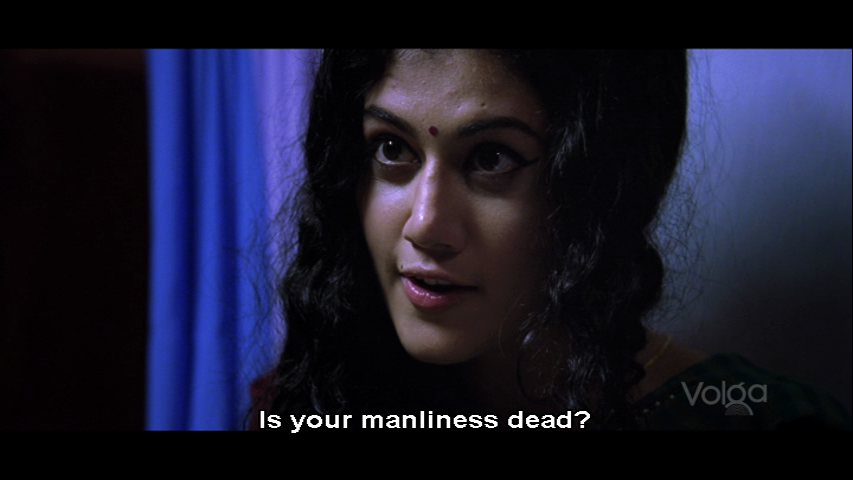
Kumar Nagendra captures the hopes and aspirations of a village fisherman perfectly and Aadhi is excellent in the role.  A boat race at a local fair epitomises Malli’s drive and determination to achieve what he wants, although the same fair brings him inadvertently to the attention of Sarala.  Despite her impending marriage, Sarala has no compunction in going after what she wants, and in this case what she wants is Malli!  Although she initially appears child-like as she threatens and cajoles Malli into taking her to the movies on her birthday, events become more sinister as Malli arrested by the local police on a spurious charge of brewing illicit alcohol.  Whether it’s Sarala or her father who is responsible, Malli ends up taking his frustration out on Sarala and gives her exactly what she wants in the process.  Sarala is an interesting and atypical character with her overt sexuality and brazen attempts to drag Malli into her bed.  Taapsee is good in the role, but her expression rarely varies, and although her knowing smirk is suitable a little more variation would have given her character more appeal.  Aadhi on the other hand does a fantastic job of capturing frustration, anger and even some lust in his dealings with Sarala and despite the nature of their relationship, there is plenty of emotion and sparkage between the two characters.

Gundello GodariGundello GodariGundello GodariGundello Godari

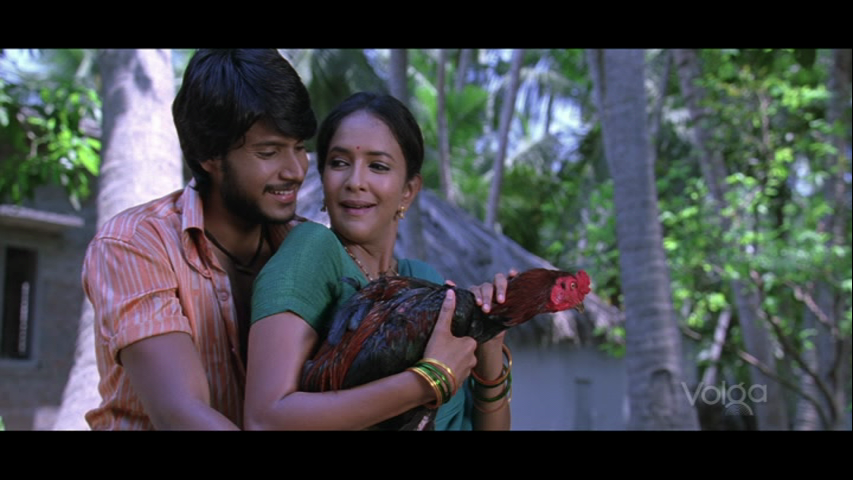
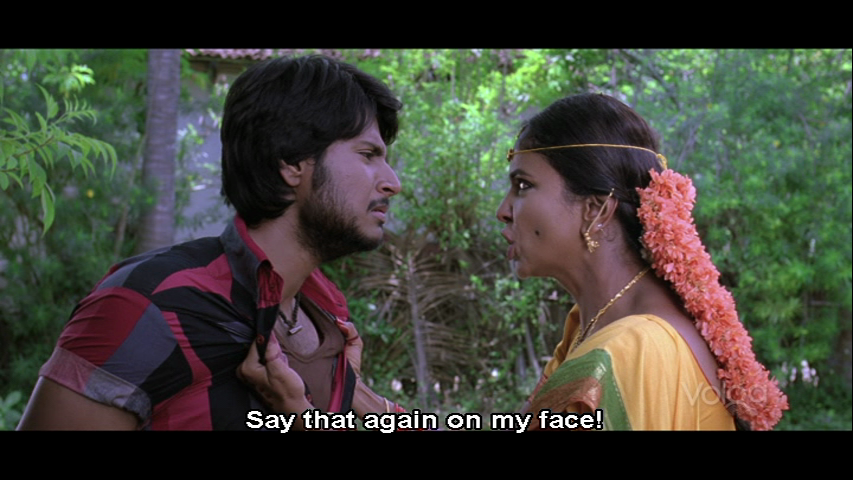
After Malli’s story, Chitra’s explanation of past events is not as well written and her story tends to wander off track.  Chitra was adopted by Suri’s (Sundeep Kishan) parents as a child, but it’s not a happy family. Suri’s father Somaiah is a drunkard and his mother Rathamma works as a prostitute to keep the wolf from the door.  Chitra is in love with the adult Suri, but he’s a man more interested in his chickens, in particular fighting cocks, than in Chitra.  He also pays a little too much attention to the bangle seller Bangari (Suja Varunee) and all together there seems very little reason for Chitra to want to marry Suri.

It’s actually a little creepy since they were brought up together as brother and sister, but since there is minimal chemistry between the two actors this isn’t a major issue.  Sundeep Kishan is restrained but adequate in his role as Suri, and the character doesn’t have a lot of depth for Sundeep to work with.  The explanation for Dhorababu turning up at the wedding is also less convincing, but Lakshmi Manchu is good as the beleaguered Chitra, and her spirited defiance against the various calamities that befall her is heartening.

Gundello GodariGundello GodariGundello GodariGundello Godari

While the flashback sequences provide some explanation of previous events, they do provoke more questions that are never answered.  There is no explanation of what happened to Malli after his interaction with Sarala, and more importantly no mention of whether or not he is working as a fisherman and able to support a wife given his previous dismissal by his erstwhile boss.  The arrangement of the wedding is never discussed and there is no reason given for these two strangers deciding to marry each other. Still, the developing relationship between the two is well handled, even though it is almost swamped at times by the drama of the flood, and both Aadhi and Laksmi Manchu are both very good in their respective roles.

Gundello GodariGundello Godari

Ilaiyaraaja’s music is evocative of the time, although there are two rather oddly placed item numbers which don’t fit as well and don’t have any real place in the narrative.  Mumaith Khan features in one of these, while Suja Varunee does the honours in the second, but both feel as if they are just added in to try and appeal to a more mass audience and aren’t particularly well choreographed.  However, apart from the first song, these are the only two numbers which feature any dancing, since the rest are used to showcase the various relationships of the main characters.

Gundello GodariGundello Godari

Gundello Godari is a brave attempt to take a different look at relationships and approach a love story in a more unusual way.  For the most part it works, although the second half could be tighter condensed to allow for a more detailed development of the relationship between the two main leads.  Worth watching for evocative imagery, good performances from Aadhi and Lakshmi Manchu and a bold characterisation from Taapsee.  3½ stars.
Gundello Godari