Thuppakki (2012)

Thuppakki

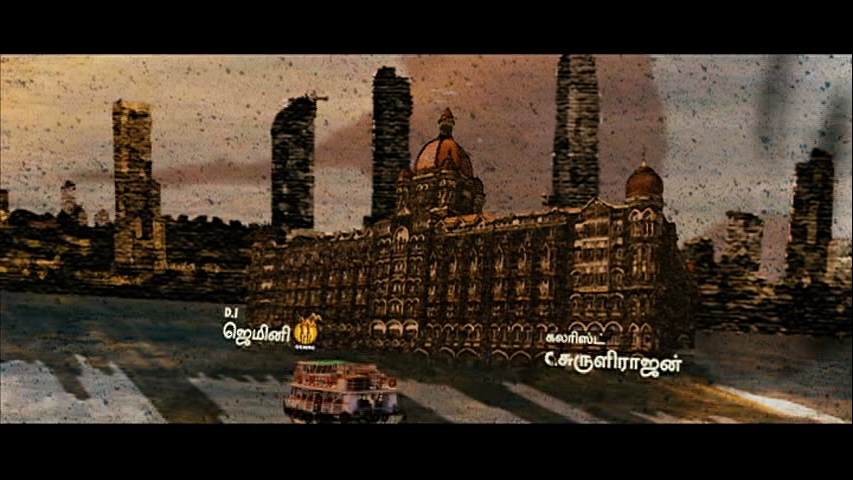
After the disappointment of 7 Aum Arivu, thankfully A. R. Murugadoss takes a step back in the right direction with Thuppakki.  With a story based on terrorist sleeper cells in Mumbai, the action is well written and cleverly plotted to build suspense and there are a number of surprising twists towards the end.  The resolution relies more on the hero’s intellect rather than the usual wham bam of most hero-centric Tamil films (although there are a few of those moments too), and Vijay is at home and comfortable in the role of a special operative in the Indian army.  I could have done without the rather dull romance track which didn’t seem to mesh well with the rest of the film, but essentially Thuppakki is one of the better Vijay films of recent times and is definitely well worth a look.  Great opening credits too.
ThuppakkiThuppakki

Vijay’ character Jagdish starts off well by proving that he can fight and dance during an unscheduled train stop on the way back to Mumbai to meet up with his family.  While most of the songs are forgettable with fairly dull choreography, this one is much more fun, although that may just be my preference for songs that allow everyone to join in.

Once back in Mumbai, Jagdish’s parents rush him off to a meeting with a potential bride Nisha (Kajal Agarwal), but Jagdish is initially not impressed by the traditional sari-clad and demure girl he sees.  However, it turns out that Nisha is in fact an athletic sportswoman with a mind of her own and a completely modern attitude.  Although this sounds promising, in reality Nisha’s love of sports is only explored in one unconvincing boxing match and in a song.  Her character is almost immediately submerged into a rather pointless comedy side plot involving Jagdish’s superior officer V. Ravichandran (Jayaram) and otherwise she remains firmly in the background.  The romance fizzles and after a terrible song in a nightclub it’s not surprising that Jagdish makes a run for it back to the terrorist in his closet.  The curse of the costume designer hits Nisha too, so it’s not all Kajal’s fault, but the whole romance track feels very much out of place with the rest of the film and doesn’t add anything at all to the plot.

ThuppakkiThuppakkiThuppakkiThuppakki

By chance Jagdish is involved in the capture of a sleeper cell operative who detonates a bomb on a bus.  Finding out that a senior police officer has been corrupted leads Jagdish to interrogate the terrorist himself, which reveals that our hero is not as clean cut as might be expected.  Jagdish has no qualms about torturing his captive and quickly learns of a plot to simultaneously detonate 12 bombs around Mumbai.    With the help of some army friends who just happen to be in town for a wedding, he takes out the 12 sleeper cells in a surprisingly tense chase sequence.  Needless to say this ensures that the leader of the terrorist group retaliates and heads to Mumbai to deal with the threat to his next plan – plan B having failed!

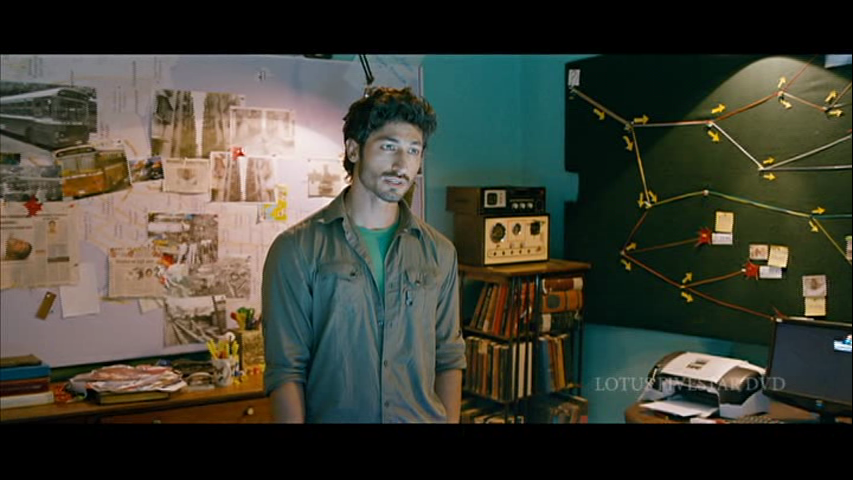
ThuppakkiThuppakkiThuppakkiThuppakkiVidyut Jamwal is excellent as the charismatic leader of the terrorists and his subsequent cat and mouse plot and counter-plot with Jagdish works well even if some of the set-ups are rather far-fetched.  Both Vidyut Jamwal and Vijay put in excellent performances and the dynamic between the two works well, although the final fight scene feels staged in comparison to the rest of the film.  There are also some odd moments where sometimes a Tamil track overlies Vidyut Jamwal’s dialogue in Hindi, while at other times subtitles are used to translate the Hindi and English words.  The Tamil voice-over seemed odd as I could still hear the Hindi words underneath and found that rather distracting, however it made much more sense that the terrorists and their sleeper cells in Mumbai would speak Hindi rather than be able to converse fluently in Tamil. The other problem I had with the film was the poor placement of songs, particularly in the second half.  This is the only other song where I enjoyed the picturisation, but it just pops up in the middle of the action and feels very out of place.

Jagdish isn’t a conventional movie hero and has shades of grey that make him a more interesting character.  He is cold and calculating in his dealings with not only the terrorists, but with his family and friends as well.  For instance, he thinks nothing of including his sister in the group of women kidnapped by the terrorists and is just as callous in his treatment of his fiancée.  But on the other hand he has a genuine affection for his friend, the long-suffering Police Inspector Balaji (Sathyan), and has an obvious passionate loyalty to his country.  In some ways he is no different to the terrorists he is fighting and the parallels between the two men provide another layer to the action.

ThuppakkiThuppakkiThuppakkiThuppakki

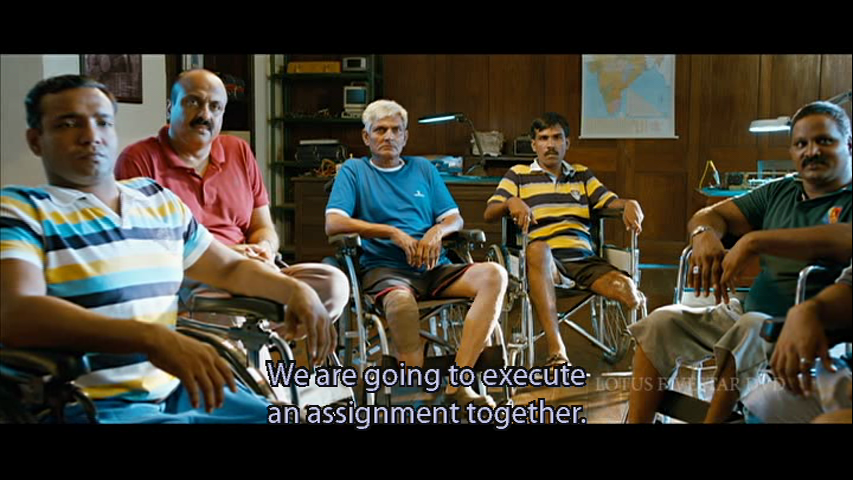
As seems to be his trademark, A. R. Murugadoss includes a message, and this time it’s a reminder of the sacrifice made by Indian soldiers at the front line.  He includes a group of soldiers disabled by their injuries as part of the cast, and the final song is dedicated to the Indian Army.  As an outsider it seems a little manipulative at times, but overall the sentiment is one I can share despite the sentimentality of the final scene.

Thuppakki combines a good screenplay with excellent performances from the main leads ably baked up by a competent support cast.  The cinematography by Santosh Sivan is up to his usual high standard and enhances the mood of the film.  A little less reliance on the standard formula (action + romance + comedy x 6 songs) would have made this a better film, but as it stands it’s still an enjoyable watch.  4 stars.

Thuppakki

Gouravam

Gouravam-poster

Radha Mohan’s Gouravam is a thoughtful film. Revolving around the mysterious disappearance of the hero’s friend, it is unfortunately undermined by some clumsy plotting and suspension of logic by key characters at pivotal times. But it is visually lovely and a different kind of heroic journey than I expect from mainstream Telugu cinema so I found the time passed pleasantly enough.

Rich city boy Arjun is sent to rural SM Palli by his dad, ostensibly to inspect a factory or something. His college friend Shankar lives in that region, but Arjun finds out that Shankar eloped with the landlord’s daughter some 6 months ago and hasn’t been seen since. Arjun soon realises that the rural idyll isn’t that idyllic once you scratch the surface. He goes back to SM Palli to find Shankar. No one will tell him what happened, but with help of his friend Venky (Sricharan) and lovely young lawyer with a social conscience Yamini (Yami Gautam) Arjun keeps digging. Rather than being a conventional lone vigilante hero, Arjun draws on social media and his friendship networks by the busload as he mobilises The Youth. Prakash Raj is Pasupathy, the landlord whose daughter allegedly eloped with Shankar. His brothers (played by Harish and Brahmaji) are a looming menace, trying to send the young outsider back to Hyderabad. The Establishment vs The Youth plays out as you might expect but there are some twists. How Arjun deals with this is surprising for a Telugu film as he does not dismember anyone. He uses the courts, the media, public attention and even the usually useless police.

There are red herrings and characters who turn up to highlight significant moments. A young boy, possibly autistic, is a constant presence as he draws everything he sees. The plot is partly a mystery and unfortunately there are some miscalculations. It was blindingly obvious that there was a witness and there were other early indicators of who could shed some light. The pace was a bit slow with respect to the dramatic development, but the leisurely tempo did work well with the rural setting. I’ll skip over most of the plot to avoid spoilers but overall the incidents mostly made sense, just the way things unfurled was a bit iffy.

It is a very pretty film to look at. Arjun and The Youth stay in a very colourful and neat tent city in the countryside, the village is picturesque, houses are beautiful and seem lived in. Things are keenly observed by the camera if not the characters, so I found I was often more engaged in just looking at details.

gouravam-yami-and-sirish

As the latest Mega Boy to take to the screen, Sirish has chosen an unconventional story. However his hero intro is pure formula. Arjun runs, swims, prays, pouts, kicks the bejesus out of his trainer and – ladies take note – he cooks. What a paragon. The comparisons with his older brother Bunny are unavoidable but naming the character Arjun and filming in what excitable people on Twitter tell me is his brother’s weekender house probably indicates Sirish couldn’t care less. In terms of his acting, he is much more effective in the dialogue driven scenes than when he is required to emote silently. He also looks a little awkward and posed when he has to do nothing in a scene.

gouravam-Yami Gautam

The story would have been more balanced if Arjun was more integrated into an ensemble. Yamini and Venky were pushed aside to accommodate the herocentric approach.  It would have been nice to see more of them, even the little romantic thread with Venky trying to woo Yamini, to give them more substance. Venky dropped everything to go with Arjun, Yamini devoted time and effort to helping and not just because she fancied Arjun. I was pleased to see Yami Gautam playing a quietly assertive young woman with none of the airheaded silliness so common to the Indian filmi heroine.

Gouravam-Prakash Raj and brothers

The supporting cast outside of the The Youth are more successful in blending their performances and they do create some really intense scenes. Prakash Raj has little screen time but huge impact. Pavitra Lokesh who played his wife and Lakshmi Priyaa Chandramouli as his daughter in law were good but that household was all about the menfolk. Harish and Brahmaji were villainous and menacing, and over powered Sirish in most of their scenes together. LB Sriram was effective as Shankar’s bewildered and frail father and Nasser did his usual thing.

True to the more realistic style, there were only a couple of songs (by SS Thaman). I enjoyed the picturisation for Chetinundhi Mannu Thesi most as it used the countryside beautifully and I liked the pleasantly random looking backing dancers. Especially the three dudes who popped up out of the lake for a chorus. No one really dances much in Gouravam and Sirish looks like he is concentrating but not struggling so that might be a good sign. I hope he has the Mega Dance Gene.

I opted to see the Telugu version of Gouravam for a couple of reasons. Of all the languages I don’t speak, Telugu is a little easier for me to pick out the random words I know so an unsubtitled film is a challenge but not unappealing. Prakash Raj took the very commercial and audience friendly step of making the film available online on a pay per view basis where there was no distribution agreement in place. Hurrah! The Tamil version was on in cinemas here but the hit and miss distribution by the local Telugu film guys means I’m never really sure of seeing any new Telugu films unless they star a top hero. And frankly, since ticket prices for Telugu films are now up over $AUD23 I want to be reasonably assured of getting my money’s worth! So shelling out a fiver and watching Gouravam from the comfort of my living room was a good deal, and I think it’s a great way to expand the audience for less mass oriented films.

Vanaprastham (1999)

Vanaprastham

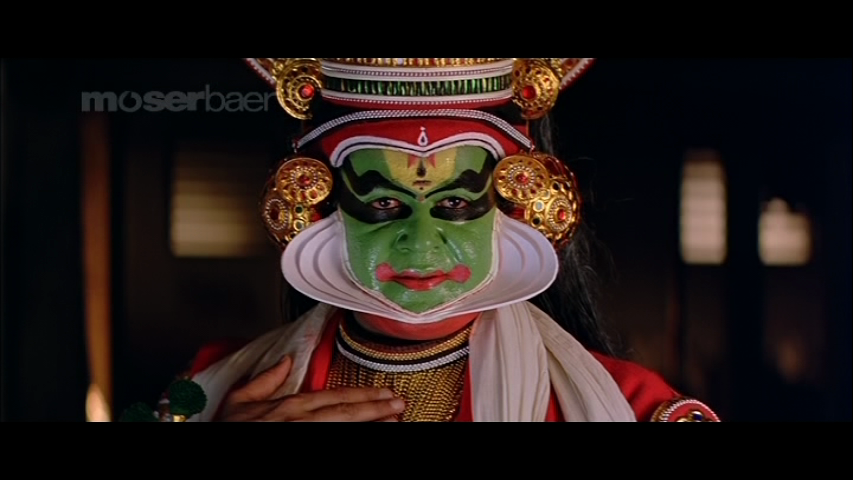
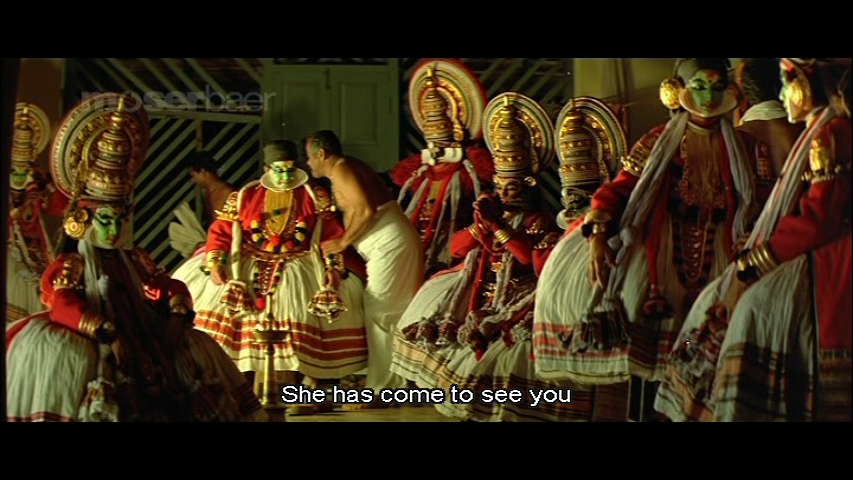
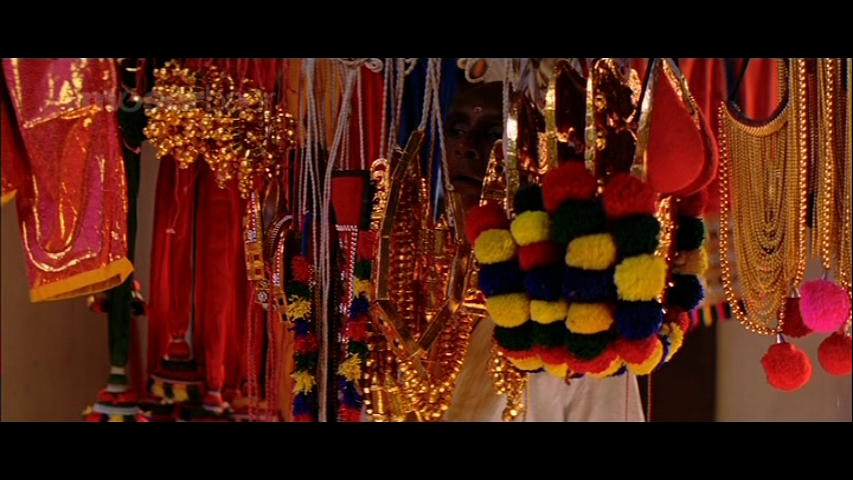
When I asked for recommendations for Mohanlal films some time ago, Vanaprastham was mentioned a number of times, and now I understand why so many people suggested it.  I think this is the best performance by Mohanlal I’ve seen, and it has whetted my appetite for more of his films.  Although Vanaprastham is a simple story about a Kathakali performer set in the middle of the last century, Mohanlal’s performance brings depth and intensity to the role and he is mesmerising.  Presumably due to the fifties era, there is plenty of repressed emotion and the reliance of the Kathakali performer on facial movement transfers directly as Kunhikuttan (Mohanlal) doesn’t say much but rather lets his expressions and in particular his eyes,  speak for him.  It’s a sad film, but it’s beautifully shot with gorgeous costumes and, as ever in Malayalam cinema, stunning cinematography.  Like the previous Shaji Karun directed film I watched (Kutty Srank), there is much about the story that is untold and left to the imagination, although the drama does proceed more linearly here.  Just in case anyone needs any more motivation to watch, Vanaprastham (aka The Last dance or Pilgrimage) screened in the Un Certain Regard section of the Cannes film festival when it was released in 1999, and won accolades at other international festivals as well as a number of National awards.

VanaprasthamVanaprasthamVanaprasthamVanaprastham

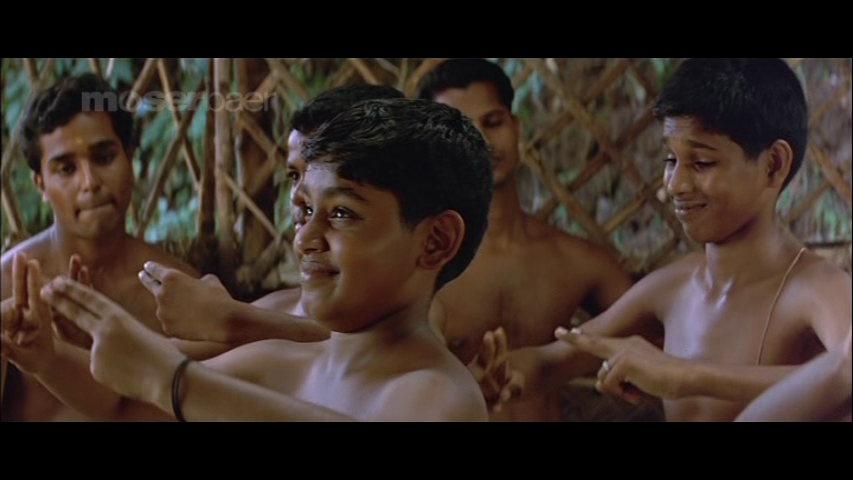
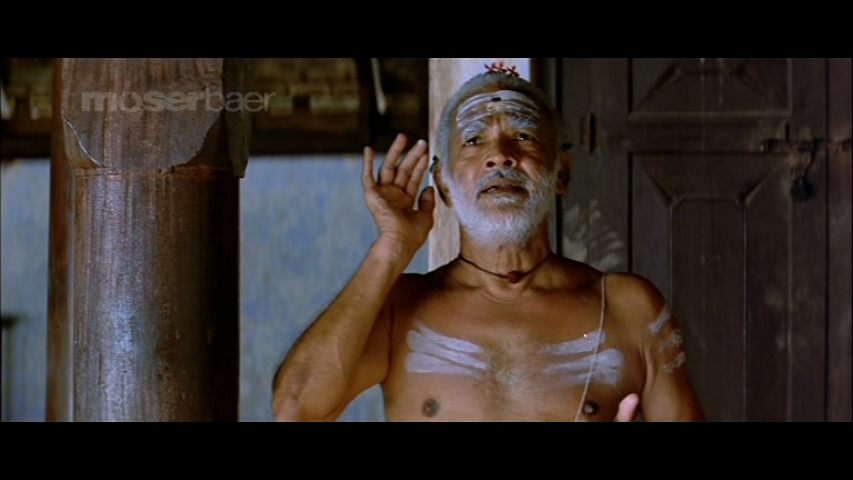
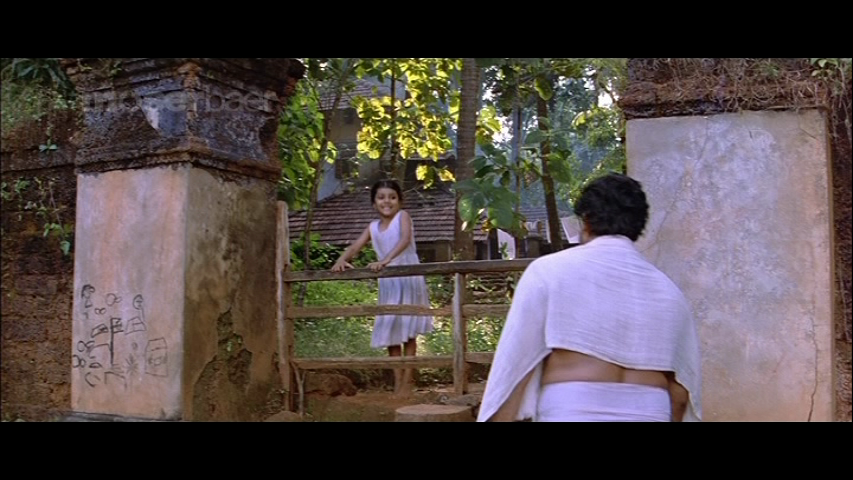
Kunhikuttan is introduced by a series of brief images interspersed between the opening credits which suggest that he is a lazy man who drinks, is looked after by his mother, disliked by his wife and adored by his daughter who is desperately trying to get his attention. And while that does sum him up on a purely superficial level, there is much more to Kunhikuttan.  A flashback shows his acceptance into dance classes as a child in the thirties, and reveals that he has never had any contact with his nobleman father.  This is a loss which he feels throughout his life and it appears to at least partly explain some of his reactions to subsequent events.  There is a lovely connection here between the scenes of the dance school with Kunhikuttan as a child and then again as an adult, where the same background of the temple elephants being dressed in their finery is unchanged despite the changes in Kunhikuttan. I also love the young Kunhikuttan’s expressions as he dances, particularly compared to the more rigid faces of the other boys.

VanaprasthamVanaprasthamVanaprasthamVanaprastham

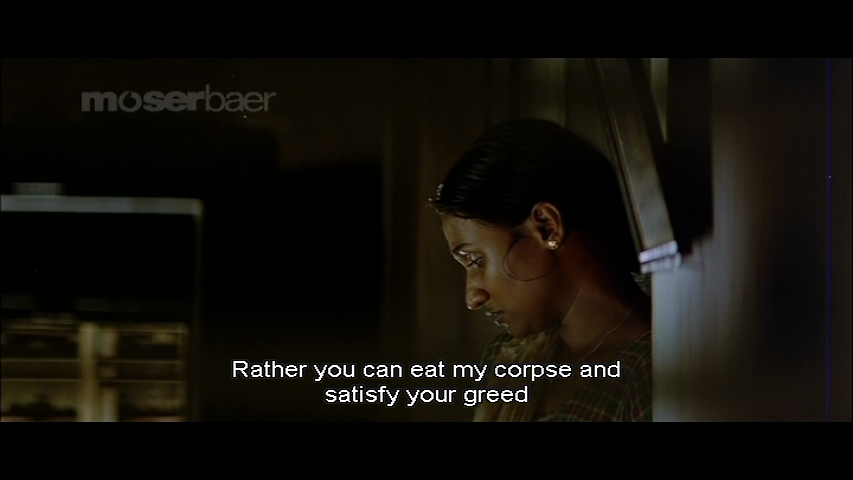
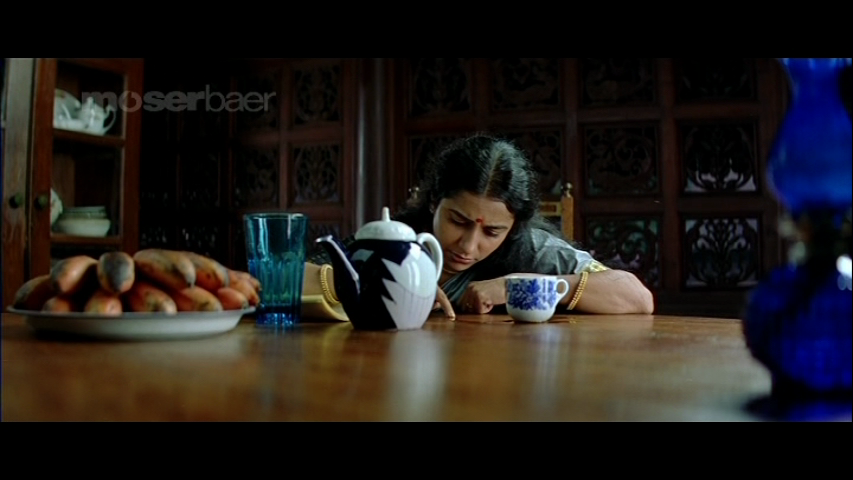
Kunhikuttan has an unhappy arranged marriage and his wife Savithri (Kukku Parameswaran) seems to despise him and his performance career.  Her antipathy towards her husband is one of the ’things that are never explained’, and there didn’t appear to be any obvious reason behind her animosity. Kunhikuttan’s daughter on the other hand adores him, and she is the one bright spot in his life outside of his stage performances.

VanaprasthamVanaprasthamVanaprasthamVanaprastham

At the start of the film, Kunhikuttan has just reached the point in his career where he is able to play male roles, and he takes on the part of Arjuna in a performance which is seen by the niece of the Diwan, Subhadra (Suhasini).  Her character is at first only glimpsed as a hand at the window of the women’s viewing area, and this seems to be a foretelling that she is a private and somewhat hidden persona. Although one with excellent taste in jewellery.

VanaprasthamVanaprastham

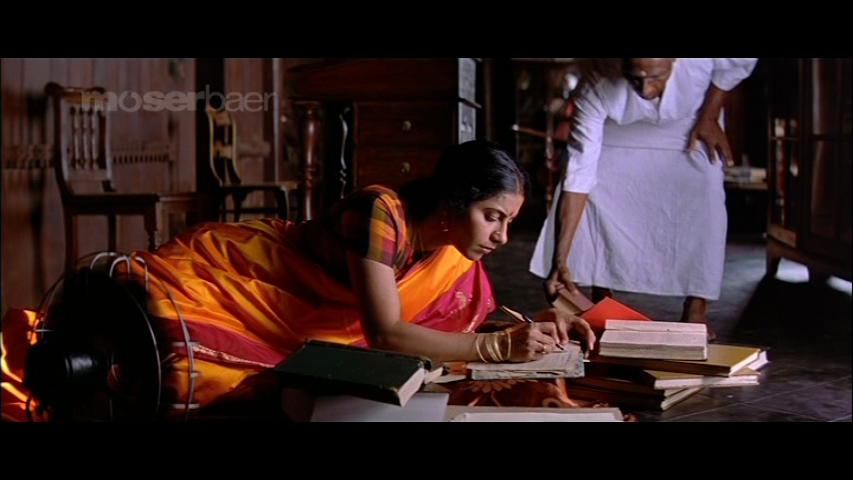
Subhadra is always alone and lives in a large house with only two elderly servants for company. She is mainly depicted as always writing, sometimes even during the performances, and she seems a rather pitiable character who is lost in her own dreams and fills her days with illusions.  She falls in love with Kunhikuttan but it is immediately apparent that she is obsessed with Arjuna the character rather than Kunhikuttan the man.  All her writing is put to good effect though as she writes a version of the Arjuna/ Subhadra story which she persuades Kunhikuttan to perform.

VanaprasthamVanaprasthamVanaprasthamVanaprastham

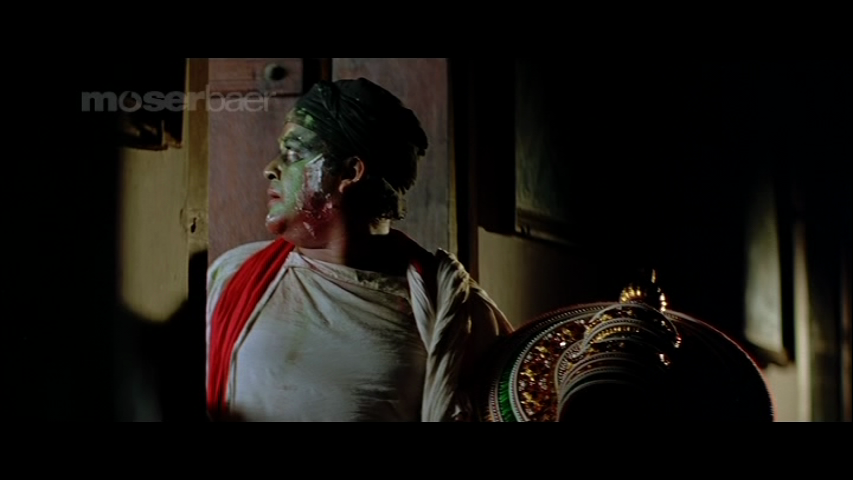
Subhadra’s obsession is clear in the scene after the two have made love.  Subhadra seems to revel in the smears of make-up on her face and looks ecstatic, while Kunhikuttan sneaks out of the room, guiltily carrying his costume and immediately goes to bathe.

VanaprasthamVanaprastham

Subhadra has no time for Kunhikuttan the man and when she has his child she allows him to meet his son briefly and then explains that she will have nothing more to do with him.  Kunhikuttan yearns to be with his son, particularly since he never knew his own father, but he is denied the opportunity to be a part of his son’s life. This is just one more pain for Kunhikuttan to deal with, along with his continual poverty, his unhappy home life and the looming illness of his friend.

VanaprasthamVanaprasthamVanaprasthamVanaprastham

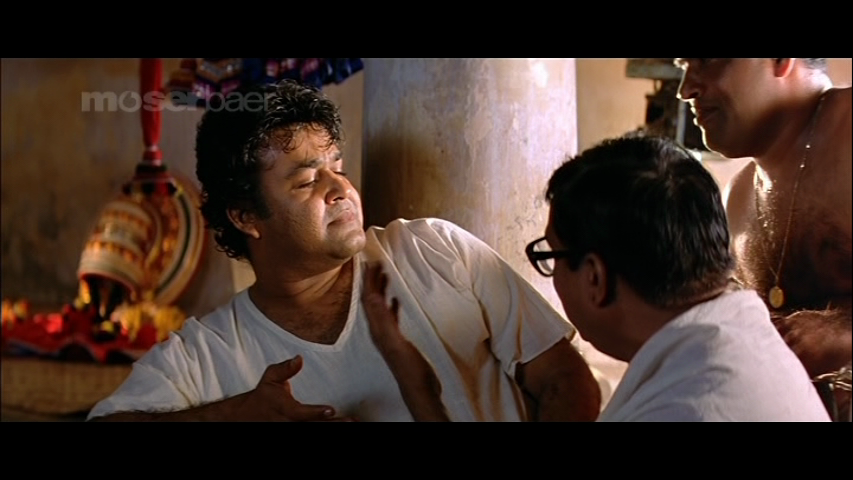
Mohanlal expresses his emotions perfectly, showing restraint and sincerity throughout.  His easy camaraderie with his fellow performers, his obsession with his son and the deteriorating relationship with his wife are all brought clearly to life.  Suhasini is also excellent as Subhadra and is particularly good in her scenes with Mohanlal when she is obsessing about Arjuna.  At times the film does get a little confusing, and the occasionally obtuse nature of the subtitles in my DVD copy didn’t help.  Kunhikuttan’s friend who is one of the singers is called Namboothiri, but I think that Kunhikuttan also uses this term (which I believe means Lord) to refer to his father.  Kunhikuttan goes to Kasi to perform rituals which I thought were for his friend, but later seemed to be for his father.  The ageing effect is also not terribly obvious, and it is only because Kunhikuttan’s daughter grows up that I was able to work out a significant amount of time had passed.

VanaprasthamVanaprasthamVanaprasthamVanaprastham

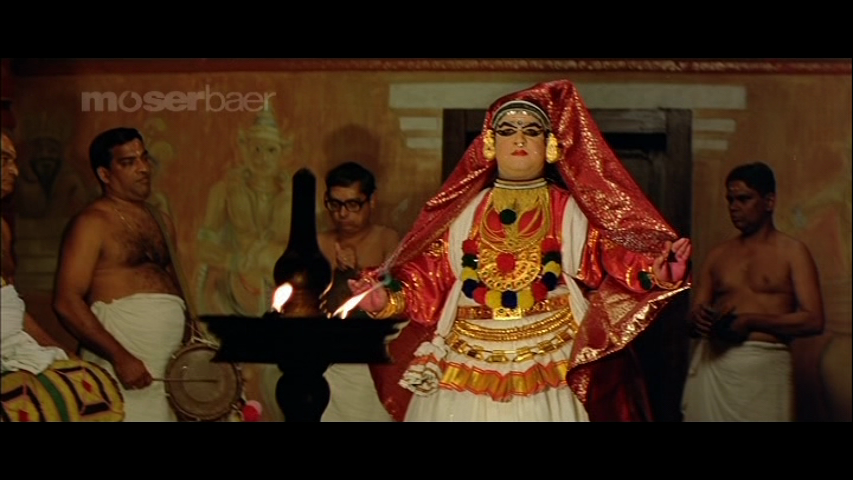
The cinematography by Santosh Sivan and Renato Berta is simply stunning.  The natural world is cleverly contrasted with the artificial world of performing and every image is full of detail.  The art-form of Kathakali is showcased with beautiful images of the performances as well as glimpses into backstage life.  It’s a visual feast and at times I needed to rewind to fully grasp the action as I was distracted from reading the subtitles by the quality of the imagery.

VanaprasthamVanaprasthamVanaprasthamVanaprastham

I was impressed by Mohanlal’s dancing, particularly since he isn’t a classically trained dancer and yet as far as I could tell, he held his own against the professional dancers in the cast.  I found it surprising that the dancers were all living in poverty despite the apparent recognition of their skills and I wonder if this is still the case to-day.  The costumes certainly all look expensive and they must go through truckloads of make up for each performance too!

Vanaprastham is full of symbolism, from the title referring to the stage of life where spiritual concerns take over from the day-to-day responsibilities, to the parallels between the story of Arjuna and Kunhikuttan’s life and I’m sure that there are many more details I missed. The performances are excellent, the background music by Zakir Hussain blends with the traditional songs and the story which seems so simple initially has plenty of complexity and depth.  It’s an absolute must watch and I thoroughly recommend it! A full 5 stars.