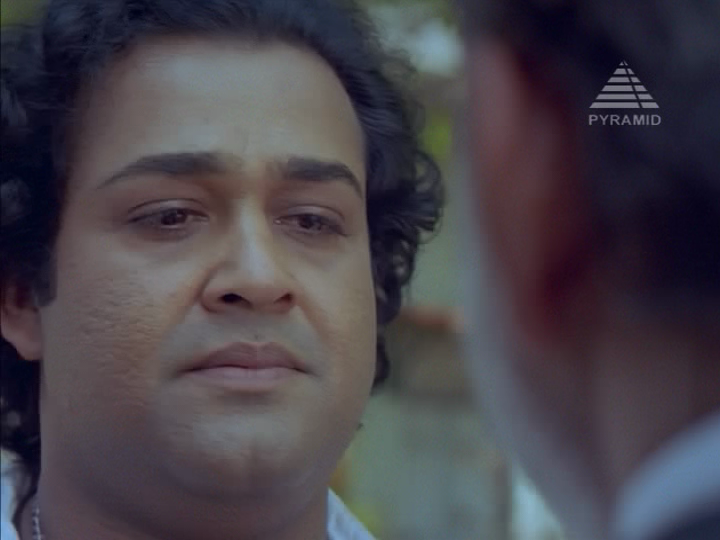
Subramaniapuram

Subramaniapuram

I picked up a copy of Subramaniapuram after being intrigued by the costumes, Brothers’ Gibb hairstyles and excessive facial hair I saw in the songs – which I’m worried says a little too much about how I choose which films I watch!

It all makes a little more sense when it turns out that most of the film is a flash-back to 1980, although I’m not sure that large collars and flares ever made much sense.  This is director M. Sasikumar’s first venture, but he worked with Paruthiveeran director Ameer on a few films previously and appears to have been influenced by Ameer’s true-to-life style of film-making.  The realistic approach suits the gritty storyline, although the screenplay does wander in places with the first half being essentially a long set-up for the action in the rest of the film.  However, there is enough suspense to keep the plot interesting and the attention to detail in the sets makes it an intriguing glimpse into India in the early eighties.

SubramaniapuramSubramaniapuram vlcsnap-2013-09-01-21h59m26s70Subramaniapuram


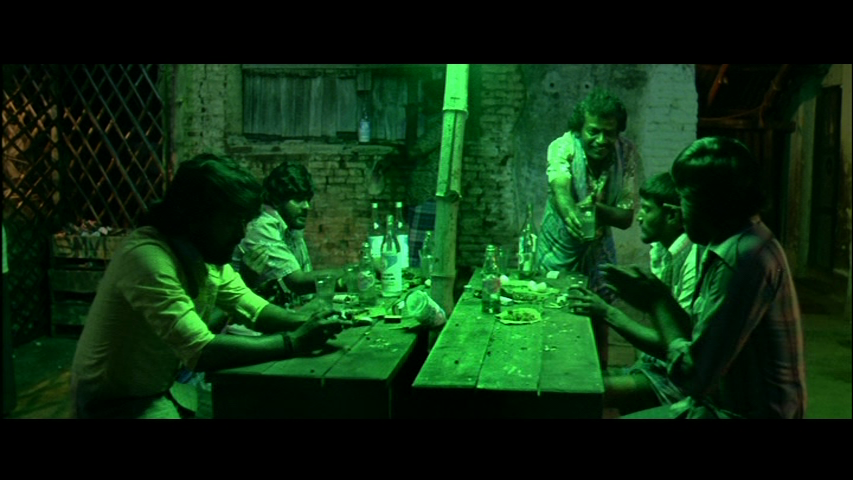
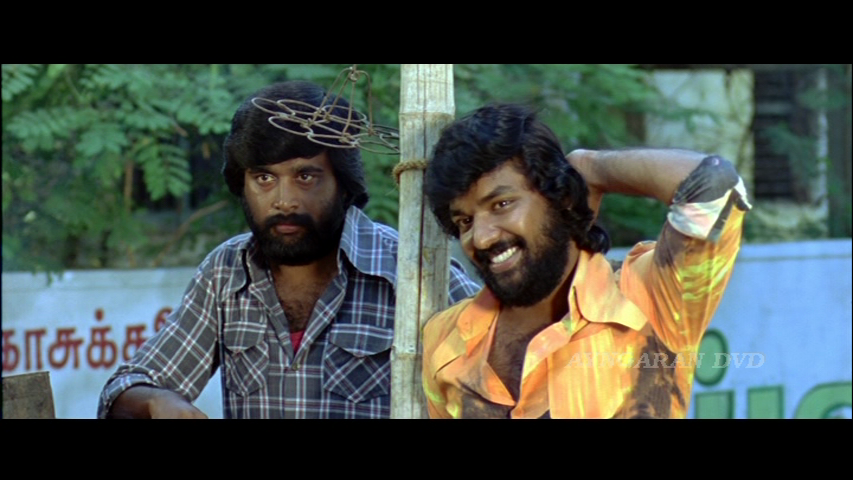
The film starts with a dramatic stabbing outside Madurai prison in 2008.  To explain who has been stabbed and why, we move back to 1980 and a group of friends who spend their days lazing around the area of Subramaniapuram.  Azhagar (Jai), who my subtitles call Alagar and Paraman (M. Sasikumar) act as security for the ex-councillor Somu and his brother Kanugu (Samuthirakani), although it’s a rather informal arrangement and Somu spends most of his time bailing the friends out of jail.  Along with Kasi, (Ganja Karuppu), Dumka and Dopa, the friends prefer to drink and fight, rather than look for any gainful employment, which is a point of contention for Azhagar’s more successful brother and his long-suffering mother.

SubramaniapuramSubramaniapuramSubramaniapuramSubramaniapuram

Some comedy is introduced with the goofy looks Azhagar gives Somu’s daughter Swathi (Thulasi), and the way he cannot keep his attention on anything else whenever she is around.  It’s cute, and Azhagar’s attempts at stalking are met with plenty of encouragement, although naturally Swathi expects her man to eventually change his ways.  Thulasi has a great shy and bashful smile which she uses well and she easily fits into the role of a school girl in the first throes of love. Later on she gets the chance to do a little more with her character and is convincing as she tries to reconcile her family’s expectations with her love for Azhagar.
SubramaniapuramSubramaniapuramSubramaniapuramSubramaniapuram

The first half is slow with considerable time spent on developing the characters of the friends and not much progress with the story.  However, there is a lot going on, but these are mainly background events which gradually combine to give an overall feel for the time and place.  A trip to the cinema at one point for example, illustrates just how much Azhagar values his relationship with Swathi above his friends, which does have implications later on in the story.  It also shows just how easily Azhagar and Paraman erupt into violence for very little provocation and that the Three Musketeers have nothing on Azhagar and his friends when it comes to the ‘all for one and one for all’ concept of fighting.

Essentially Subramanipuram is a story of betrayal.  Kanugu feels betrayed when his political party appoints someone else into the role he has been coveting, and uses the unquestioning loyalty of Azhagar and Paraman to get his revenge.  It’s also a story about the betrayal of Azhagar and Paraman who expect Kanugu to come to their rescue yet again and are spurred into action by Kanugu’s failure to get them out of jail after they remove his rival. There are many other betrayals along the way, which serve to highlight the few characters that do remain completely faithful. It’s an interesting look at how each small act of disloyalty starts another in a chain reaction that doesn’t intensify, but rather just keeps perpetuating in an endless cycle.  Whether it’s about jobs, relationships both professional and personal or friendship, the betrayals come thick and fast throughout the community.

SubramaniapuramSubramaniapuram

After the interval the story moves much faster as Azhagar and Paraman escalate their violence from petty fights to actual murder.  The friends’ initial decision to kill Kanugu’s rival seems naïve, especially when Kanugu is so very obvious about his manipulation.  However, their

subsequent actions quickly demonstrate how violence breeds yet more violence and that having killed once, it’s much easier to kill again.  One of the most realistic scenes of the film does illustrate that it takes a fair amount of determined hacking to chop off someone’s head, so be warned that this isn’t a film for the squeamish (even though most of the aforementioned chopping does take place off-screen).

While Sasikumar does well at directing, he is rather more one-dimensional as Paraman, and even though Paraman has the potential to be an interesting character, he somehow never quite gets there.  Jai has a little more material to work with as Azhagar, and does a great job of expressing every emotion from infatuation to terror and finally despair as the final betrayal hits home.  It’s an impressive performance and enough to make me have a look for some of his other films, where thankfully he appears to have shaved off most of the truly excessive beard.
SubramaniapuramSubramaniapuram

SubramaniapuramSubramaniapuram

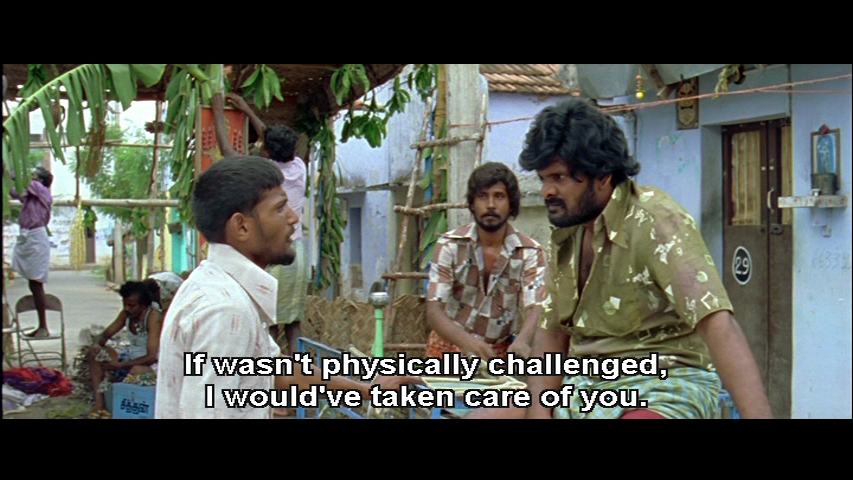
Ganja Karuppu is suitably annoying as the perpetually drunken Kasi, and when he does get the opportunity to do something more than just mug at the camera, he proves that he is a very credible actor when given the chance.  Best of all though is the actor playing the disabled Dumka, who is wonderfully matter-of-fact and keeps the whole film grounded with his pithy observations and practical solutions. The character is well written, but the actor does justice to the role making Dumka memorable even though it’s only a small part.  I haven’t been able to find out anything about him, but I hope he gets the chance to appear in more films in the future.

The costumes are also fantastic and all those shirts did conjure up some hideous memories of the late seventies.  I have no idea how accurate this vision of 1980’s Madurai actually is, but it seems to be scarily reminiscent of 1980’s fashion in the UK (excepting the lungi’s of course).  The music by James Vasthanan seems to fit the time period well and this is probably the best song which features plenty of those goofy grins and bashful glances between Azhagar and Thulasi.

Subramaniapuram starts out like any typical Tamil film, veers off into more novel territory with some good ideas, but is a little let down by patchy pacing of the action.  Excellent performances and the dedication to recreating an early eighties feel make the most of the storyline although it’s not a film I’d recommend for the faint-hearted.  Worth a watch though if you like a more realistic style of film and don’t object to the occasional outbreak of gory violence. 3 ½ stars.

Thalaivaa (2013)

Thalaivaa

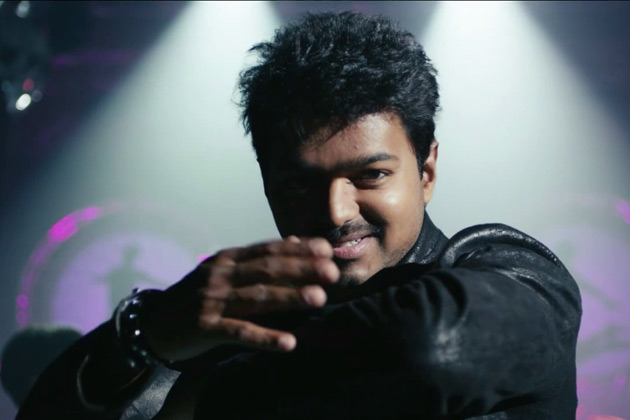
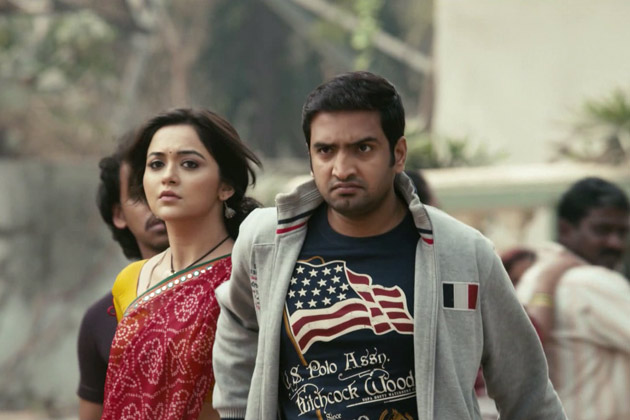
Thalaivaa is the latest release for Vijay, and although it’s not as instantly entertaining as his last film Thuppakki, it’s still a mostly enjoyable watch.  Vijay is excellent (although he doesn’t tread any new ground), and impressive performances by Santhanam and Amala Paul add to the overall impact, but it’s really Sathyaraj who steals the show as the reluctant saviour of the people.  Thalaivaa is also the latest film to release here in Melbourne with English subtitles, and I can only hope that this trend will continue.  Thanks to the Powers That Be in Chennai who have finally started to distribute subtitled films to locations outside of the US and UK – please can you start on the smaller releases now too?

A.L. Vijay’s Thalaivaa is really a story of two halves.  It starts off with some political shenanigans in Mumbai which sets up the story for the rest of the film.  Ratnam (Nasser) is a political leader who is targeted by his opponents during a riot.  However he is saved, along with his young son by Ramadurai (Sathyaraj), who pays for his brief foray into politics when he himself is later ambushed and his wife killed.  Ramadurai hands his son over to Ratnam in the hope that he will have a better and safer life overseas, while Ramadurai stays and fights for the rights of the underprivileged Tamil people in Mumbai.  After such a serious and well-constructed beginning, the film suddenly changes direction completely as we move to Sydney where Viswa (Vijay) and his ‘brother’ Logu (Santhanam) are running a water bottling company.

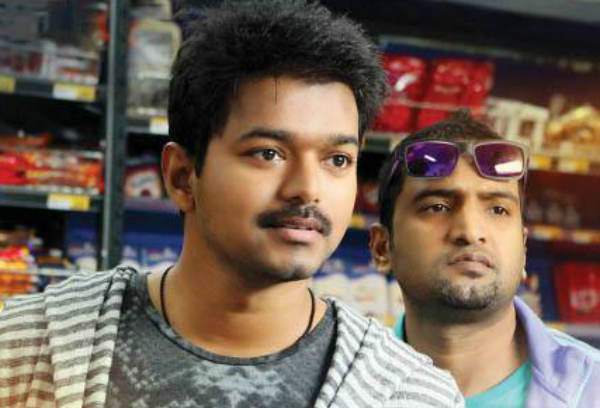
ThalaivaaVijay and Santhanam

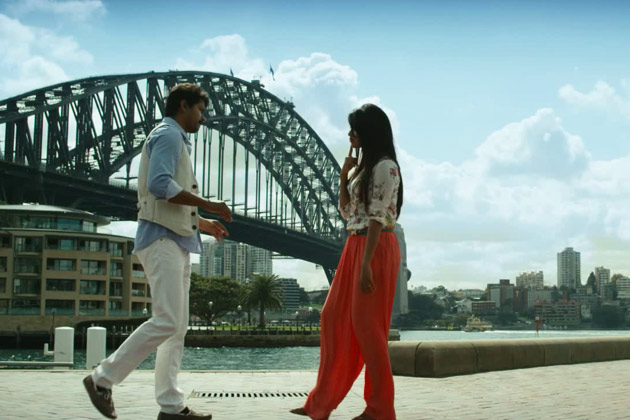
Although Viswa seems to be doing incredibly well with his small company given his expensive apartment with views of the bridge and waterfront, he also has ambitions to make the big time as a dancer.  The first half is light-hearted and there is plenty of humour as Viswa and Logu compete for the affections of Meera (Amala Paul), the daughter of one of their bottled water customers (Ponvannan).  Sydney provides a picturesque backdrop for the songs, although the entire dance competition storyline is very contrived and unrealistic, not that there is anything unusual in that. However the really dumb entrance by Meera chasing a CGI butterfly is offset by her feisty and assured character who even gets to show off her dancing skills and proves to be just as good as the guys.  Amala Paul is excellent as Meera and manages to create a believable personality with just a few scenes.  Sadly she has much less screen-time in the second half and her character becomes even more clichéd, but she does a good job with her limited material, and she looks stunning too.

ThalaivaaThalaivaa

Inevitably Meera and Viswa fall in love, but Meera’s father insists on meeting Ramadurai before the wedding can go ahead.  However Ramadurai is now Anna, an underworld figure who rules the slum areas of Mumbai and ensures his own brand of justice for his people.  As such, he’s wanted by the police, and Viswa’s arrival into Mumbai is a major headache for his father and his loyal followers.

Anna

There is an unexpected plot twist after Viswa lands in Mumbai and the film changes tack again into a more typical mass-style thriller with the expected chase sequences through back alleyways and eventual, rather predictable final showdown fight scene.  Viswa ends up taking over his father role and his transition from carefree dancer and small businessman to serious leader of the people isn’t well developed and seems rather too abrupt.   Abhimanyu Singh plays Viswa’s main rival Bhima and his character is also majorly underdeveloped despite a good starting premise.  I’d like to see Abhimanyu Singh do more than just flex and grimace at the camera as he seems to have done in his last few films, since he has played more nuanced characters in the past, and played them well too.  However, we don’t get any real depth from his character here and it makes absolutely no sense that the political power brokers decide to back such a demented thug with his wholesale plans of indiscriminate violence.  But back him they do, and despite a few unexpected twists, the story winds its way through the standard formula of good guy looking out for the welfare of the people vs. uncaring thug, only interested in power.

ThalaivaaThalaivaa

The second half drags in places as we tick off each point on the ‘standard Tamil thriller storyboard’, although there are some excellent scenes amid all the clichés which liven up proceeding again.  But its uneven and even the best efforts of Vijay, Santhanam and Sathyaraj can’t stop the feeling that we’ve seen all this before.

Thalaivaa

Still, the film is well shot by experienced cinematographer Nirav Shah with good use of the cityscape in Sydney, and equally good cinematography in the dock and slum areas of Mumbai.  The choreography is well suited to Vijay and Amala who share good chemistry together.  The songs by G. V. Prakash Kumar are generally catchy, apart from a more political song in the second half which could have been shorter.  Ragini Nandwani also puts in a good performance as a second love interest, and the rest of the cast provide able support to the main leads.ThalaivaaThalaivaa

Overall Thalaivaa is rather less than the sum of its parts, but there are enough individually good scenes along with polished and assured performances to make it mostly entertaining.  The story really needs to be sharper to offset the stereotypical characterisations but I still came away feeling that Thalaivaa is worth seeing on the big screen.  Watch for Sathyaraj, Vijay and those dance scenes around Darling Harbour and Circular Quay which really are excellent.

Iruvar (1997)

Iruvar

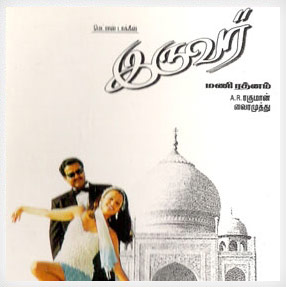
Mani Ratnam’s Iruvar is essentially a story about friendship but it manages to encompass cinema, politics and plenty of associated drama along the way.  From their first meeting in the film industry, through their membership in the same political party until Anandan and Tamilchelvam end up as rivals for the position of chief minister, the friendship between the two endures the many challenges they face.   Despite the disclaimer at the start that the film is a work of fiction, even a cursory glance at the biography of Tamil film legend M. G. Ramachandran shows many parallels between his life and that of the character Anandan (Mohanlal).  It’s also apparent that MGR’s real life political rival, M. Karunanidhi is the character Tamilchelvam, portrayed by Prakash Raj, while other counterparts from the same era are also featured in the film. Although I don’t know enough about the lives of M.G. Ramachandran and M. Karunanidhi to comment on how accurately the two characters do resemble their real life counterparts, not knowing the true events isn’t a hindrance to enjoying the film.  It’s an exceptionally well told story and features not only brilliant performances from the two leads Mohanlal and Prakash Raj but also features an excellent début from Aishwarya Rai.

IruvarIruvar

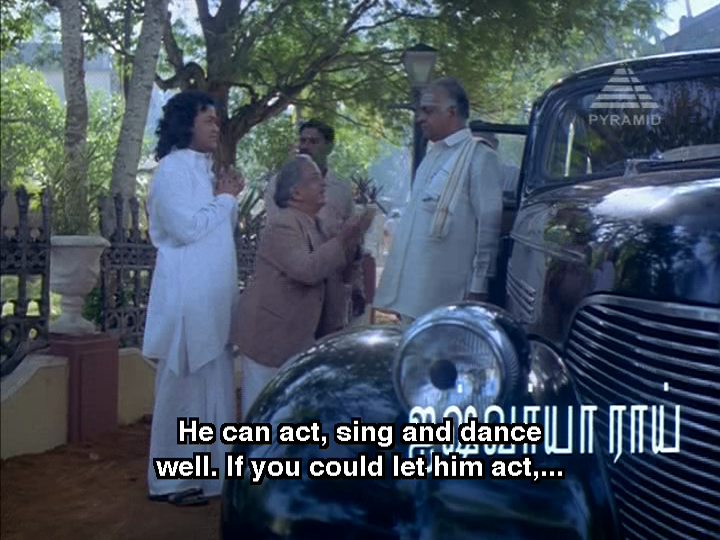
The film opens with the young Anandan (Mohanlal) looking for acting work and finally achieving his dream of becoming a film hero assisted by his friend Tamilchelvam (Prakash Raj).  The initial meeting of the two men typifies their characters.  Anandan doesn’t always seem to understand or agree with everything the poet Tamilchelvam says but he is impressed by the man’s obvious sincerity and self-belief, and asks Tamilchelvam to write his dialogues for him.  Anandan is a simplistic man who just wants a good paying job so that he can look after his mother, while Tamilchelvam is more idealistic and wants to use his words to change the world.

IruvarIruvarIruvarIruvar

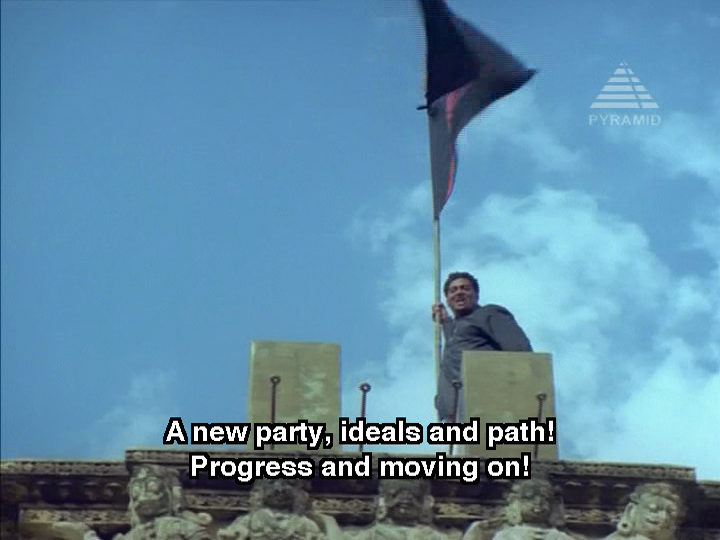
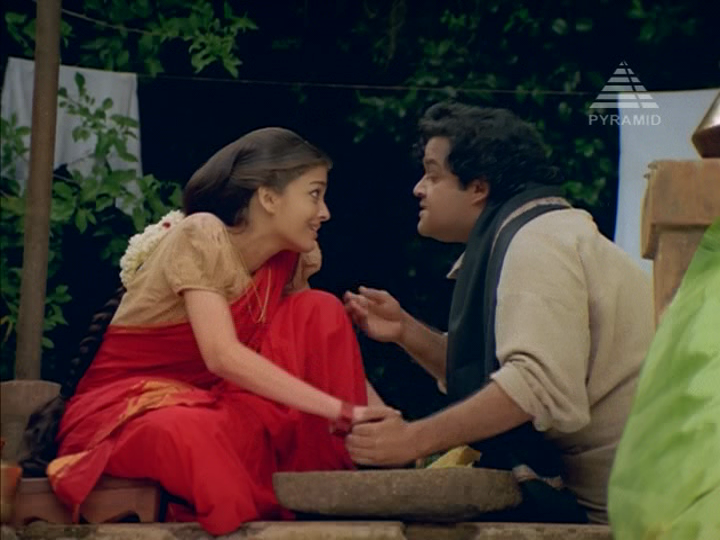
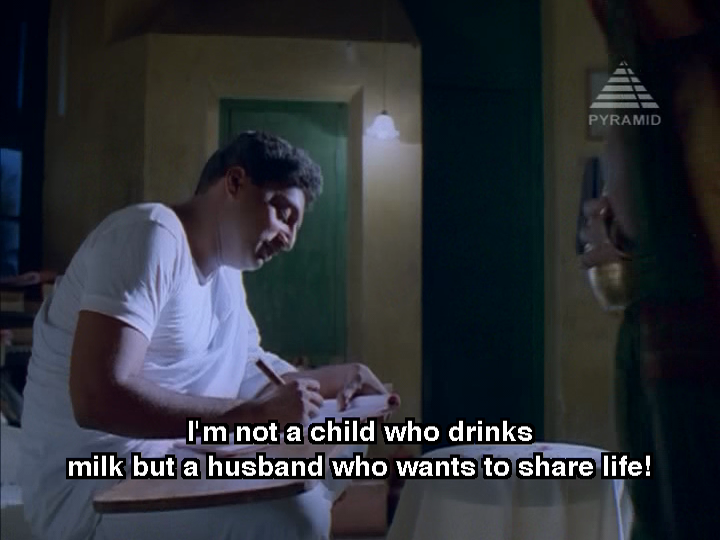
As Anandan’s star is rising in the film industry, Tamilchelvam continues to work as a screenwriter although he also becomes active in a Dravidian social party led by Velu Annachi (Nasser).  At the same time the two friends get married although Anandan is tricked by his mother into tying the knot with a local girl Pushpa (Aishwarya Rai) while Tamilchelvam marries Maragatham (Revathy), a girl approved for him by his political leader.  Despite their inauspicious beginnings, Anandan rapidly falls in love with Pushpa’s lively innocence and charm, although he leaves her with his mother when he goes back to work.  Tamilchelvam on the other hand spouts speeches about equality in marriage on his wedding night while Maragatham is more traditional and superstitious which doesn’t bode well for their future together.

IruvarIruvar

This song intersperses a romantic film song featuring Madhoo in a guest appearance with scenes from Anandan’s marriage presumably suggesting that the real-life relationship was as idyllic as the fairy-tale filmi romance.

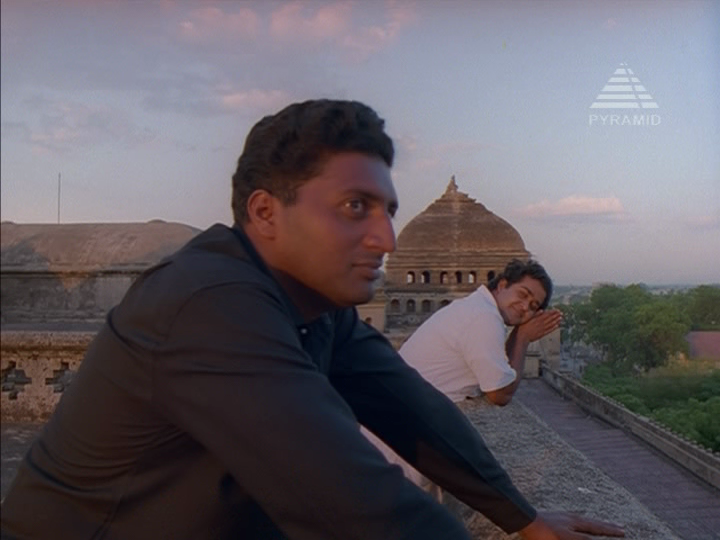
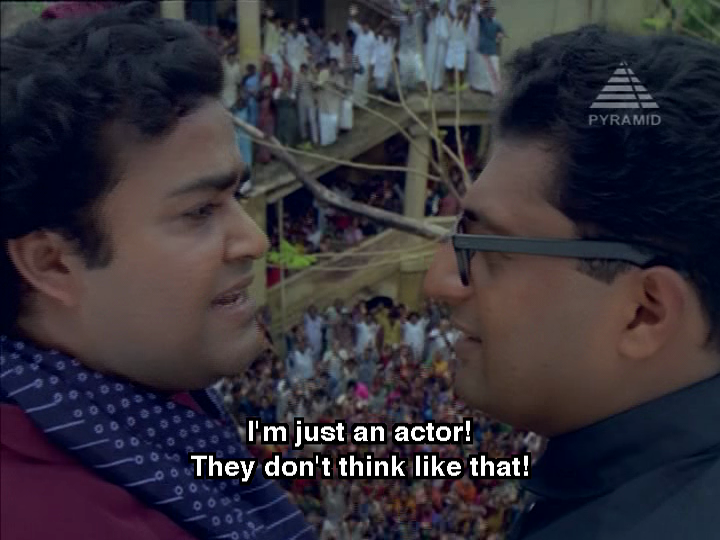
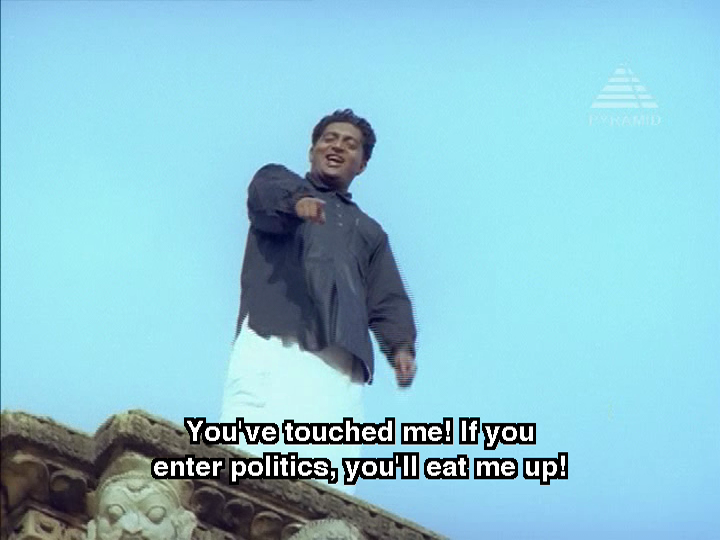
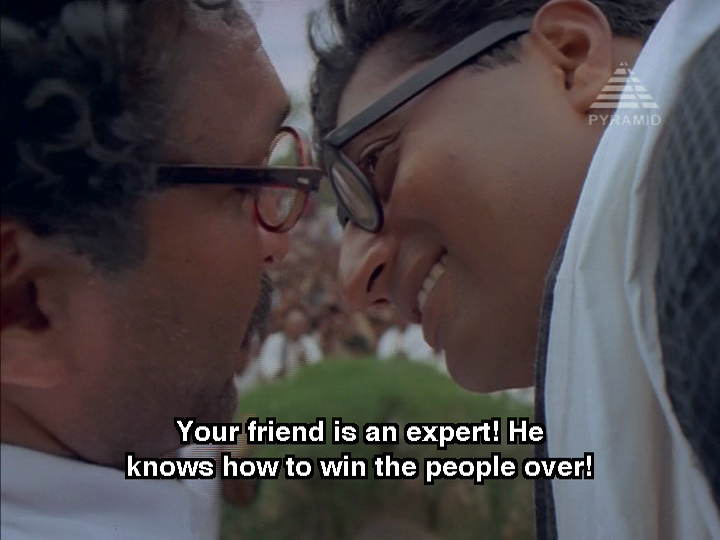
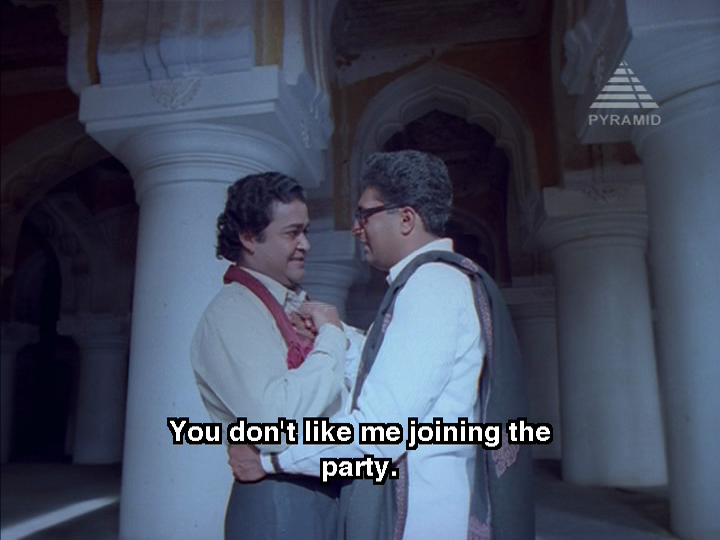
As their careers progress, Anandan becomes a star, able to draw crowds although he doesn’t appreciate his popularity until it is forcibly shown to him by Tamilchelvam.  This is demonstrated in an excellent scene where Tamilchelvam takes Anandan up onto the roof to show him the hundreds of people waiting for a chance to catch a glimpse of the film star.  Anandan’s slow recognition of his fame is perfectly played by Mohanlal, but once he has recognised the fact, he knows how to work his popularity and make the most of it.  Anandan also joins Tamilchelvam’s political party, although he is looked on with suspicion by the other party members who feel that Anandan is using the party to further his film career, while Anandan feels that his film fame is being exploited by the party to pull in more voters.

IruvarIruvarIruvarIruvar

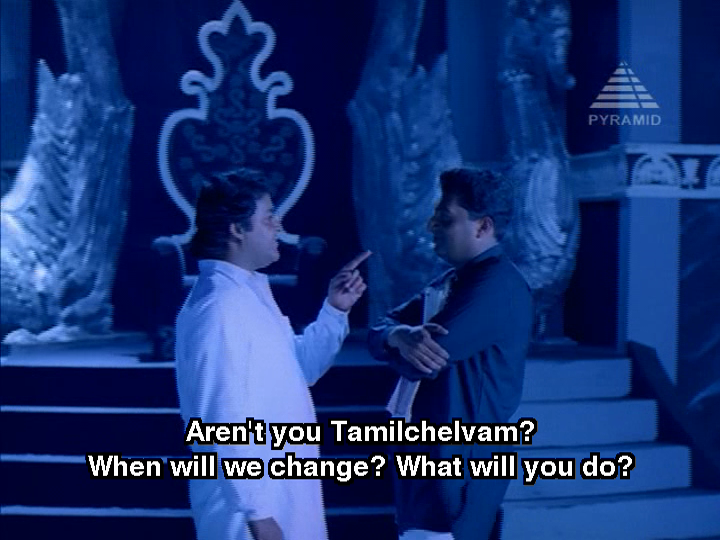
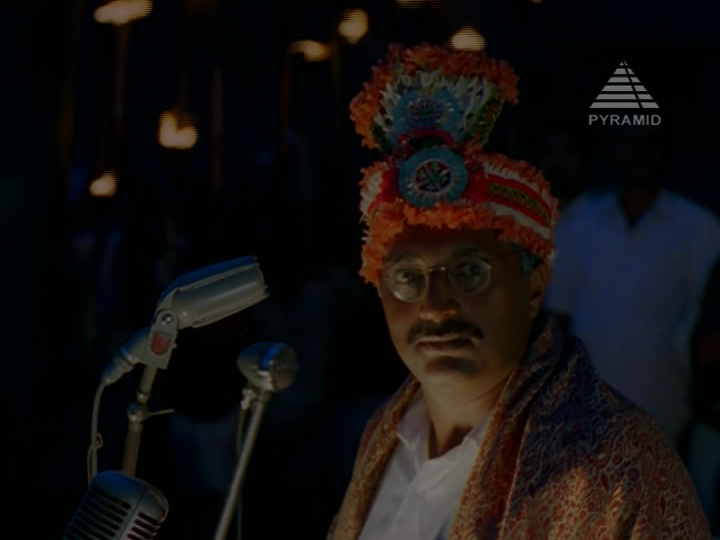
The contrasts between the two men are expertly illustrated in their interactions with each other and with the other characters.  The more idealistic and driven Tamilchelvam prints pamphlets and makes long inspiring speeches at political rallies while Anandan just declares that he wants everyone to be happy.  After Anandan’s first wife dies he marries his co-star Ramani (Gautami) almost by chance.  Ramani turns up on Anandan’s doorstep in distress, fleeing from her abusive uncle manager (Ravi) and since Anandan doesn’t seem to have much else happening that week he decides to marry Ramani to keep her out of her uncle’s clutches.  In contrast, Tamilchelvam sees Senthamarai (Tabu) at a political demonstration and arranges for her to come to Chennai to be his mistress.  Tamilchelvam is proactive and driven, and plans his life to realise his ambitions while Anandan is more reactive and laid-back, seeming to fall into his success by chance, although helped by his natural charm and talent.

IruvarIruvar

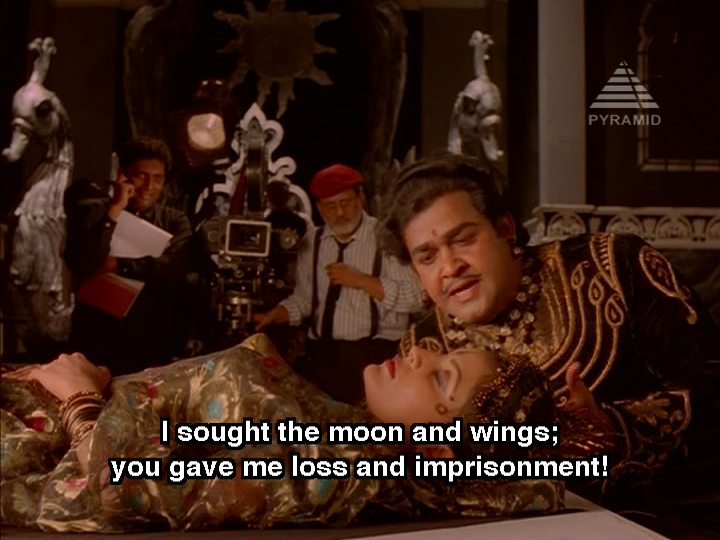
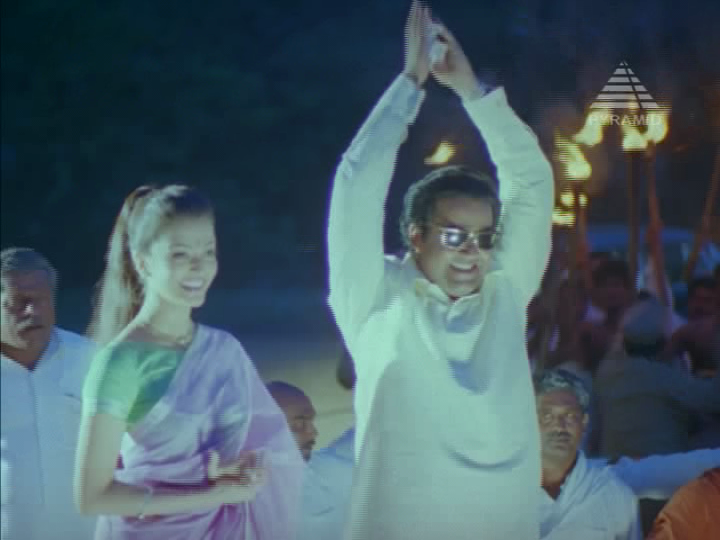
Aishwarya Rai has a double role and appears again as Kalpana, a new actress who works with Anandan despite his initial reservations, due to her resemblance to his first wife.  It’s an impressive performance from Aishwarya who is feisty and assured in complete contrast to her role as Pushpa.  She also looks gorgeous and the songs featuring her and Mohanlal are some of the highpoints in the film.  Kalpana is apparently based on Jayalitha, although seemingly only on her acting career,since the character doesn’t have any political aspirations in the film, and has an early and off-screen exit.

Iruvar seems to deal lightly with Anandan, using Tamilchelvan more as a contrast with the actor, although both men are treated fairly without any particular bias for one side over the other.  It’s a very human look at politics and the realities of power as these men, with their great ideals and desires to change the fate of the common man, still end up with similar policies to the previous party. Despite their eventual opposition in the political arena, Anandan and Tamilchelvan seem to be able to maintain their respect for each other, even as they battle to keep power.  Their relationship is complex and often threatened by the actions and opinions of others but both characters keep true to their basic personality, which ensures the friendship appears realistic. Mohanlal is superb as Anandan using his facial expressions to wring every possible emotion out of every scene.  He is often understated and conveys his emotions very simply but with great effect.  Prakash Raj is just as good as Tamilchelvam and his evolution from passionate young activist to elder statesman is perfectly portrayed.  The two combine together to make every moment they are on screen absolute gold. Santosh Sivan’s excellent cinematography also helps the film stand out with good use of camera angles to capture the large party rally’s contrasted with the more intimate scenes.

IruvarIruvar

I read that there was opposition to the film’s release (as might be expected given the reputations of both MGR and Karunanidhi) and certainly Iruvar has suffered at the hands of the censors.  A number of apparently stirring political speeches are muted partway through by loud music, and judging by the sudden jumps in the screenplay, a few seem to have been cut altogether.  But the relationship between the two men still comes across clearly and Mani Ratnam has drawn every possible nuance of their association in exquisite detail.  The censorship is interesting given that at one point Anandan makes a film which apparently portrays Tamilchelvam’s party in a negative light.  Tamilchelvam’s response is one that I’m sure all film-makers and reasoning adults would like to hear from more governments, particularly considering the recent issues surrounding Vishwaroopam.

Iruvar

The music and songs by A.R. Rahman are of a high quality and vary in style to illustrate the different cinematic eras encompassed by the film, although the time frame is never explicitly stated.  These range from the jazzy and more upbeat songs pictured on Kalpana to the more traditional and classically driven song Narumugayie.  Farah Khan was the choreographer which is probably another reason why the songs all work so well with all the dancers in sync.  This is probably one of my favourites as Aishwarya sparkles on the screen while Anandan and Ramani watch in the cinema. Anandan’s face as he realises Kalpana’s resemblance to his dead wife is a study in shock, horror and sheer disbelief while his wife is totally oblivious to his reaction.

Iruvar is a fascinating story about two very influential men, made even more absorbing by its basis on real people.  Although the censorship cuts do make some of the underlying details more difficult to follow, especially for those (like myself) who don’t know the true story, that doesn’t detract from the compelling nature of the relationship between these two giants of Tamil film and political history. Entertainment and education all in one – perfect! 4 ½ stars.