Rowdy Alludu

There are few things we like more than a Chiru movie, unless of course it’s a double role Chiru movie! Rowdy Alludu features Chiranjeevi taking on two classic characters; the smooth and suave businessman Kalyan and the strong, streetwise auto driver Johnny.  Add to this a dash of romance, intrigue, dastardly deeds and plenty of action and you have the perfect masala mix.
The movie starts with the above statement (which we took as A Sign) and there are a number of sections where there seem to be missing scenes as the action appears to skip. We really hope that there is someone in Hyderabad collecting and restoring, or at least preserving, all of these older films as quite a few we have watched recently have a similar problem.

Kalyan arrives back from the USA to take over the family hotel business from his ailing father and naive brother-in-law. With the help of his father’s trusted employee Mr Madhavayya (Raogopalrao) he discovers irregularities in the accounts and it’s not long before he has a few suspects in mind.
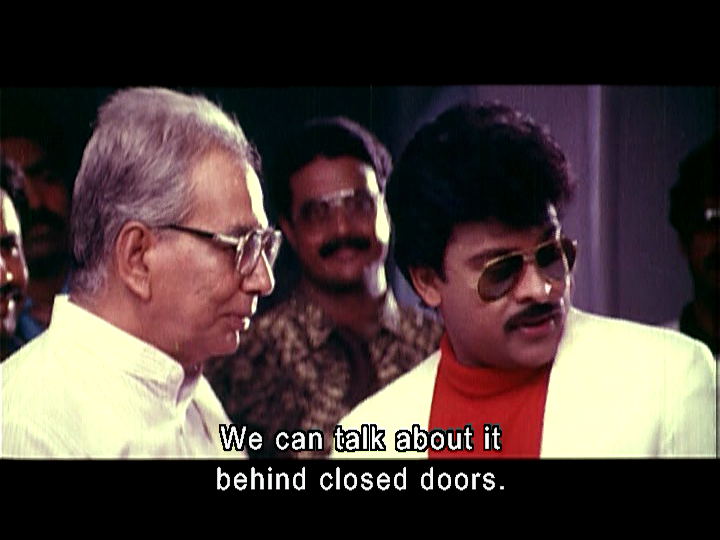
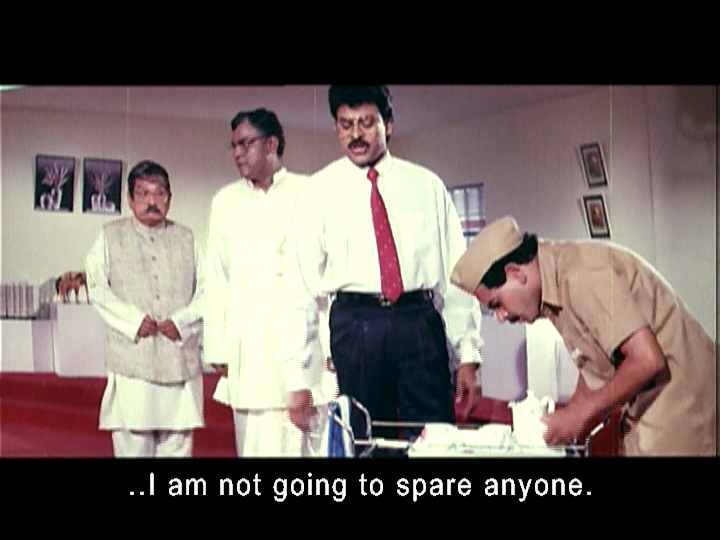
However, before he can investigate further, the whole family heads off to Ooty for a holiday. This seems to be an excuse for the wardrobe department to go mad buying a natty selection of sweaters for Chiru. Meanwhile, the fraudsters make efforts to cover their tracks and enlist the help of their partner in crime, the cat owning axe-murderer and construction contractor, Ranjit Kumar.
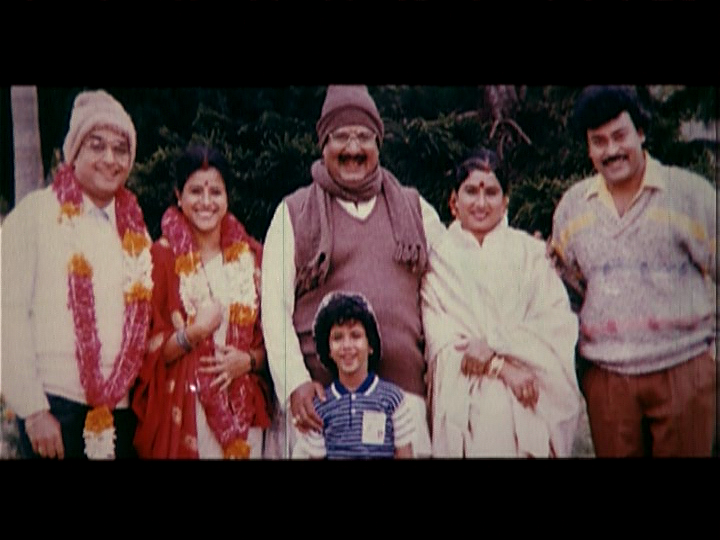
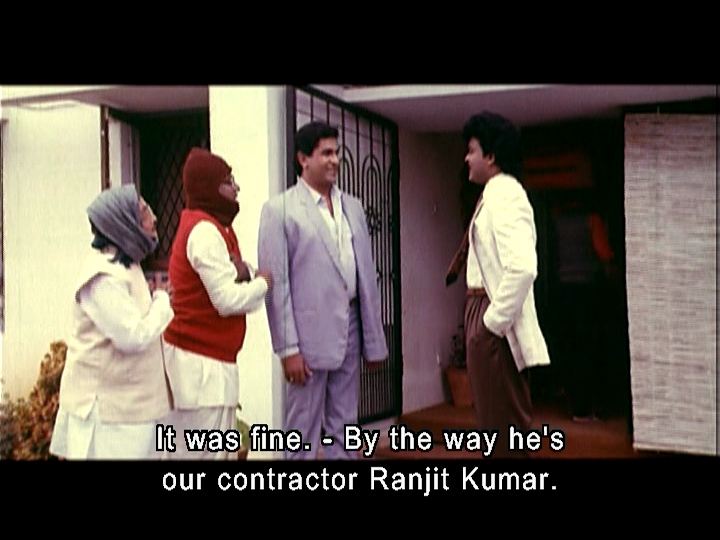
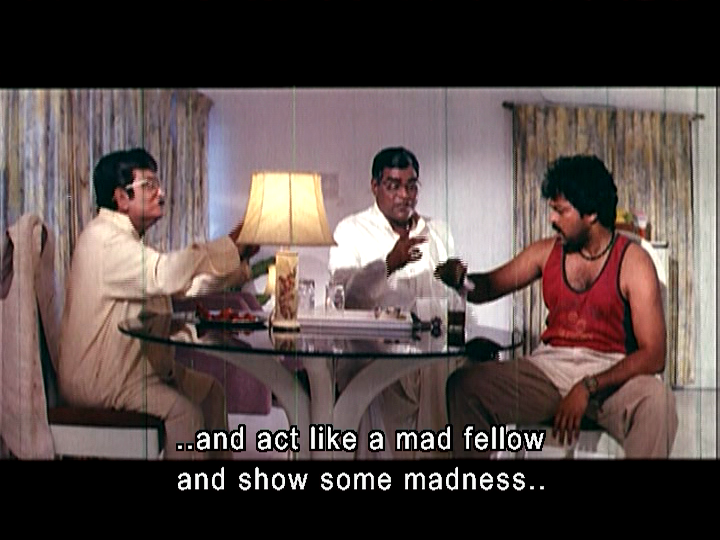
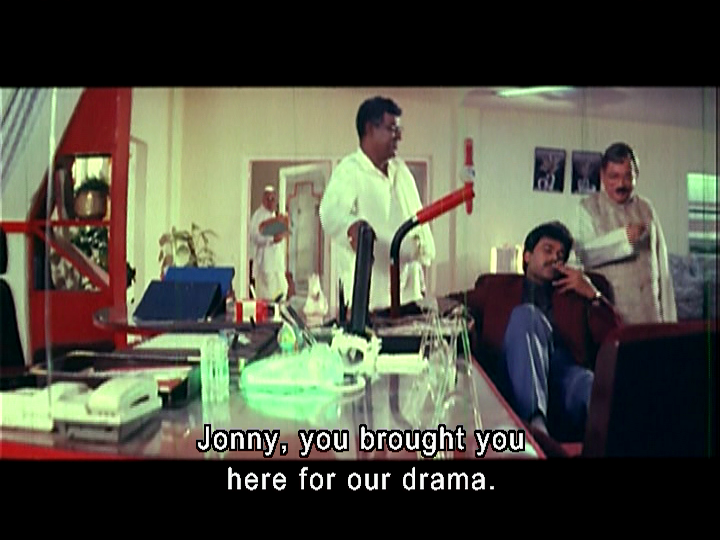
On a trip to Bombay, Venkat Raidu (Kota Srinivasa Rao) and Papi Kundalu (Allu Ramalingaiah) find Johnny, an auto driver who is the exact duplicate of Kalyan. They hatch a plot to get rid of their boss, put Johnny in his place and then take over the company.
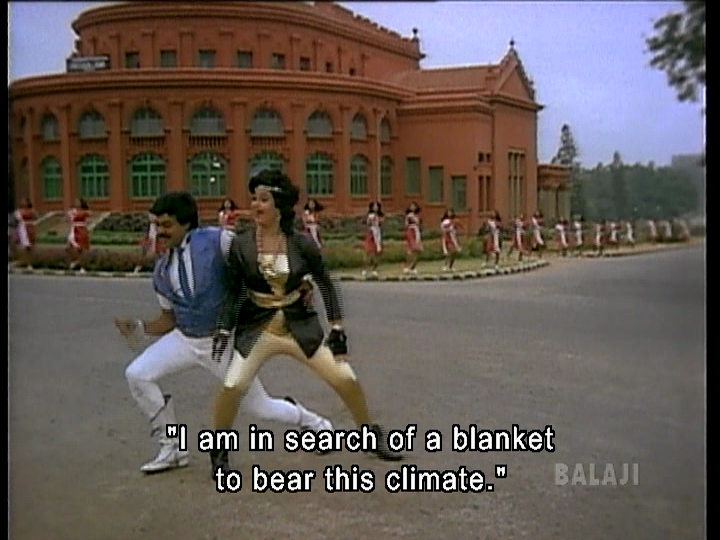
Never one to resist a beautiful woman, Johnny dances up a storm to a bonus Bappi Lahiri song with the amazing Disco Shanti. Despite the fact that this was a film released in 1991, Disco Shanti’s outfit looks to have been stolen from Sam Fox circa the mid eighties. Luckily they are in fine form, and more than ready to take on the dubious choreography and make it their own. This may be the song that taught young Charan how to handle a fire hose.

Kalyan is in love with Madhavayya’s daughter Sita (Shobana) who has the good sense to be a lawyer. This comes in very handy later on when the hapless Kalyan is accused of murder and thrown into jail. Rekha (Divya Bharti), the daughter of Venkat Raidu, hatches a scheme to marry Kalyan. Rekha does genuinely seem to love Kalyan but her father just sees the marriage as a way to control his nephew and the company. Naturally when she throws herself at Johnny thinking he is Kalyan, Johnny is delighted while Venkat Raidu desperately tries to separate the two.
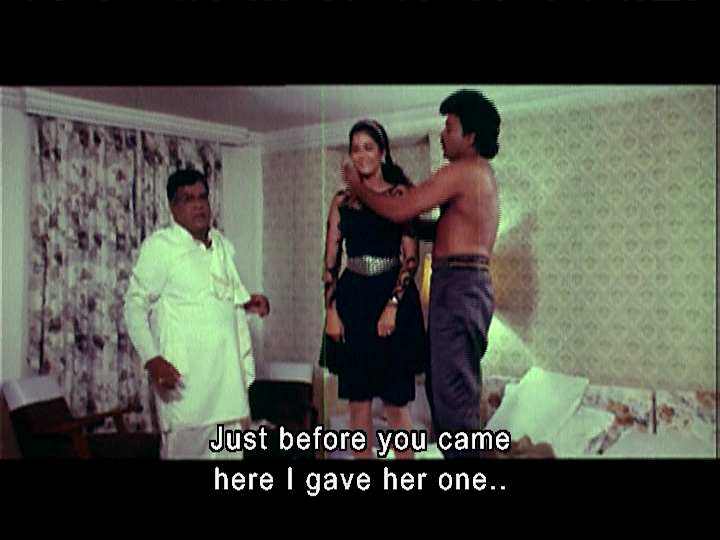
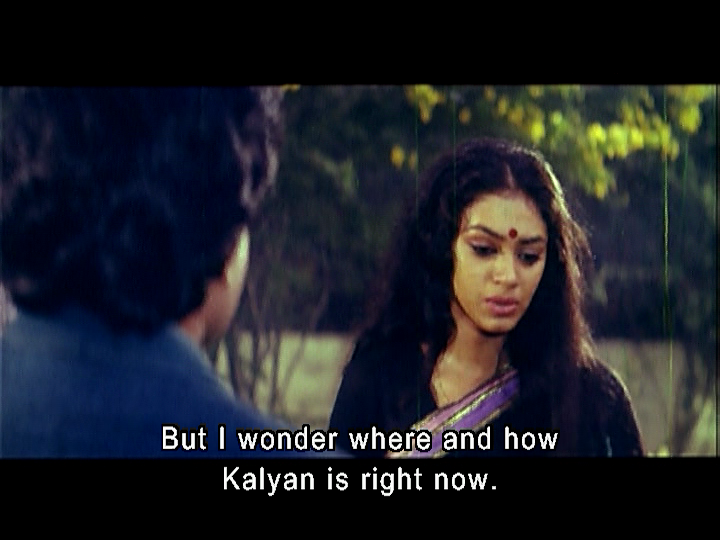
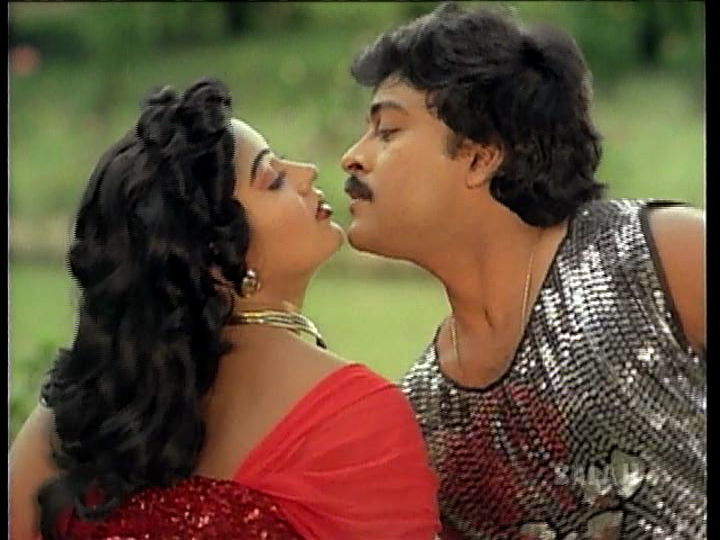
Shobana doesn’t get much screen time at all, although she does make a lovely pairing with Chiru. Most of the romance is provided by the interactions of Johnny and Rekha, relying heavily on comedy, mistaken identity and innuendo. Divya Bharti throws herself at Chiru with wild enthusiasm  and really, who can blame her.

The success of the film rests on the portrayal of the two characters by Chiru. He exudes class and style as Kalyan and is also convincingly vulnerable when his family is attacked.  Johnny is as rough and tough as they come and Chiru makes him a different character in every respect. Kalyan has a blow-waved mullet and neatly pressed trousers, Johnny has a more exuberant moustache and prefers the timeless plaid and denim combo. Johnny’s attempts to impersonate Kalyan are laughable, but since he is supposed to convince everyone that Kalyan has become crazy that works perfectly. A very youthful and bald-spot free Brahmi makes an appearance as the psychiatrist enlisted to pronounce Kalyan insane, but most of the comedy falls to Chiru as Johnny and he does an excellent job.  The two fraudulent employees also ham it up with their inept schemes and it’s left to Ranjit Kumar and his henchman to provide the real menace.

The songs are mainly featured on Chiru and Divya Bharti and are upbeat as expected from Bappi Lahiri, with some interesting choreography by Prabhu Deva among others. There is one romantic song with Shobana in Switzerland which is quite subdued choreographically, but still contains potentially scarring images of mouth to mouth grape transfer technique. Chiru and Divya have an interesting encounter with some rather obvious symbolism of melting candles, dripping wax and a lot more besides. And we would love to know what the meaning was behind poor Divya getting hit in the face with suspended fruit.  More fruit! There was a theme here, but we just don’t know why. The costume designers also seem to have gone crazy in the local DIY store for some of the outfits and must be applauded for their belief that almost anything can be used as a headdress.

We enjoyed the scene in the hospital when Kalyan’s father’s heart beats in Morse code. There doesn’t appear to be any reason for this but is one really needed? Did it say anything significant? Are there any Telugu Morse Code experts out there? Johnny is obviously a man of steel as he is able to emerge from a coma and go straight into a major fight without so much as needing a bandage change.

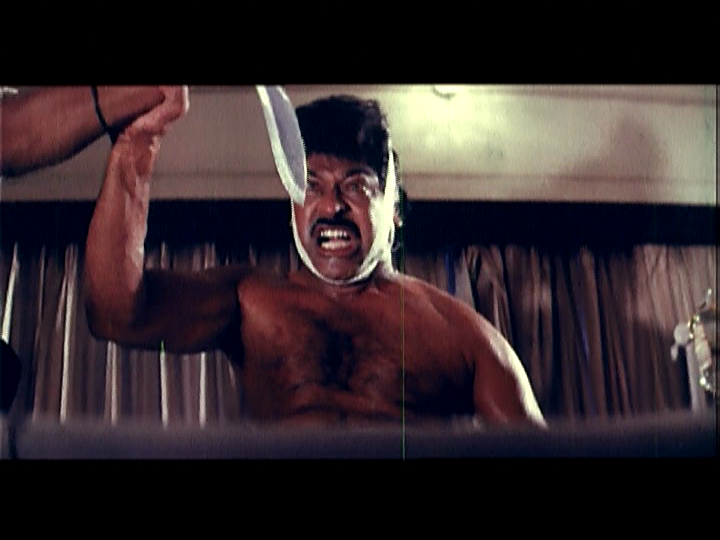
We know that the story doesn’t have to make sense, but the police do seem to be particularly inept On learning that Kalyan has been arrested and  subsequently escaped, Johnny promptly flies back to Hyderabad. Surely the police would have been deployed at the airport looking for the escaped felon Kalyan? And since Kalyan and Johnny were identical it seems likely that the police might just have spotted Johnny returning to the city of his crimes. Perhaps they were looking for someone escaping from Hyderabad rather than entering the city so he was able to sneak in while their backs were turned.  Or are we over-thinking this?

Chiranjeevi is in his element and much of the film’s appeal lies with him, but his co-stars all turn in excellent performances to make this very entertaining. There is so much packed into this film with plenty of twists, plots and counter plots making it chock-full of masala goodness.
Temple says: This is not my favourite Chiru film, but it is very entertaining. All the requisite elements are there – fighting, flirting, bad denim, a sobbing mother, songs and multiple double-crosses. The comedy track is well integrated into the main story, and both Allu Ramalingaiah and Kota Srinivasa Rao make the most of their characters. Brahmi’s appearance is forgettable as he really doesn’t do much apart from fulfill what seems to be a law that he must appear. Divya Bharti plays an airhead and manages to be likeable enough but between her squeals and the wardrobe excesses, I was a bit over her character in a very short time. Shobana has less screen time but makes a stronger impression for me, as she down played a lot of her scenes and gave Sita a bit of presence. She might not have gotten a big dance number, but seeing what the costume team did to Divya, that may not be something she regrets. Chiru manages the characterisations of Johnny and Kalyan very well, and aside from obvious styling changes, his facial expressions and enunciation help keep the two roles quite distinct. It’s a fun film, if not a great one, and the songs are certainly memorable! I give this 3 and 1/2 stars.

Heather says: Perhaps it was the return to Telugu Masala after a month of watching only Tamil movies, or maybe just because it’s twice as much Chiru, but I really enjoyed this film. The songs were particularly entertaining although I’m not sure if I can say that’s because of the dancing or just due to the unbridled enthusiasm of the wardrobe department! This was one of the films that made Divya Bharti a star in the south but I found her a little too loud and over-excitable. I thought Shobana’s performance was superior and it’s a shame she didn’t have more screen time. The film however belongs to Chiru and he separated his two characters very well, with differences in speech, posture and attitude clearly defining Kalyan and Johnny. I did appreciate the tasteful sweater collection used by Kalyan compared to the more garish choices often seen in Hindi films of the same period. The bumbling conspirators Venkat Raidu and Papi Kundalu are inept and amusing, while their partner in crime Ranjit Kumar seems to be an amalgamation of a number of classic James Bond baddies. Overall the story works well and the various twists and turns are satisfactorily dealt with to make this a fun watch. 4 stars from me!

HELP!

Our good friend Memsaab is trying to identify a particular function room and hotel swimming pool that feature in a lot of Hindi films. So imagine my delight when I saw The Pool in this film!
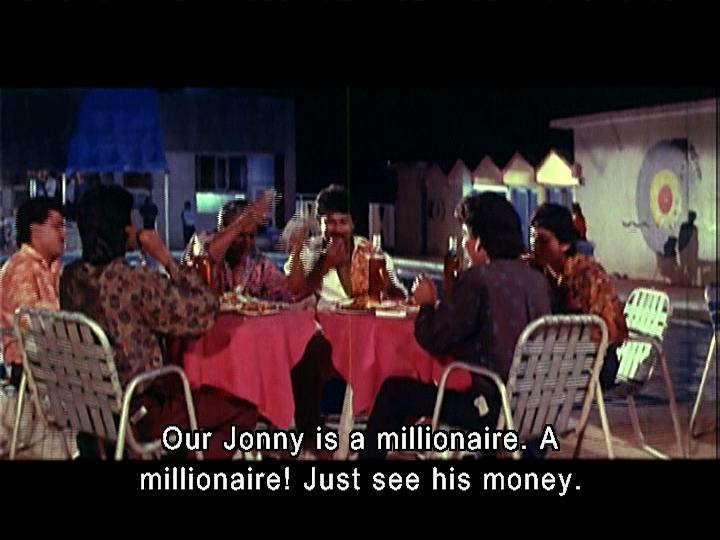
But I still have no idea which hotel it was at. Do you? Surely that distinctive wall decoration (on the right of the picture) has to ring a bell with someone. Please let us know! Temple
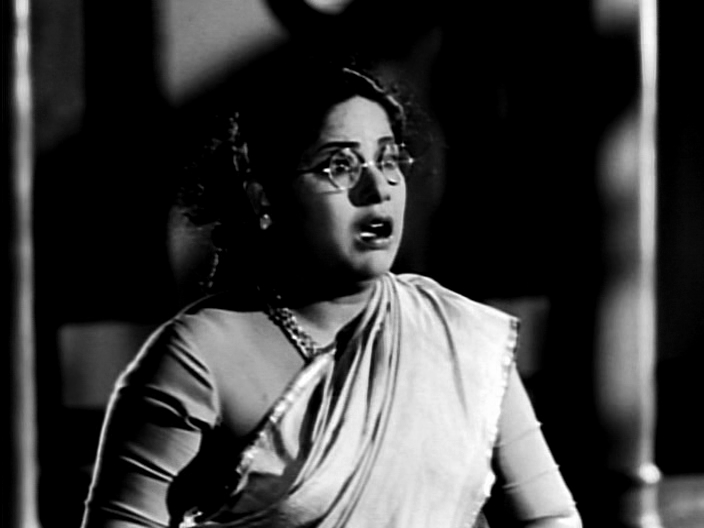
Gundamma Katha


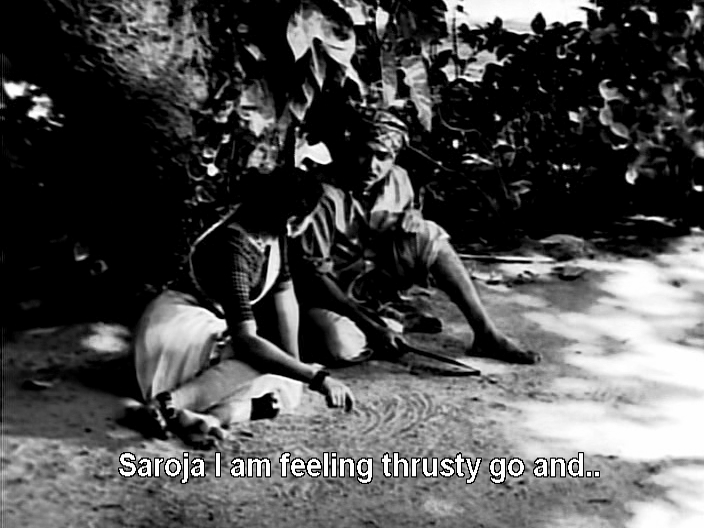
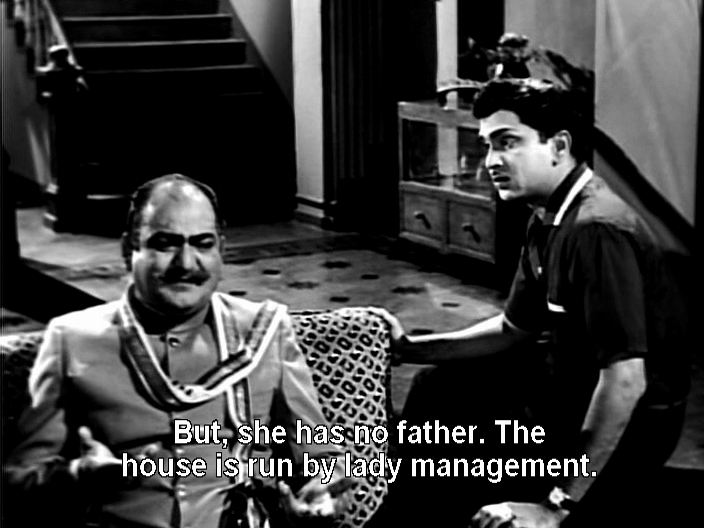
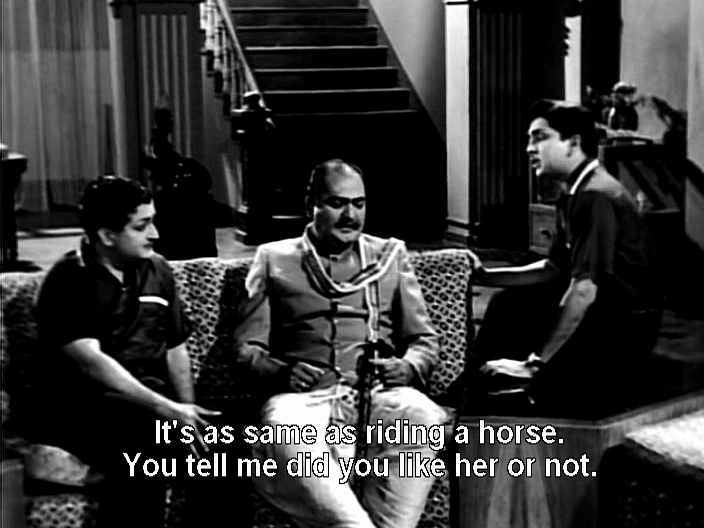
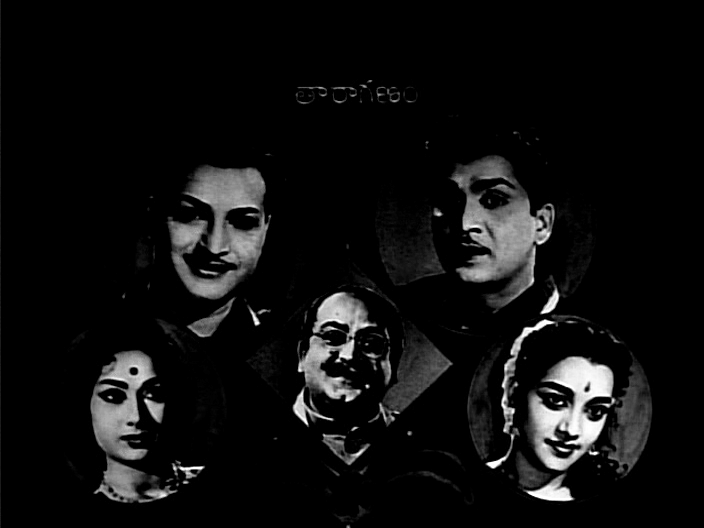
Gundamma Katha is a classic film from 1962 and is considered to be one of the last great films to be produced by B. Nagi Reddy and Chakrapani under the Vijaya Studios banner, which also gave us Mayabazar. It features an all-star cast, lovely production design and  a lyrical score by Ghantasala.  Sadly the Shalimar DVD has really ordinary subtitles which detract from what is supposedly a well written story.

Perhaps they meant thirsty? Who knows.

The story revolves around Gundamma, a wealthy widow who has one spoilt and indulged daughter, one Cinderella like step-daughter from her husband’s first marriage and one largely absent son. Gundamma rules the household with an iron fist and her reputation as a termagant is well known in the village. She wants to make an advantageous match for her daughter Saroja but her wastrel brother Gantayya throws a spanner into the works every time. As Gundamma casts her matrimonial nets wider she contacts wealthy Ram Bhadrayya, a friend of her deceased husband, who has two eligible sons. While Ram Bhadrayya wants to help his former friend’s family, he is concerned about the values and character of the girls and decides to put them to the test.

NTR plays Anjaneya or Anji and it is decided that Laxmi (Savitri) is the best match for him. Since Laxmi is effectively a servant in the household, he poses as a labourer in order to get closer to her, and to appear to Gundamma as an appropriate suitor.  This part of the deception seems very typically filmi and almost justified, since Laxmi does deserve better than the life she has. NTR is charismatic as the exuberant Anji, and Savitri is beautiful as Laxmi. Their relationship develops over conversations and teasing, and they develop a true appreciation for each other. With a jaunty song Anji points out to Laxmi that women can do whatever they want to do in the world, and she should have no fear in letting herself be more than an unpaid servant to her step-mother. Sadly this enlightened attitude turns out to be lip service as the story progresses, but the partnership of Laxmi and Anji does seem to be a happy and balanced one.

Ram Bhadrayya’s second son Raja (ANR) woos the privileged and spoiled Saroja (Jamuna) and finally marries her. Playing out a drama concocted by his father and Anji, Raja tells Saroja that everything was a lie and that he is not even Ram Bhadrayya’s son.  After some more drama Saroja is forced to choose between her home and comforts or leaving to an unknown future with her drunk and possibly criminal husband. This deception is all to ensure that Saroja has a proper wifely attitude and will look after her husband in the manner he feels appropriate. Saroja doesn’t seem to deserve all of the heartache she is put through, as her attitude already appears quite appropriate for the wife of a wealthy man. It doesn’t seem likely that she will have to clean pots and pans, plough fields and cook once she is established in her new household but she is forced to learn as she lives in near poverty with her husband. Why her father-in-law feels this trickery is necessary for her to become a better wife is not apparent to us. She actually seemed to be mellowing and becoming more empathetic as her romance blossomed with Raja. It certainly wasn’t a palatable part of the plot and made the second half of the film much less enjoyable.

Throughout all of the drama, ANR manages to instil the character of Raja with enough charisma that Saroja’s devotion to him is understandable to some degree, although her behaviour is clearly driven as much by wifely duty and the expectations of society as anything else. Jamuna is excellent in her early scenes as the lazy daughter and also as the bewildered wife whose world rapidly falls apart. Despite this couple’s rather dubious story there are some lovely duets which are beautifully depicted and in these scenes the two actors have great  rapport with each other.  The growing closeness is illustrated by the proximity of their sleeping mats – initially on opposite sides of the room, by the time ANR decides to reveal the truth they are happily snuggled up next to each other.

The cinematographer Marcus Bartley has a reputation for creating beautiful moonlit lighting effects, shown to great effect here and in Mayabazar.  The costumes are lovely, and very much serve to illustrate the status of each character. A simple change in clothing is all it takes to make a prince a pauper and back again. Initially Laxmi wears cotton saris and simple blouses while Saroja gleams in silk and jewels. As the sisters’ fortunes change, so do their wardrobes.

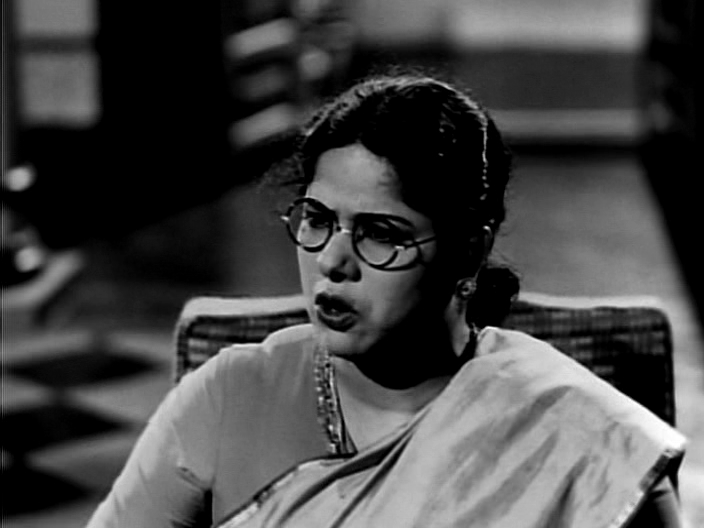
The film excels in the story of Gundamma, played by Suryakantham (who apparently made her career out of playing wicked stepmother type characters).  Gundamma’s scenes with the argumentative and shifty Durgamma (Chayadevi) are well written and enough to make anyone duck for cover when the two start fighting. Her clashes with the various members of her family are realistic and energetic.  Her final humiliation, which eventually results in her reconciliation with Laxmi, is a nice twist to the story and a suitably sentimental resolution to the melodrama.

The lead actors were all at their peak when Gundamma Katha was made and they seem to share an easy rapport. In particular the many wordless exchanges between the two brothers are great to watch as they convey so much through their posture and gestures alone. Savithri and Jamuna are beautiful and show distinct personalities without ever falling into caricature. The sisters’ relationship is not as friendly as the boys’, but they exhibit familial love and loyalty regardless of their difference in status. Once again, the comedy track is hit and miss and we have different opinions as to what succeeded.

The film does end in a rushed few scenes of everyone reconciling. We were disappointed by this as it seemed a bit under-written and hasty, and also because there was never any sense of owing the ladies any explanation for what had been done to them. Granted, Gundamma, Laxmi and Saroja were none the worse off in a material sense at the end of the story, but they had been lied to and manipulated and that was hard to swallow. Certainly we expected more anger or argument between the couples. Setting up three strong and intelligent women and having them turn into doormats by the end of the film was a major let down.

We haven’t really mentioned the lovely L Vijayalakshmi who played the boys’ cousin Padma.  She was actually the sensible and sane one who married the man she wanted (Gundamma’s son) and stood up for what she wanted. Apart from looking lovely and putting Gundamma back in her box, she also performed a very pretty classical dance which was a highlight in this largely non-dancing film.

The music is very melodic and the songs seem to suit the characters and the situation. We were amused to recognise the opening titles music, also used in that L Vijayalakshmi dance, as the riff from recent Hindi hit Pe Pe Pepein from Chance Pe Dance!

Temple says: I liked a lot about this film – the cast, the production design, the music and the cinematography. I strongly disliked the story. The message seems to be ‘be strong, intelligent, independent…until your husband tells you to stop’. In addition to my issues with that, the character of Saroja just wasn’t written as someone eligible for Taming of the Shrew type behaviour modification and so the treatment meted out to her seems harsh, unnecessary and not in keeping with her actions in the film. The acting style has really dated, especially that of the male cast members. ANR and NTR do have oodles of charisma, which makes the stomping and scenery chewing much more entertaining than it might have been. But the acting honours go to all the ladies – which is ironic in a film that certainly isn’t about girl power – with Savitri the stand-out performer. She is beautifully expressive without ever being over the top. The minor supporting cast didn’t make much of a contribution other than to add the alleged comedy (regular readers will know I suffer from Comic Sideplot Intolerance). It seemed a waste to have Allu Ramalingaiah as the hotel owner as he had so little to do. I really found Ramana Reddy as Gantayya (Gundamma’s dodgy brother) annoying and hammy and I fast-forwarded through many of his scenes just so I could get through the film.  Actually, I think the fast forward button was essential to me getting through this – I was bored by the over-acting and repelled by the story so this wasn’t the pleasure to watch I had hoped for. Time hasn’t been kind to this classic. I give it 3 and 1/2 stars, just for the stars.

Heather says: This is a film which both looks and sounds very beautiful and from this point of view is an absolute winner. The story of Gundamma and her two daughters had a lot of potential, and it’s a shame that the writer D.V.Narasa Raju decided to turn the two sisters such perfect and therefore perfectly dull wives by the end. Both Laxmi and Saroja had plenty of personality at the start of the film and eradicating this in the quest to make them the ideal wives just made them rather less interesting to watch. The lack of a reaction from Saroja when she discovers the deception was particularly irritating considering she had just been put through absolute misery by the man proclaiming to love her. It was also a little odd that the start of the film featured a song all about women’s rights and then proceeded to firmly walk all over them. I suppose that in 1962 it was more important to adhere to conventional principles rather than allow a strong-minded woman to succeed. However, despite these issues with the storyline, I did enjoy the romance between Anji and Laxmi. Their songs, as well as the duets between Saroja and Raja, were really lovely.

The characters of Gundamma, her perpetually scheming and whining brother and the very shady Durgamma were much more entertaining. The interactions between them all were much more believable and seemed to be better written, although this could just be due to the subtitles. I found the comedy scenes with Ramana Reddy and Allu Ramalingaiah in the restaurant to be really funny, as were his scenes with NTR. What can I say? I’m Irish and it reminded me so much of similar scenes I’ve seen at home! The comedy track here worked well for me, and was much more enjoyable than the unsettling story of Saroja and Raja. ANR and NTR were excellent together and their relationship as brothers was very well portrayed. I also liked the minor characters and the way their individual stories were worked into the plot. The standout performance though was that of Gundamma, and for that alone this film deserves to be a classic. Without the Raja and Saroja storyline it would have been even better, but overall I enjoyed this film and it gets 3 ½ stars from me.

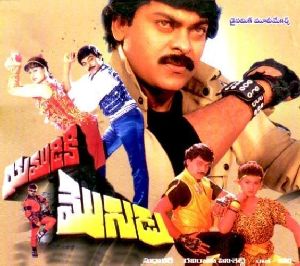
Yamudiki Mogudu

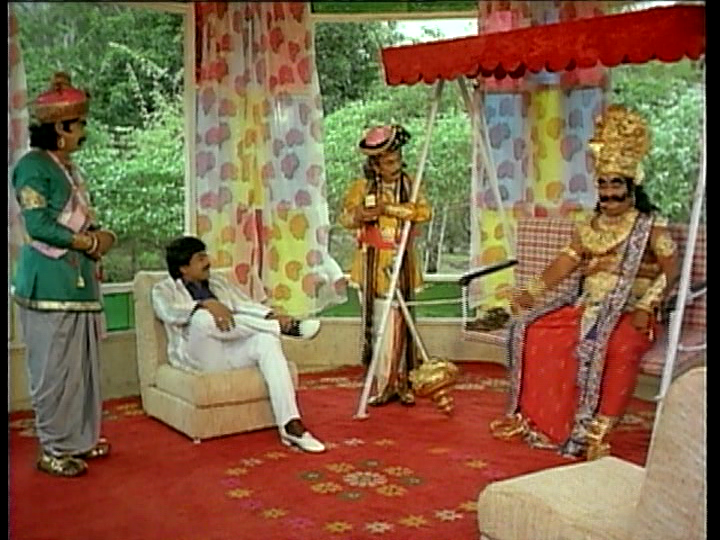
Yamudiki Mogudu was made in 1988 which may explain some of the costume choices or, then again, maybe not! Whatever the reason the wardrobe guys seem to have had the time of their lives and the costumes used in the songs here are fabulous. Our DVD came with a breezy alert stating  “Regret Poor Quality”. It turns out that was not useful life advice or a comment on the film, but a warning that the picture quality was a bit dodgy so we regret the poor screencaps.

But what about the movie … Well this is another Chiru film which manages to fit in plenty of action, drama, fight scenes, obligatory machetes, preposterous moustaches and hairstyles, romances with two heroines, a double role of sorts and plenty of singing and dancing.  And at 147 minutes  the pace is cracking, with never a dull moment.

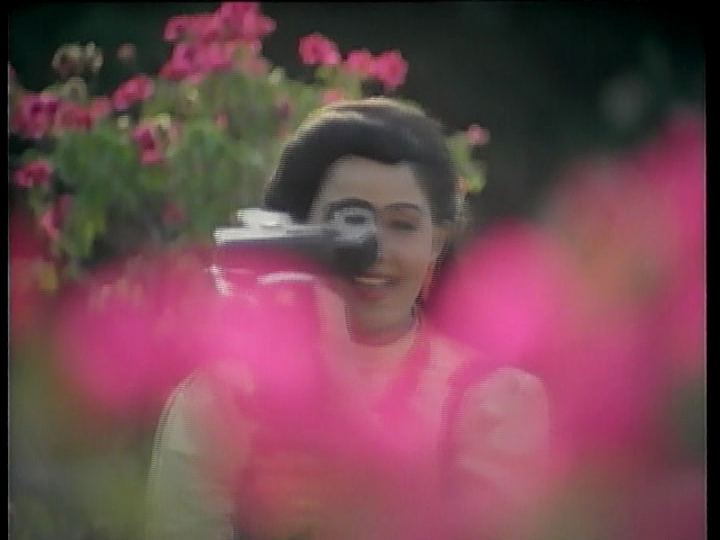
We meet Chiru first as Kali, a thief with a heart of gold who robs, steals and works as a mercenary in order to help fund his brothers education, support his family and generally look after the inhabitantsof the slum area where he lives.  On one occasion he is called to the mansion of Kailasham, to be punished for daring to steal from the magnate, when his daughter looks out of a window and spies Kali fighting off her father’s goons in true hero style. Of course, like us, Radha falls instantly in love with the dashing Kali and grabs her video camera to rush down and immortalise the action.

Her love is reciprocated and Radha’s  father is appalled when he sees photographs of the two of them together.  These photographs are from a dream sequence song so we’re not quite sure about the science that made this possible.

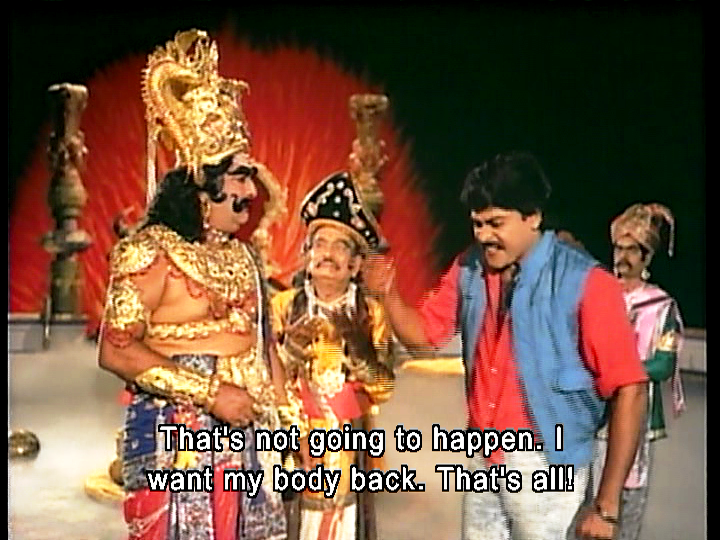
Kailasham conspires with his onetime enemy Kota Kondappa (Kota Srinivasa Rao with a flamboyant moustache), and his repulsive son Chantibabu  to destroy Kali. This will allow Chantibabu to marry Radha and put a stop to the depredations Kali is making into the business of the two conspirators.  They have been the ones employing him to steal, but logic doesn’t play a big role here.  They assassinate Kali on his wedding day, at which point Kali is taken to hell.  Kali argues with Lord Yama (Satyanarayana) about his early demise, and gains the assistance of Vichitra Gupta (Velu) who points out the rather serious error made by Chitra Gupta (Allu Ramalingaiah). Lord Yama does some quick thinking to get rid of this loud and irritating human who has dared to tap dance, rock and roll and even disco (yes, really)  in a range of amazing costumes with the heavenly apsara played by Ambika.

Kali’s body has been cremated meaning he cannot simply return to his old life. Lord Yama  shows Kali three other men who look identical to him, and who are each about to die. Kali can choose to inhabit one of their bodies once they are dead, and in this way return to Earth.

Since he has no other options he takes on the body and thus the life of Balu, a rather pitiful man who has been beaten down into the life of a servant by his free-loading uncle.

Although Kali isn’t supposed to remember his former life, he does know that he is no servant and proceeds to turn his new family upside down. Balu assumes control of the family fortune, frees his mother from kitchen drudgery and spends time with his girlfriend Gauri (Vijayasanthi).  His uncle really should have known as soon as that steely eyed stare fell on him that his easy living days were well and truly over!

Of course we know this can’t last, and events conspire so that Kali does regain memory of his former life.

We finally get to a resolution where the bad guys lose, the good guys win and Kali/Balu has to somehow reconcile his relationships with both women.  Kali appeals to Lord Yama to help sort out his marital problem.  Surely he should have realised that Lord Yama was perhaps a bit unreliable in his decision making?

Chiru is his usual wonderfully athletic and energetic self as Kali and the songs were obviously choreographed to show off his dancing style.  While the inspiration for the costumes is anyone’s guess, the backdrop in the many songs is equally bizarre and colourful and we love it!  Radha initially plays it straight as the spoilt and indulged daughter, but once she falls in love she is vivacious and energised and does a really good job of keeping up with Chiru in their songs together.  She even manages to look comfortable in all the ruches and ruffles of her costumes.  Vijayasanthi is beautiful as the feisty Gauri and we thought she had made it through the costume department almost unscathed until she emerged, draped in pearls, from a clam shell. Then we saw Chiru had also been clam shelled. The design department on this film really made it their own!

The film was written by Satyanand and directed by Ravi Raja Pinisetty. The fight scenes are well choreographed and flow nicely with the action sequences.  The best comedy is in the scenes with Chiru, Lord Yama,Chitragupta and Vichitragupta.  The character of Chantibabu initially is fairly repulsive as he tries to rape Radha to ensure that she will have no choice other than to marry him, but he very quickly becomes a figure of ridicule.  Most of the remaining comedy subplot revolves around the relationship between Kota and Kailasham and is not particularly funny, although Kota’s untameable hair is.  The real reason to watch it is Chiranjeevi, of course, and the fabulous song picturisations based on the compositions by Raj-Koti and lyricist Veturi.

Heather says: This is one of my favourite Chiru films and I think one of his best performances. The fight scenes are well choreographed, and the dancing is superb, when you can take your eye off the costumes that it! Any film that includes Lord Yama will appeal to me, as I like the opportunity it gives to make the impossible happen, and it usually means plenty of mayhem. I also like the bumbling conspirators and their vacillating between being enemies and friends. Both Radha and Vijayasanthi are lovely in this and do well to hold their own against Chiru in his energetic performance. Its such a shame the set and costume designers don’t get credited as their work in this film is truly outstanding. I did also like the glowing skull eyes in hell and horns on the demons that were very floppy when they danced! But of course Chiru is the reason to watch this film, and the Megastar really delivers. 4 1/2 stars from me.

Temple says: This is so very entertaining, and if you haven’t seen a Chiranjeevi film before I think this is a great place to start. The songs and costumes are brilliant and completely over the top, while still being linked in to the story. I liked that there was some sort of discussion about the whole taking over someone else’s body idea. Kali not only had his self-preservation instinct but felt protective towards the displaced soul and wanted to somehow repair things for Balu. All the performances are good, with Vijayasanthi and Radha being both decorative and memorable. But it really is Chiru’s film, and the film succeeds in keeping my attention through all the plot permutations because he gives it his all. He is fun as Kali and quite pathetic as Balu, and gets to show some dramatic range even while pummelling the bad guys. Like Heather, I always enjoy an appearance by Yama in a film as it usually means lots of sparkly gold and a dance number. My expectations were met, and then some! I’m an unashamed Chiru fan, and I really loved this film. 4 and 1/2 stars from me.