Drishyam 2

Often sequels disappoint when compared to the original, but Drishyam 2 is one of the rare exceptions to the rule. In another departure (as sequels can have only a tenuous connection to the original), the film continues the events depicted in Drishyam, where Georgekutty was under suspicion for the disappearance of the local IGA’s son. Each piece of the puzzle is meticulously crafted to seamlessly follow on a few years from where we left the family and the police investigation. The twists and turns are excellent, and the story is put together with a good blend of emotion and character development underlying the plot. There is a core of logic that ensures everything that happens is indeed possible, even if not probable, and it does all make sense. This is smart filmmaking and with such an excellent cast reprising their roles, Drishyam 2 is a sequel not to miss.
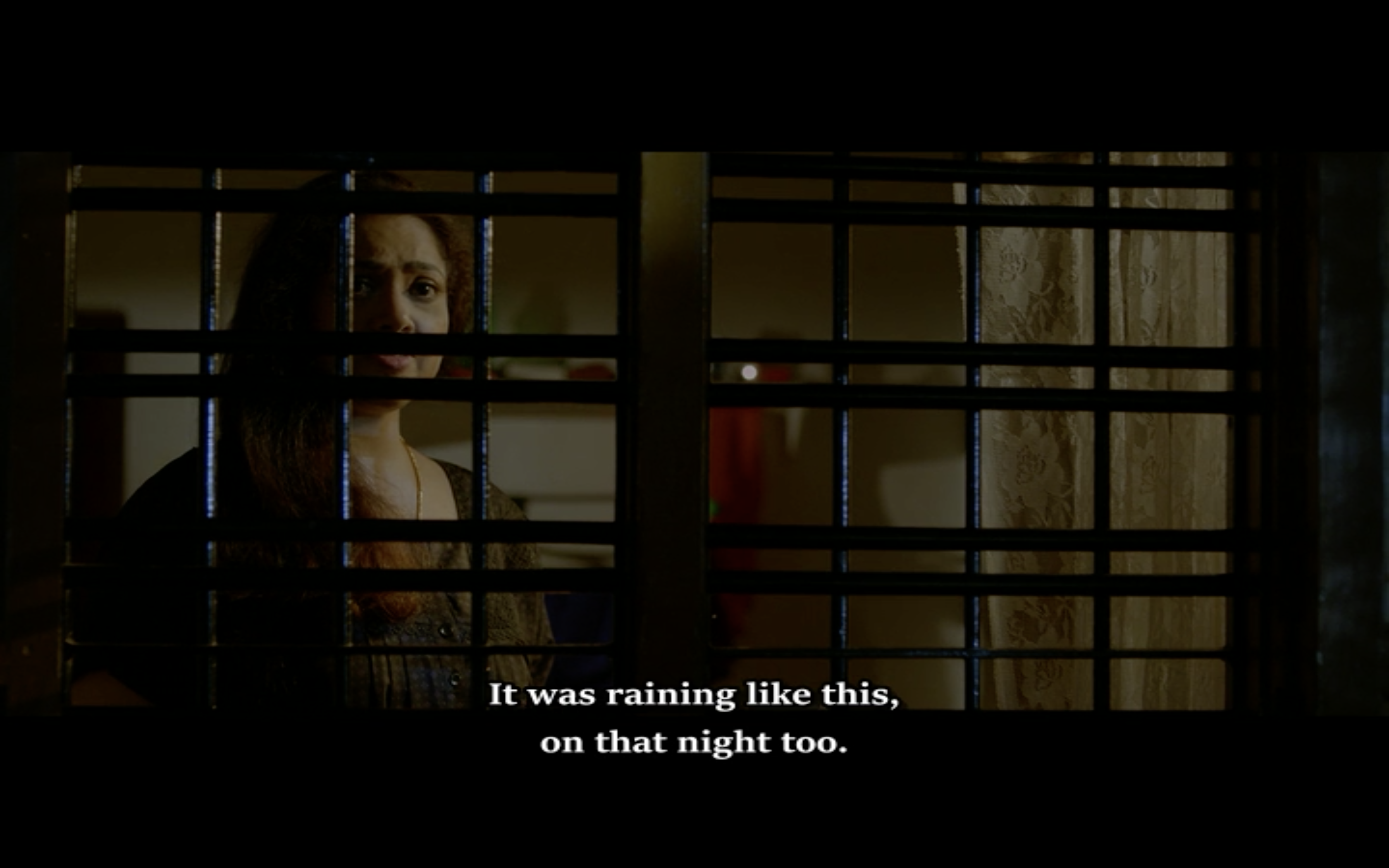
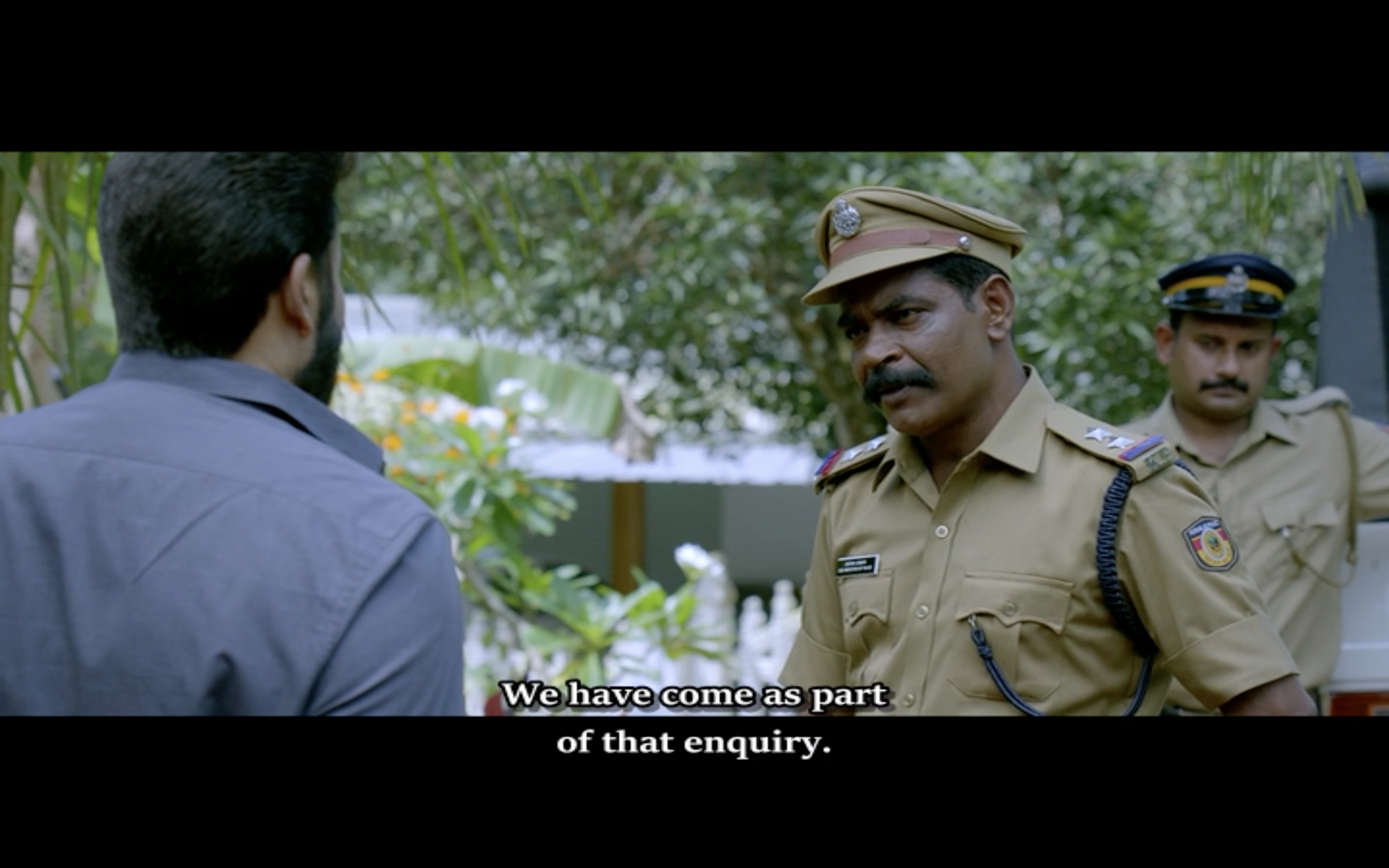
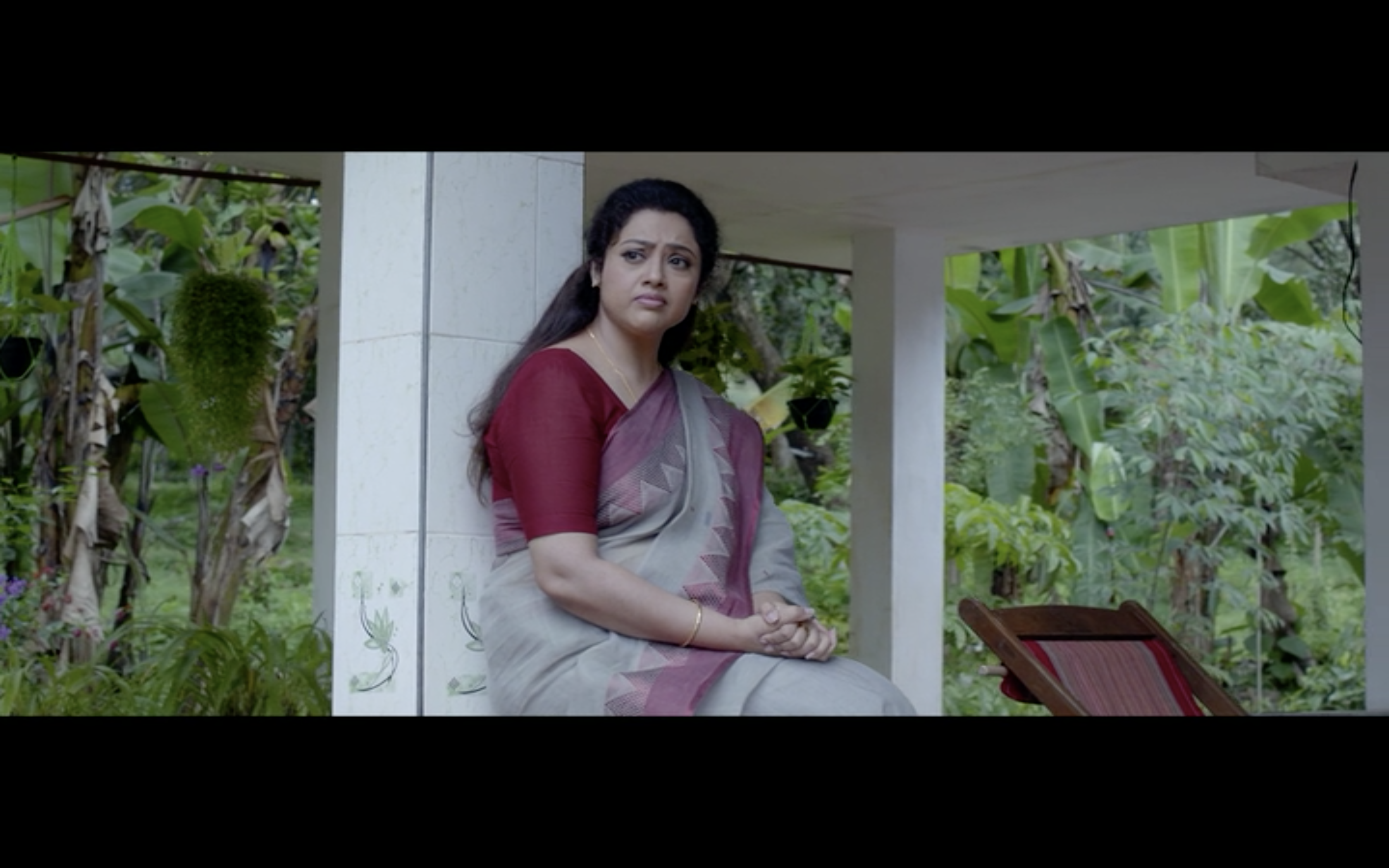
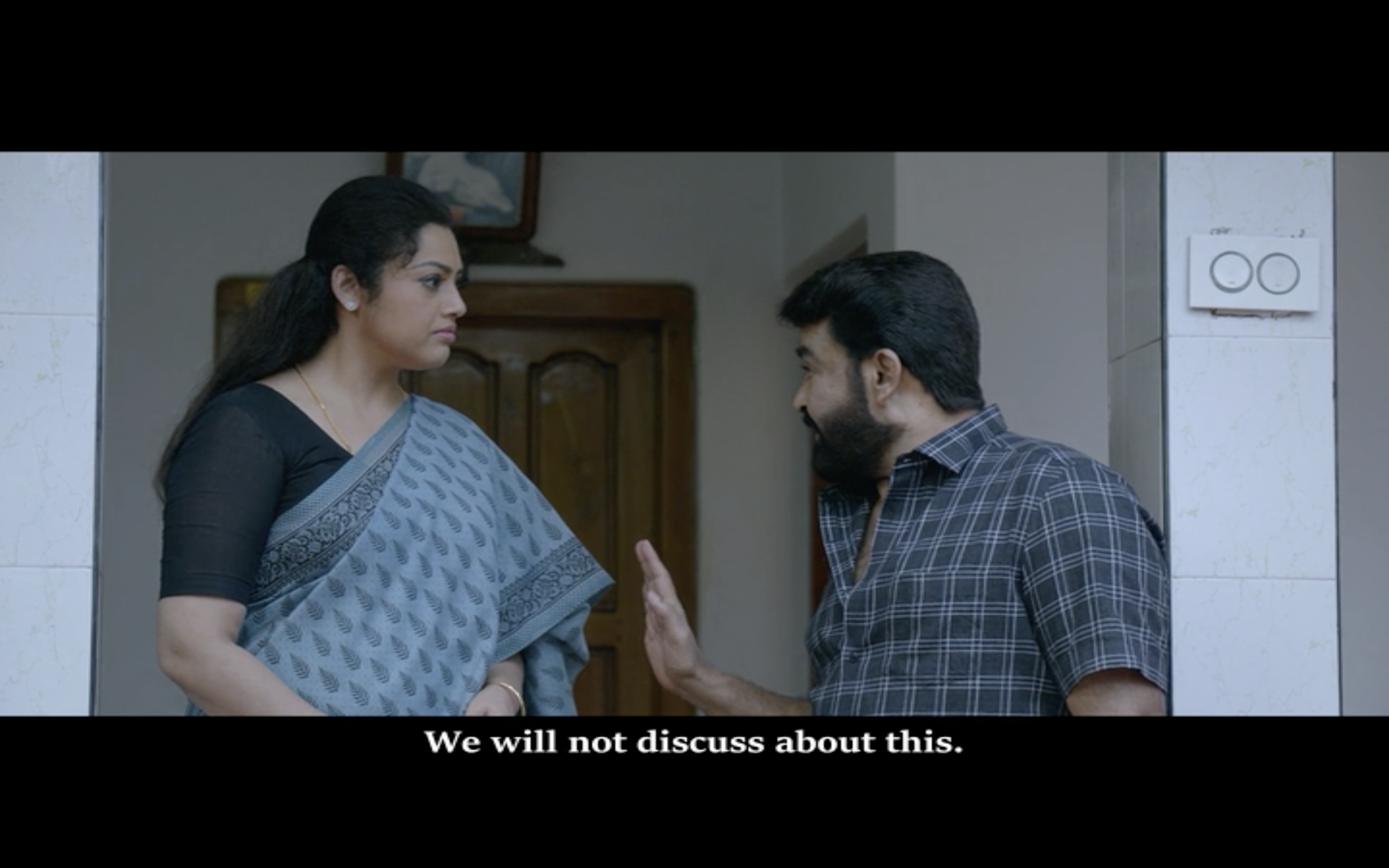
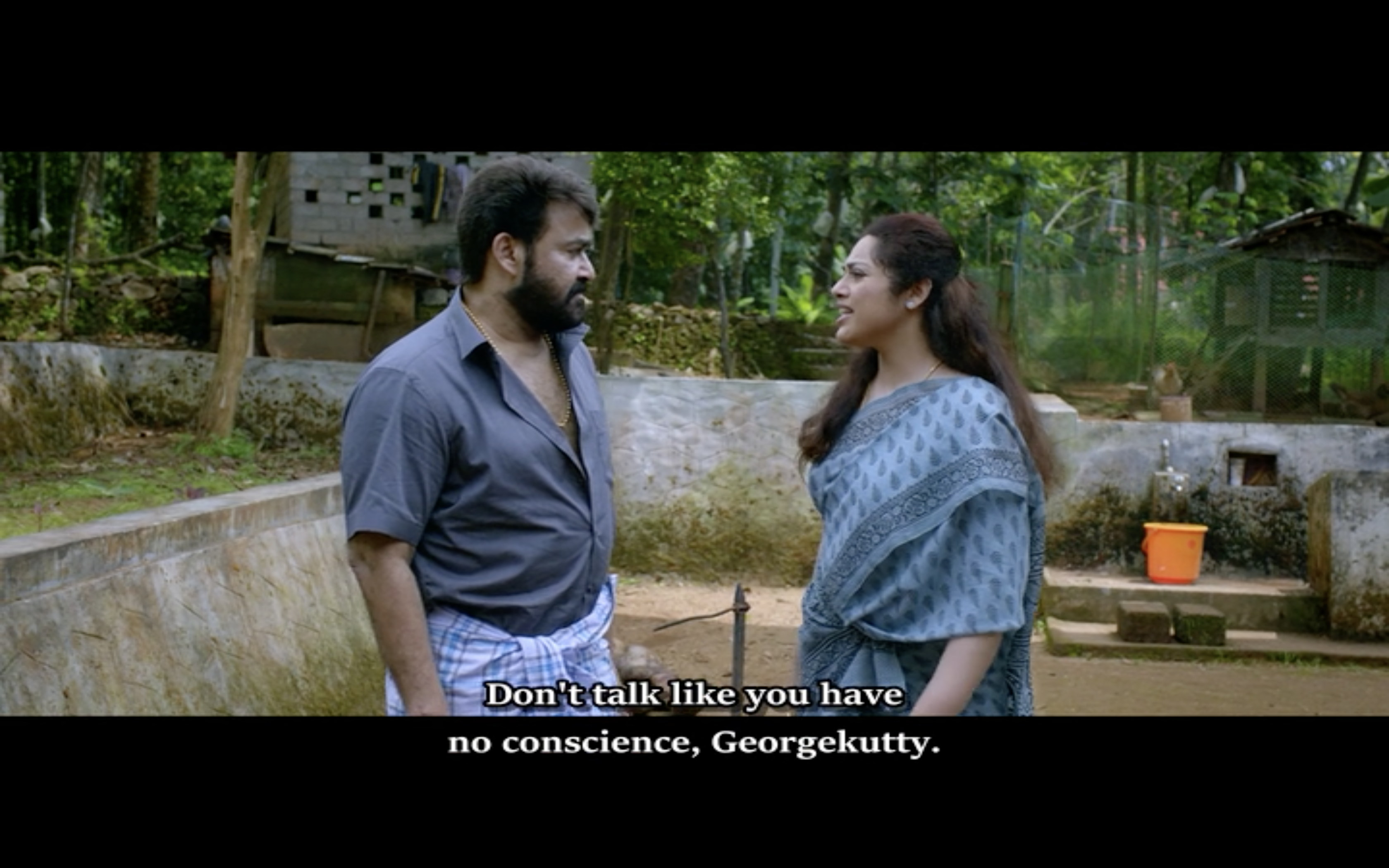
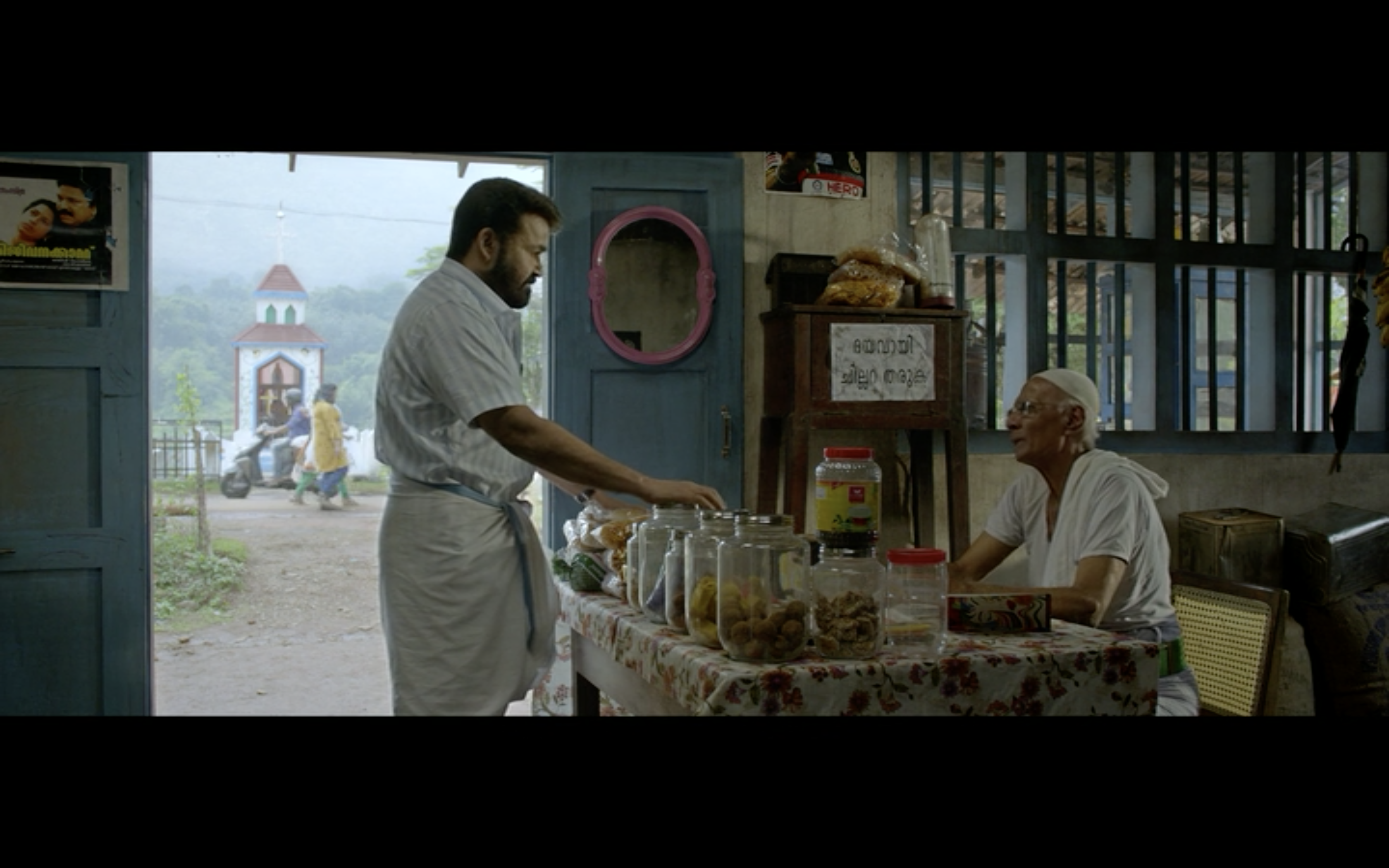
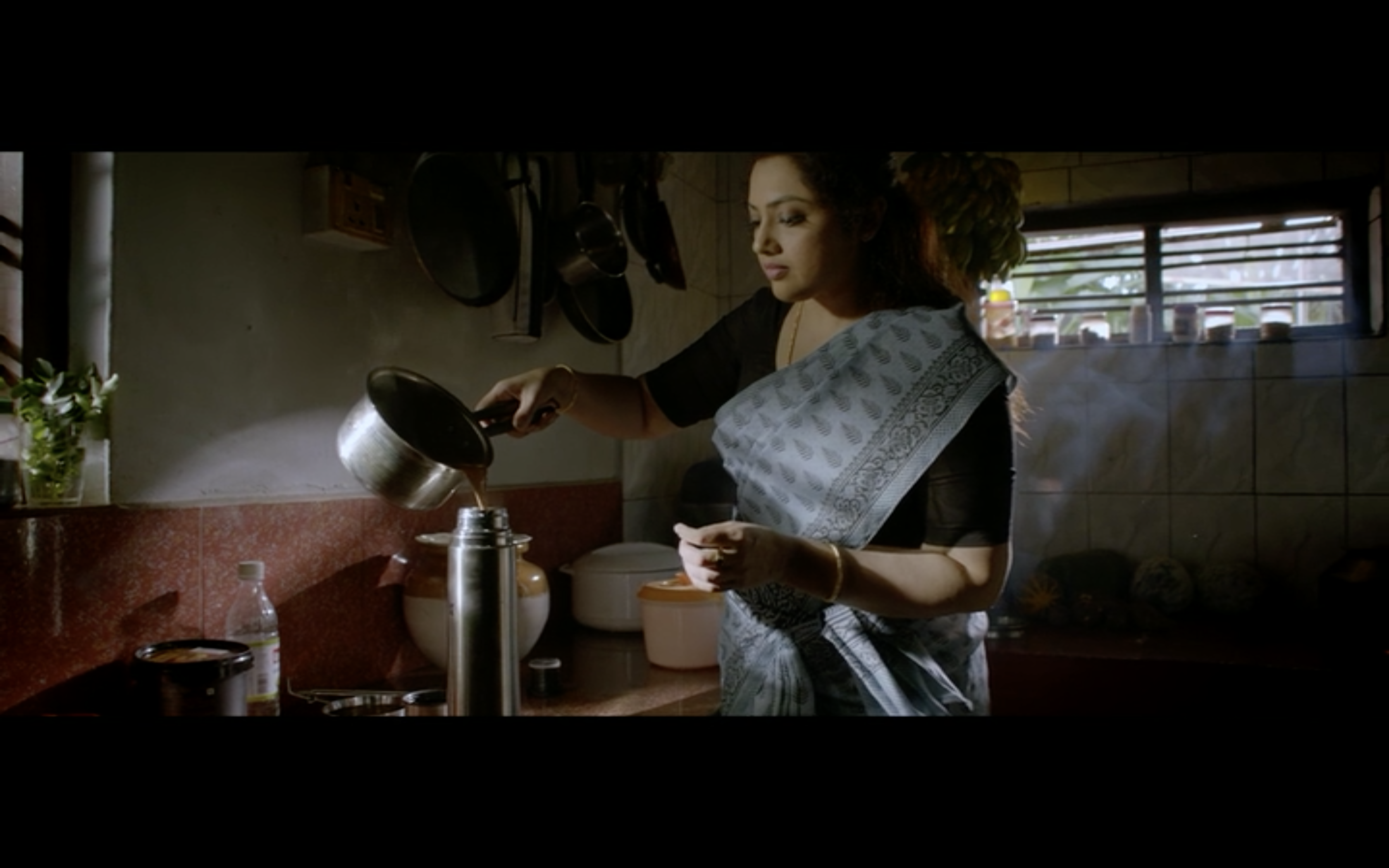
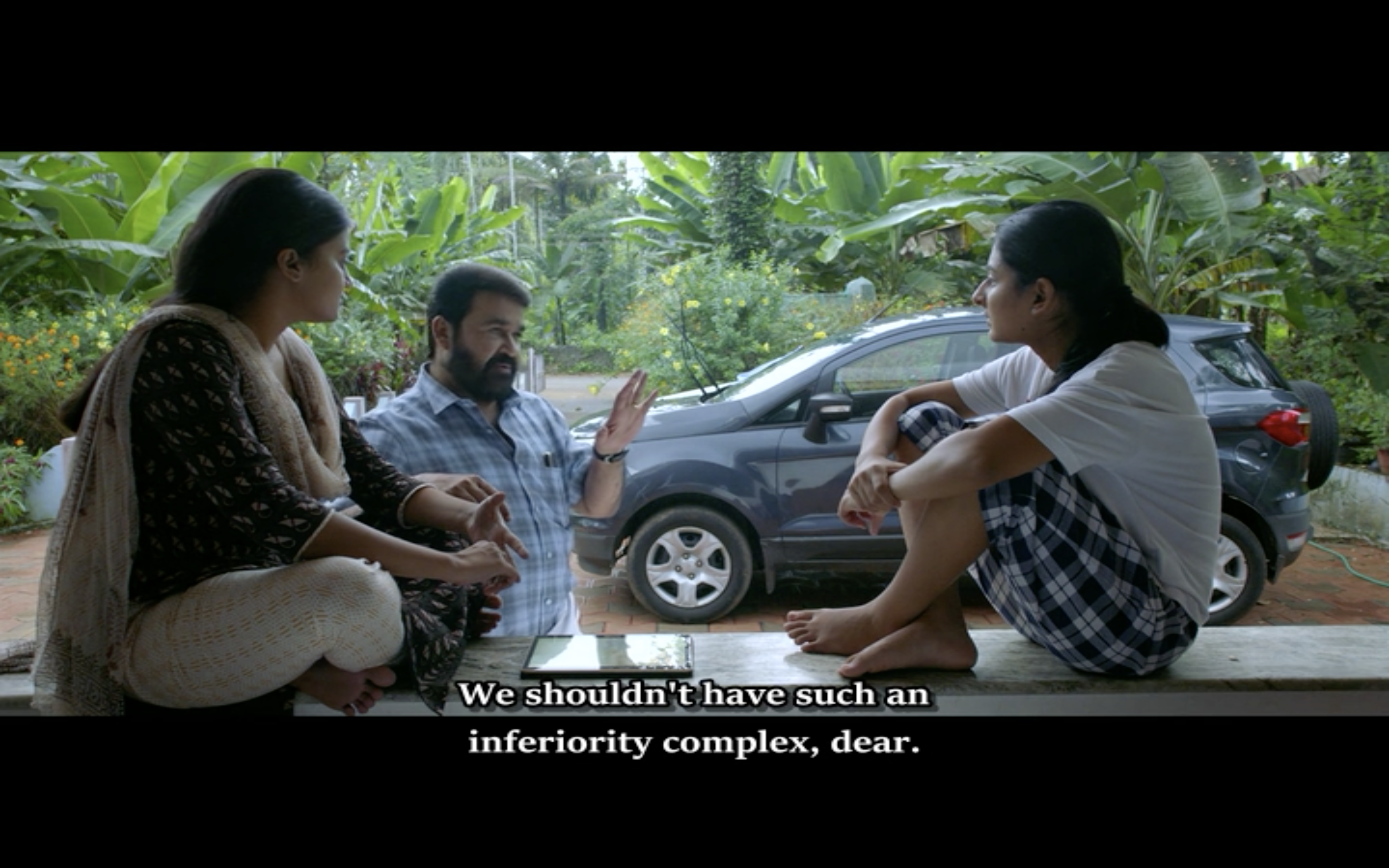
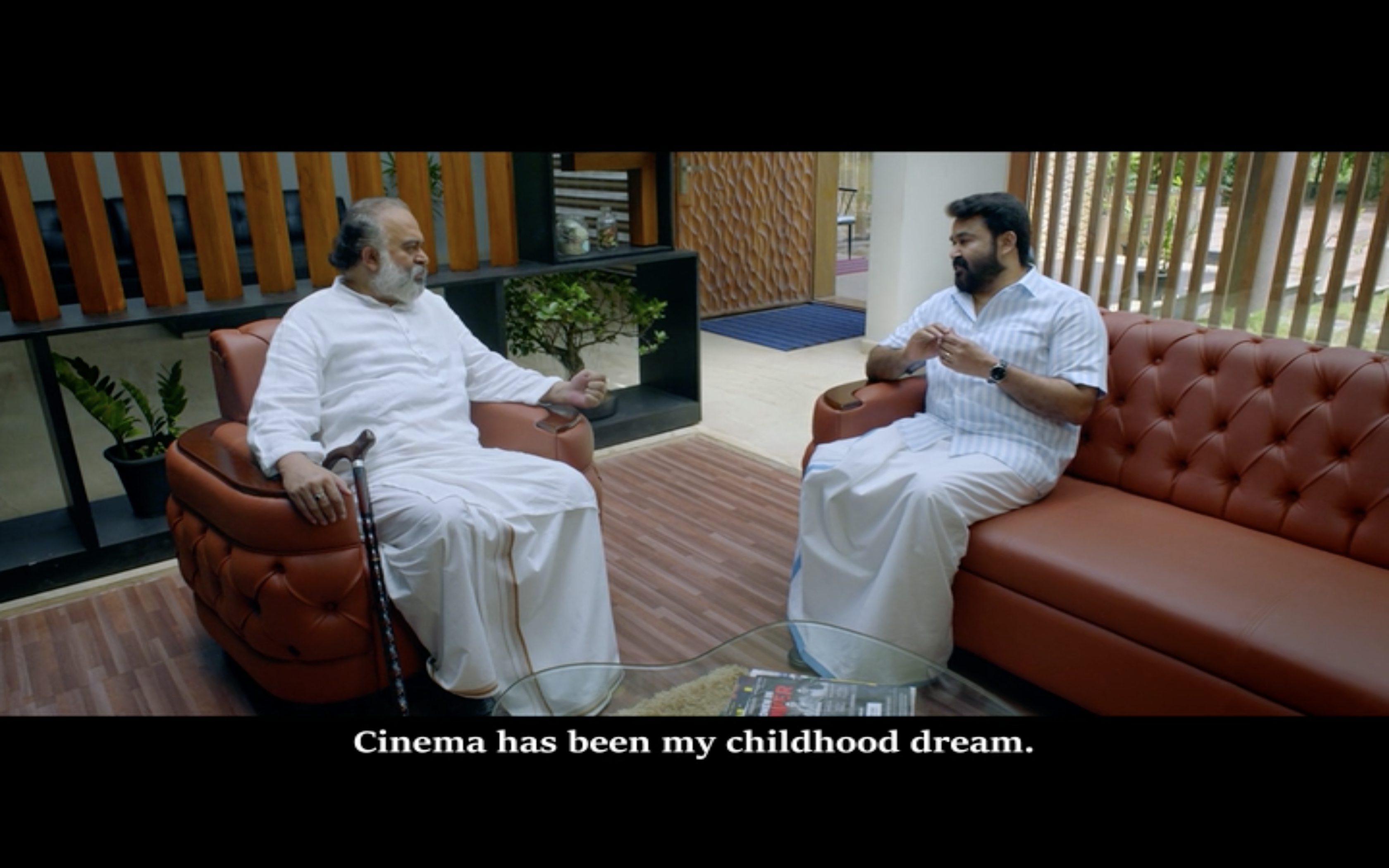
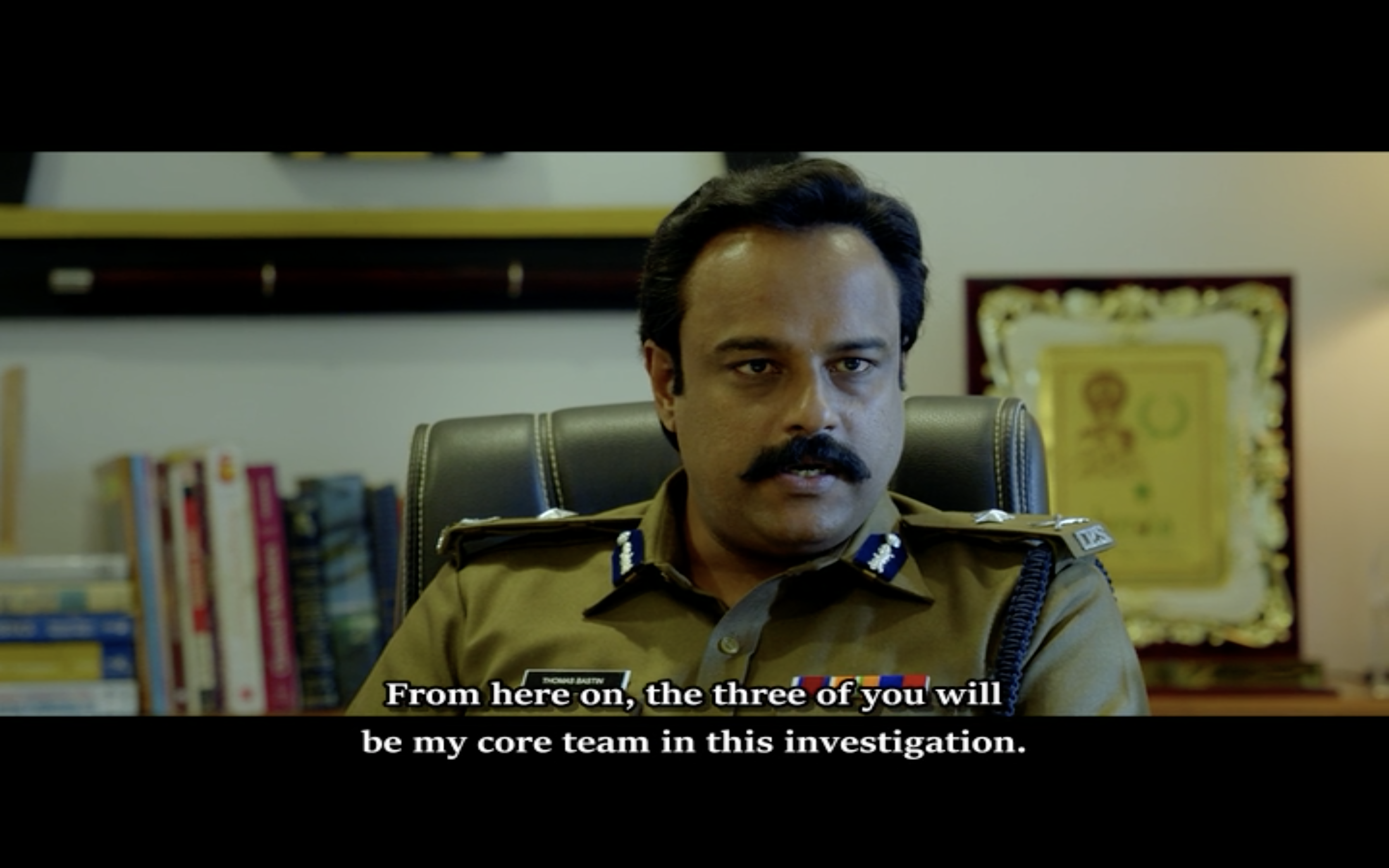
The past 6 years have not been kind to Georgekutty (Mohanlal) and his wife Rani (Meena) despite growing his business and opening a movie theatre. While initially the townspeople were supportive, there is developing resentment of Georgekutty’s financial success. Rani has been affected by the police investigation and is constantly fearful, asking a neighbour to stay with her when Georgekutty is away from home overnight and always seeming to watch over her shoulder. Their eldest daughter Anju (Ansiba Hassan) suffers from PTSD and epilepsy after the events of Drishyam, although younger daughter Anu (Esther Anil) is happily getting on with her life. Georgekutty has worked to develop his business while also working on writing and producing a film with screenwriter Vinayachandran (Saikumar). But despite his outward success, the police haven’t given up on the case of the missing, presumed murdered Varun, and IGP Thomas Bastin (Murali Gopy) is continuing investigations quietly in the background. This leaves Georgekutty anxious and vigilant even though he tries to carry on life as usual.

The film plays heavily on emotions when Varun’s father Prabhakar (Siddique) approaches Georgekutty and pleads for the body of his son, so that they can bury him and have closure. Naturally Georgekutty denies that he knows where Varun’s body can be found, but the scene is so well written that it seems possible that Georgekutty will crack and reveal what happened on the night Varun disappeared. Also notable is the subterfuge around the family where neighbours aren’t quite what they appear and even Anu’s college friends are secretly reporting back to police. Suddenly Georgekutty’s paranoia about discussing anything to do with the case is shown to be a wise move as a possible witness comes forward and the police pull the family back in for questioning.
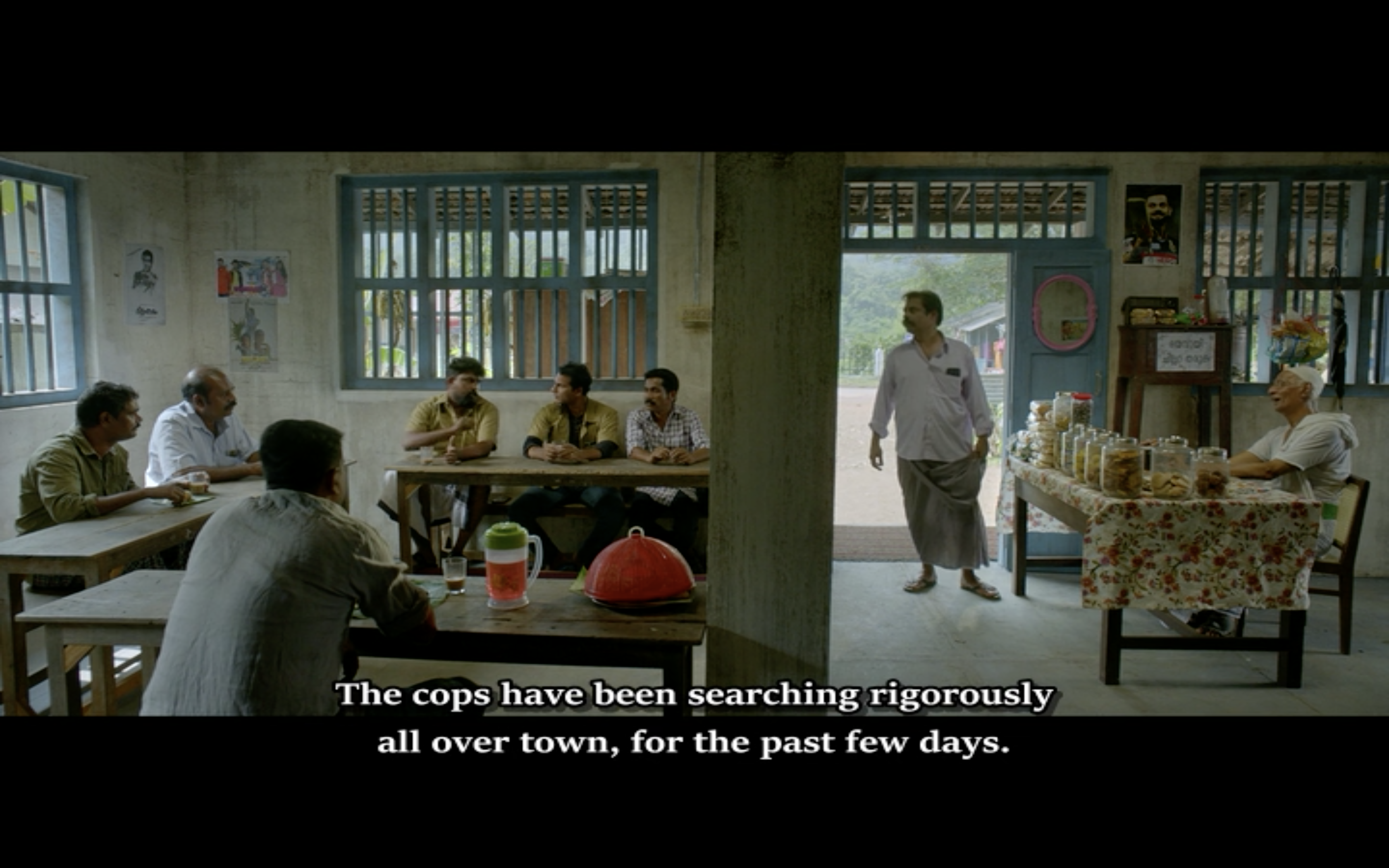
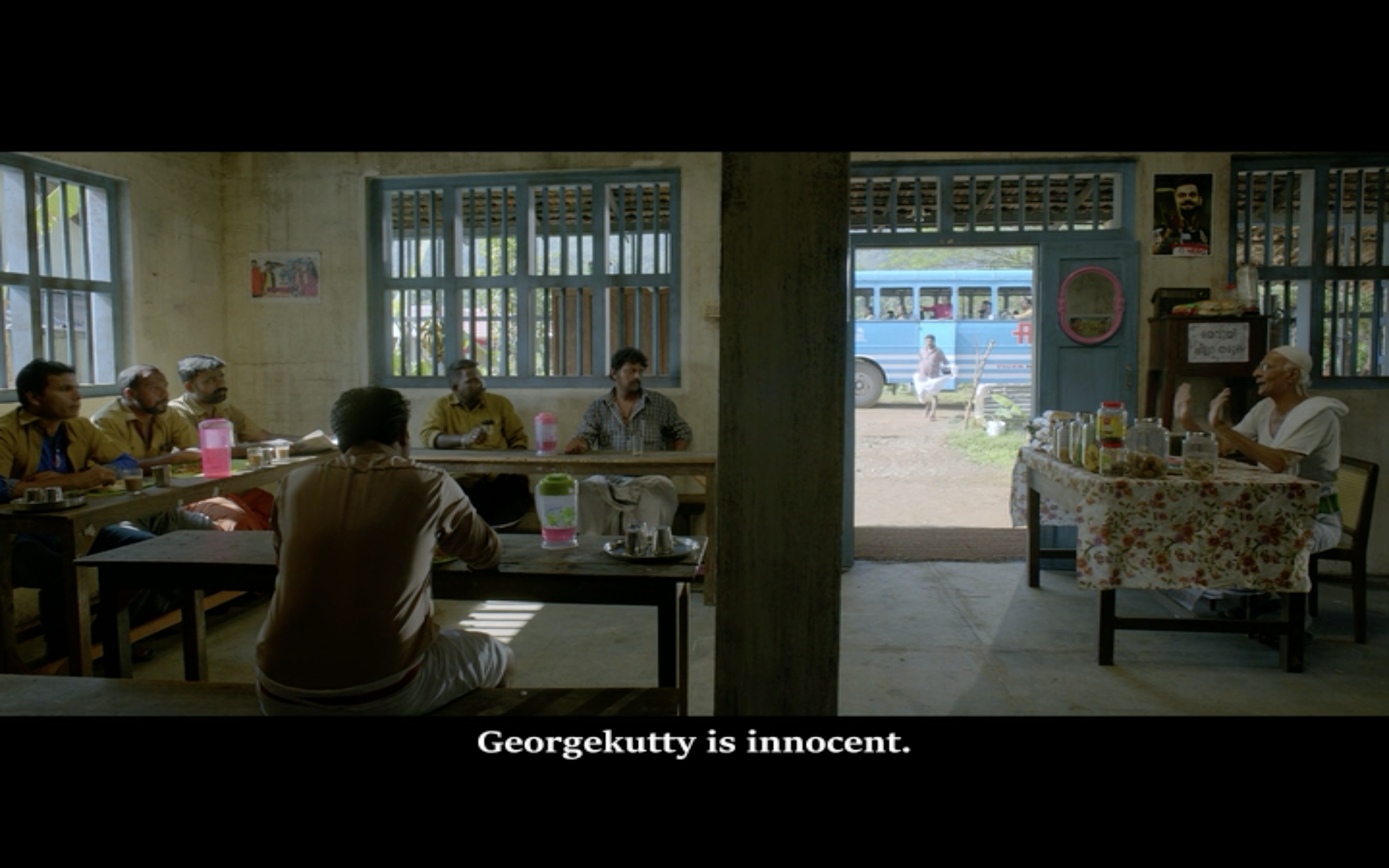
What works well with this sequel is that it fits seamlessly into the narrative from the first film. Neighbours and friends who were initially backing Georgekutty and his family after the brutal interrogation of Anju and Anu are now sure that the family is guilty, and that Varun was innocent. In the local café, although owner Sulaiman (Kozhikode Narayanan Nair) is convinced of his innocence, the local auto drivers discuss rumours of murder openly and are convinced that Georgekutty is guilty. While Georgekutty’s success as a businessman seems to be behind some of their enmity, for many it simply appears that there is no other explanation for Varun’s disappearance, so the family must be guilty.
The story develops slowly, with most of the focus on the fear and guilt suffered by Rani and Anju. Despite no guilty verdict ever having been reached, the family is punished every day for Varun’s disappearance. Anju’s inability to cope with the outside world, Rani’s continuing fear and even Georgekutty’s paranoia have trapped the family in a cycle of anxiety and uncertainty which seems more profound than the distress suffered by Geetha (Asha Sarath) and Prabhakar. In contrast, the police investigation this time seems more targeted and less emotional, and although IGP Bastin is a friend of Geetha he brings a methodical and reasoned approach to the inquiry. As the tension mounts, Georgekutty has to defend his family once more as the evidence piles up against them.

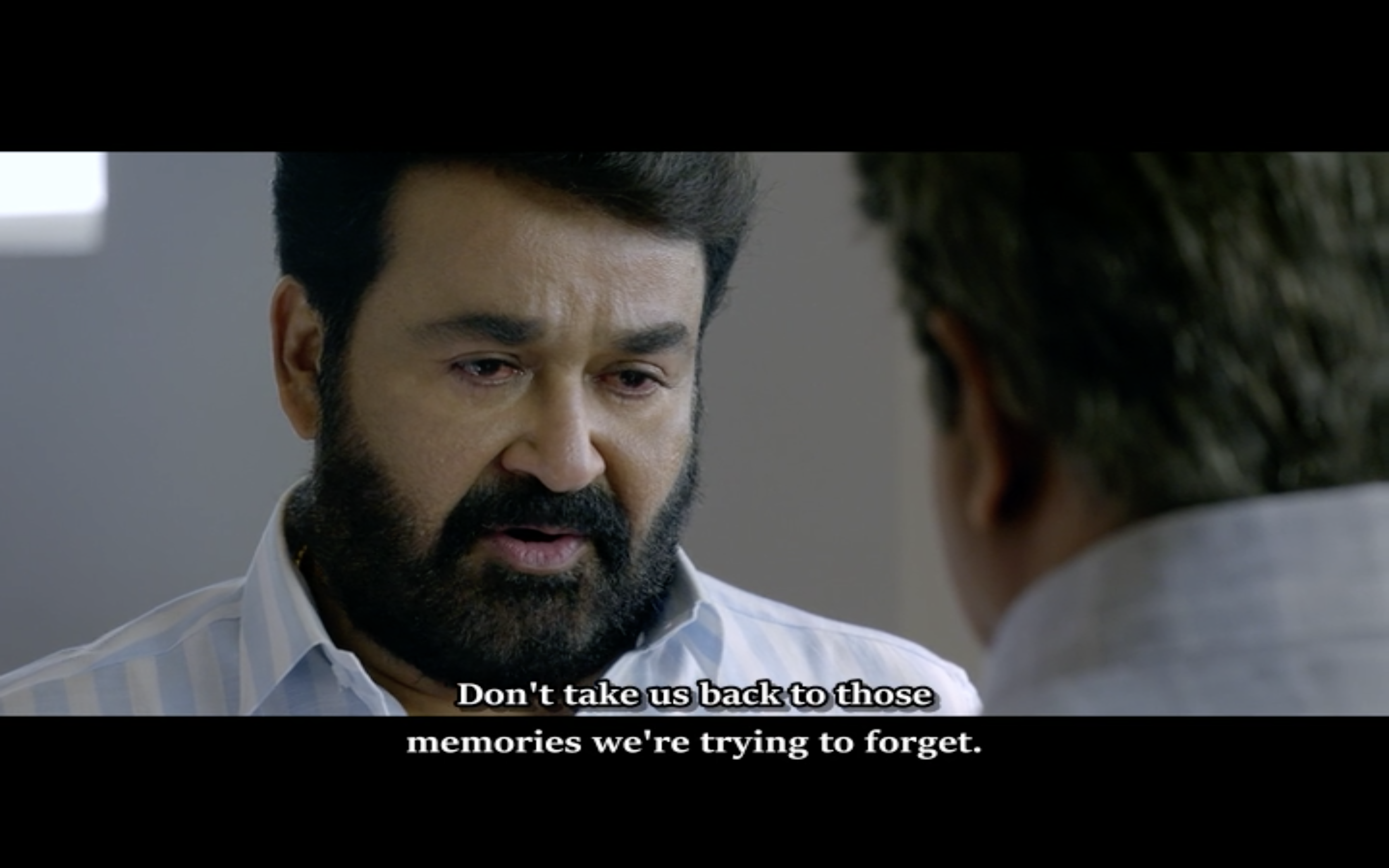
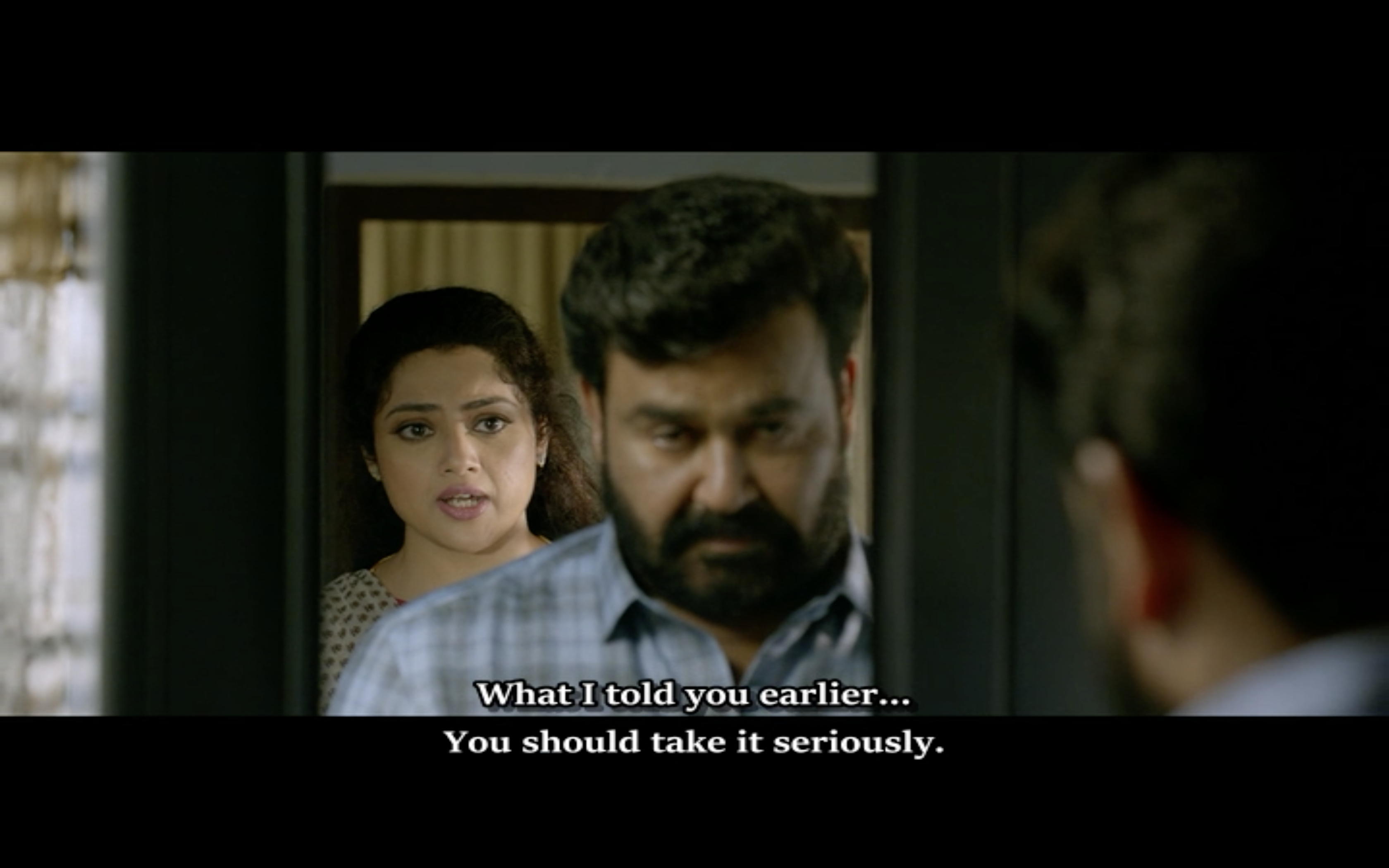
Mohanlal is the standout performer here with the entire film hinging on his ability to deceive everyone and come up with a plan time and time again. He’s calm with the family, but Mohanlal ensures that his eyes show just how much stress Georgekutty is suffering and at times how trapped he feels. It’s a well nuanced performance that brings together bravado, intelligence and fear as the key elements defining Gerogekutty’s continued attempts to deceive everyone, including his own family. While the narrative may be of a man driven to extremes to defend his family, there also appears to be an underlying satisfaction with being able to outwit the rest of the community. The complex characterisation of Georgekutty is perfect, and Mohanlal pulls it off effortlessly in every scene. Meena too is excellent and shows her fear, anxiety and confusion with her hunched shoulders and dropped eyes as well as with her dialogue and expressions. I loved how well her relationship is developed with her next-door neighbour Saritha (Anjali Nair), particularly in how she stands up to Saritha’s abusive husband Sabu (Sumesh Chandran). I enjoyed the contrast between how she can stand up for Saritha but seems unable to show the same courage in her own life, presumably because the years of uncertainty are weighing her down. 
The slow build-up has a terrific pay off and the climax is as convoluted as any aficionado of detective fiction could want. Even if the events seem almost too impossible, there is still the slight chance that they could indeed have occurred. This is a film that cleverly tells a story but which also manages to explore emotions and delve into the consequences of getting away with murder. Well worth the 8 year wait, don’t miss this chance to catch up with Georgekutty and his family. 4 ½ stars.

Atrangi Re

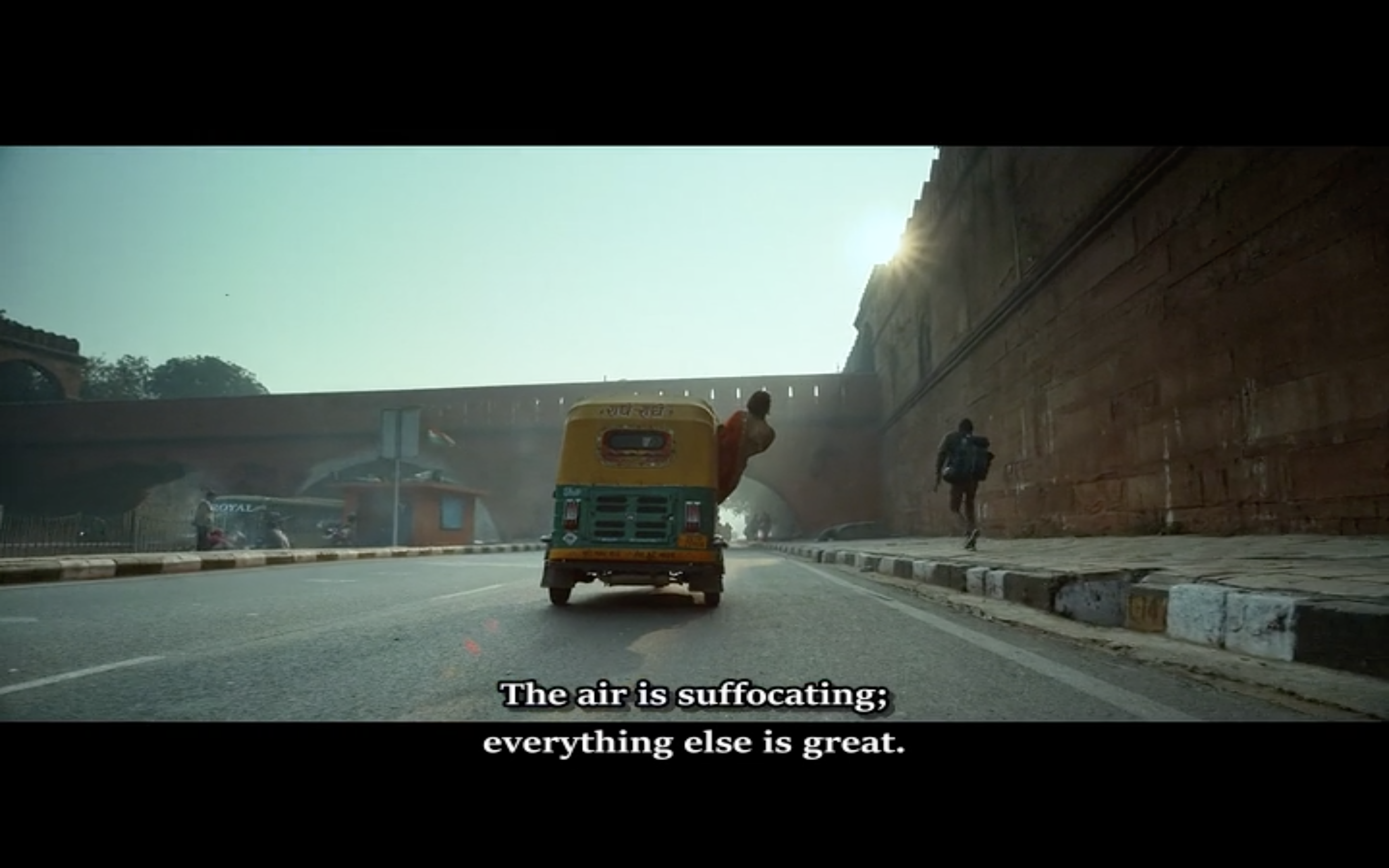
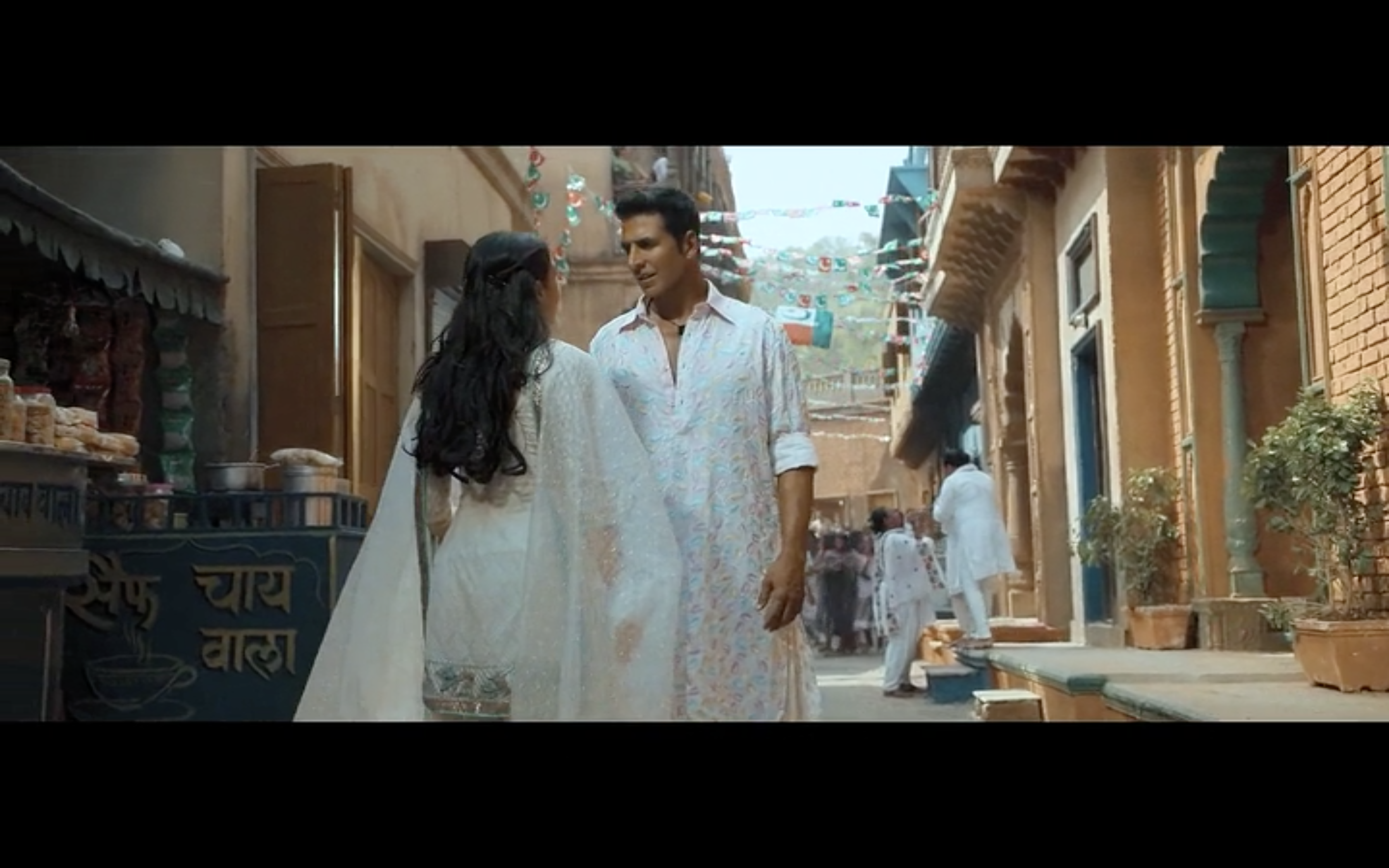
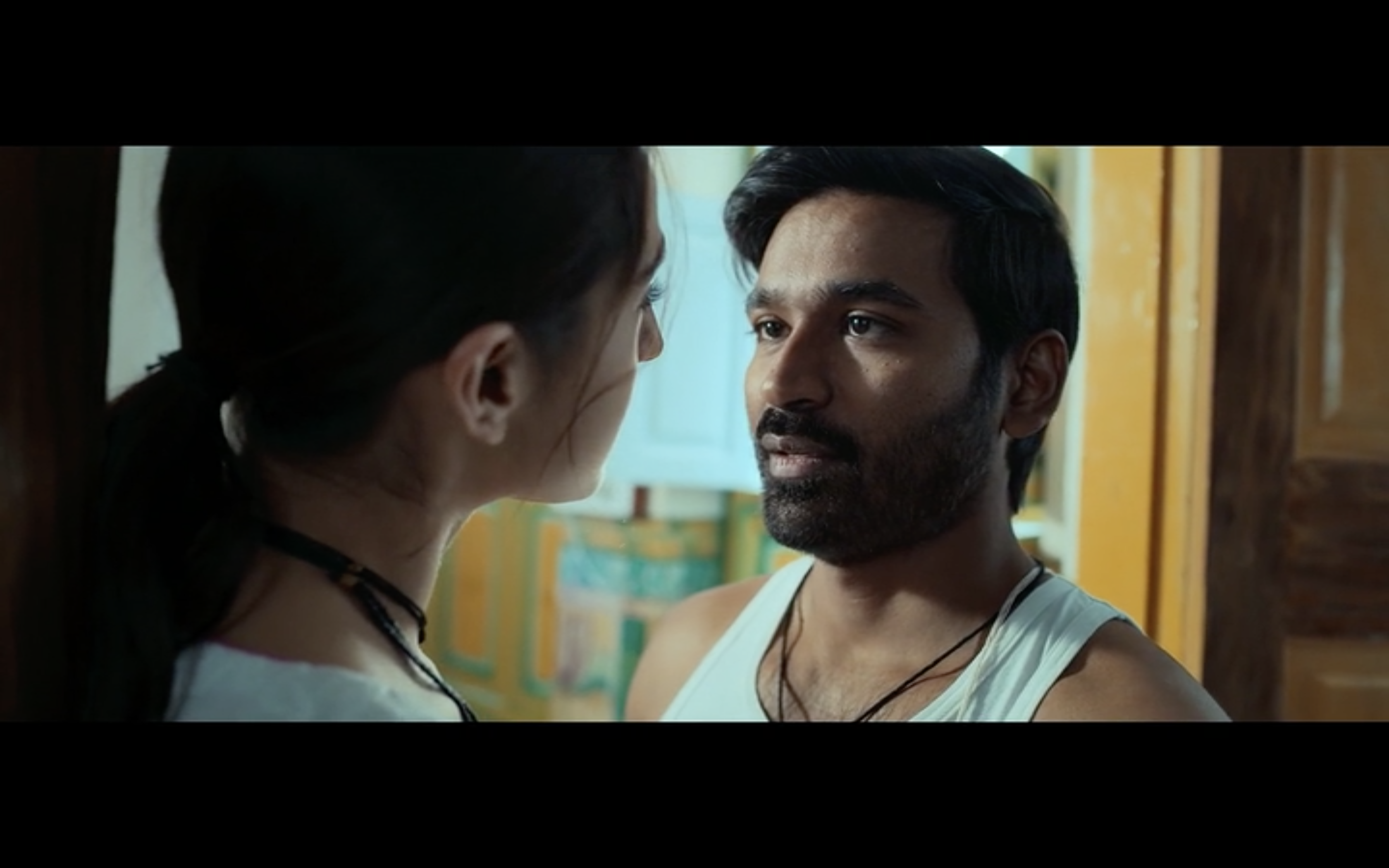
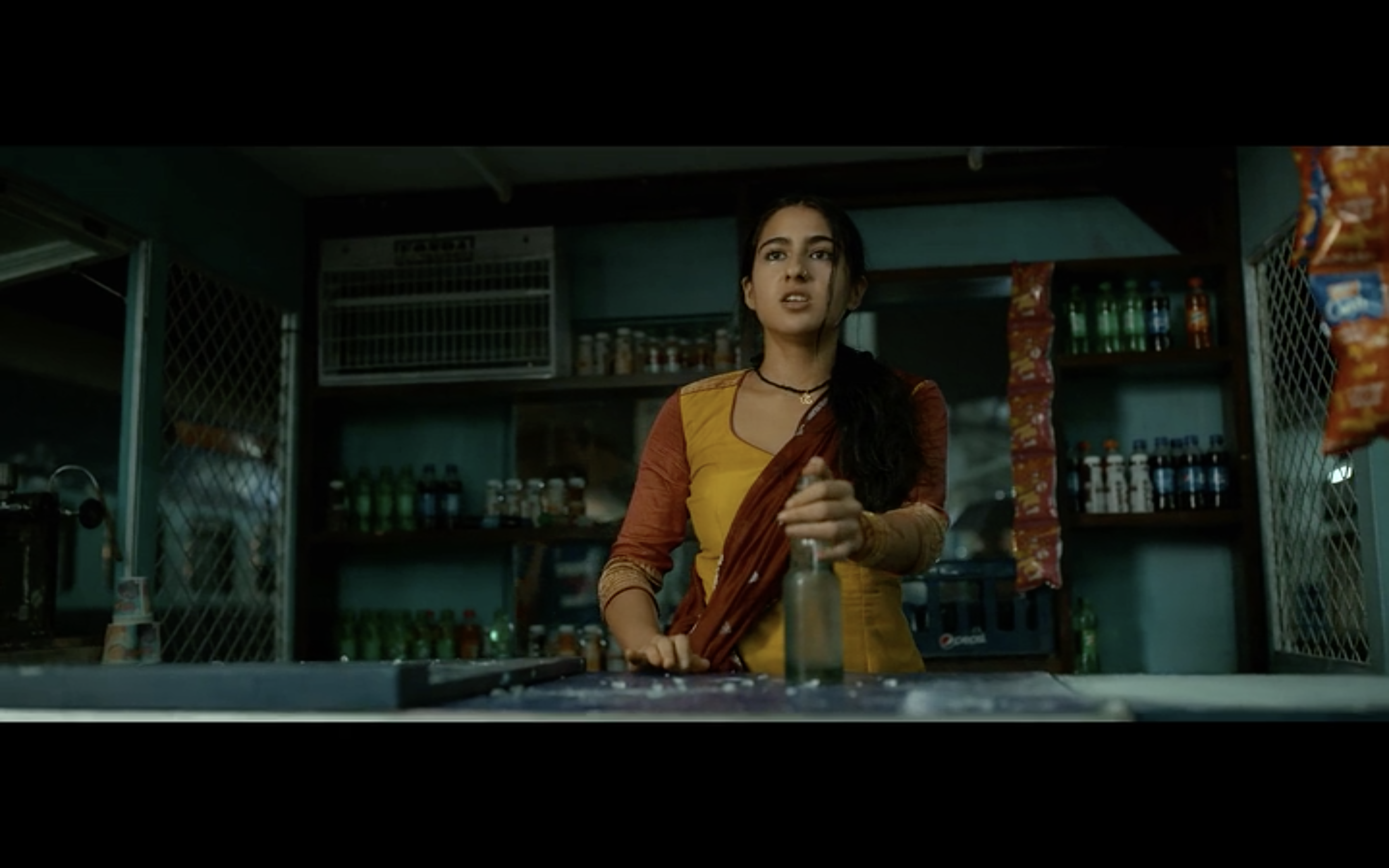
So far I haven’t been a huge fan of Aanand L. Rai’s films but Dhanush is a big draw card (and Raanjhaana wasn’t completely awful), so I thought I’d try Atrangi Re. But again, I’m left thinking that there is too much that is problematic for me to really enjoy the film. There is a lot that works well, but sadly, there is a lot more that doesn’t. The good is the music, most of the first half and Dhanush, who really is excellent despite playing a rather shady character. The film also looks great and it’s a shame I couldn’t see it on the big screen since the sets and the staging are amazing. But the bad unfortunately hits around the end of the first half, and from then on, it’s frustrating to watch some good ideas smothered under the weight of poor portrayal. Be warned that there are spoilers here as it’s difficult to discuss the problems without revealing the twist in the film, so if you don’t want to know the major twist, skip past the pictures of kittens when we get to that part!

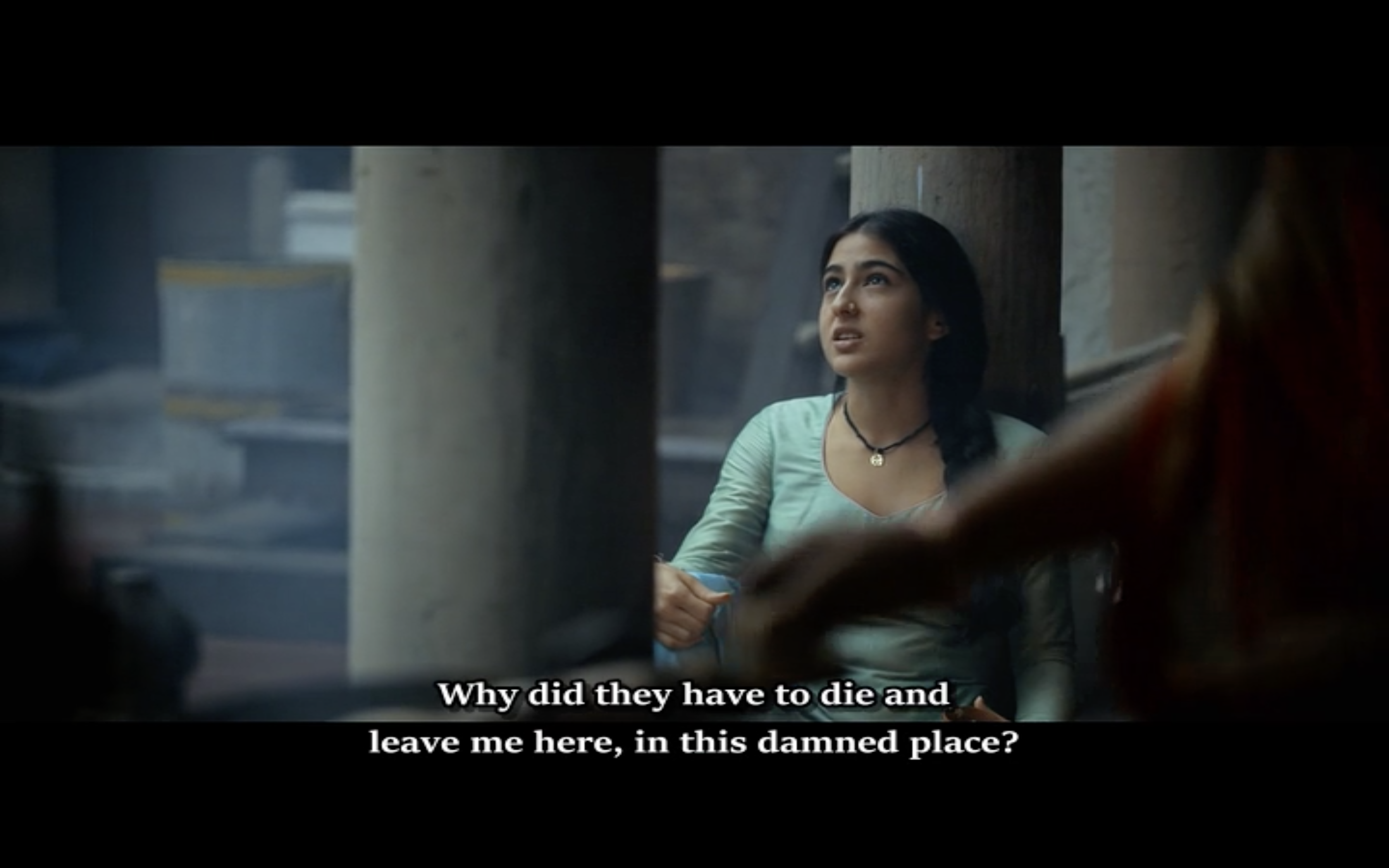
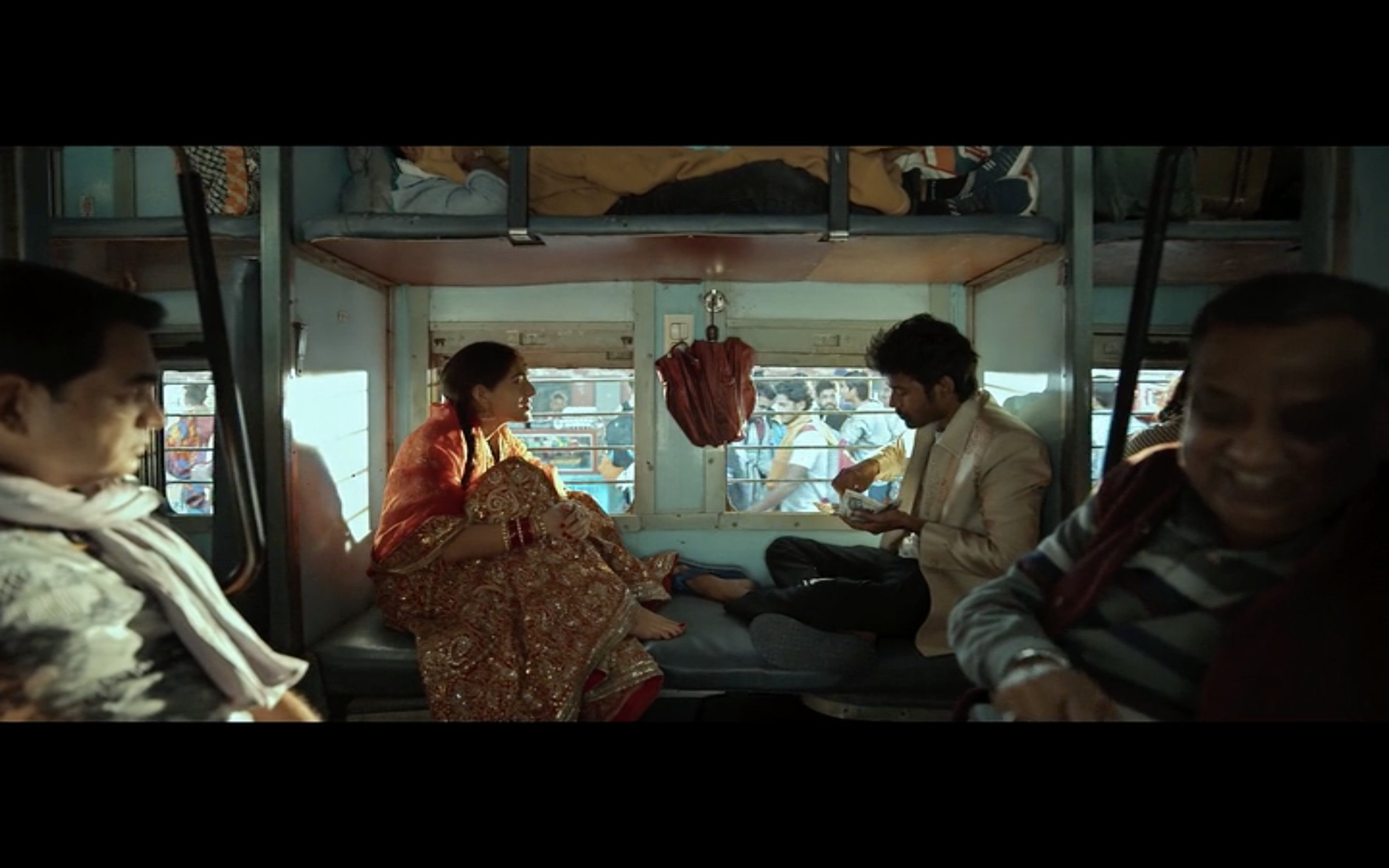
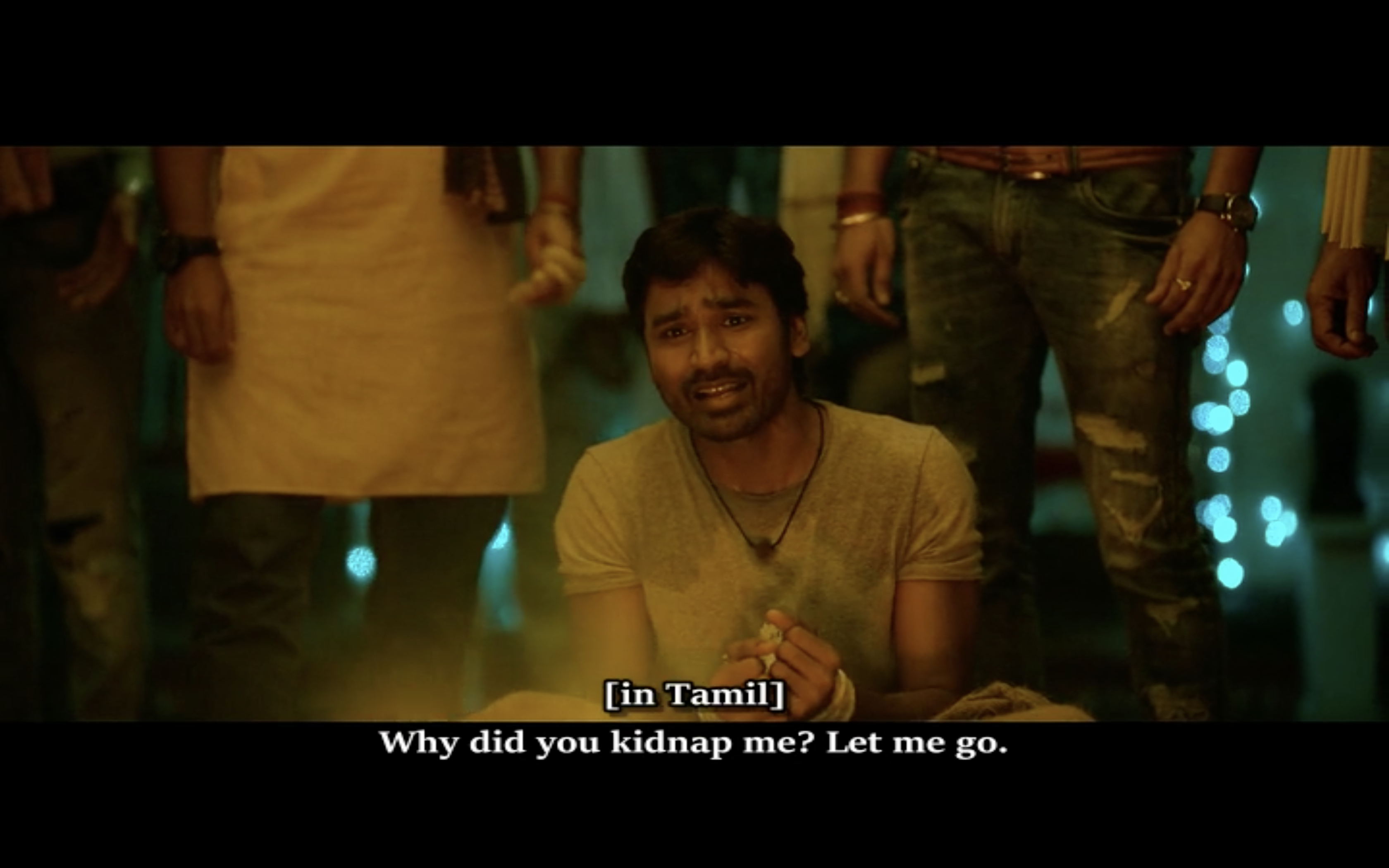
The film starts with Rinku (Sara Ali Khan) running from her abusive family to elope with her Muslim boyfriend, whose name she steadfastly refuses to reveal. The family catch her at the train station where Vishu (Dhanush) and his friend MS (Ashish Verma) have arrived for a medical camp and they see the drama unfold. To solve the problem of Rinku continually trying to elope, her grandmother Rajjo (Seema Biswas) decrees that the family must kidnap a groom so that they can get rid Rinku and all the trouble she causes. But the family mistakenly kidnap Vishu who is supposed to be getting engaged himself to the daughter of his College Dean in just a few days. After being drugged though the wedding, Rinku’s family put the newlyweds on the train to Delhi, where Vishu is studying to be a surgeon. Luckily for Rinku, she finds out about Vishu’s upcoming engagement which give her the perfect opportunity to leave him for her Sajjad (Akshay Kumar), the long standing fiancé whose name she reveals to Vishu.

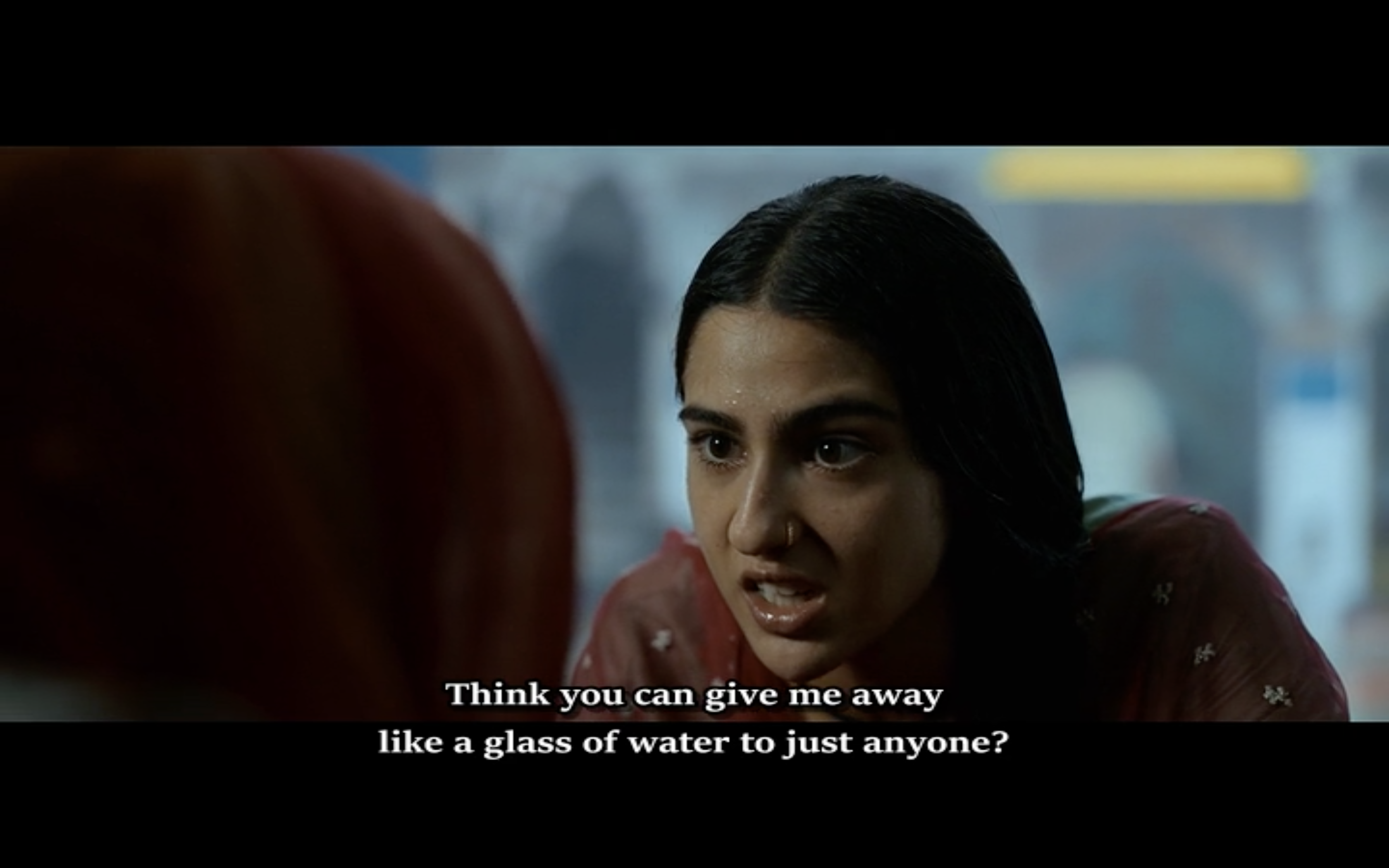
So far so good and the confusions and potential love triangle are (mostly) dealt with well. Dhanush is excellent as the earnest and slightly nerdy doctor, but Sara Ali Khan’s Rinku comes across as more forced and manic rather than someone desperate to escape an intolerable situation. But once in Delhi, the true situation is revealed and that’s where the film slides off the rails. 

Despite having a fiancée at home in Chennai, Vishnu seems to fall instantly in love with Rinku even though there is no real reason for him to do so. Vishu knows about Sajjid immediately after the forced marriage as Rinku immediately tells him about her fiancé while Vishu seems to be happy with his fiancée Mandy (Dimple Hayathi) given his many attempts to call her while in Bihar. At the very least, as a Tamilian she is at least able to speak the same language. On that point, I do like listening to Dhanush speak Hindi which he enunciates clearly meaning that I can actually understand what he says for the most part. My Hindi is pretty limited so it’s always extra enjoyable when I can understand the dialogue without subtitles. 

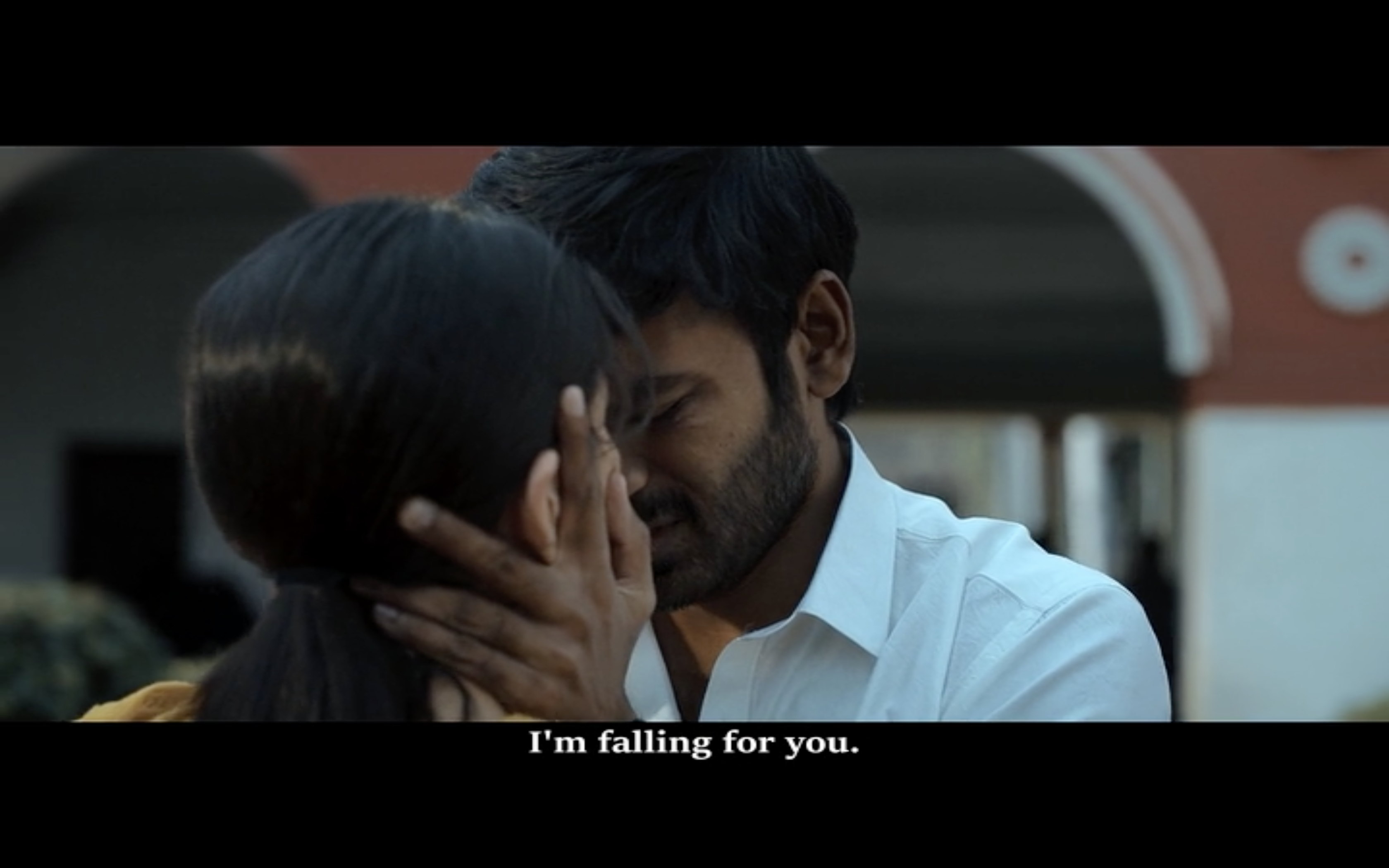
This instant love affair is annoyingly unrealistic but even more problematic is that once Vishnu finds out more about Rinku, he manipulates her into staying with him. His love for her apparently means it is OK to lie at every turn to make sure that she stays with him. It’s frustrating that the original sweet, slightly geeky doctor becomes a rather creepy, obsessive stalker, although Dhanush at least is convincing in the role. We get happy, awkward happy dancing Dhanush (my favourite), emotional Dhanush declaring his love and practical and resourceful Dhanush capably manipulating the situation in his favour. The performance is perfect, but the character of Vishu is so fundamentally flawed that it’s difficult to accept that he does actually love Rinku.

Skip past the cute kittens if you want to avoid the more major spoilers. Less spoilery review resumes after the second set of kittens.
What really annoys me with this film is the terrible way Vishu and particularly MS treat Rinku despite knowing she has a mental illness. One which is so extreme that she is hallucinating and convinced that what she sees and hears is real. Bollywood has rarely treated mental illness well, but the jokes at Rinku’s expense and the farcical way she is treated is the worst I have seen for a while. Both Vishu and MS are doctors (albeit students) and should know better, but so much of what they do is simply wrong and made me really mad!
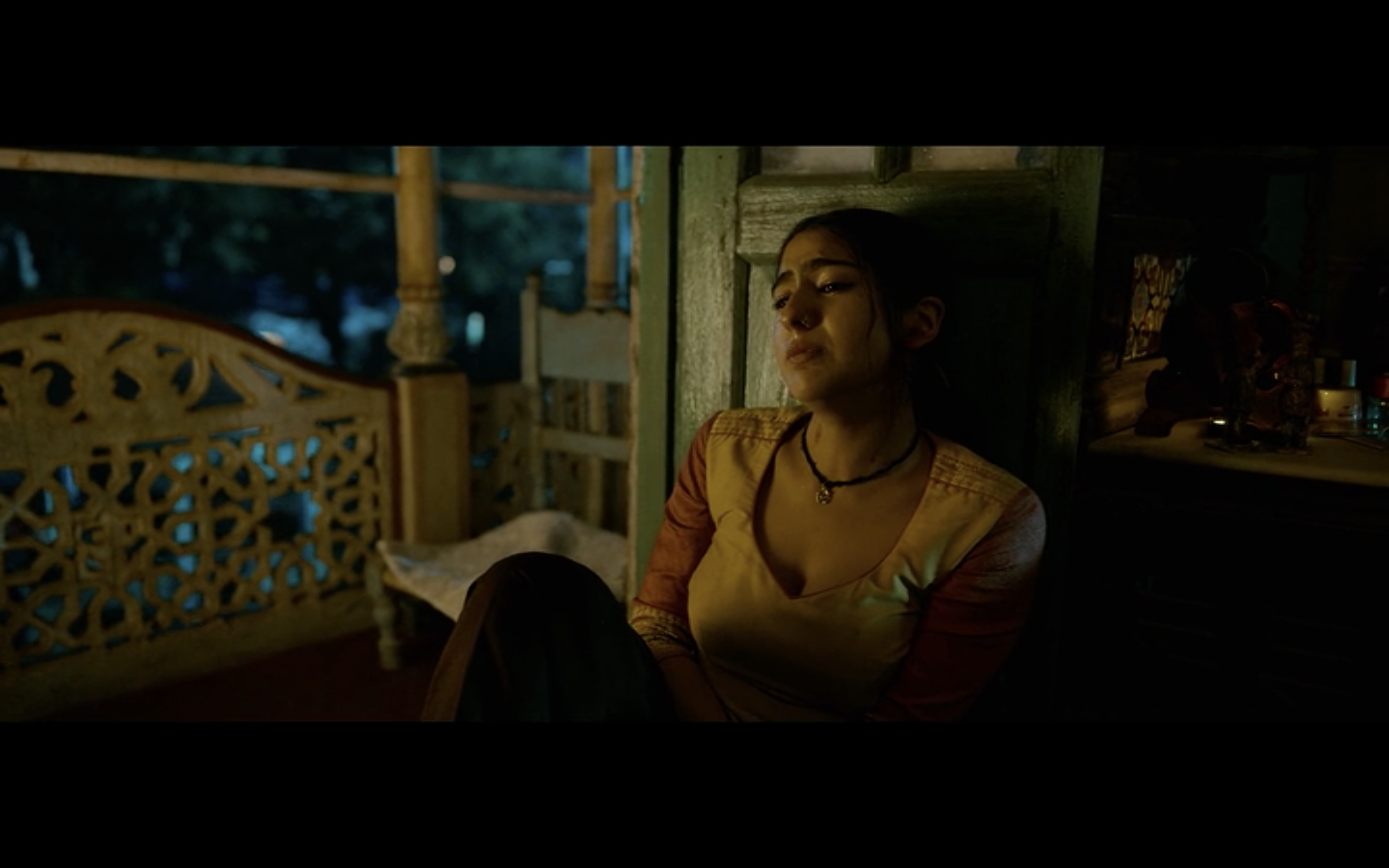
I can cope with Akshay Kumar being Rinku’s love interest since once we know exactly who he is, it makes sense of much of Rinku’s earlier behaviour and the way she treats Sajjad. I also like that in the flashback sequences Akshay is made to look young and happy, while in the sequences with Rinku he looks old and tired. I don’t find this relationship as problematic as Vishu’s with Rinku, because here Rinku is in the driver’s seat. It’s her hallucination, her psychosis, and the reason she thinks of Sajjad as her fiancé is because she needs him to be her hero. And right now, the person she needs to take her away from her family is a husband, so naturally that is how she thinks of him. Here, where Sara Ali Khan could legitimately get away with manic behaviour, she dials it back but still seems to force much of her performance. Her character is such a mass of contradictions, that I blame much of her issues on the writing and direction. She is better when she plays the second role of her mother, but these are ‘blink-and-you-miss-it’ moments that don’t make much of an impression. Between Sara Ali Khan’s over-acting and Dhanush’s manipulative character, by the end of the film I really had had enough of this irritating couple!

End of major spoilers

A.R. Rahman’s soundtrack is a real plus for the film and I really enjoyed the songs. I also found the interplay between Dhanush and Akshay funny with some good comedy in the various looks and side glances between the main characters. Perhaps it’s because he’s not in the film all that much, but I found Akshay much less irritating than usual, although the OTT touches with the tricks and performances did wear thin very quickly. How come no-one’s hero is ever a car mechanic or something more normal in these films?  But by far and away the main reason to watch Atrangi Re is Dhanush. Despite playing a selfish and inconsiderate character, he is as charming as ever and ensures we are invested in his story. I just wish it had been more sensible! 3 stars (all for Dhanush!)

Jai Bhim

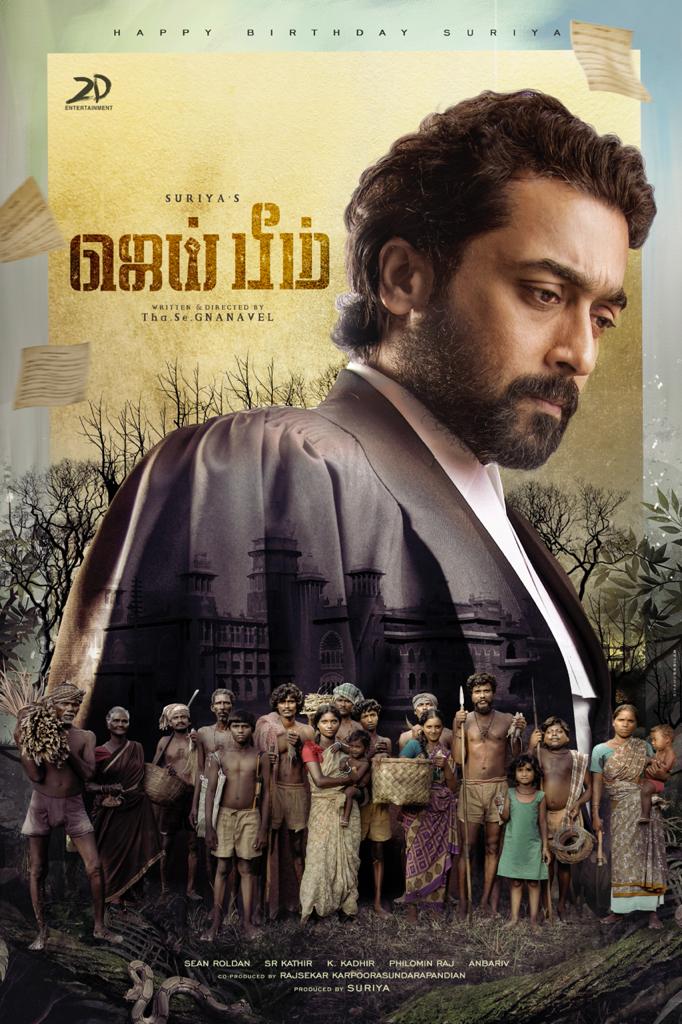
It took me a few weeks to watch this film as I just couldn’t get past the brutalisation of Rajakannu, Sengeni and their families by the police. However, it’s well worth sticking it out past the first hour as the film ends up as an excellent legal drama with superb performances from the entire cast. In particular, Lijomol Jose stands out as a tribal woman fighting for justice against an entire system which discriminates against her at every turn while Suriya excels in a more subdued role as the advocate fighting for justice.

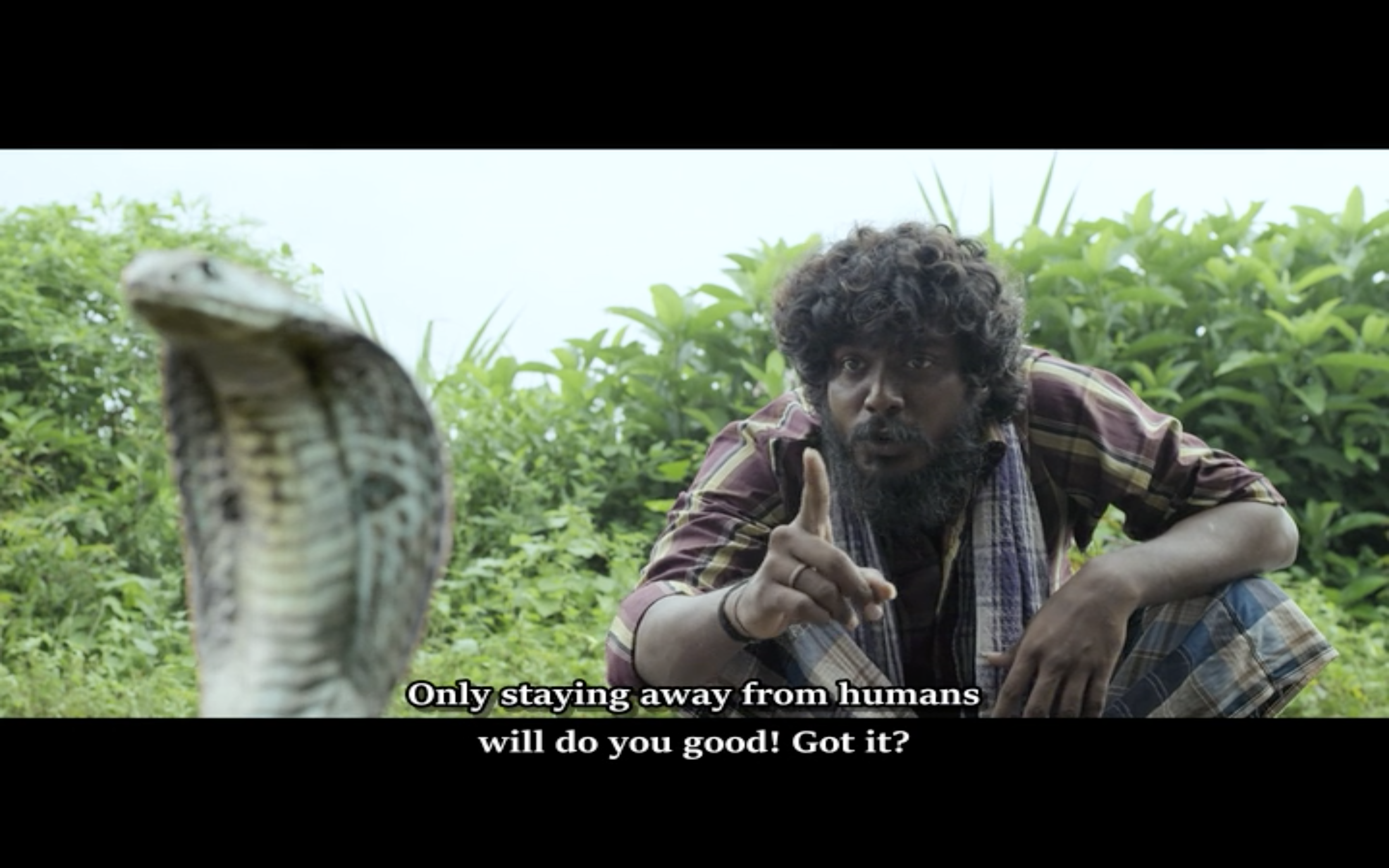
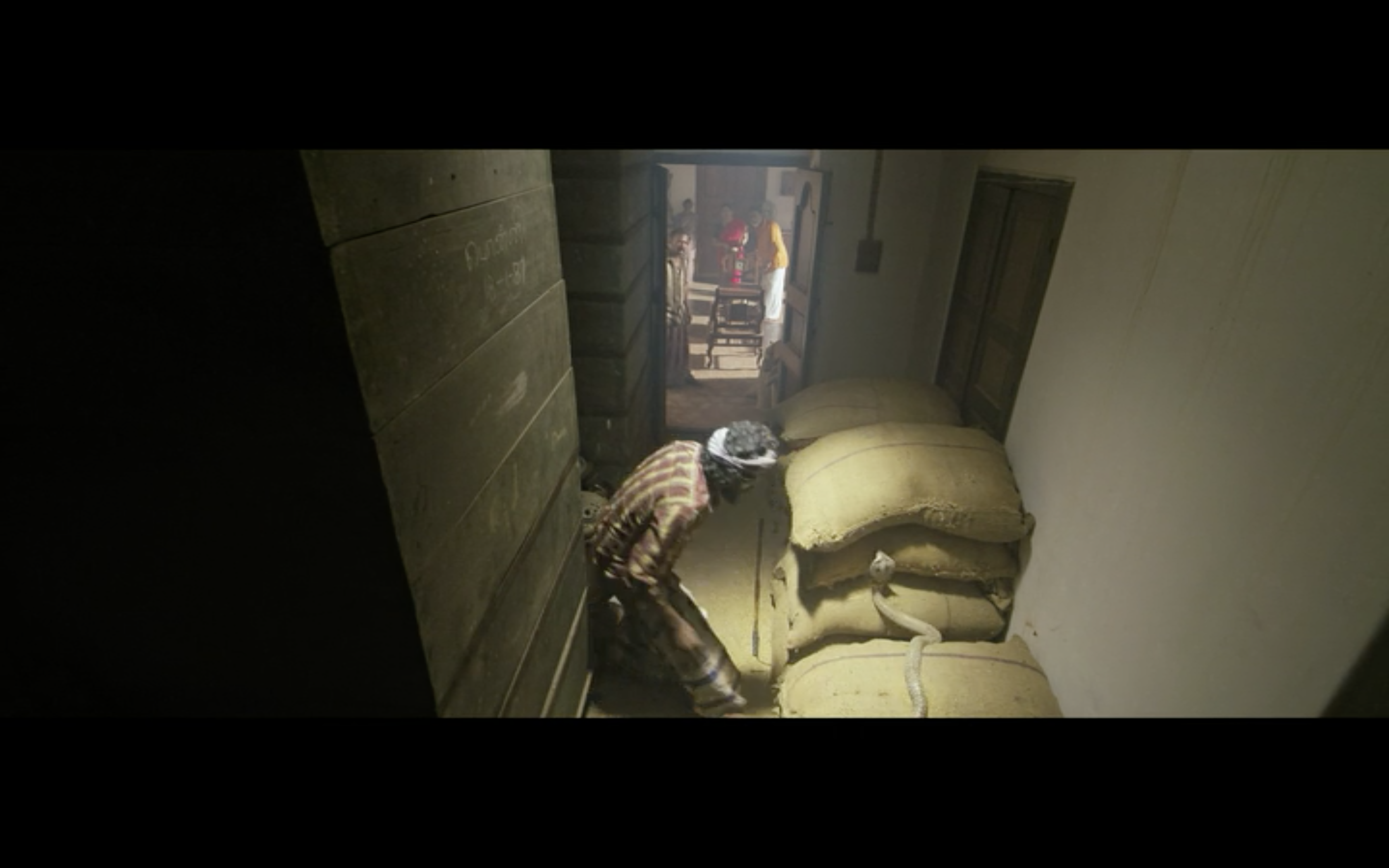
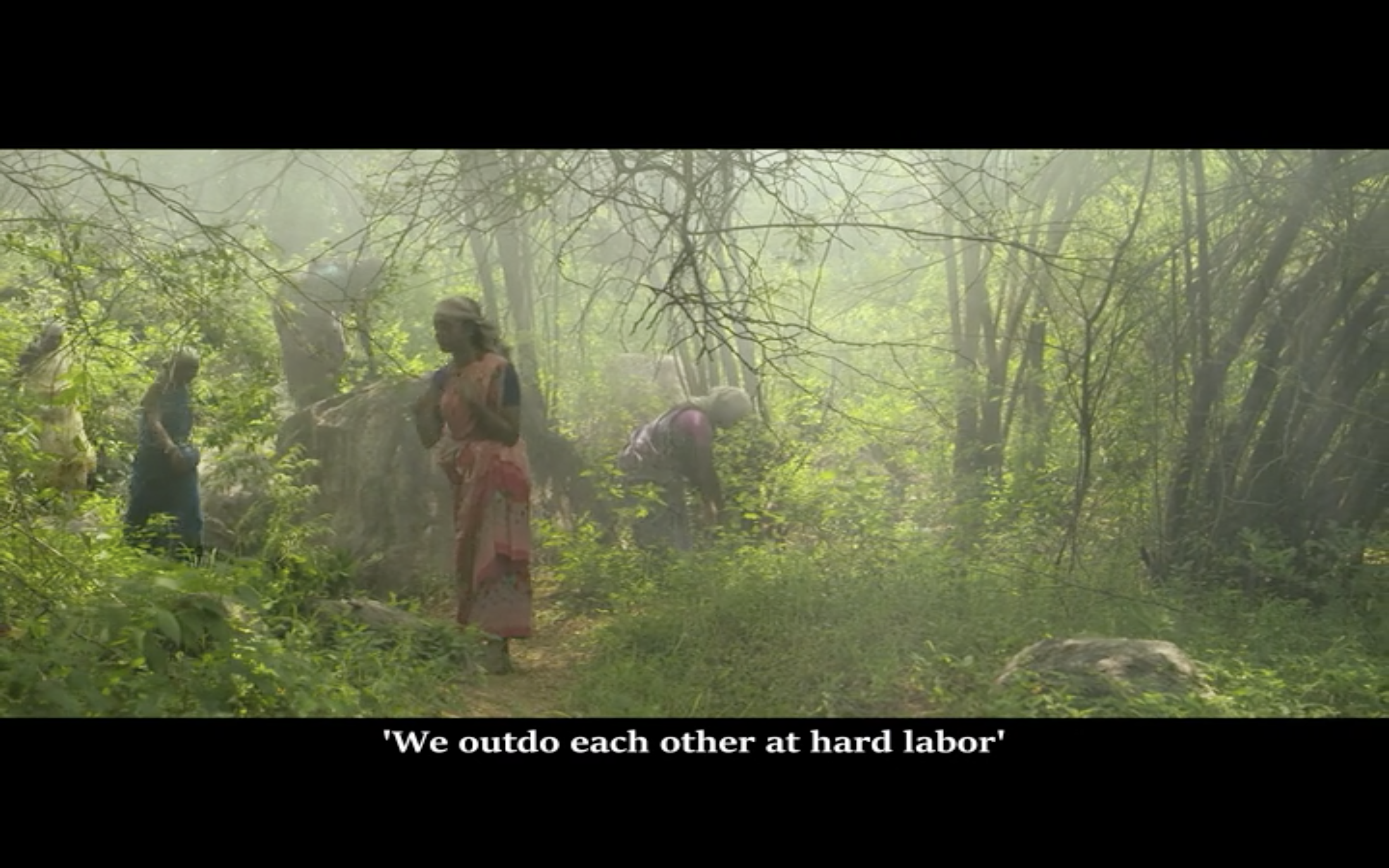
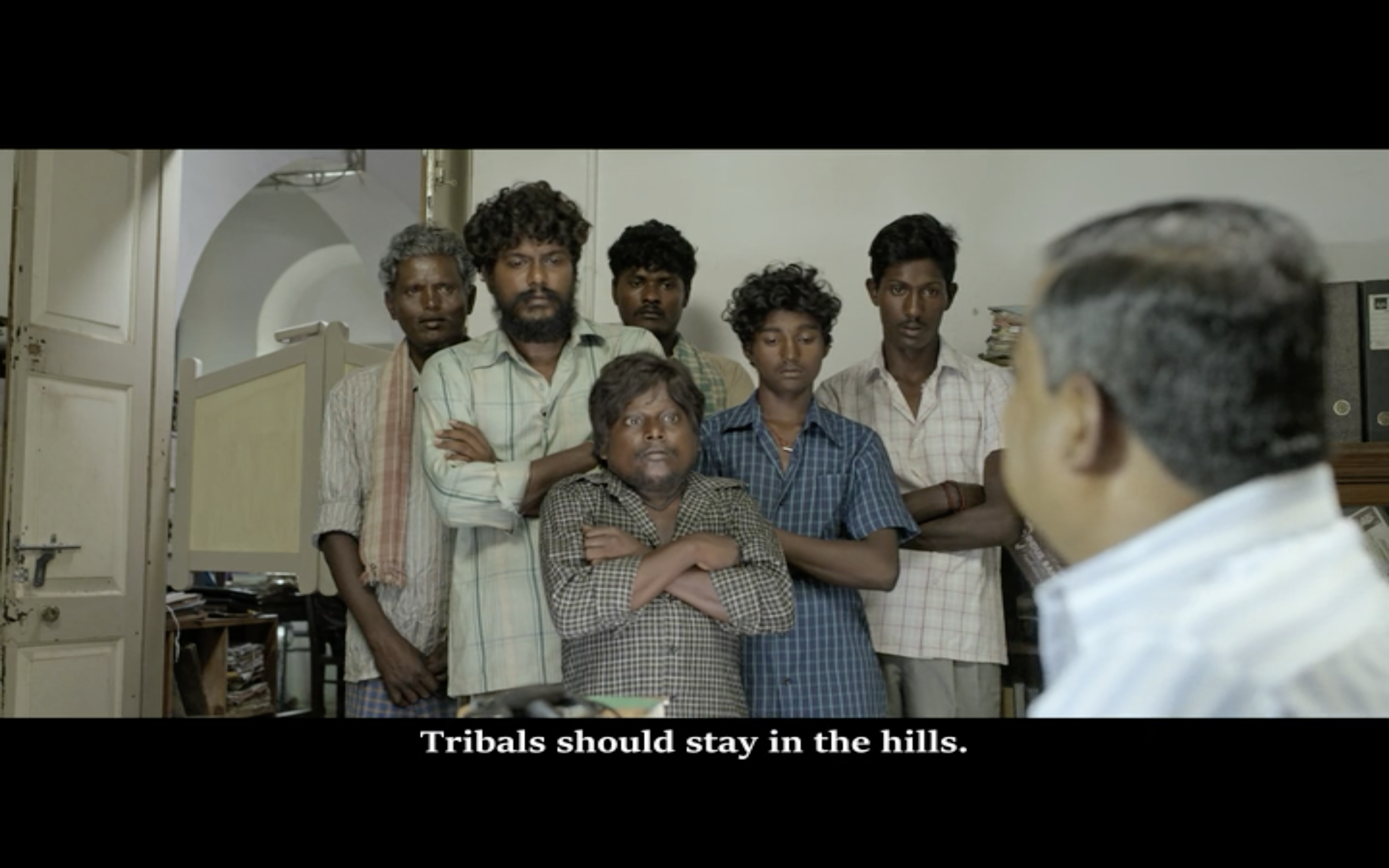
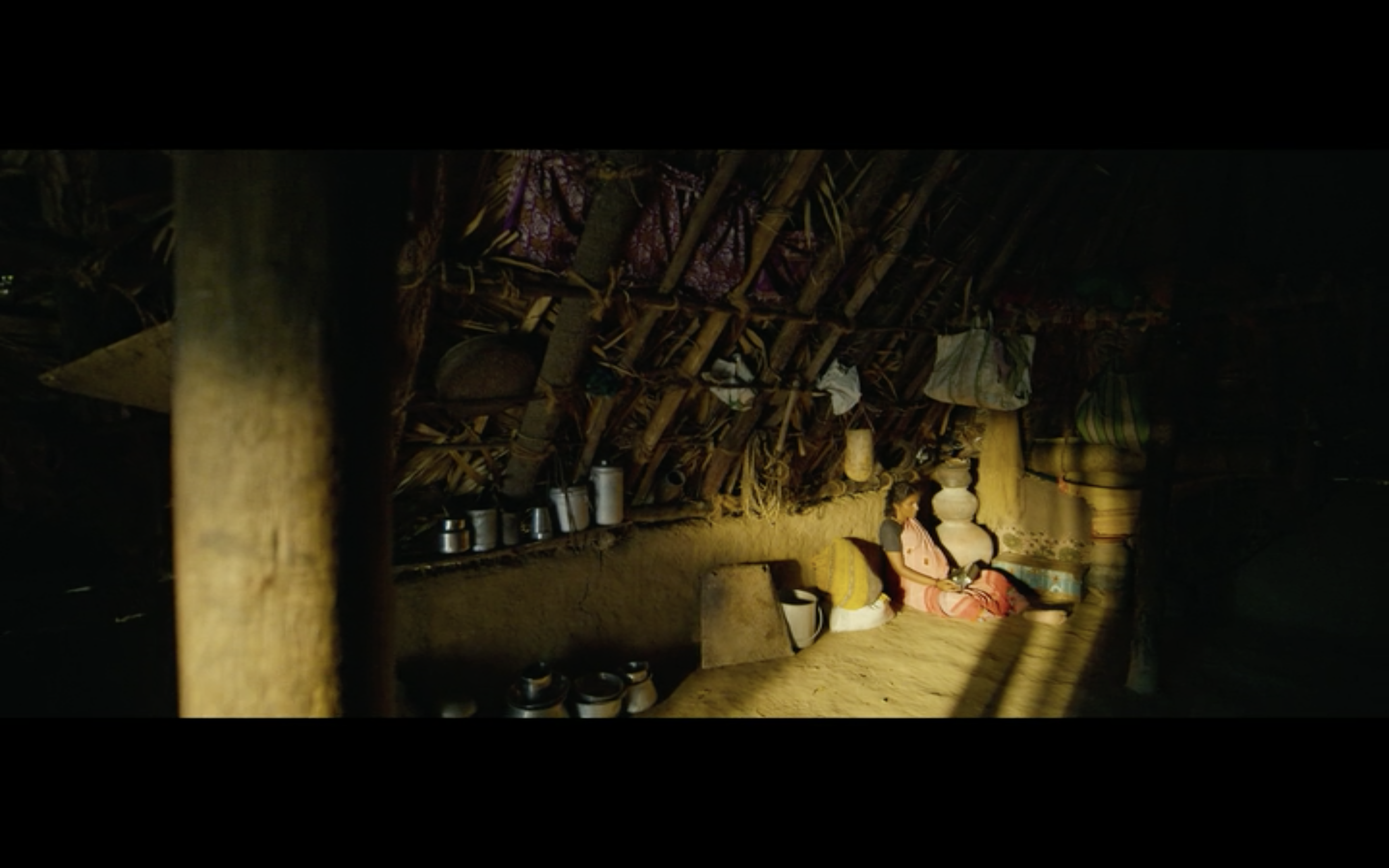
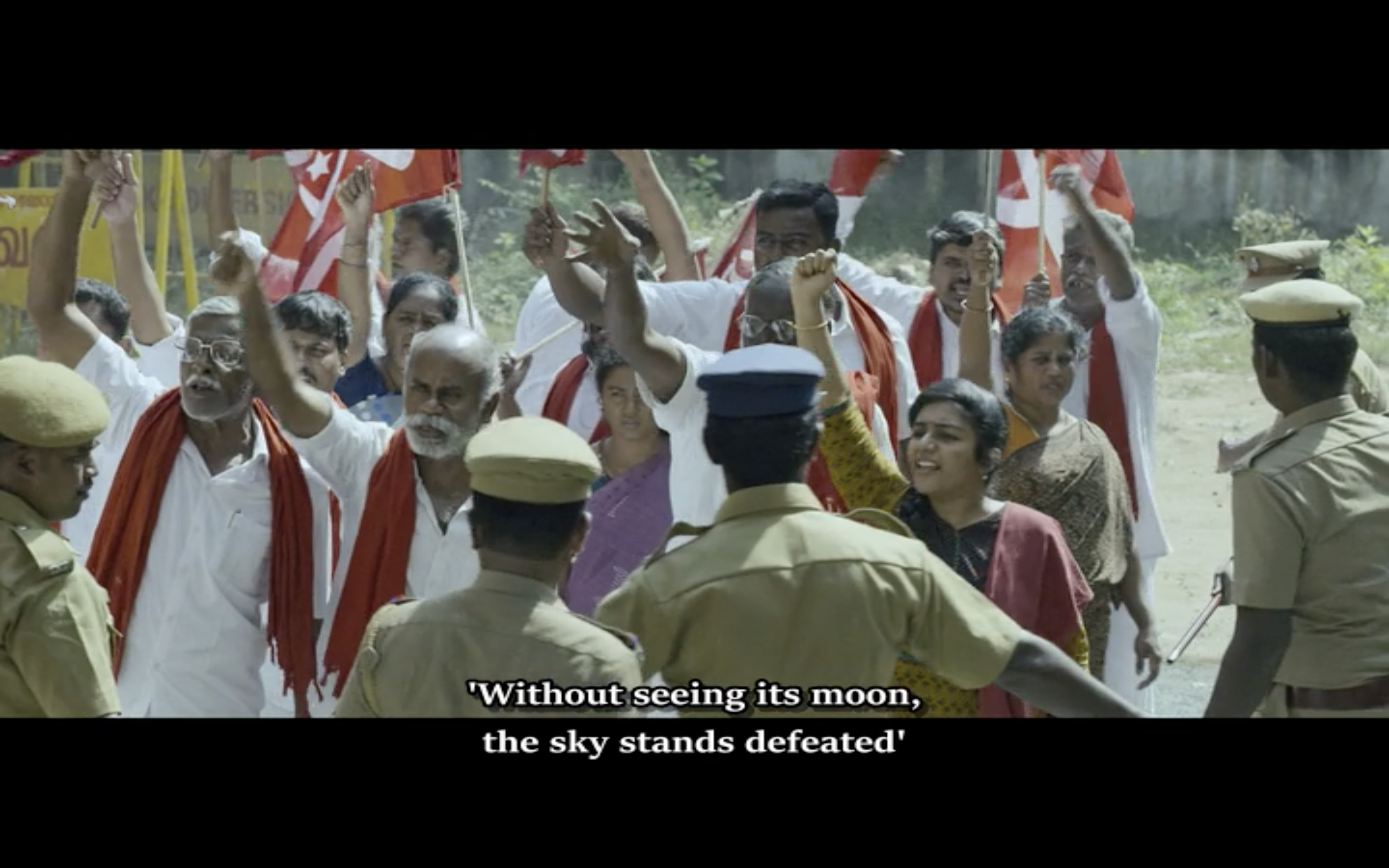
The film starts with a demonstration of wanton discrimination with prisoners being selected to be charged with false cases based on their caste. It’s a short and callous scene that sets the tone for the rest of the film illustrating that there is no mercy and no justice for those who have no social standing or who cannot afford bribes. The film then moves to Rajakannu (Manikandan) and his family trapping rats for the local famers and catching snakes. Although they have been employed by the landowners to carry out this work, they are treated as vagabonds and ruffians, seemingly due to their poverty and inability to rise above their lowly status. The tribal people live in a vicious circle of being unable to obtain the rights other villagers take for granted as they cannot obtain documentation, without which they cannot vote, register for land or tribal grants and are therefore not seen as existing at all.

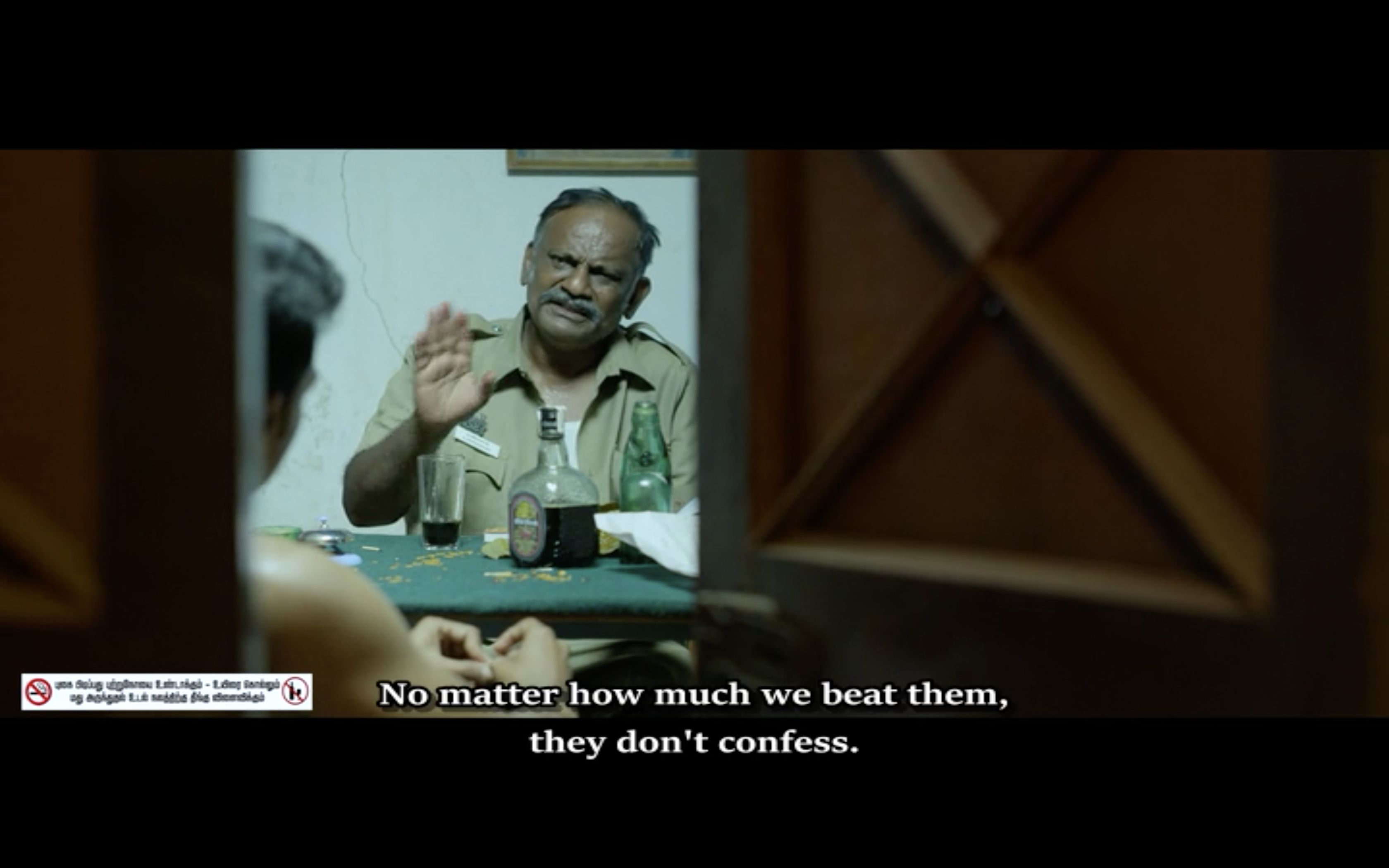
In the midst of all this callous and barbarous treatment, Rajakannu and Sengeni (Lijomol Jose) hope for a better life, dreaming of one day owning a brick house in the village. It’s somewhat ironic then that Rajakannu has to leave and work as a labourer making bricks while Sengeni is pregnant and stays at home to look after their daughter. However, a jewellery theft at the local headman’s house results in Rajakannu being accused of the crime after he was known to have been at the house to catch a snake, despite being nowhere in the vicinity at the time. As Rajakannu is away at the brick factory, his brother Iruttupan (M. Chinraasu), his sister Pachaiammal (Sujatha), his brother-in-law Mosakutty (Rajendran) and the very pregnant Sengeni are all taken to the police station and tortured to find out his whereabouts. Once they have Rajakannu, the two women are released, but the torture continues for Rajakannu and the other 2 men as the police, Sub-Inspector Gurumurthy (Tamizh), Constable Veerasamy (Supergood Subramani) and Constable Kirubakaran (Bala Hasan) try to beat a confession from them.

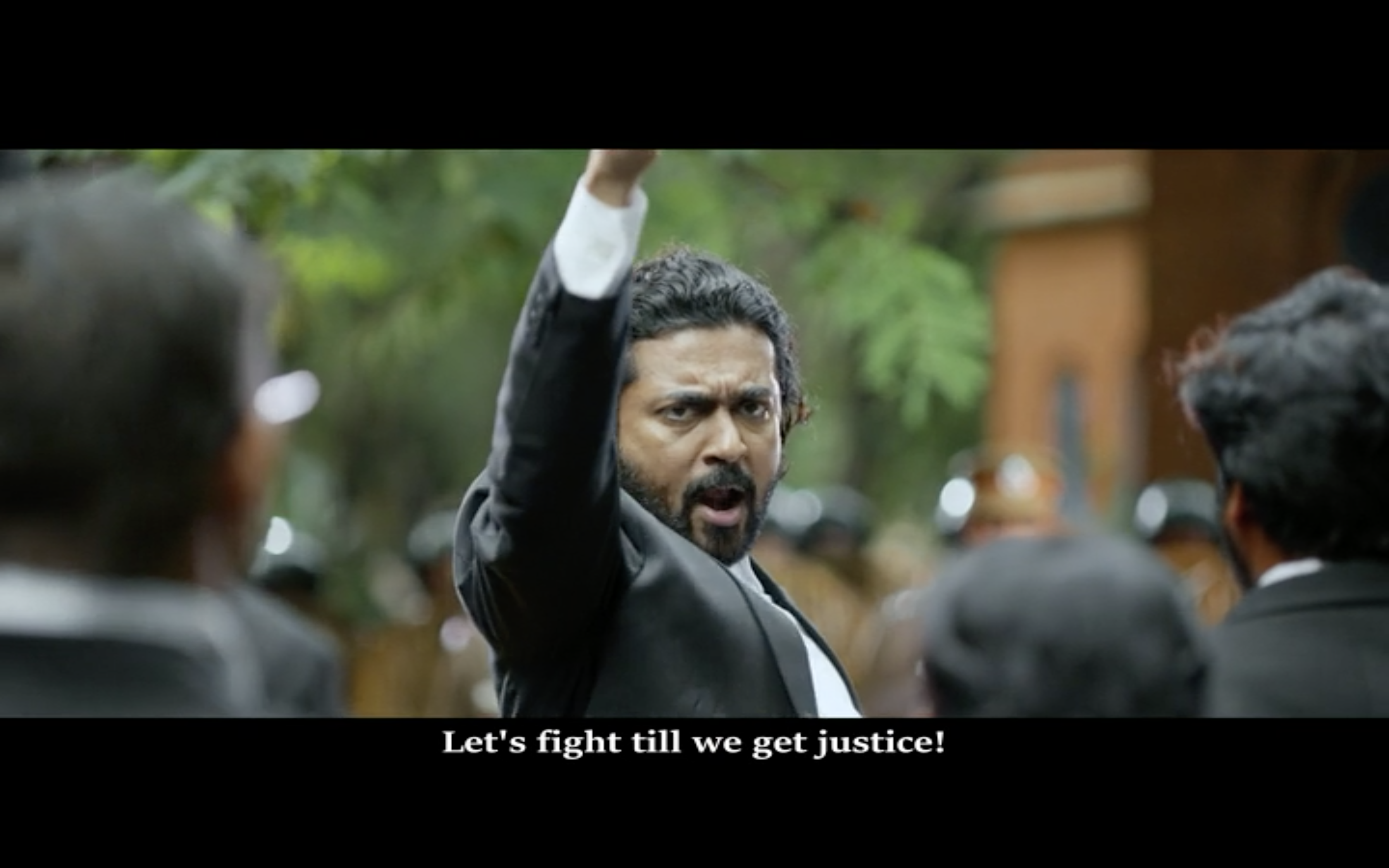
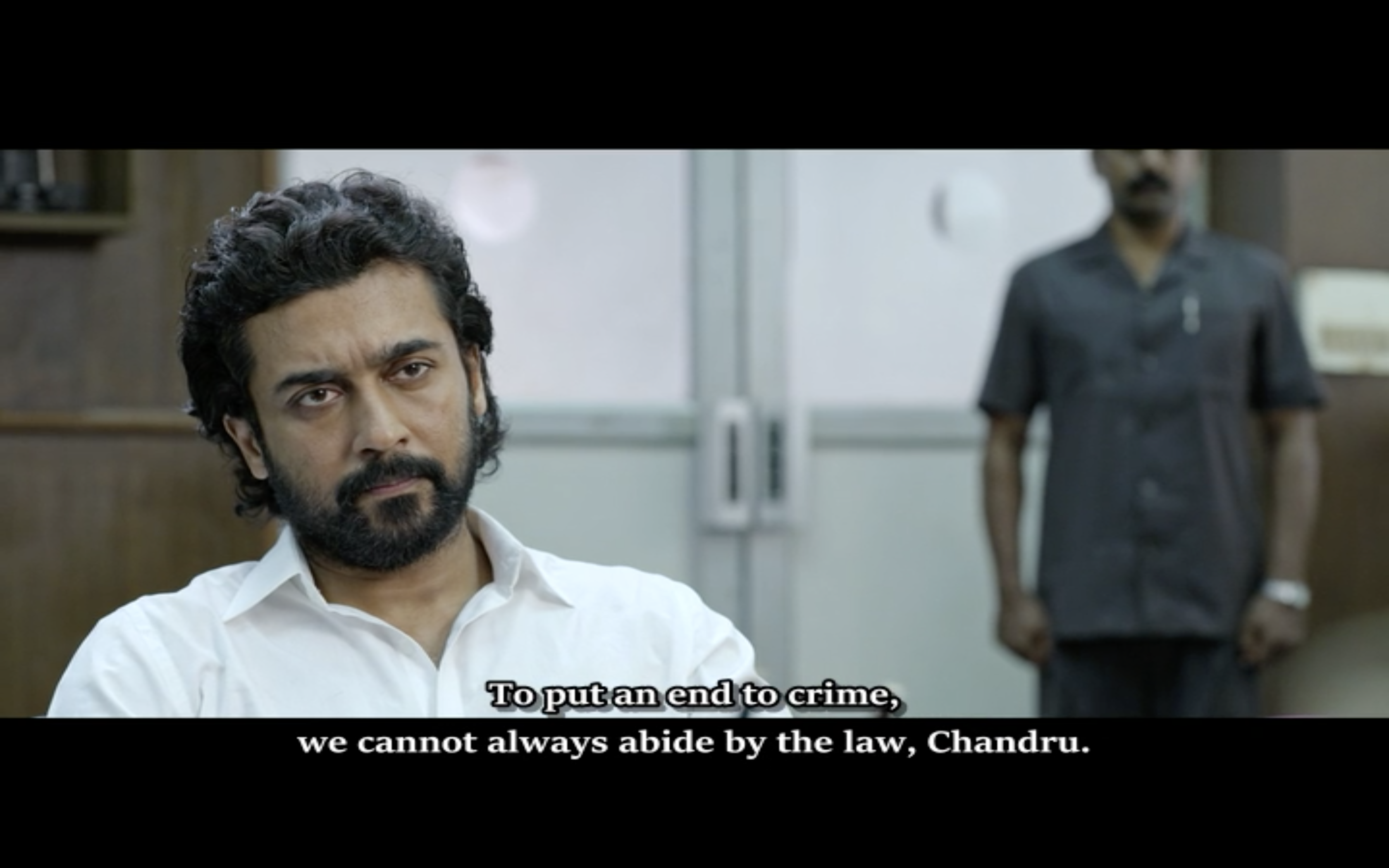
Arriving at the police station the next day, Sengeni is told that her husband Iruttupan and Mosakutty have all escaped, but there is no trace of them anywhere. Desperate, Sengeni enlists the help of Mythra (Rajisha Vijayan), an educated woman who has been teaching the adults to read and write. Mythra also struggles to make her voice heard, but on finding out about a lawyer who fights pro bono for human rights cases she enlists his help for Sengeni. Once Chandru (Suriya) takes the case, Sengeni finally has someone who is listening to her who will fight for her right to justice.

The first hour of the film is unforgivingly brutal and difficult to watch. The torture of the women and men is shown in enough detail to make for gruesome viewing, and it seems to be never-ending. In between the scenes of beating and torture, the general social injustice shown to the tribal people is also shockingly inhumane, particularly since it is shown to be so casual and ingrained with villagers who themselves are living quite poorly. It took a couple of attempts for me to get through this section of the film, as it really is quite horrific and depressing. Thankfully, once the court case starts, there is more optimism and despite the investigation team having to revisit the horrors of the men’s imprisonment and torture, there is respect for Sengeni and her determination to find out the truth. 

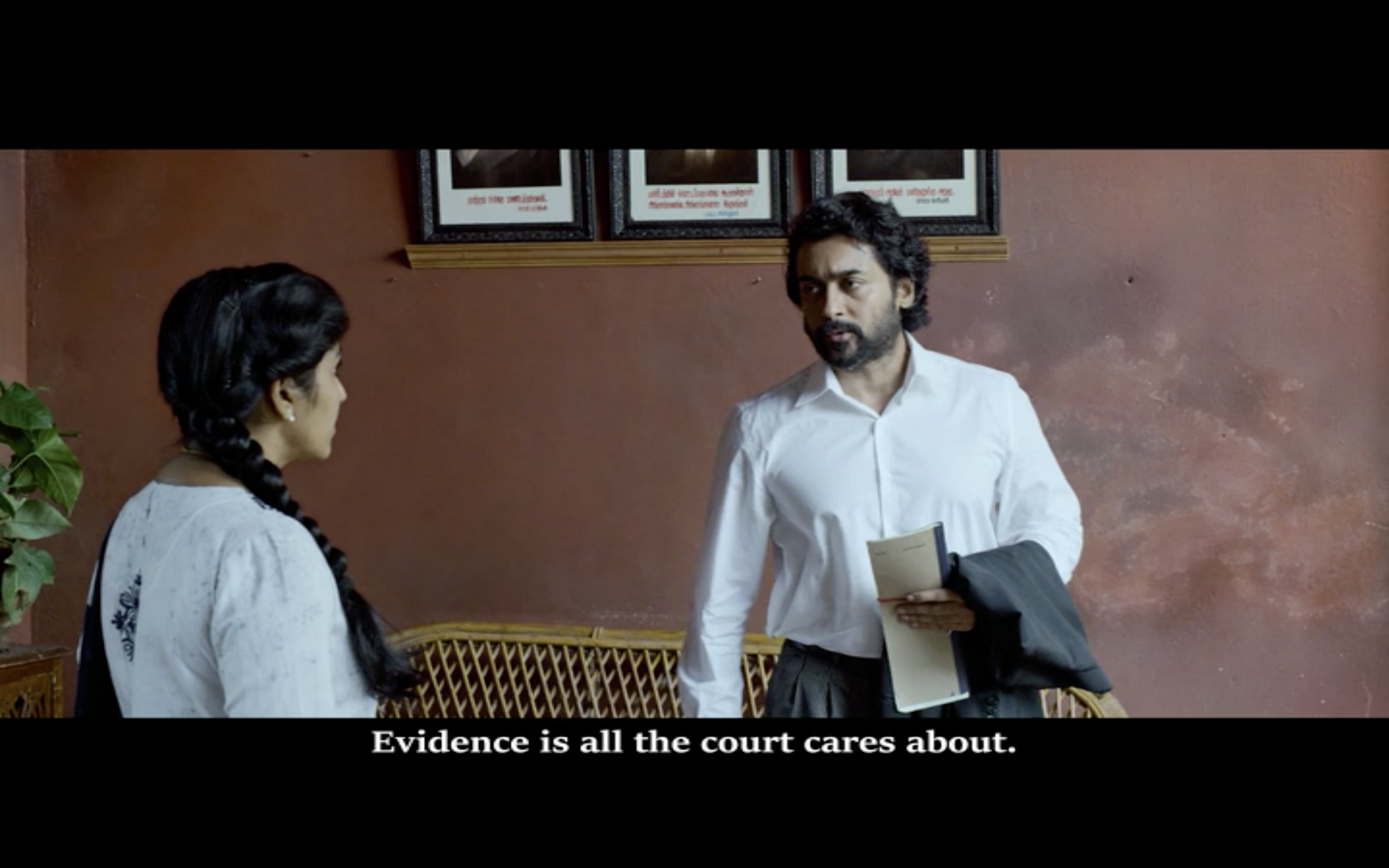
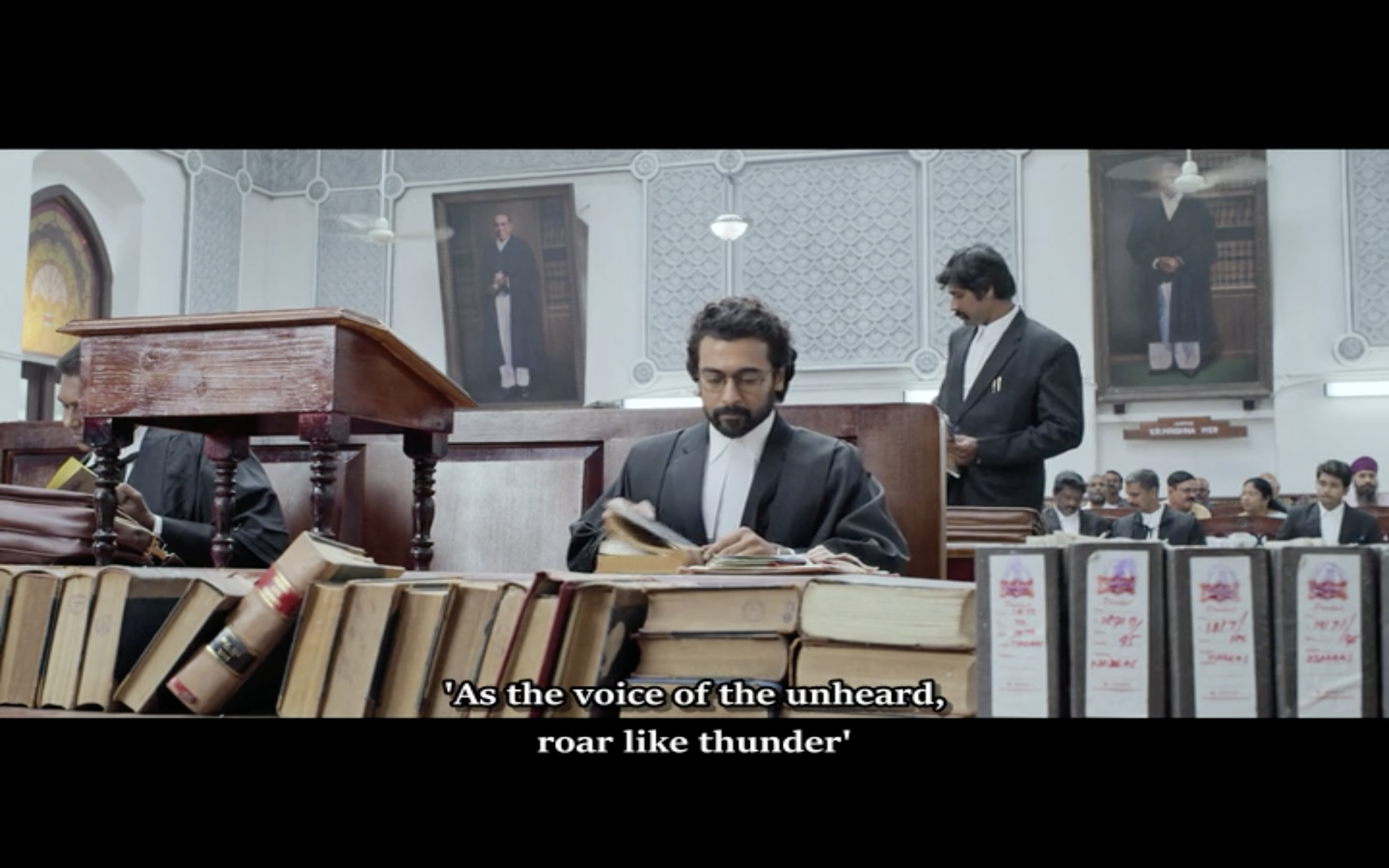
Chandru is assisted by IG Perumalsamy (Prakash Raj) who, despite his dislike of lawyers and support of police brutality, vows to conduct a fair and thorough investigation. As more and more corruption comes to light, Advocate General Ram Mohan (Rao Ramesh) takes over the police defence and attempts to get the case thrown out of court. Perhaps unrealistically, Chandru seems to have little difficulty in getting the judges to see his point of view. He is able to get time to conduct investigations and support for his questioning of witnesses without too much difficulty and his speeches in court are simple and to the point. The drama and suspense is kept for the investigation into what has happened to the 3 men, with Chandru racing across the countryside trying to find witnesses who can discredit the police story. There is also constant pressure on Sengeni to back down which includes more intimidation from the police as well as offers of large amounts of compensation if she will drop the case.

What makes this film for me is the strength and determination shown by Sengeni in the face of so many obstacles. Despite her lack of literacy and knowledge about the legal system, she is steadfast in her desire to find out the truth no matter how impossible it seems. Lijomol Jose is simply brilliant and her portrayal of Sengeni drives home the almost insurmountable challenges faced by someone of her status trying to challenge the state authority. She makes Sengeni’s love for her husband a natural extension of their family life together, and her terror while in the hands of the police, followed by her devastation when Rajakannu disappears is perfectly shown. The character of Sengeni comes alive in her capable hands and she invests the audience in her story at every step.

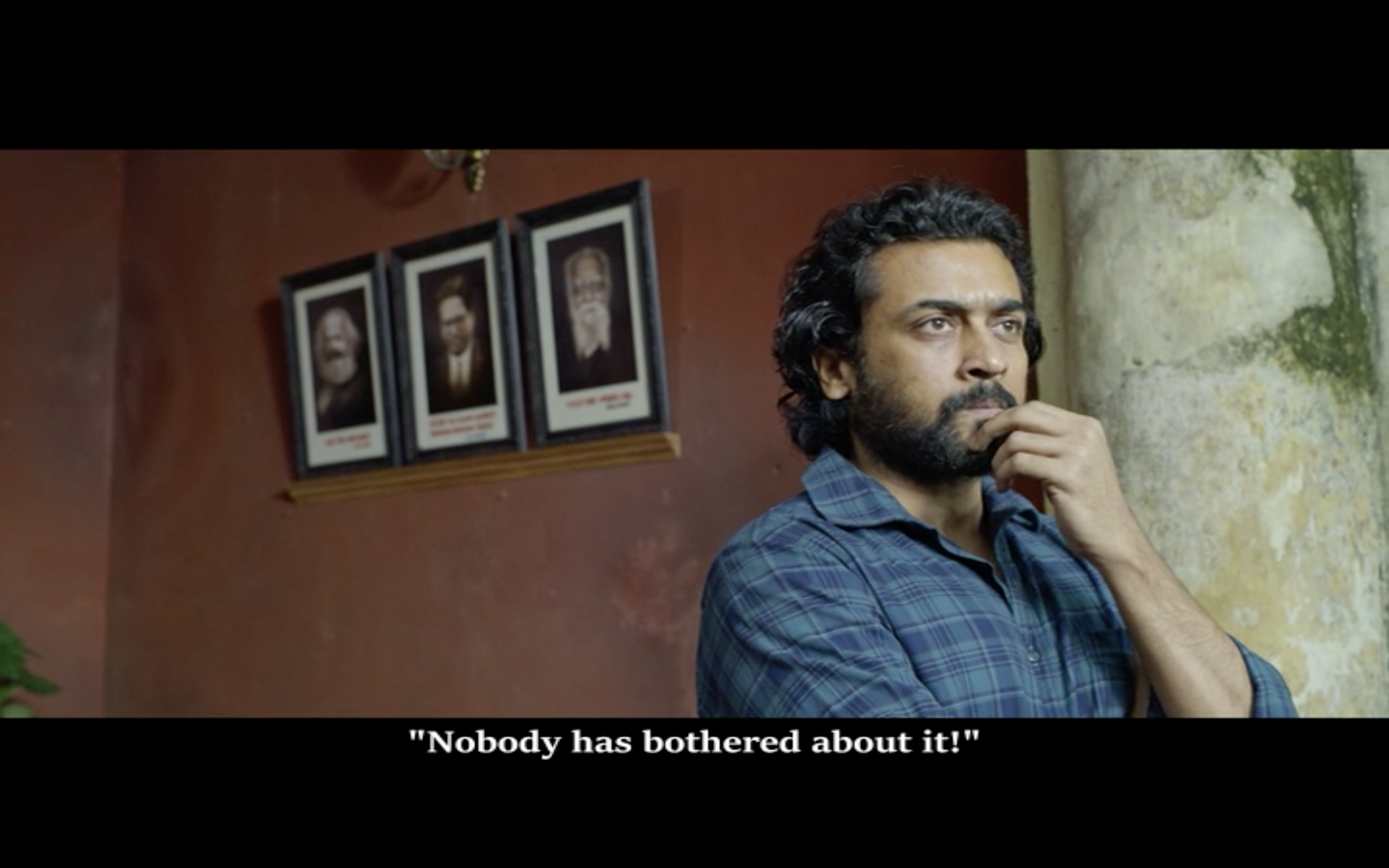
Suriya is also excellent, although his performance focuses more on Chandru’s determination for justice rather than on flowery court speeches or dramatic discoveries. There is little backstory and no explanation of why he so strongly supports human rights, but despite this he is credible as a lawyer and the more restrained performance suits the story. It also helps to focus attention on Sengeni and the police brutality as the key elements of the film. The contrast between his more humane approach and that of almost everyone else in the film, also emphasizes how endemic discrimination against people like Rajakannu and Sengeni is within the rest of society.  

Director T.J. Gnanavel wrote the screenplay which is based on a true story according to IMDb etc. (Rather annoyingly the subtitles didn’t translate any of the written material on screen, which I think covered this aspect of the film).  While the story is compelling, the overly long and frequently repeated scenes of police brutality and torture seemed unnecessary and at times almost voyeuristic. Perhaps Gnanavel was trying to shock his audience and drive home the issue of police violence, but for me they made the film difficult to watch as the torture scenes went on and on without any end in sight. What I found more shocking was the casual discrimination faced at every turn by the tribal people, something that had a more lasting and significant impact than all the violence shown in the police station because it was more realistic and believable. Despite these issues with the screenplay, the characterisations of the main characters are all excellent and once past the torture scenes the rest of the film works well. Issues of caste and social justice are often harrowing to watch but the overwhelming feeling from Jai Bhim is one of hope and resilience, despite the downbeat start to the film. The music from Sean Roldan is also emotive and fits well with the screenplay while S.R. Kathir’s cinematography impresses with his skill at framing and his contrast between the claustrophobic scenes in the police station and the light and air of the courtroom.

As I wrote at the start, this was a difficult film to watch, which I think was the point T.J. Gnanavel was trying to make. I’m not sure if this was the best approach for such an important subject and I’m sure that making the torture scenes shorter would still get the message across just as well without reducing the impact. If you can make it through the first hour, the rest of the film does impress. Not for the faint-hearted but well worth it for Suriya, Lijomol Jose and the rest of the excellent cast. 4 stars.