Thalapathi

Thalapathi was one of the first Tamil films I saw. It was before my ‘Southern Film Industry Addiction’, I barely knew who Rajnikanth was and had absolutely no idea about Mammootty. In fact I’d totally forgotten he was in this film until I rewatched it recently – thankfully I know much better now.

Written and directed by Mani Ratnam, Thalapathi is at heart much more of a masala film than his usual fare. It features most of the necessary ingredients: an abandoned child, perpetually teary mother, romance, brothers who don’t know they are related, the essential Amrish Puri as the villain and a significant article of clothing. Add to that plenty of action and fight scenes, great songs, and beautiful cinematography, plenty of classical references and it all adds up to a very full 2 and a half hours of cinema.

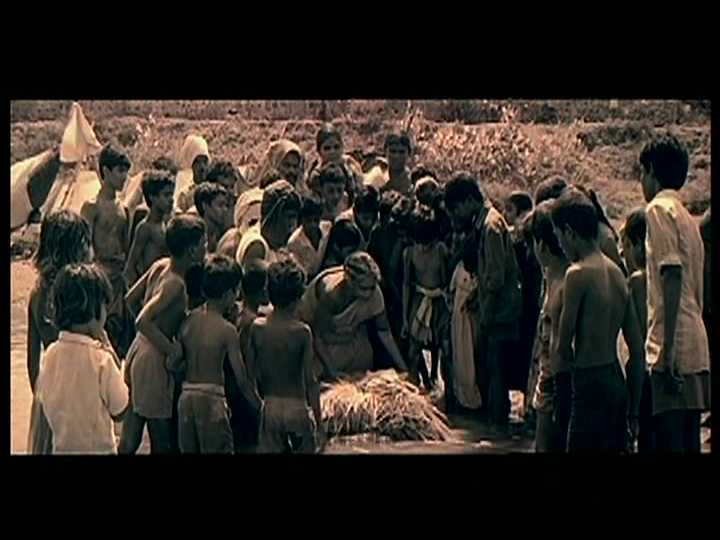
The film starts in black and white with a young unmarried girl giving birth during the festival of Bogi. The opening scenes of Kalyani’s rejection by an older woman and shots of the rural countryside serve to explain that her child has no future in such a traditional community. She puts the baby into a train in the hope that somehow someone else will give him a better life. These opening shots are some of the best in the film and it’s a shame that my copy of the DVD seems to have lost the original quality.

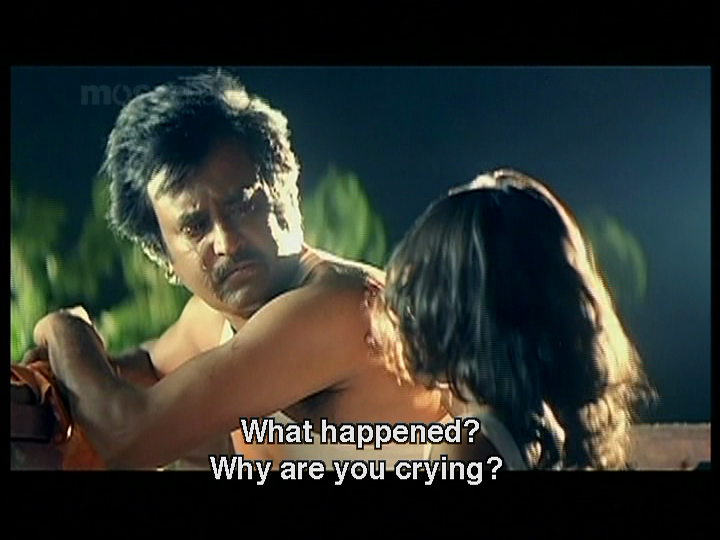
The colour kicks in with the year of 1987 when the baby has grown up to be Surya (Rajnikanth). He is a man with a firm belief in justice who is determined to help others in his community in any way he can. This often seems to be by beating senseless an offender and in the course of such action he ends up fatally injuring Ramana, one of Devaraj’s men. Enter Mammootty in a very well played role as the head of the local gang of rowdies, who initially threatens Surya with dire consequences if his man dies.

However when Devaraj finds out Ramana’s crimes, he arranges for Surya’s release from jail and tells him that his actions were right and just. I can’t say that I agree with his assessment but it makes Surya become his loyal Thalapathi and the two become inseparable. Lots of drama here, so time for a song break.

Surya’s charitable reputation helps to legitimise Devaraj’s rather more shady one and they soon rule the entire area, much to the displeasure of Devaraj’s rival Kalivardhan (a dubbed Amrish Puri). There is bad blood between these two and it’s inevitable that there will be a clash. However most of the story concerns Surya’s relationship with Devaraj and sadly Kalivardhan is only seen occasionally throughout the film. Amrish Puri in a really terrible pair of glasses isn’t as menacing as usual but manages to be evil enough just when it really counts.

In the course of his good works, Surya meets Subbu (Shobana), a Brahmin girl who falls in love with him. Perhaps it was the wolverine hair-style or the commanding way in which he demands her jewellery but she’s obviously quite smitten.

Her father wants nothing to do with a thug who has no idea who his parents were and rejects the match. In the middle of all this, Surya’s real mother ends up moving to the area when her legitimate son Arjun (Arvind Swamy) is appointed as a Collector. Kalyani has married a very understanding man who knows all about her first baby, although Arjun doesn’t know that he has an elder half-brother. The two brothers have a common sense of justice but in every other way are complete opposites. Arjun is a good and law-abiding man who is committed to cleaning up the town, although perhaps he should have started with the police corruption rather than take on the town rowdies. There are inevitable clashes between Surya, Devaraj and the police as Arjun tries to stop their version of law and justice in the town. And Kalivardhan is luring in the background adding in his malicious attempts to get rid of the pair as well. Finally the significant cloth comes to light but Surya refuses to give up his friendship with Devaraj despite discovering his brother.

Although there is plenty of action in the film, the main focus is on the relationship between Surya and Devaraj. Mani Ratnam has based it on the friendship between Karna and Duryodhana from the Mahabharata and there are a number of references to this story throughout the film. It starts out with Devaraj as the leader and Surya as the faithful follower, but as their friendship develops they each begin to change the other and the dynamic between the two has altered by the final scenes. Both Rajnikanth and Mammootty are both excellent and work well together to bring their friendship to life. It’s mainly in the little touches, such as the way they only have to look at each other to acknowledge their next venture.

Surya’s relationships with his mother, Subbu and others are important to the overall story but his character is defined by his strong sense of justice and unwavering support of Devaraj, no matter what. Even when Devaraj persuades him to marry Ramana’s widow Padma, Surya is unable to say no. Rajni has plenty of action scenes and is exuberant in these, but he also makes the most of his more dramatic moments. So much is conveyed in one particularly memorable scene in the temple, where both Suyra and Kalyani both look yearningly towards a train as they hear the distant whistle. They are both standing close together but neither have any idea who the other is and their obvious sadness is all the more poignant as a result.
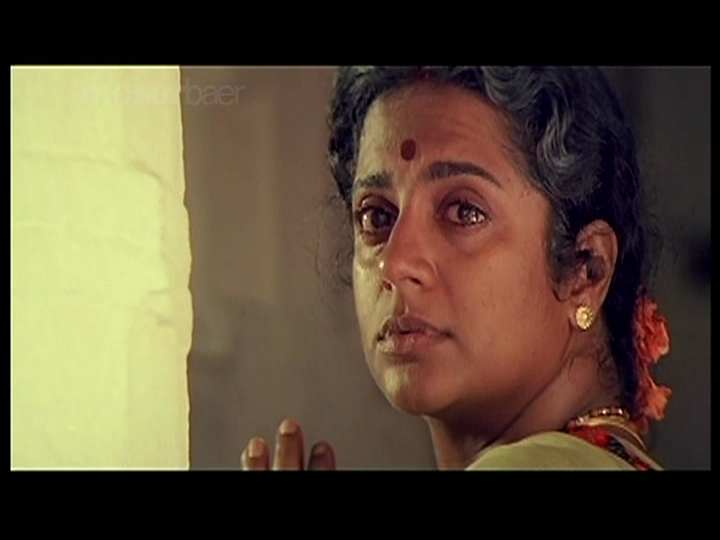
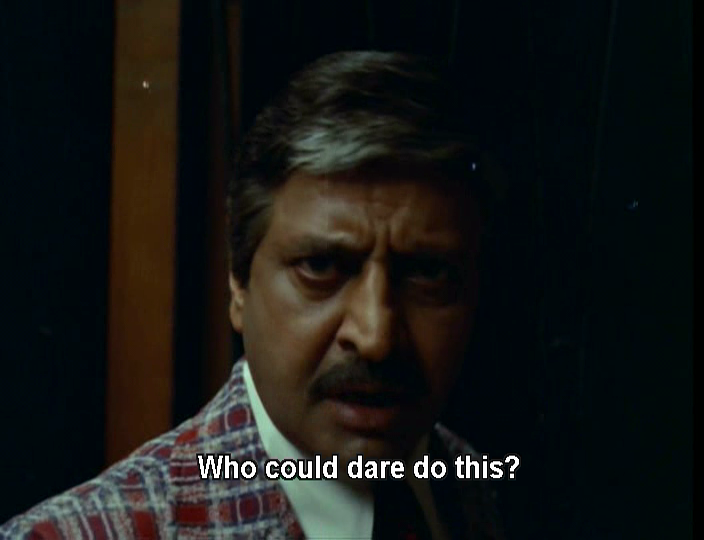
Mammootty is more restrained in his role as Devaraj relies more on fear and his entourage rather than actual physical violence. He has Surya for all of that after all. His portrayal of the more corrupt and devious Devaraj is excellent and he brings a real sense of authority to the character. The other members of the cast are all very good in their supporting roles, especially Srividya who is convincing as the mother who can never forget the child she lost. I was surprised that she had told her husband about her first baby, but Jai Sankar brought a lot of compassion to his role as Arjun’s father and was very credible as a supportive husband and father.

The other standout feature of the film is the music by Ilaiyaraja. The sad Chinna Thayaval is beautiful and recurs as background music throughout the film. The other songs are all upbeat with some great dancing and I wasn’t surprised to see that Prabhu Deva was one of the choreographers.  The rather different Sundari Kannal is interspersed with some Samurai action and seems to be a tribute to director Akira Kurosawa. I haven’t included it here as it is very long and I’m a little concerned about the horses in some of the fight sequences but Rajni in a top knot is definitely worth a look.

The only issue I have with this film is that it is very violent in parts. The first fight scene with Ramana and the episodes of police torture are quite graphic and go on just a bit too long for me. But to counter that, the two leads are fantastic and really at their best, the music is beautiful and memorable, and it’s a very well told story. 4 stars.

Temple says: I like watching earlier Rajni films (and this is the 90s) as it reminds me just how good an actor he is, legend status aside. I have recently watched Darna Veera Suura Karna, so the story was fresh in my mind and I think this translation to modern gang empires was very effective. Deva and Surya are full of certainty and righteous power, and stride through the landscape looking larger than life. Mammootty and Rajni are brilliant and play off each other so well, and that’s a good thing as other elements of the story are underdone. Deva’s gang members were just a vague presence, and I don’t think I recall any of their names. They were just there for contrast and to portray Deva’s court of followers. The female characters are strong in concept but weak in presence apart from a couple of key scenes. Shobana was lovely as Subbu, which is all that was required of her,  and Bhanupriya gave an excellent and near silent performance as Padma. Srividya was good but her character was quite static and she didn’t do much more than weep so I was left wanting to see more from a woman who clearly had a complex situation to navigate. I admired Santosh Sivan’s artistry as he used light and camera angles to create a feeling that these men were almost forces of nature, and the landscapes were stunning. The fight scenes in the rain were lovingly filmed to capture the beauty of the splashing water and the bodies were more of a method of breaking the trajectory of the showers than the object of the scene. I don’t think it’s an overly violent film as many of the gory scenes are shown as aftermath rather than explicit or graphic scenes of how people got into that state. What was explicit was also shown to have consequences so it isn’t mindless violence either. It all fit into the relationship of Deva and his general with their warlike mentality. I don’t love the soundtrack, but I do like it well enough and thought most of the slower songs were excellent. I was ready to stick a fork in my ear at the umpteenth reprise of Chinna Thayaval but I blame Mani Ratnam for that as it was just relentless and overused. It’s a great action infused tale of loyalty and conflict, it looks stunning, and it features two of the best actors working in Indian cinema. 4 stars from me!
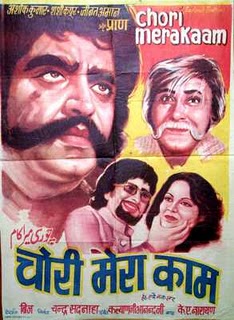
Chori Mera Kaam

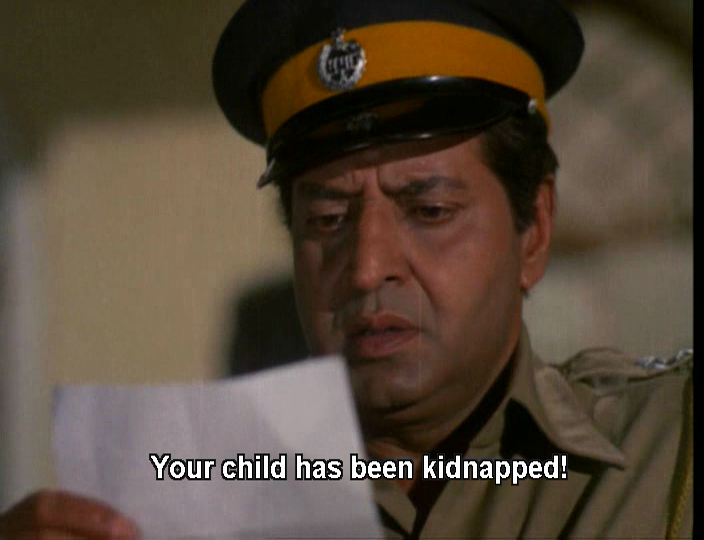
A child is kidnapped, only to see the criminal Amarchand (Anwar Hussain) stymied by Inspector Kumar (Policeman PRAN!). Kidnapping was clearly Amarchand’s go to plan as before long, Inspector Kumar’s eldest son is also abducted. This tactic fails, as Pran announces he would sacrifice all of his children, not just one, to bring a crook to justice.

Oh dear, such a promise made to the filmi forces of fate can only mean bad news. Things happen, as they do, especially when guns, alcohol and revenge are involved. Young Munna is abducted, rescued, caught, menaced, rescued, abducted again and finally taken in by a thief called Mr John (David Abraham).

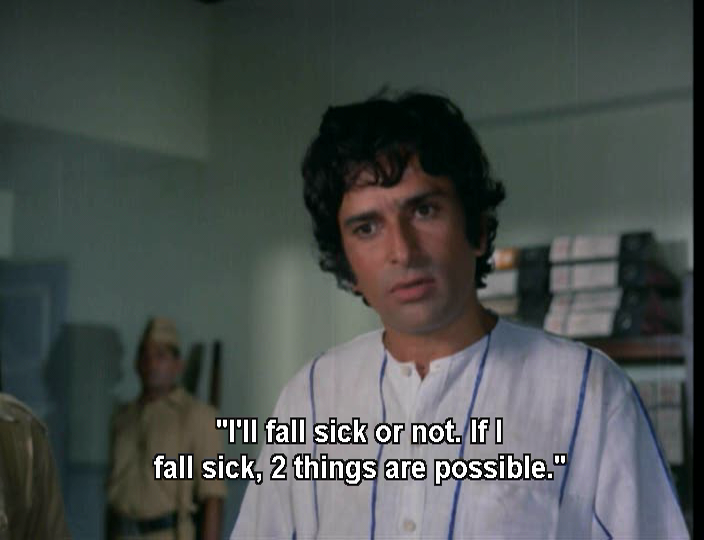
Years pass and Munna becomes Bholanath (Shashi Kapoor).

He leaves jail after a delivering a ‘fortunately/unfortunately’ style monologue that exercises his range of facial and vocal expressions. His on/off girlfriend Sharmilee (Zeenat Aman) gets out at the same time and this delightful Kalyanji Anandji song gives us a fly on the wall view of their daily rounds:

While Bhola has a heart of gold he isn’t the brightest crayon in the box, and gets by on charm more than planning. He understands people and can take advantage of their weakness and stupidity but he doesn’t ever seem to think too far ahead. Bhola has many of the traits of a stock filmi heroine and Shashi seems quite unselfconscious about playing dim and pretty. And yes, Shashi naysayers, I do think he was acting. He could have been dressed prettier though – the brown highpants are not good especially with the Kapoor thighs.

Sharmilee is smart and more practical, despite her predilection for ruffly outfits, and I never expected to see Zeenat stealing a chicken so that was noteworthy. Sharmilee has a sick father that she supports through her petty crimes, and she explains to him that her work is what takes her away. I liked this slight role reversal where the lady gets to come and go, citing ‘work’ and her responsibility as breadwinner. It isn’t a sustained element as she does get sidelined towards the finale, but it is fun to see the girl in charge for a while and Zeenat suits this kind of role. She directs Bhola during a break in and seems to coach him in what he needs to do to carry off a con.

Shashi and Zeenat have nice chemistry as the likeable criminals. They play out their scams with relish, and bounce dialogue back and forth with dash and enthusiasm. They also have some great outfits and Shashi scores some excellent shirts.

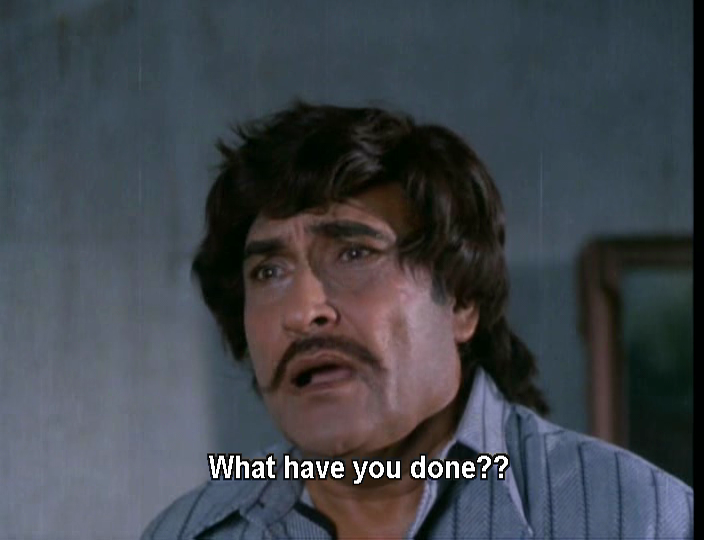
Escaping from the police after an attempted burglary, Bhola and Sharmilee make off with a briefcase which contains a manuscript called ‘Chori Mera Kaam’. They are spotted by the mysterious Shankar (Ashok Kumar), who has a history with Mr John and unbeknownst to Bhola, was instrumental in his early life. He also seems to be beloved by the wig department.

The obligatory comic relief  in this case is a protracted and very amusing scam involving Sharmilee being allegedly hit by a car ad killed. Pravinbhai (Deven Varma), the unfortunate driver is conned into paying compensation and digging a grave at the ruins near Borivili. By coincidence this is where Shankar hangs around. By an even more fortuitous coincidence, Pravin owns a publishing house.

Bhola becomes an overnight sensation, his illiteracy and lack of nous covered up by Shankar who blackmails Bhola and Sharmilee for a share of the proceeds. This manual on how to commit the perfect crime draws the attention of villains and the police. Amarchand aka arch-criminal Number 7 wants to find a mask maker as per page 165 of ‘Chori Mera Kaam’ so he can carry out even more heinous crimes. I love that the police seem totally mystified by how people keep getting away with crimes described in the book, although they also read it so surely they should be prepared. Number 7 does have an expensive looking lair to maintain, right down to the essential stuffed tiger, so I can imagine his cashflow was under some pressure.

And then the plot thickens.

There are cross and double cross manoeuvres, silly disguises and improbable schemes. So it’s all great fun but there is a pinch of substance. The film favours the ‘good’ criminals – those who steal because they are poor, have dependants and have no other means of making a livingl. These are the sympathetic and sentimentally appealing characters. Writer K A Narayan makes some observations about the hypocrisy of the wealthy educated criminal like Amarchand who has no such excuse for his choices.

Iftekhar as the Police Commissioner looks like he turned up on the wrong set but was too polite to just leave so stayed on and did his bit. I liked Ashok Kumar as a paunchy middle aged hero – he was smart, capable and took to the wigs with great enthusiasm.  Shetty made a flamboyant purple suited appearance so it was clear Number 7 had opted for the very best class of henchman. Raza Murad played Shyam, Pran’s policeman son, and didn’t get much to do apart from being a lot taller than anyone in his family. Urmila Bhatt’s small role as Amarchand’s independent and dignified wife was quite pivotal, and only once in her scenes did I yell ‘nooooooooo’ at the DVD.

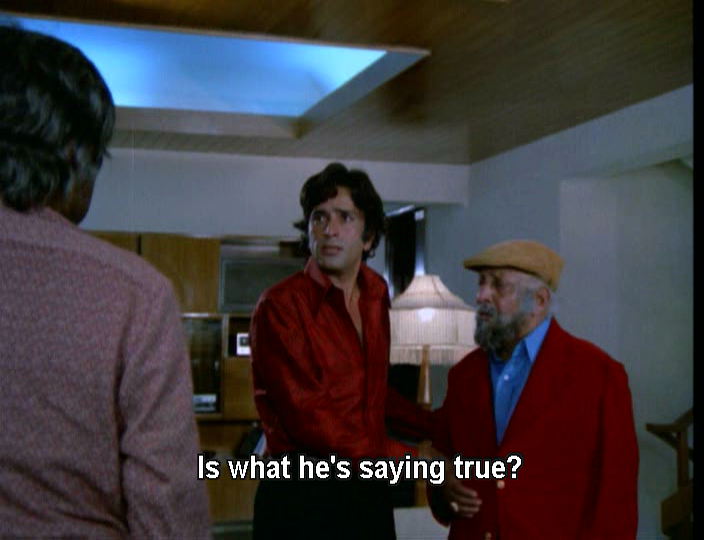
Eventually Bhola finds out the truth about his parentage. His biological father and brother need help to clear their names and bring Amarchand to justice, and it’s a chance for the petty crim to change his fate. The final confrontation must have given director Brij food for thought – it involves Shashi, Ashok and Pran in disguise, rain, lots of mud, a tiger and a bucket.

You may imagine how these things combine to form a wacky but satisfying conclusion, or just go watch the film. 3 stars!

Jab We Met

I remember Jab We Met as much for the circumstances of seeing it as for the film itself. Heather & I rolled up at Hoyts only to find the session was showing in the Halfpipe, where there are no seats as such, just numbered beanbags for two to share. So it’s just as well we were friends as I imagine it would be a bit odd to have to snuggle into a giant beanbag with a stranger. Especially if Heather that stranger kept muttering ‘beanbags are for cats not for people’.

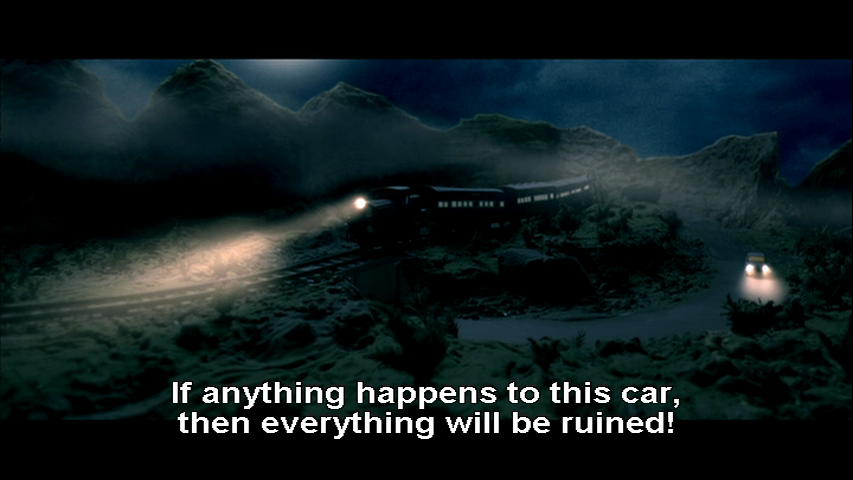
Imtiaz Ali has taken a run of the mill romantic road story and made it fresh and charming with some considered writing and character development.  He worked wonders with his stars, drawing out excellent performances.  This is the only film in which I wholeheartedly like Kareena Kapoor (and her character), and it’s the one that made me first register Shahid Kapoor as a good actor not just as a great dancer and delightful eye candy. I wish they had spent a bit more on the visual effects, but I suppose they had to decide on CGI or eyeliner for Kareena.

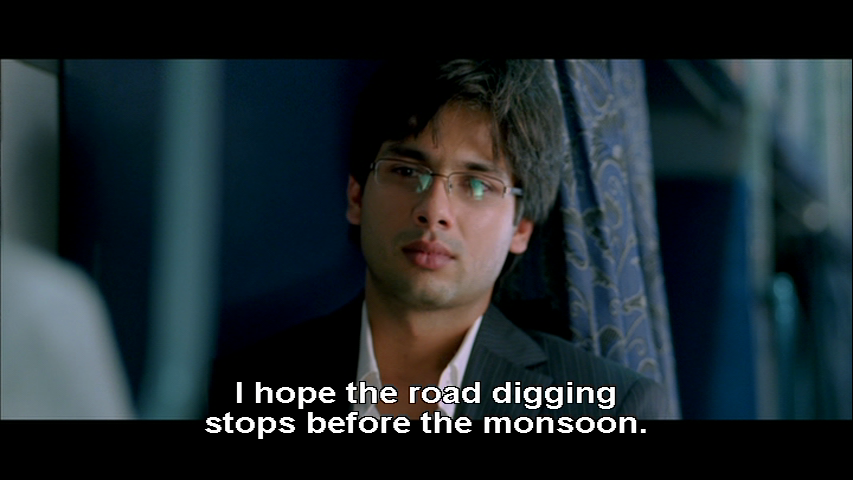
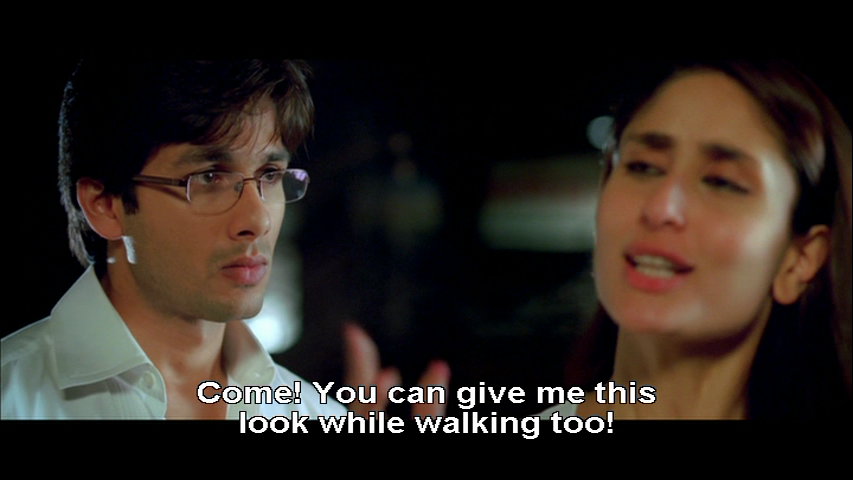
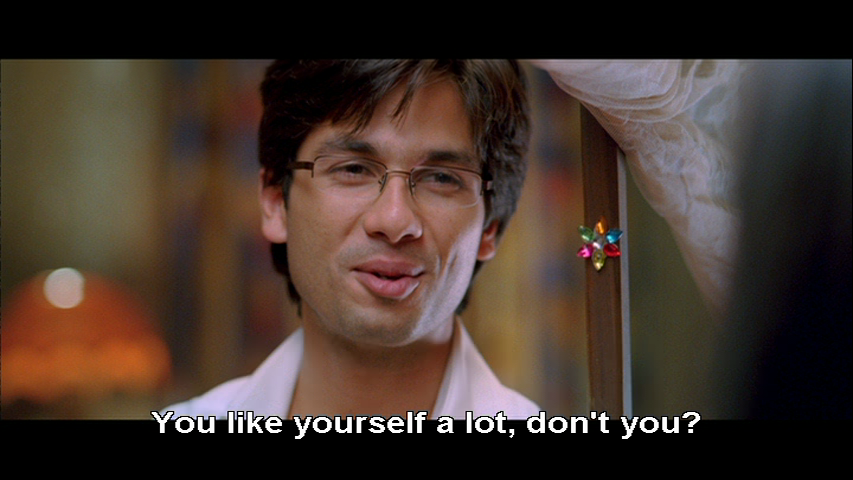
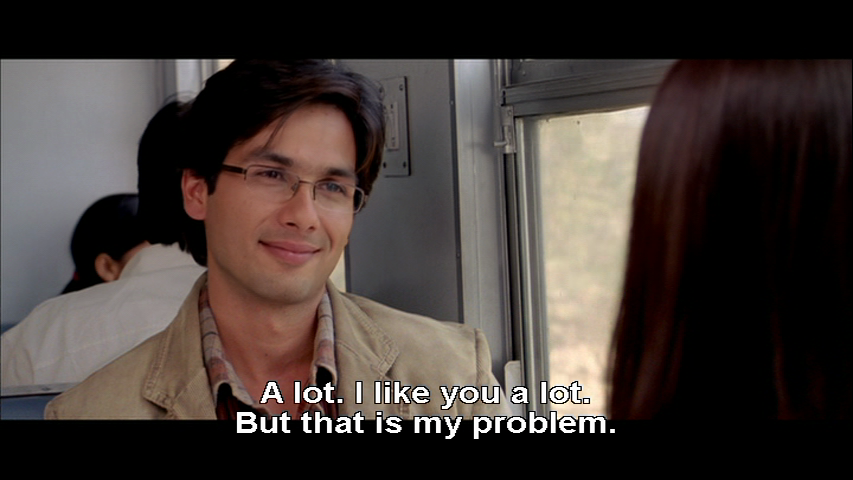
Aditya Kashyap (Shahid) is grieving for his dead father, jilted by his love and suffering from the stress of his high powered job and a legal challenge by his estranged mother. All this unfolds in the first few minutes in a near silent performance by Shahid. Aditya has a breakdown of sorts once he is done with his routine and obligations, and wanders heedlessly through Mumbai. He ends up on a train, oblivious to its destination as his may be more final.

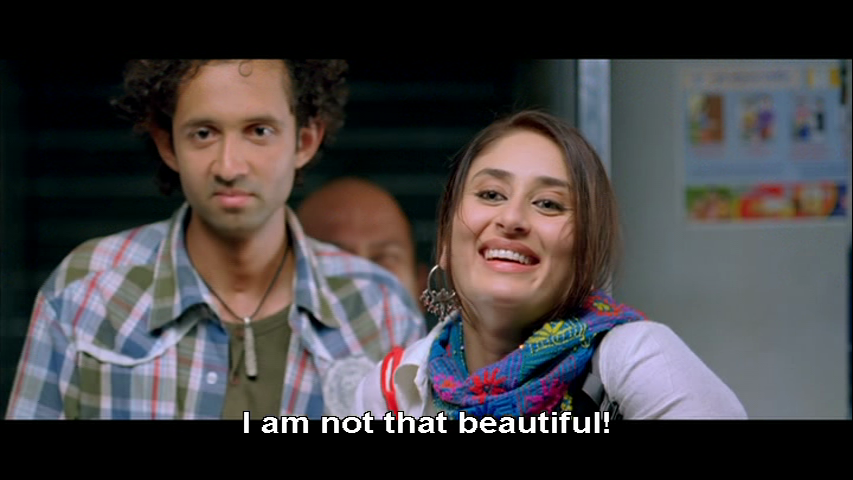
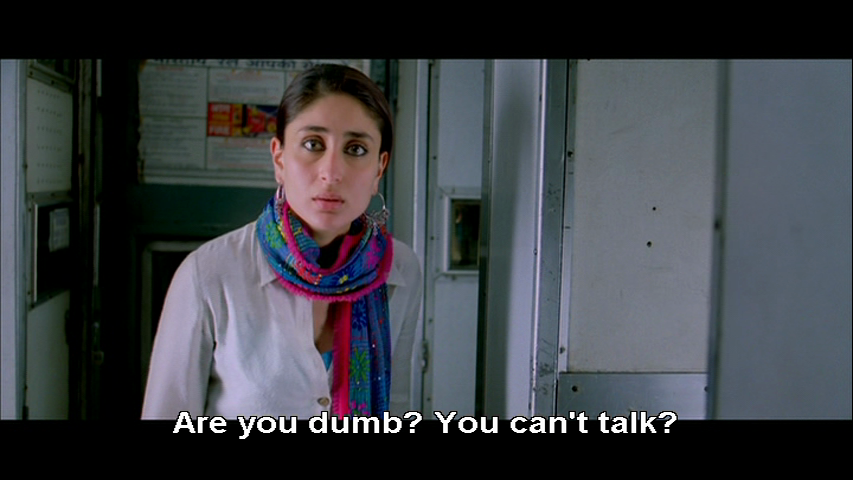
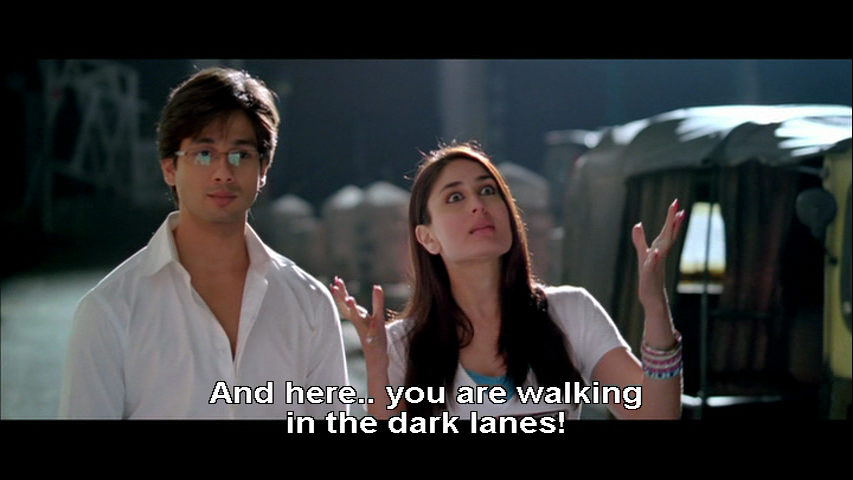
Geet (Kareena Kapoor) is a bubbly Punjabi girl, full of herself and a bit of an over-sharer. Fate puts her on the same train and she soon sees all is not right with Aditya. Her attempts to draw him out are clumsy and silly, but mostly motivated by kindness, and eventually he responds.

The direction to Kareena may have been ‘do as you will’ – she is spontaneous and crackling with energy.

Mishaps and misunderstandings send the odd couple on a road trip as Aditya escorts Geet back to her family in Bhatinda. Happy to be home, she is concerned that Aditya may lapse back into his depression and insists he stays for a time. Geet is determined to live according to her heart and can’t understand how someone as attractive and wealthy as Aditya can let life beat him down. Aditya sees her joie de vivre as foolish and selfish but he comes to admire her essentially happy nature.  I really liked the quick glimpses of the deeper compassionate side of Geet which lay under the bubbly ‘look at me’ extrovert. The trip home also allowed for an explosion of colour and movement in Nagada Nagada:

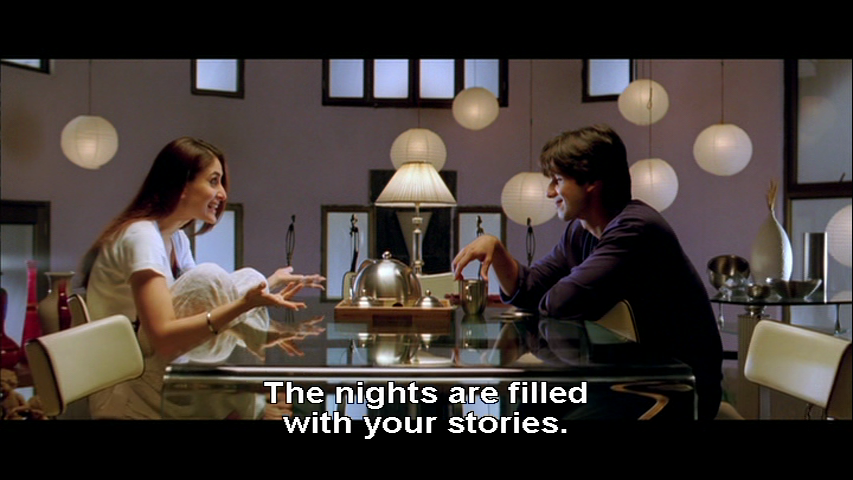
Geet plans to elope to meet her true love, Anshuman (Tarun Arora).  She is aware this will hurt her family, and Aditya doesn’t pretend he agrees with her. His view of marriage and family is tinted by the damage he saw his parents inflict on each other, and he envies Geet her happy home as well as her faith in love. Through Geet he comes to accept that his mother didn’t leave from malice, but rather to pursue the happiness she needed. They explore each other’s beliefs about the nature of love and what makes a good life, growing closer through these conversations.

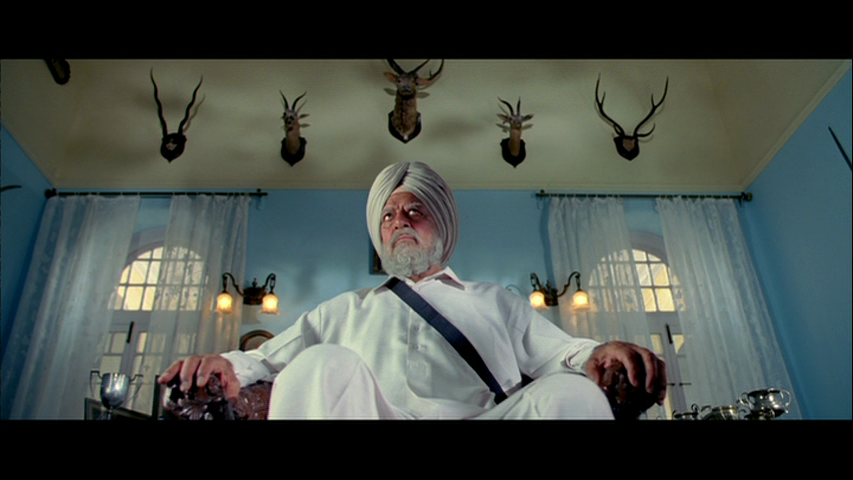
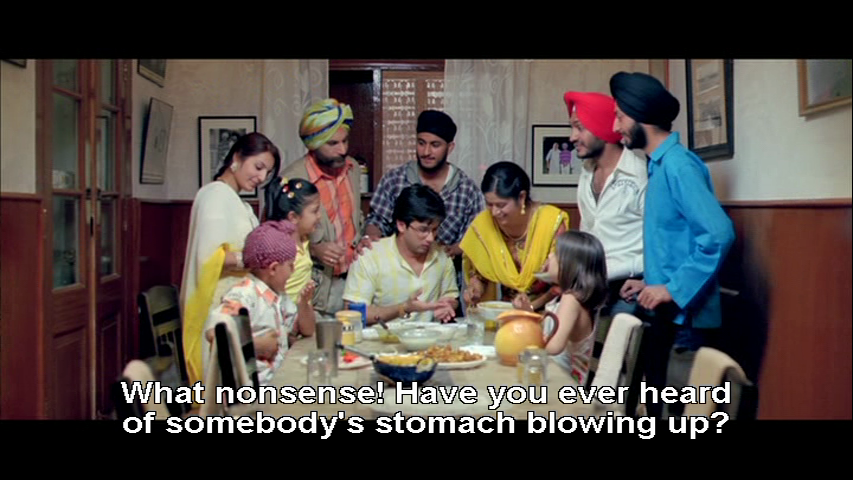
It was fun seeing Dara Singh as the patriarch, ruling the family with a strict but loving hand and scaring the bejesus out of Aditya, and I enjoyed the raucous family gatherings.

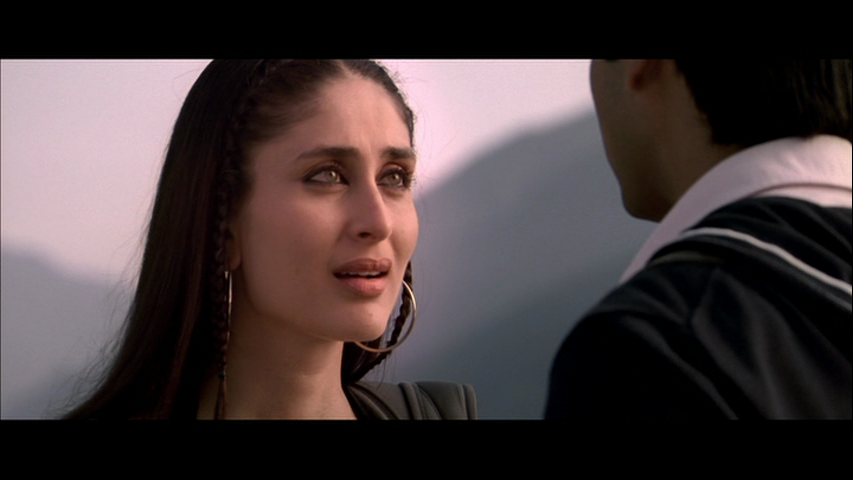
For a number of reasons, including more family misunderstandings and a squad of enraged uncles, Aditya takes Geet to Manali and drops her at Anshuman’s. Their goodbye is beautifully captured as Aditya, just by saying her name, declares his love and she silently realises and refuses. This is undercut by Kareena’s demented Snow White outfit but still, it’s a lovely moment.

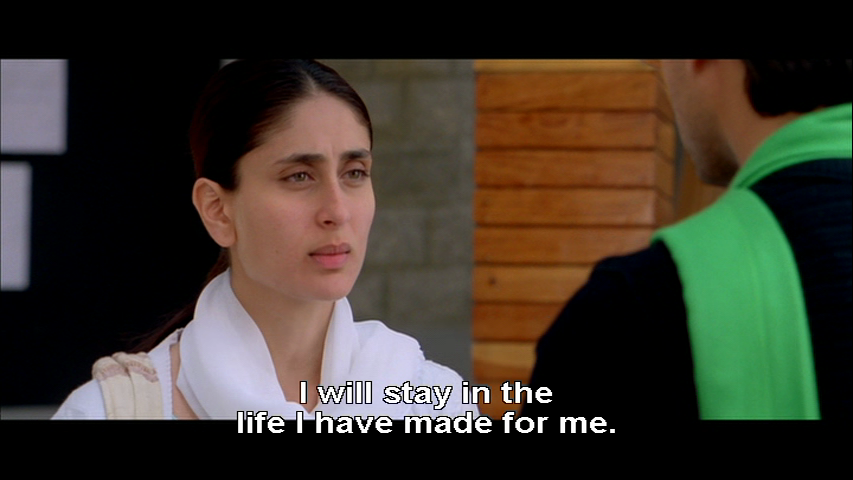
Geet’s confidence and resilience stems from knowing she has a family and home to return to no matter what. When she cuts herself off from that support she doesn’t blame anyone, but she does lose the spark and certainty that might have helped her move on when things go awry. Kareena gives a painfully real portrayal of being ground down by disappointment.  It is the loss of faith in her own decision making that leads Geet into further complications before the final denouement. It isn’t until Geet goes home again and gets her mojo back that she is able to see what she wants and more importantly, take action.

Aditya on the other hand has gained confidence – losing Geet taught him that he could survive and keep going. He stops being the passive observer, mends fences with his mother, and deals with his unrequited love for Geet. His employees (especially the girl to the left of picture) might have preferred a bit less of the office singalong but there was no going back!

When they meet again it doesn’t take long before the unguarded communication they had shared resumes. Aditya doesn’t try to hide his feelings and Geet doesn’t pretend not to know, and their occasional awkward moments are endearing. It is refreshing to see this kindly honesty towards characters’ romantic choices.  Aditya is a more decisive man nowadays, but not one to force issues with Geet. Shahid shows Aditya’s turmoil and temptation as he does his best not to influence Geet despite knowing that he could succeed.

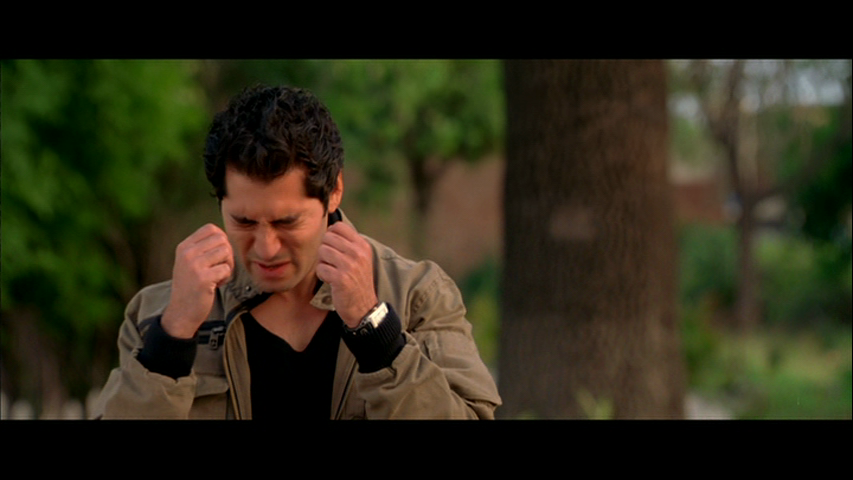
Anshuman is the fly in the ointment and the weak link in the film. I got the feeling Anshuman decided what was good enough for wealthy industrialist Aditya was good enough for him as there was no convincing motivation shown for him to change his mind and chase after Geet. Tarun Arora’s performance is the least successful in the ensemble, and certainly helped ensure I never felt any empathy for his character.

The soundtrack is excellent and the songs are sufficiently different in style and scope that they suit the mood as well as sometimes providing a change of pace. Yeh Ishq Hai is a pretty travelogue with folkloric touches and some highly amused backing dancers that marks the shift to Manali. Tum Se Hi and Aaoge Jab Tum fill in the emotional life of Aditya and Geet once they parted, and depict the passing of time.  Plus, the subtitle team were fully on board and made sure I didn’t miss a syllable.

It’s always a shame when Shahid is paired with a mostly non-dancing heroine as it tends to limit the dances, but the fun choreography suited them both. The bhangra infused set pieces allow for high energy and sparkle, and Mauja hi Mauja ends the film on a high (thanks again to the subtitle team – working hard right til the end).

The conclusion is inevitable, but there are many roads that could have taken us there. The care invested in writing for Geet and Aditya makes the ending satisfying, and Kareena and Shahid are natural and charming in their characterisations. 4 stars !

Heather says: I love this film! I’m a very big Shahid fan and this is one of my favourites. I can watch him in almost anything but it’s always better when there is an actual story and a chance for him to act rather than just flex at the camera. Like Temple, it’s also my favourite Kareena film since usually I’m not too much of a fan of her acting. She has been good in a few roles, Omkara for example is another where I think she does well, but generally she is too over the top for me. I suspect that her Geet is actually very similar to the real life Kareena, but the character here really suits her and the transformation to sad and unhappy Geet was also very well done. Her exuberance and vivacity bubble off the screen so that when we see her in Manali after her life hasn’t taken the direction she anticipated, the difference is very striking.

Shahid is excellent in his role as Aditya. His initial scenes where he is so lost and sad were very believable and he manages to convey his depression so well without words. Aditya’s gradual realisation that there could be more to life in the face of the juggernaut that is Geet and her family is also nicely portrayed. The family’s obvious unconditional love and support for Geet was one of the great things about the film and came across very well. I love the look on Aditya’s face when he realised that Geet was not going to stop talking – ever! I’m quite sure that I’ve seen that look on my husband’s face from time to time as well.

Anshuman was the one part of the story that didn’t really fit. While his initial reaction to Geet turning up in Manali was very believable I didn’t get any sense at all that he had a true change of heart later. It was all a bit sudden and seemed to be more a case of jealousy and wanting something just because someone else also wants it. Tarun Arora also indulged in a little too much scenery chewing for my liking but that may just be because I didn’t like his character much at all.

I’d totally forgotten about the dreadful toy train and car used in the chase scenes until I watched this film again. It’s so very funny when they seem to have spent so much money on costumes for Kareena and the set for Mauja Hi Mauja. Possibly the money also went on the songs since they are all excellent. I remember that this was the best soundtrack for me that year and I danced to most of them at Bollywood dance class at some stage. They still sound great. Such a shame that there isn’t more dancing by Shahid in this film, as that would have made it almost perfect. 4 ½ stars.

I should also add that the beanbags provided a major workout since stomach crunches were required any time we wanted to reach our drinks. A truly unforgettable experience!