Gulebakavali Katha

I love folk tales and fantasy in Indian cinema, and when they are combined with a theme involving eyes and blindness then that’s a combination guaranteed to make me watch. And Gulebakavali Katha doesn’t disappoint with plenty of eye references and fantastical scenes throughout. The story is reputably based on Madhira Subbanna Deekshitulu’s Kasimajili Kathalu which also provided the story line for Patala Bhairavi, although from time to time the story here reminded me of Jason’s quest in the Greek classics. It’s a fun film with the emphasis on the fantasy and NTR’s hero is dashing, suitably brave and self-sacrificing. The music is lovely and plentiful, and the sets and costumes are absolutely fabulous.  There are excellent opening titles featuring an animated skeleton, and the story opens in the best possible way with a song featuring Geetanjali and Jyothy as dancers.

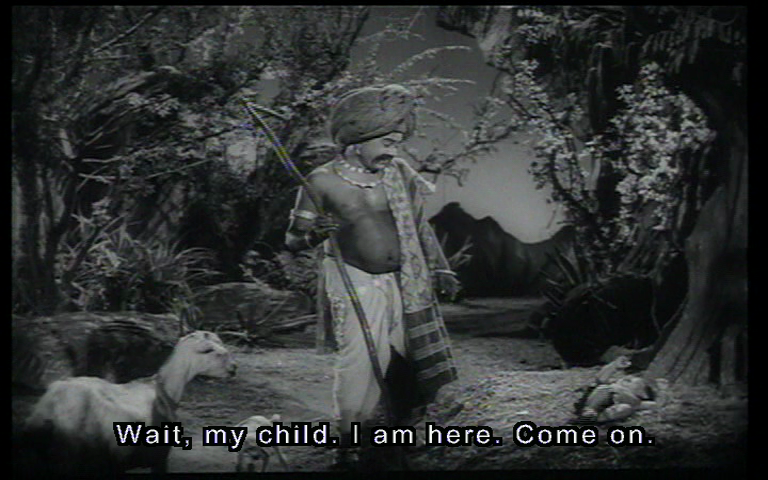
The storyteller introduces the tale of King Chandrasena (Mukkamala Krishnamurthy), his two wives and his wicked brother-in-law who is conspiring to take the throne. King Chandrasen’s first wife Gunavathi (Rushyendramani) falls pregnant after she is blessed by the goddess Parvathi. This makes his younger, second wife Rupavathi (Chayadevi) jealous even though Rupavathi already has 3 sons of her own. To make sure that her children will inherit the throne, Rupavathi plots with her brother Vakraketu (Rajanala Kaleswara Rao) to get rid of the baby and discredit her rival. With the help of the Royal astrologers, Vakraketu concocts a tale that the King will go blind if he sees his son. Not content with this form of banishment, Vakraketu then orders his soldiers to take the baby into the woods, kill him and bring back his eyes as proof of the deed. Of course it doesn’t go to plan and the baby ends up being rescued and brought up by a shepherd couple in the forest.
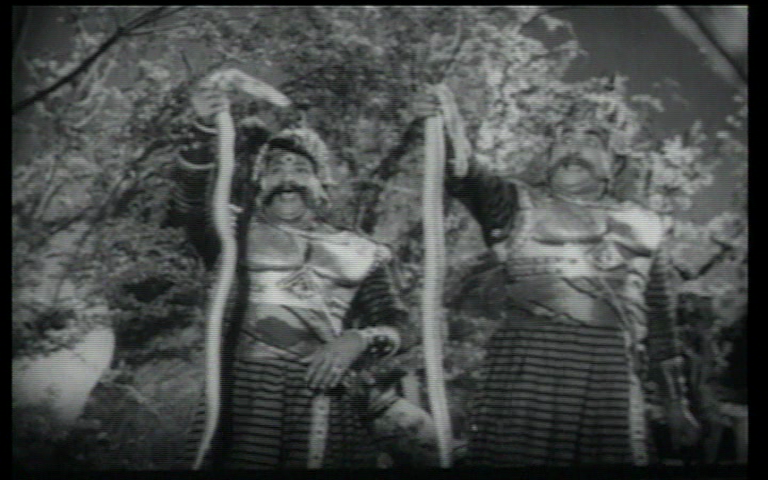
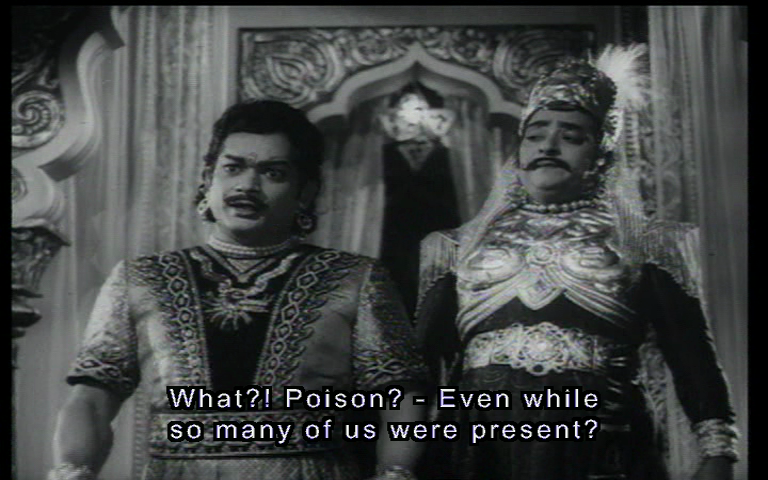
Rajanala makes an excellent villain here with his amazingly expressive eyes and appropriately evil laugh. His performance also provides a strong foundation for the story as he schemes his way towards the throne with the help of the treacherous army chief Dushtabuddi. He also has excellent moustache twirling skills!

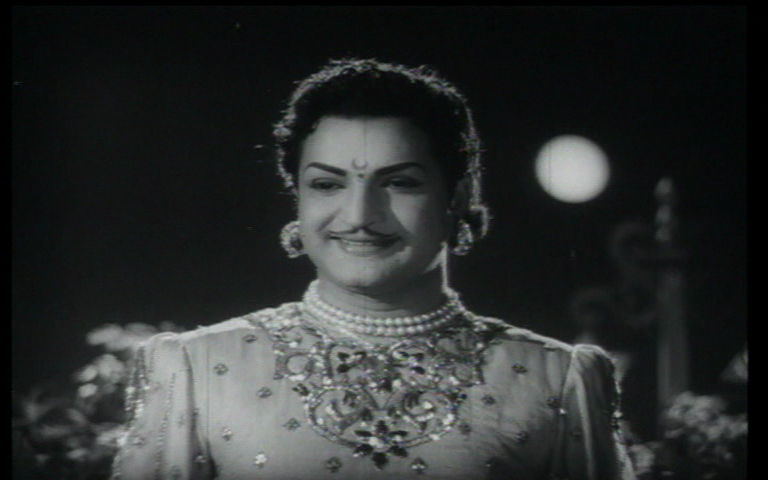
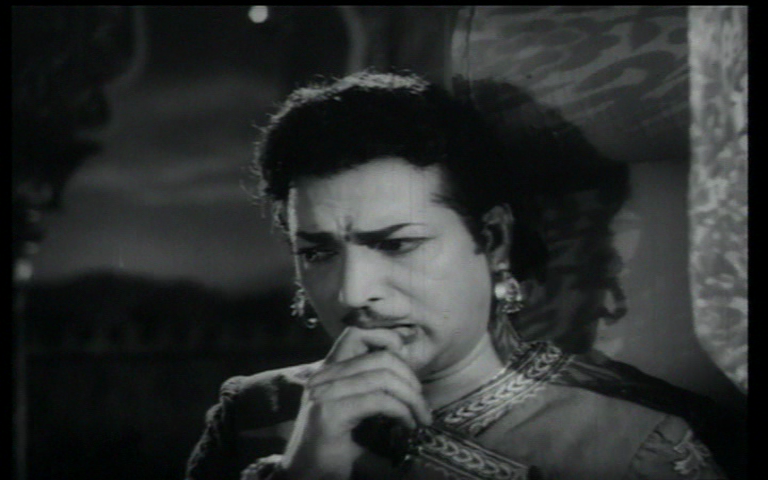
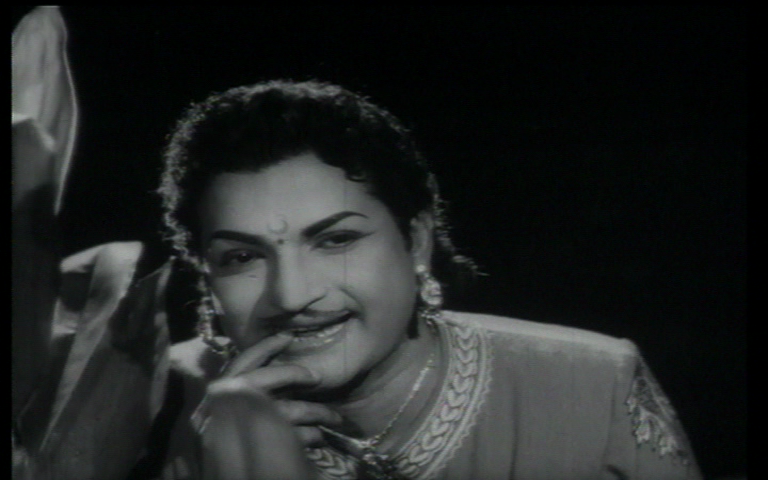
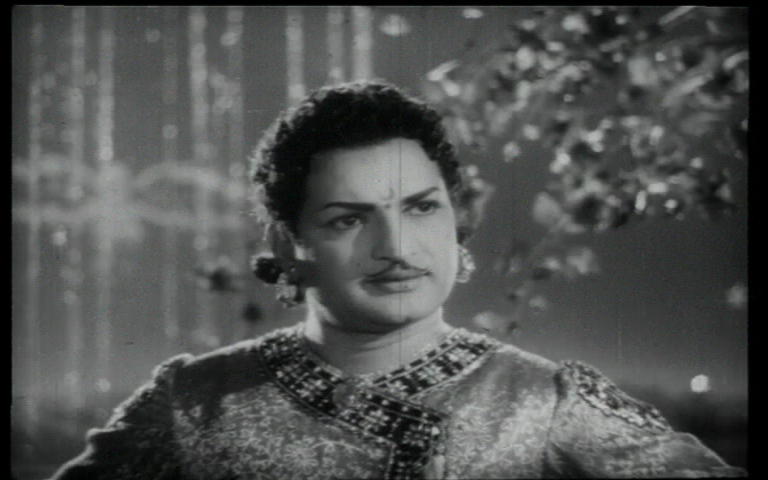
Meanwhile, as may be expected from someone who grows up as a goat-herder in the woods, Vijay (NTR) grows up to be a handsome well-spoken young man who has an amazing ability with a sword but no idea about his real parents. Despite his lowly start in life, Vijay is a man of principles and NTR gives him plenty of charm and humour to go with his bravery and spear throwing. He does look the part of the perfect fantasy prince and can look determined, puzzled, worried or intrigued as required.
Now that Vijay is grown up and capable of thwarting his plans, Vakraketu finally decides to make his move on the throne by poisoning the King’s wine to destroy his sight. This happens to coincide with a hunting trip into the woods enabling Vijay to turn up just in time to be the last person the King sees before the poison takes effect, thus fulfilling the totally fabricated prophesy. While Vijay easily evades the soldiers sent to capture him he’s intrigued enough to climb up to the King’s lodge and discovers his heritage. After meeting his real mother, he sets out to discover the fabled Gulebakavali flower which will cure his father’s blindness.

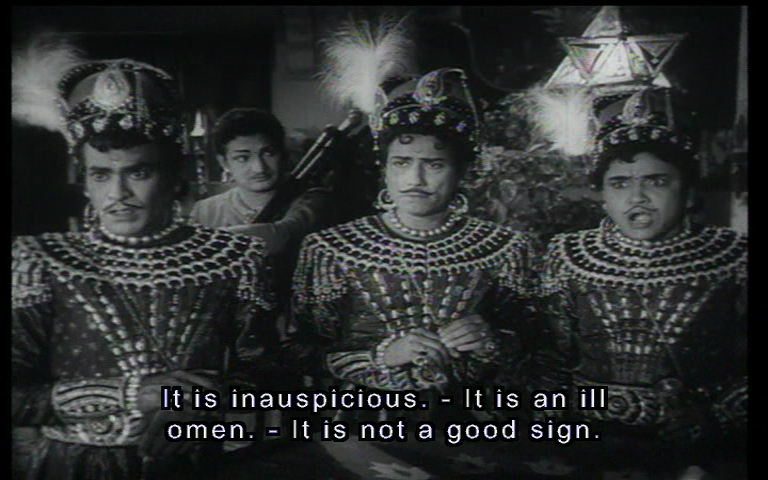
Vijay’s three elder brothers have grown up to be complete fools under the influence of their uncle, but they also decide to search out the fabled flower and they provide much of the comedy throughout the film. Although they’re not particularly funny they aren’t too irritating despite the youngest brother’s incredibly squeaky voice, and they do have an important role to play as they cheat their younger brother later on in the film. The rest of the comedy is provided by Atitelivi (Balakrishna) who befriends Vijay and helps confound and defeat Vijay’s three brothers and by Vijay himself as he proves he has plenty of brains to go with his bravery.
On his quest for the gulebakavali flower Vijay has to overcome many challenges, and the first of these is in the form of a beautiful woman who has declared that she will marry the man who can beat her at dice. Yuktimati (Jamuna) provides plenty of glamour and looks stunning as she scams various rich men out of their wealth and takes them prisoner, although unlike Circe she doesn’t go as far as turning them into pigs.
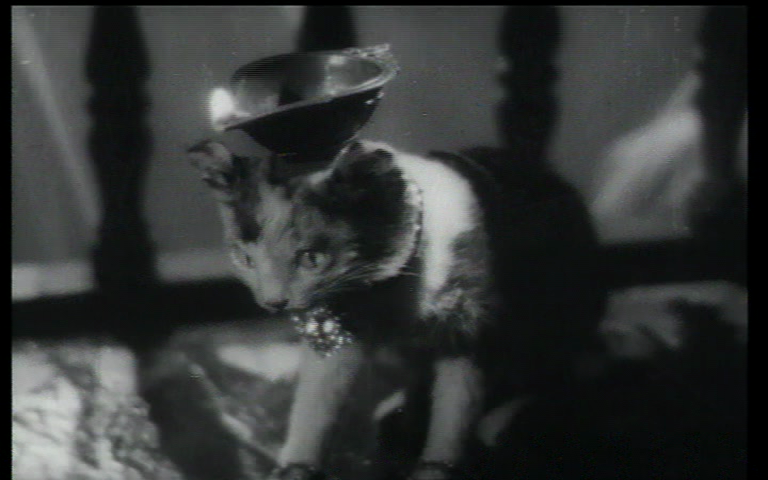
After his brothers succumb and are taken prisoner Vijay disguises himself as an old man and beats Yuktimati when he discovers her trick of using a mouse to distract her cat which serves as her lamp.It’s all rather silly and the cat and mouse are both obviously stuffed, but it’s a nice fairy-tale like idea and the song with NTR in disguise is excellent.

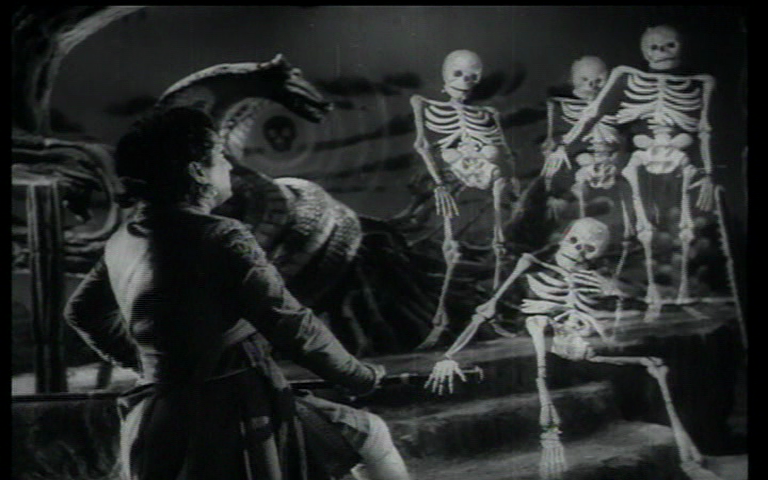
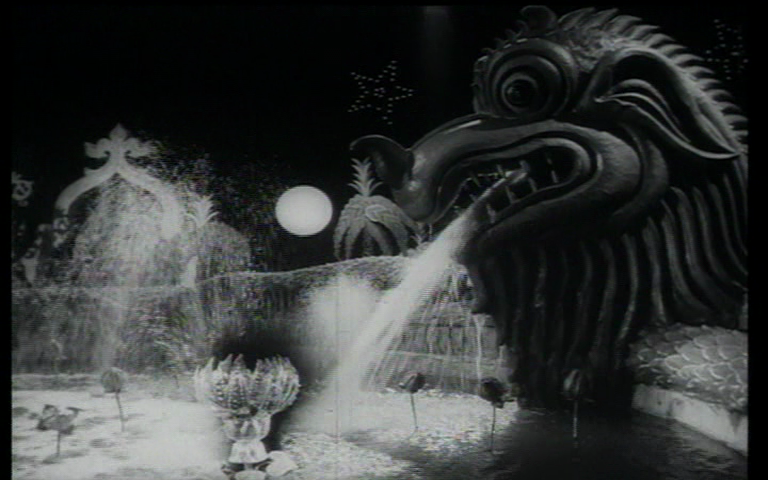
Despite beautiful women throwing themself at him, the search for the gulebakavali flower must go on and Vijay leaves his new wife to continue looking for the cure for his father’s blindness. He picks the scariest looking spot in the entire forest to go to sleep, so it’s not surprising that he is awakened by a skeleton that attacks him as the statue starts to breathe smoke, the moon sports a skull and there are bats and snakes in abundance. However it was all just a test and after proving his bravery, Shiva gives Vijay an enchanted jewel which will enable him to become invisible and reach the yakshaloka.
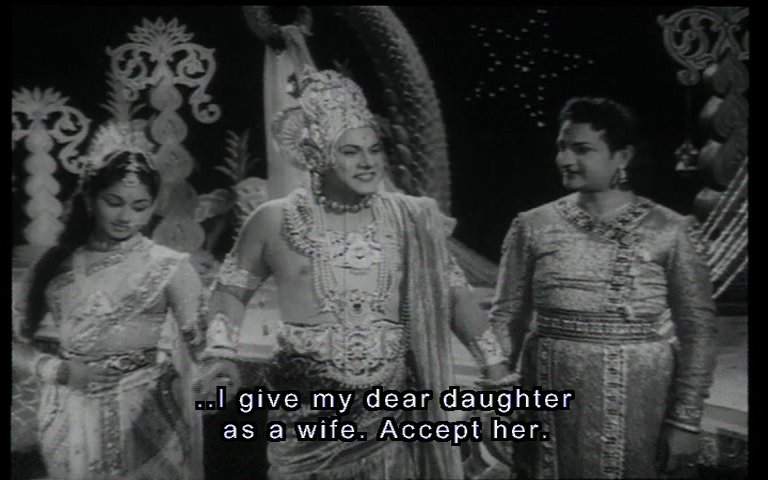
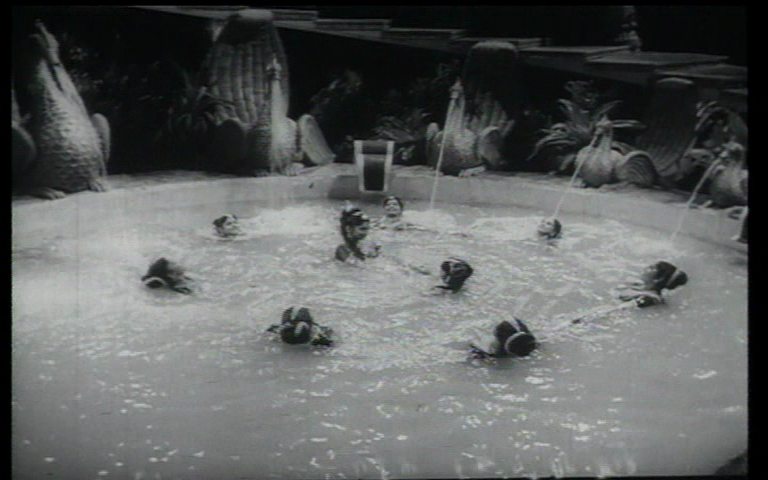
Once there he discovers the beautiful princess Bakavali and her entourage who guard the golden flower. The sets here are beautiful and as well as singing and dancing there is also synchronised swimming to enjoy. Peacock beds are obviously de rigueur for fantasy princesses and Bakavali has a rather nice example here.

Back on Earth with the flower Vijay meets treachery and betrayal and becomes progressively more unshaven and tattered which makes the resemblance between him and his grandson Tarak very obvious.

There are more damsels in distress to rescue and more fantastically gory eye scenes before Vijay adds a second wife to his collection by marrying Bakavali as well before heading home to save the day.  Here are some more pretty pictures of the various beautiful women who all are happy to see Vijay, plus the elusive gulebakavali flower.
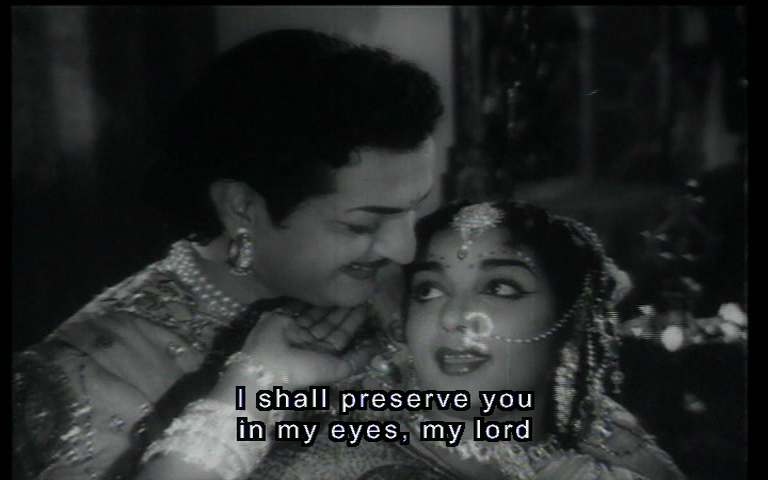
While Gulebakavali Katha follows a fairly standard fantasy theme with a heroic prince overcoming various challenges it’s all done beautifully with stunning sets and some very sparkly jewelry.  There is enough humour in Vijay’s character that he doesn’t become too sanctimonious despite all his self-sacrifice, and he seems quite delighted at the various women who throw themselves at him. Jamuna has the best described role among the women as Yuktimati along with her chief handmaiden Asha and it’s a shame that they disappear from the story so quickly.

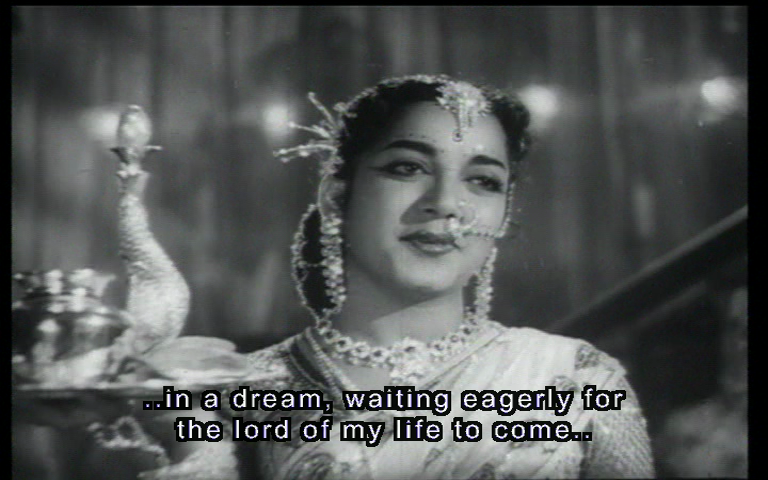
The effects are really quite innovative for the time and feature transformations, fighting skeletons and plenty of quite realistic eyes being thrown around. There is even a flying dragon as transportation although rather oddly it makes the same noise as is generally used for UFO’s. On reflection though, that perhaps does make sense! There are plenty of songs and some very beautiful duets although the mix of traditional songs and fifties ‘big band’ sound is occasionally a little strange. I really couldn’t decide which of these was my favourite, so here is a link to Nannu Dochokundavate with Vijay and Yuktimati, and below is Kalala Alalapai where Bakavali is dreaming of Vijay.

I really enjoyed this film as the simple story unfolds so smoothly and the whole film looks absolutely stunning. NTR makes a wonderful heroic prince and I love him in these roles, particularly with such excellent co-stars. The eye related theme is fantastic and so much fun without being overdone or used too heavily as a metaphor.  I thoroughly recommend watching and as an added bonus, it is available with subtitles! 5 stars.
Temple says:

I tracked this film down after reading Minai’s excellent blog post. While I enjoyed it immensely, there are a couple of things that didn’t work so well and I wouldn’t put this quite at the top of my list of vintage Telugu fantasy.

After the great start with jaunty music and skeleton, the device of a story being told within the film detracted a little from the opening sequences. There was a bit too much telling via voiceover and not enough getting on with it. I don’t particularly care for the intrusive narrator in films, unless we are talking The Princess Bride, as it can be distracting and can break the rhythm of the story. While it was intended to convey the folktale flavour, I think just showing the events happening would have been better. Heather has pretty much retold the whole plot, so I won’t go over my favourite episodes, but there are lots of obligatory folktale challenges and obstacles, all solved in a stylish and heroic manner. But while there is a lot happening, and lots of characters coming and going, this felt like it was plodding along at times where it should have had more zing.

Maybe that is because there just isn’t enough dancing for my liking. Compared to other favourites of mine like Patala Bhairavi, Bhookailas (featuring Helen!) and Jagadeka Veeruni Katha (with the peppy L Vijayalakshmi as a snake goddess), this film is a bit light on for songs and dances. The music is very pleasant, and slightly eccentric at times, but I can’t recall most of the melodies now while I can immediately think of songs from the other films. Clearly I need the sparkly dance outfits and choreography to make me remember.

NTR has a romantic melting eyed look that suits the princely characters but is physical enough to be the heroic warrior or goatherd as the case may be. I can see why he is synonymous with this genre – it is just perfect for him. I’m quite fond of Balakrishna too so I enjoyed his contribution to the comedy and confusion. And the ladies all look stunning and suitably fairytale princess inspired, which for the most part is all they need to do. The costumes and jewellery are typically lavish and beautifully filmed.

The fantasy genre is something I think Telugu film makers excelled at in the 50s and 60s. Regardless of whether the inspiration was folktale, mythology, history or religion there is an abundance of delightful films that combine beautiful visuals with a sense of wonder and whimsy. But while I like Gulebakavali Katha, I prefer the more sprightly energy and derring-do of the other films I’ve listed. (Although this film has NTR plucking his eyes out, I don’t think anything can top him cutting his own head off in Bhookailas. Terrible pun, sorry!) It is well worth a watch but there are other films in this style that appeal to me more. A small deduction for the slightly draggy start, and the missed opportunity for more dances. 4 stars.

Neninthe

Neninthe is an enjoyable mass entertainer with a dollop of romance and a splash of action, all set in the Telugu movie making world. There are plenty of references to popular Telugu film personalities starting right from the opening titles, and lots of opportunities to guess who various characters are based on. The humour is funny and cynical, and I really like most of the performances. But despite pointing out the blurred line between reality and film fantasy almost all of the conflicts and questions are resolved in ‘only in movies’ style, and not always in tongue in cheek fashion. I don’t think it’s meant to be a realistic expose of the film industry, and that isn’t how I viewed it, but the story would have benefited from a more careful eye on how these elements were blended.

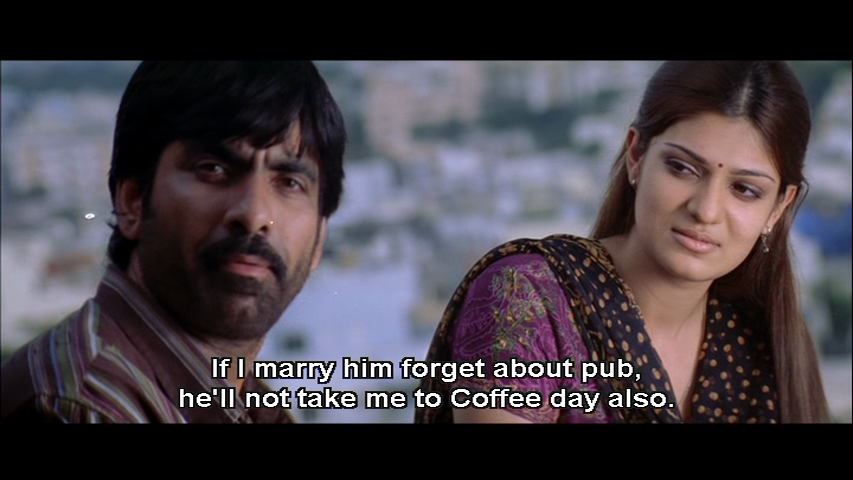
Ravi (Ravi Teja) is an aspiring director. He lives with his ailing ma (Rama Prabha), and is a driven character. Ravi navigates the ego traps and financial shenanigans of the movie industry, all with one goal – to direct his film, ‘Neninthe’. He is brutally honest at times and fiercely determined to succeed in directing his own story. Ravi Teja is a very good actor, especially when he tones down the sleazy uncle act, and this role is great as it spans drama, humour and action. Ravi observes the characters around him, often with a sarcastic muttered aside.

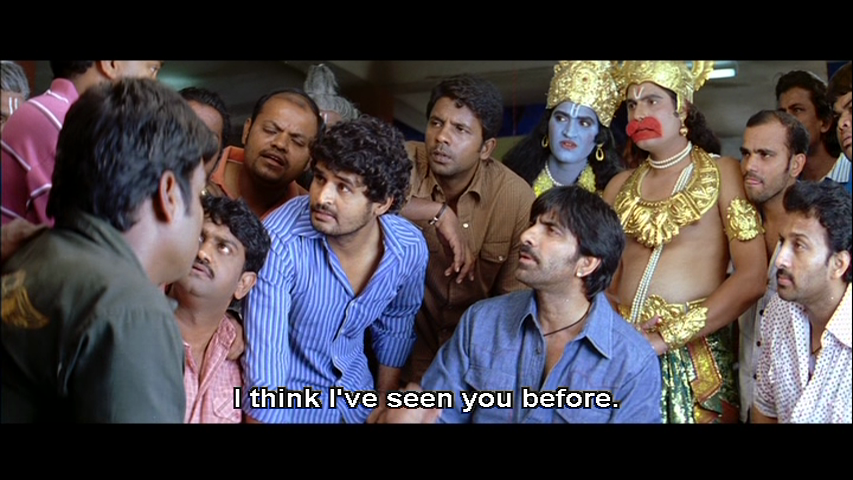
With characters like the infamous director Idli Vishwanadham (Brahmanandam) and associates including producer Sayaji Shinde and production assistants Venu Madhav and MS Narayana, he has lots of material.

Ravi is pragmatic about love and expects marriage to wait on his priorities. I really liked seeing Ravi with his friends, especially his mate who is desperate to be a villain, and mother and they all had a nice rapport.

Ravi is a regular guy, albeit with heroic powers when required and can easily thrash a dozen hulking great rowdies. The trigger is more likely to be his career than a girl. Ravi is prepared to compromise over a lot of things, but not his film.

There are setbacks and sadness in his life, but he keeps going, even when it seems he must run out of energy. He represents the idealism and passion of film makers for their craft as well as being the vengeful, protective hero.

Sandhya (Siya) is an alleged dancer who has no ambition other than her next meal and not getting pimped out by her creepy brother-in-law (Krishna Bhagawan). Both the actress and the role are quite insipid and I wanted to slap her on more than one occasion. Sandhya is pursued by Yadu (Supreet), a local thug accustomed to taking what he wants. She, of course, falls for Ravi and seems to think that she can just leave every problem in her life for him to solve because her love places him under that obligation. It is quite annoying to hear her whining about how Ravi never helps her when she does bugger all to help herself. I am sure it would be hard to ditch the sadistic brother-in-law, but it’s even harder to walk away if you have no spine to speak of.  Anyway, she seems set on Ravi, and equally set on changing him.

Ravi helps her get a starring role, and her fortunes improve especially as her brother-in-law stops trying to sell her, but the couple start to drift apart. The scenes where Sandhya and Ravi discuss their relationship are well written, and Ravi Teja is believable as the man in love but not blind to practicalities. Siya has some good moments, especially when she is annoyed at Ravi, but she fades when the other stars are present. There was potential for Sandhya to be more interesting but Siya is as convincing an actress as she is a dancer and the script is lightweight.

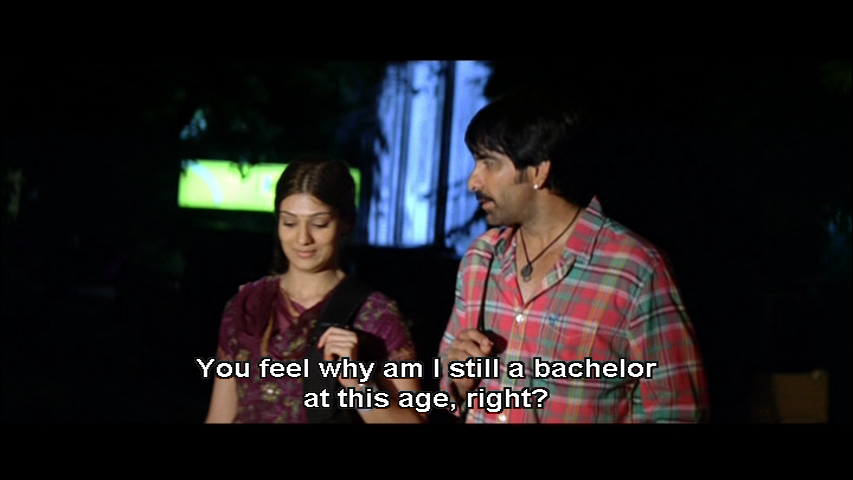
Subbaraju is ‘Miracle Star’ Mallik. He was one of the first Telugu ‘That Guys’ that I could pick out from the pack. You know the guys – always a sidekick, policeman or henchman (not to be confused with ‘That Comedy Uncle’). I admit I may have paid particular attention because Subbaraju is rather good looking, even in the shirts they dug up for this film (see them hanging up in the screencap above). But I also noticed him as he seems to be more of a character actor than just a stock ‘type’ and can handle a range of roles. So that got me thinking about the trajectory from supporting actor to hero, and why there are so many ‘types’ and so few honest to goodness character actors in Telugu films nowadays.

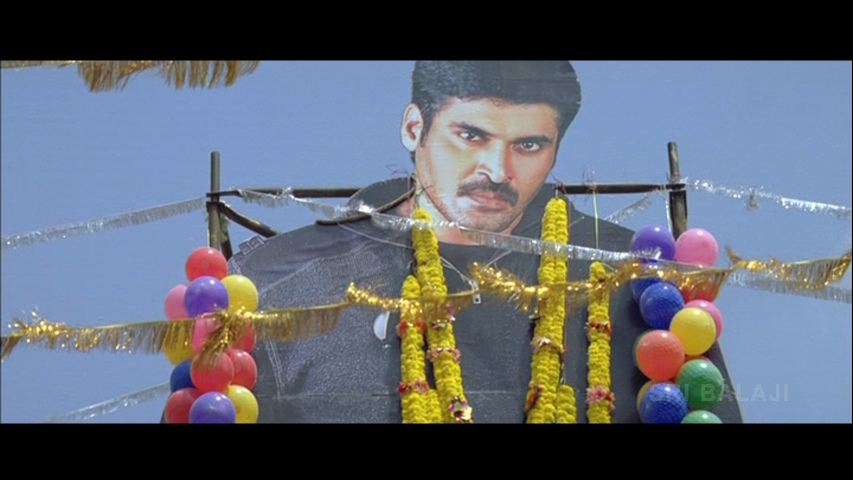
Puri Jagannadh has fun with Mallik as the stereotypical hero, and Subbaraju gives it the right balance of sincerity and parody. He spouts dialogue recycled from Pokiri and then asks if it isn’t a bit over the top, and has a flock of minions fussing over him. Mallik swans about like a total diva and he proves he isn’t above using his fame when it suits. But he also voices concern about the obsession of the die-hard fans and how far they go in the name of their idols, and that forms a substantial sub-plot.

There was a mix of gratitude, ego, and resentment in Mallik’s dialogue about the fans and the effect their expectation has on movie making. If he had spoken to one particular nutter at the right time there may not have been a funeral at which to make that speech, but I suppose that would have been too sensible.

Mumaith Khan is the item girl, and her character is Malik’s girlfriend. Their scenes together are good, except for Mumaith’s occasionally stilted dialogue delivery. They serve more to comment on the obsessions of the press than to provide another romantic element in the film.

That song rhymes bus station with frustration. I just thought I’d mention it as Chakri’s music is pretty lacklustre and that’s all I ever seem to remember.

A confronting ‘movie meets real life’ moments occurs after Mumaith and Mallik break up over scurrilous rumours in the press. Mumaith overdoses, and on the way to hospital her car is hijacked by a couple of Yadu’s men who then rape her. She gets out of her hospital bed to deliver a speech (full of bleeps) to the press about their penchant for creating news with no regard for the individuals or the effect these stories have. It’s a sharp observation, but I wish it had been delivered in a different setting. Anyway, once again a valid point was made via a sensational set-up.

There is a salacious element in the media when discussing many actresses, and I doubt the same journalists would approve if that tone was directed at their sister or cousin. This would have been an interesting story to film post the advent of Twitter, since that is often what passes for ‘news’ these days. I like Rana Daggubati as an actor but I don’t think his recent tweet about luggage going astray warranted several paragraphs in the Times of India!

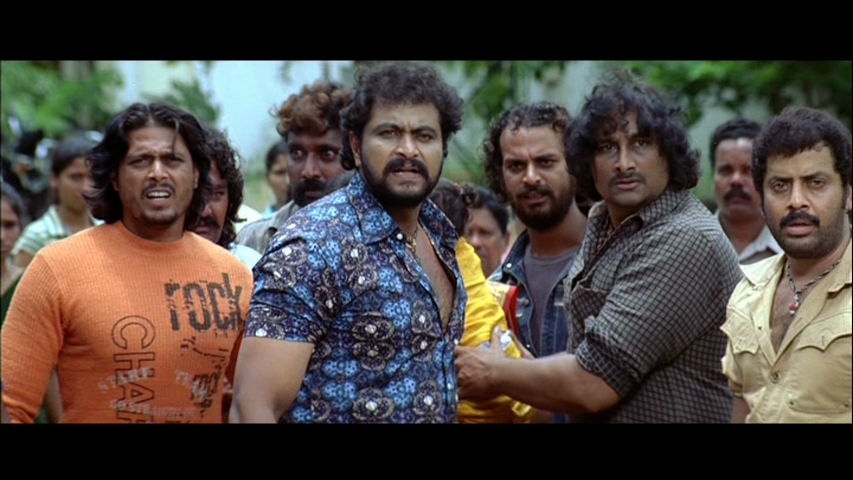
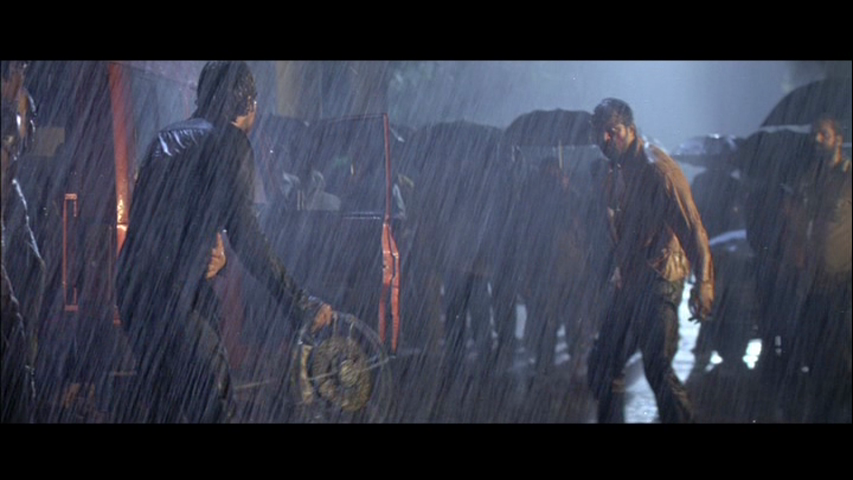
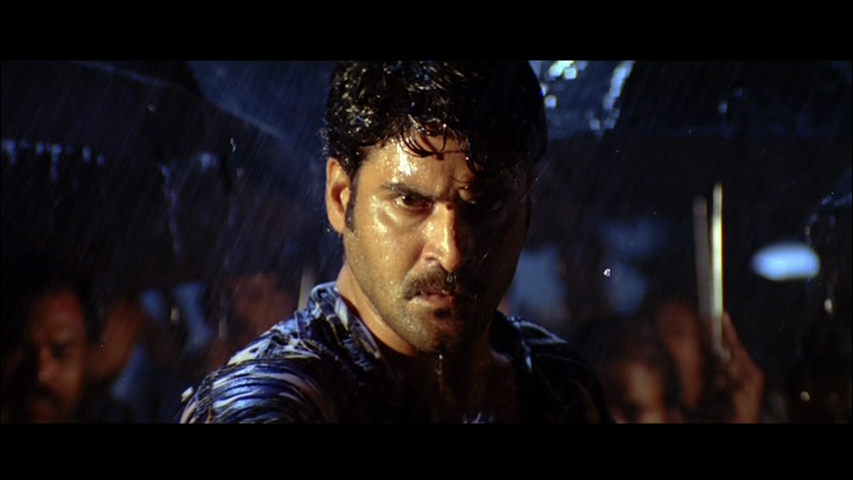
Supreet as Yadu is hilarious and utterly repulsive as he tries to woo Sandhya instead of just assaulting her as per his usual approach. Yadu’s attempts to be appealing are amusing even as my skin was crawling. It was like watching a bear trying to eat with chopsticks –unnatural and bizarre yet compelling. And his gang have some of the worst hair I’ve seen in ages. He is menacing, and doesn’t hold back on the crazy. Yadu’s obsession with Sandhya and the ensuing conflict with Ravi bring the film to a gory final confrontation.

The other supporting actors are generally fine and their characters are integral to the story. There are ambitious would-be directors, assistants to uphold the status of their boss, financiers and distributors as well as family and friends. It’s a crowded film, but the story and relationships remain clear. There are some fairly awesome song costumes too!

Puri Jagannadh doesn’t stop at movie references in the dialogue – he uses music snippets and visuals, and Ravi even uses a reel of film as a weapon. The dialogue sometimes sounds like a lecture but overall I find the subject and the characters engaging enough. It’s a very well planned and designed film. I just wish he had put as much effort into executing the story. 3 ½ stars.
Quite apart from the potshots at various industry types, I’m also convinced that Puri Jagannadh may hate a segment of his audience. Specifically, me. Why?

Exhibit A

Exhibit B

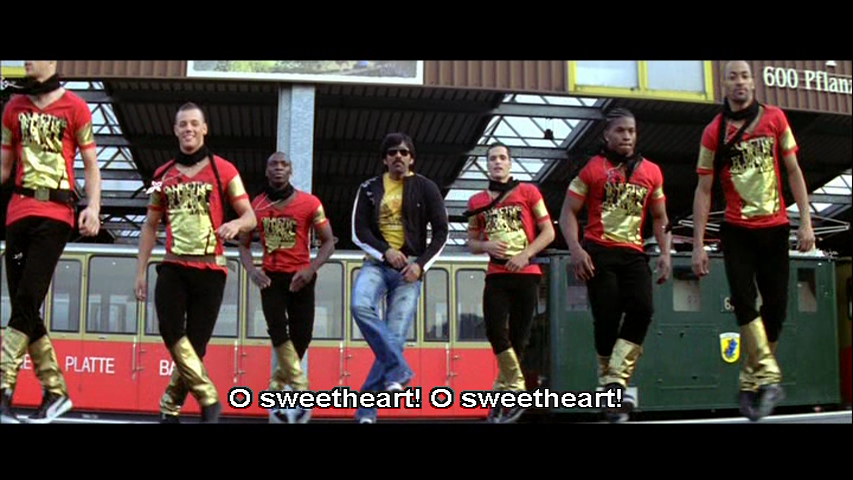
So who gets a song requiring beachside cavorting?

You’ve been warned.

Heather says: Although there are a lot of elements I do like about this film, there are also a few I don’t like, and it was those that I noticed more on re-watching Neninthe for this review. However it’s one of the best performances I’ve seen by Ravi Teja who is very watchable and charismatic here, although (and I can’t believe I’m saying this) I do think I prefer him unwaxed! I also love the back-drop of the film industry as the setting for the story and the way that Puri Jagannadh manages to get across the routine repetitiveness associated with filming rather than the glitz and glamour that most people associate with movies. However I find the story rather bitty with elements that don’t gel  together quite as well as they should. Sandhya has so much to deal with that perhaps it’s not surprising that she doesn’t seem to know where to start. Her character seems to veer between hang-wringing and ineffectual ‘woe-is-me’ to being quite strong and decisive when it comes to making sure that she gets exactly what she wants from Ravi. I found all this dithering to be annoying, and couldn’t feel very much sympathy for her character at all. In fact I think the film would have been better without the romance factor, as it could make just as much sense that Ravi helped her career because he was a nice guy who felt she deserved better. There didn’t seem to be any zing to the romance and apart from the songs, no chemistry between the two actors.

On the other hand I do like Brahmi’s bumbling director and think that the comedy is generally well integrated into the main story. Like Temple, I’m a big Subbaraju fan, and I totally loved him as the ‘miracle star’.  Watching this for the second time and about a year and many films later, I did pick up more of the nuances in his performance, and in particular the way his character interacted with the cast and crew as well as the members of his fan association. I think he’s a great actor and apart from doing justice to his role as a stereotypical ‘hero’ he really looked the part too. Mumaith Khan is another of my favourite performers and while she seemed to be basically playing herself, I appreciated the way she appeared on camera with minimal make-up and gave a fairly convincing lecture about the evils of fame. As Temple has mentioned there are many good and valid points made about the way stars are treated by fans, the press and the industry but I agree that the set-up to deliver these messages tended to overshadow the points that Puri Jagannadh was trying to make.

I did notice that the subtitles appeared better than usual – there was a  ‘shut your gob’ in there which I appreciated as a very English idiom rather than the usual more stilted direct translations and there were quite a few of these more colloquial interpretations. I also enjoyed the shots of the orchestra with real musicians playing violins properly rather than the usual half-hearted attempts that drive me crazy!

This is still an entertaining film despite the irritating heroine and lacklustre romance. I’d recommend watching at least once for some excellent performances and the general overall view of the movie industry. 3 ½ stars.

Grahanam

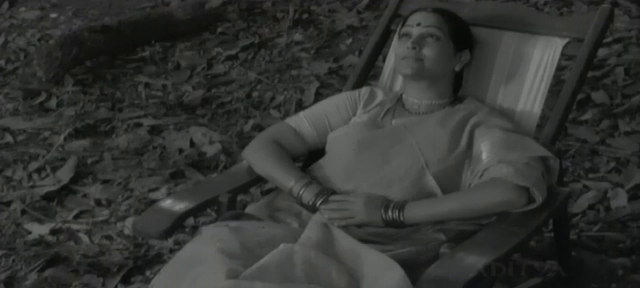
Grahanam is about superstition, mistrust and sex. The story is based on a novel by Telugu writer Gudipati Venkatachalam, also known as Chalam, adapted and directed by Mohan Krishna Indraganti. The story follows the aftermath of superstition made fact by belief.

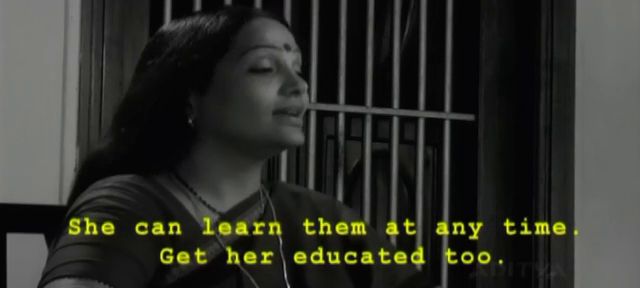
Set in a village in the recent past, the story has a timeless feel. Saradamba (Jayalalitha) is the wife of Swamy (Tanikella Bharani). They are the premier family in the village, and she is renowned for her charity and community support. Kanakayya (Monish Thallavajhula) is a poor boy with academic promise. Saradamba provides a meal for him each day, and is clearly fond of him. She is a strong advocate for education, and encourages the villagers to send all their children to school.

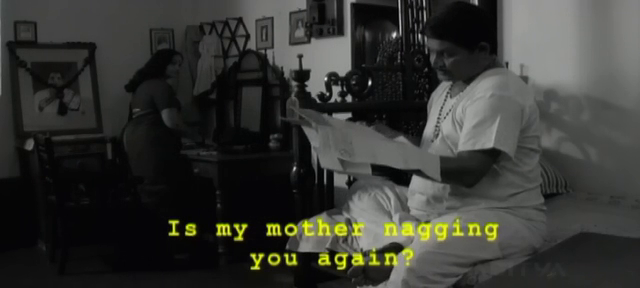
Swamy lets his wife deal with the daily routine, trusting her to do the right thing for the family prestrige.  Sarada is adept at biting her tongue when her mother-in-law is demanding, and has a strong sense of duty. Their relationship seems happy enough, and there is certainly a strong physical chemistry. They joke about his tyrant of a mother, tease each other about their marriage and seem to be compatible. Sarada is not above flirting to get her own way, but Swamy doesn’t appear to mind one bit.

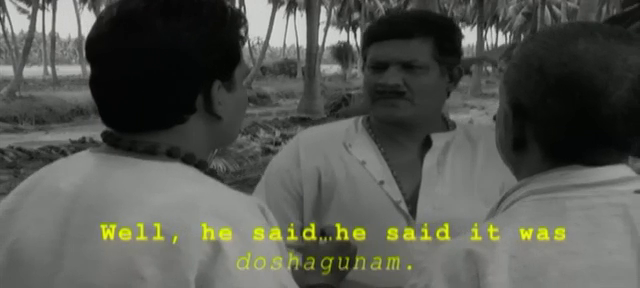
All seems tranquil. But Kanakayya falls ill with a fever and conventional medicine doesn’t seem to be helping. His uncle suggests consulting Gopayya (Sundaram Thallavajhula), a Kali devotee from the next village, who is purported to be able to cure mystery illnesses. Gopayya’s diagnosis is the catalyst for major drama. He says Kanakayya is sick with ‘doshagunam’, explained as an illness caused by having sex with an older woman.


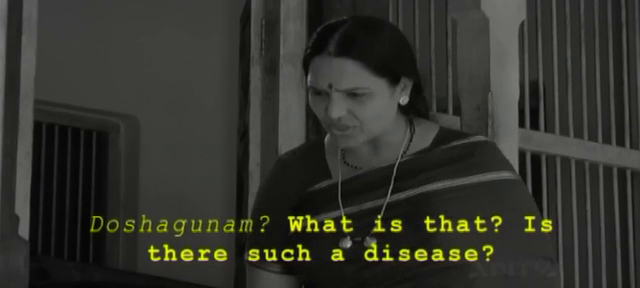
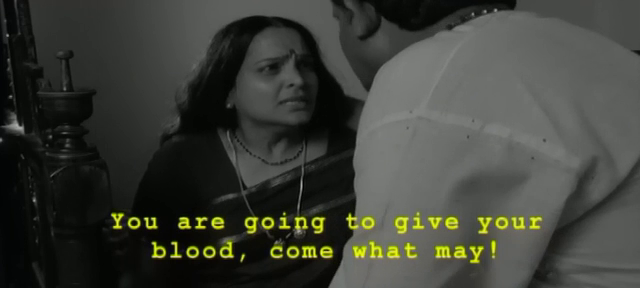
No one seemed to have heard the word before, but before long it is bandied about as though it is an established fact. Kanakayya’s parents reject the idea that their son would have done anything immoral, but he continues to sicken. In desperation, they seize on the cure Gopayya prescribes – a cure that requires blood from the thigh of the woman who ‘infected’ him.

Suspicion falls on Saradamba and all the small kindnesses that used to be evidence of her charity and good nature are now seen as proof she seduced the boy. Lapses in protocol are twisted to show she was betraying her husband. Swamy is plagued by doubts. He accuses her of lying, of whoring behind his back and ruining his prestige. Sarada denies the accusations, but is she really as innocent as she claims?

The crux of the story is that a rumour, a suspicion, a superstition can take on a life of its own. Women are spoken of as impure, carriers of sin and ruin. Their sexuality is toxic and men cannot save themselves from a predatory woman. People are all too ready to believe the worst and seemingly only because she is female. Once Saradamba is accused, she is attacked verbally and physically. The damage done is real, regardless of the reason. But why are people so ready to believe in ‘doshagunam’ and to accuse a previously blameless woman?

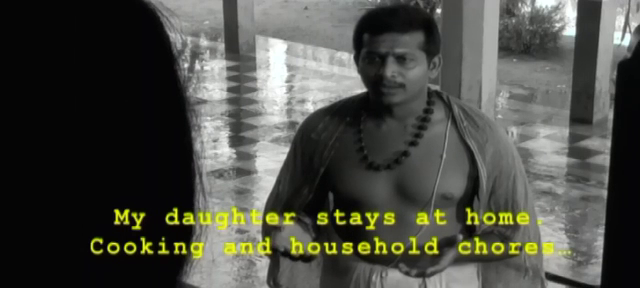
The story develops through a flashback structure, narrated by Surya as Doctor Raghu. This allowed me to work out the internal chronology of the story. The black and white film does give a sense of things happening a long time ago, but the events are quite recent. I thought this device worked well as it made the point that while Saradamba and Kanakayya’s story may be set twenty or thirty years ago, it’s not that remote from the present day.  A short segment in colour adds a dreamlike note and made me question my assumptions about some relationships.

Tanikella Bharani is excellent as Swamy. He shows the doubts and frustration gnawing away and the bitterness that creeps into his marriage. His confrontations with Sarada are threatening and venomous. Even though I thought Swamy was a fool at times, I could see the way the rumours poisoned his mind, and his resistance disappeared. It’s an unsympathetic role in many respects but he gives Swamy a dimension of sweetness that made me see what Saradamba saw in her husband, and made their estrangement even more painful. And after seeing him play uncle, sidekick or victim in so many films I really liked seeing him in a leading role for a change.

Jayalalitha is well cast as Saradamba. She has an earthy sensuality and a physical confidence that suits her character, and she dominates the film. When she is on the verge of losing her home and family she seems almost feral – all teeth and claws.  The confusion and indignation are evident but Jayalalitha also creates some ambiguity with her reactions and expressions. Those slight hesitations and the glimpses of behaviours that could be open to different interpretations or doubt were really well done. It meant that the story was a bit more complex than a ‘pure woman is besmirched by rumour’, even though my sympathies lay with Saradamba. I questioned whether I completely believed her, if she had done anything ‘wrong’, and if she had seduced the boy did that warrant what was happening.

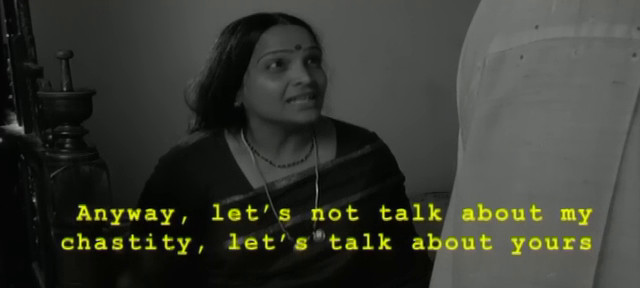
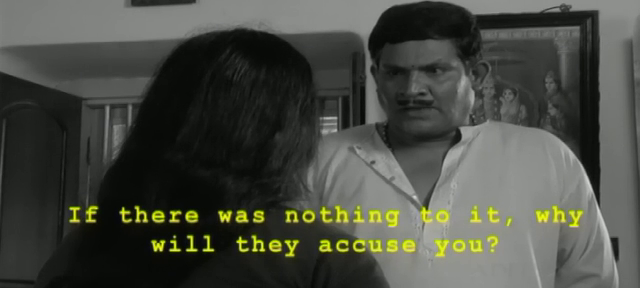
The black and white film is very atmospheric but the garish yellow subtitles on my DVD were a bit distracting. The interiors and doorways provide a frame or concealment, alluding to the secret lives of characters. Even the ornately carved bed changes from bed to barrier over time. The physical environment is used to illustrate the mood and emotion of the inhabitants. The camera sometimes sneaks up behind characters, sometimes settles in amongst a group of people talking or takes on the role of an observer judging what it spies. It adds a dynamic note to what is a very dialogue based movie.

I can’t opine as to whether it is a good adaptation of the original story, but there is a literary flavour to the dialogue and the concepts are clearly articulated. The dialogues are strong and meaningful, and reveal a lot about the people speaking. Mohan Krishna Indraganti seems to have an interest in what makes people tick and there are also scenes with no dialogue where small interactions, or reactions, speak volumes. I have seen Ashta Chamma and Golconda High School and I think his translation of story to screen is becoming more assured. I like his interest in everyday type people, and seeing what they do when confronted with a challenge or problem. The supporting cast are all very good but the focus is on Jayalalitha and Tanikella Bharani.

This isn’t the kind of film I want to watch every day as it is a bit self-consciously artsy and I alternated between being depressed and angry as I watched it. But I was interested to see a non-commercial Telugu film, and to see character actors take on leading roles. The story kept my attention, and made me think as well as made me want to throw things at the screen. It won a swag of awards and I can see why so many people have recommended it to me. 3 1/2 stars.

Katherine at Totally Filmi is coordinating a month long celebration of women in Indian cinema. Links will be collated at Delicious so keep an eye on that page for lots of other articles and blog posts to be added throughout March.