Shubh Mangal Zyada Saavdhan

Hitesh Kewalya’s romantic comedy uses the familiar Bollywood trope of parental disapproval, but this time the couple battling their relatives for acceptance are involved in a same-sex relationship. It’s unusual enough for Hindi cinema to have any gay characters, let alone treat them sympathetically, but in Shubh Mangal Zyada Saavdhan the love story is treated exactly the same as a more traditional romance, it just so happens that the couple are both male. While the film isn’t completely successful, it’s a good attempt at a different kind of love story and is hopefully a step towards more realistic portrayals of LGBTI characters in Bollywood. 

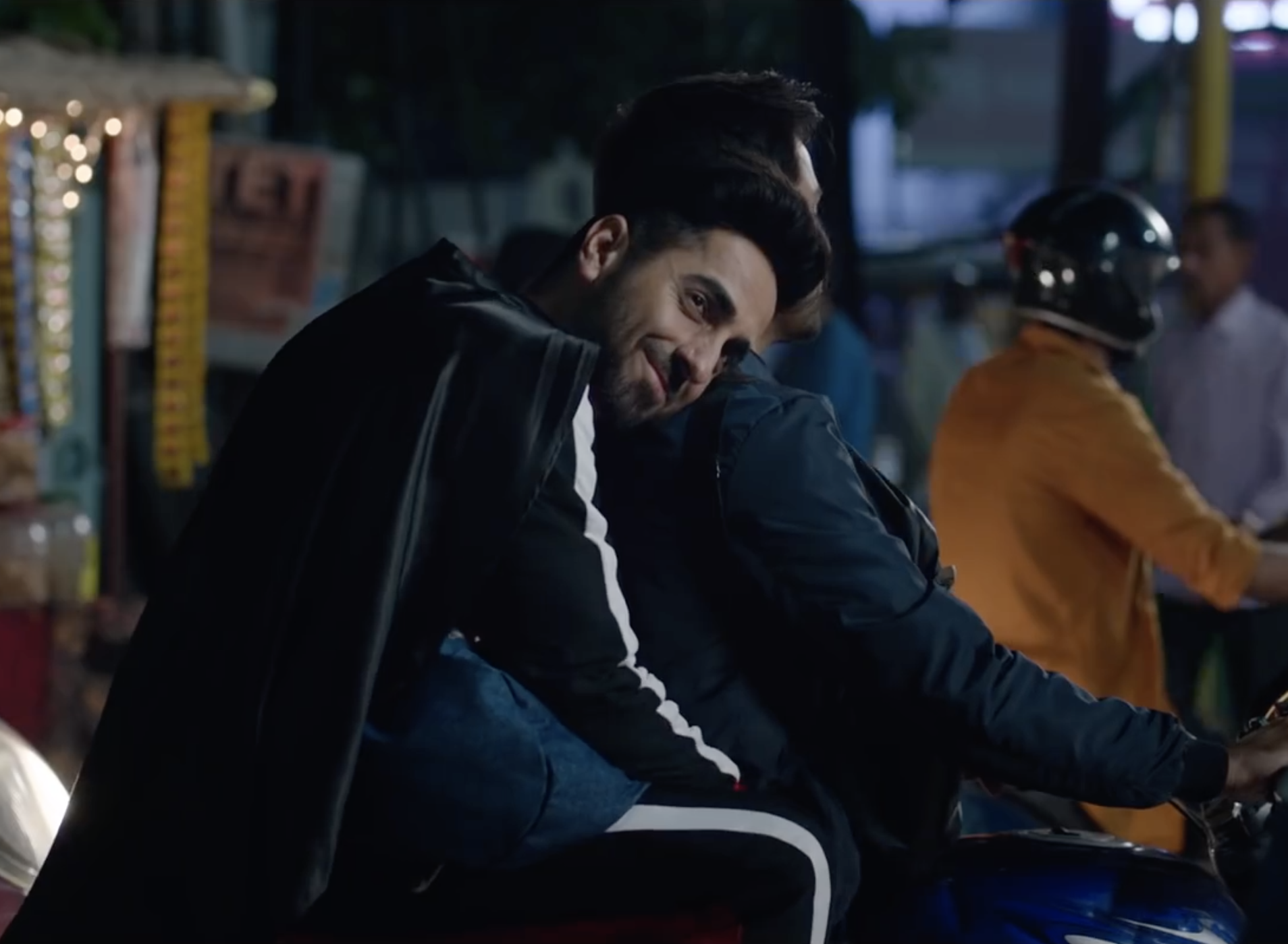
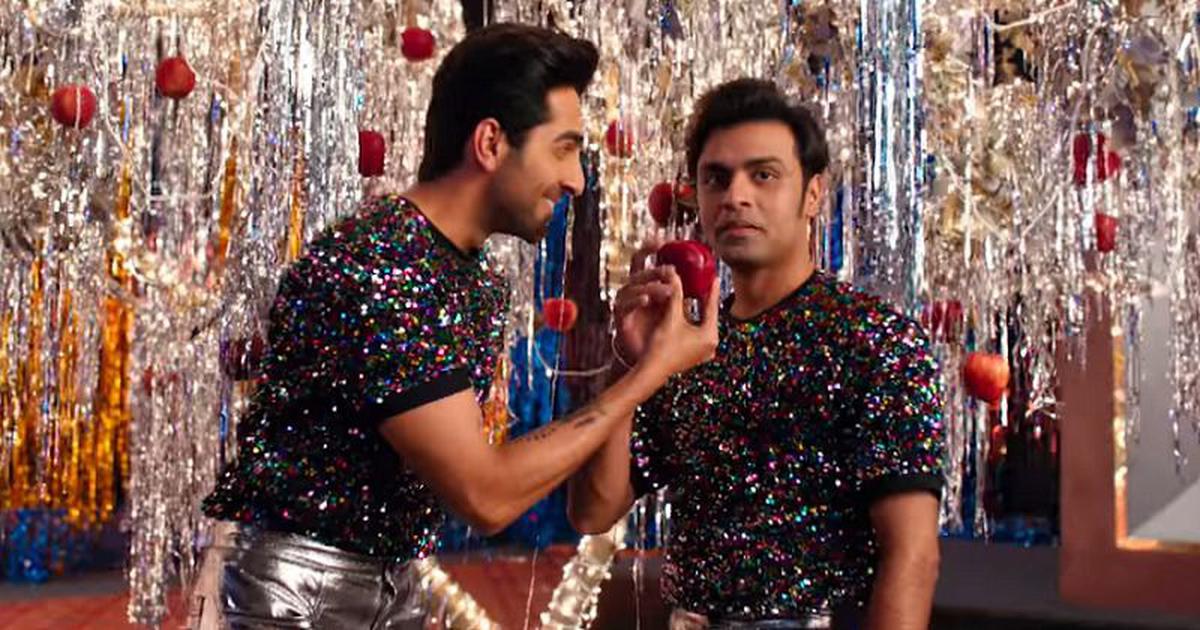
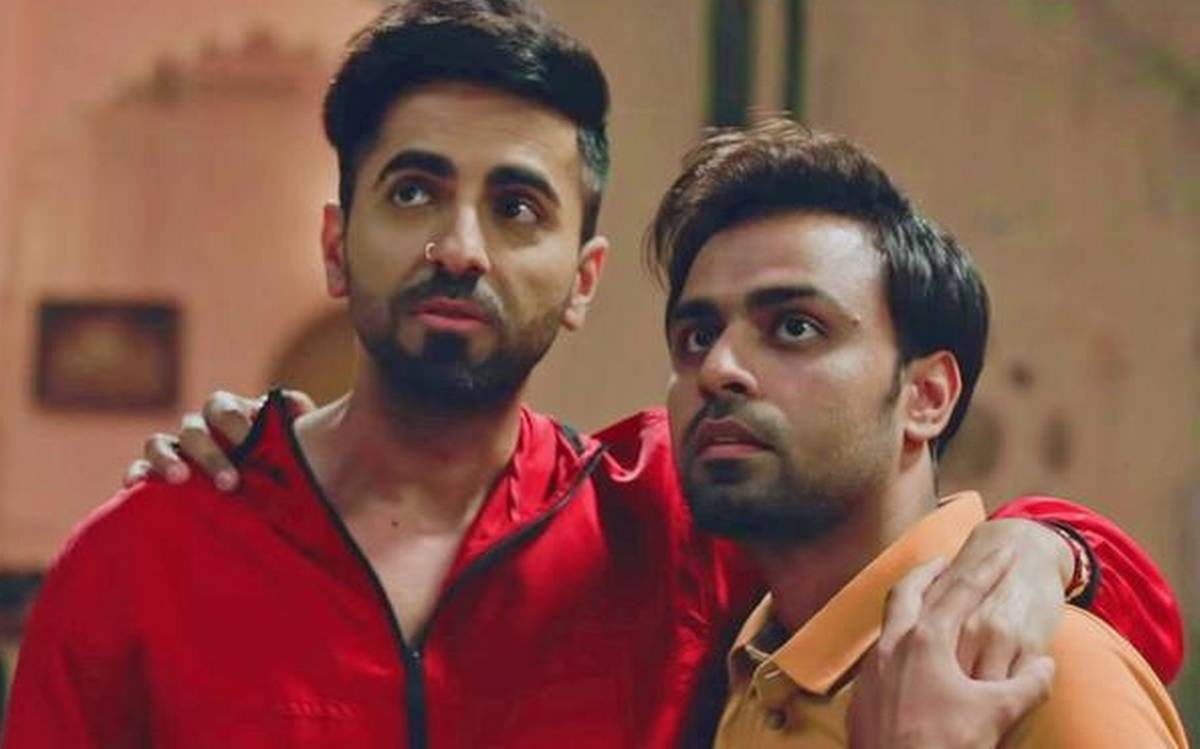
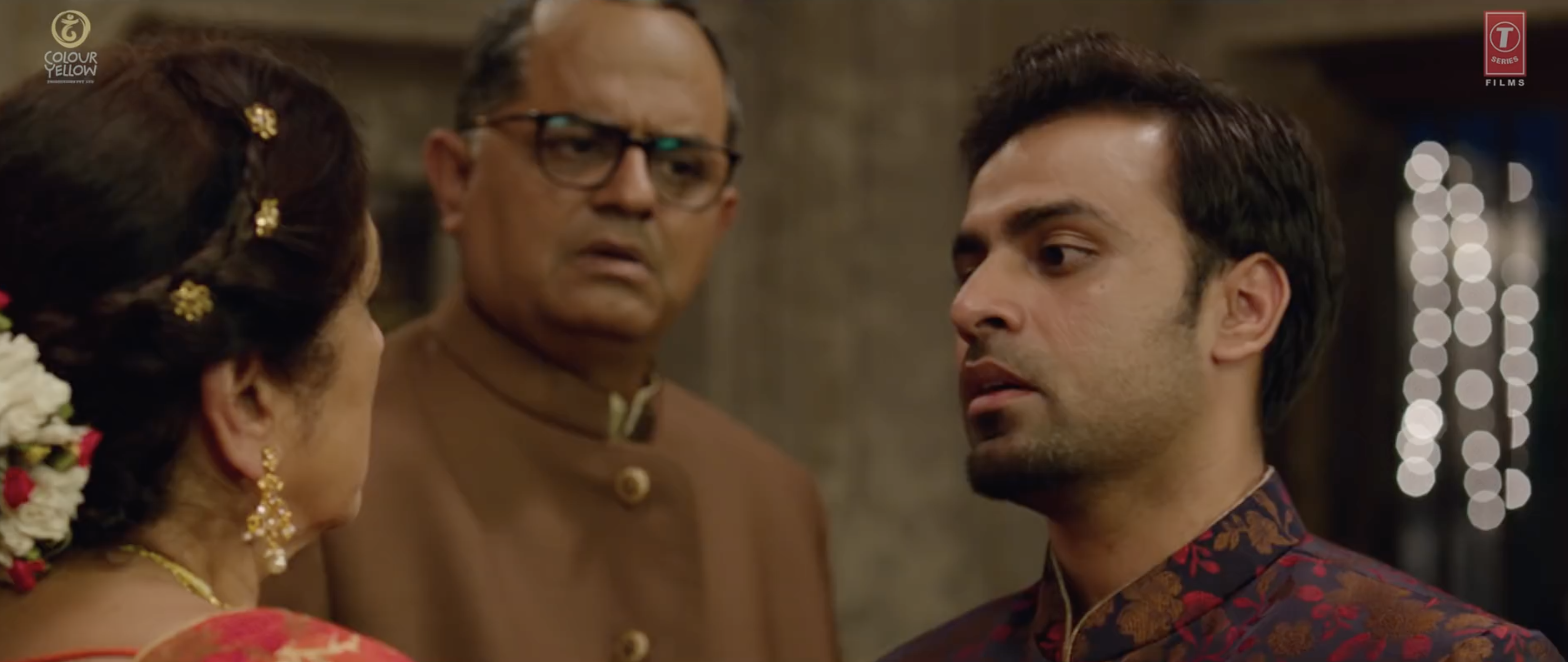
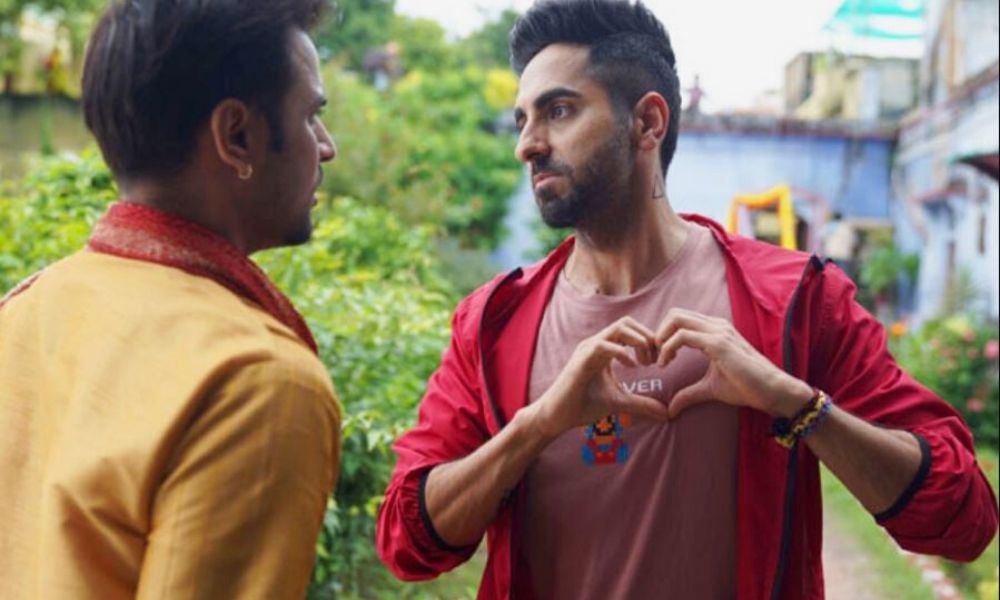
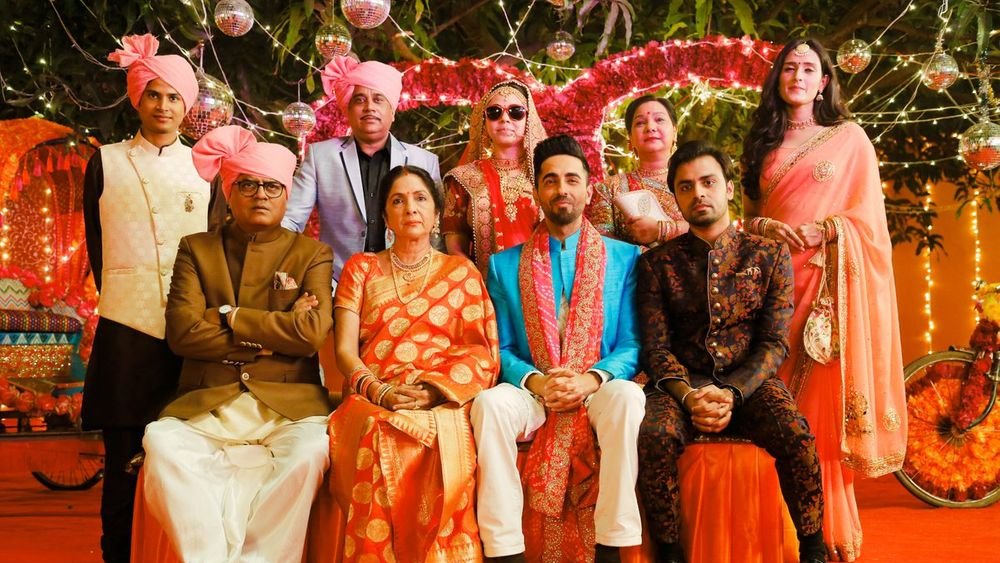
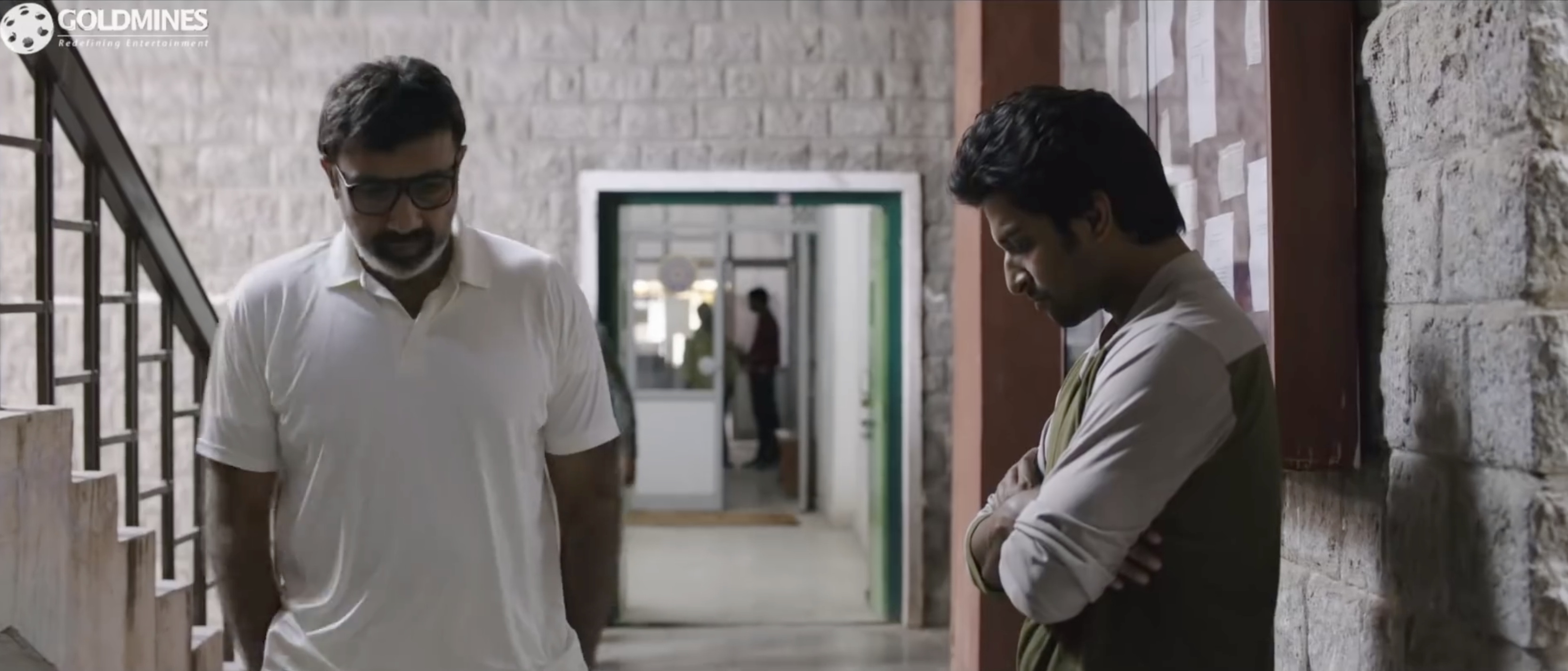
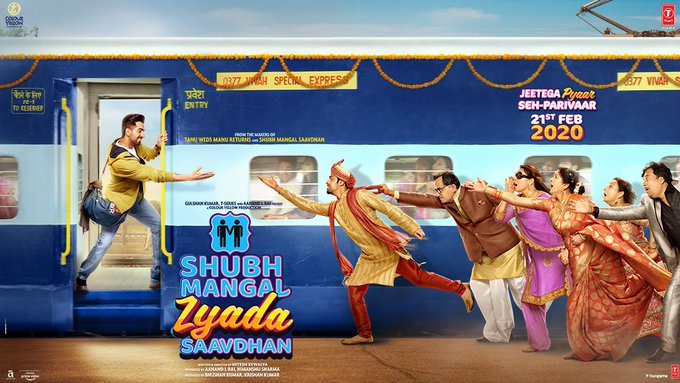
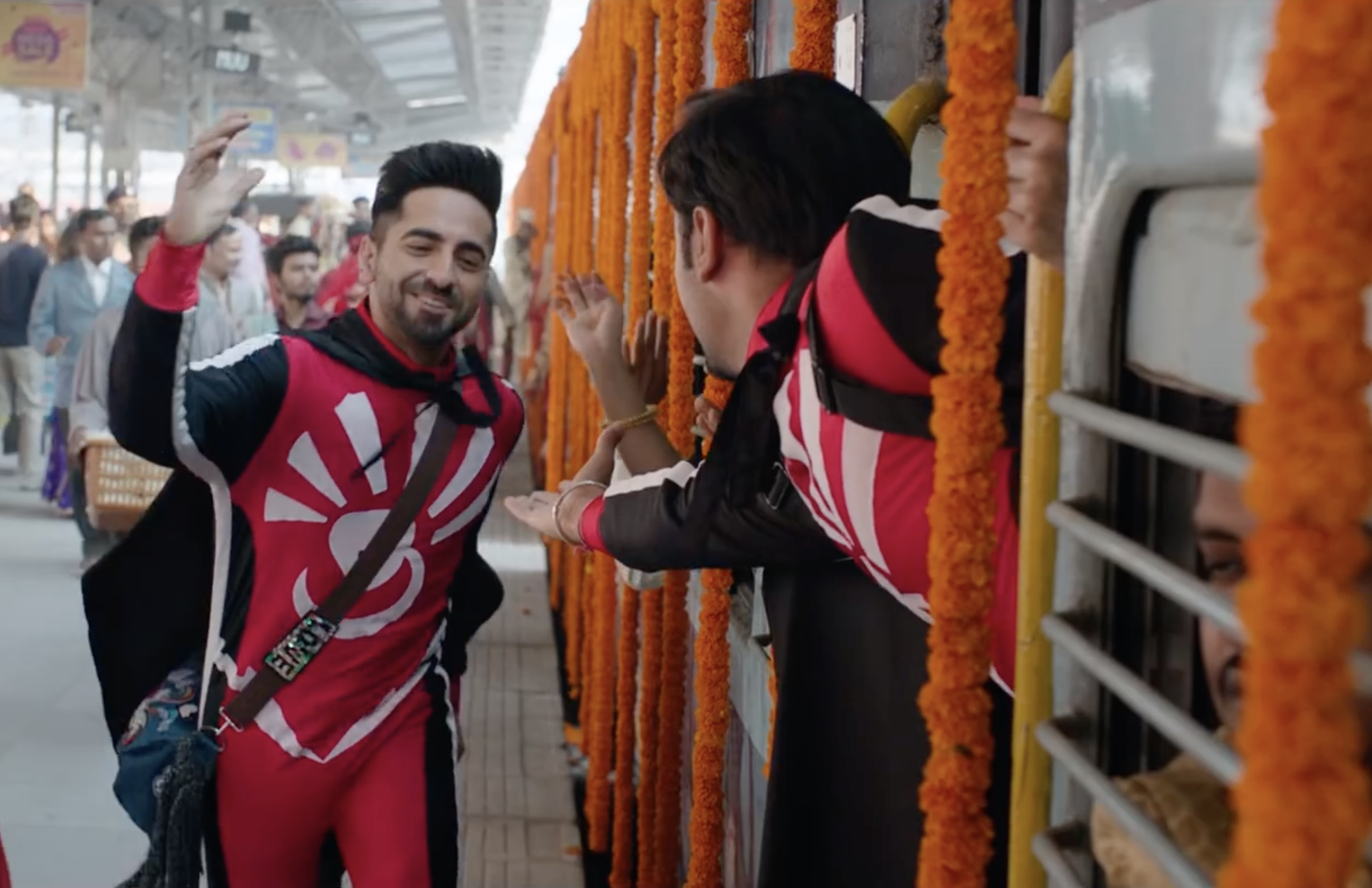
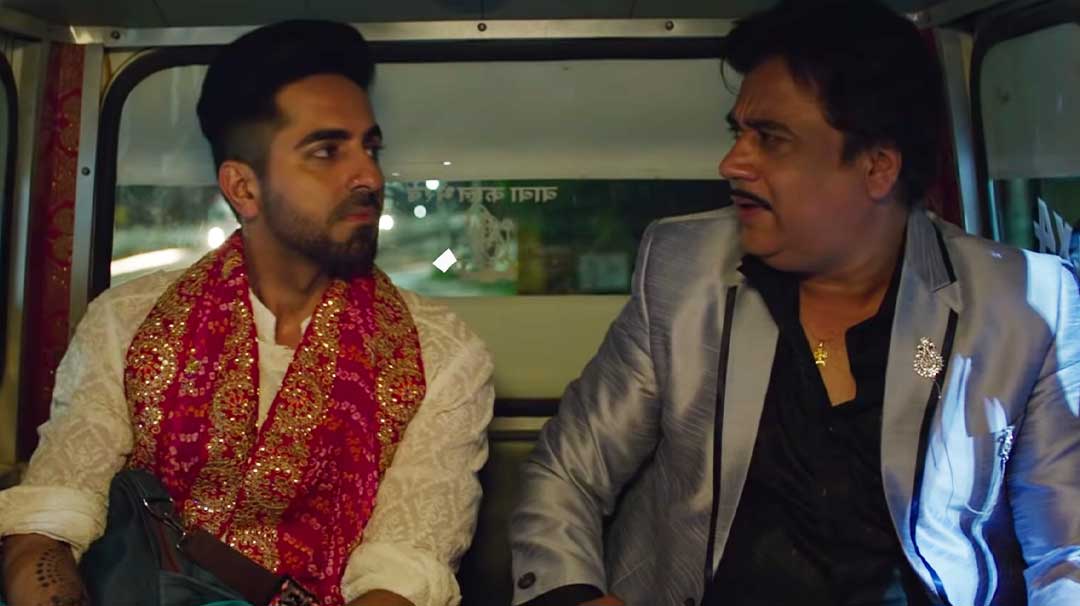
The story starts in quintessential DDLJ mode with Aman (Jitendra Kumar) and Kartik (Ayushmann Khurrana) running to catch a train. Right away the stage is set for a classic romance, and even if the two protagonists are wearing identical red bodysuits and black capes, there is an expectation that ‘Raj’ will somehow have to win his ‘Simran’. There’s a flashback that shows Aman and Kartik live happily together in Delhi but while Kartik’s family are aware of his homosexuality, Aman’s parents have no idea and are happily considering his future life partner even as they get ready to marry off his cousin Goggle (Maanvi Gagroo). Kartik is estranged from his parents who cannot accept the fact that their son is gay, but he convinces Aman that because his father is an educated man, all will be well. Even so, they plan to keep their relationship secret while attending Goggle’s wedding. However, on the train to the wedding, Aman’s father Shankar Tripathi (Gajraj Rao) sees Aman and Kartik locked together in a kiss and the cat is well and truly out of the bag. Shankar is appalled and literally sickened by his son’s behaviour, and is determined to ‘cure’ Aman by any means possible. The film follows the family’s attempts to deal with what they see is a life-style choice despite Aman’s attempts to convince them otherwise. 
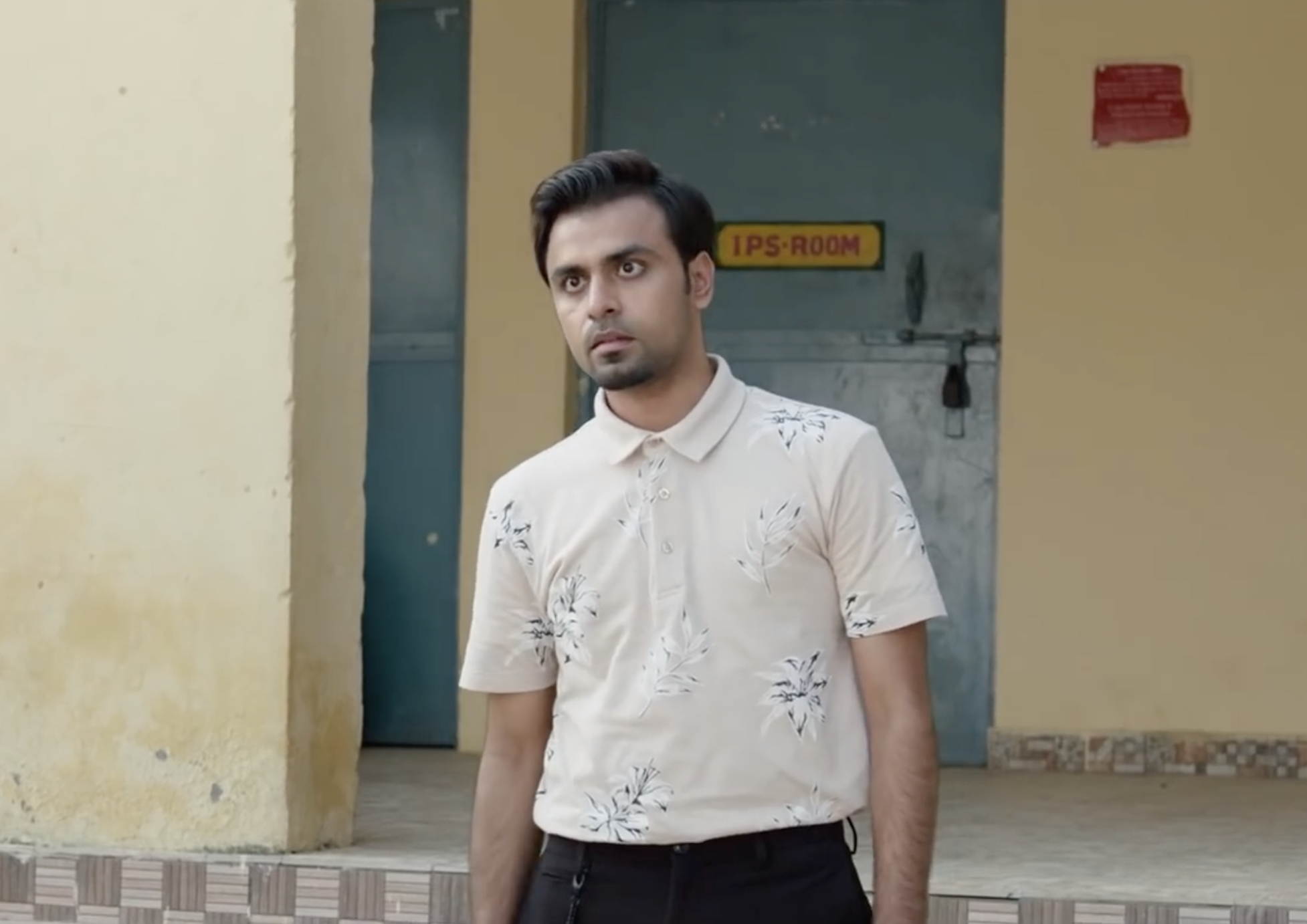
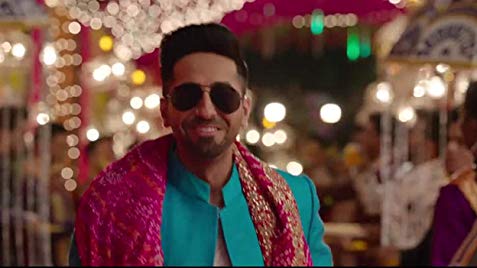
Ayushmann’s Kartik is the more flamboyant partner, but he never veers into stereotypical territory and his portrayal of a gay man who is happy in his relationship seems pretty spot on. Jitendra’s Aman is quieter and seems naturally the product of his small-town upbringing in a large and mostly dysfunctional family. Jitendra Kumar is very impressive here and his performance rings very true as someone who is naturally more introverted and trying to balance his own wishes with the realistic desire to try and conform to his family’s expectations. The scenario rings true, and even though the conflict is billed as a comedy, there is genuine heartache here on all sides as Aman battles through the difficulties of coming out as gay to his prejudiced and self-centred father. The mix of personalities, Aman’s quieter and more introspective and Kartik’s exuberance and energy also works well and despite a very flimsy backstory, the romance feels genuine simply because the two interact believably together as a couple. 
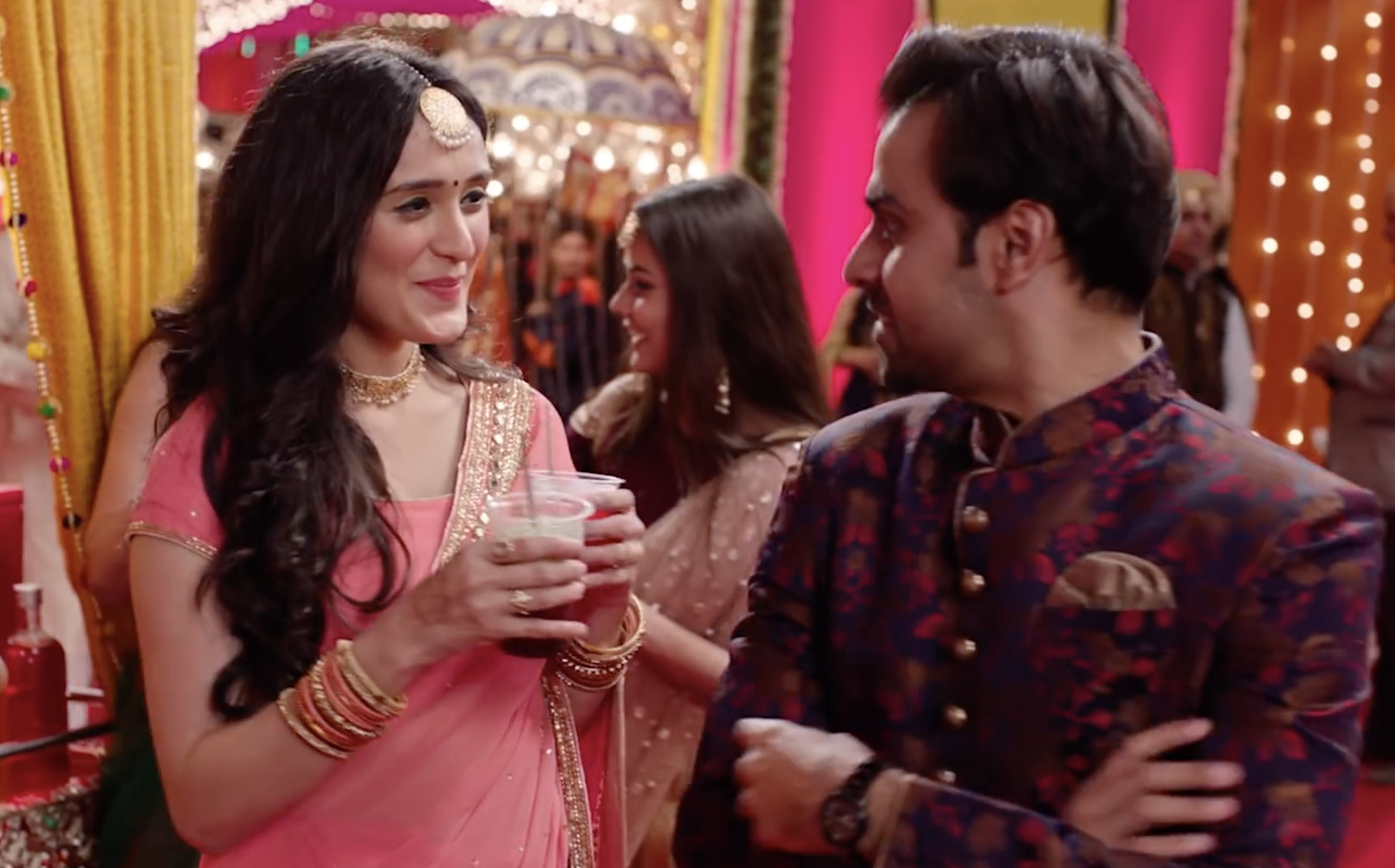
Aman veers between vulnerability and despair while trying to explain to his parents why there is no difference between their love and his. Which might have worked, except Shankar and Sunauna (Neena Gupta) had an arranged marriage and there appears to be little love on either side. Aman’s explanations involving dopamine and oxytocin are designed to appear to his scientist father, but Shankar is relentless in his homophobia and Aman seems helpless to resist his family’s attempts to solve the ‘problem’ of his sexuality. Since these include a symbolic death and rebirth ceremony, followed by a determined attempt to make him marry Kusum (Pankhuri Awasthy), it’s understandable why he feels as if he cannot destroy his family just for his own selfish satisfaction. Interestingly, Kusum has her own issues too as she is in love with someone deemed totally unsuitable by her family. A marriage of convenience seems an excellent way out, even though Aman is noticeably not thrilled by the prospect. So, it’s left up to Kartik to fight for his lover, win the family’s acceptance and generally try to save the day. 

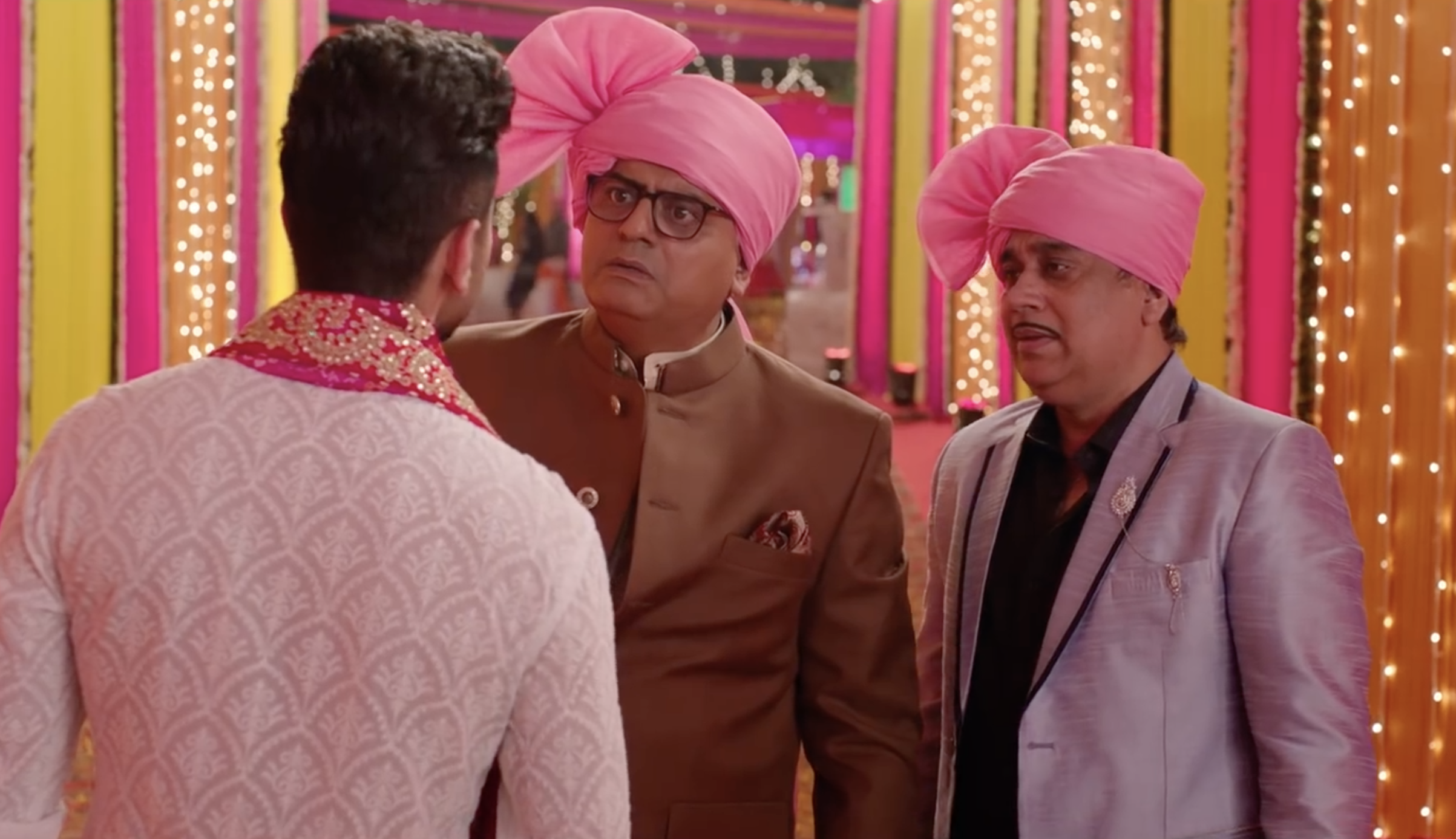
There is plenty of excellent laugh-out-loud comedy as Kartik attempts to overcome the Tripathi family’s prejudices. The support cast here are all superb and ensure that most of the scenes are genuinely funny despite the underlying seriousness of the issues being addressed. Maanvi Gagroo is excellent as Goggle, a woman who is desperate to get married despite her blind eye which puts off potential suitors and her family’s general disinterest. Manu Rishi Chadha is also excellent as her father Chaman, Shankar’s younger brother who lives in the family home with his wife Champa (Sunita Rajwar). The family dynamic is well played for laughs, particularly in the relationship between Shankar and his younger brother, although both Gajraj Rao and Neena Gupta are fantastic as a double act with all the expected familiarity of a long-married couple.

While mostly the comedy works well, a few of the scenes feel forced, more so in the second half. There feel almost like skits that have been added solely for comedy rather than actually fitting smoothly into the screenplay, and as such they break the momentum of the story. While the first half sets up the premise of the film well, the second half has just too much going on to be totally effective. As well as the storyline about Aman’s family’s inability to accept his relationship with Kartik, there is a sub-plot involving Shankar’s invention of disease-free black cauliflowers, Goggle’s really quite distressing marriage difficulties and Chaman and Champa’s own difficult relationship with Shankar and Sunaina. In the process of dealing with so many characters and sub-plots, the film misses some good opportunities to deal with some of the significant and serious issues facing Kartik and Aman. Both characters have good dialogue that raises important points about same-sex relationships but these never last long enough to make an impact. At times the audience in Melbourne started to applaud some particularly insightful lines, but then suddenly were whisked out of the moment by another quick change of subject and new comedic exchange. Despite poignant and keen observations about how difficult it is to find family acceptance of gay relationships, the lure of the next laugh is too great, and the film rapidly moves on, instead of savouring these brief glimpses into the all too real issues facing many people today. 

The best thing about Shubh Mangal Zyada Saavdhan is that the film treats the relationship between Aman and Kartik in just the same way as a conventional romance. Although many of the more serious aspects are brushed aside to make way for laughs, the film seems to be at least a step in the right direction to hopefully start some conversations and at least show the possibility of acceptance of same-sex relationships. It’s a lot of weight for the film to carry, which is maybe why Hitesh Kewalya sidesteps most of the serious points and focuses more on the comedy. It may also explain why there are so many sub-plots to act as a smoke-screen for the more controversial romance. Despite its faults, this is an easy film to watch; it’s funny, the songs from Tanishk Bagchi, Vayu and Tony Kakkar fit well into the narrative and the performances are all exemplary. Ayushmann Khurrana and Jitendra Kumar are simply fantastic and even when the story doesn’t quite work, their relationship does. Well worth watching for some light-hearted entertainment that doesn’t push its social message too hard.

Jersey (2019)

I managed to see Jersey in the cinema when it first released in April last year, but I’ve been waiting to watch it again and until recently I hadn’t been able to find it anywhere online. However, it’s now available on YT in a Hindi dub, which although not ideal is good enough to remind me of what I enjoyed the first time round, so finally, here are my thoughts on the film.

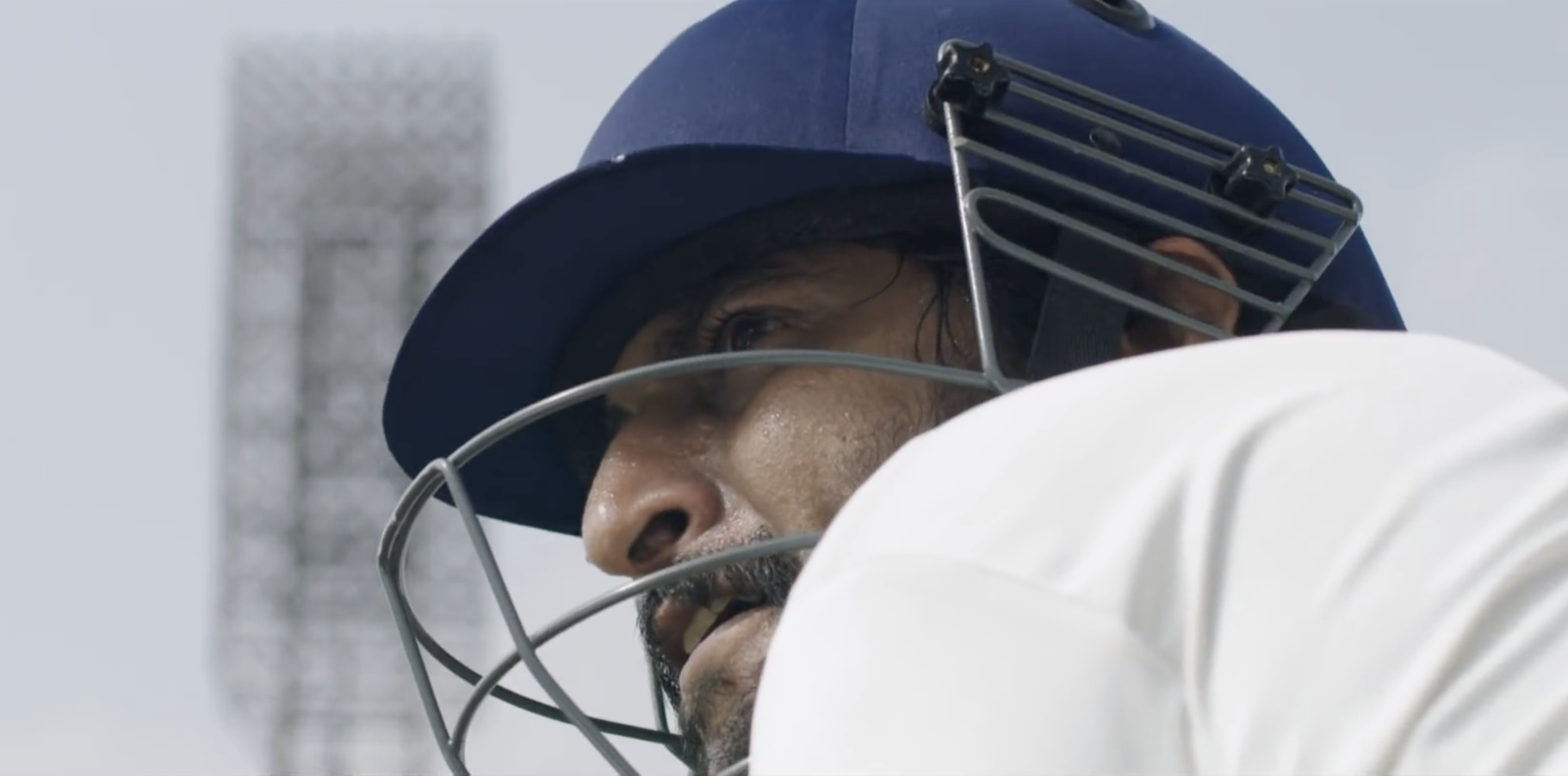
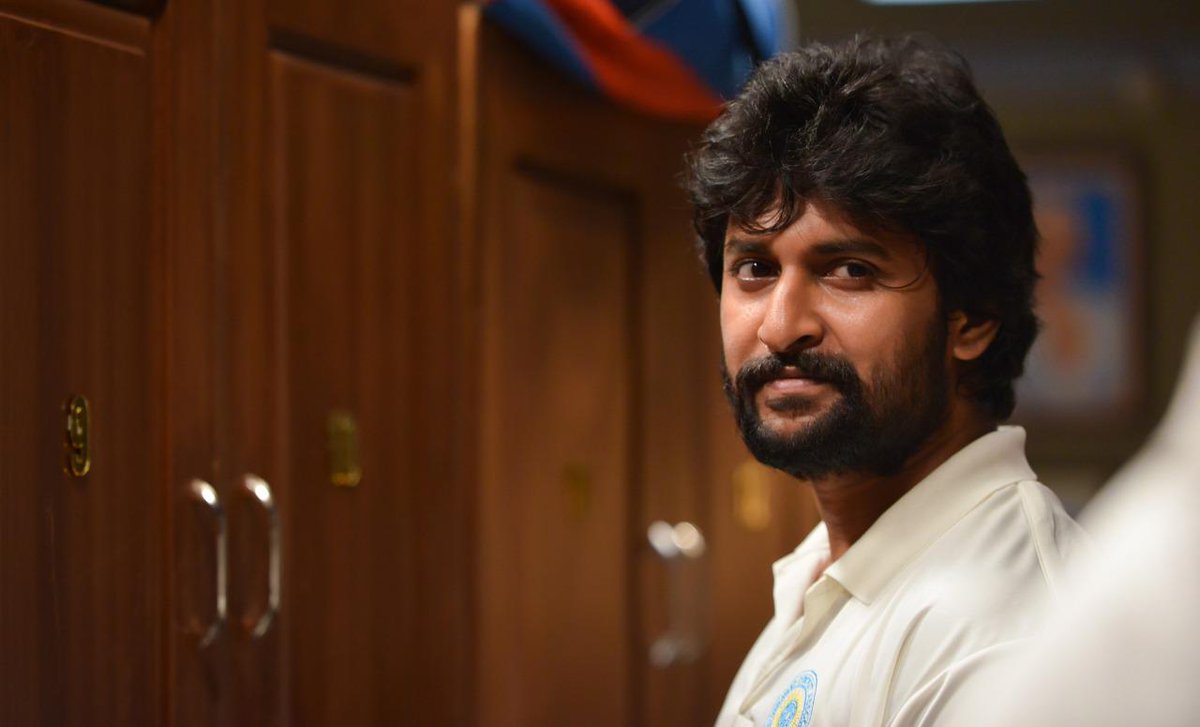
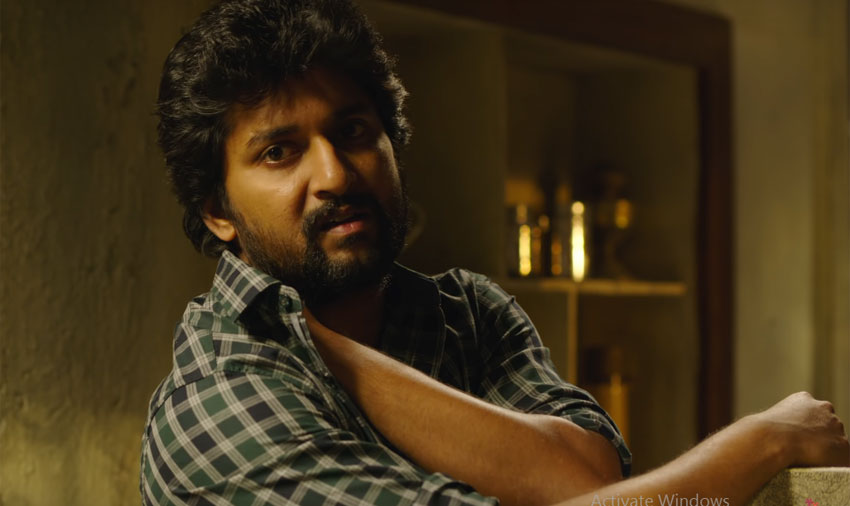
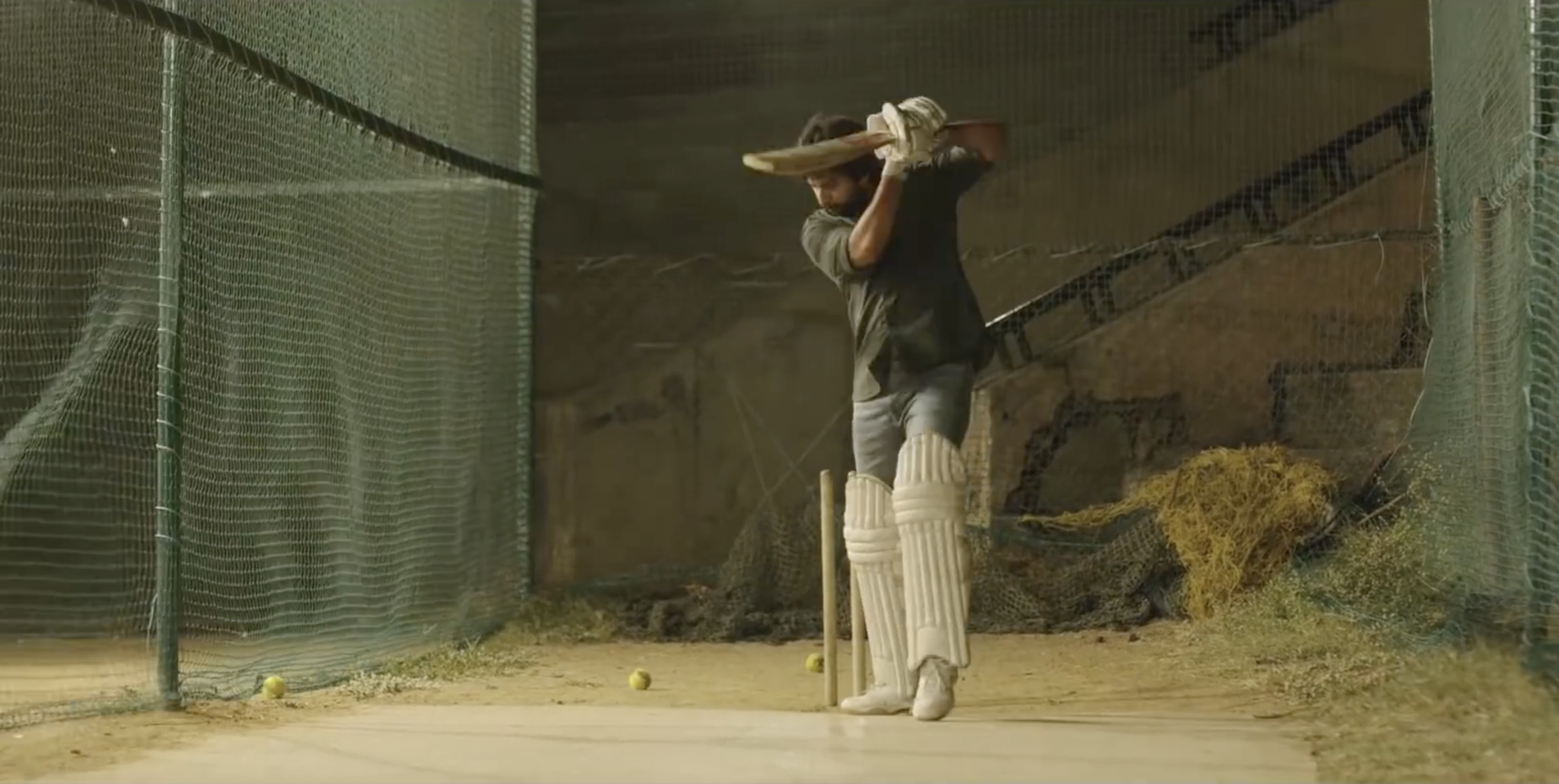
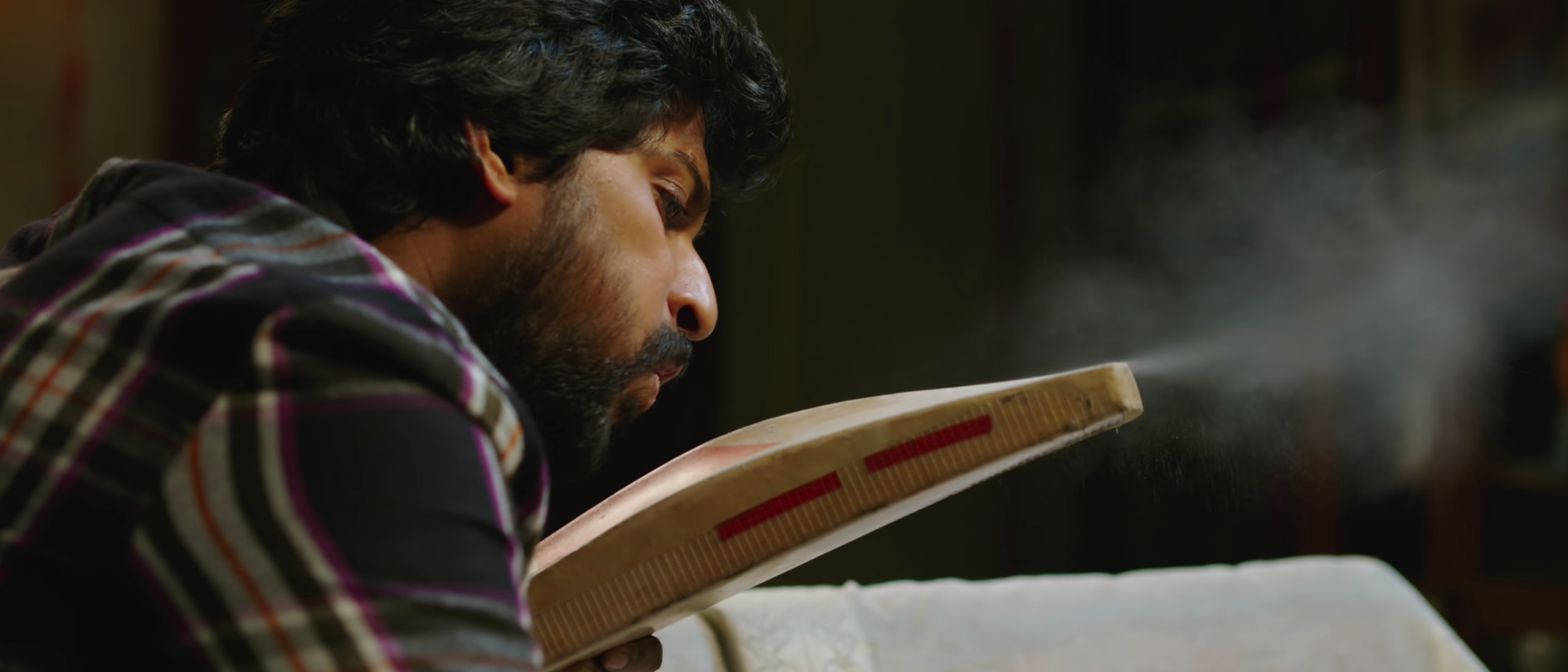
Jersey tells the story of a cricketer, Arjun (Nani) and his struggles to succeed at his chosen profession, but the film is more than the usual under-dog sports story. The film also explores relationships, the challenges associated with becoming an elite sportsperson later in life and more broadly looks at second chances. At the ripe old age of 36, Arjun has a wife, a young son and bills to pay, which is what initially sparks his return to competition cricket. Once he gets back into the game though, his passion for cricket takes over, but there are numerous obstacles to his success. Not the least of these is the question of whether Arjun has the physical stamina to be a professional cricketer at an age when most are contemplating retirement.

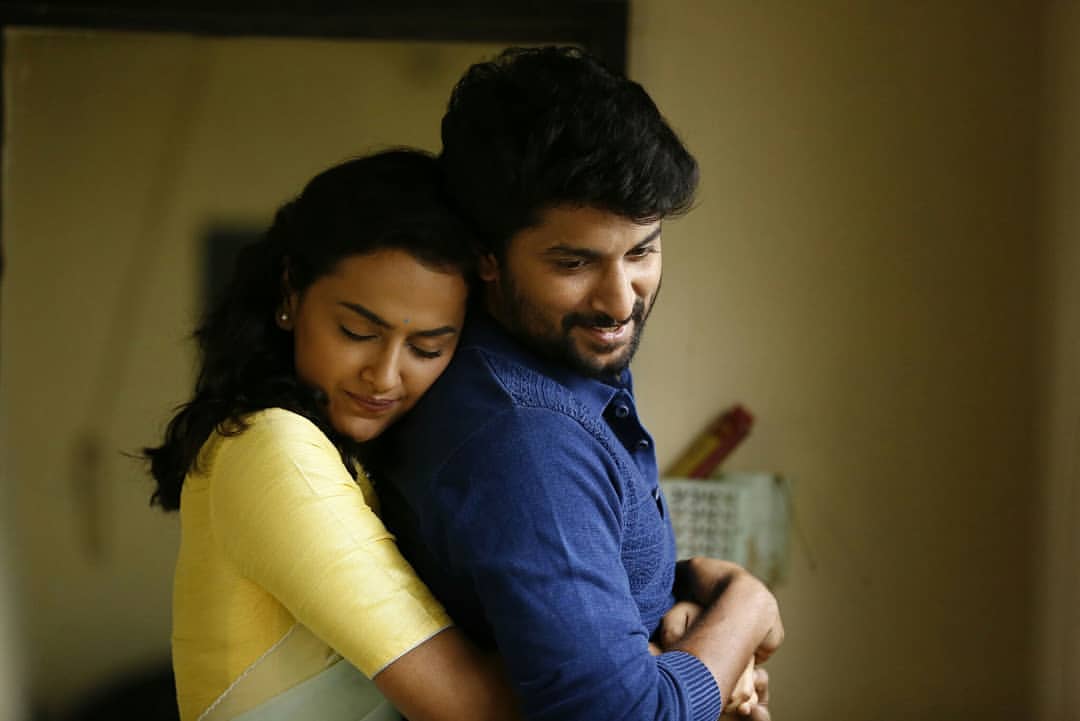
This isn’t a film where you have to know a lot about cricket or even enjoy watching the game to fully engage with the film. While the cricket sequences are beautifully, and realistically shot, the film is more about the passion Arjun has for the game and how this affects his relationships with everyone around him. To understand Arjun’s story there is a flash-back sequence to 1986, which shows him as a confident and successful cricketer at the top of his game. Life is going well, he’s in love with Sarah (Shraddha Srinath) and is on track to win a place in the India team. But when his place is taken by someone with better connections and a larger bribe, the disappointment shatters Arjun’s world and despite his coach Murthy (Sathyaraj) urging him to try again next year, Arjun vows to leave the sport for good.
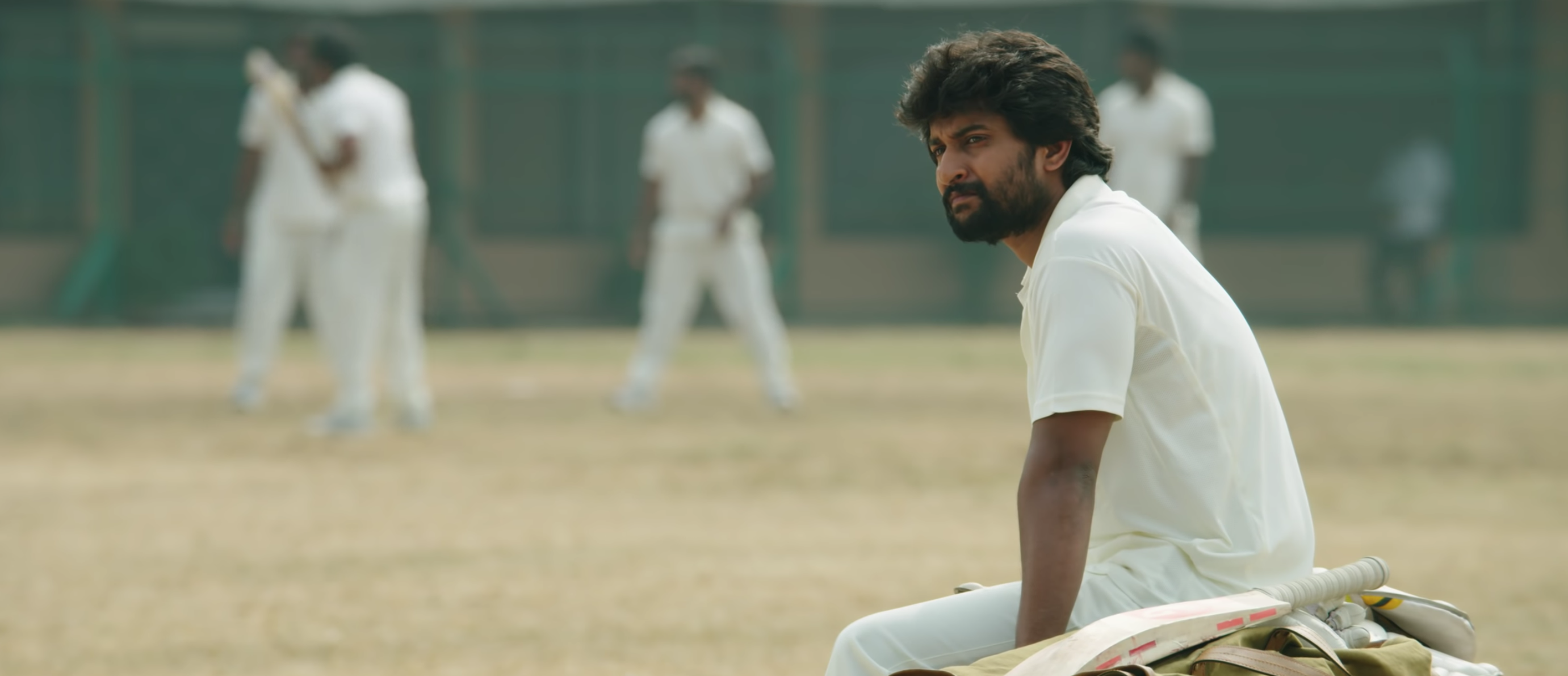
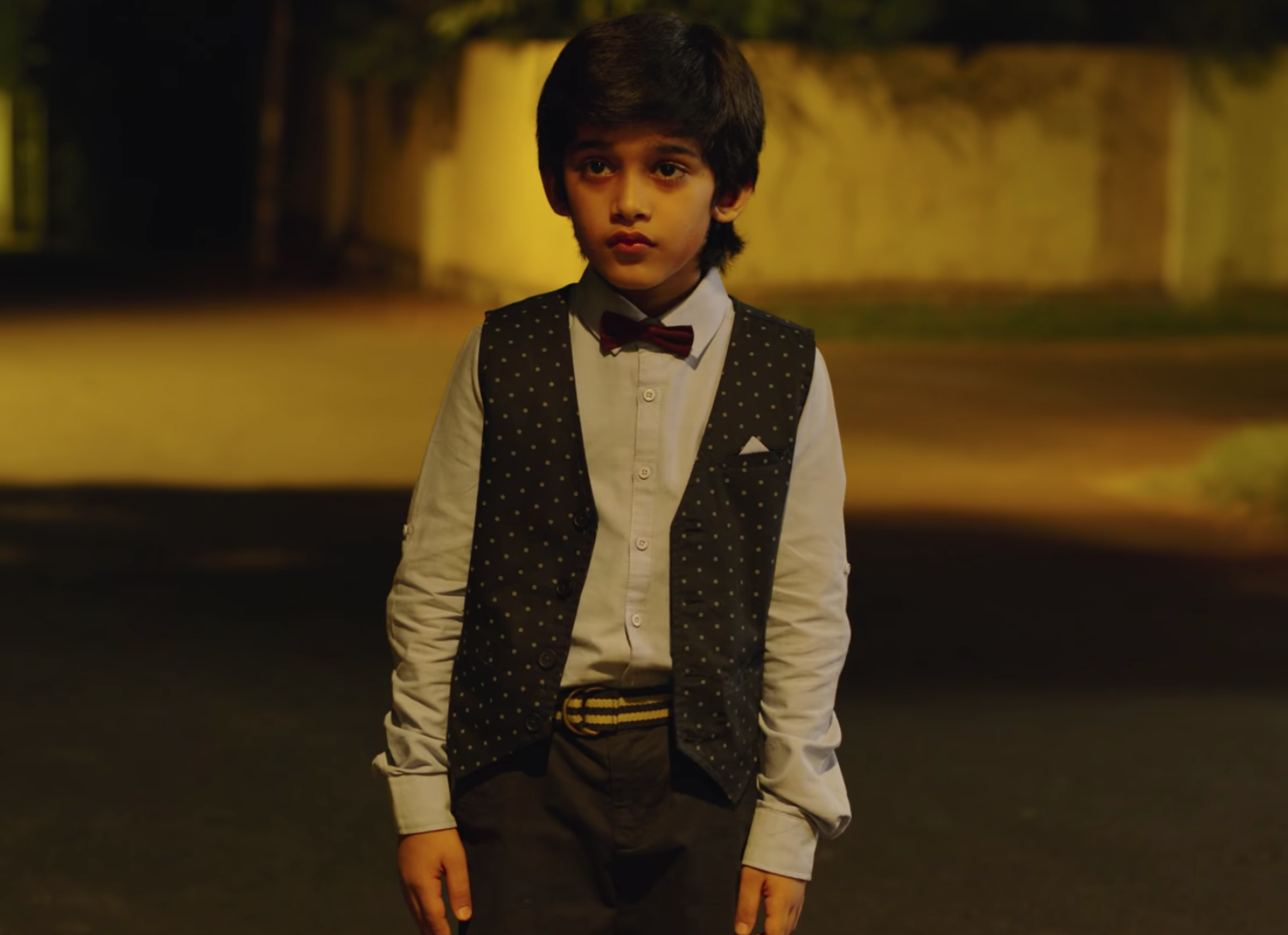
Ten years later, Arjun is in financial strife due to an enforced absence from work from a union related issue. His wife is frustrated and angry with his disinterest and general apathy for life, while his son Nani (an excellent Ronit Kamra) is pestering him for an Indian cricket jersey for his upcoming birthday. Without cricket Arjun has lost his zeal for life and without a career and unable to provide for his family, his world has become very bleak indeed. Desperate to please his son, Arjun plays a charity match but still doesn’t manage to raise enough money for his son’s birthday present. But once he starts playing, despite his age and various set-backs, Arjun is determined to make his comeback as a successful cricketer.
This is a very human story, and writer/director Gowtham Tinnanuri fills Jersey with heart and emotion while still keeping events moving along. The two components, the cricketing journey and the various relationships, complement each other well and the film benefits from Nani’s superb performance as Arjun. Initially he’s impetuous and brash – a typical young man who has the world at his feet and knows it. Later, he completely captures the heartache and depression that comes with Arjun’s failures in life and contrasts this with the passion and excitement that comes with his second chance at success. What stands out is just how believable he is in the role and how quickly Nani pulls the audience into his world. There is a moment where the older Arjun learns he has made the Hyderabad team and his celebration as an older player is a perfect contrast with his exuberance as a younger player. It’s also a pointed comparison between the older Arjun being selected and the younger not making it into the India team. I also liked the way the relationship between Ramya (Sanusha) and up and coming cricketer Nandan Reddy (Viswant Duddumpudi) mirrors the earlier romance between Arjun and Sarah and provides another link between the events of 1996 and 1986.

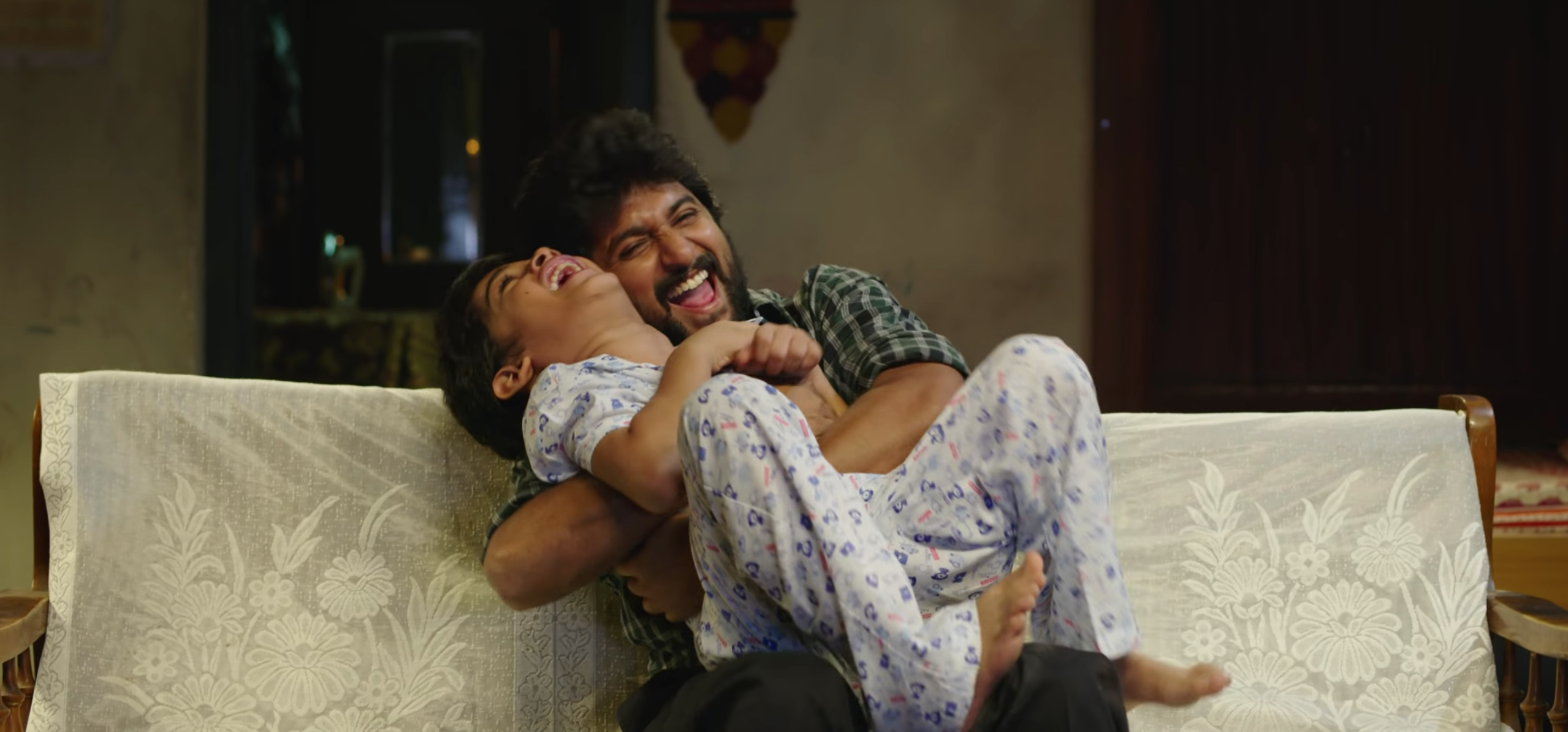
Central to the story is Arjun’s relationship with his son. The jersey of the film title is the India shirt that Nani wants for his birthday, but which is much too expensive for Arjun to buy.  Ronit Kamra is excellent in the role of Arjun’s son and there is such good rapport between him and Nani. This feels like a true father/son relationship and there is plenty of warmth and emotion in every interaction. Nani’s hero worship of his father is the only positive part of Arjun’s world and it’s beautiful to watch Arjun develop as a father in response to his son’s expectations. The flip side is the father/son relationship between Arjun and his coach Murthy, who has always acted more like a father to him. Both relationships are well written and expertly performed by all involved and I enjoyed finding the similarities and the differences in both relationships.

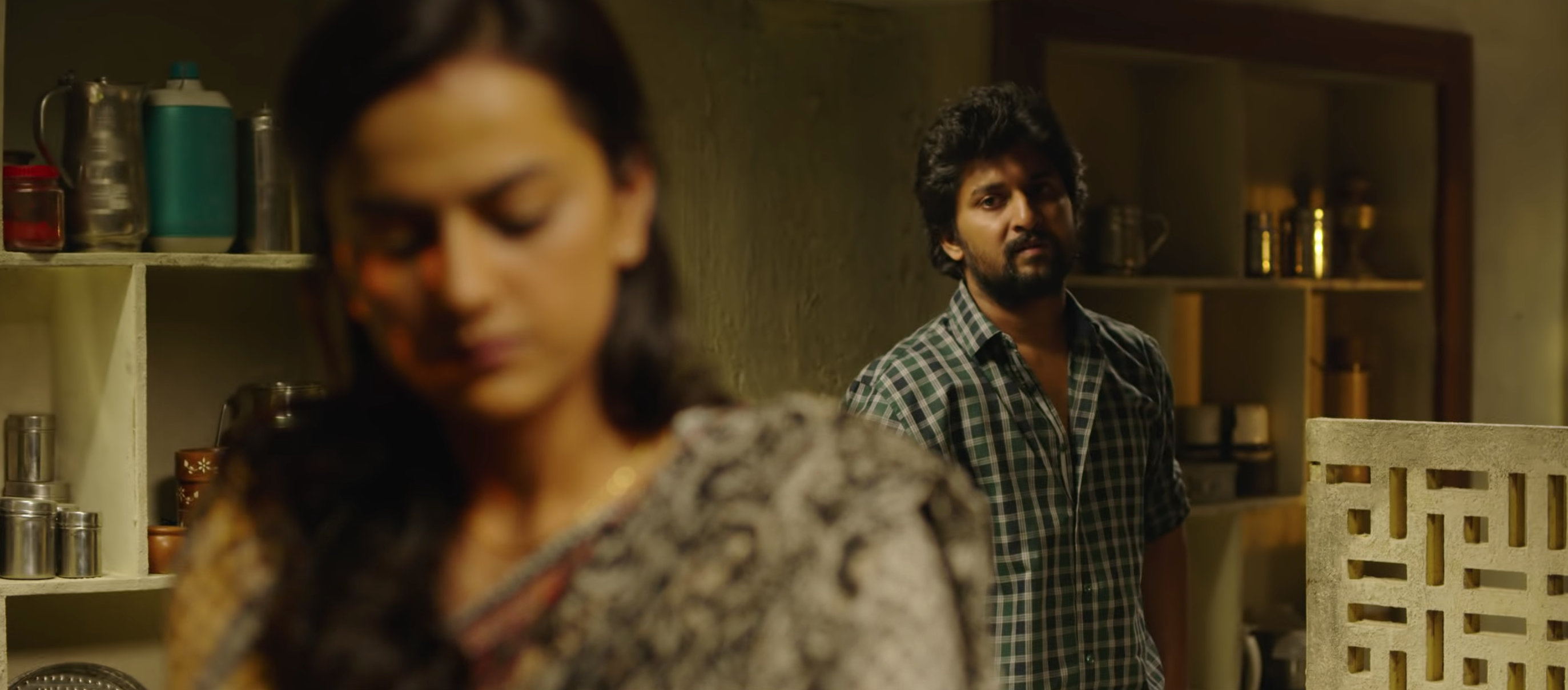
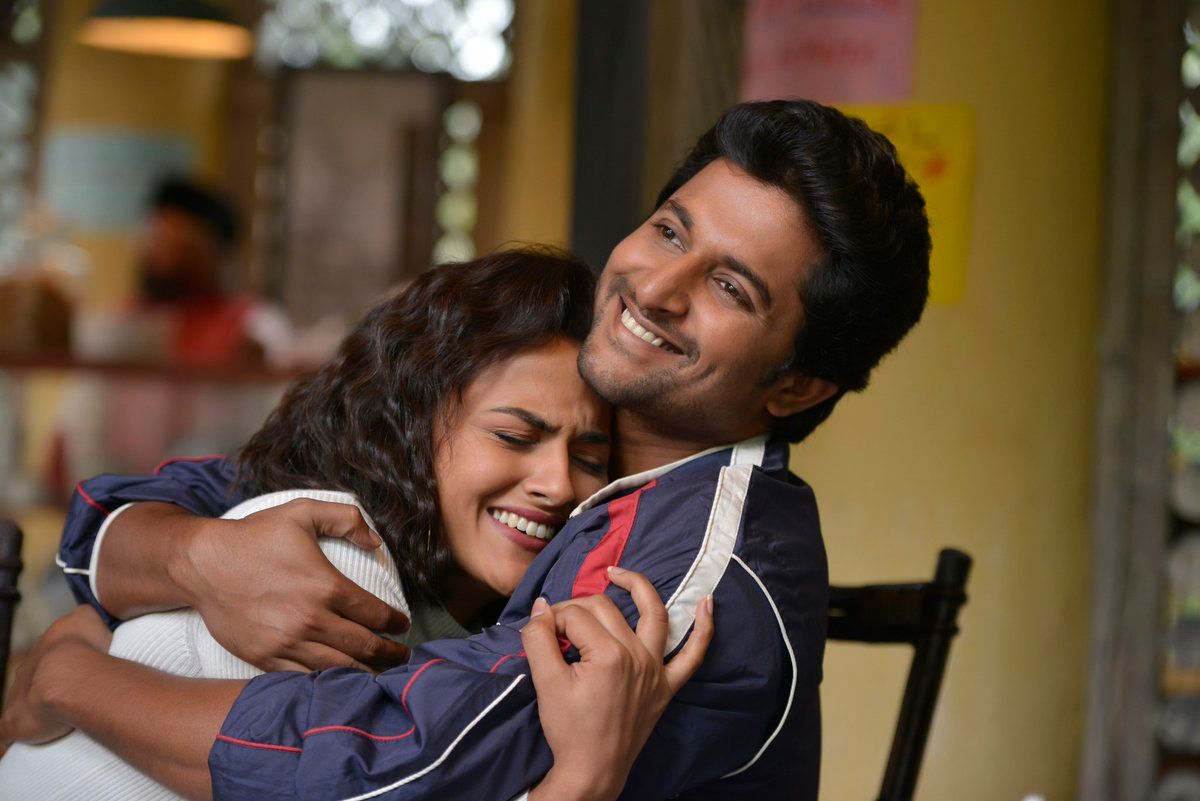
Also pivotal to the story is Arjun’s wife Sarah and Shraddha Srinath is excellent in the role. Her portrayal is realistic, particularly when faced with a husband who seems unable to do even the smallest of tasks around the home. She perfectly captures the exasperation and hurt of dealing with someone she loves who appears to be self-destructing before her eyes without ever seeing that she is struggling to cope as well. It’s such a true to life scenario and Shraddha gets all those complicated emotions across in her performance. The romance is also sweet and nicely developed although there is a fight sequence between Arjun and his fellow teammates about Sarah which does seem rather pointless and unnecessary. 

While the story of Arjun’s comeback works well and the various emotional rollercoaster moments follow a reasonably predictable beat, the end has a twist that just doesn’t seem to fit well into the rest of the story. I found this to be a jarring note in an otherwise well-written story that really wasn’t necessary. Like any sports film, the overcoming of adversity is enough in its own right, and when added to the well developed relationships here, nothing else was really required, and in fact the twist detracts rather than adds to the story. But that’s a small grumble in an otherwise very enjoyable movie. I really like this film and wish it was more readily available as I’d happily watch it again. Although I might skip the very end. 4 ½ stars.

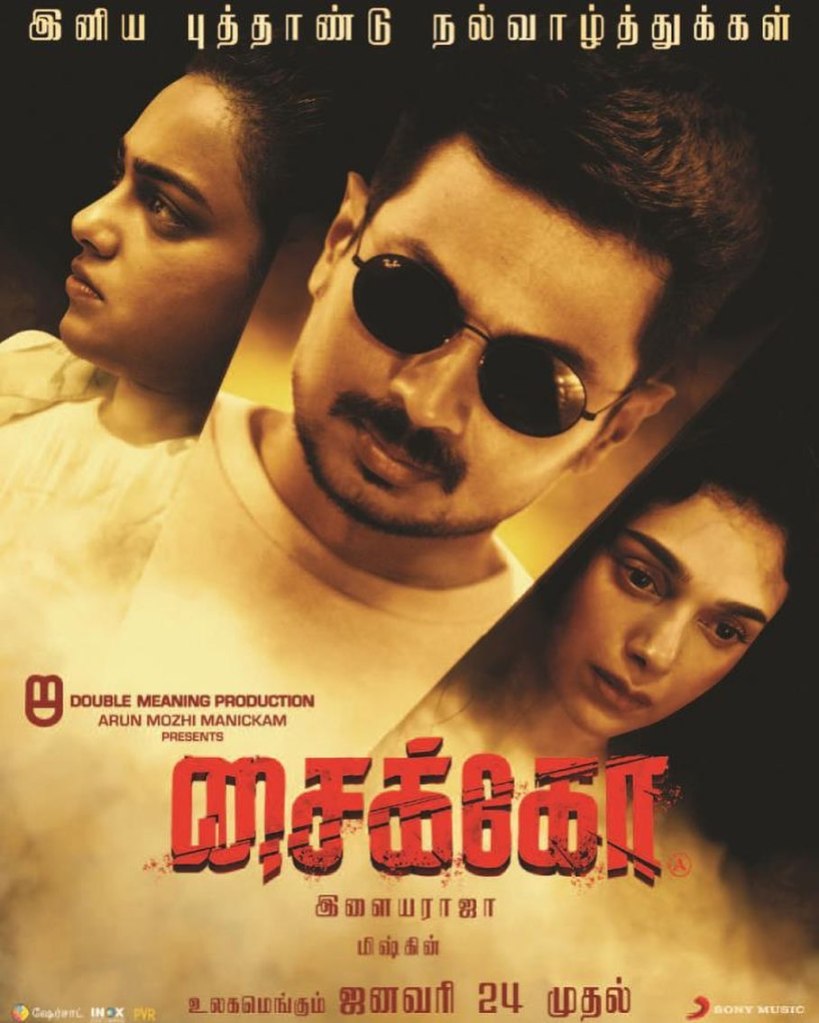
Psycho (2020)

There are certain things you expect from a Mysskin film, an obsession with feet, unusual camera angles and a cast of odd characters, and for the most part Psycho delivers, although parts of the story follow a familiar and more traditional route. Perhaps most shockingly the love story here follows the tired old trope of stalking = true love, but when Mysskin moves outside the basics into the realm of child abuse, Stockholm syndrome and psychosis, the film starts to take some intriguing turns where anything seems possible. Although not his best film, Psycho is bloody, challenging and intriguing on many levels, and seems set to become another deserved success for Mysskin.

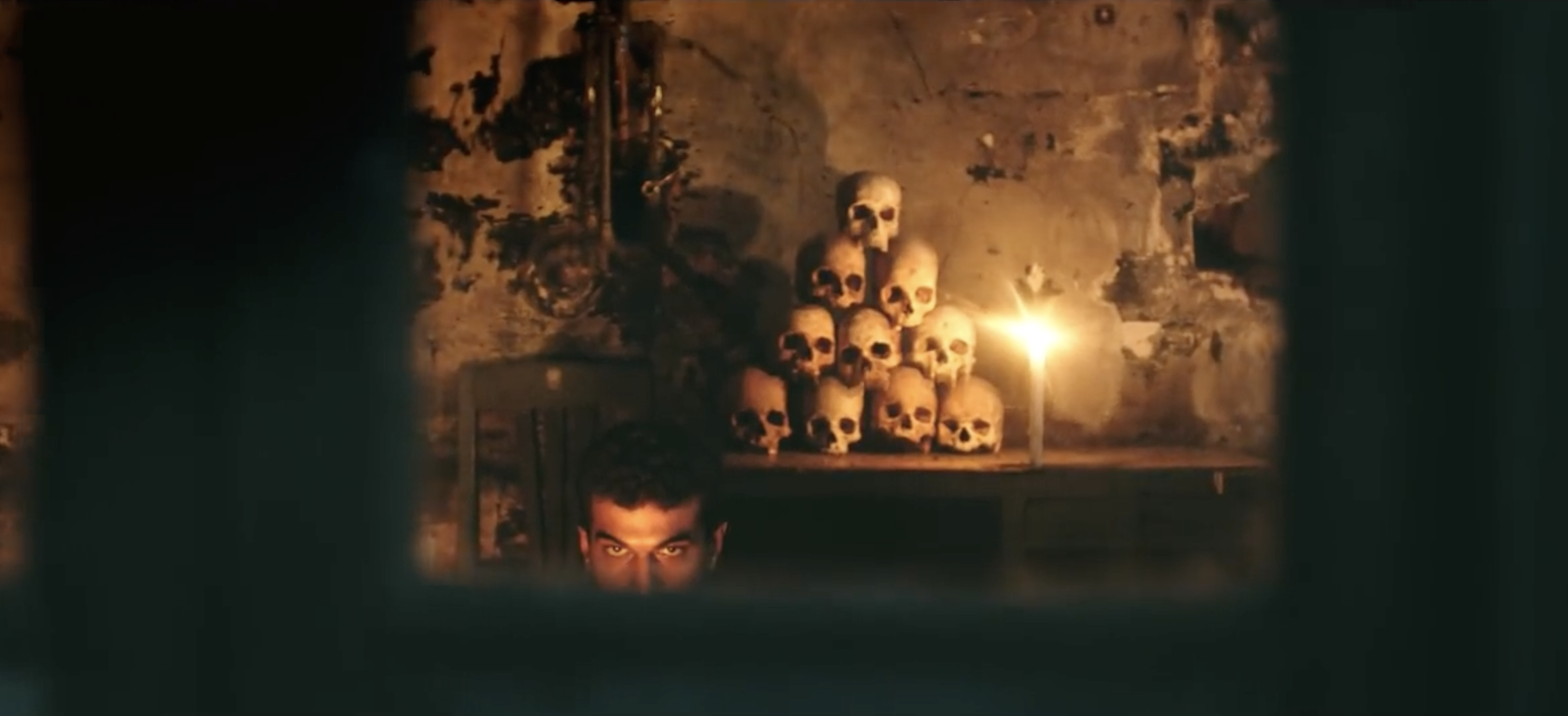
The title comes from the film’s protagonist, a psychopathic killer who brutally murders women before leaving their bodies prominently displayed to public view. The film starts with one such murder which is shown in gory detail as we watch the killer, Angulimala (Rajkumar Pitchumani), in action. The body, minus head, is dumped in a public location and the reaction shots are classic Mysskin, first a low shot of victim’s family as they approach and then switching to aerial shots to capture the distress and heartbreak. The murders have apparently been going on for a few years and the police are baffled without any obvious suspects or useful leads. The investigation is led by Muthu (Ram) who has a tendency to sing old Tamil songs at odd moments, but sadly we never find out why and his back story is never explored. The entire police operation is kept superficial and peripheral to the main story and although there are occasional mentions of forensic tests and interviews, these are all simply a background beat to the murders. 

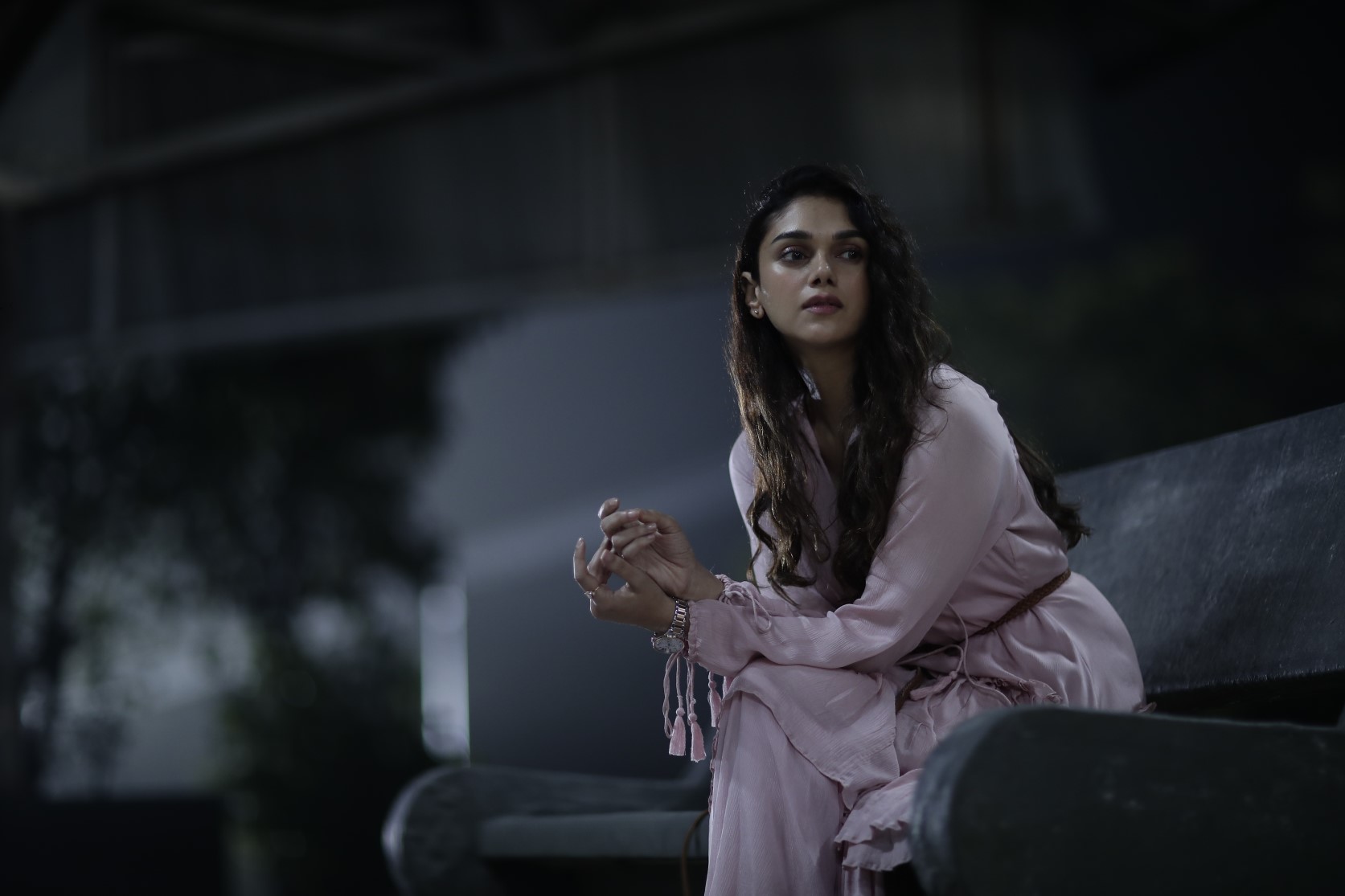
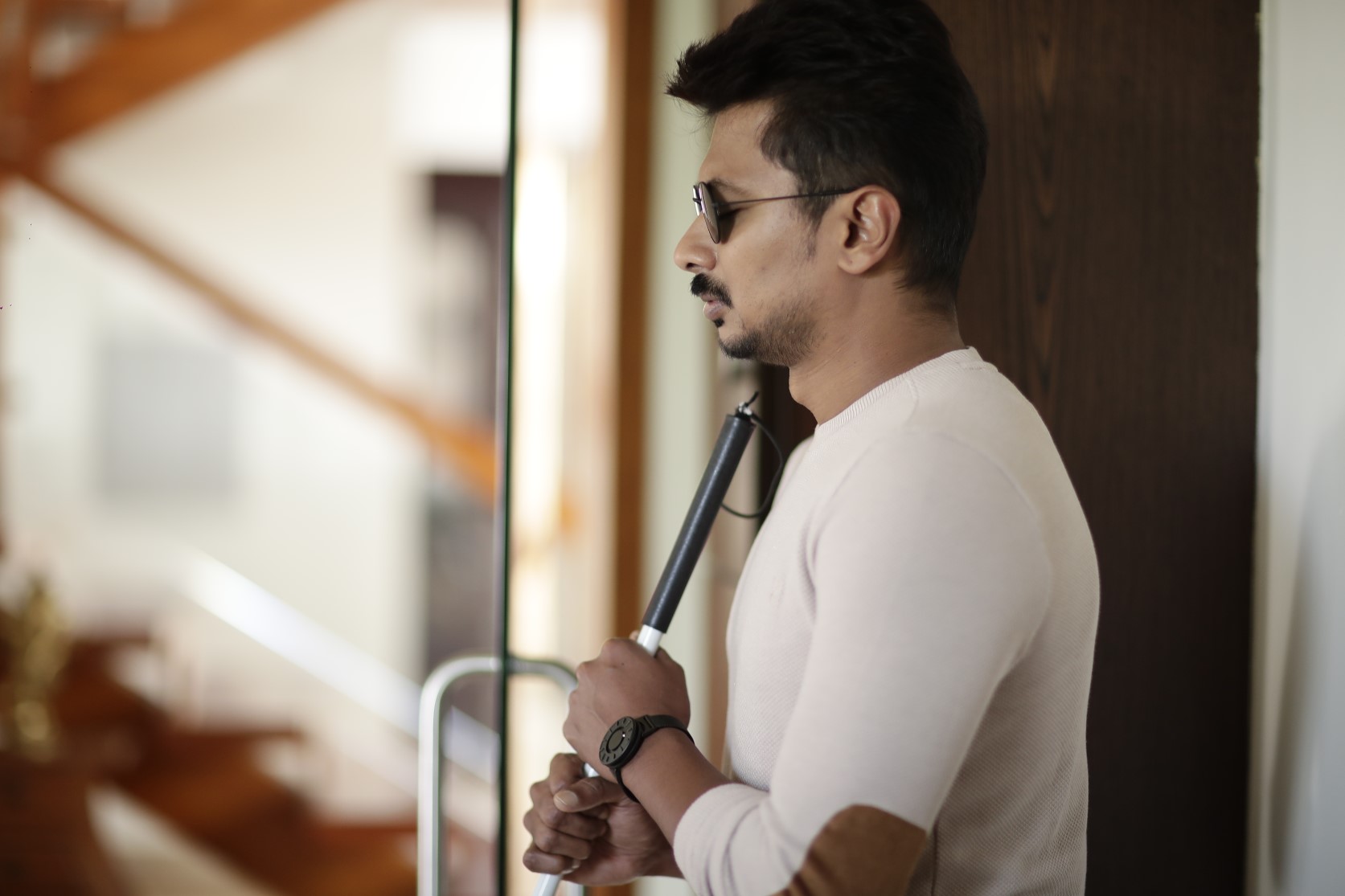
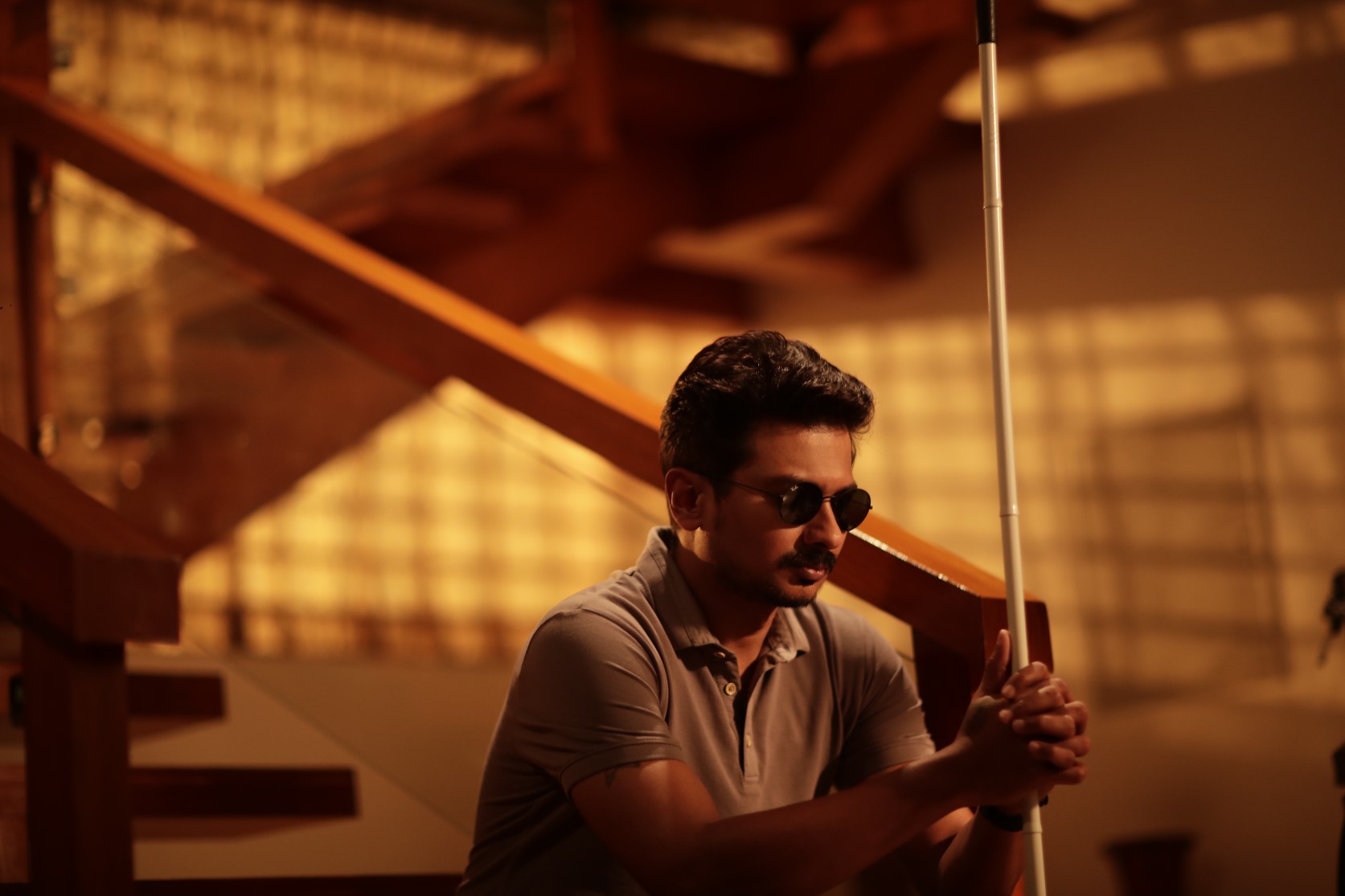
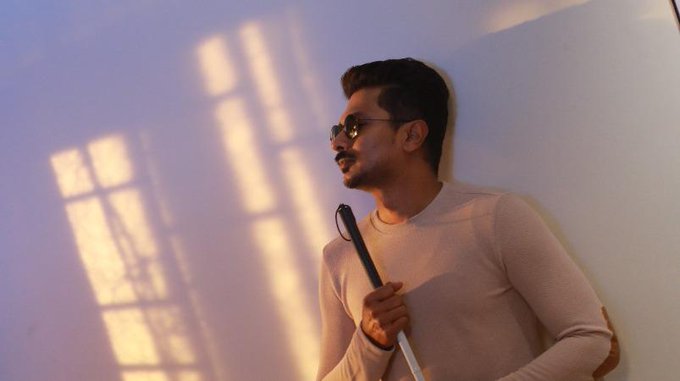
The focus of the film is RJ Dahini (Aditi Rao Hydari) who is the killer’s next victim. Possibly because she talked to a psychologist about psychopaths on her radio show, or maybe just because she fits the killer’s victim profile, being young and female. But Dahini is also being stalked by a blind musician, Gautham (Udhayanidhi Stalin) who turns up with his carer Rajanayakam (Singampuli) everywhere that Dahini goes. She is understandably frustrated and annoyed by Gautham’s inability to take no for an answer, but Mysskin follows this sadly over-used and out-dated trope right to the end, and gradually Dahini starts to rethink her opinion of Gautham. Just in time for her to be kidnapped by Angulimala. 

Dahini is sure that she will be rescued by Gautham and I’m not totally sure whether this conviction is because she has actually fallen in love with him, or just because his stalker tendencies mean he can find her anywhere. Rather improbably, Angulimala gives Gautham 7 days to find and rescue her, although it the break in routine doesn’t stop his need to kill.  Meanwhile Gautham recruits paraplegic ex-cop Kamala Das (Nithya Menen) to help him with the search. Kamala was paralysed after falling down some stairs during the search for the killer, and has her own darkness to overcome to be able to help Gautham through his. With Guatham’s enhanced senses and Kamala’s cop insights they soon get close to the killer, while Dahini’s captivity allows her to understand what drives Angulimala to kill over and over again.

Mysskin has based his film on the Buddhist story of Aṅgulimāla, and even names his psychopathic killer after him. However, this Angulimala has a rather more sordid backstory that ends up allowing Dahini to empathise with her captor. While bringing in the element of institutionalised child abuse and adding the concept of religious sin raises some interesting questions, Mysskin perhaps takes it a little too far here when he suggests that Angulimala is purely a victim of his circumstance and deserving of our sympathy. Perhaps he did have a rough upbringing, but he’s a stone-cold killer and there is more to the making of a murderer than purely nurture alone. On the other hand, Dahini’s apparent Stockholm syndrome does make sense and her reactions to Angulimala’s revelations are neatly written into the story. Aditi Rao Hydari is perfectly cast here and she does an excellent job as a victim and unwilling observer to Angulimala’s executions. She appears fragile and yielding, but is able to demonstrate the inner core of strength that allows her character to survive her ordeal. It’s a great performance and Aditi is compelling in the role. For the most part her reactions are that I would expect from any normal person in the same situation, and her character is well written to capture the different range of emotions. My favourite moment is when, after gaining a little more freedom of movement, she finds a bathroom and immediately makes use of the facilities – it seemed such a perfectly natural and human thing to do.

Udhayanidhi Stalin is fine as Gautham, but his determined devotion to Dahini isn’t convincing, partly due to the way the romance develops but mainly because there is little back story for the character. There is little opportunity for him to develop any real interaction with Dahini before she is taken by Angulimala, and her conviction that Gautham will come for her mainly seems to be driven by his stalker tendencies rather than the true love he insists he feels for her. Udhayanidhi is better in the scenes where he is persuading Kamala to help, or pleading with Muthu to let him be involved in the police investigation, where we can see the reasoning behind his actions even if the motivation is less believable. Probably the most convincing character of the investigating team is Kamala and Nithya Menen is excellent here, ensuring that she gets the mix of bitterness and self-interest mixed with compassion just right. I love her snarky responses and ability to add a lighter touch to what is otherwise a rather heavily emotional thriller. No matter the situation, she can be counted on for a sarcastic quip or bitter diatribe about her situation. I felt that in the midst of all the bizarre happenings and total craziness of Guatham’s investigation, Kamala acted quite rationally for her character and this helped ground the film whenever Mysskin was in danger of being carried away by theatricality.

Another major plus in the film is the wonderful music from Ilaiyaraaja. The melodies are beautiful and haunting, while the background score is atmospheric and fits the film perfectly. Kudos to Sharan Rajan for translating the songs as songs (instead of literal word for word translations) and making the lyrics scan beautifully. Well done too, to the producers for making the subs yellow and for crediting both the subtitler and Subemy, something which unfortunately very few seem to do.

Tanvir Mir does a fantastic job with the cinematography, heightening tension with clever use of lighting in the scenes with Angulimala and contrasting this with the bright sunlit spaces where the bodies are found. I love a sequence where Gautham is driving (yes, really) and the car is a ribbon of light moving across the otherwise black screen. Even an overly theatrical scene where Dahini finds out more about Angulimala’s past is held together by the immaculate staging and imaginative use of light and shadow. There is so much attention to detail here in the set design and every single piece seems to be symbolic in some way. Gautham sits at home underneath a wall sculpture of a spreading tree, the religious imagery is continued by having a hacker listing to Madonna’s Frozen and the turning blades of windmills after watching the killer expertly wield his own knives.

I have to say that Psycho isn’t my favourite film from Mysskin. There are a number of unresolved issues such as how the killer chooses his victims and why he displays them in the manner he does. Also, there are a number of leaps of faith required to believe that Gautham really would be able to track Dahini in the few days he has available, and at the core, I don’t feel that the attempt to pass Angulimala as a damaged child really works. But if you are prepared to put these small issues aside and just enjoy the sheer spectacle, the characterisations and the performances as well as the wonderful music, then Psycho is definitely one for fans of the thriller/slasher genre. For the rest, be warned that it is significantly gory, right from the very first scene which may not be to everyone’s tastes. For the audience in Melbourne, who gave the film a resounding round of applause at the end, it most definitely was.