Nandanam

Nandanam

Nandhanam is based on the King Cophetua and Penelophon story and while it’s a fairly typical tale of a rich(ish) young man falling in love with the family maid and the various dramas that ensue, there are enough novel moments to make it more involving than it first sounds. The story is simply told, the characterisations are beautifully drawn and the actors all play their parts with ease. This was Prithviraj’s debut Malayalam film and he’s ably supported by some stalwarts of the industry along with a brilliant Navya Nair as Balamani. In fact it’s her performance that really lifts this film above average and it’s worth a watch just to see her character deal with the various obstacles in her path to true love.

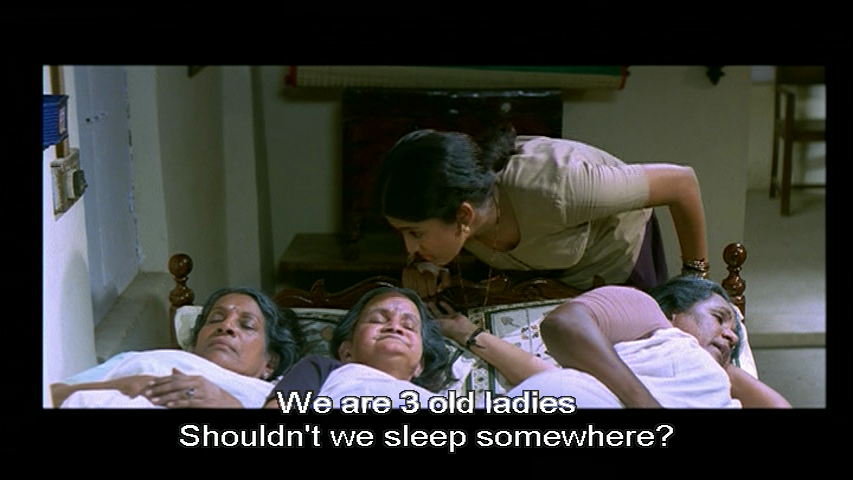
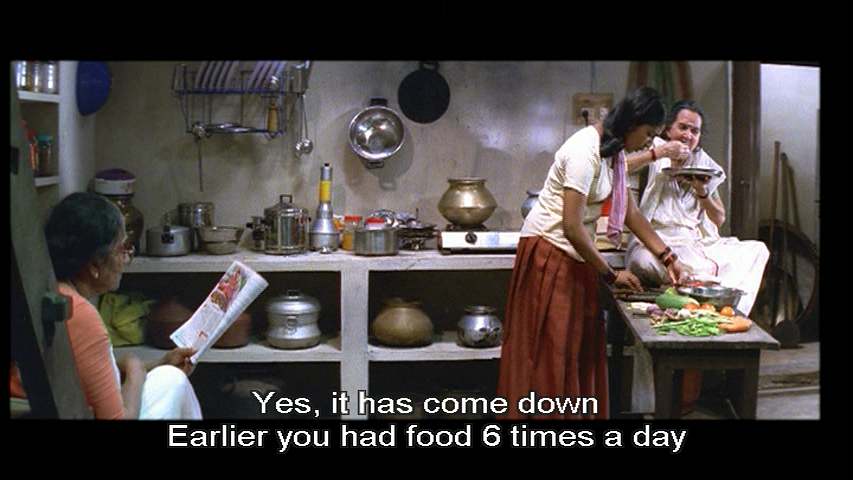
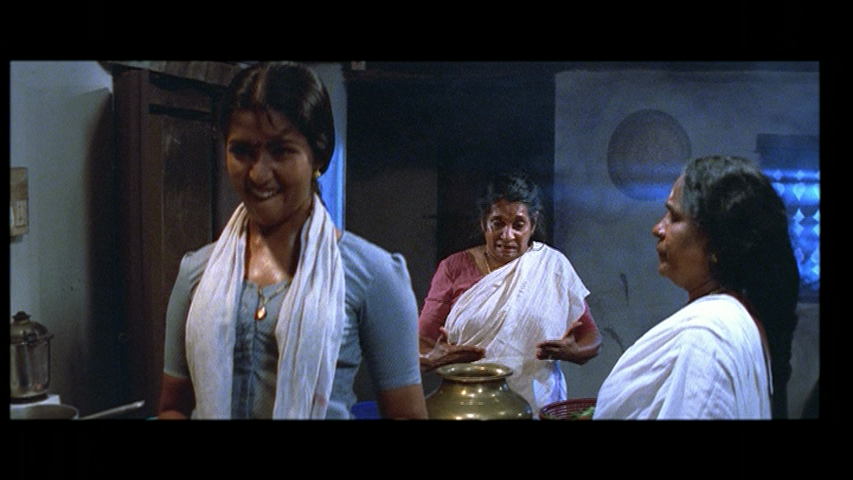
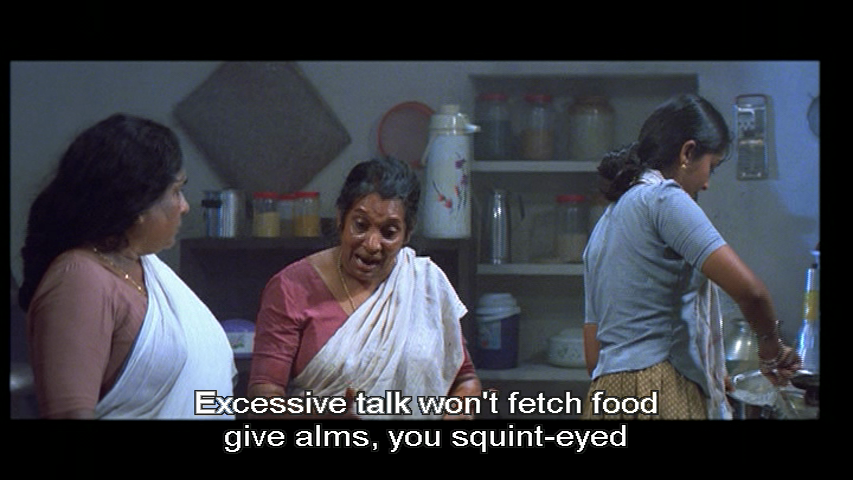
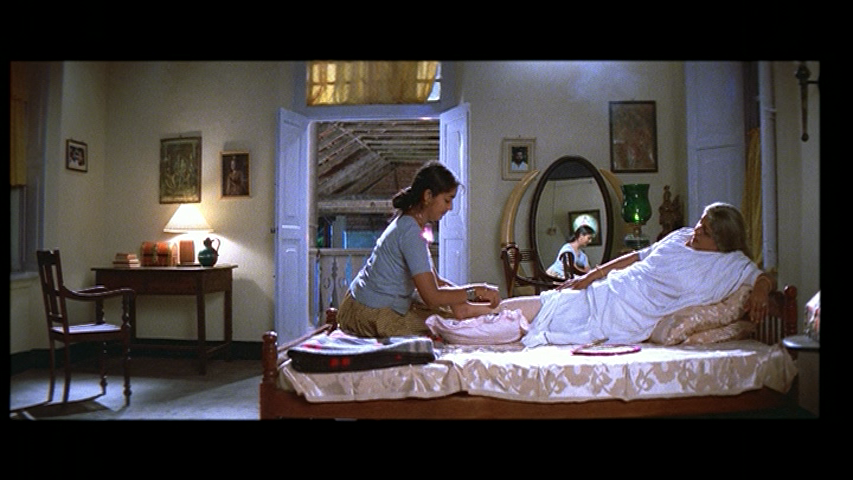
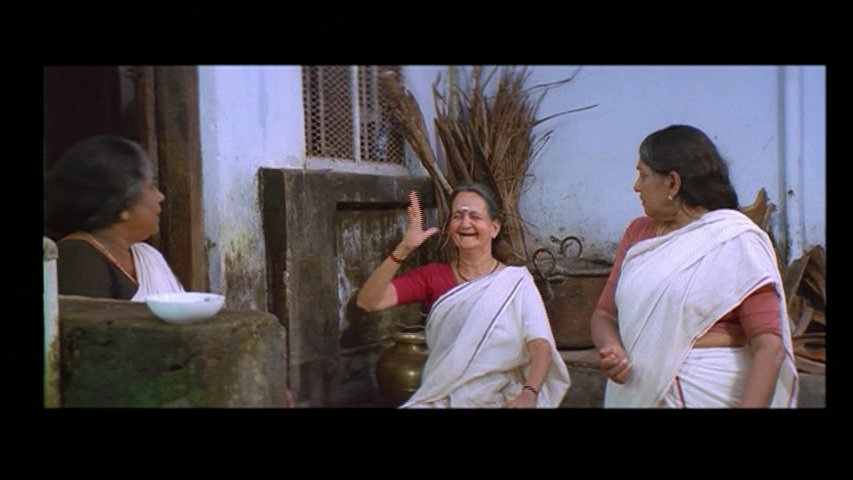
Balamani is a young orphan working as a cook and general helper to Unniamma (Kaviyoor Ponnamma) who has been incapacitated with a leg injury. Balamani is a devoted follower of Lord Krishna and her biggest problem is that since she started working for Unniamma she has been too busy to go to the local temple. It’s a recurring theme which becomes more and more important as the story progresses. She is kept hopping from the early hours of the morning by three older women who were brought to the house by Unniamma’s friend Kesavan Nair (Innocent) to act as servants but all three prefer to be waited on hand and foot by Balamani. The interactions between the three servants and Balamani are funny and cleverly scripted as Balamani looks after them and somehow fulfils all their ceaseless demands, but simultaneously pulls faces behind their backs and berates them as lazy to their faces.
NandanamNandanamNandanamNandanam

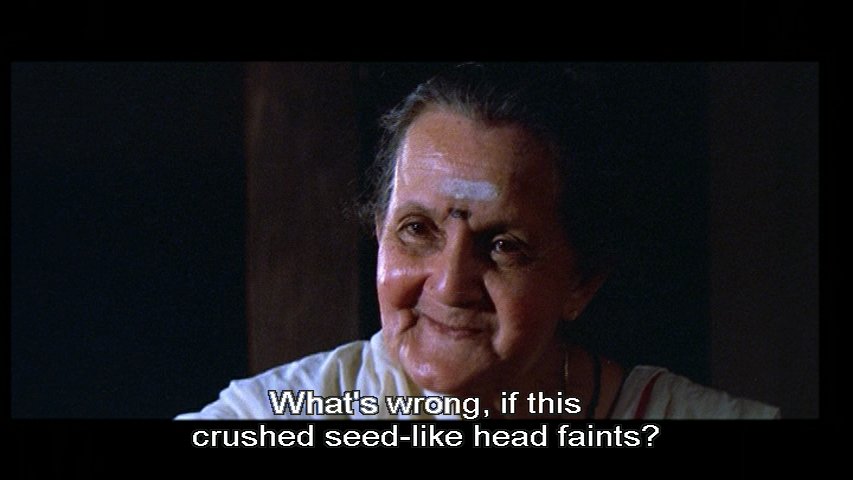
Balamani seems to have endless patience despite her grumbles and she is genuinely kind-hearted and caring in her dealings with Unniamma, and even with the other three servants. They bicker and complain continuously to each other about each other, although they never seem to either take any offence or mean any of it seriously. I love these three and they have some of the best lines in the film – although that might just be the English translations!
NandanamNandanam

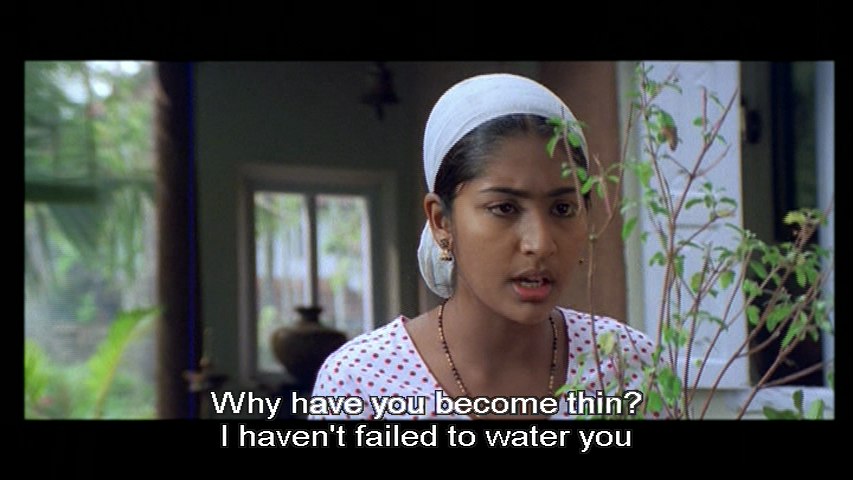
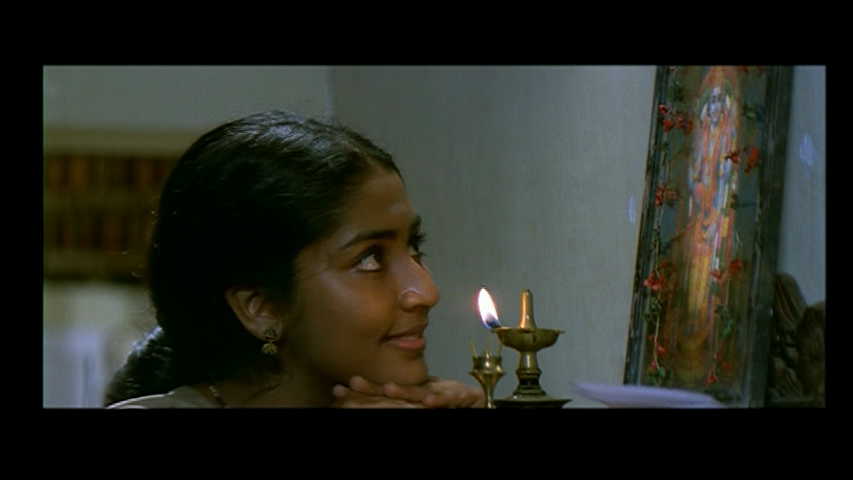
One of the best parts of the film for me is the way Balamani talks to herself and also to the picture of Lord Krishna she keeps in her room. In fact she talks to the animals she looks after, the plants she waters in the garden and anything else that seems to catch her eye. I can totally relate to this aspect of her personality and it made her a more human and sympathetic character. Her main confident in these discussions is Lord Krishna and she complains to him about not being able to go to his temple and about the amount of work she has to do, although none of it is with any rancour.

NandanamNandanamNandanamNandanam

Added in to the story are the next door neighbour Janaki (Kalaranjini) who is a friend of Unniamma’s daughter and is waiting for her son to come home on a visit. Janaki is another confidante and she tries to minimise her exploitation by the three older servants.

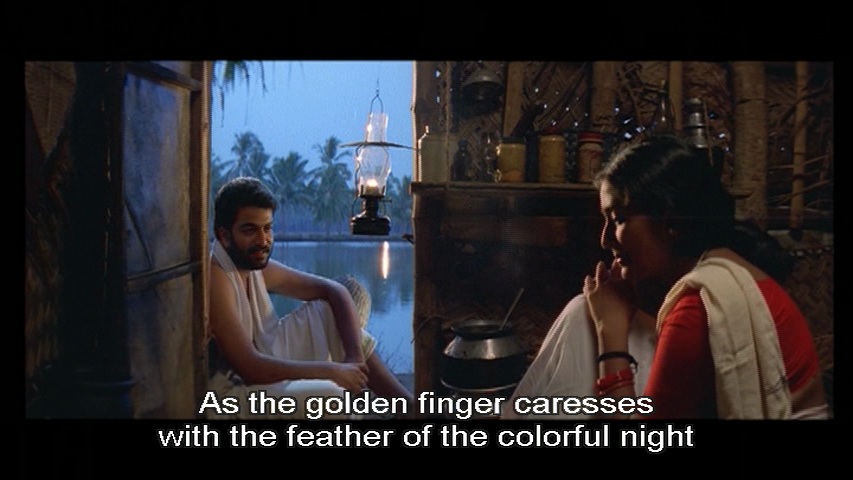
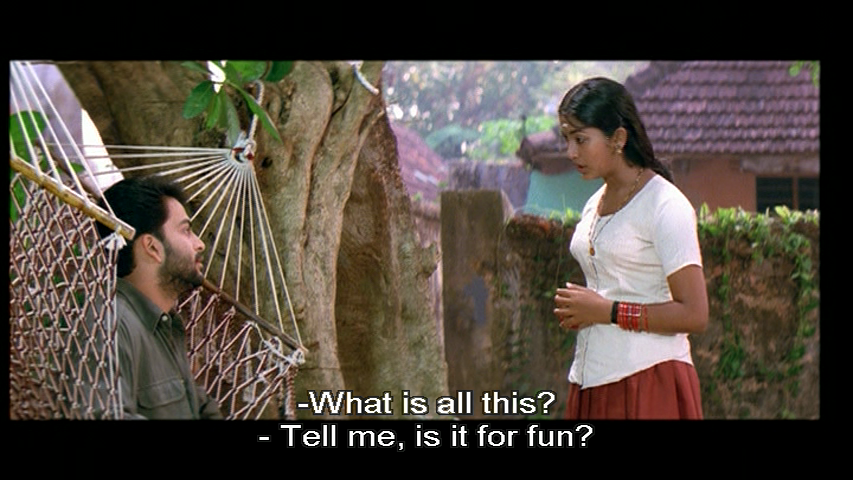
Things change when Unniamma’s grandson Mano (Prithviraj) arrives for a short stay before he leaves for work in the USA. He starts to flirt with the vivacious Balamani but before long it turns into something more serious and the two fall in love. But it’s not a straight forward filmi romance and the dialogue helps keep it realistic. Balamani asks Mano if he is really serious or if this is just a brief fling to keep him amused before he leaves the country. Mano in turn seems to be quite sincere when he answers that it started out that way, but has become something more serious. Balamani is also aware of her lowly status in comparison to Mano and is wary of the relationship, although she is obviously flattered and very much in love with Mano. Prithviraj seems subdued as Mano, compared to other roles I have seen, but it suits his character and he combines an air of experience with just enough of the mama’s boy to make Mano a believable character. Mano does seem to be a bit of a wimp and most of the problems Balamani faces are due to his lack of gumption and resolve.

NandanamNandanamNandanamNandanam

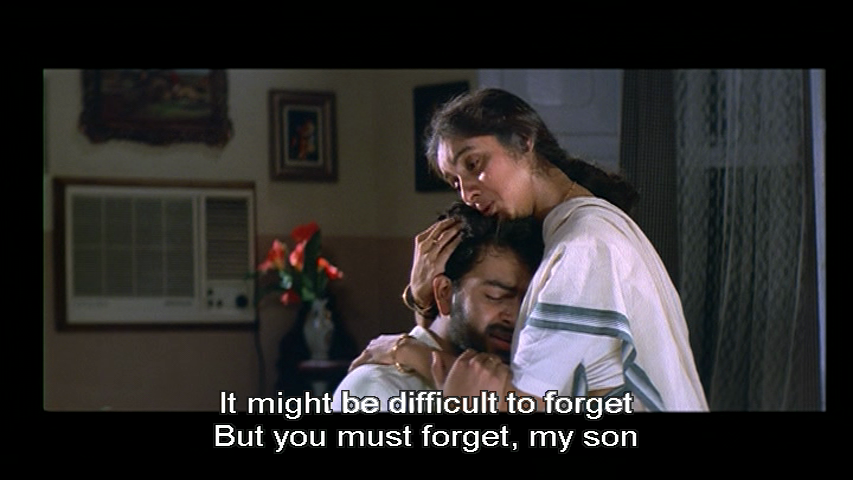
Just when things seem to be going so well, Mano’s mother (Revathy) turns up and decides to arrange his marriage before he leaves for America. Pesky details such as visas are never discussed and it seems to be no trouble to organise a wedding in just a few weeks, so obviously here is where we start to depart from real life! Thankam doesn’t discuss her plans with Mano, while Mano is slow to approach his mother about his plans to marry Balamani, with the end result that he is betrothed to the daughter of one of Thankam’s friends before he can make his wishes known. Thankam is a widow who defied her family to go to work and bring up her son alone, so she’s definitely not a soft touch and has no hesitation in telling Mano that the match will go ahead no matter what he wants.

NandanamNandanam

However Thankam is also distressed to have caused her son such unhappiness, particularly since she likes Balamani, but it’s not enough for her to upset the arrangement she has made. The family dynamics are further explored when all the relatives arrive for the engagement and wedding with many complaints about the precipitous nature of the affair. Writer/director Renjith emphasizes the solitary state of the groom compared to all the family hustle and bustle with the wedding preparations and the frantic work being carried out by the servants, including Balamani.

Meanwhile Janaki’s son has arrived – or has he? Balamani meets the person she thinks is Unnikrishnan (Aravind Akash) and is soon on very friendly terms; even confiding her innermost thoughts to him while he appears to already know her hopes and dreams. I was a bit sceptical of Aravind as Guruvayurappan at first but he did seem to embody the mischievousness nature of Krishna with a singular lack of concern about the consequences of his actions. Plus he can dance!

The addition of the divine into the narrative is cleverly done and never seems out of place, despite the generally modern feel of the rest of the story. However there is a terrible comedy side plot which is somewhat related to the main story involving Jagathis Sreekumar as a duplicitous priest. It’s never funny and most of Jagathis antics could have been left out without causing any disruption of the plot, so his inclusion does seem to be more a ‘film-making by the numbers’ rather than for any real addition to the storyline.

NandanamNandanam

Navya was perfect as Balamani and I loved her characterisation. There was enough back story to ensure that her actions reflected her personality and her mannerisms suited her youthful and innocent persona. Although the romance between Balamani and Mano doesn’t generate much heat, it is rather sweet and works in the context of their different status and the way the love story develops. There is rather more chemistry when Balamani meets Guruvayurappan, although the relationship is more one of two old friends who are comfortable with each other rather than anything romantic. Ranjith ensures that the interactions between the different characters are believable and illustrate perfectly both their personalities and their places within the hierarchy of the household. These help the film keep a sense of realism even with the addition of Lord Krishna into the mix and the rather fairy tale nature of the story
The music by Raveendran is beautiful, and of course it’s a Malayalam film so it looks stunning with wonderful cinematography by Azhagappan. Worth watching for a new take on an old story, fantastic performances, great dialogue and a scintillating performance from Navya Nair. 4 stars.

Nandanam

Apoorva Ragam

I must have read about Apoorva Ragam before I bought the DVD but I’d no idea about the story when I finally sat down to watch it. And that’s definitely the way to approach this film.  It relies on unexpected twists to deliver a rather different take on college romance and knowing too much about the story beforehand would take away much of its appeal. It’s genuinely surprising and has a heroine who’s prepared to fight back which is always a plus, but there is a little too much sentimentality for me, especially in the final scenes. It’s still an enjoyable film though, and I loved the myriad twists and turns which made the second half of the film much better than the first.

Apologies for the rather blurry screencaps – the DVD plays much better in a DVD player than on my laptop!

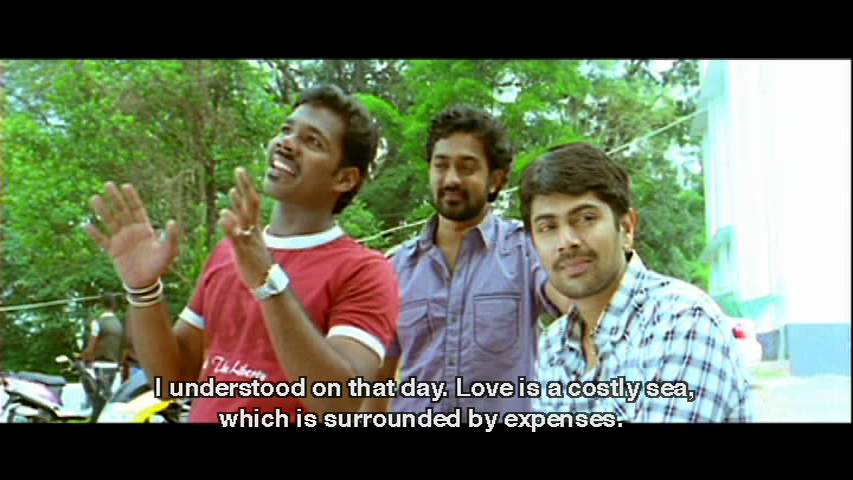
Apoorva Ragam starts just like every other Indian college-based film with a group of guys discussing how to get their friend Roopesh (Nishan) hooked up with the pretty and popular Nancy.  Nancy (Nithya Menon) is bubbly and confident unlike the rather shy and quiet Roopesh but after some plotting by his mates Tommy (Asif Ali) and Feroz (Abhishek Raveendran), Roopesh gets admitted into Nancy’s circle of friends.

A little more contriving and Roopesh finally declares his love to Nancy which unsurprisingly she reciprocates in full.  One inane college song later and the two appear to be a happy couple without a care in the world – so far so very predictable.

Except that there is a cloud on the horizon as a guy on a motorbike turns up looking for Tommy and Roopesh, and he doesn’t look as if he out to give them career advice either.

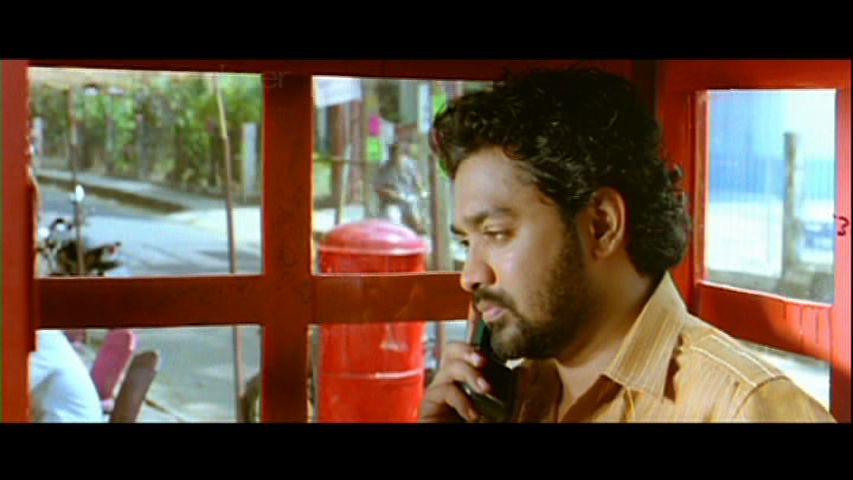
In another hint that not all may be as it seems, Tommy calls Nancy’s rich father to tell him that his daughter is in a relationship with some loser guy at college.  Although he trusts his daughter and doesn’t put much faith in the anonymous phone call, Melipaire reacts by setting up Nancy’s marriage to his business partner’s son.  In despair Nancy turns to her friends for their advice and after a little more drama Tommy and Narayanan (Vinay Forrt) suggest that Nancy and Roopesh get married and present her father with a fait accompli.  Nancy doesn’t seem too keen on the idea, but like all good movie heroines, she does what the hero expects her to do and in no time at all the wedding goes ahead.

So far, the film is following an entirely predictable path and not even a particularly impressive one at that. But then Melipaire confronts Roopesh and just when I was expecting the big speech full of undying love and unswerving loyalty, the tables turn completely and the film takes off in a totally different and much more interesting direction.

From here on there is twist after twist and the pace of the film picks up considerably.  There are some very clever ideas and some more bizarre moments – like when Roopesh ends up on the runway as a male model! The three guys, Roopesh, Tommy and Narayanan, all interact well and keep the action snappy and focused for the most part.  There are only two songs and this is the better of the two since it features some excellent uncle dancing from the boys as they bond on a road trip.

But while the story becomes interesting there are almost too many plot twists so that by the time it gets to the final climax scene it’s hard to be surprised by anything.  The constant shock revelations make it hard to connect to the characters and in addition the three leads are more caricatures rather than the well-developed individual personalities the earlier scenes seemed to promise.  There is also no back story to explain why Roopesh, Tommy and Narayanan ended up together and became involved in the elaborate schemes which develop.  Santhosh Jogi’s brief appearance as Sethu, the guy chasing after Tommy and Roopesh, is also confusing as it’s never clear exactly how he knew them or how he knew about their plans.  He seems to be used more to showcase the ruthlessness of the three and their tight camaraderie rather than as a way to further develop their story.

Nithya Menon is excellent as Nancy and is particularly good when she asserts her decisive personality.  She makes the most of her role and apart from a little over acting at the end, delivers the best performance in the film. I always like it when a heroine does the sensible thing and runs when faced with a bad situation and Nancy passes the test with flying colours.  In comparison, Nishan is rather wooden as Roopesh and after his first brilliant scene with Melipaire, he seems to rely on just two facial expressions which both make him look as if he has eaten something disagreeable.  Asif Ali is much better as Tommy but once the action moves away from the college campus he is pretty much sidelined while Vinay Forrt has even less to do as Narayanan.  Nancy’s father also seems to be a bit of a wimpy push-over and his over sentimental speeches with his daughter don’t really fit with the rest of the film.

This is the only film I’ve seen by Sibi Malayil although I have more of his films in the pile to watch.  I’ve read that this was a departure from his normal style of film-making which makes me wonder if the under-development of the characters was more of a deliberate experiment and an attempt to create a more edgy atmosphere.  It doesn’t quite work whatever the reason as there isn’t enough meat in the story to allow for the lack depth in the three guys. I still enjoyed watching Apoorva Ragam but it’s not a film that bears up well to a second viewing since once you know what is going to happen the flaws in the characterisations are very apparent.  As a one-time entertainer though it works well, and it does deliver as advertised – “an unusual story about love and…” 3 ½ stars.

Big B

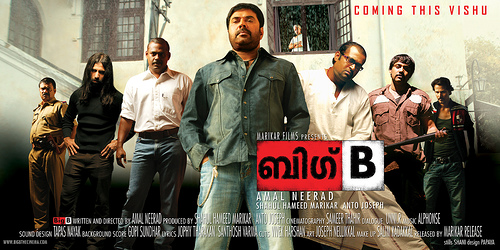
In term of its story development, production and editing Big B seems more like a Hollywood film than a typical Southern Indian action film, so I wasn’t really too surprised to learn later that it was based on a US film called Four Brothers. However there is plenty of local flavour and like all Malayalam films I’ve seen the cinematography is first class with great scenic shots, despite the film being primarily an action thriller. I haven’t seen the American film but after watching Big B I really can’t imagine anyone else but Mammootty in the lead role. Although the other characters are almost all well cast and give good performances, it’s Mammootty who makes an impact as the rather dour and resolute Big B of the title, and it’s his film the whole way through.

The film opens with the murder of Mary John Kurisingal (Nafisa Ali), more commonly known as Mary Teacher, or just Teacher. She’s well known in Kochi for her social work which mainly involves looking after orphans, and over the years has adopted 4 of them.  The opening scenes of Mary as she goes about her daily life helping the poor are very powerful and director Amal Neered succeeds in painting a detailed picture of a compassionate woman in just a few moments. And despite her lack of physical presence, Mary appears throughout the film in lots of small gestures and in body language as her adopted children mourn her loss when they notice the empty place at the table or are reminded of her as they move through her house.

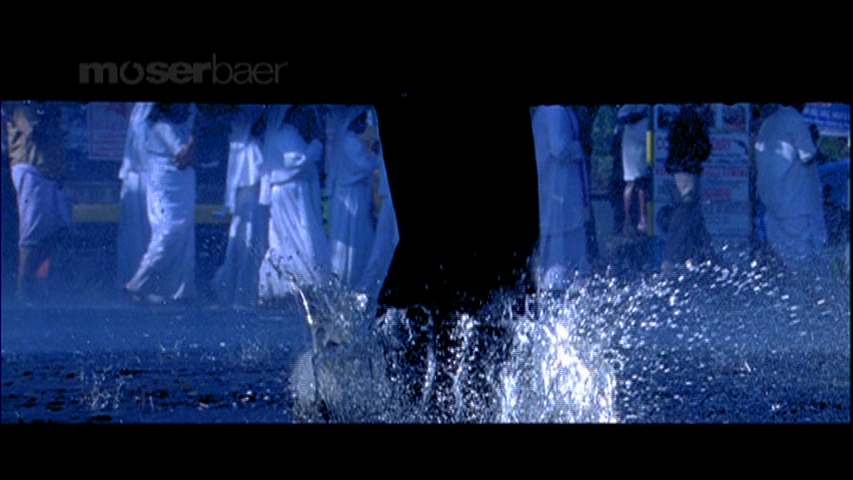
We are introduced to the four brothers through the eyes of SI George (Vijayaraghavan) as he explains to ACP Balaji (Pasupathy) who’s who in the funeral procession and it’s an efficient way of letting us know a little about the characters.  While second eldest brother Eddy (Manoj K. Jayan) has been living in the area with his wife and daughters, working in a tourist restaurant and generally helping his mother, the youngest brother, Bijo (Sumit Naval), is a student in Coimbatore and Murugan (Bala) is a stunt director in the film industry. However the eldest brother Bilal (Mammootty) was banished by Mary Teacher after he killed a man in a street brawl and his entrance into the film is dramatic as befits a character with such a dark past. Bilal’s feet appear first as he gets out of his car into the rain-drenched streets and slowly walks across to join the funeral cortege. It is very OTT but effectively establishes Bilal as a force to be reckoned with.

After the funeral the brothers get together to try to discover exactly who killed Mary Teacher and why. They have no faith in the police investigation believing that corruption in the force and general apathy will lead to a cover-up. There are various other subplots including a couple of romances, but the focus of the film is firmly on the search for Mary’s killers. When Bilal left Kochi he had quite a reputation and he certainly hasn’t mellowed in the intervening years.

Bilal is the driving force behind the investigation and seems to use his search as a way to atone for his previous crime which forced Mary to close her door to him. While Bilal gives Mammootty the opportunity to be menacing, cold and vicious there is a more compassionate side to his character and there are glimpses of this in the way he deals with his brothers. The relationships between the four forms the secondary focus of the film and their differences in background, religion and opinion all disappear when they have a common enemy. Their camaraderie is well depicted and although I’m not very familiar with the actors here, they do all appear to be well suited to their roles.

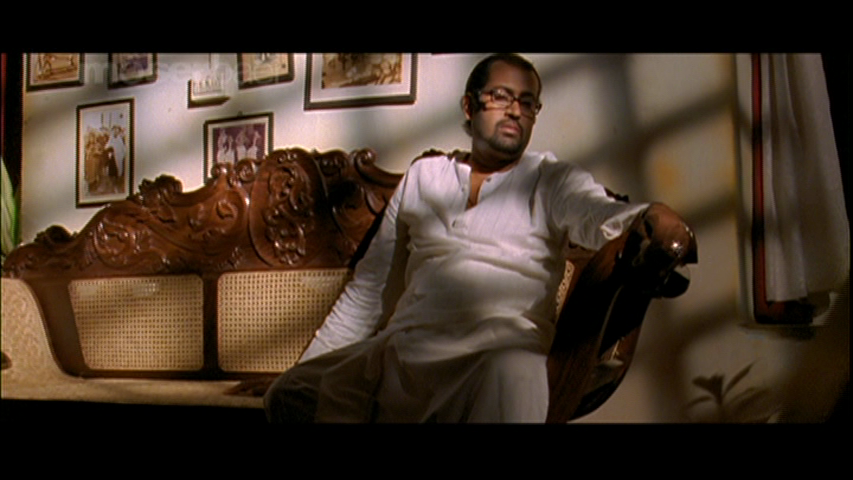
Manoj K. Jayan is excellent as Eddy and gets it right as the hard-working family man who is more concerned with protecting his wife and children than cornering his mother’s killers. This reluctance to get involved in the investigation ends up making the others suspicious and the scene where the three brothers interrogate Eddy is very well scripted and filmed. I love the way Eddy is framed in the shot here, with a background showing family pictures and his brothers glaring down at him. The cinematography is excellent and the script is fast paced and seems well suited to the action although sometimes the subtitles do seem strange – perhaps this refers to measured speech??!

Not everything works though. The romance between playboy Murugan and Rimy (Mamta Mohandas) is generally well depicted and Murugan’s affection does seem to solidify into something more permanent, but there is a rather oddly placed song featuring the two frolicking around on a beach. It seems as if the director felt a ‘romantic’ song was needed to tick all the boxes for an Indian film, so in it went without any real thought as to how well it fitted with the story – which in my opinion is not at all. However it’s a good song that just needed to be in a different film. I do like Rimy’s character though, as she knows exactly what she wants and goes out to get it. Innocent appears in a brief role as Rimy’s father providing some comedy relief which isn’t particularly funny, but isn’t too annoying or intrusive either.

There is also an item song at the villain’s rather swish lair, which again seems to be rather oddly pictured with lots of tourists roped in to dance around and provide a party atmosphere. Again it doesn’t really work for me as it doesn’t quite give the debauched tone that I think it was trying to convey (and it’s also a remix of a Shakira hit).

The other disappointment is the villain of the story. Tony (Sherveer Vahil) is a horribly hairy man with a disconcerting habit of rolling his tongue which does make him sound appropriately villainous. But he’s too much of a caricature with his depraved and immoral parties, drug taking and enjoyment in beating up his minions as a bizarre form of training. He seems too unbalanced and quite frankly too psychotic to be able to lead a gang competently, let alone organise the killing of Mary Teacher. His co-conspirators are better and are more menacing and believable as bad guys, with the much appreciated added benefit of not removing their shirts unnecessarily. I warn you – Tony has no such scruples.

Big B is a relatively violent film but it’s all integral to the plot and the fight scenes are excellently choreographed by Anal Arasu. The casual brutality that Bilal displays is as much a part of his character as his ability to reason through the connections to find his mother’s killer. Bilal’s links to the various figures in the underworld and his fearsome reputation are also essential elements to determining exactly who was involved in the murder. But each of the brothers has their part to play in the investigation and the final showdown has a good mixture of suspense and action.  The background music by Gopi Sundar seems to fit the film better than the songs by Alphons Joseph although the ‘Yo Big B’ theme music and the beautiful Vida Parayukayano are excellent. The clip below does feature Bilal’s attack on a street thug so skip from 2 min 45 to 3 min 15 if you don’t like violence but the song is lovely and beautifully sung by Shreya Ghosal.

Apart from horribly hairy Tony the support cast are all good and overall it’s a slick and well-made film that looks fantastic. Amal Neered started in the industry as a cinematographer and early in his career worked with Ram Gopal Varma which seems to have been an influence on his directing style. He makes very good use of cinematographer Sameer Thahir’s camera work and as ever Kerala looks amazing – even in the rain.  I’m a Mammootty fan and have enjoyed all of his films I’ve seen so far, but I love him in this film as he gets everything right – he’s cold and ruthless when he needs to be but there is still plenty of emotion raging away underneath. Big B is well worth a watch for his performance and for a film that is a little bit different in its approach. 4 stars

Temple says:

I’m not sure what Heather means by saying this film is more Hollywood in style. To me it bears many  hallmarks of South Indian cinema – beautiful visuals, a sense of place/locality (in Kochi), a story heavily centred on the male star, flashy editing and sound effects, an emphasis on family loyalty, songs whether the film needs them or not,  a flexible attitude to the law, and a long lead up to a crunching finale.

It all sounds good on paper. But despite Mammootty delivering a compelling performance, there just isn’t enough to keep my interest throughout. I kept picturing the production team watching the rushes, congratulating themselves on bagging a brilliant actor and then one day asking each other that awkward question ‘Did YOU remember to write the rest of the story?’. The opening is brilliant and builds up the suspense and sense of loss very economically. But then the film wallows in repetitive scenes of the brothers’ unhappy reunion, and it starts to feel laboured. There isn’t enough conflict, character or relationship development to consistently keep my interest over the first hour. It’s all quite predictable, and while the actors are competent, I never cared much for the characters apart from Mary and Bilal. It is too easy to work out whodunit and who is marked for death so there is little suspense. Once things do ramp up in the quest for revenge, the story becomes more engaging but then goes off the rails again. As Heather said, Tony is a caricature. The opportunity for a real menace was lost so Bilal is the only convincingly scary bad guy in the final confrontation.

The songs were badly placed and poorly picturised, serving only to pad out the running time. The background score is probably OK if you like florid strings and angelic choirs but I found it intrusive and it detracted from the acting. Visually, there are far too many instances of the freeze frame, fast edits, quirky camera angles and accompanying sound effects when they aren’t really warranted. I felt that they were trying to inject some excitement into the draggy scenes by using effects. But what they needed was a bit more work on the story and structure.

See it for the excellent characterisation by Mammootty and the beautifully filmed scenery and interiors. 3 stars.