ABCD (Any Body Can Dance)

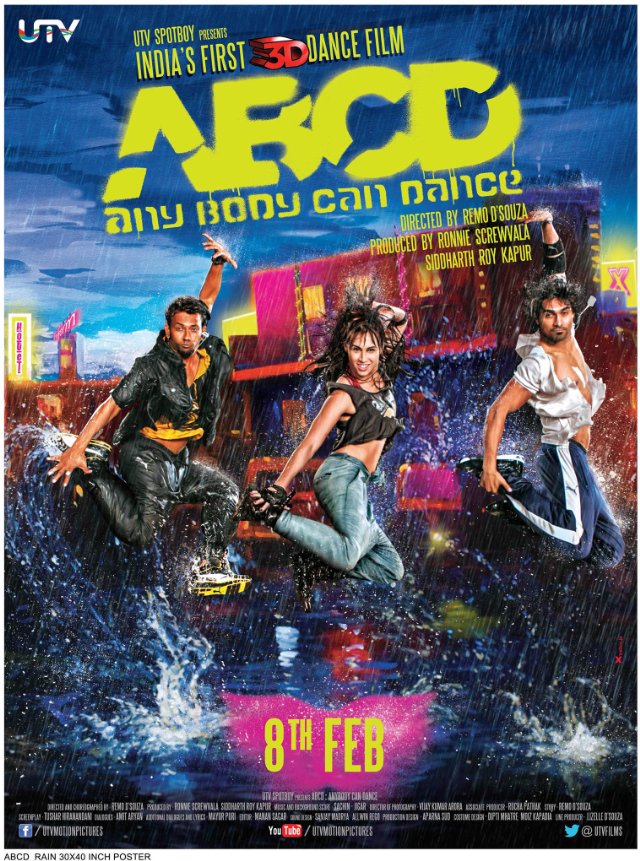
ABCD

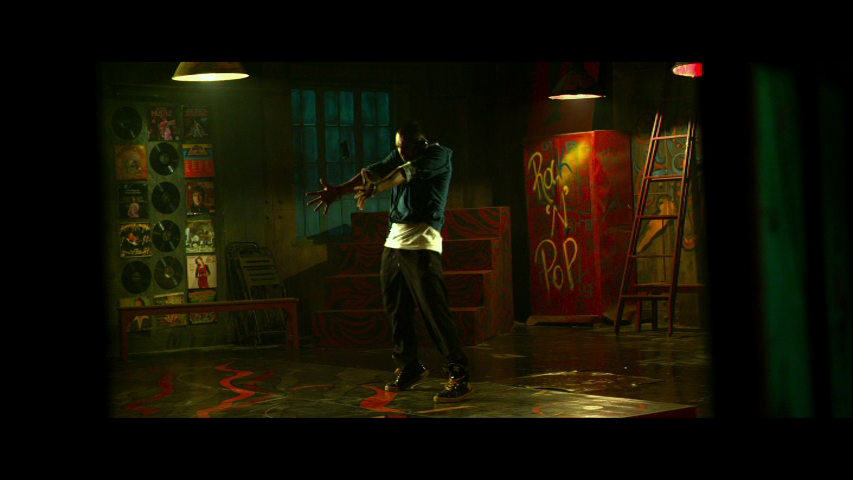
I love this film!  I don’t care that it has a clichéd storyline and watching it feels a little like sitting through a marathon session of Fame episodes. I don’t care that for most of the cast acting is at the amateur end of the scale, while Kay Kay Menon and Ganesh Acharya take scenery chewing to an entirely new level.  ABCD is a movie about dance that really is all about dance. There are actual dancers for a start – people who can genuinely move and they get plenty of opportunity to showcase their skills. Plus Prabhu Deva – I don’t need anything more.

The story is one that occurs regularly in dance-based films.  Rich privileged kids versus the poor underdogs, so no prizes for guessing the final outcome. But Tushar Hiranandani’s screenplay adds in some back story for a few of the dancers featuring romance, drug addiction, parental oppression and a few other issues besides which helps make a connection with the young unknown cast. Although I say unknown, most of the dancers have competed in India’s dance competitions such as Dance India Dance, so I’m sure they are all well known within their home country, but they aren’t household names in Australia.

ABCDABCDABCDABCD


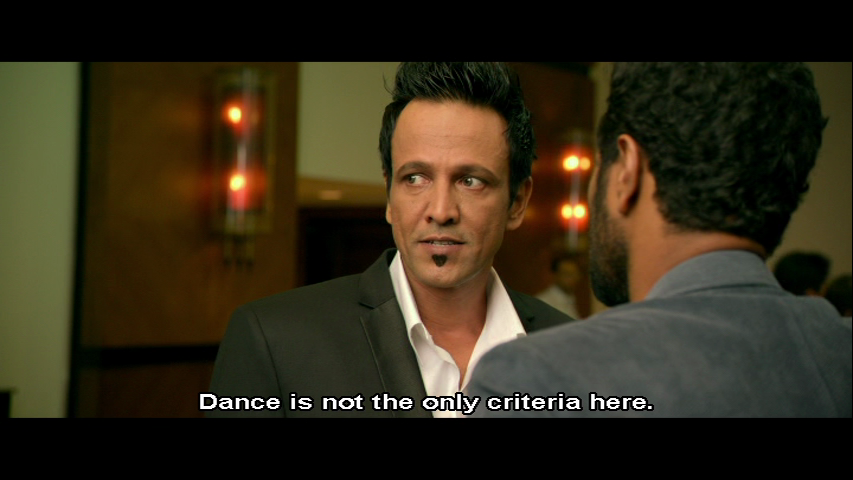
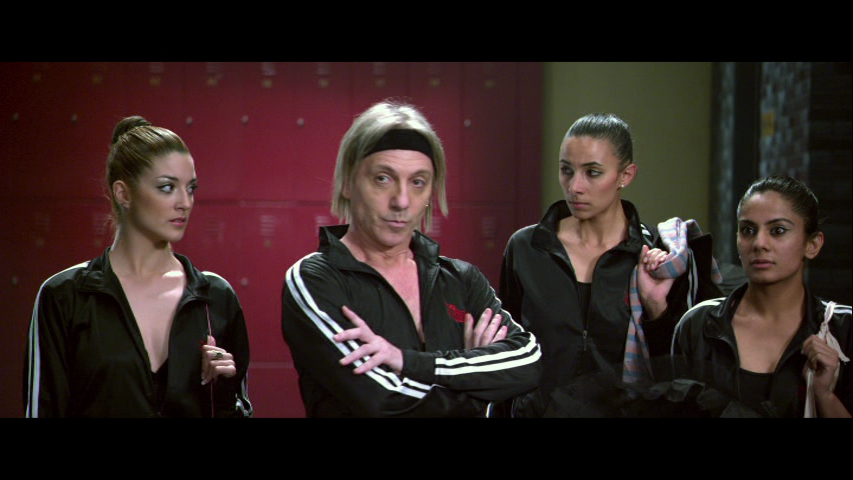
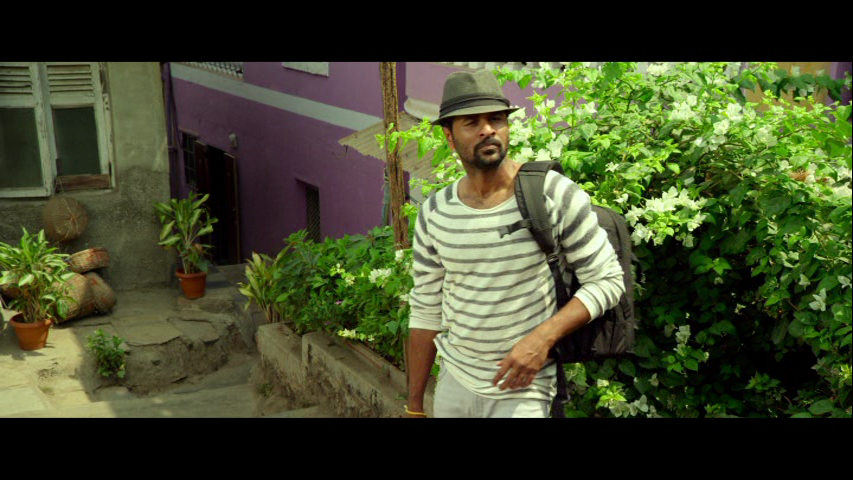
Kay Kay Menon is Jehangir Khan, the owner of a successful dance company (JDC) which has just won the TV dance competition Dance Dil Se despite apparently not deserving first place.  JDC’s choreographer Vishnu (Prabhu Deva) is disappointed by the fixing of the competition, Jehangir’s attitude and by the introduction of a new choreographer from the US (Mario Fernando Aguilera) which also means he is out of a job (Not that the JDC dancers look terribly impressed with their new choreographer!).  But before he makes it back to Chennai, Vishnu spends a few days with his friend Gopi (Ganesh Acharya) where he watches a group of kids escaping from the police using their parkour skills and sees them dancing at the Ganpati festival.
ABCDABCD


Seeing their potential, Vishnu decides to teach these kids dance for free, and such unimportant details such as how he is going to manage to survive without a paying job never really enter into the picture at all.  This set up for the rest of the story takes a long time, and there are a few too many drunken discussions on the roof of their building, but finally we do get back to the dancing.

ABCDABCDABCDABCD


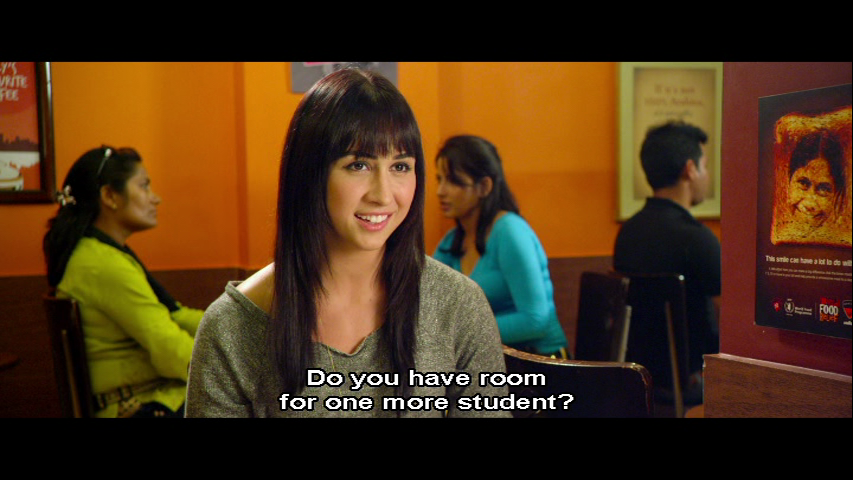
The rivalry between Jehangir and Vishnu is echoed in the initial stand-off between Rocky (Salman Yusuff Khan) and the more streetwise D (Dharmesh Yelande). Also eager to dance is Chandhu (Pumit J. Pathak) who has his own personal demons to overcome while other members of the group include Shaina (Noonin Naem Sha) a bar dancer, and eventually Rhea (Lauren Gottlieb), one of Jeghangir’s dancers who defects after Jhangir gets a little too close and personal at a rehearsal.

I was very impressed by Lauren Gottlieb who looks great dancing, but also manages very well with her spoken Hindi.  In fact she’s so good that I wasn’t sure at first if she had done her own dubbing, and she was much more understandable than Prabhu Deva. Her acting isn’t brilliant, but she’s as good as the rest of the cast, so she doesn’t stand out in that regard and I like that there isn’t any need for an explanation as to why a Westerner is dancing in the group. She’s just accepted as a dancer, and that’s it.
ABCDABCD


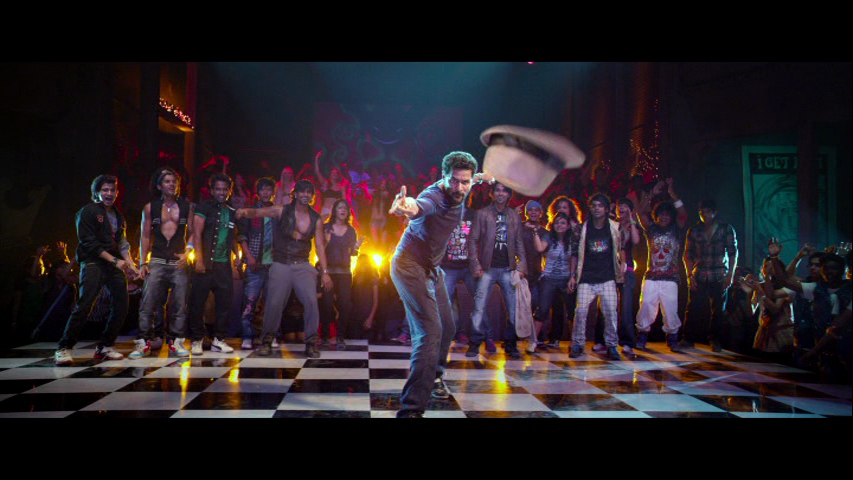
Once Vishnu has assembled his group, he enters them into Dance Dil Se, despite his insider knowledge that the competition is rigged for JDC to win. Of course he also knows that things will be different this time! This is where the film gets much better with plenty of rehearsals, dance routines, and a fantastic solo from Prabhu Deva at a night club where he easily out dances everyone else.  It’s wonderful to watch, and even if some of the choreography isn’t quite to my taste, it’s hard not to be impressed by the dancers.
ABCDABCD


While Jehangir plots and plans, his new choreographer turns the group into ballet dancers (interestingly Mario Fernando Aguilera actually runs a ballet school in Delhi in real life) and Vishnu’s group learn various life lessons while dealing with their own problems.  It’s more inspirational than the trite platitudes make it seem and culminates in this wonderful dance in the rain as the group try to keep their dance studio open and keep D dancing despite his father’s disapproval.

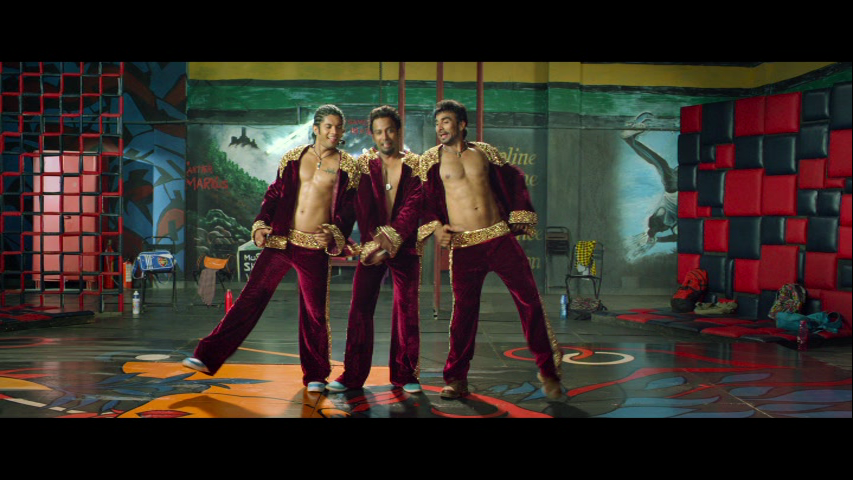
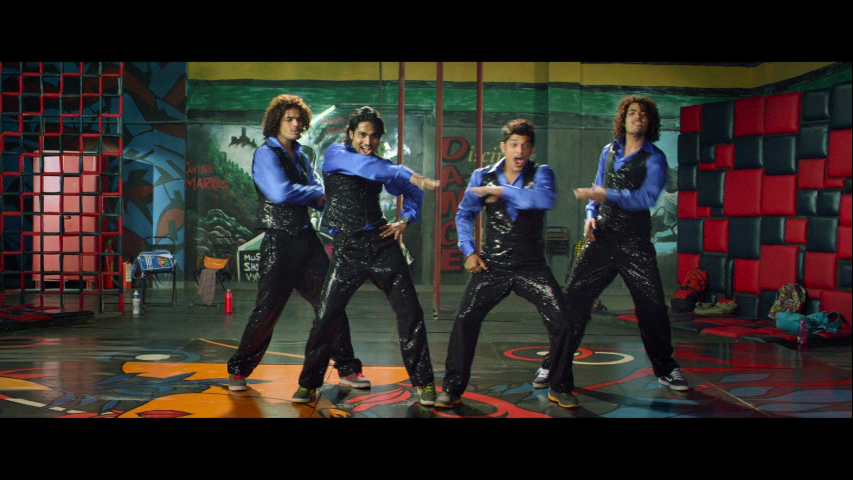
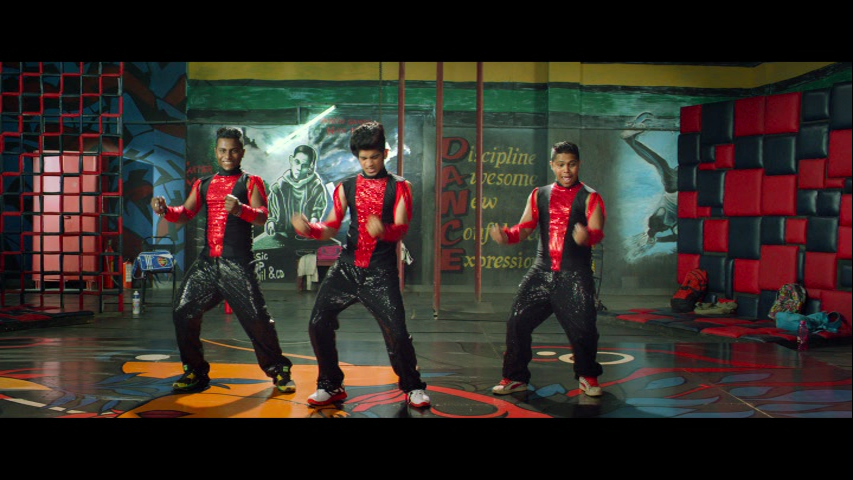
This was ‘India’s first 3-D dance movie’ but I watched it in a conventional theatre so can’t comment on the 3D effects, although I could tell that a number of the shots had been added in solely for that purpose.  The film is beautifully shot and the colours are amazingly clear and vibrant, even on the standard DVD.  The dancers are all excellent and have so much energy that it’s exhausting just watching. They do show a great commitment to costumes as well, but I’m a little disappointed that they didn’t actually perform in any of these outfits!
ABCDABCDABCDABCD


Remo is best known as choreographer and knows how to get the best shots of his dancers.  Including so many choreographers in the cast ensures that that the dancing is of a high standard, and pretty much any time there is music there is dancing. All the different dance groups that perform show just as much commitment to their routines and even JDC’s ballet routines are beautifully done.  The final dance off between JDC and Vishnu’s DDR is excellent with just about everything possible thrown in.

High energy dancing, great routines and of course the amazing Prabhu Deva make ABCD a film which rises above the unoriginal story to provide entertainment for more than just dance enthusiasts. Don’t miss Saroj Khan in the end credits when she makes an appearance dancing with Prabhu Deva, Ganesh Acharya and Remo. It’s a perfect end to a film that really is all about the dancing. 4 stars.
Raanjhanaa (2013)

Raanjhanaa

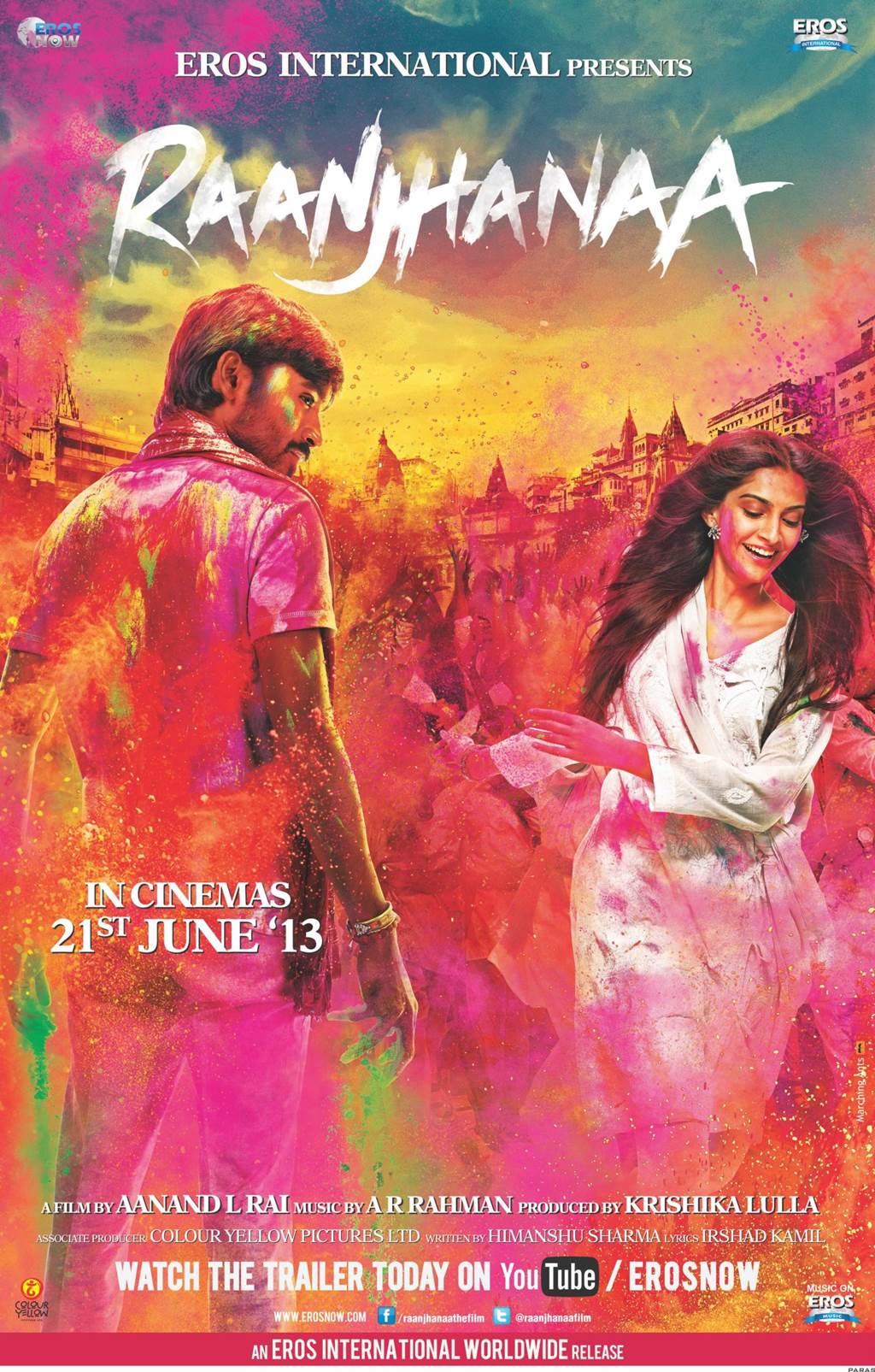
Raanjhanaa is not a conventional love story, and its two protagonists are not particularly likeable people, but their very human failings do make it possible to understand their mistakes.  Despite their flaws I wanted their love story to succeed even as it seemed destined to fail. Dhanush never fails to impress with his acting but I was apprehensive about his co-star Sonam Kapoor since I’ve yet to see a convincing performance from her – and I still haven’t.  But to be fair, Zoya’s self-absorption is integral to her character, so Sonam’s wooden and lifeless performance actually suits her character for a large part of the film. However Dhanush more than makes up for Sonam’s rather laboured performance and the support cast are all excellent, making Raanjhanaa a better film than reading Himanshu Sharma’s screenplay would suggest.

Young KundanTeenage Kundan


The film opens with a group of child artists playing the roles of Kundan and his friends.  The kids are charming and in a few short moments they define their characters perfectly, so that each further development makes sense given these childhood traits.  Kundan falls in love with Zoya the very first time he sees her, despite the fact that she is Muslim, he is Hindu, and he’s only about 8 years old. His adoration at first sight develops into a full blown obsession by the time Kundan reaches his teens and his first stumbling attempts to tell the object of his affection how he feels are cringe-worthily appropriate for the ‘stalking = love’ concept that Indian cinema seems to prefer.

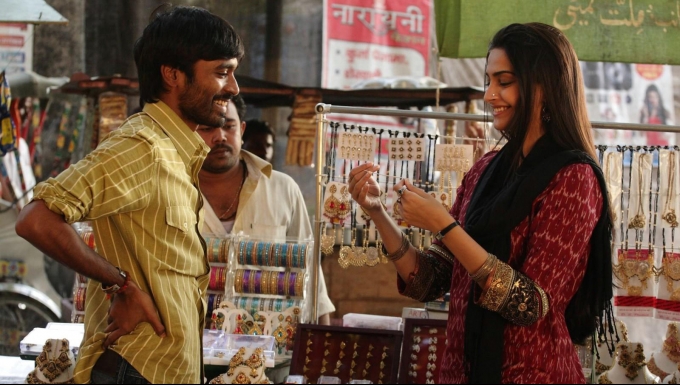
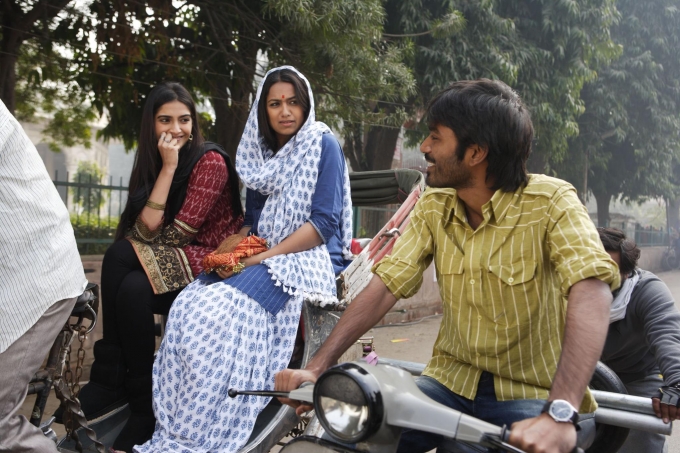
Kundan and Zoya

I’m always amazed at how Dhanush manages to transform himself into a young teenager so effortlessly, appearing suitably gauche and naïve against Sonam Kapoor’s rather clunky attempt at adolescence.  She lacks the vitality that made Shruti Hasan more believable as a teenager in 3, but there is some chemistry between the two actors which helps make the budding romance more credible.  Unfortunately at this point there is the first of too many scenes which involve slashing wrists as a way to prove true love.  It’s one of the things I particularly dislike since suicide as a plot device seems dangerous and irresponsible,  especially considering the statistics on youth suicide in almost every country in the world.  I can cope with the stalking, since Zoya definitely encourages Kundan (and I’ve been through the South Indian Cinema Induction Program) but I feel the wrist slashing is just inappropriate.

Kundan and MurariRaanjhanaa


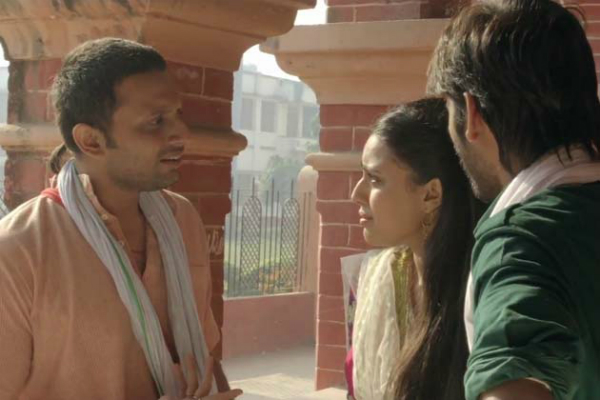
The separation of the young lovers follows along fairly predictable lines, but what adds interest is the rival obsession shown by Bindiya (Swara Bhaskar) for Kundan.  Swara Bhaskar is excellent as the girl so obsessed with marrying Kundan that she will do absolutely anything to get his attention. She really deserves to win the guy just for her devotion and ability to put up with Kundan and his best friend Murari (Mohammed Zeeshan Ayyub), but at the same time it’s obvious that Kundan would be a horribly abusive husband.  Swara Bhaskar is full of vitality and energy and lights up the screen whenever she appears which is in stark contrast to Sonam Kapoor’s rather bland Zoya. Mohammed Ayyub is also well cast and does a good job as Kundan’s friend alternating between egging him on, and trying (usually unsuccessfully) to restrain his more dramatic impulses.

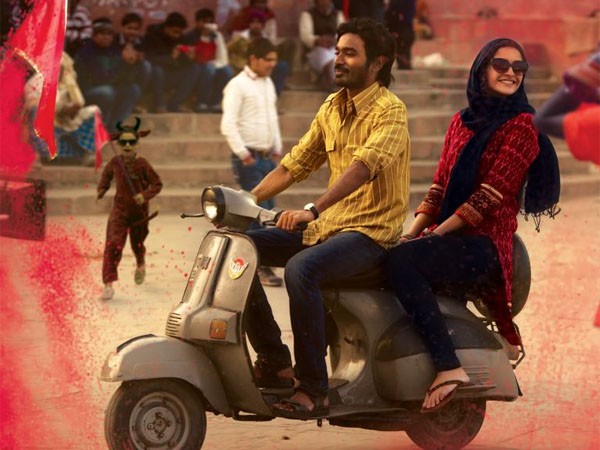
Abhay Deol plays Akram, a student activist angling for election to government and the third member of the love triangle.   While Abhay plays his part well he seems too old to be a convincing student leader, even one who is seriously considering a political career. Still, he does seem to have more to offer than Kundan, as demonstrated by the difference in their respective modes of transport.

Kundan and Zoya scooterZoya and Abhay motorbike


The story seems to lose its way in the second half as the love story gives way to the political campaign and there are a few too many contrived filmi coincidences as Kundan moves out of Benares and into Zoya’s world.  But the changes in both Zoya and Kundan as their circumstances alter are well depicted and the consequences of their actions are shown to be greater than they could ever have imagined. As a teenager, Kundan’s every emotion is clearly visible on his face and his body language also transmits his feelings at every turn.  With the transition to adulthood he becomes more restrained until by the end of the film Kundan is expert at concealing his true feelings and doesn’t allow any of his emotions to colour his conversation with Zoya.  It’s a fantastic performance from Dhanush and director Anand Rai has drawn out every nuance in his character’s behaviour.

Raanjhanaa

After the first few scenes in childhood Sonam Kapoor keeps her stunned indifference expression throughout, but it is apt for Zoya’s personality so it does tend to work. She looks beautiful, but there is too much style and not enough substance in Zoya, particularly compared with Bindiya and even Akam’s sister Rashmi (Shilpi Marwaha).

RaanjhanaaZoya


The music by A. R. Rahman fits perfectly and the dance sequences are well placed in the narrative and generally help to carry the story forward.  Benares looks like almost any other city in North India until there are shots of the river, and then it’s suddenly magical as Natarajan Subramaniam and Vishal Sinha bring the city to life with their cinematography. It’s an impressive debut for Dhanush in Hindi cinema, and he does well with the language too (at least as far as my inexpert ear can tell).  Worth watching for a role that seems to have been made for Sonam Kapoor, an excellent performance from Dhanush and from the rest of the cast and a rather different view of “love”.

Bombay Talkies (2013)

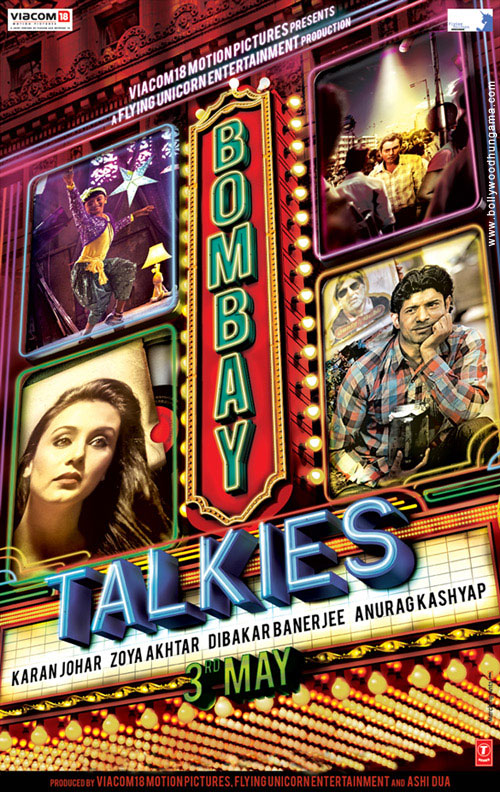
Bombay-Talkies-Poster

Apologies – this post is brimful of spoilers. Mind you, no one who edited the trailer or the geeks writing for Wiki or reviewers for some major papers seems to give a toss about giving away details.

Bombay Talkies sounded like an odd but potentially brilliant project. Four directors, four stories with the only connection being an homage to the Indian film industry. And I liked it a lot. Not all the stories are equally strong but they each have something that has stuck with me since seeing the film last week.

Continue reading