Manichitrathazhu

I love this film! It was probably the very first SI film I ever bought back in the days before I had any idea about the industry. I watched Bhool Bhulaiyaa in the cinema and then read that the dancing was better in the original movie, so immediately hunted down a copy. And really, it’s not only the dancing that is better! Manichitrathazhu was released in 1993 and has since been remade in a number of different versions but of the three I have seen, the original is definitely the best.

In contrast to the more comedy orientated Bhool Bhulaiyaa, Manichitrathazhu actually works well as a ghost story with some genuinely eerie scenes and unexplained happenings to set up the story. Nakulan (Suresh Gopi) and his wife Ganga(Shobana) move in to his ancestral home, Madampilli house to live for a few months while Nakulan works in the area.

The house is reputedly haunted by the vengeful ghost of a Tamil dancer Nagavalli and that of her murderer, the rich nobleman Sankaran Thampi. Their spirits are said to be held in a room of the mansion and the door is locked shut with the ‘ornate lock’ of the title. Ganga and Nakulan both disbelieve totally in such fanciful ideas, but Ganga is fascinated by the story of the doomed dancer and with the help of Nakulan’s cousin Alli (Rudra) she contrives to open the room. To my disappointment, and possibly hers as well, no vengeful spirits rush out, and she only finds the dust of ages and a box of Nagavalli’s jewellery.

Once the door is opened however there are a number of strange happenings around the mansion. Various articles catch fire and the sound of ghungroos and music are heard at night.  The head of the family Thampi (Nedumudi Venu) and his bumbling brother Unnithan (Innocent) move their families into the house to try to protect the couple as well as attempt to confine the spirits back to their room.

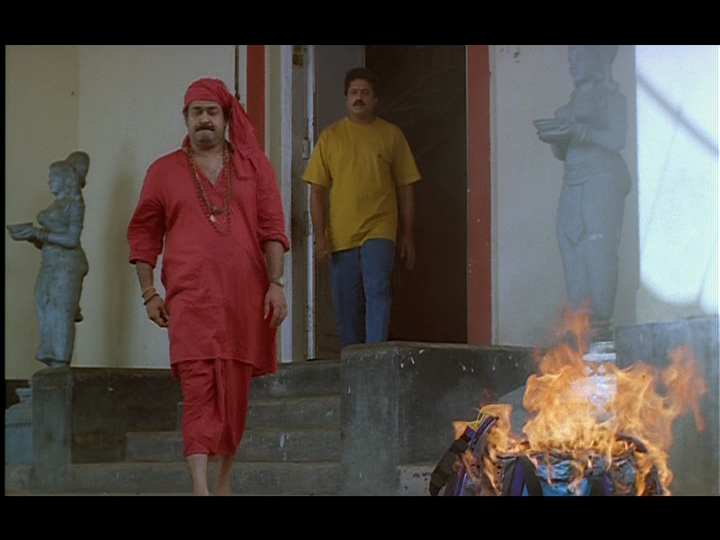
This part of the film is captivating with the juxtaposition between science and superstition and the various ways the family deals with the apparent ghostly manifestations. On the one hand Thampi and his family tie charms to ward off evil spirits, employ priests to hold ceremonies and engage a tantric expert to pacify the spirits, while Nakulan steadfastly refuses to believe in any supernatural entity and calls in his friend and renowned psychiatrist Dr Sunny Joseph (Mohanlal). Although from Dr Joseph’s introduction it’s hard to know which of the two methods is the better choice.

Nakulan suspects his ex-fiancée, Thampi’s eldest daughter Sreedevi, of causing all the incidents around the house. Sreedevi is a quiet and withdrawn girl who apparently has an unfortunate horoscope and who also seems to turn up at the wrong place every time something strange happens. With the arrival of Dr Joseph the story shifts from the supernatural into more of a psychological thriller as the psychiatrist does not believe in the existence of a supernatural entity either and decides that there is a mentally disturbed human agency behind the disruptions. Dr Joseph goes about tracking down the culprit with his unique methods, and then has to deal with the consequences of his discovery.

The only thing I don’t like about this film is the character of Dr Joseph despite Mohanlal’s best efforts and terrible shirts. I find that the over-the-top comedy aspect detracts from the more serious side of the story when it starts to delve into the issues of mental illness, and a lot of the antics Dr Joseph engages in are just irritating. However it’s not supposed to be an exploration of mental illness and I don’t find the attitudes of the other characters annoying in the same way. The patronising and condescending manner of Dr Joseph in his ‘comedy moments’ is horrible though and I don’t like way his character sleazily tries to woo Sreedevi at the same time as’ accusing’ her of mental illness. And yet, when the action takes over and the jokes stop, Dr Joseph is much more likeable and I wish that Mohanlal had played him as a straighter character for the whole film.

Shobana on the other hand is amazing as Ganga. She plays the character so well and thoroughly deserved the awards she won for her performance. Vinaya Prasad as Sreedevi doesn’t get as much screen time but she plays the quiet and unassuming character with the appropriate dignity and reserve. The two uncles Thampi and Unnithan together form a ‘comedy-light’ track and it’s generally well done and fits into the story without detracting from the main action. However the comedy track involving the tantric expert Brahmadattan Nampoothirippadu (Thilakan) is a little too slapstick for my taste and just isn’t very funny. Suresh Gopi is fine as the rather utilitarian husband dealing with the unexplained happenings in his ancestral home, but he is frequently overshadowed by Shobana and Mohanlal. The other minor characters are all good in their roles and I really like the actress who plays Unnithan’s wife. She had some great comedy moments and was very natural in her role.
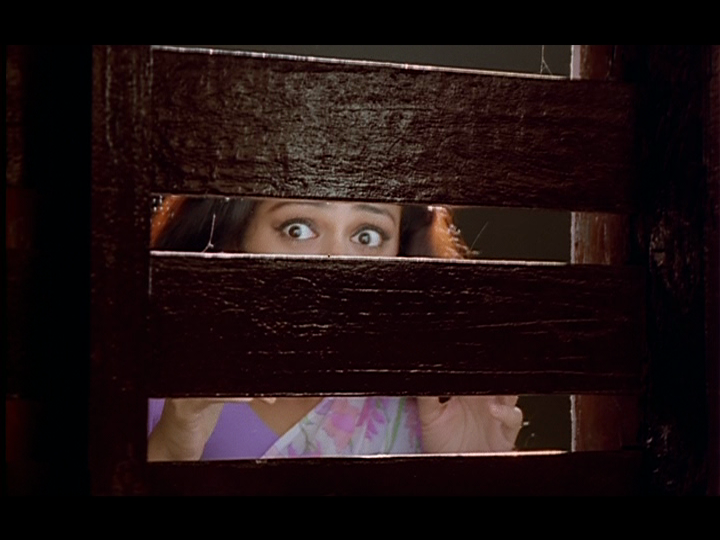
I haven’t said much about the dancing which was the whole point of watching this film initially, but the highlight is the final climax song. It does give away the identity of Nagavalli though so skip it if you don’t want to know. Otherwise click here for the best depiction of Nagavalli I’ve seen.  The whole sound track by M. G. Radhakrishnan is lovely too and this is another beautiful and moving song from the film.

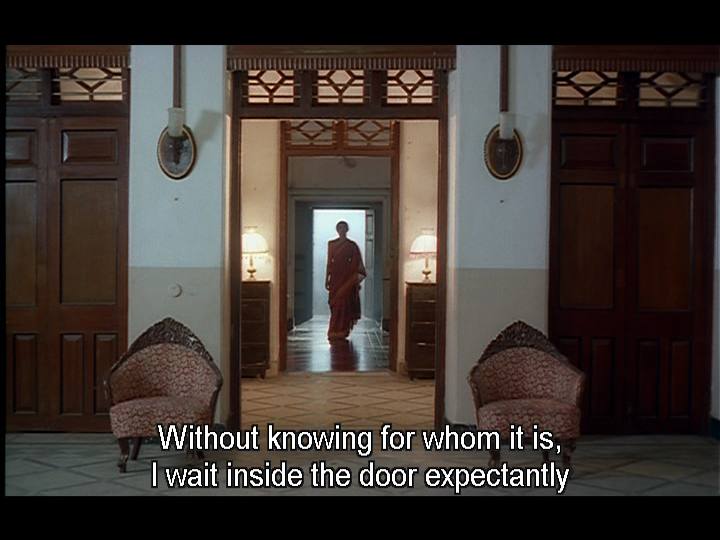
As seems to be the case with most Malayalam films, no matter what the subject matter, the film looks beautiful. The house used for the shoot appears to be a labyrinth and the various characters often have to run up and down stairs, along corridors and through innumerable doors to get to the scene of the action. Nothing ever seems to be shot against a blank wall, but instead is filmed against doorways, windows or beautiful shots of the country side. While no actual ghost is seen, there are shadows and suggestions all made more chilling by the use of claustrophobic corridors and shapes glimpsed through far doorways. The décor of the house is also well thought out with the couple’s room having the feel of one where the occupants are only there for a short time. And of course I also noticed the clocks.

I love the music and the whole feel of the film. It’s a great story by Madhu Muttam and Fazil has done an excellent job with his direction to bring it to life. My only complaint is with Mohanlal’s overly jocular psychiatrist and I can manage to live with that since the rest of the film is so well presented. No matter how many times I watch it I still get totally involved in the story again and eagerly wait for that wonderful dance. 4 ½ stars

Temple says:

I really like ghost stories, and Indian cinema has some good examples of spooky, understated and haunting (ha!) films. I like a lot about Manichitrathazhu, and totally agree with Heather on the beauty of the house and location that add so much to the atmosphere, and the excellent dancing in the denouement. Shobana is a compelling and beautiful heroine, and gives Ganga a great deal of emotional depth and energy. There is much more to Ganga than the dutiful wife who mutely follows her husband’s lead, and Shobana brings her to life. But Mohanlal really spoils it for me. I disliked his characteriation of Sunny Joseph on first sight and thought he failed miserably to balance the unconventional prankster with the more serious practitioner and friend. Watching it again, and knowing how it ends, there is no suspense left to distract from the shortcomings of how things happen. This may be considered sacrilege but if I could play mix’n’match, I would replace Mohanlal with Rajnikanth (in the Tamil version, Chandramukhi) who at least has enough charisma to overcome a fairly silly character. And I would probably want Vidya Balan (Bhool Bulaiyaa) or Anushka Shetty (Nagavalli, the Telugu sequel to Chandramukhi) in the supporting cast with Vinaya Prasad as long as they left the dancing to Shobana! I initially watched the film on the strength of one dance sequence and that is still the most memorable element for me. The songs from the Tamil and Hindi versions are also worth a look even if you don’t fancy the whole film, especially the final classical styled songs that feature Vineeth.

Manichitrathazhu is a pretty looking film, has some excellent atmospheric scenes (although it never caused me the slightest goosebump), and the soundtrack is pleasant. I recommend watching it, but unlike Heather I don’t think it stands repeat viewings unless you have a serious interior design fetish, a very poor memory or a very high tolerance for Dr Sunny.  3 1/2 stars.

Mayakkam Enna

Going to see Mayakkam Enna was a whole new adventure since not only did the film not have subtitles, but it was also showing at a cinema somewhere out in the suburbs on a university campus. Thankfully I found my way to a very bijou but comfortable cinema and was very happy to discover that they sold plenty of snacks at half time – I will be back!

I expected a lot from Mayakkam Enna since the team of Dhanush and his brother Selvaraghavan have made some of my favourite Tamil films together. And I wasn’t disappointed. My only complaint is that I really did miss subtitles for this one. The audience were laughing and applauding for a lot of the dialogues and I wanted to know what was being said to get such good reactions.

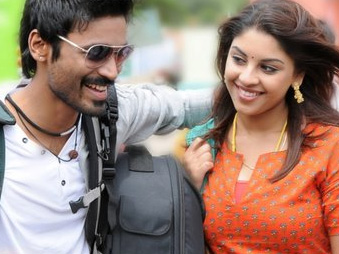
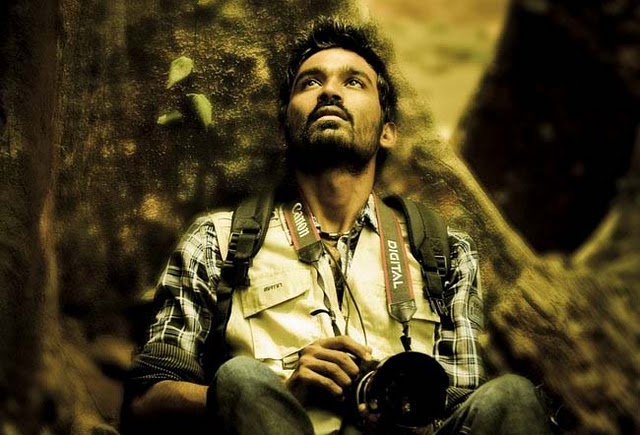
Karthik Subramaniam (Dhanush) is an aspiring wildlife photographer with a supportive group of friends, who all appear to live together in a house with its own bar. Excluding the bar, I could really relate to this, as I had a similar set of friends back in my final undergraduate year. We all lived together and went everywhere as a group so I had an idea of the changes caused by adding a new person to this dynamic.  Karthik’s best friend is Sunder (Sunder Raman) and as expected the gang aren’t too welcoming to his new girlfriend Yamini (Richa Gangopadhyay).To make things worse, Yamini and Karthik don’t get on at all and constantly dig at each other. While I missed the dialogues that generated a lot of laughter from the audience, there were a few barbed comments that really didn’t need translation as both Richa and Dhanush did a good job in getting their feelings across.

Over time however their enmity turns to attraction, leading to a love triangle with Sunder blissfully unaware of his girlfriend’s change in her attitude to Karthik .

Meanwhile Karthik is slowly compiling a portfolio of wildlife shots in between running around taking pictures of weddings and tourists at local temples. His role model is award winning wildlife photographer Madhesh Krishnaswamy (Ravi Prakash) and Karthik is determined to get a job with him to learn from the best in the business.  However Krishnaswamy has no interest in nurturing Karthik’s career and repeatedly sends him away with scathing comments about his work. I have to admire Karthik’s persistence as he gets no encouragement whatsoever from his hero but still keeps trying to get that elusive ‘perfect picture’ which will persuade Krishnaswamy to give him a job. The shots in the countryside are absolutely stunning here and cinematographer T. Ramji captures the wildlife flawlessly. These visually stunning moments are in sharp contrast to the much more claustrophobic scenes between Karthik, Yamini and Sunder and this accentuates the tension in their relationships well.

The first half of the film concentrates on the love triangle and despite the subject matter, there are plenty of light hearted moments along with the drama of the relationships. The pace is fast and the dialogues seem snappy and well suited to the action. The second half is much darker as it documents Karthik’s slide into alcoholism and his emotional breakdown as he is unable to come to terms with the events that unfold. While this part of the film is slower, it does feature an excellent portrayal of despair by Dhanush, although he is matched by Richa’s fantastic depiction of a loyal and long suffering wife.

Although this is Richa’s debut in Tamil cinema, her previous performances in Telugu films have been impressive and she is even better here in a role that seems to have been made for her. The two actors have plenty of empathy together and each complements the others performance.  Apart from Sunder none of the other actors get very much screen time but all seemed to do well enough in their roles.

While Mayakkam Enna is in some respects a typical Selvaraghavan film, focusing as it does on darker emotions, Karthik is a much less damaged lead character than I’ve seen in his other films. Karthik doesn’t appear to have had an abusive childhood and is a well-liked and popular person with a large and warm circle of friends. This makes his descent into depression and substance abuse all the more shocking since he does have a strong support network. It also makes him a more realistic and sympathetic character, although in reality I don’t think anyone would have put up with his self-pity for quite as long as they did here.

The music by G. V. Prakash Kumar is another high point of the film, particularly since Dhanush sings on two of the tracks. I loved the soundtrack when I first heard it, and the songs fit well into the film, althoughI think the picturisation of Kadhal en Kadhal is a little strange. I loved the cartoon characters in Voda Voda though and this is a great song.

While the film does become overly dramatic in the second half it’s still enjoyable due to the strong performances. But please, someone take that long-haired wig Dhanush wore in the closing scenes and burn it! It’s terrible and really doesn’t suit him at all. That aside, Mayakkam Enna is definitely worth watching on the big screen and both Dhanush and Richa are fantastic. I think that with subtitles this could become one of my favourite Dhanush films – I loved it.

Aadukalam

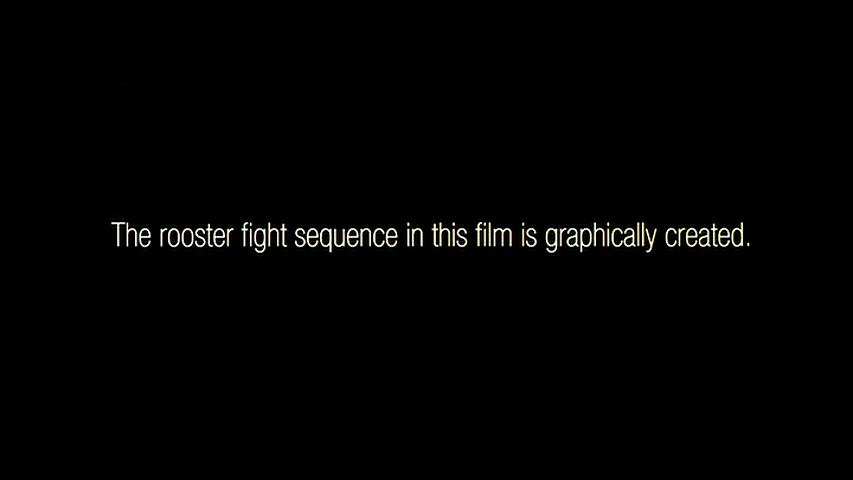
I first saw Aadukalam when it released in the cinema and despite the lack of subtitles was so completely drawn into the story that I didn’t want the film to end. I was very surprised that I enjoyed it so much since the film centres around cockfighting, which is something I abhor and wasn’t keen to watch on-screen. It was really only the Vetrimaran and Dhanush connection that got me through the door, but I’m so glad that it did. While the film didn’t change my views on the subject it was a lot more watchable than I anticipated, helped considerably by this statement in the opening credits and the fact that the cockfighting scenes were quite clearly CGI.

The film focuses on the relationships between the main characters and how these change as their circumstances alter. Alliances are made and broken, and pride and prestige are the driving forces behind the actions of Pettaikaran (V. I. S. Jayabalan) and his chief rival in the cockfighting scene, police inspector Rathinasamy (Nareyn).

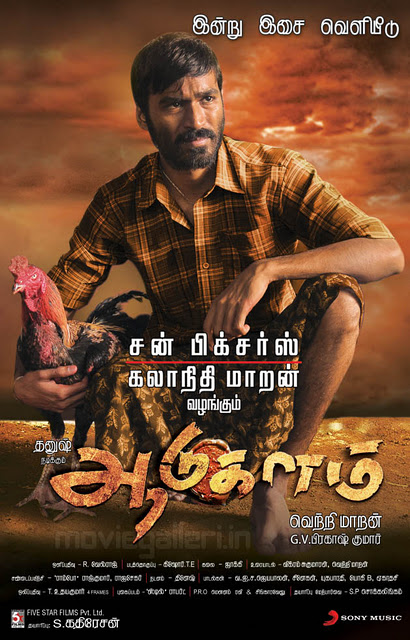
The film is set near Madurai in a small town where Pettaikaran breeds and trains roosters for cockfighting. He is aided in this venture by three men; Ayub (Periyakaruppu Thevar) who stitches the roosters back together after the fights, Durai (Kishore) who provides financial support and Karuppu (Dhanush)who sets the roosters for fighting. Karuppu seems to look upon Pettaikaran as his father, while Pettaikaran is grooming Karuppu as his successor, so the two appear to have a close relationship, making later events all the more shocking.

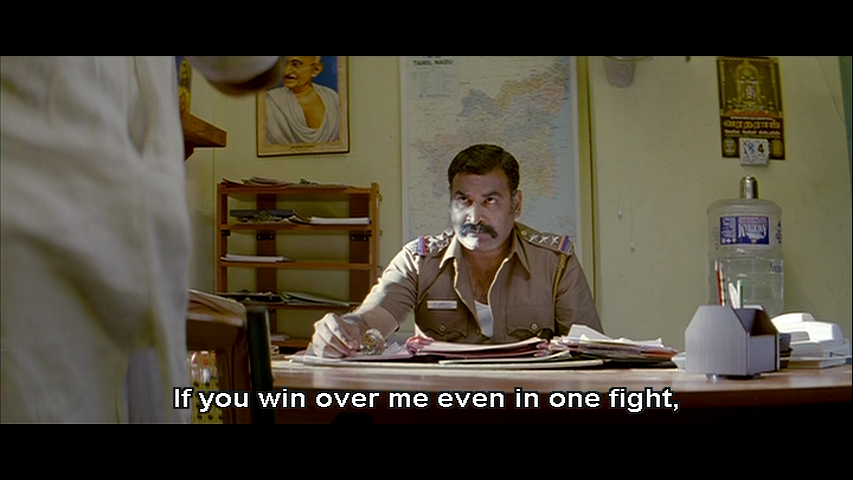
The first half of the film deals with Rathinasamy’s attempts to force Pettaikaran to take part in a cockfighting tournament so that he can finally win over his main opponent. Pettaikaran however knows that Rathinasamy will stop at nothing to win and refuses to take part in any further matches despite major provocation.  However Rathinasamy is as corrupt as he is determined and he finally manages to set up the final showdown. The stakes are high – apart from all the money to be won, the loser will have to shave his head and moustache and, almost as a secondary consideration, they will also have to give up cockfighting for good.

The prize money isn’t important to either of these two men, but is rather more important for Karuppu. He lives with his widowed mother who has dreams of buying back the mortgage to their house, while Karuppu has dreams of a different kind involving an Anglo-Indian girl he has met. He falls in love with Irene (Taapsee) and his love takes the usual form of stalking until he finally manages to work up the courage to speak to her. Irene is horrified by his declaration and her initial reaction is very natural and honest. Sadly it’s also the only scene where Taapsee manages to convince in her acting. The romance feels clunky and awkward, and the actors seem to feel uncomfortable with each other as well. Taapsee is very wooden and lifeless, and there is never any good reason why a well-educated girl from a good family would fall in love with a scruffy uneducated villager like Karuppu.

While Dhanush is more convincing in his obsession with Irene, he’s a little too arrogant for me to fully believe in his love. His passion is much more for his idea of Irene, and once having made his decision that she is the right girl, he is determined to marry her more to flatter his ego rather than because of any genuine feelings for her.

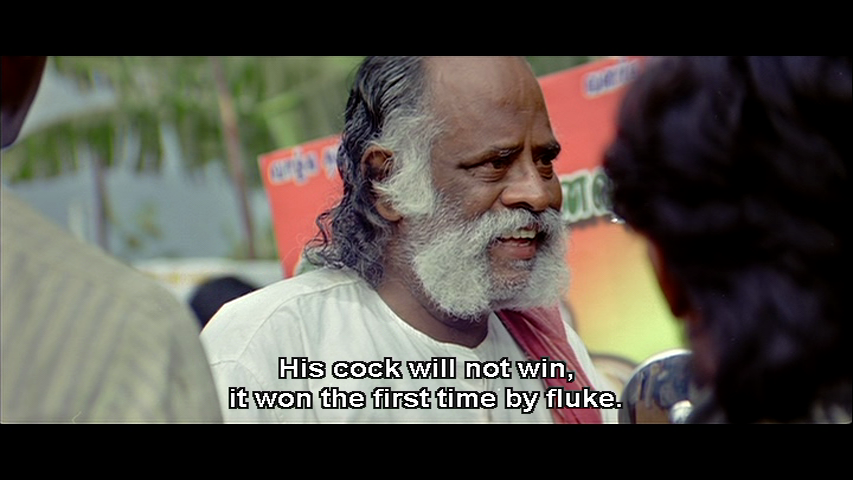
Partly to pay back money he owes Irene, Karuppu takes his rooster along to the tournament despite the fact that Pettaikaran had earlier told him to put the bird down. As a result, Pettaikaran distances himself from Karuppu and tells everyone who will listen that his rooster will not win. So when it does in fact win all 3 fights and Karuppu takes home the grand prize, Pettaikaran is humiliated by this loss of his reputation and sets out for revenge.

While the first part of the film deals with the rivalry between Pettaikaran and Rathinasamy, the second half deals with the machinations of Pettaikaran as he seeks his revenge on Karuppu. Jayabalan is amazing as the aging champion and his character is beautifully etched in shades of grey. The change from his initial, more moral stance where he refuses to fight Rathinasamy knowing that he is risking the lives of his assistants by doing so, is beautifully contrasted with his change in ideals as he starts to plot and plan against Karuppu. His manipulations of the faithful Durai and the treatment he metes out to his young wife grow ever more disturbing, but still quite believable as he is determined to ruin Karuppu in every way that he can to soothe his battered ego.

Dhanush is also excellent as the rather naïve Karuppu. His relationship with his mother is well depicted and the love and frustration between the two is very evident. His scenes with Pettaikaran are among the best in the film, although Karuppu’s relationship with Durai is also well portrayed and the two actors have a great rapport. Dhanush has done a number of these village type roles but here he totally becomes the character of Karuppu and I think deserves the National Award he won for his performance. His final realisation of just how he has been betrayed by the man he considered as his father is brilliant and throughout he effortlessly conveys his emotions without going to extremes. Vetrimaran has come up with characters that are essentially very ordinary with normal human emotions of petty jealousy and pride and made a story that works so well because it deals with them in such a realistic way.

The other actors in supporting roles are all excellent with some very good characterisations. Meenal as Pettaikaran’s wife is fantastic and while Periyakaruppu Thevar doesn’t have a large role he is very effective and paints his character fully in just a few short scenes. Nareyn is suitably immoral and villainous as Rathinasamy and it’s a shame that he vanishes from the story in the second half. I can’t find out who played the role of Karuppu’s friend but I though he was great and will keep a watch out for him in other films.

While most of the action involves roosters fighting there are a few human fight scenes which are more of the push and shove variety rather than the carefully choreographed and highly fictionalised fight scenes more usually seen. They also rely on the use of various stones, buildings and tree stumps to do any actual damage to the various opponents until the last few scenes, which are choreographed to imitate the cockfights from earlier. Cinematographer Velraj does an excellent job with the many night scenes, often involving fights, and it’s quite easy to make out what is going on.

The music by G. V. Prakash Kumar works well in the film but apart from Yathe Yathe it’s not particularly memorable and doesn’t stand out. This is probably all to the good as the songs don’t detract from the story and are used more to further develop the characters.

Aadukalam is certainly not a pretty story and there is no happy ending for anyone. It deals with the darker emotions of pride and jealousy and shows just how easily these can run out of control with deadly consequences. It’s a well made film with a great story and outstanding performances and despite the rather iffy romance, I thoroughly recommend it . 4 ½ stars