Yutham Sei

After watching the excellent Anjathey I was inspired to seek out more films by director Mysskin, and Yutham Sei was the next in the pile.  Although it leans in somewhat the same direction as Anjathey it’s a slightly different take on the thriller genre and for the first half of the film at least, it’s very successful.  Mysskin excels in building suspense as the plot gradually unfolds and starts to take shape as a detailed and intriguing police procedural drama.  But after such a great beginning the second half is overly dramatic with a little too much focus on the torture and gore and not enough attention to the basic story. So what started out as a promisingly different film ends up with some major plot holes that are conveniently swept aside along with all the blood by the end credits.  However it’s still a gripping story with mainly good performances from the cast and overall Mysskin succeeds in keeping the turns and twists in the plot unexpected and surprising.

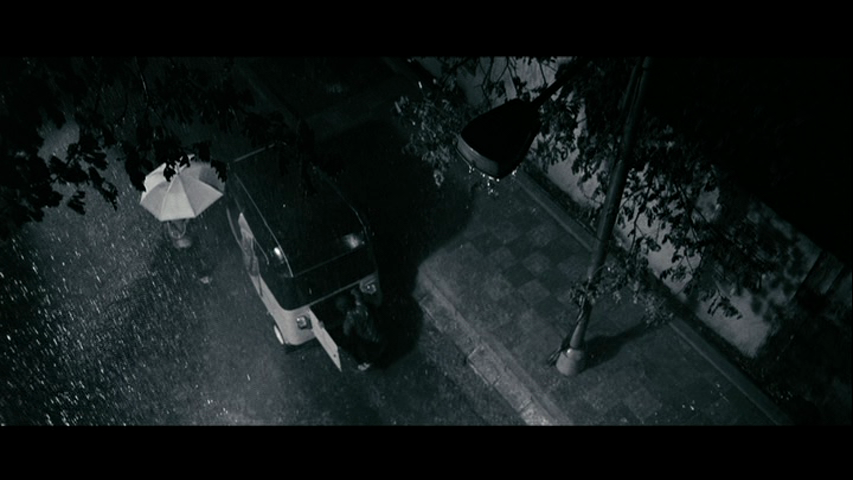
The film starts in black and white with a flashback to events which we eventually learn are critical to the plot.  There are numerous clues in these first few moments but it’s not until much later in the film that the important details and how they all fit together into the main story become clear.  This gradual reveal is the main strength of the film and the suspense is maintained by making sure that we don’t know the full story either and only learn about events at the same time as the main protagonists.
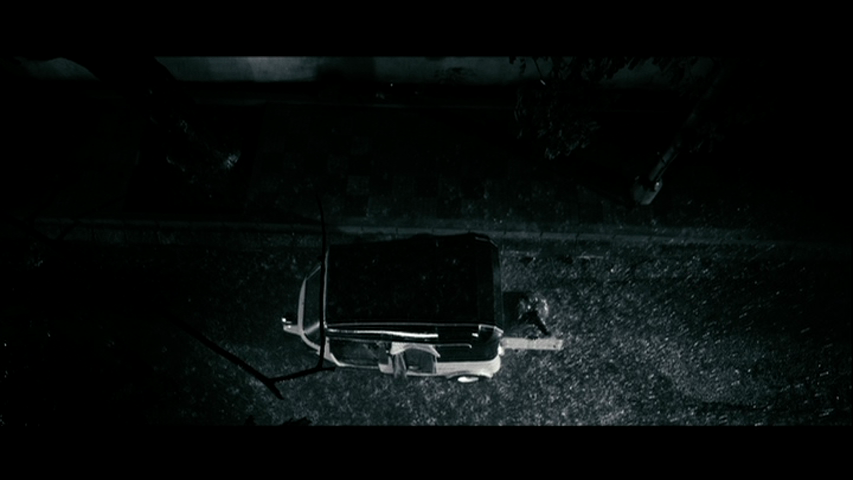
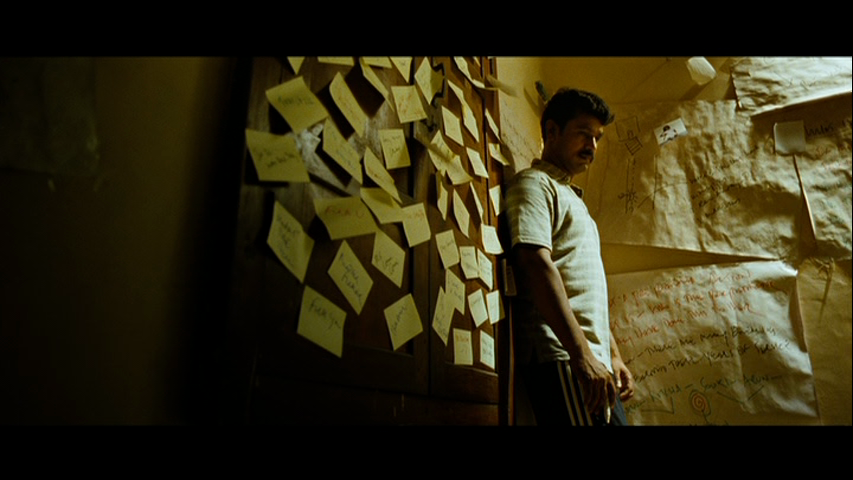
Cheran plays Inspector J. Krishnan, commonly known as JK, who is given the task of investigating a series of gruesome discoveries around the city.  Severed arms have turned up in cardboard boxes conspicuously placed in public areas but no associated bodies have been found.  JK takes on the case rather reluctantly as he wants to spend his time investigating the disappearance of his sister some three months previously.  However his boss promises to reopen his sister’s case, so JK starts the painstaking process of trying to identify the limbs and discover who and what is behind the dismemberments.
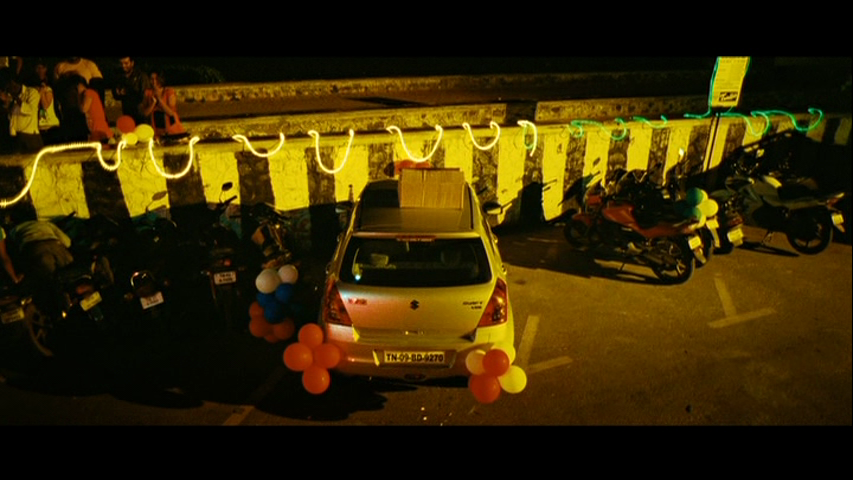
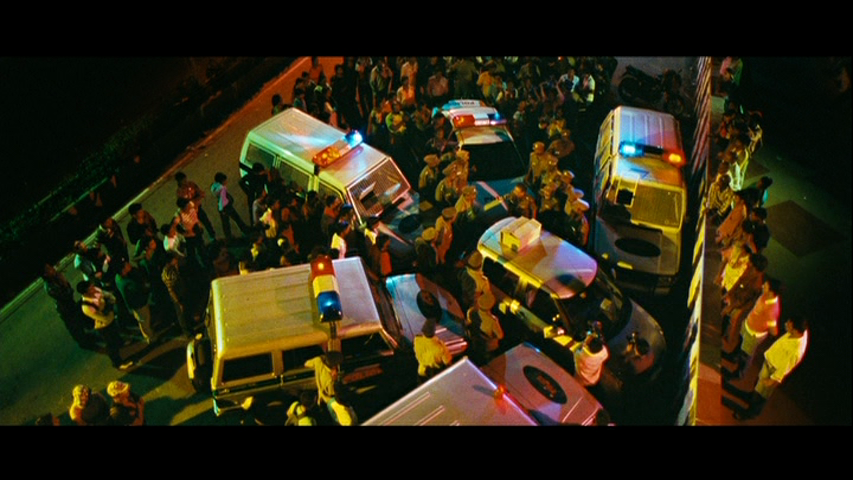
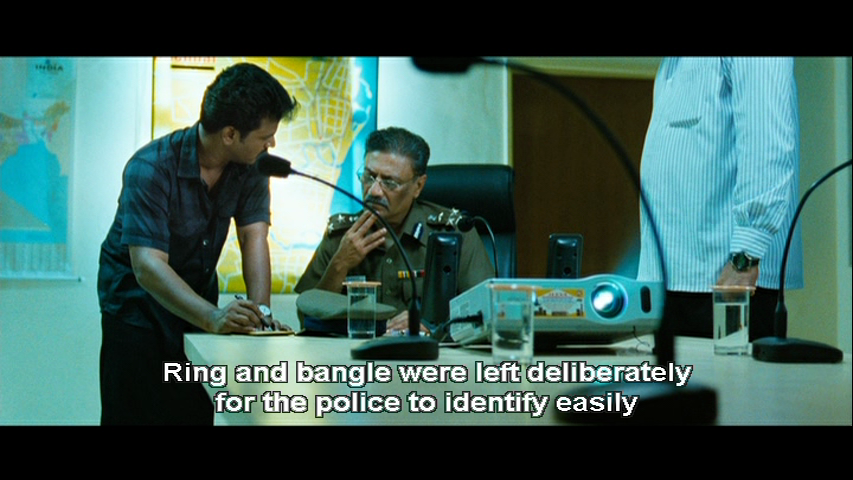
The police procedures are thorough and painstaking as, along with Sub-Inspectors Prakash and Thamizhselvi (Dipa Shah) and Head Constable Kittappa, JK questions suspects, interviews witnesses and slowly identifies the remains.  Scenes shot in the morgue are particularly effective and are a real shock to anyone more familiar with the gleaming white benches and sanitised bodies from US TV crime shows. These scenes also introduce V. Jayaprakash as Chief Pathologist Dr Judas, the chief pathologist and a crucial link in the story, although perhaps his choice of name was a little too revealing.

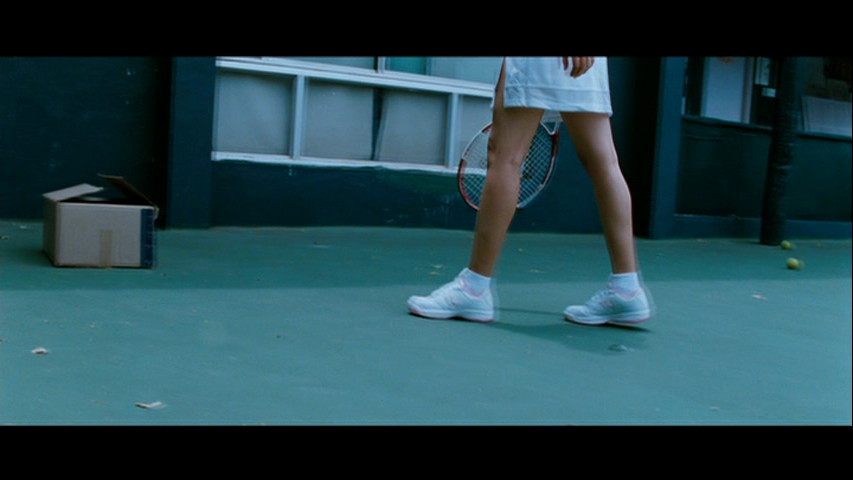
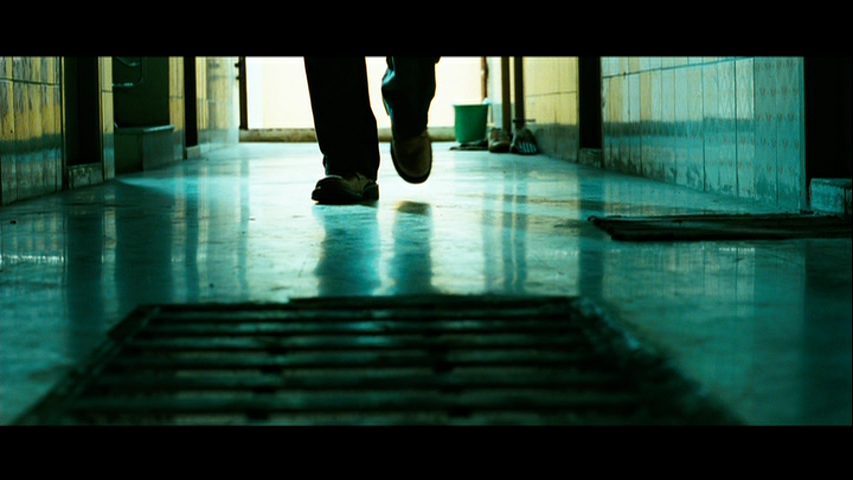
Slowly JK discovers that the severed limbs belong to criminals who are linked to a case involving the suicide of a renowned doctor (Y. G. Mahendran) and his family.  Each small piece of the puzzle is only uncovered after long and arduous investigation on the part of JK and his team and Mysskin’s characteristic methods of filming feet or only part of the scene adds to the piecemeal effect.  Cheran is excellent as JK and the difference between his decisive investigations during the day and his introspective brooding at night is captured well.  V. Jayaprakash is the other standout in terms of performance and his world-weary doctor seems to have stepped straight out of a BBC crime drama.  The other actors are all solid in their roles although there is little in the way of any character development. Considering the style of story that’s not a major problem, but it does make it difficult at times to differentiate just who is who, particularly among the villains.
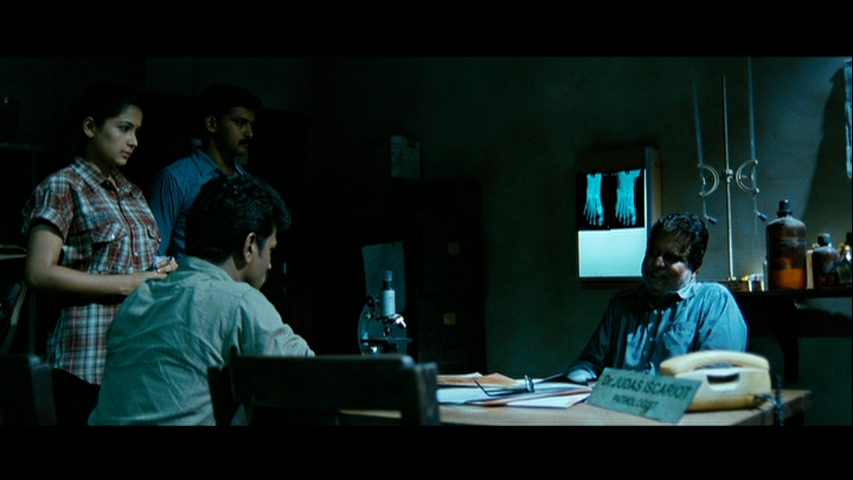
Generally the second half moves more to action and the more that is actually seen to be happening rather than just implied violence, the less effective it all becomes.  So the scenes of torture and the completely over the top reaction of Lakshmi Ramakrishanan in her role as the doctor’s wife end up without much impact.  It doesn’t help that once the full story is revealed the final show down is inevitable although the almost pedestrian and petty nature of the original crime is a good touch.  Just for once though I’d like to see a police officer call for back-up before heading into an abandoned factory full of criminals and usefully breakable objects!

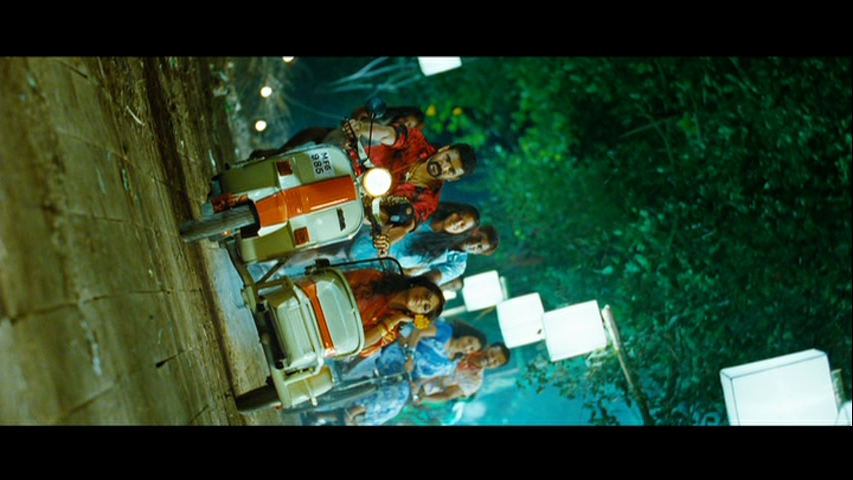
While most of the first half seems very carefully plotted, the second half has a number of leaps of faith and convenient discoveries which become more and more dramatic and detract from the simpler style used earlier in the film.  However on the plus side there is no annoyingly irrelevant comedy track and no tacked-on-for-the-sake-of-it romance angle so I can forgive Mysskin his tendency to over-dramatise a few scenes.  The cinematography by Sathya is excellent and keeps up the suspense with many of the critical scenes shot at night or in dim light.  Kay’s background music also adds to the atmosphere and is generally used to very good effect.  There is one song in the film, and although the placing is fine, I think it would have worked better as a short snippet rather than as a complete dance routine which does seems a bit superfluous. Impressive gold lungi though!

Overall Yutham Sei starts off like a European police thriller but ends up more like a Hollywood horror film. If Mysskin had managed to maintain the early tension and suspense right to the end this would have been a fantastic film. But even with the issues I have with the second half, I think it’s still interesting – somewhat different from the usual hero-centric Tamil action film and definitely worth a watch for the excellent development of the plot in the first half and an impressive performance from Cheran. 3 stars.

Kandan Karunai

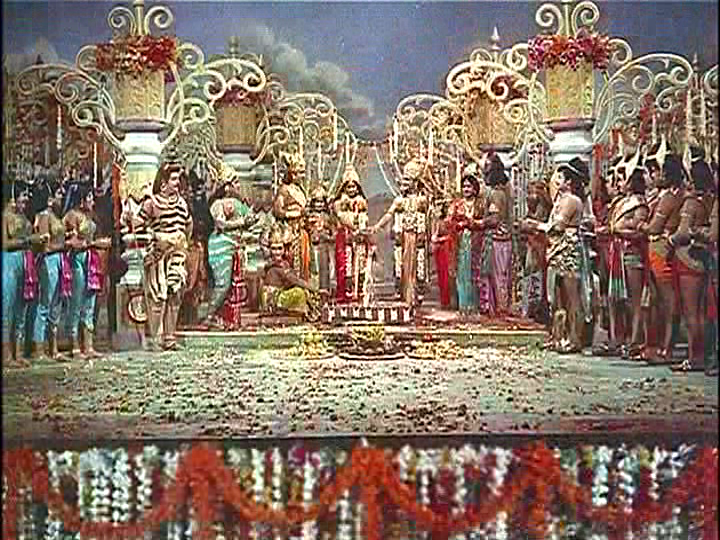
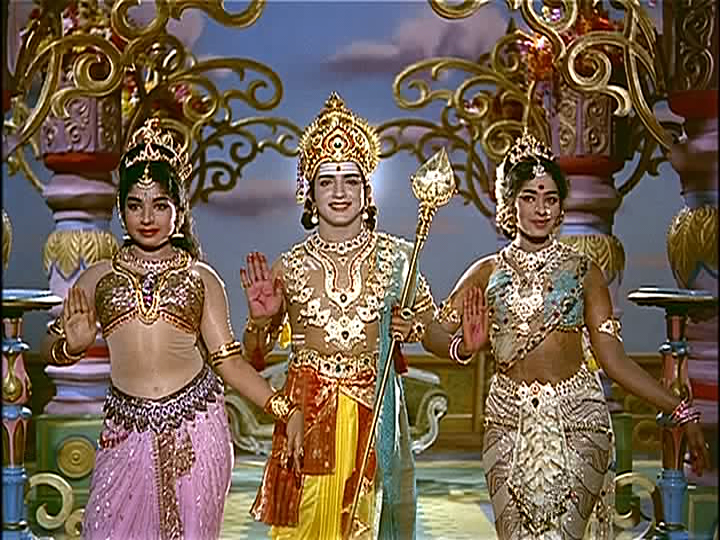
This is one of the few Tamil mythological films by A. P. Nagarajan that I’ve been able to find on DVD with English subtitles, and despite its sometimes pedestrian and almost documentary-like telling of key events in Lord Murugan’s life, it’s still worth a watch mainly due to the great cast and an excellent soundtrack.  The film covers the major incidents which define Lord Murugan and his place in the Hindu pantheon and it gives a good insight into why he is often regarded as the God of Tamils. Despite his more minor role Sivaji Ganesan is the star of the show but Gemini Ganesan, Savitri and various other stars of the time make an appearance, including an incredibly cute 4-year-old Sridevi in her first ever role as the young Murugan.  There are plenty of glittery costumes and even more sparkly jewellery set against some incredibly colourful sets which prove that there are no colours which clash in India. It’s garish but pretty and personally I’d like to see every army adopt the gold boots worn with such aplomb by Sivaji’s Veerabaghu.

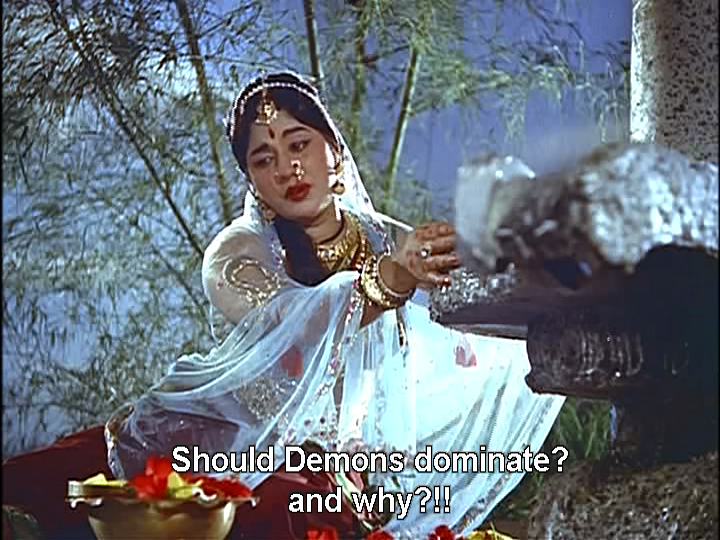
The film starts with a devotional song to Lord Murugan by renowned singer and actress K. B. Sundarambal who appears in her characteristic role of Avvaiyyar.  She introduces the story of the demon king Surapadman (Ashokan) who is terrorising the people of heaven but cannot be killed due to a boon he and his people received from Lord Shiva.

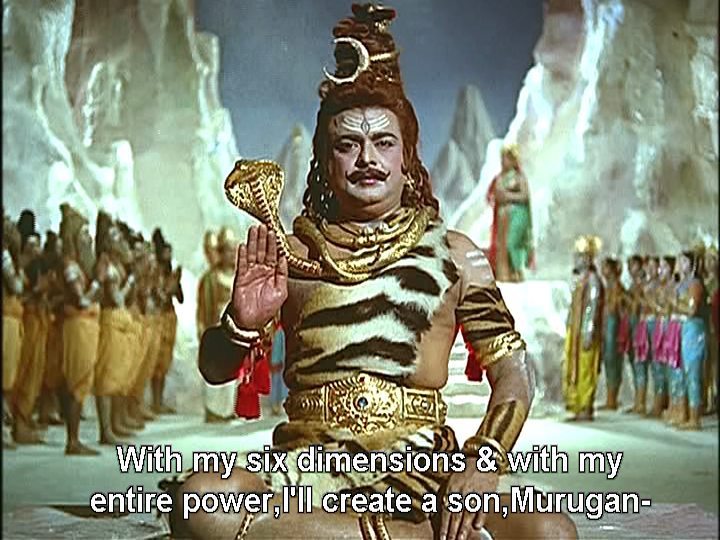
When Surapadman’s sister Ajamugi attempts to kidnap the king of the heavenly people’s wife Indrani (S. Varalakshmi) as a present for her brother, subsequent events force Lord Shiva to become involved. Rather than kill the demons directly he creates a son to deal with Sundarambal but gets rather more than he bargained for with Murugan.

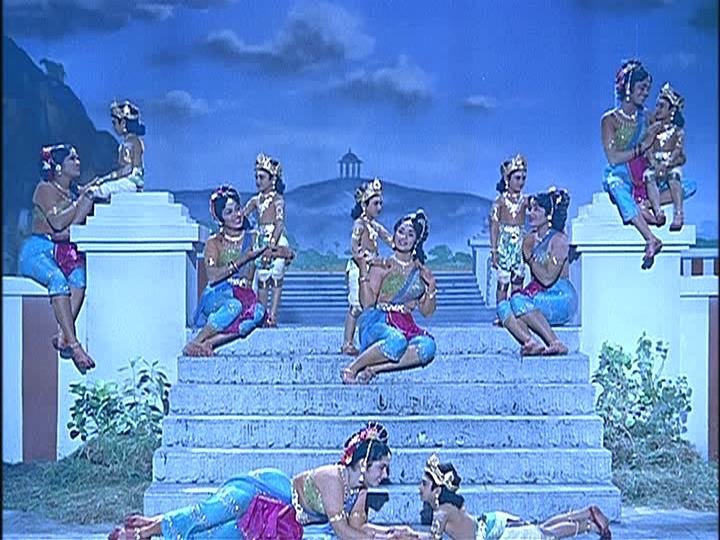
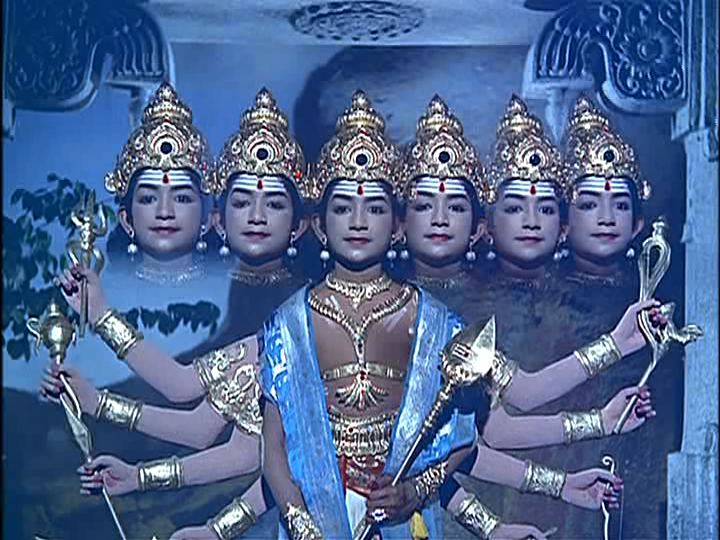
Murugan is clever, even as a child and faced with six divine girls as potential nannies, he rather practically splits into six versions of himself so that they each have a child to look after.  Later his mother Parvati reunites all of the children to create the god with six faces while the divine girls are rewarded by being transformed into stars. These first few stories dealing with the young Murugan are mainly told in song, although when there is dialogue Master Sridhar as the young Murugan holds his own in scenes with the older actors Gemini Ganesan as Shiva and Savitri as Parvati.

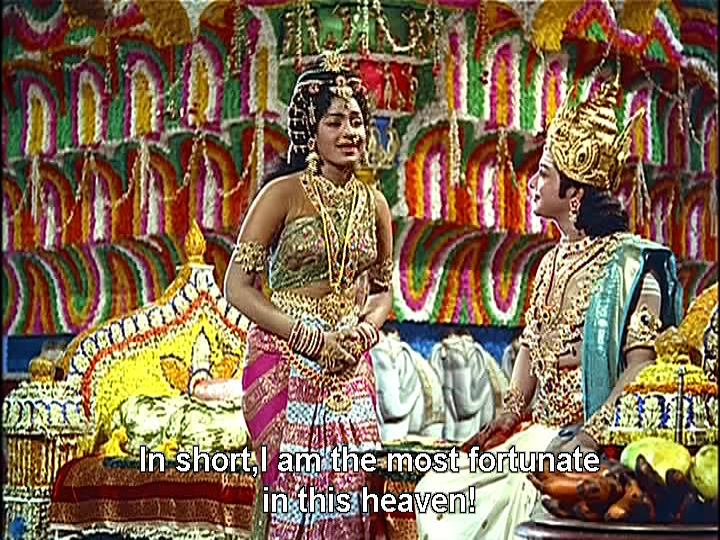
The adult Murugan is played by Sivakumar who sadly doesn’t give Murugan much personality at all,  and he plays the role rather passively.  However the ‘good man’ Veerabaghu, who comes to help Murugan in his war against the demons, provides plenty of attitude and Sivaj Ganesan brings the film to life in this role.  He acts first of all as a messenger from Lord Murugan to Surapadman, defying the demon’s arrogance by creating his own throne and servant girls when Surapadman denies him a chair.  He is instrumental in instructing Lord Murugan how to fight the various demons and later he gets to strut around in his wonderful gold boots as the army celebrates Murugan victory.

The latter half of the film deals with Murugan’s two marriages.  The first of these is to Indira’s daughter Deivanai (K. R. Vijaya) who manages to stay cool when faced with the riot of colour that accompanies her marriage and subsequent first night with Lord Murugan.

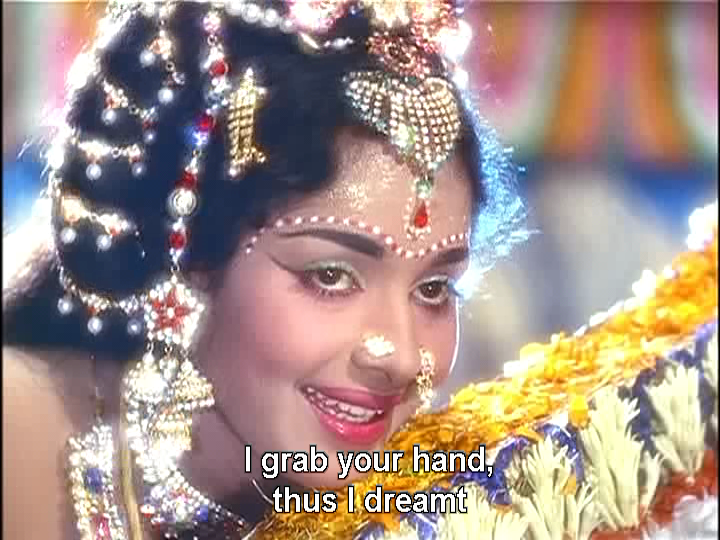
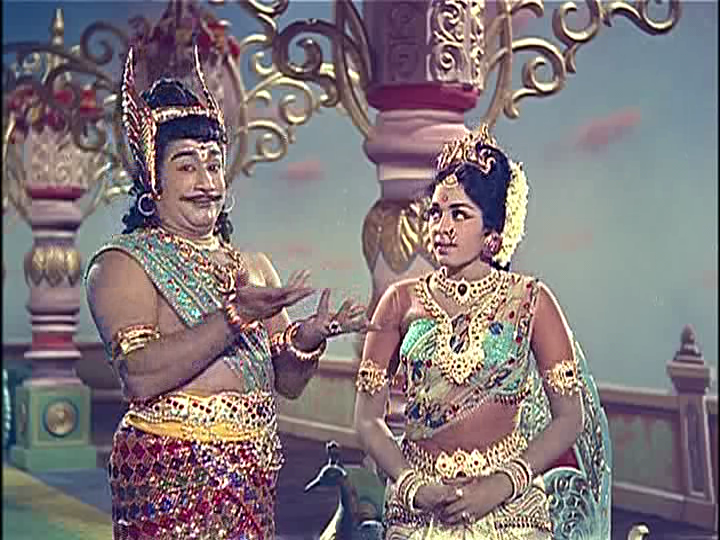
The explanation of marriage and a woman’s place in society sounds incredibly patronising, particularly when Deivanai is told that she has to remain faithful to her husband while Murugan goes off and finds a second wife.  However, since the basic theme of an obedient wife still seems to be expounded as the ideal even in India to-day it probably sounds more reasonable to its intended audience, particularly back in 1967 when the film was made.  Deivanai is still understandably outraged when Murugan comes back with Valli and there are some funny moments as Veerabaghu has to deal with the two angry women, which he does with great charm and lots of sparkle.  K. R. Vijaya looks beautiful but doesn’t have much scope to do anything else as her character is very one-dimensional.  Jayalalitha as Murugan’s second wife Valli has a better role with a little more substance including this lovely introduction.

Valli is the daughter of a tribal chief and her friends include Manorama and Tamil comic actor Nagesh who provide a little relief from all the noble deeds and dramatic pronouncements of the other characters.  Jayalalitha is charming and her Valli is graceful and elegant even in her simple village girl persona which translates well to her rise in station as the consort of Lord Murugan.

The film is very stylish and looks beautiful but lacks the warmth of other Nagarajan films I’ve seen, particularly in the character of the older Lord Murugan.  Perhaps it’s because Murugan has outgrown the mischievousness and arrogance which livened up the early scenes and it’s hard to portray worthiness and knowledge as being anything other than a little dull. Sivakumar is pleasant enough but is eclipsed by Sivaji who has much more presence.  The battle scenes are very stylised and the demons don’t ever look to stand much of a chance against Lord Murugan and his trusty spear, although the internal squabbles in Surapadman’s court are well portrayed.  I really liked the actress who played Ajamugi who got her outrage and vindictive nature across very clearly.

The music by K V Mahadevan won him a National Award and it’s definitely  a highlight of the film with some beautiful vocals by P. Susheela in many of the songs.  This film worked more for me as an explanation of some of the symbolism I’ve seen on my visits to temples in Tamil Nadu, and a synopsis of Lord Murugan’s life, although of course I always enjoy a film with lots of sparkle! Worth watching for the songs, Sivaji and the younger Murugan – 3 stars.

Tere Naal Love Ho Gaya

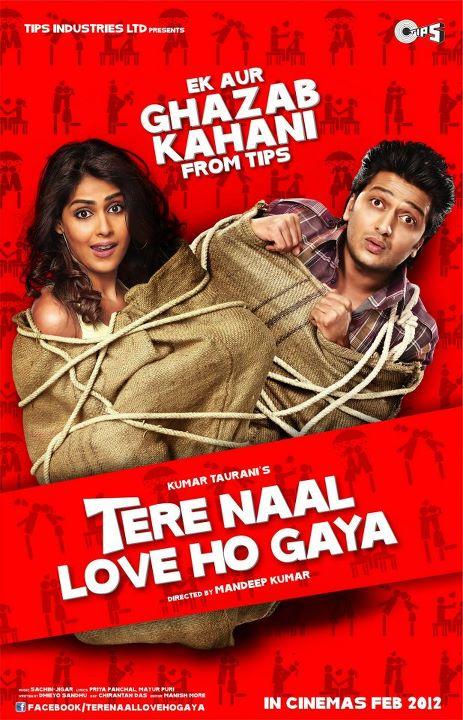
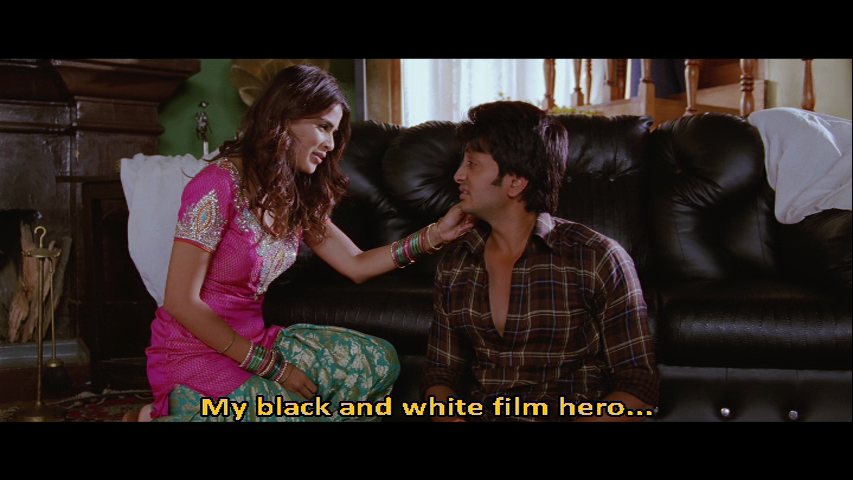
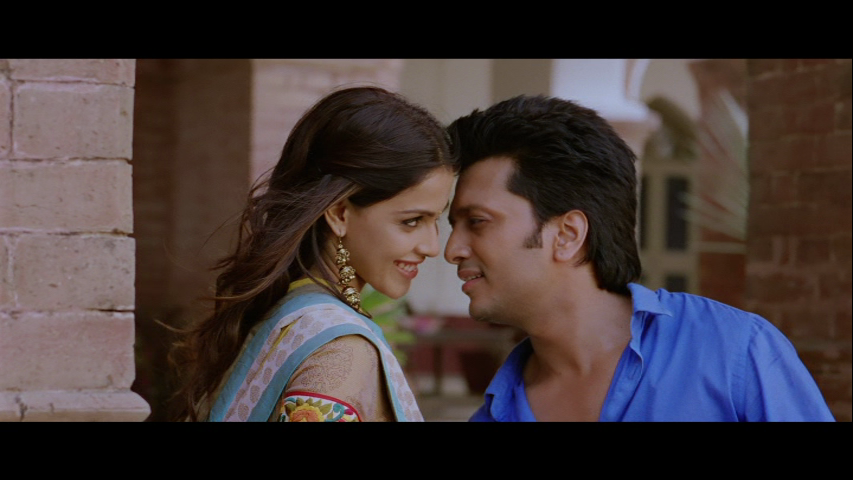
Tere Naal Love Ho Gaya  is the exception that proves the rule. You know – the one that says all real-life couples have absolutely no on-screen chemistry together.  I know there are a few other exceptions out there (although mostly I’m thinking of Hema and Dharmendra films), but they’re few and far between.  But here, Riteish and Genelia share an excellent rapport which makes the film much better than it sounds on paper.  There isn’t anything too different in the way of plot, dialogue or even the characters but the excellent performances of the lead cast make up for a lot, with the end result of a light but entertaining romantic comedy.

Great disclaimer in the opening credits too – always good to see animal safety concerns addressed!

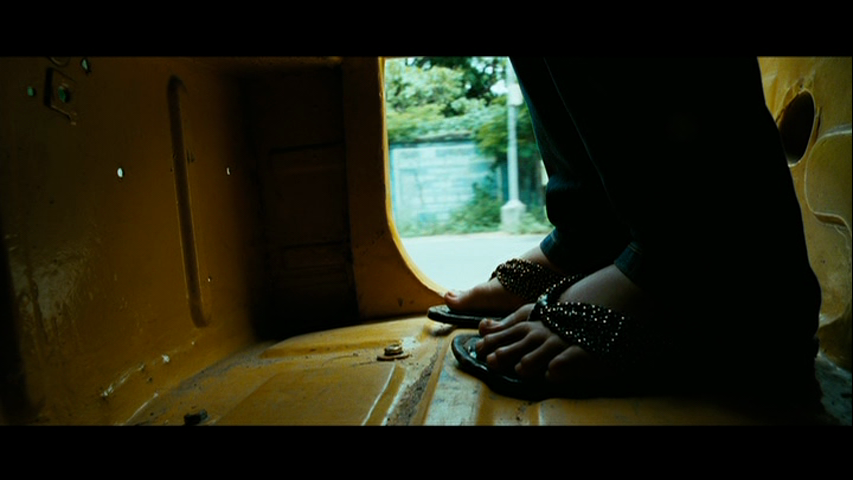
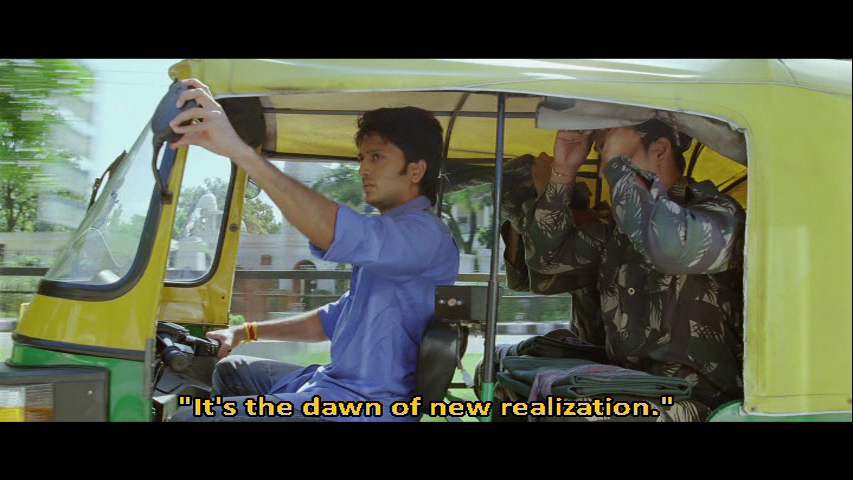
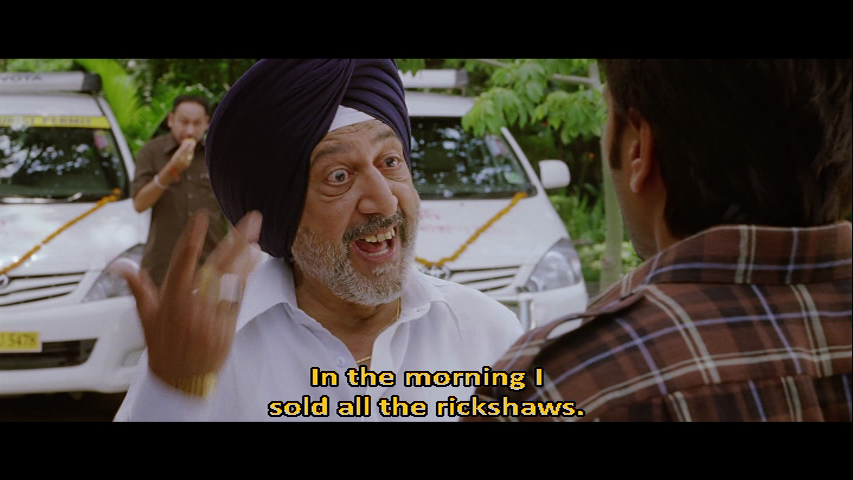
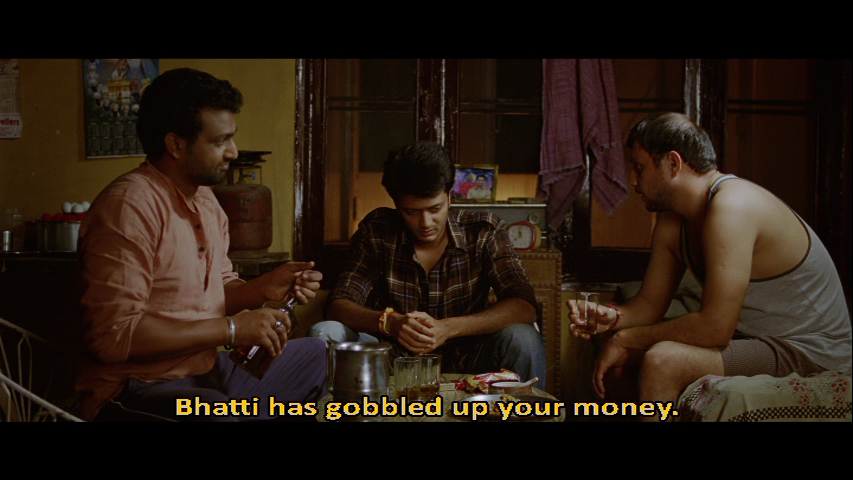
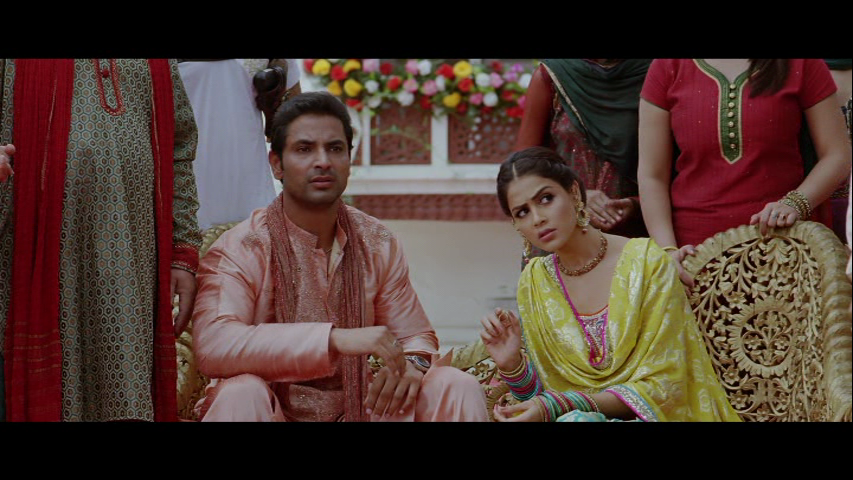
Viren (Riteish Deshmukh) is an auto-rickshaw driver who starts work early every morning in his attempt to save up enough money and realise his dream of running his own fleet of cars.  But he makes two crucial mistakes.  He keeps his savings under the seat of the auto, and he tells his boss Bhatti (Tinnu Anand) about his dream.  So when Viren turns up for work and finds four cars instead of a rank of auto-rickshaws he’s understandably rather upset.  In a weak moment, he drowns his sorrows in alcohol and turns up at Bhatti’s house demanding compensation for his loss just as Bhatti’s daughter Mini (Genelia Deshmukh) is getting engaged.
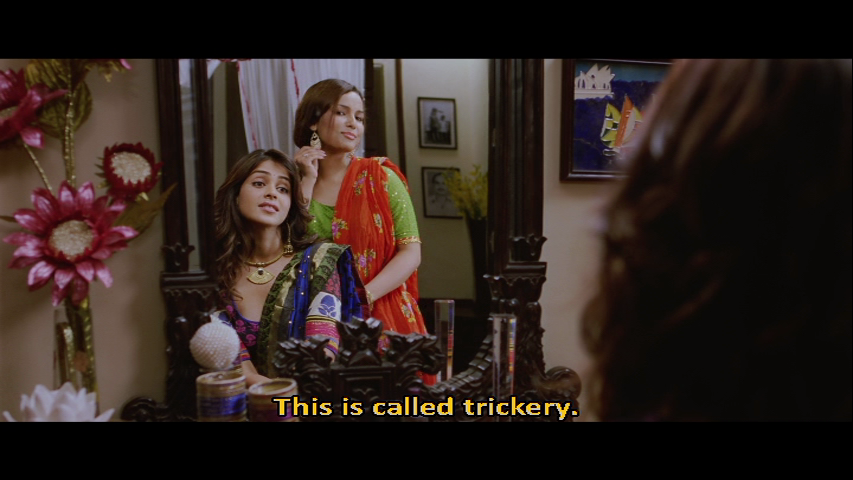
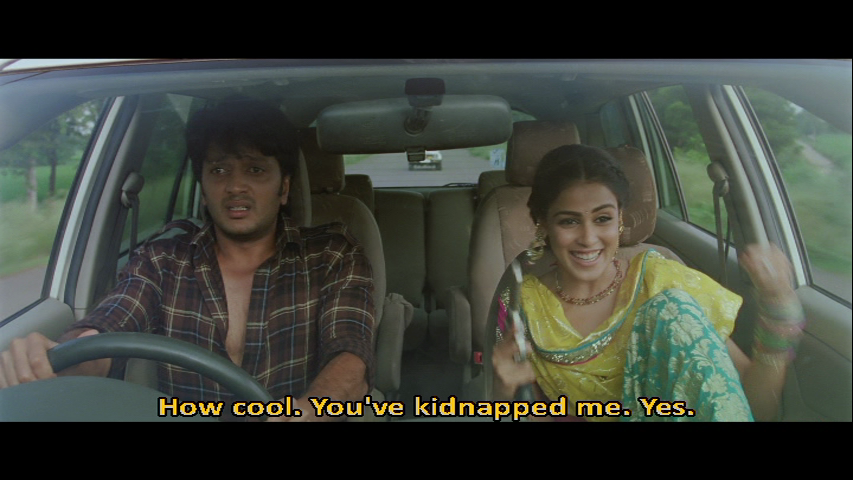
Mini makes the most of Viren’s drunken appearance and forces Viren to kidnap her at gunpoint in order to escape her rich but brainless suitor Sunny (Kartar Cheema).  Mini is the driving force behind the abduction and much of the comedy in the first half comes from her ruthless manoeuvring of the hapless Viren to escape pursuit and demand a ransom from her father.

I’m sometimes a bit ambivalent about Genelia. I like her when she’s not in manic, hyperactive pixie-mode and there are times here where she veers dangerously close to that. But for most of the film she plays the ruthlessly selfish but bubbly and personable Mini with charm and vivacity and provides the perfect impetus to drive Viren relentlessly out of his comfort zone.  I ended up liking her character more than I expected, particularly in the second half and I think that overall this is one of her better performances. She gets to pull some great faces and wear some lovely costumes, although my favourites are these pajamas covered in little flip flops.

Viren is totally over whelmed by the phenomena that is Mini and Riteish is excellent as the poor but principled auto driver whose life has been completely turned upside down.  I do really like Riteish.  His presence ensures that I will watch a film, no matter how dire it sounds and he’s always worth watching.  I’m very impressed that he has a second career as an architect but he’s a good actor, especially in comedic roles, and, perhaps rather worryingly, he frequently looks much better than he should in a dress.  As much as I love him though, he’s not really my idea of leading man material so I was very impressed that he did so well with his role here – despite a few fashion faux pas and a tendency to try to imitate SRK in the songs.

Unsurprisingly Mini and Viren end up falling in love during a rather strange drunken night at a wedding.  While it’s totally predictable that the two get together, the romance isn’t well developed at all and it’s just assumed that being forced together by the circumstances is enough of a reason for a relationship.  However the chemistry between Mini and Viren is convincing enough to give some plausibility to the proceedings and it’s hard to complain when they do look so good together.

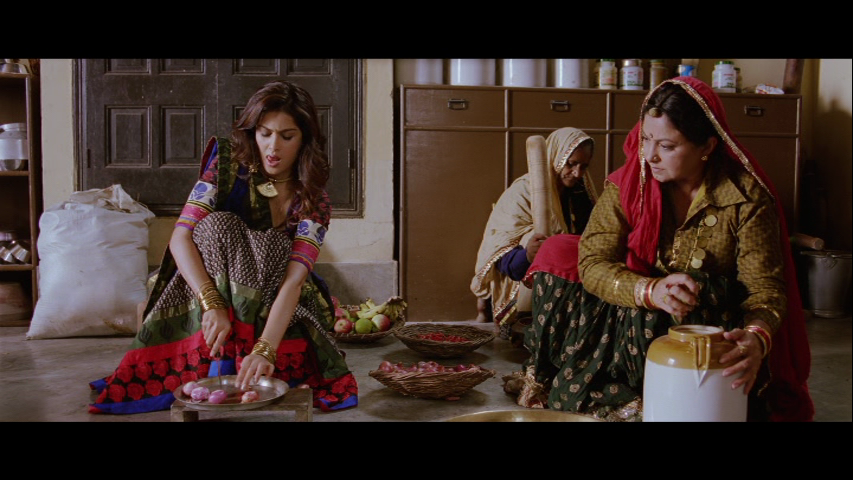
The second half of the film moves to Viren’s family home where his father is the notorious kidnapper Chowdhary (Om Puri) – a man so well-known for his criminal proclivities that his mansion is called Agwaha house. But despite this clue he appears to live there quite unmolested by police or other persons of authority and is free to pursue his chosen profession as and when he wishes.  Om Puri is always good value and I liked his curmudgeonly and testy Chowdhary.  His scenes with Genelia are some of my favourites as she gradually wins his affection and as a result he continually increases her ransom price.

Smita Jayakar is also good as Viren’s mother and the looming presence of the silent Gurmeet Saajan as Viren’s uncle who keeps popping up in the background made me laugh more than it really should.  Viren also has a sister played by Chitrashi Rawat who was better than I expected given the few brief times I’ve seen her since her debut in Chak De India. The rest of the cast are all good in their stereotypical roles but generally they don’t have much to do.

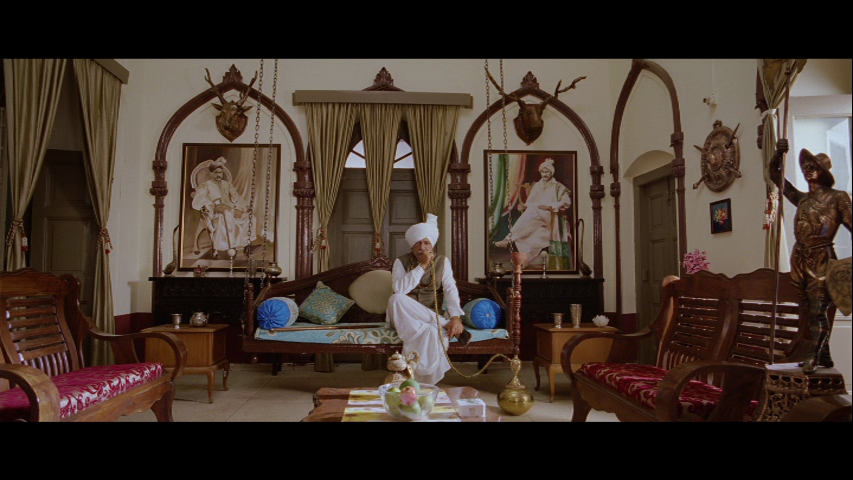
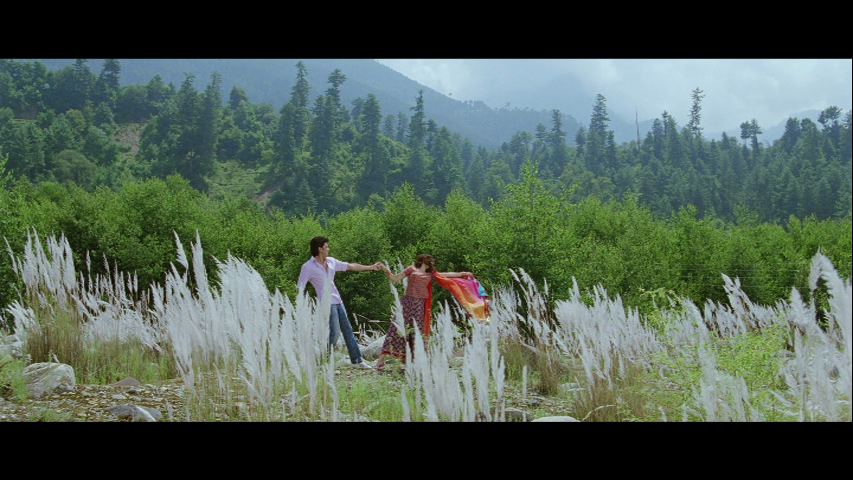
Apart from the excellent performances from Genelia and Riteish there are other good points about the film.  The cinematography is excellent and Chirantan Das makes the countryside look incredibly beautiful. The interior shots around Chowdhary’s house are also well shot and there is good use of light and colour throughout.  The songs by Sachin-Jigar are enjoyable, although the item number suffers from poor choreography and rather too much of Veena Malik but the music is good. The other songs are better pictured although neither Riteish nor Genelia are particularly good dancers but what they lack in technique, they make up for in enthusiasm and since they’re both supposed to be drunk in this song the lack of co-ordination may even be deliberate.

Tere Naal Love Ho Gaya is the debut film by director Mandeep Kumar and writer Abhijeet Sandhu.  It isn’t brilliant, but it does have it’s moments and I found it an enjoyable watch with a very likeable cast.  The whole film has a feel-good flavour and it’s a good lazy afternoon movie for when you don’t want to have to think too much.  Worth watching for the excellent performances by the main leads and Om Puri’s scenes with Genelia.  3 ½ stars.