Kaathvuvaakula Rendu Kaadhai

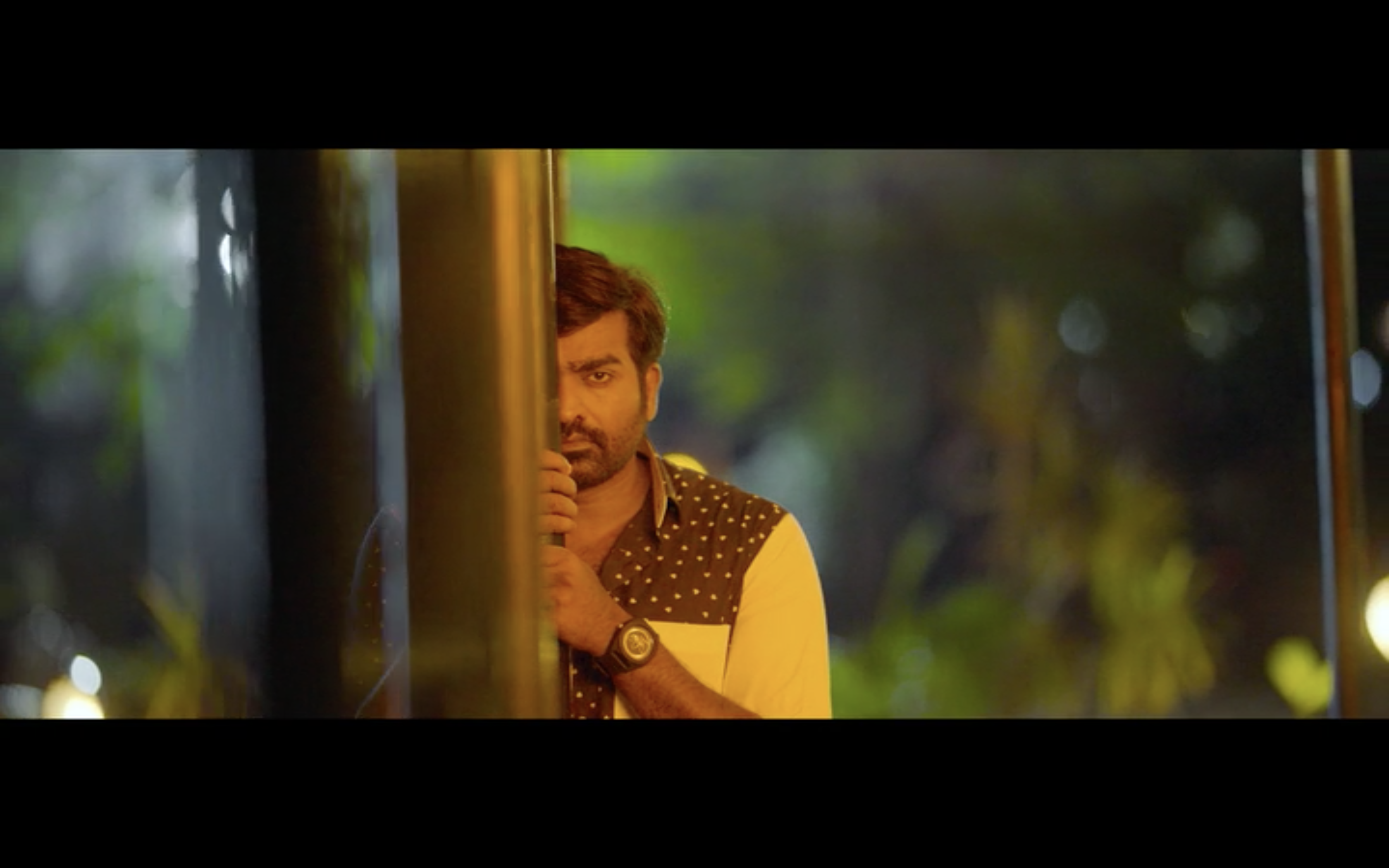
Vignesh Shivan’s latest film with Vijay Sethupathi is a romantic comedy with the ‘twist’ that Rambo is equally in love with two girls. In any other film, this would be called two-timing or cheating, but here we are supposed to feel sorry for Rambo and support his attempts to commit bigamy. For all of that, there are some entertaining moments, and all three leads put in good performances. But at the end of the day, Kaathuvaakula Rendu Kaadhai is a one-time watch with an unsatisfying love triangle.
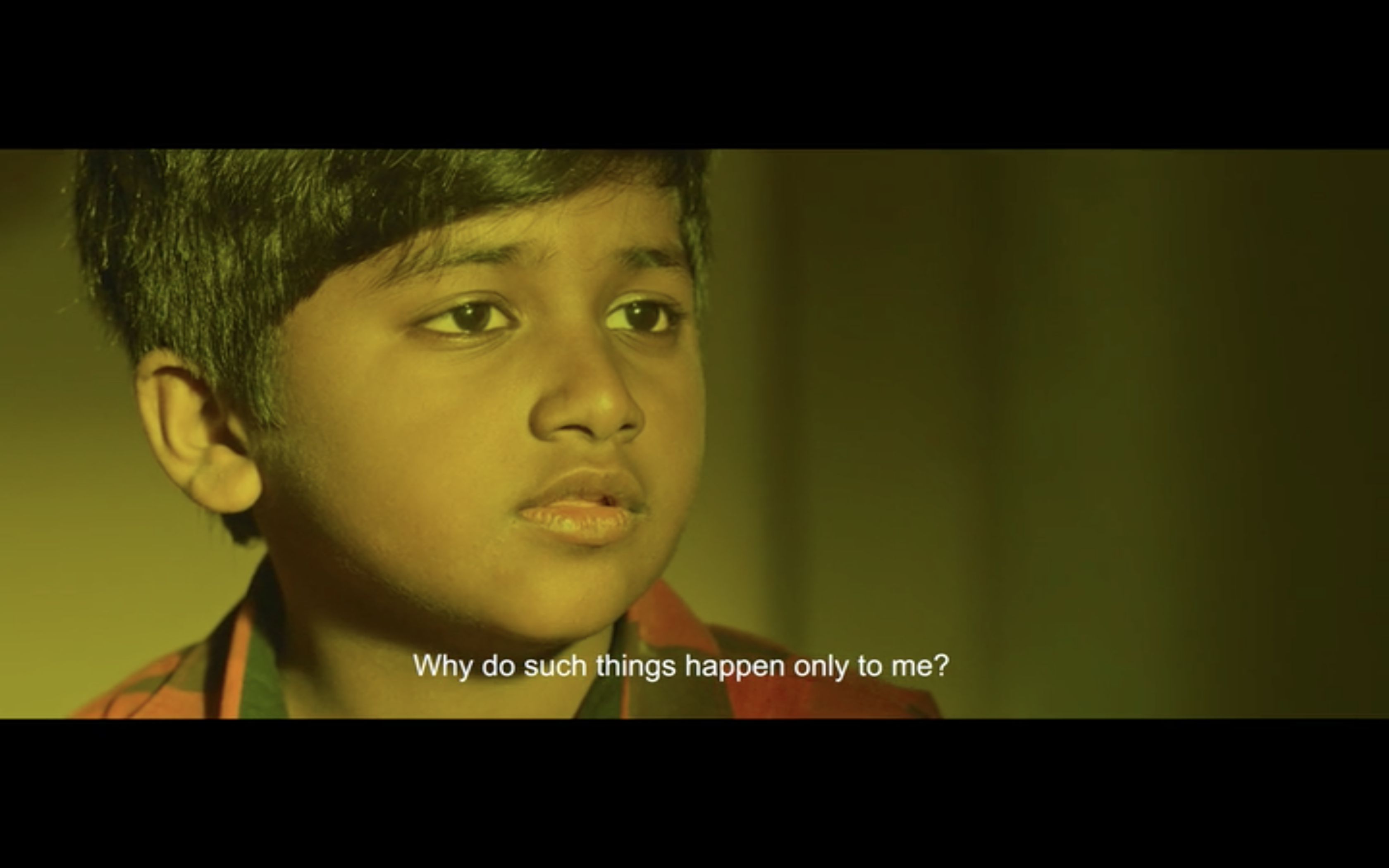
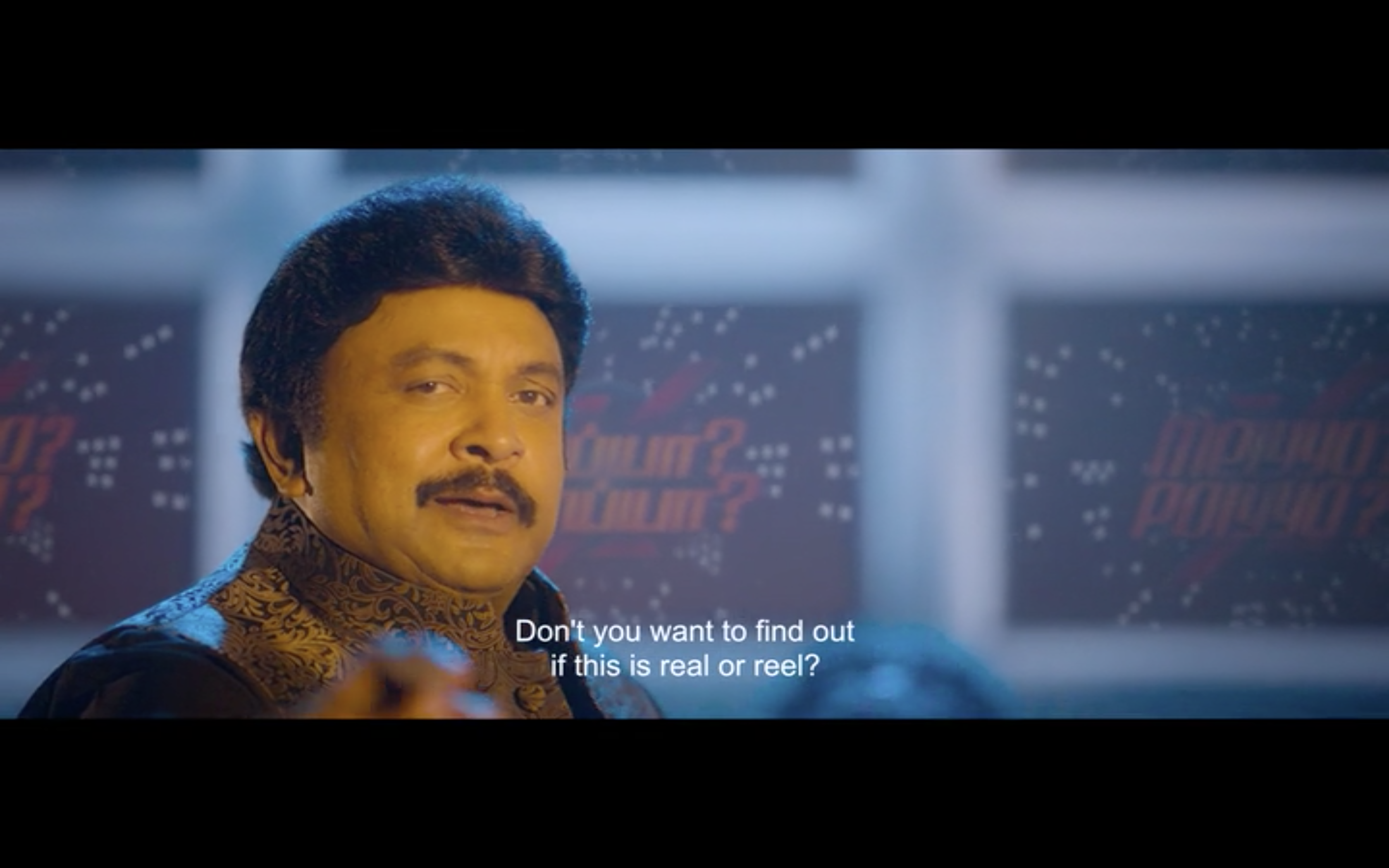
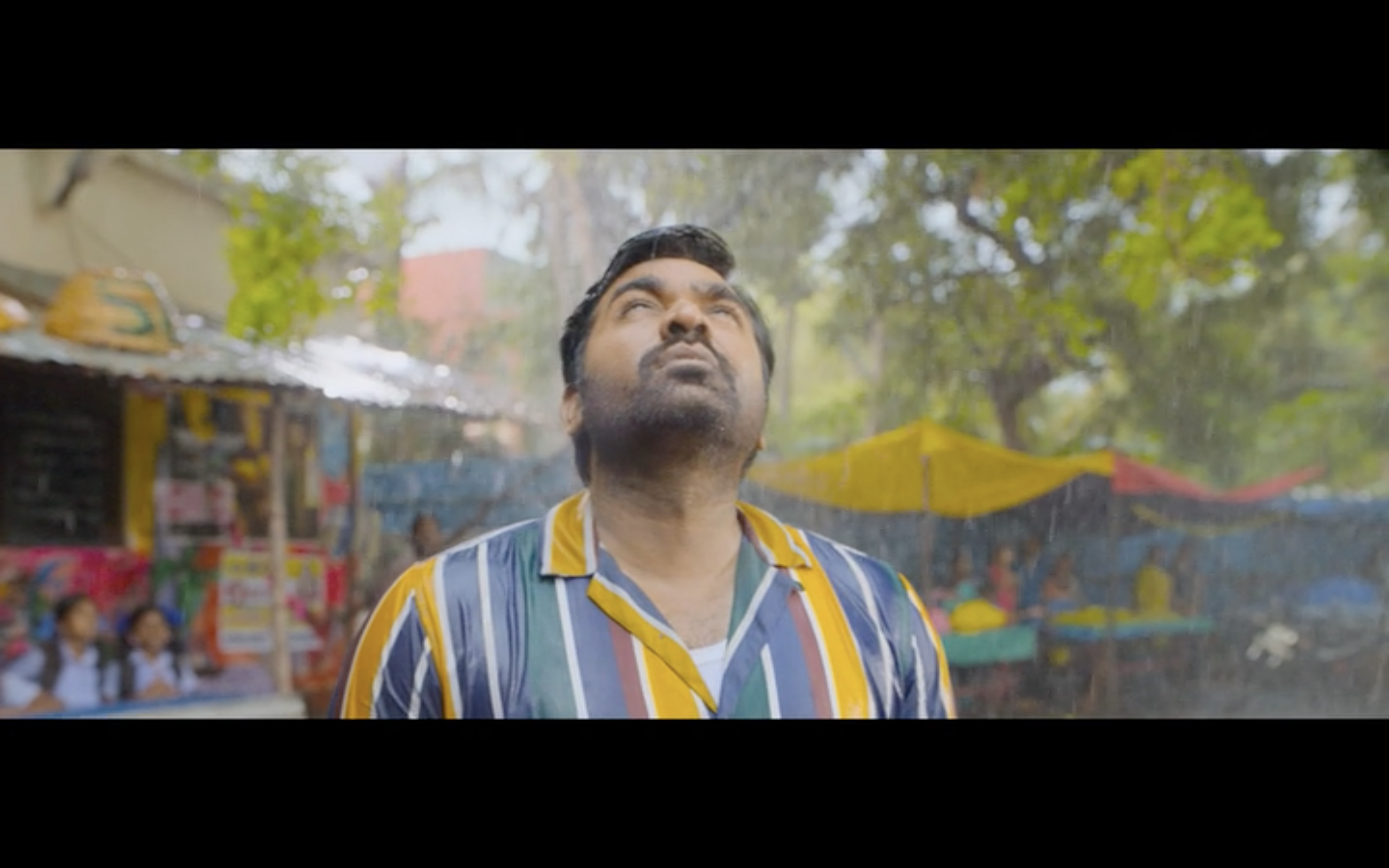
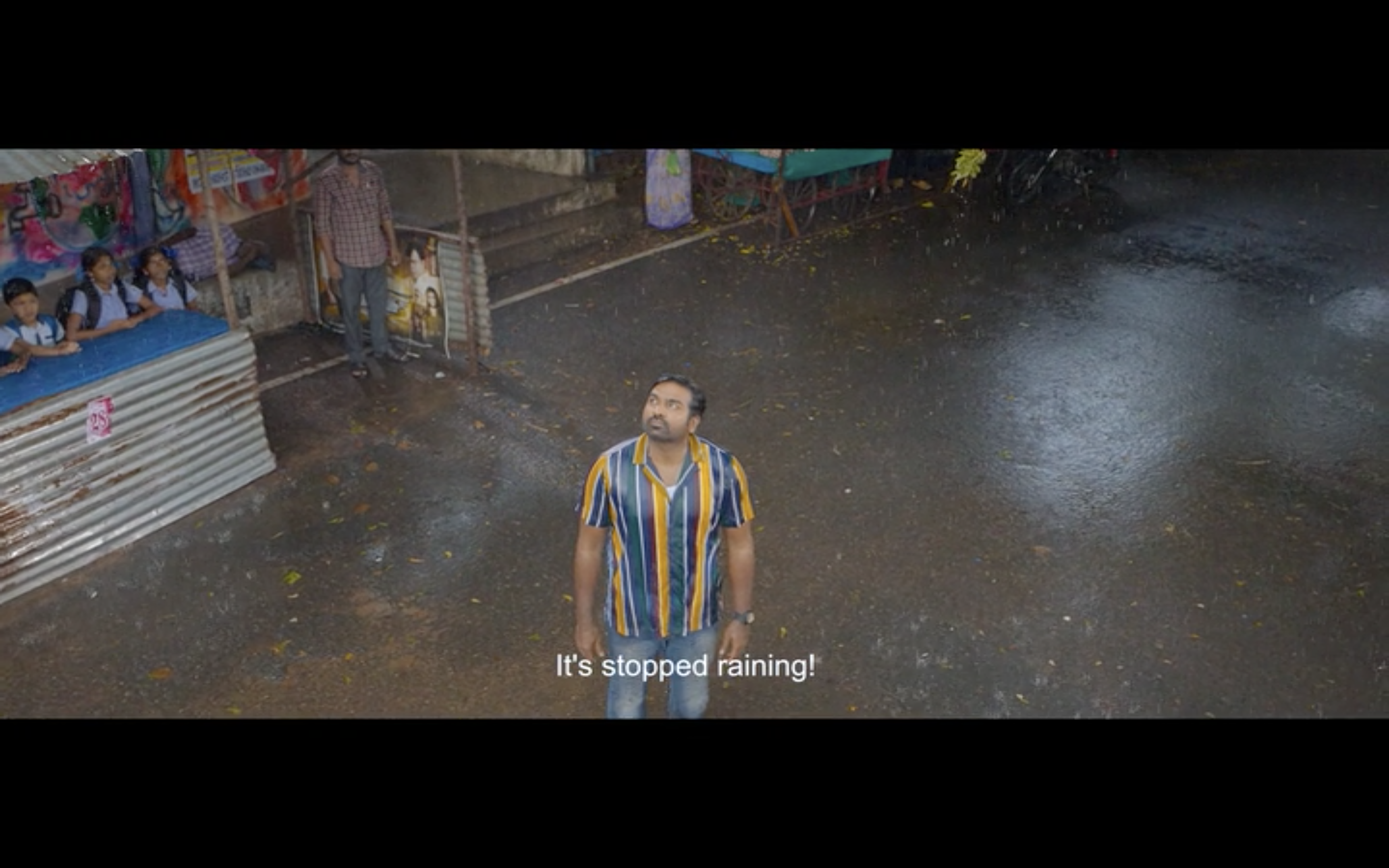
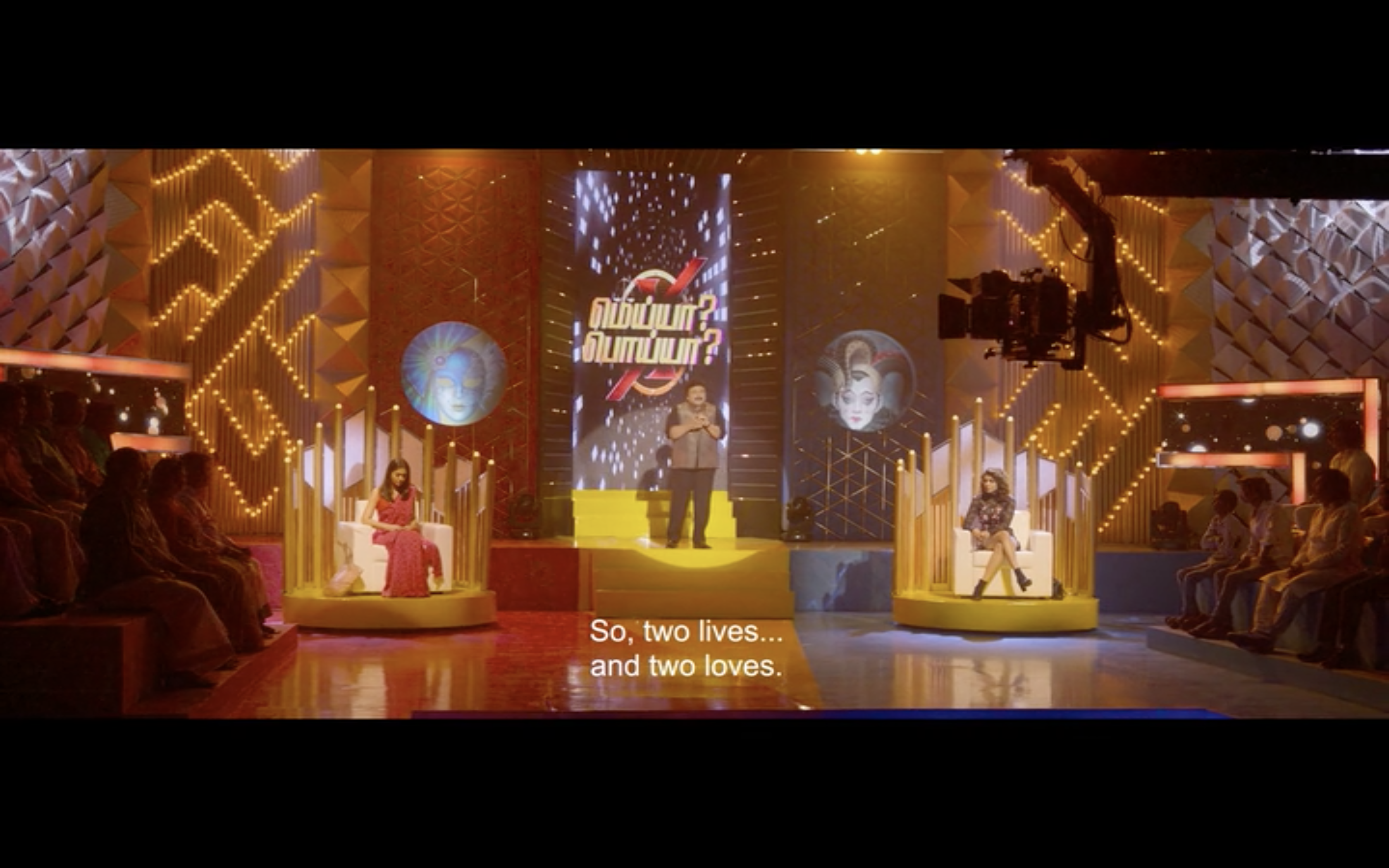
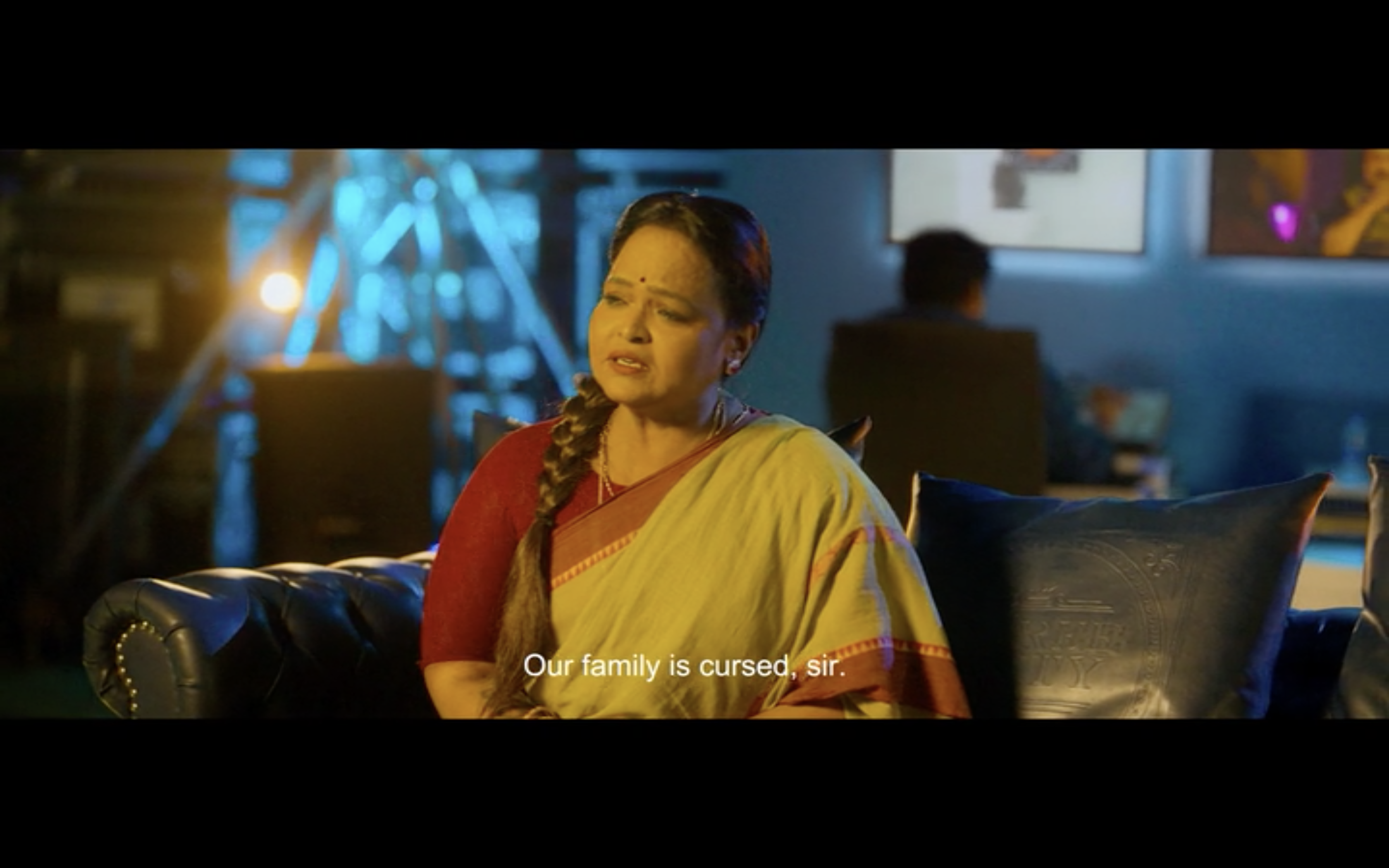
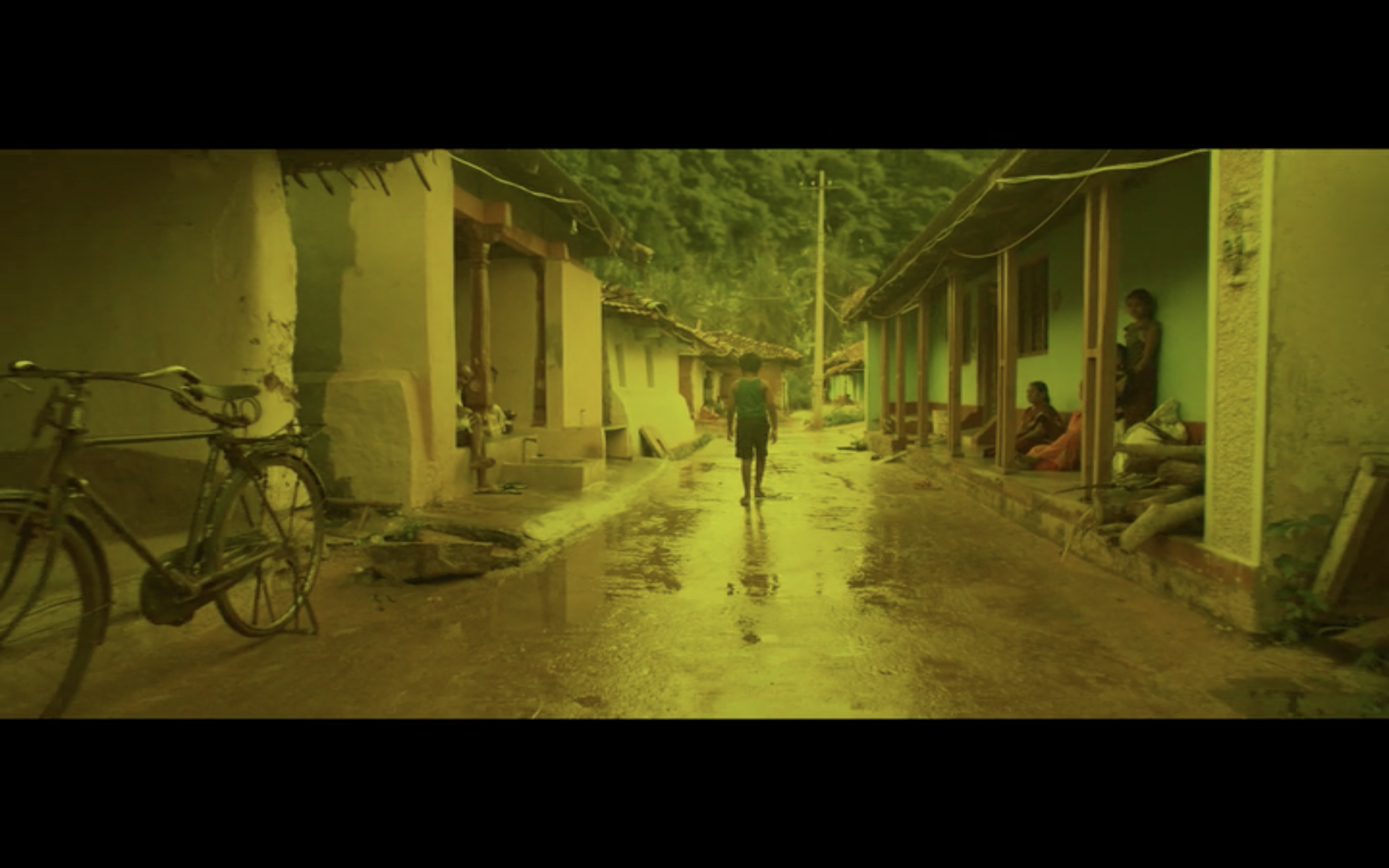
The film starts with a TV show called ‘Real or Reel’ that’s explaining how Rambo ended up with two loves. There is a flashback to the story of young Rambo (Kamalesh) and his unlucky family. None of the family are able to marry due to their reputation for bad luck until the day Rambo’s father decides to wed Minah Kaif (Divya Pillai). Thinking their luck has turned, the family celebrates, but on the day he is born, Rambo’s father names him as Ranjankudi Anbarasu Murugesa Boopathy Ohondhiran (aka Rambo), which you would think would be bad enough luck all by itself. But then his father dies, and Rambo’s mother has a stroke that leaves her bedridden. From here, nothing goes well for Rambo. His mother becomes more unwell when he nears her bed, and as soon as he walks out into the rain it stops. Saddest of all, he can never manage to buy a chocolate ice-cream and the entire village considers him to be unlucky. Despite all this Rambo manages to grow up and back in the present day has 2 jobs and a nice apartment, so he can’t be all that unlucky all the time – just with rain and ice-cream.
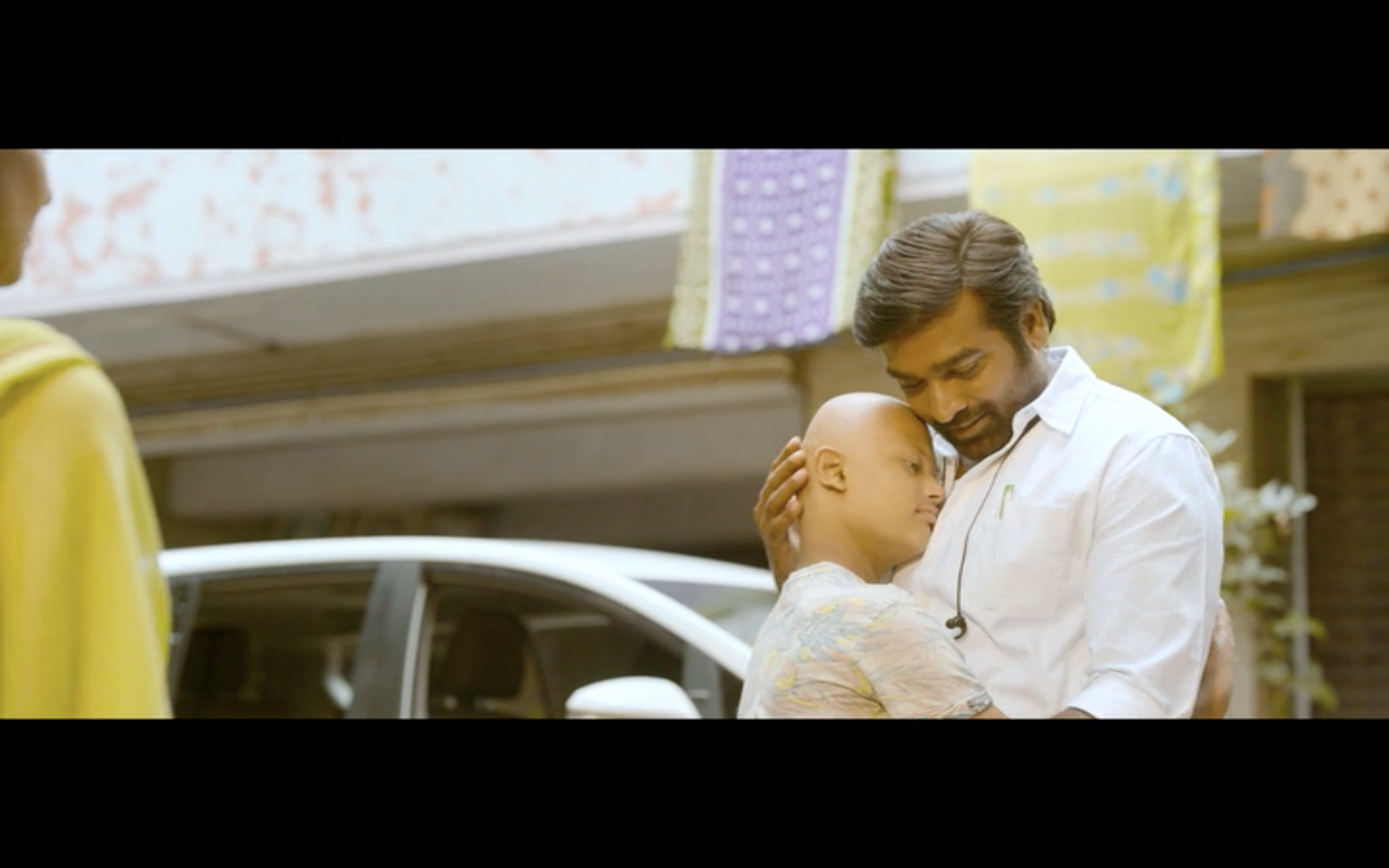
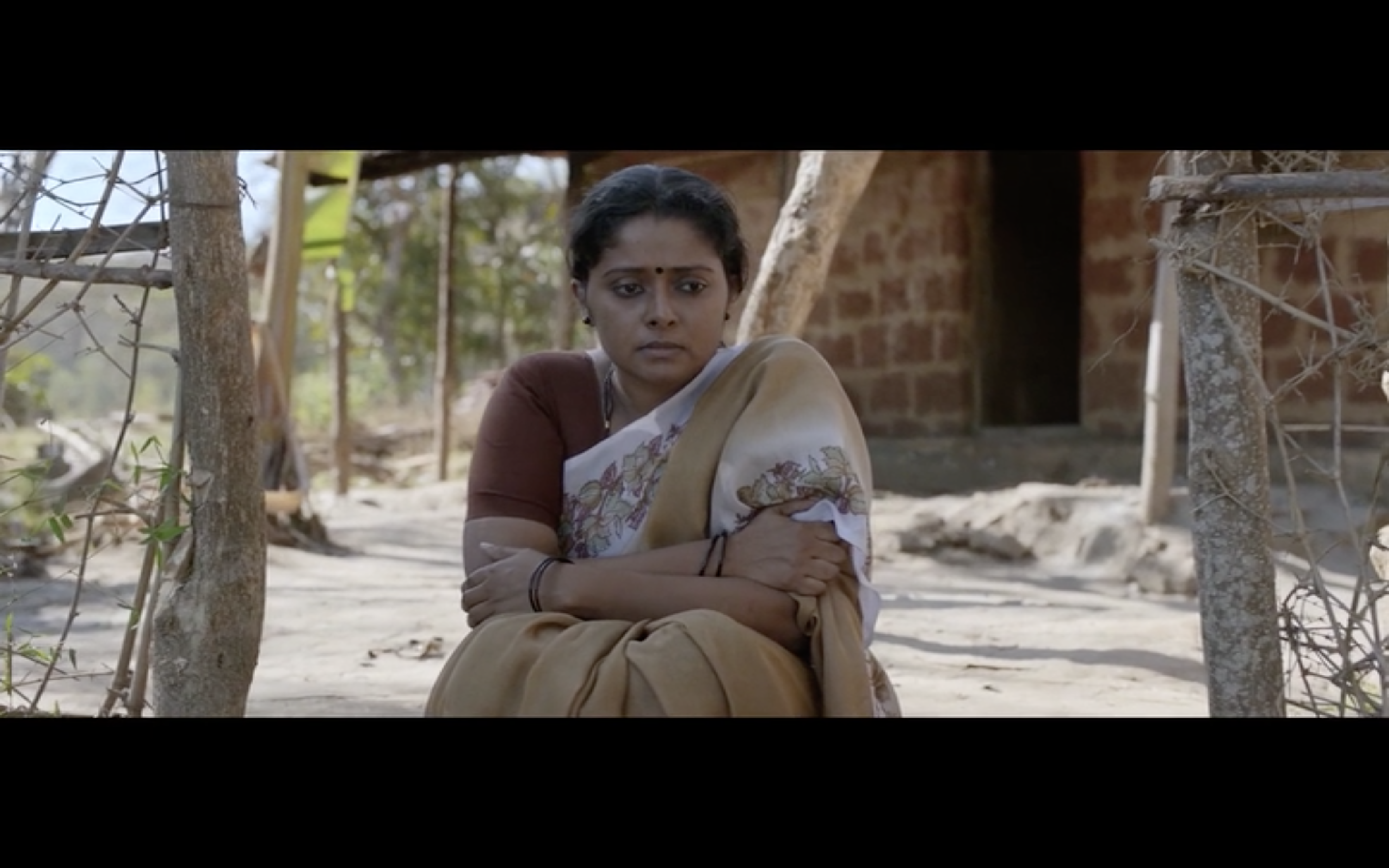
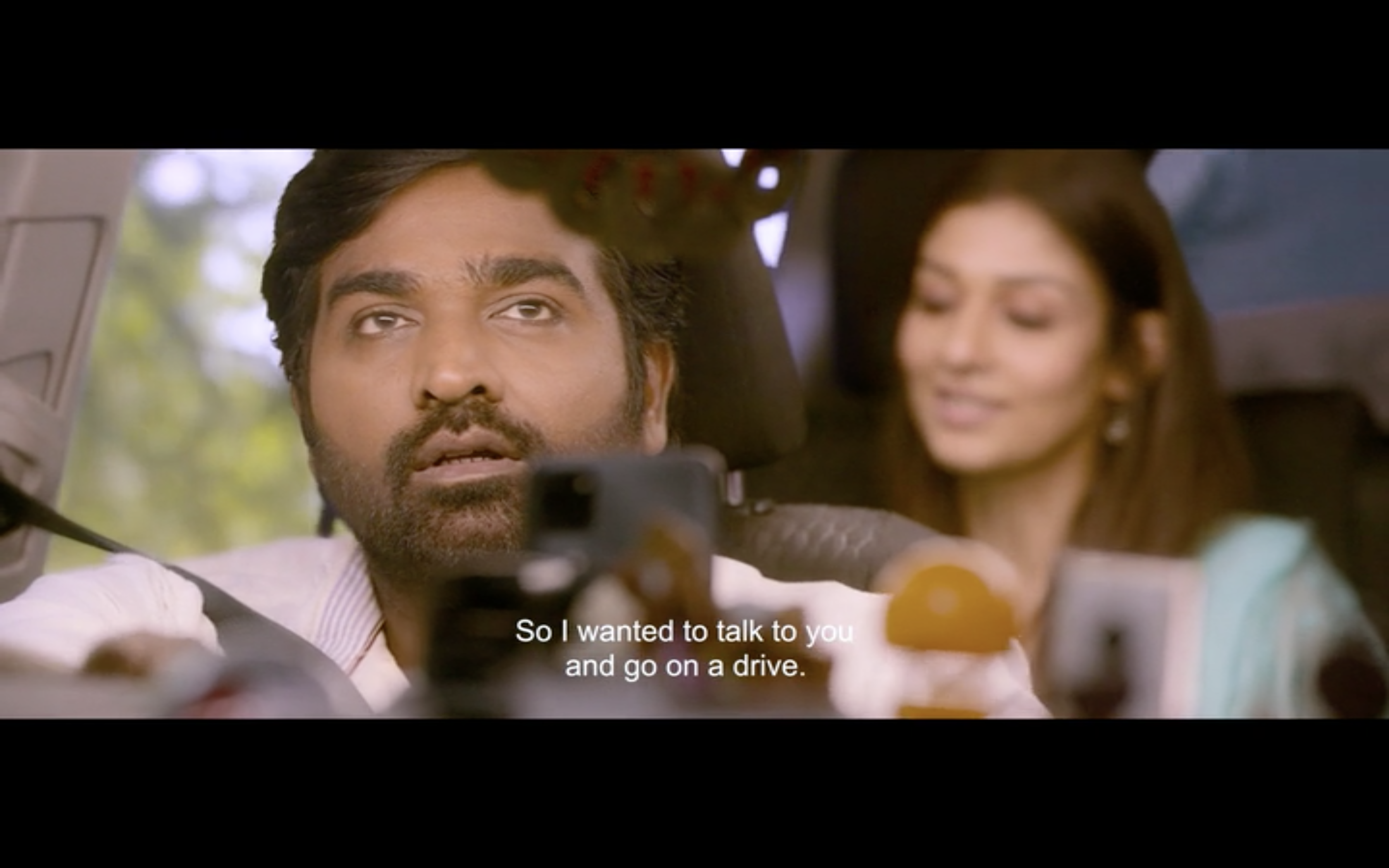
By day Rambo is a driver for Ola cabs, and this is how he meets Kanmani (Nayanthara). She is looking for a husband and uses Rambo’s cab to travel to meet prospective grooms and their families. Kanamani has two siblings, her younger sister Minmini (Dipika Kothari) and her brother Bhargav (Bhargav Sundar) who has Downs syndrome. Part of her problem is that she needs to marry to regain ownership of the house her father left her, but she also wants to be sure that any prospective husband will also look after Minmini and Bhargav. This appears to be a major sticking point as none of the families she visits are willing to accept Kanmani along with her siblings. However, in her journeys with Rambo, Kanmani finds him to be kind and accepting of her brother and sister, while in turn they both accept him too. Slowly Kanmani starts to think of Rambo as a potential life partner and eventually she proposes to him.


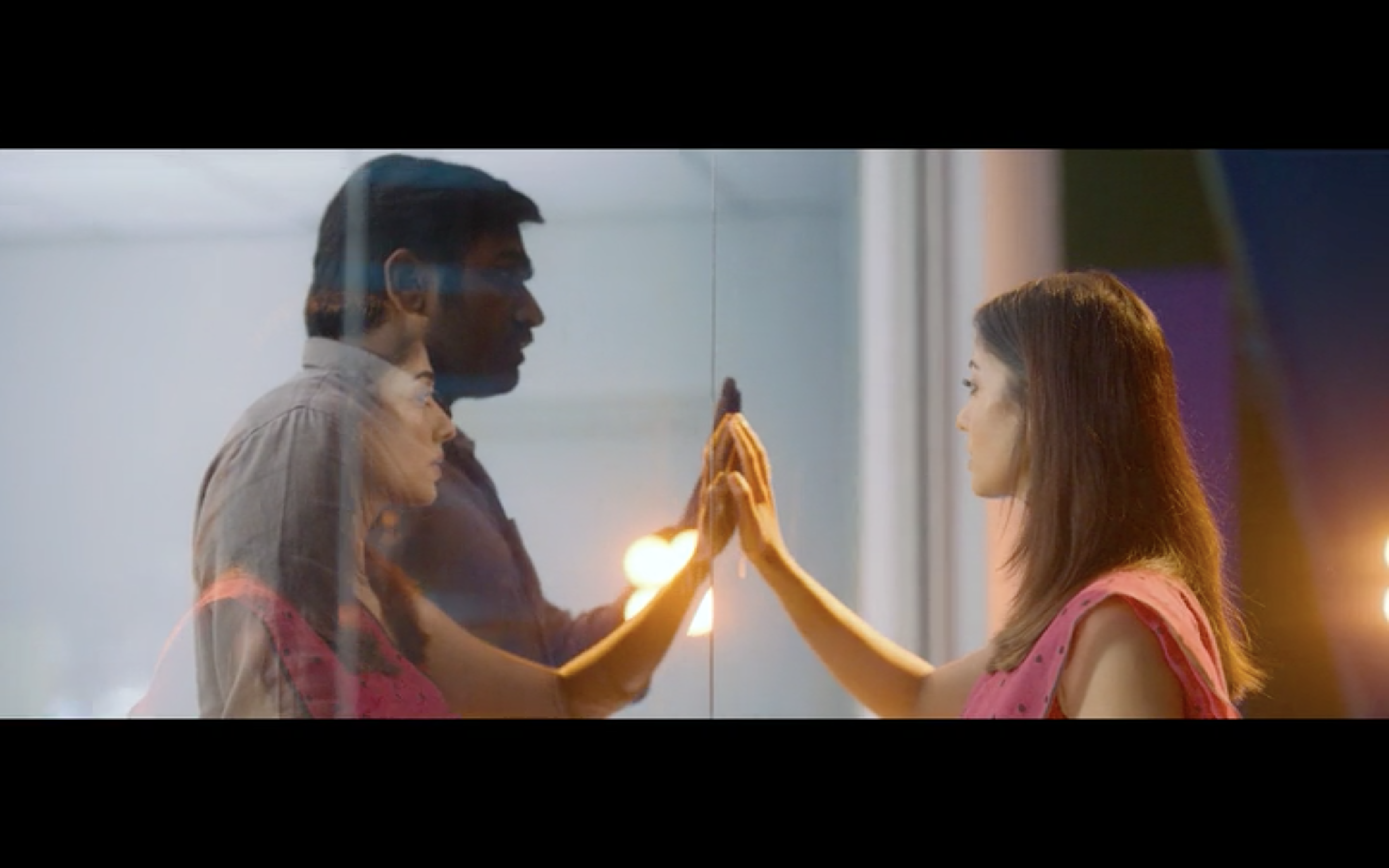
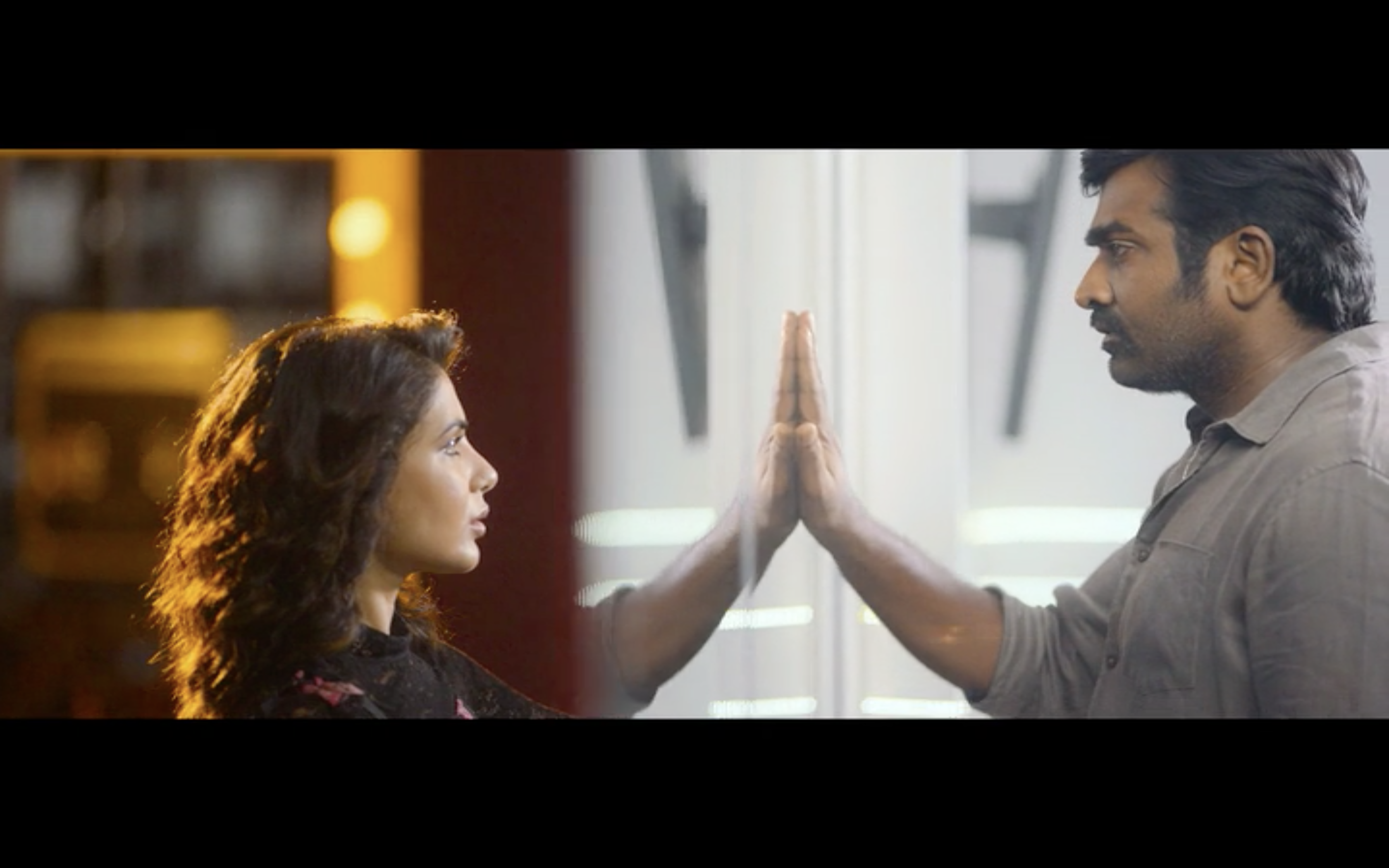
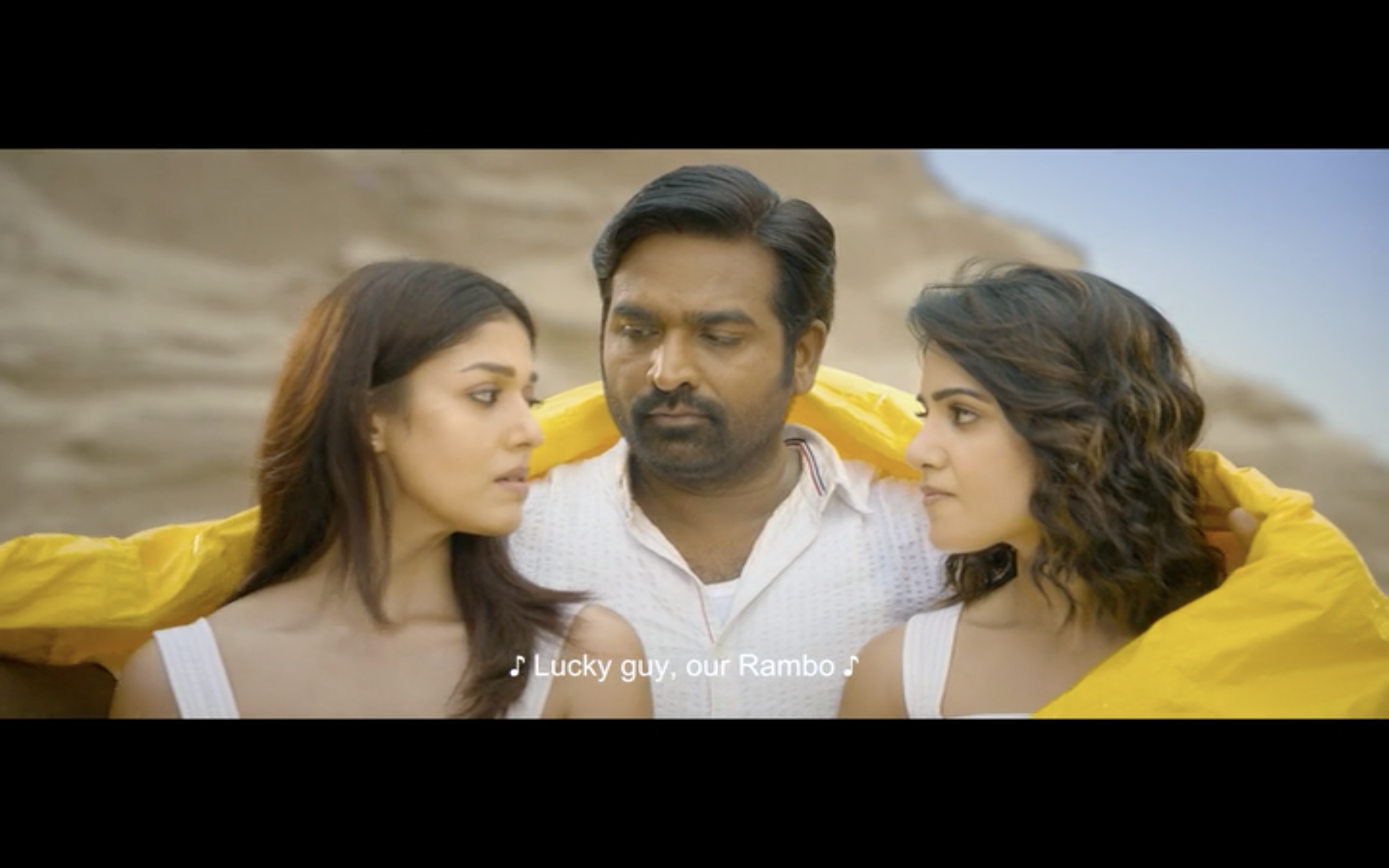
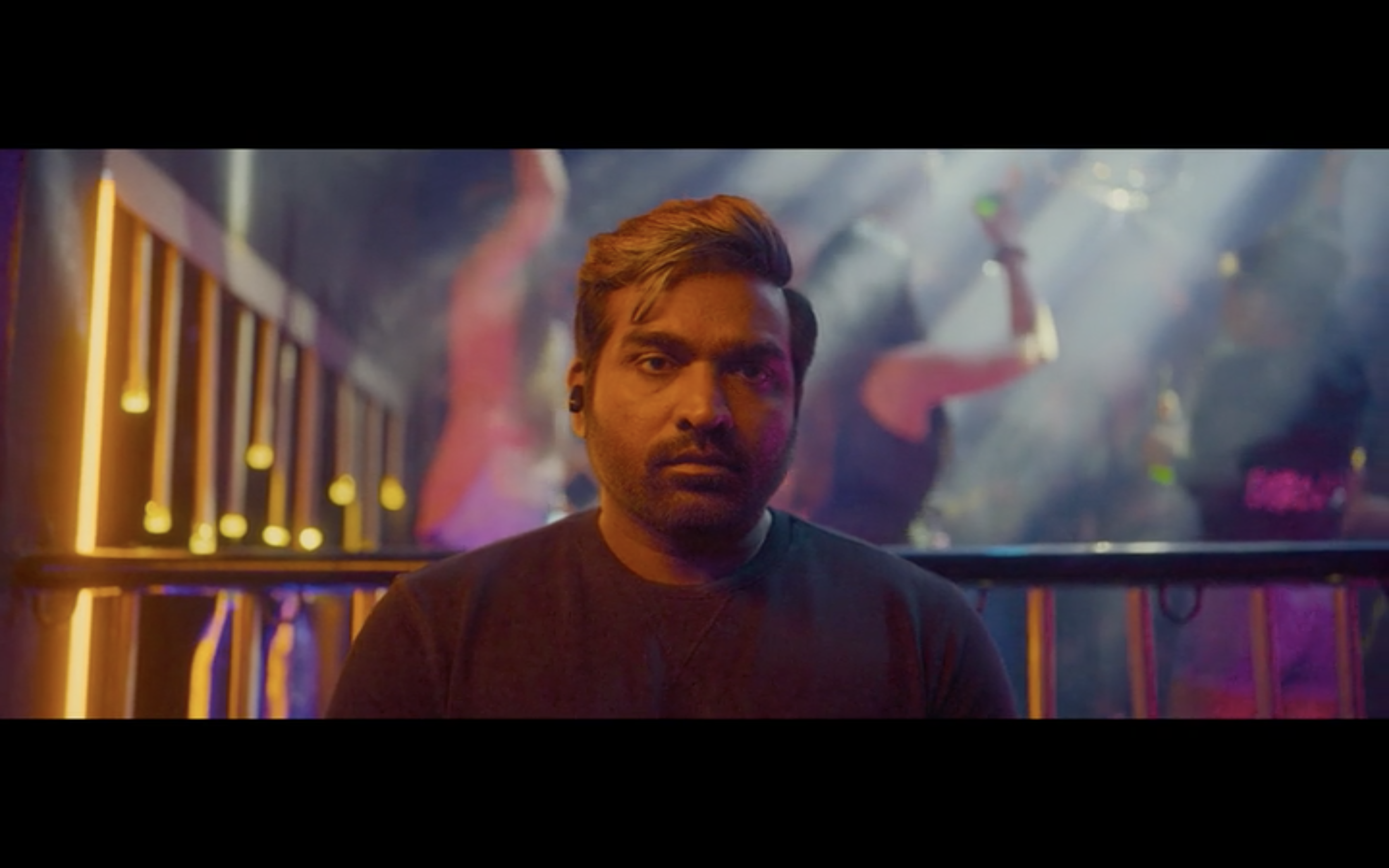
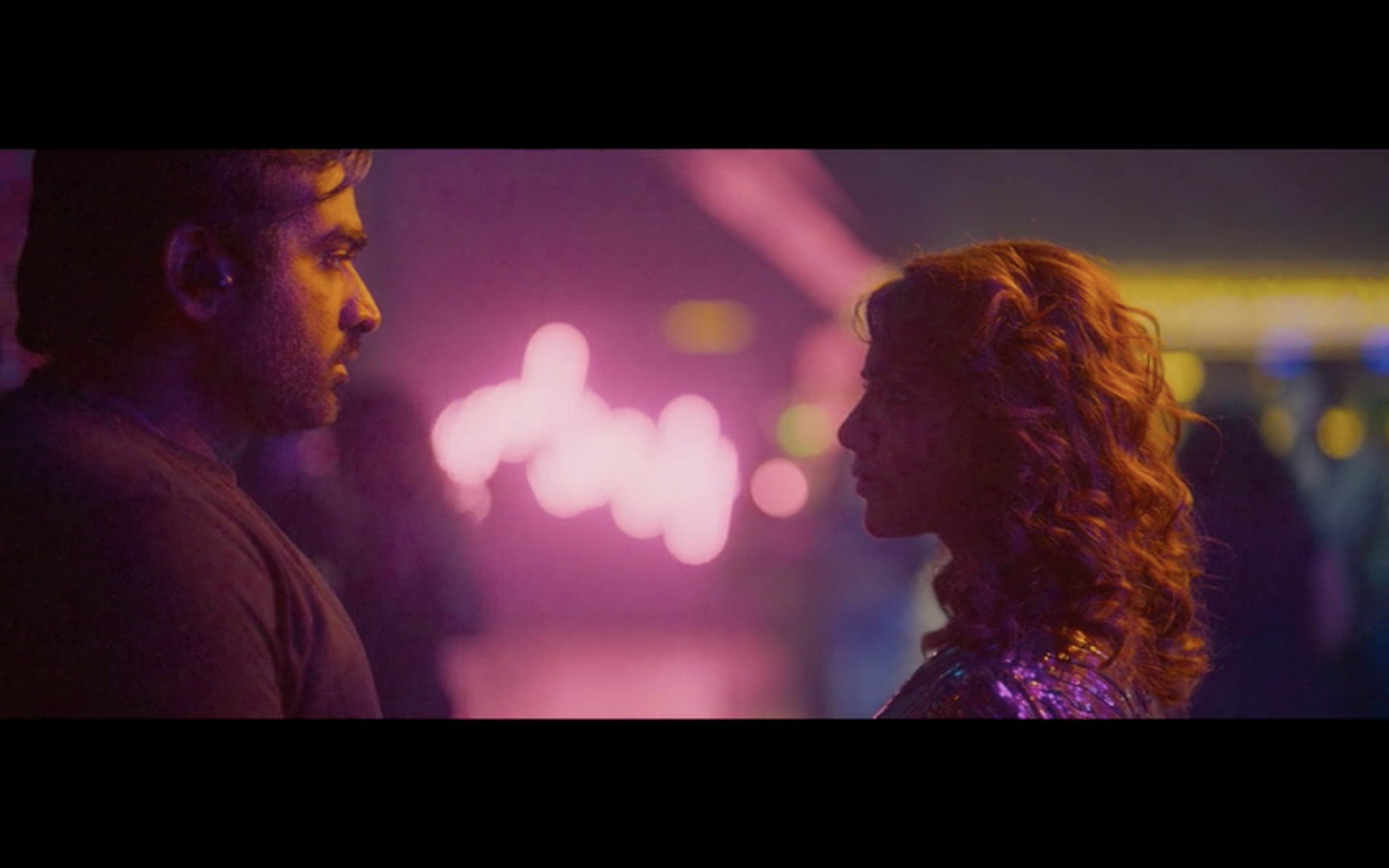
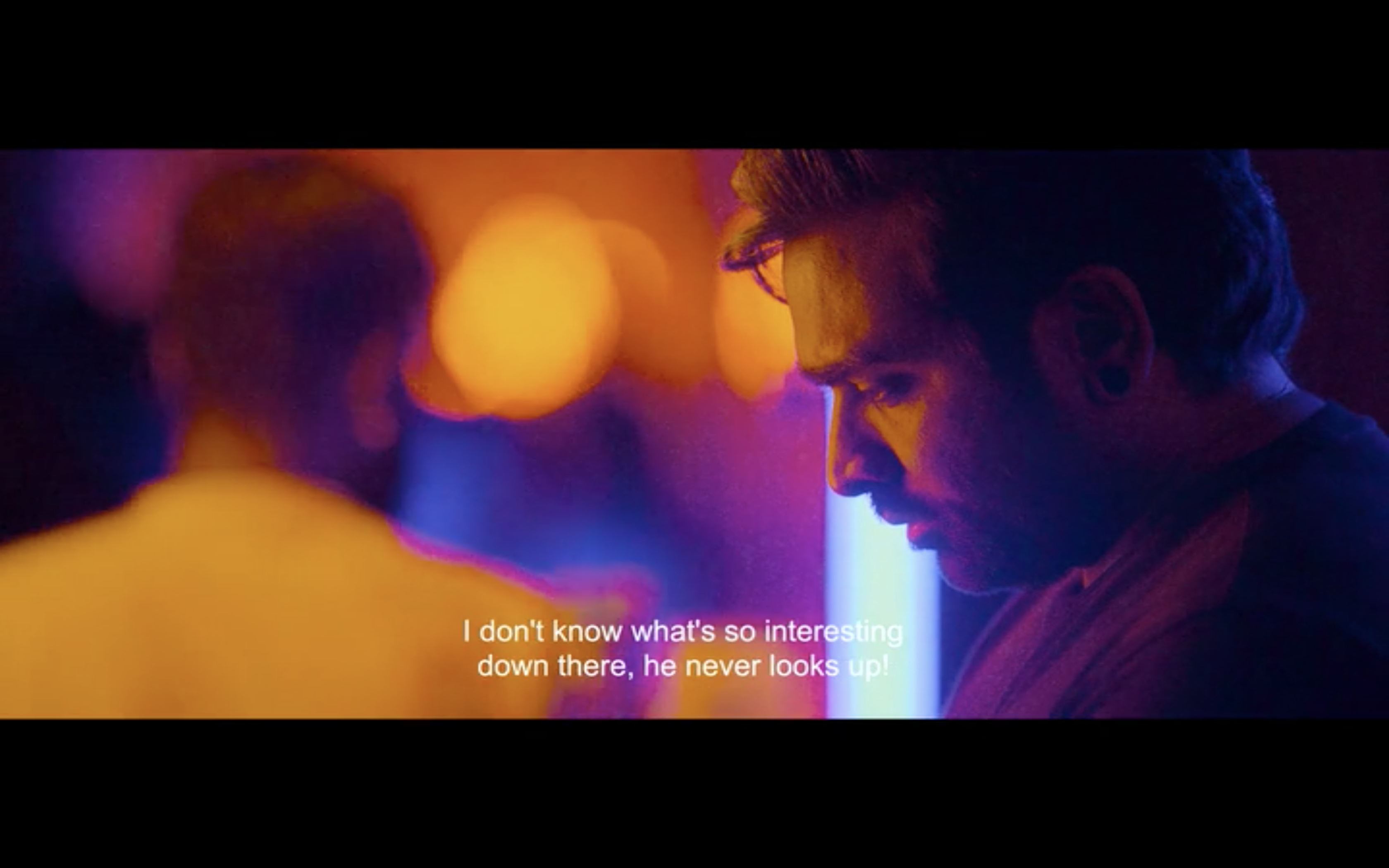
By night, Rambo is a bouncer at a nightclub and there he meets Khatija (Samantha), the rather reluctant girlfriend of club owner Mohammed Mobi (S. Sreesanth). Mobi is a drunken rich prat who is abusive and generally unpleasant, so when he slaps Khatija, it’s a relief to see him get his comeuppance from Rambo. Naturally Rambo and Khatija become friends and he keeps her safe when Mobi starts stalking Khatija and generally behaving in a threatening way. Both Kanmani and Khatija declare their love at the same time leaving Rambo at a loss of what to do as he loves them both equally and decides he cannot give up one for the other.

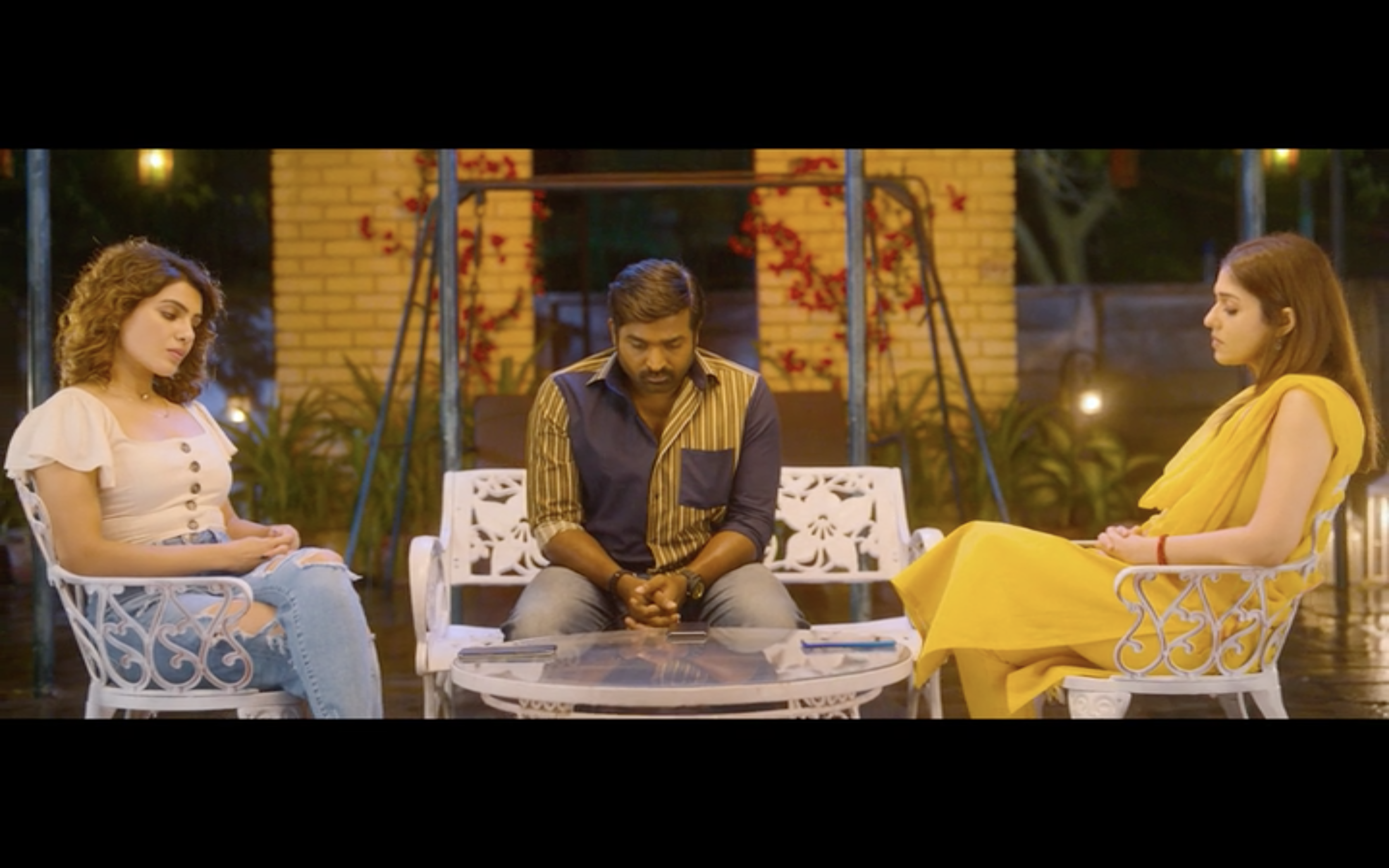
It’s bad enough that Rambo is two-timing the two women, but the story takes a turn for the worse when Kanmani and Khatija both fight over Rambo after they all end up moving into Kanmani’s house together. It gets even more problematic when Rambo’s friend (Lollu Sabha Maaran) tries to convince both women to marry Rambo since their love has turned his life around after his tragic childhood. Frustratingly it’s left to the women to ‘save’ Rambo, who really does not need saving at all given he is gainfully employed, has a number of friends and a family who care about him. Regardless, Kanmani and Khatija have to put their differences aside to soothe Rambo and ignore their own distress at finding out he has been two-timing them with each other.
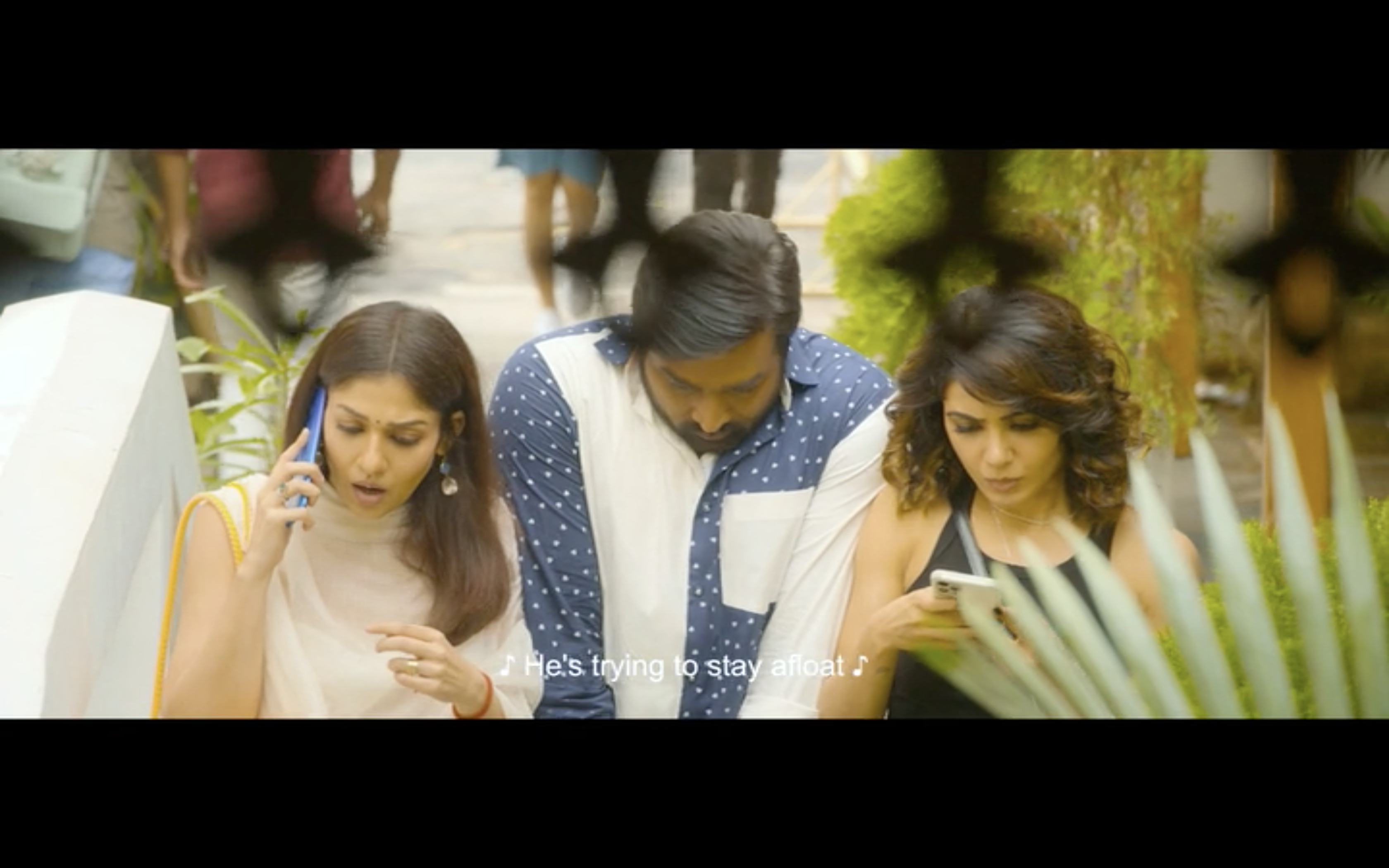
This is the central problem with the story, and it leaves a really bad taste behind. The rest of the comedy with Rambo’s aunt (Kala Master) and uncles desperately trying to get him to marry to lift their own ‘curse’ feels tacked on to give a reason for the idea of Rambo marrying two women, while the drama with his (now older) mother (Seema) seems superficial and again a device solely to promote Rambo’s wedding. 

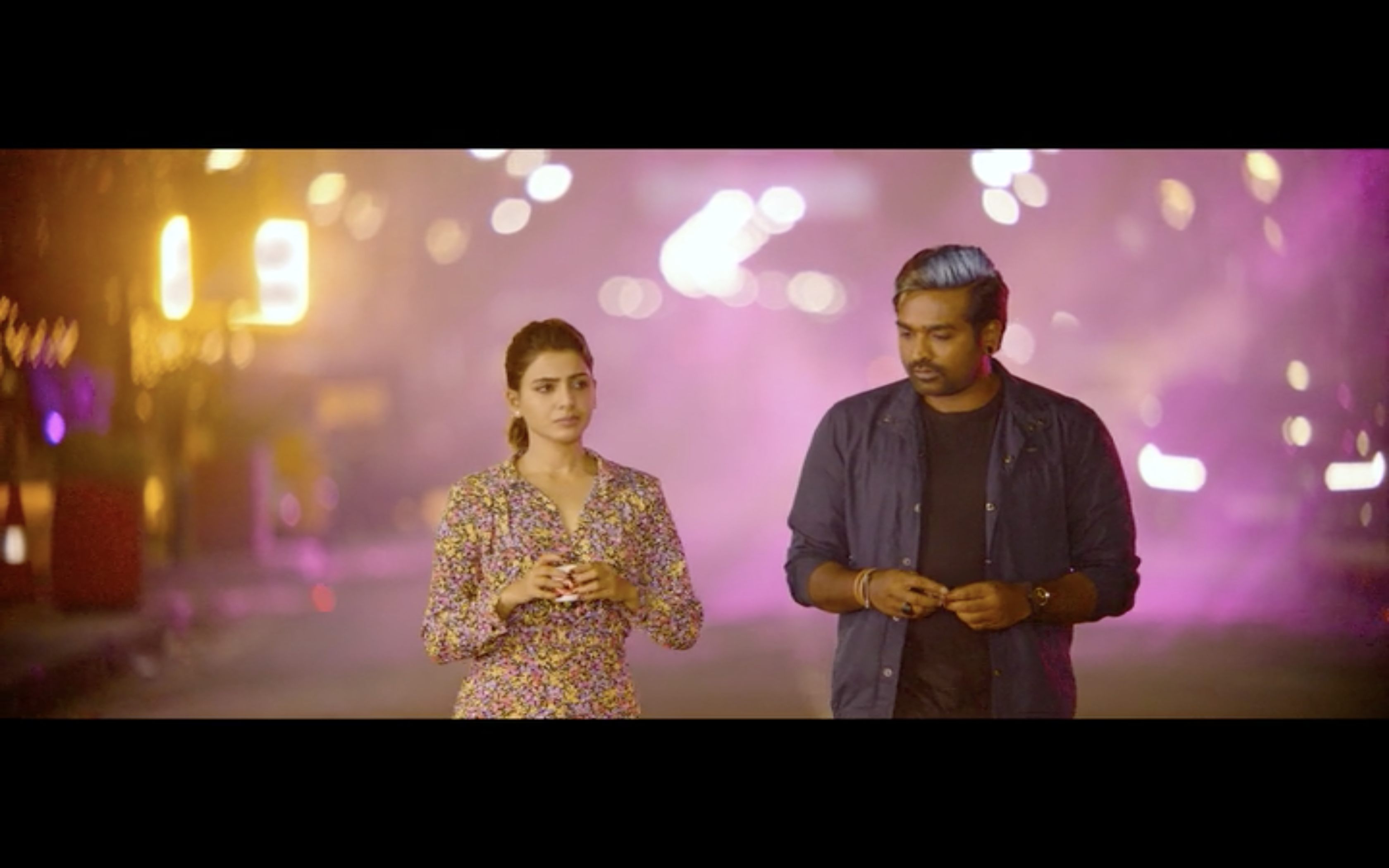
And yet, there are parts of the film that do work well. Despite the rather low-key nature of the two romances, there are couple of standout scenes. One on a bridge with Rambo and Khatija trying to get to know each other is written to bring out Rambo’s vulnerability while a sequence with Kanmani in the cab demonstrates his kindness and thoughtfulness. I also like how cinematographers S.R. Kathir and Vijay Karthik Kannan change the lighting to show the difference between Kanmani and Khatija. The lighting for Khatija is bright and fluorescent, with scenes shot in the nightclub and on neon-lit city streets, while Kanmani is shown during the day in more natural lighting. The women are divided in their clothing as well with Kanmani depicted as traditional, wearing sari’s and Indian clothing while Khatija frequents night clubs and only wears Western clothes. To continue the dichotomy, Kanmani is Hindu while Khatija is Muslim. Other examples include Kanmani having a job in a show shop while Khatija is wealthy enough to give Rambo money without asking him any questions and Kanmani having 2 siblings while Khatija appears to be an only child. It becomes farcical when Kanmani tells Rambo she prefers plain shirts, while Khatija votes for patterned, which leaves Rambo wearing a hybrid of the two to try and keep both women happy.  
While Vignesh Shivan has focused on the issue of Rambo’s supposed jinx and his inability to choose between Kanmani and Khatija, he adds odd details which never go anywhere. When Kanmani and Rambo meet there is a log dialogue about her being Bengali but after this scene, her heritage is never mentioned again. The house Kanmani’s father left her is being used as a film set and a rather unpleasant relative is living there, but again this is never explained, nor this relative’s brief supposed interested in Kanmani as a potential wife. There are just as many unexplained questions about Khatija. For instance, she tells Rambo she wants to be a singer, but after this we hear nothing more about her career. It’s also never explained why she puts up with Mobi, apart from some vague mention of not wanting to make her father ill. A further exploration of any of these points, and just 1 heroine would have made this a more interesting and satisfying film to watch, but instead Vignesh is determined to go stick with his two-timing hero.
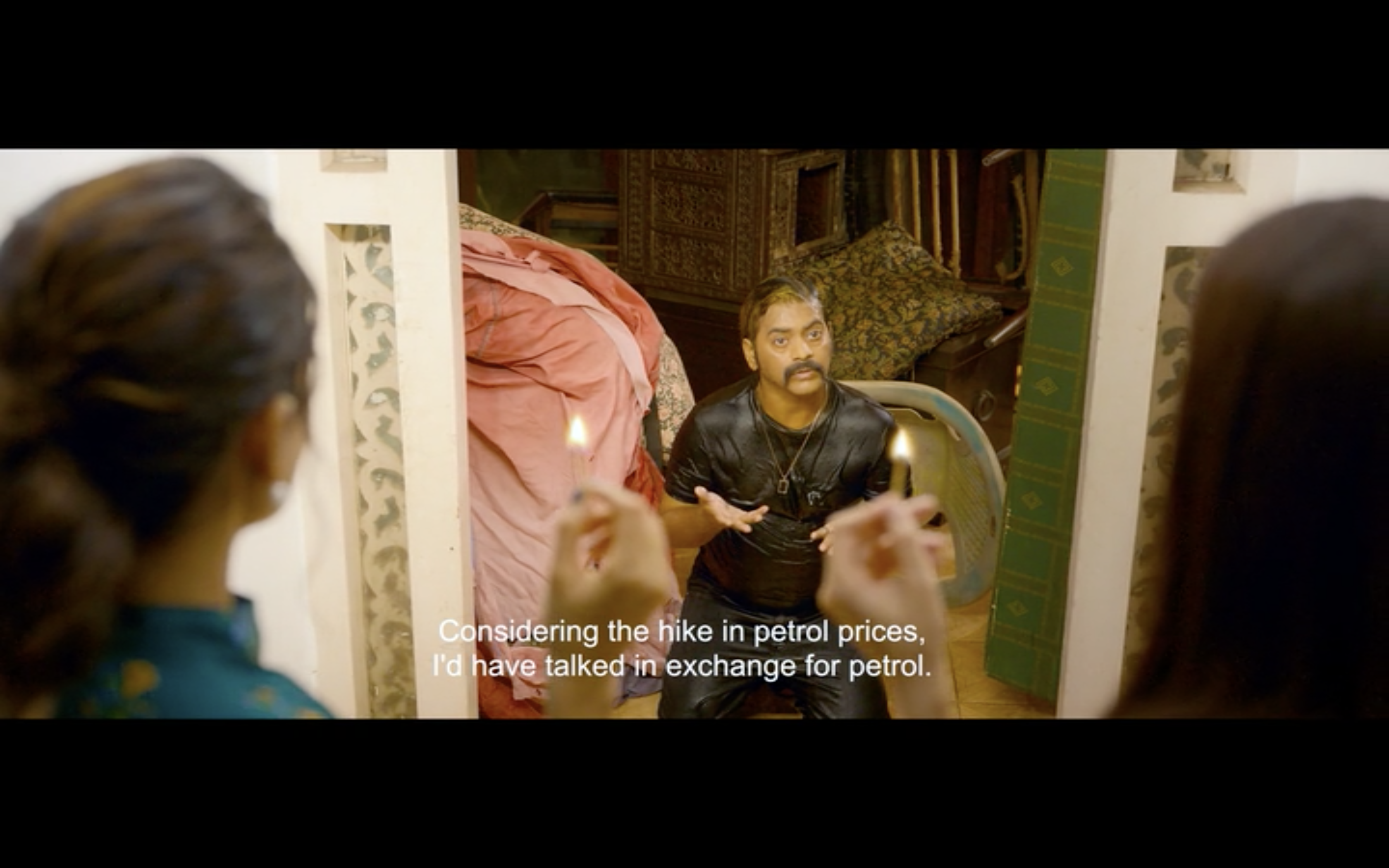
While Vijay Sethupathi, Nayanthara and Samantha are all fine in their roles, the romances are sterile and there is little passion between Rambo and his two fiancées. Of the support cast, Redin Kingsley and Kala Master fare the best and S. Sreesanth is nicely repulsive as Mobi. Thankfully Anirudh is back on form after the woeful Beast soundtrack, and his songs here are a mix of sweetly sentimental and upbeat dance numbers that all sound great. However at 2 hours and 39 minutes, Kaathuvaakula Rendu Kaadhai quickly outstays its welcome and despite the music, performances and general all round greatness that is Vijay Sethupathi, this really is one just for fans. 3 stars.
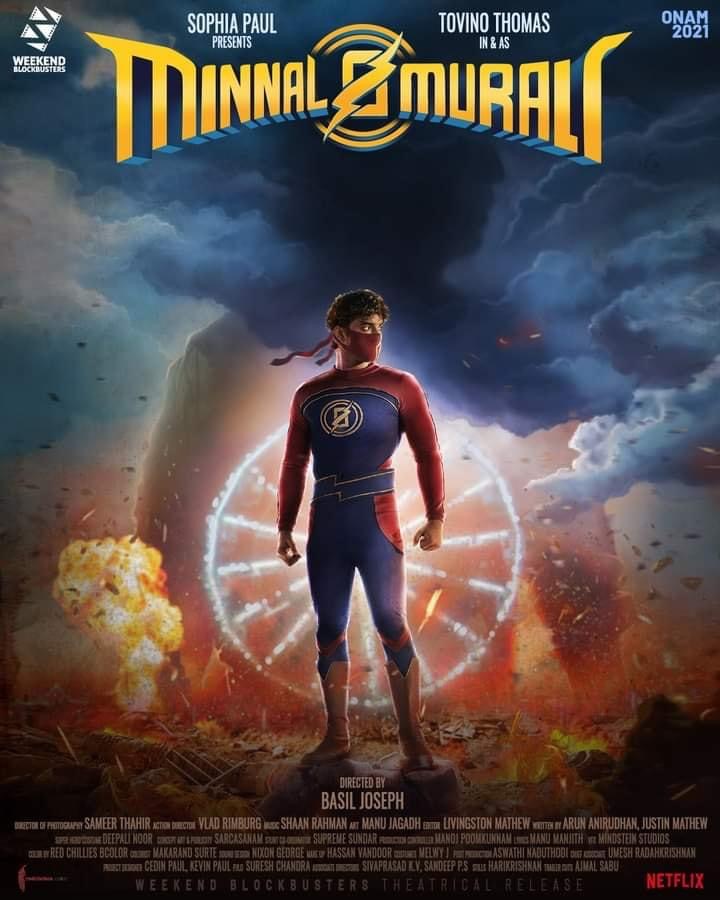
Minnal Murali (2021)

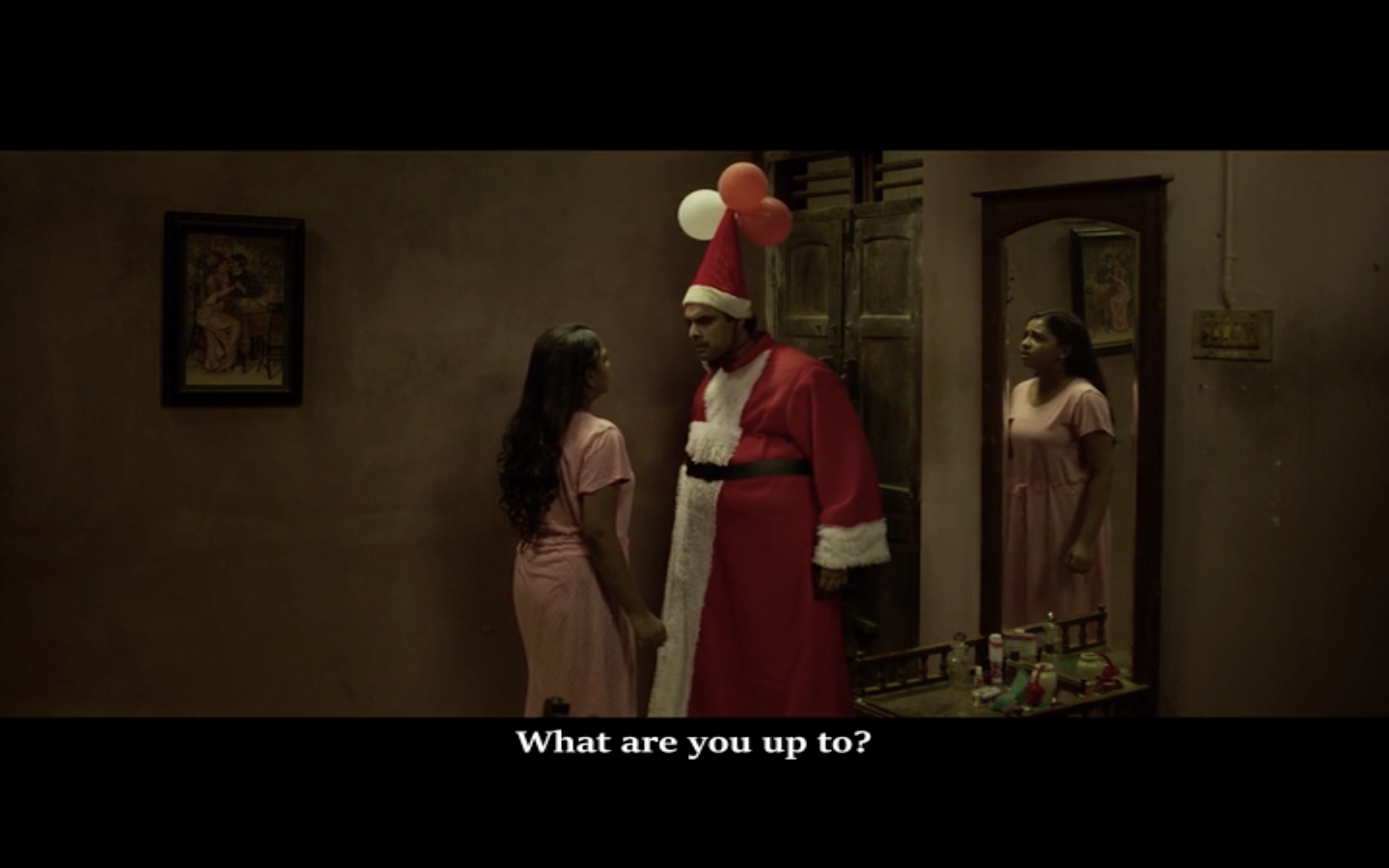
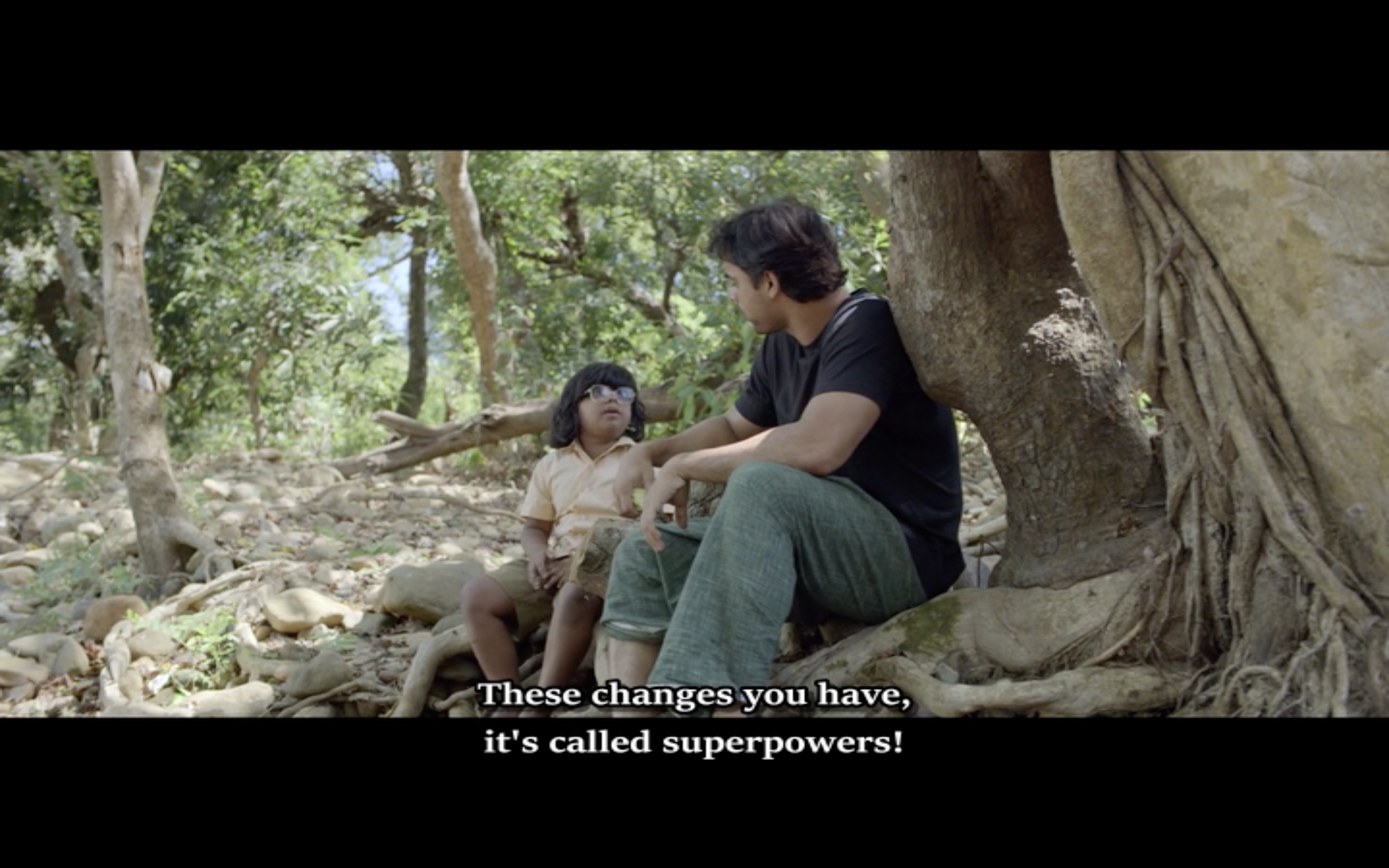
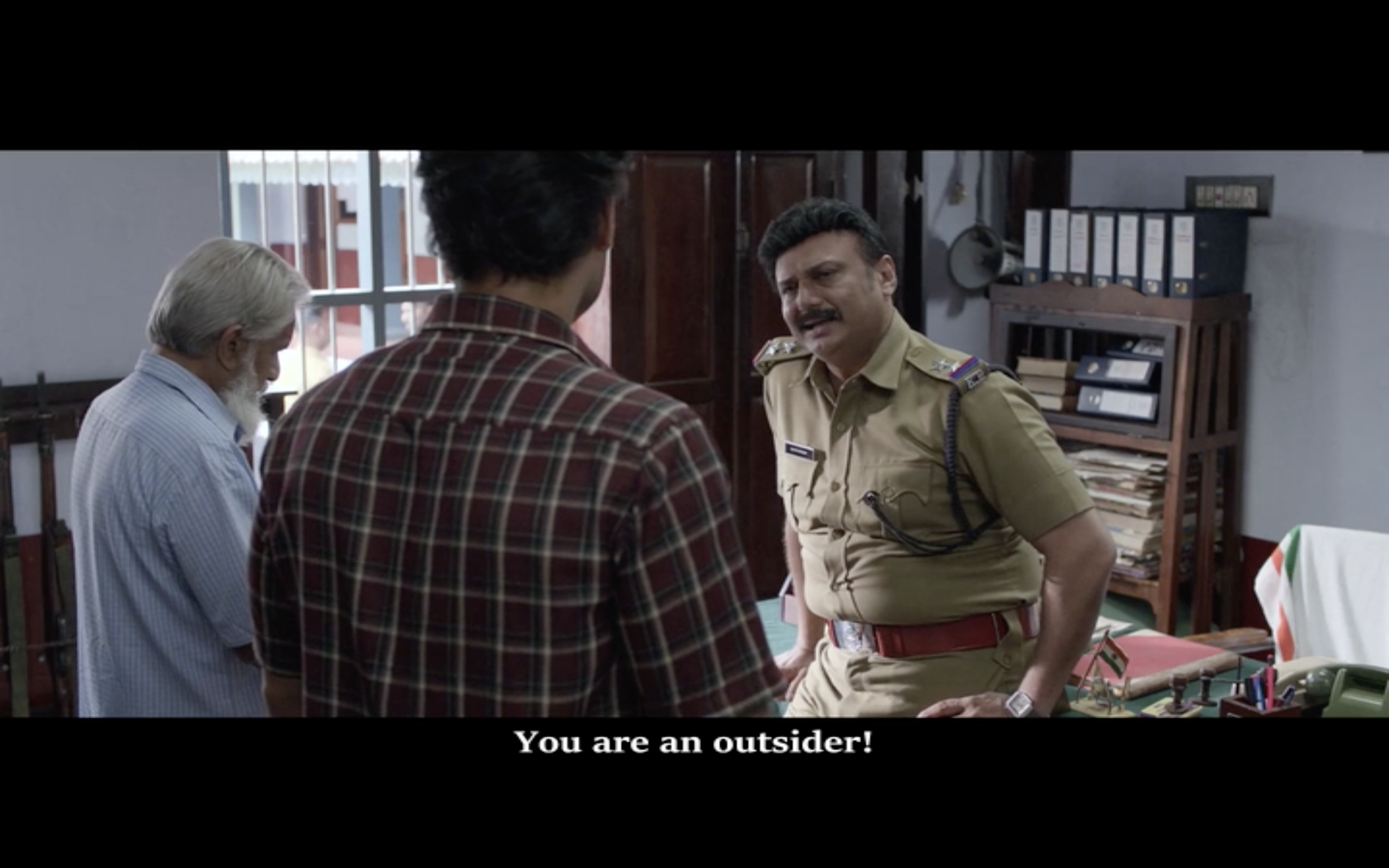
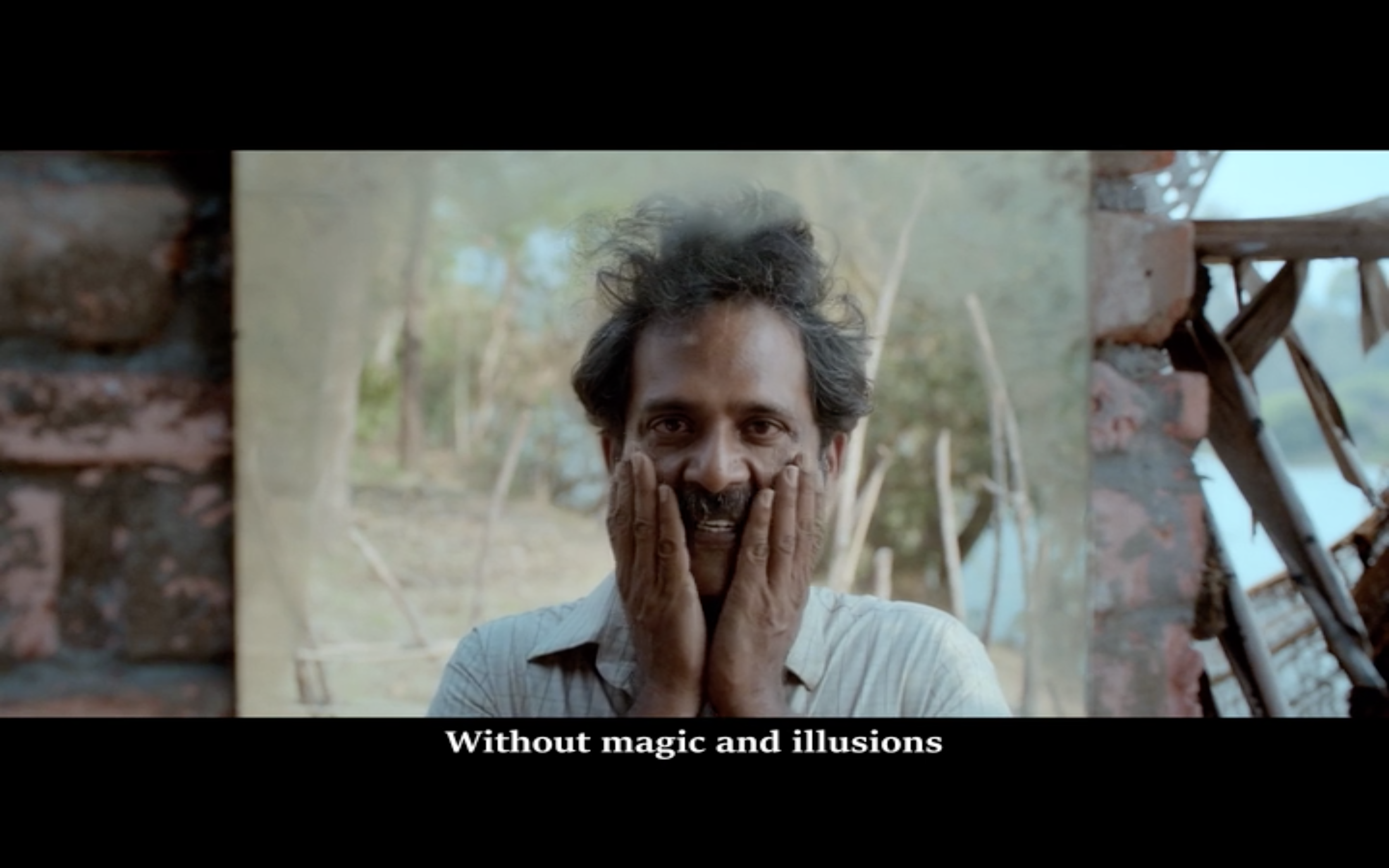
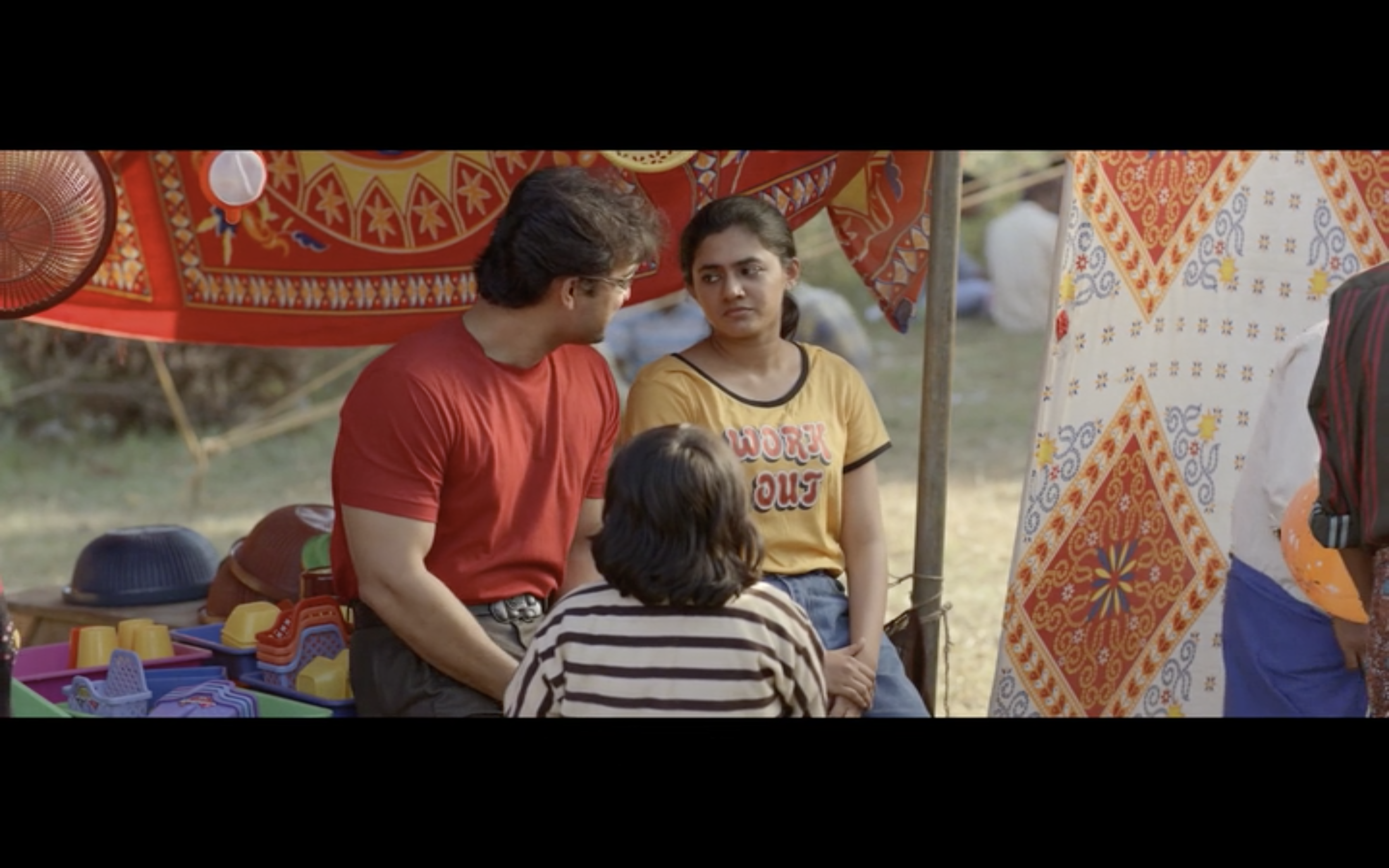
Basil Joseph’s 2021 superhero film puts an Indian spin on the genre with Tovino Thomas donning a costume and vaunting his superpowers in a small village in Kerala. The film is a slow burn, with the first half setting the scene and carefully developing the characters of Jaison (Tovino Thomas), his nemesis Shibu (Guru Somasundaram) and their various friends and neighbours in Kurukkanmoola. The film is as much a character study as an action adventure, and the beauty of Minnal Murali is that works as both. There is no Hollywood-style pure good and evil here either, just shades of grey that move and shift as circumstances change and events unfold, which makes for a more interesting film.

The story starts with a fire at a festival where a theatre group is performing in front of the village. A young boy sees his actor father consumed by the fire in front of his eyes which foreshadows the spectre of fire that returns a number of times in the film. In the present day, Jaison is a tailor living with his adopted family father Varky (P. Balachandran), foster sister Jesmi (Arya Salim), her abusive husband PC Siby Pothan (Aju Varghese) and their son Josemon (Vasisht Umesh). Also working in the tailor shop is Daasan (Harisree Ashokan), who is struggling to look after his sister Usha (Shelly Kishore) and her daughter who needs expensive medical treatment. Usha has recently returned to Kurukkanmoola after separating from her husband and there are mixed reactions in the village to her presence. Most of the men look at her as a prospective partner and approach Daasan with various proposals. In his turn, Daashan tries to barter Usha to the highest bidder, however this is to pay off her medical bills so Daashan isn’t quite as heartless as he might appear. 

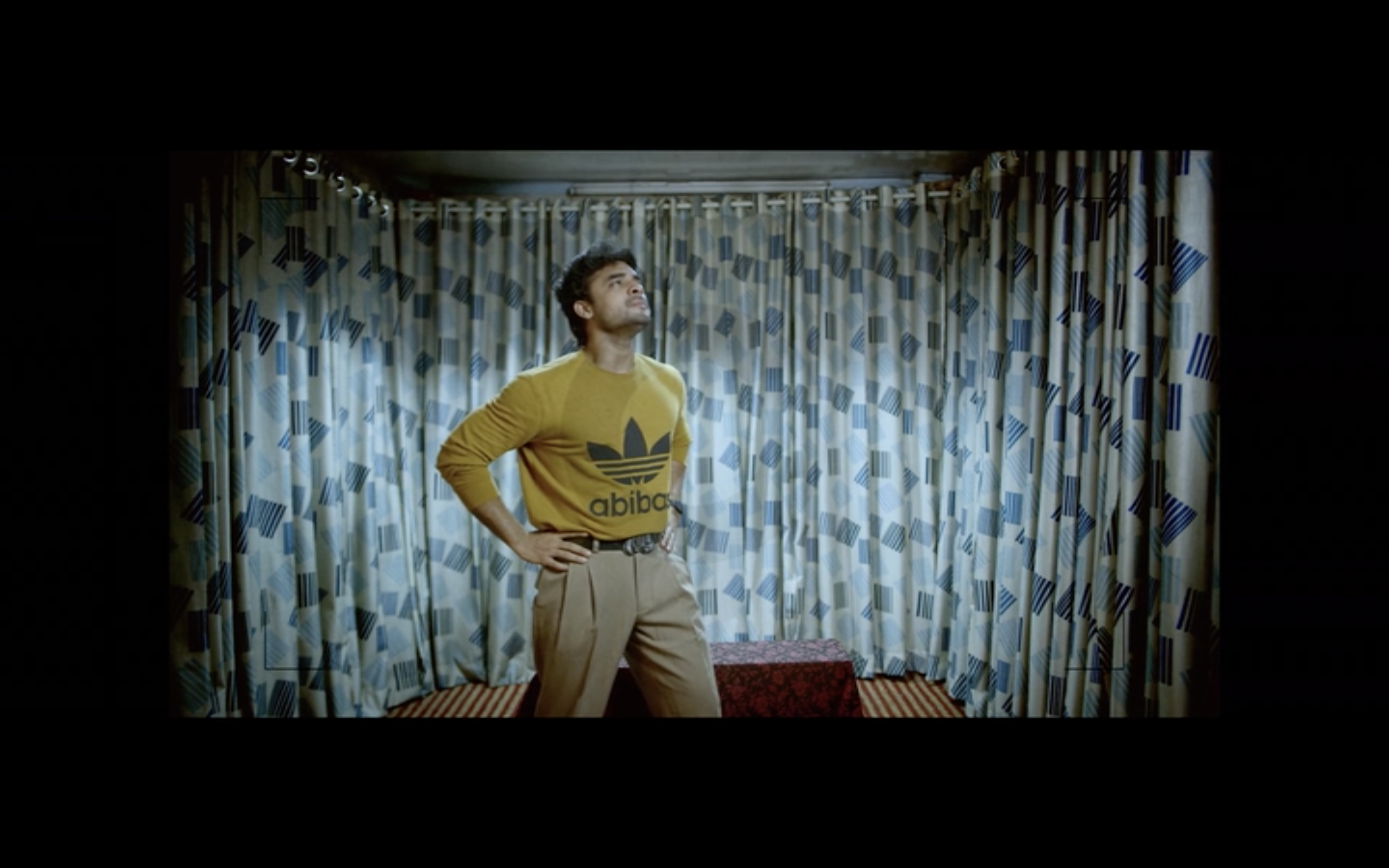
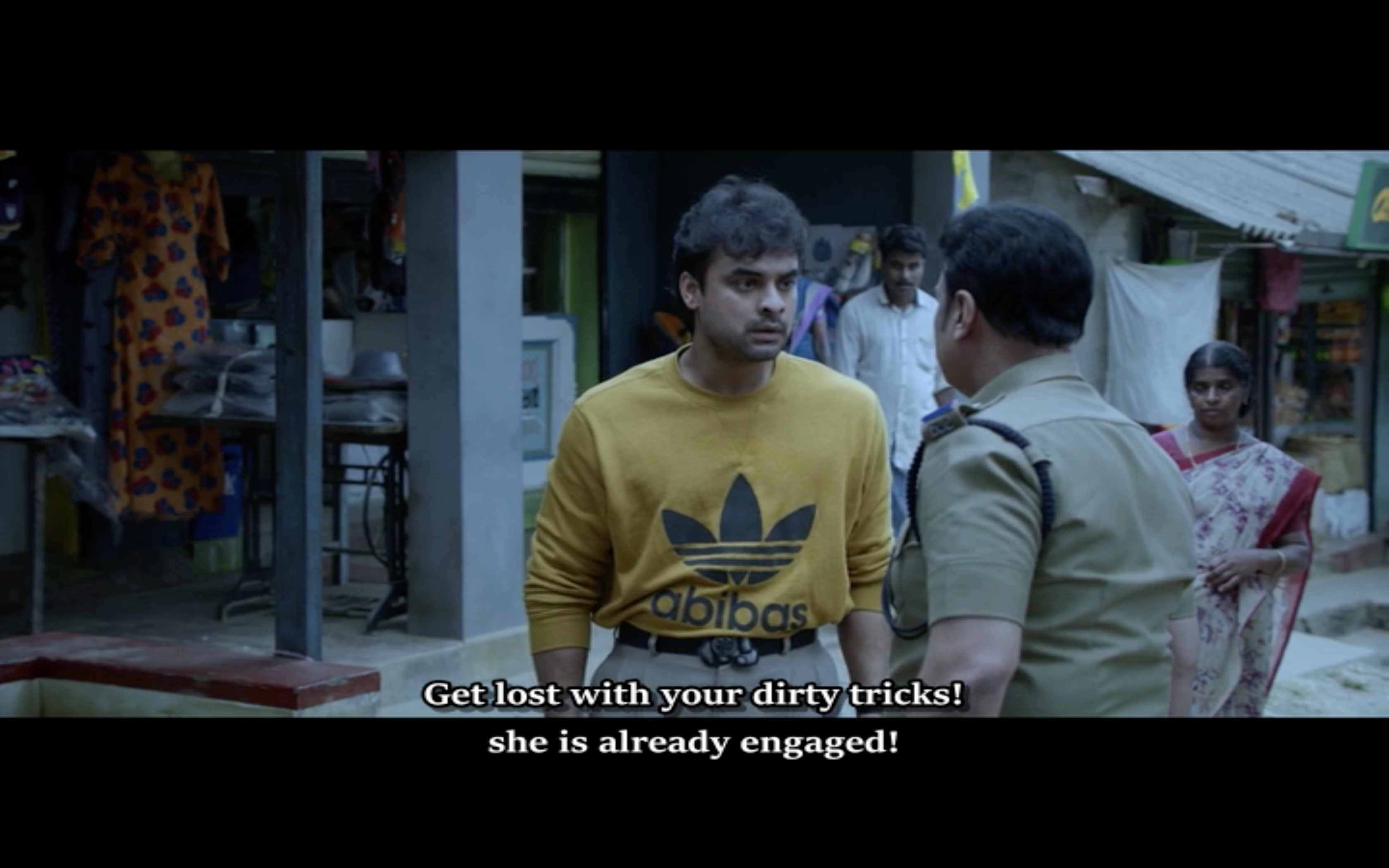
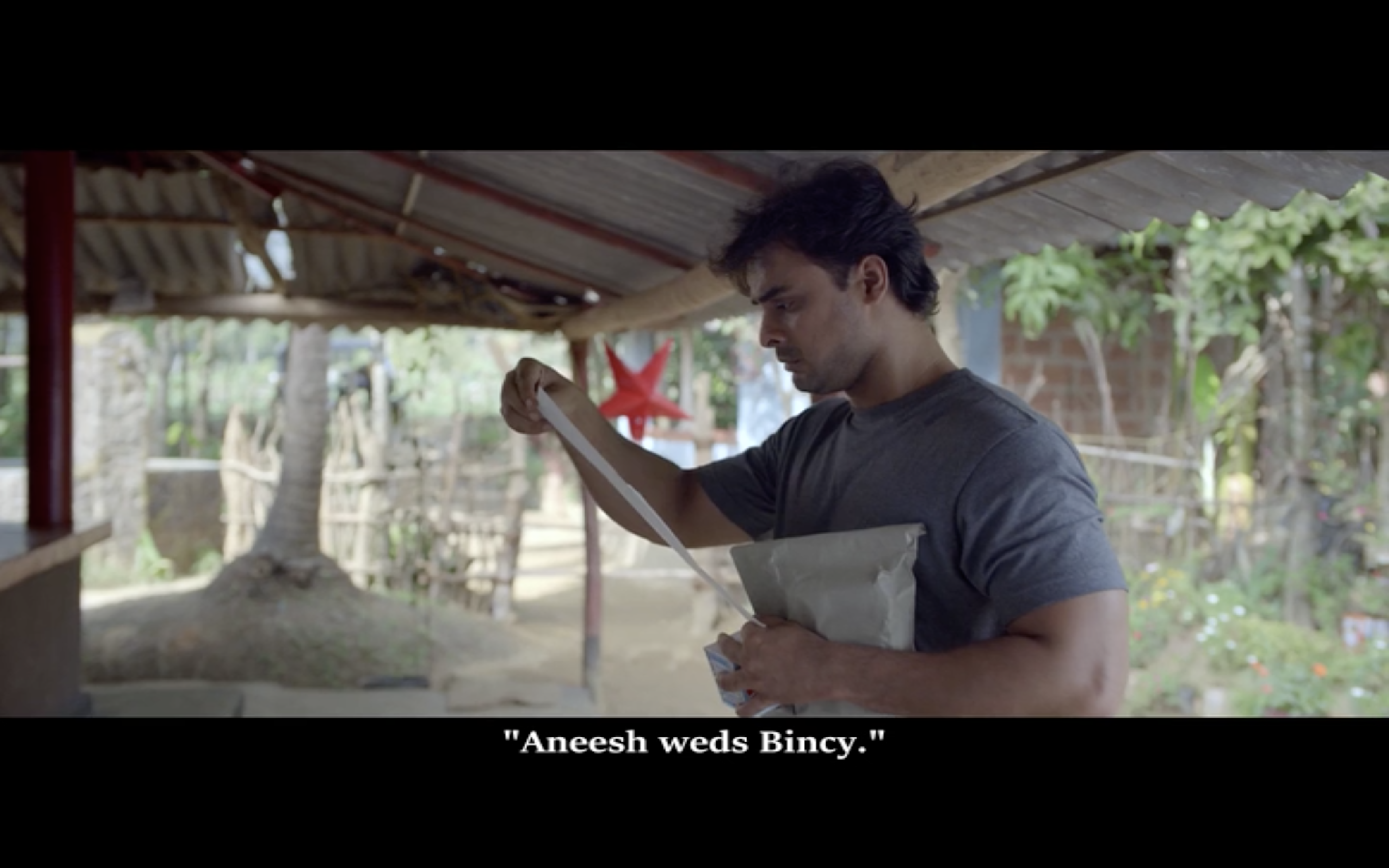
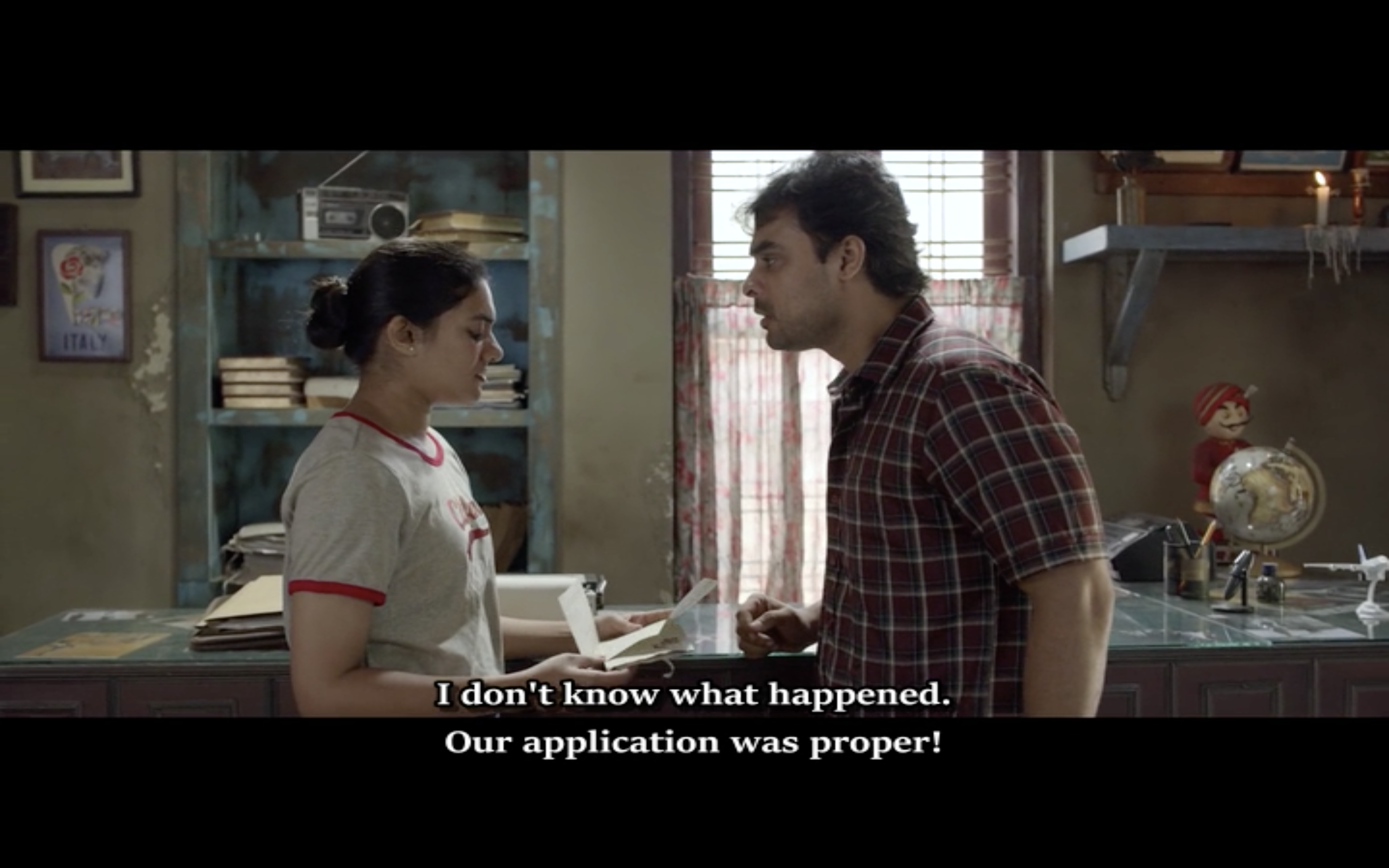
Initially Jaison is planning to head to the USA, and is getting some photos for his passport application when he is lauded on his fashion sense – which includes chinos and a crucifix earing. I’m guessing that either the village is stuck in a timewarp or the film is set in the eighties, as Jaison doesn’t fit the bill as a ‘fashion icon’ by today’s standards, and probably not in the eighties either! Jaison is in love with Bincy Antony (Sneha Babu) but her father vehemently disproves of the match and in the process of telling Jaison how unsuitable he is, reveals that Jaison is an orphan and that it was his father who was killed in the opening sequences. Since Bincy’s father is in charge of the local police station, this leads to further harassment and ridicule of Jaison from the police force as SI Antony (Baiju) continues to warn him away from his daughter. What is strange is that Bincy doesn’t seem in the slightest bit bothered by this dismissal of her beau, and immediately arranges to marry Aneesh (Jude Anthany Joseph), who himself is the ex-boyfriend of Jaison’s friend ‘Bruce Lee’ Biji (Femina George). Bincy’s motives and true feelings are kept opaque, and in fact she practically disappears from the film in the second half. The interconnectedness of the village relationships works well to showcase the problems of living in a small town where everyone knows (or thinks they know) everything about everyone else. Despite the superhero aspect, this keeps the characters all grounded in reality, while the village mentality ensures that even superpowers can’t get Jaison what he really wants.

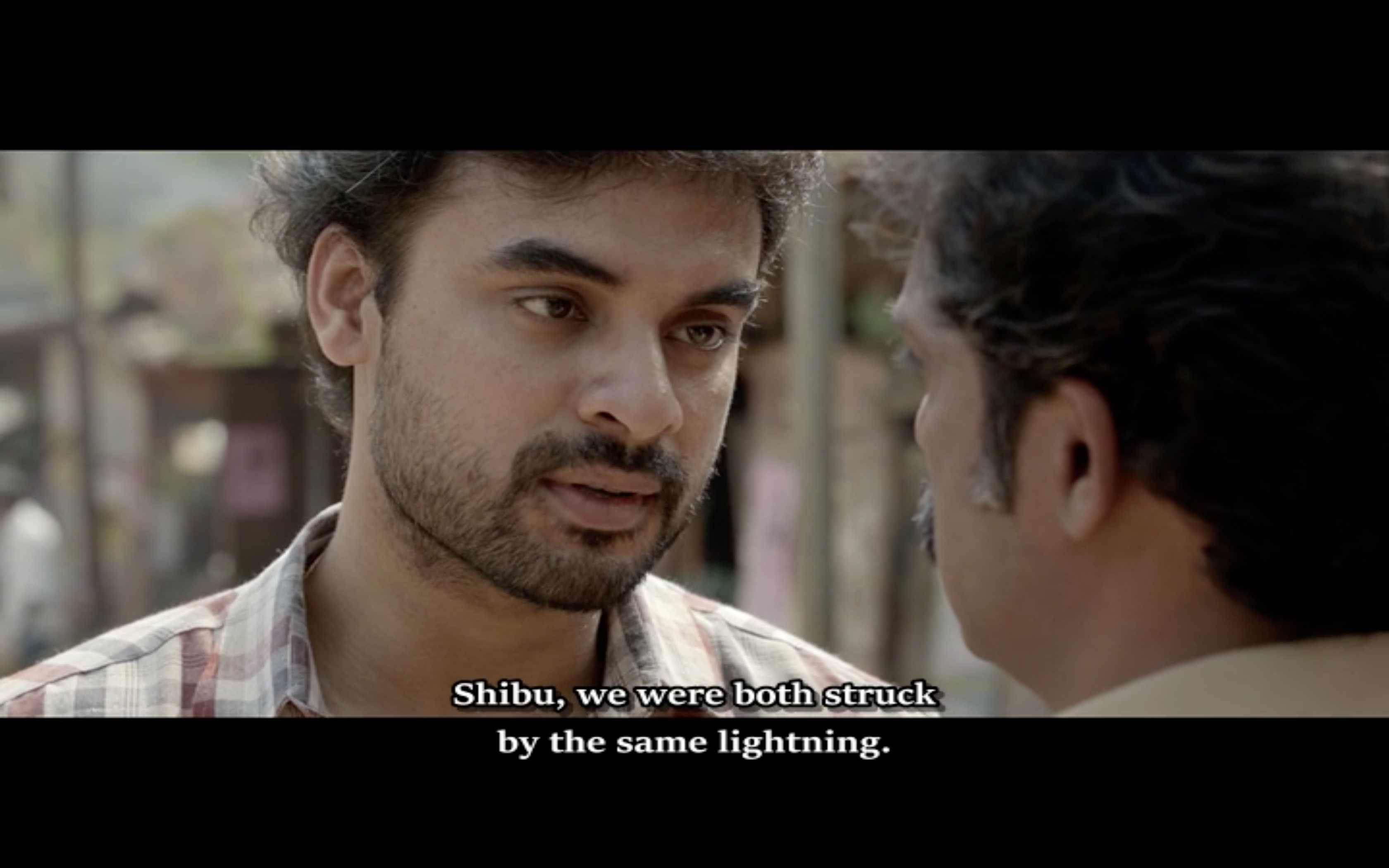
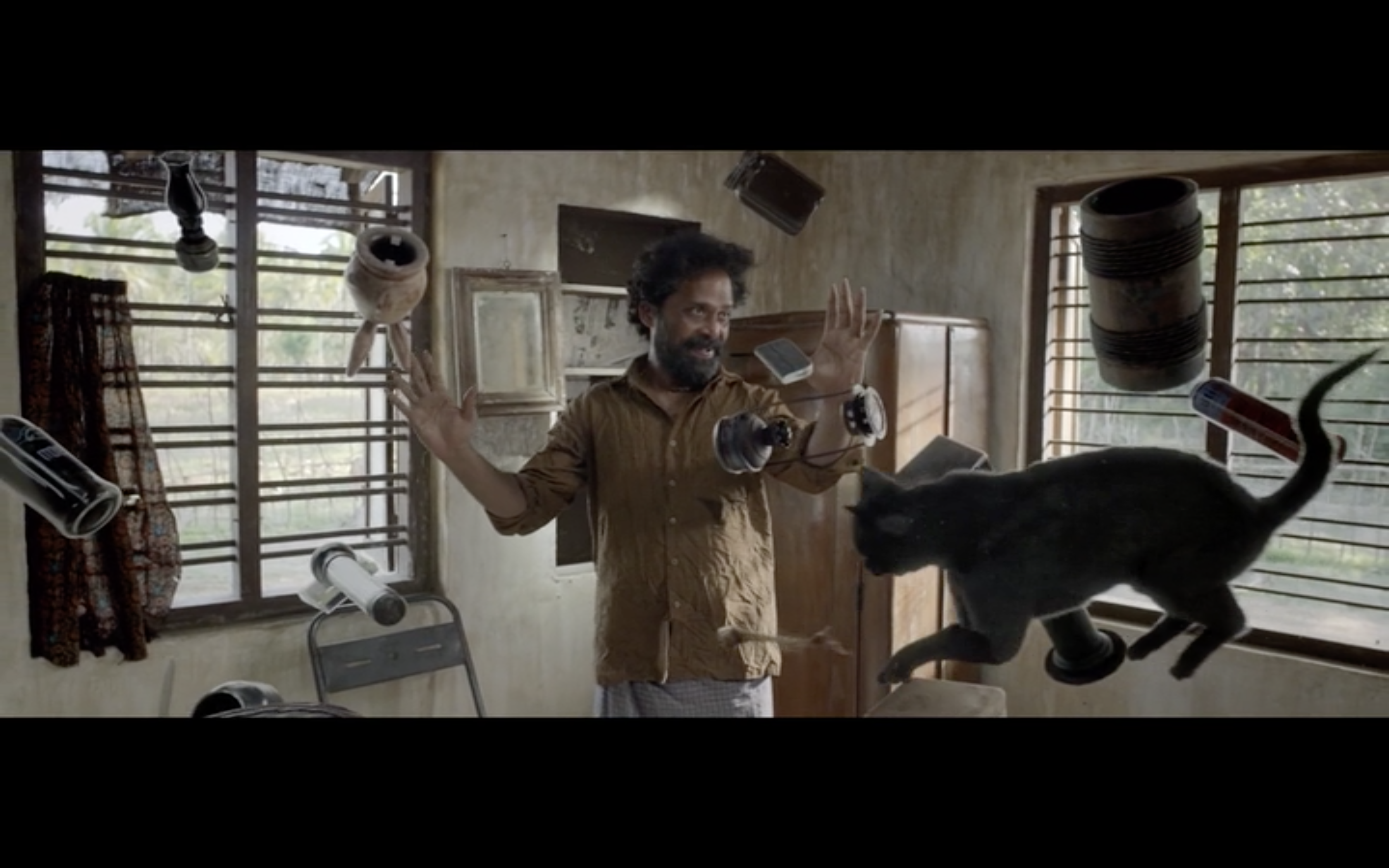
Shortly after the revelation about Jaison and his dismissal as Bincy’s suitor, Jaison and Shibu are both struck by lightning. This is the event that gives them their superpowers but there are distinct differences in what happens after they are struck. Shibu is alone, while Jaison is rushed to the hospital by his family. This proves key in how they each develop and use their powers in the events that follow. While both men are orphans with grievances centred in the village, the path they each follow diverges rapidly when they are suddenly given the power to make things happen. They both initially use their powers for selfish reasons, but it doesn’t take long for Jaison to realise he can actually become a hero, while Shibu seems unable to see anything but Usha and will do anything to ensure she becomes his.

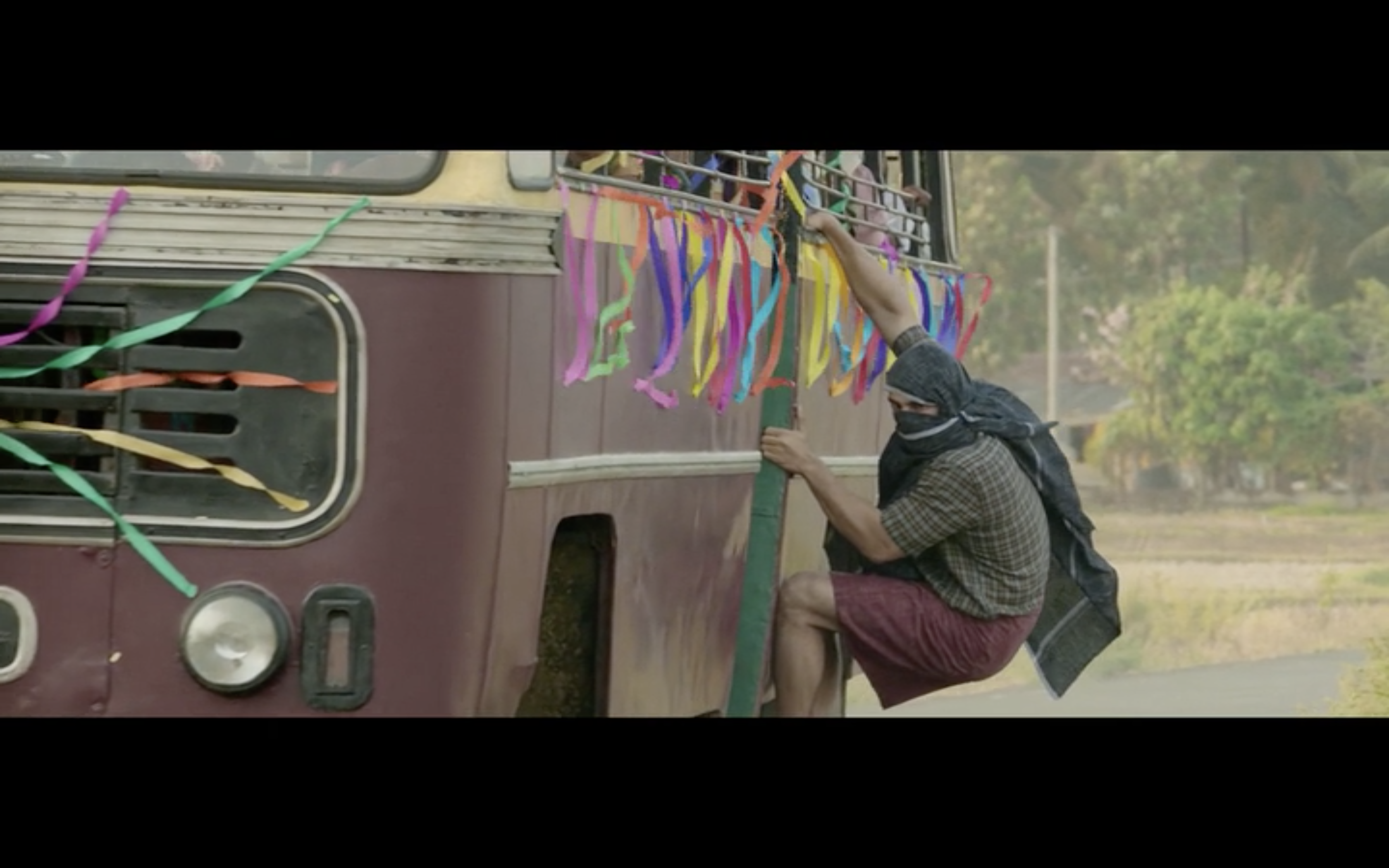
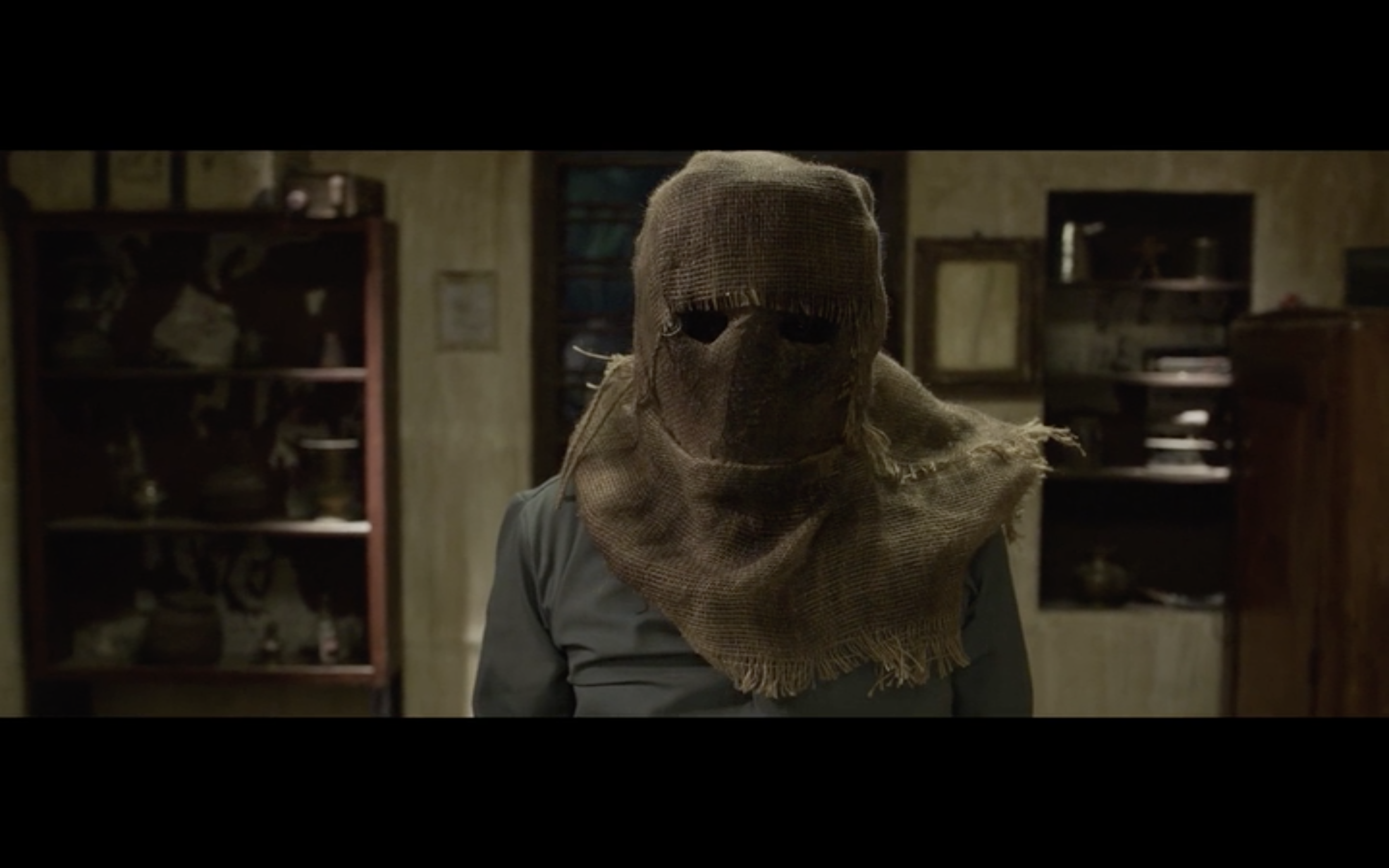
Naturally superheros and villains need to have costumes, and this again defines the personalities of the two men. Initially Shibu conceals his identity using a mask taken from a scarecrow, which later becomes his supervillain costume. Jaison has the advantage of being a tailor, but it still takes him a while to develop his costume and therefore his identity, which echoes his uncertainty about which path to follow. Eventually though he gets it right with a nifty red and blue skin suit that echoes the heroes he has seen in American comics. 

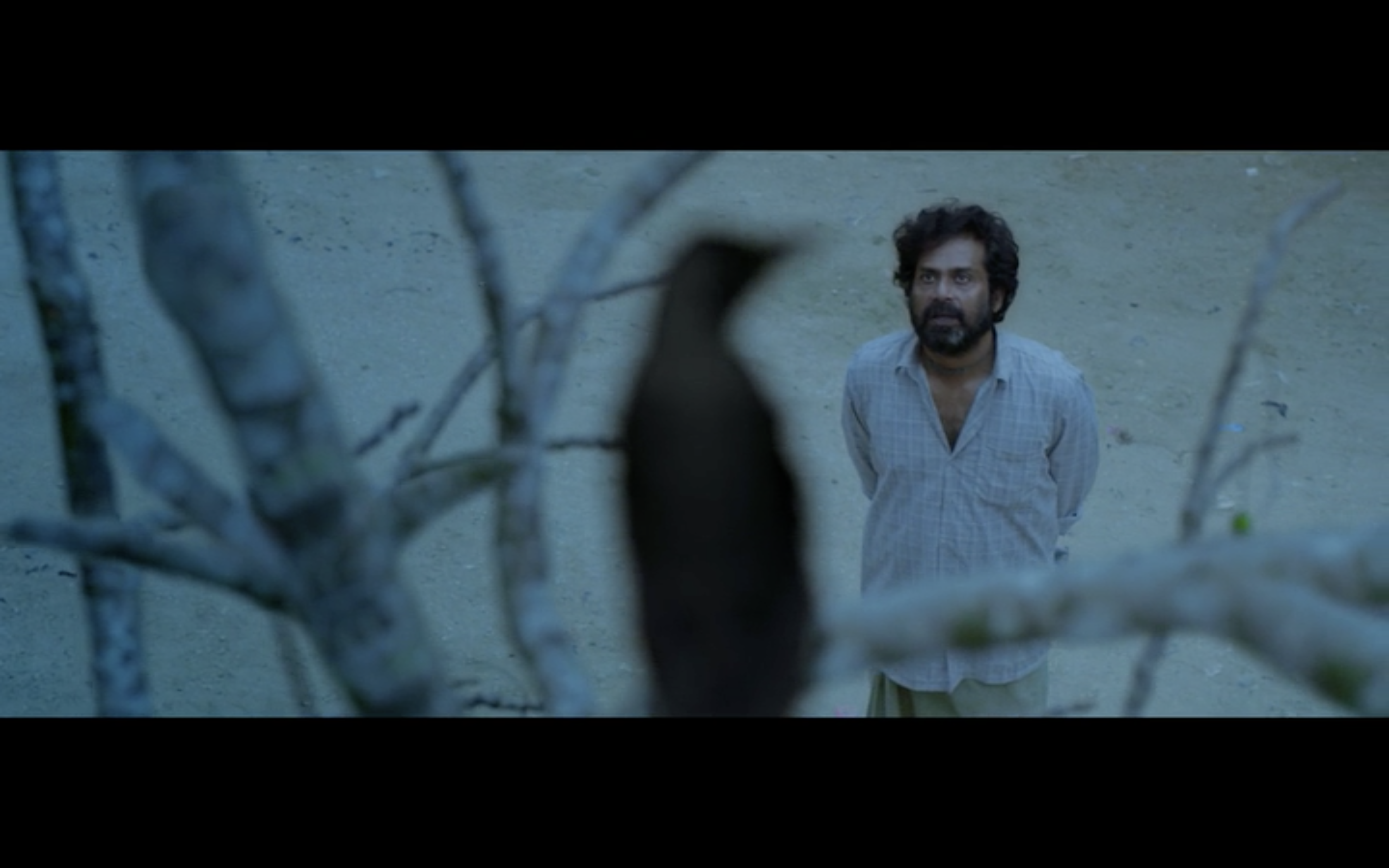
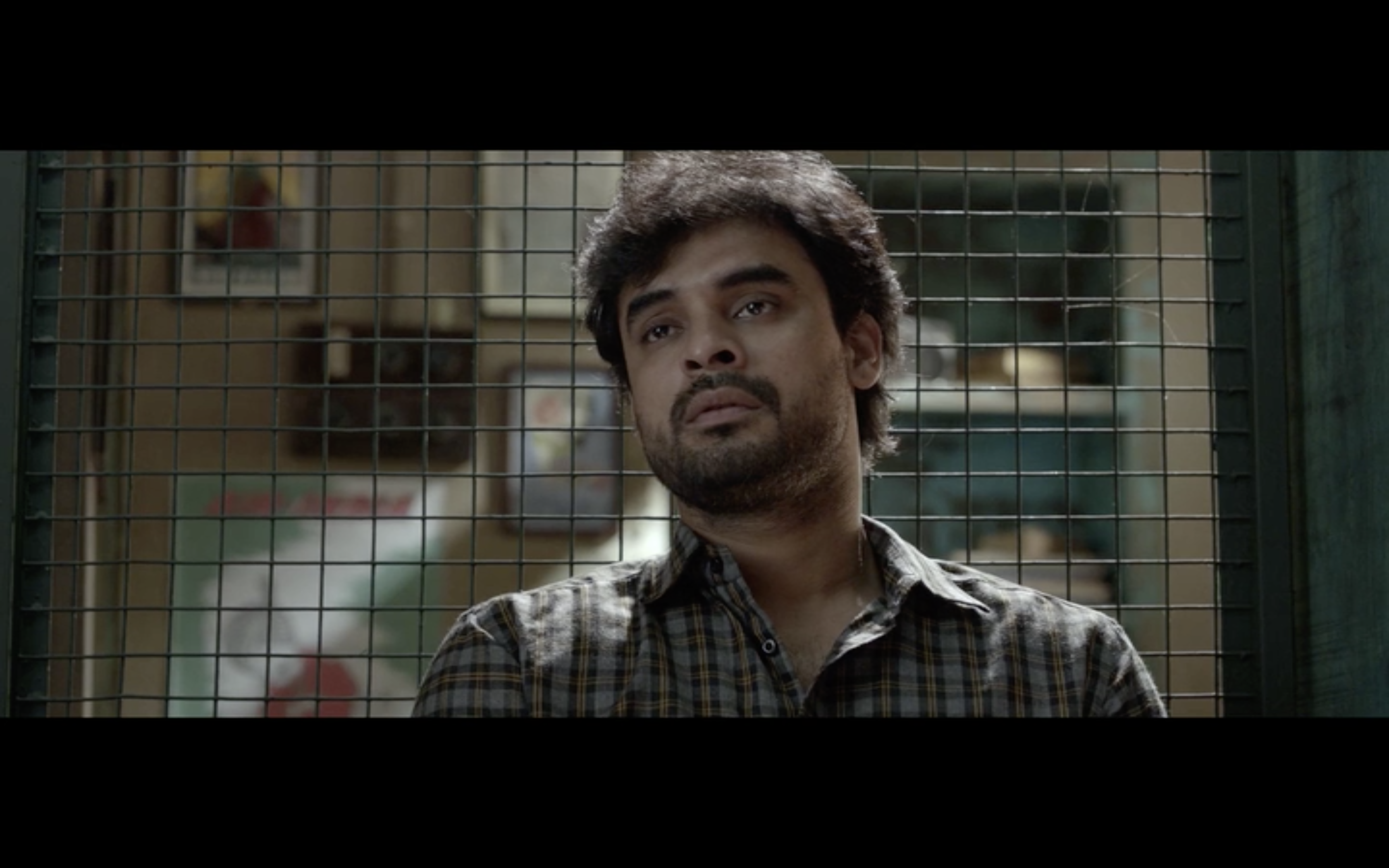
While Tovino Thomas is excellent as Jaison, Guru Somasundaram is simply brilliant as Shibu. He brings a subtle blend of vulnerability and instability to the character and makes it clear that the abuse and treatment he is subjected to by the villagers shapes his actions. He’s dismissed by the other villagers as essentially ‘other’ – Tamil, insane, orphan and generally troublesome, which explains why he fights back when he realises that suddenly, he is the one with power. The flashbacks to his past are used to garner sympathy for his character, despite his actions in the present, and these work well to give an understanding of why Shibu acts the way he does. It’s a great performance and Guru Somasundaram succeeds in making his mostly unappealing character more sympathetic than first appearances would suggest. Tovino’s Jaison on the other hand hasn’t had the same level of prejudice but instead has to deal with a significant amount of immaturity and selfishness to become the hero of the hour when needed. The transformation is well done and Tovino Thomas does a good job in showing his emotions during all of the upheavals his character faces, all with plenty of charm.

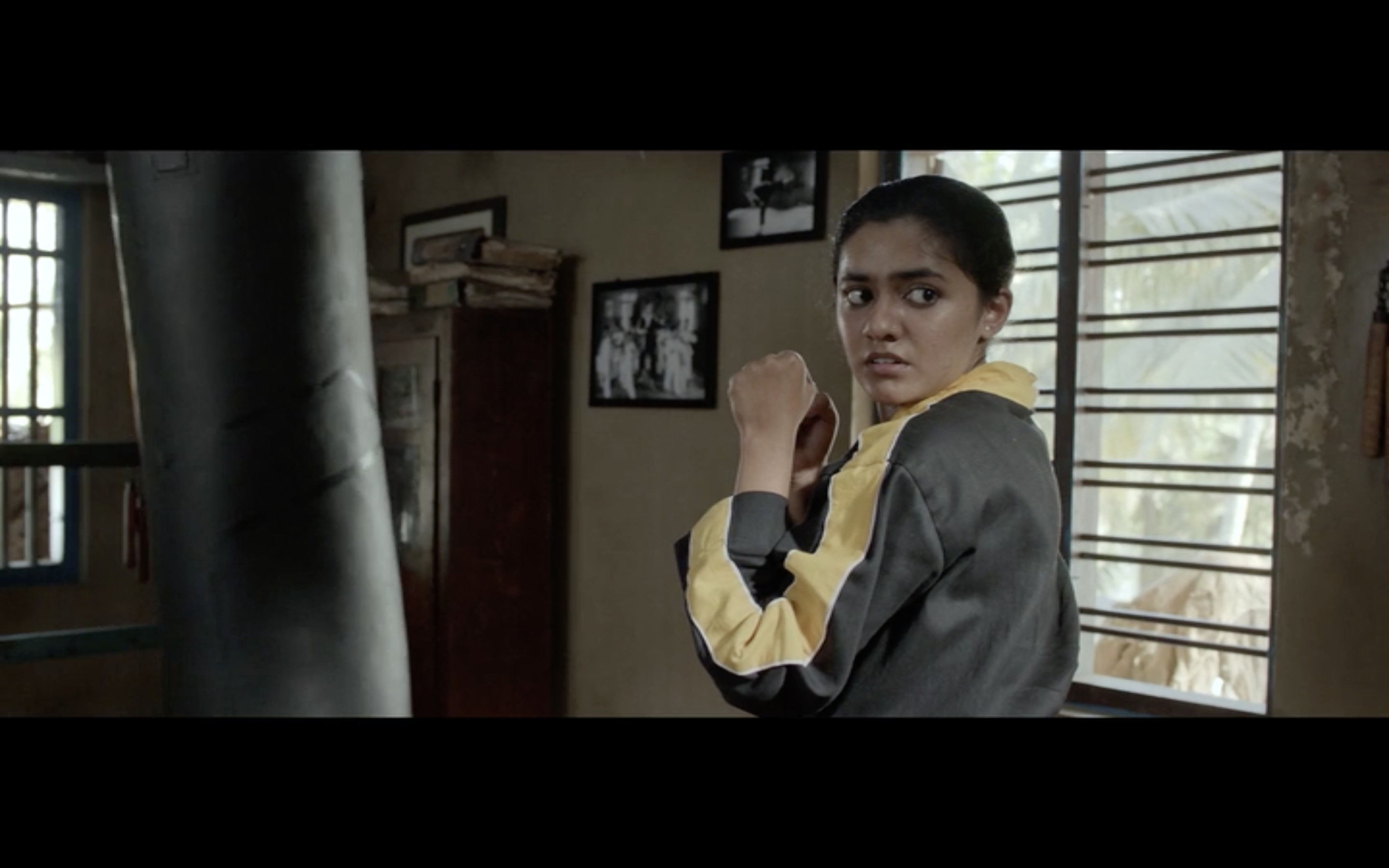
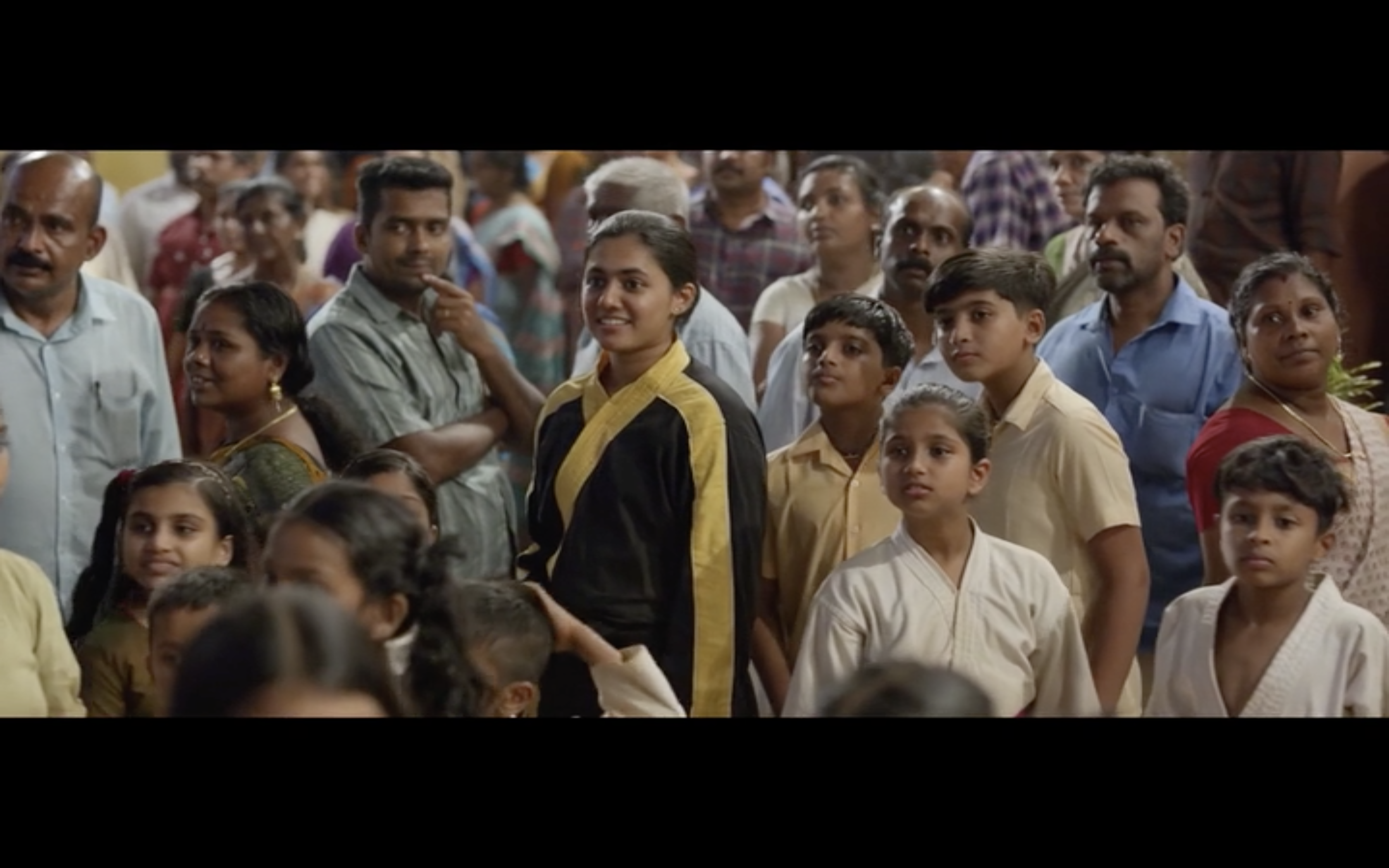
I also really loved the character of Biji, and Femina George is excellent as the kick-ass heroine who can fight her own battles. It’s more unusual to have a female lead who takes no BS, especially one who literally kicks her cheating fiancée out of her dojo and fights her own battles, but Biji fits into the storyline well. I love how it’s Biji who fights back whern she find out about Aneesh and Bincy, while Jaison is the one who collapses in a sobbing and incoherent mess. Biji is key to defeating Shibu’s plans, and I really like that it takes the superhero and the ‘normal’ woman working together to defeat evil. Thank you too to writers Arun Anirudhan and Justin Mathew who didn’t add a romance between Biji and Jaison, which wouldn’t have worked at all. Their camaraderie is more natural and fits much better into the storyline as they work together to combat Shibu’s destruction. 

There isn’t a lot of action in the film and it does take a while for Shibu and Jaison to meet and face off, but that leaves more time for the character development which adds more layers to the story. I really enjoyed Minnal Murali and recommend it as a film that reconsiders who are the real villains and heroes in the story. 4 stars.
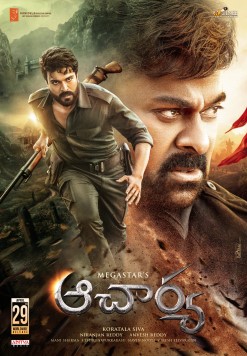
Acharya (2022)

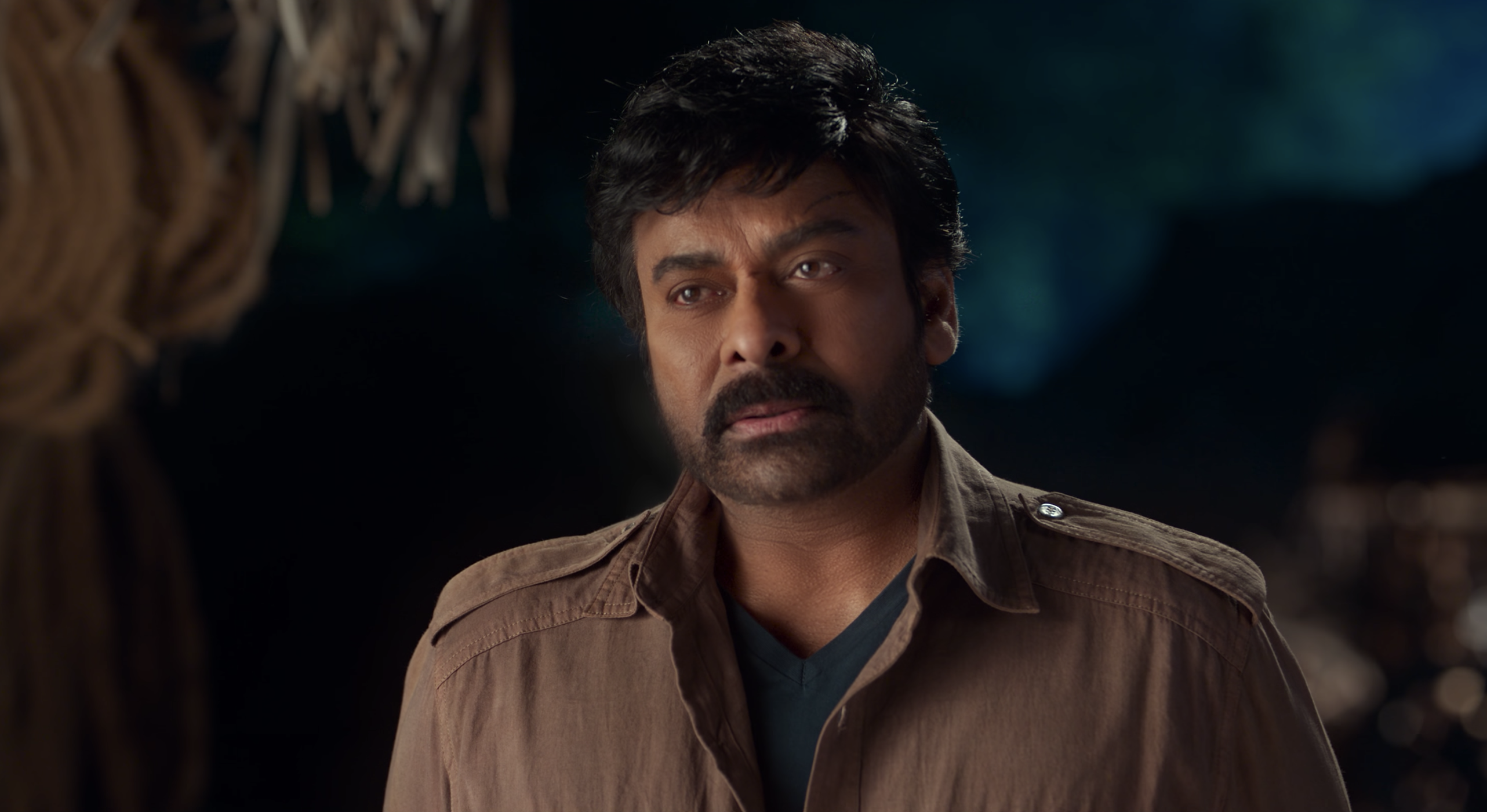
A movie starring both Mega Star Chiranjeevi and Mega Power Star Ram Charan was always going to be a ‘must watch’ film with the question being would it be as good as anticipated. The answer to that question is ‘sort of’ as Koratala Siva at least partially delivers with plenty of action and dancing featuring the two Mega Stars. But the story is less successful, following a predictable and rather pedestrian path. I still enjoyed the spectacle of father and son together on screen and with good choreography for both the songs and the action sequences, there is enough here to make Acharya a worthwhile trip to the cinema.
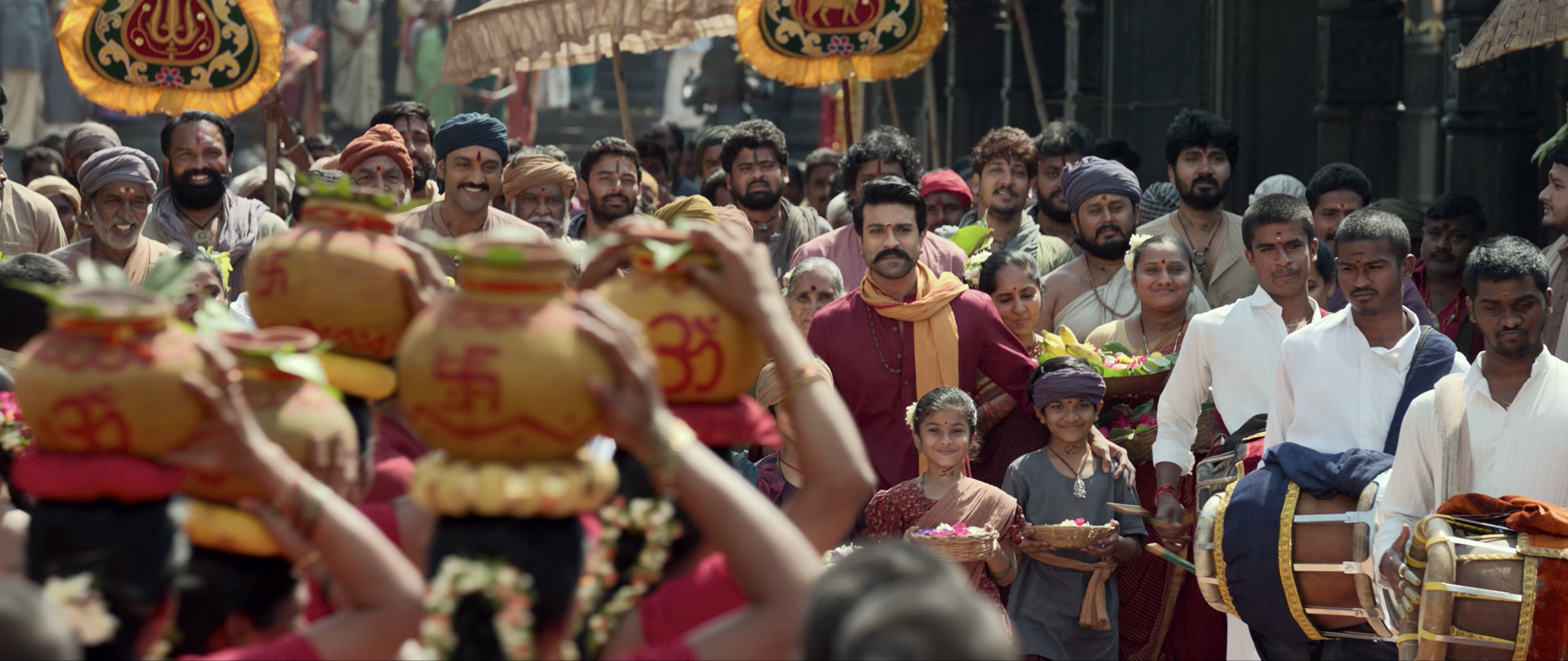
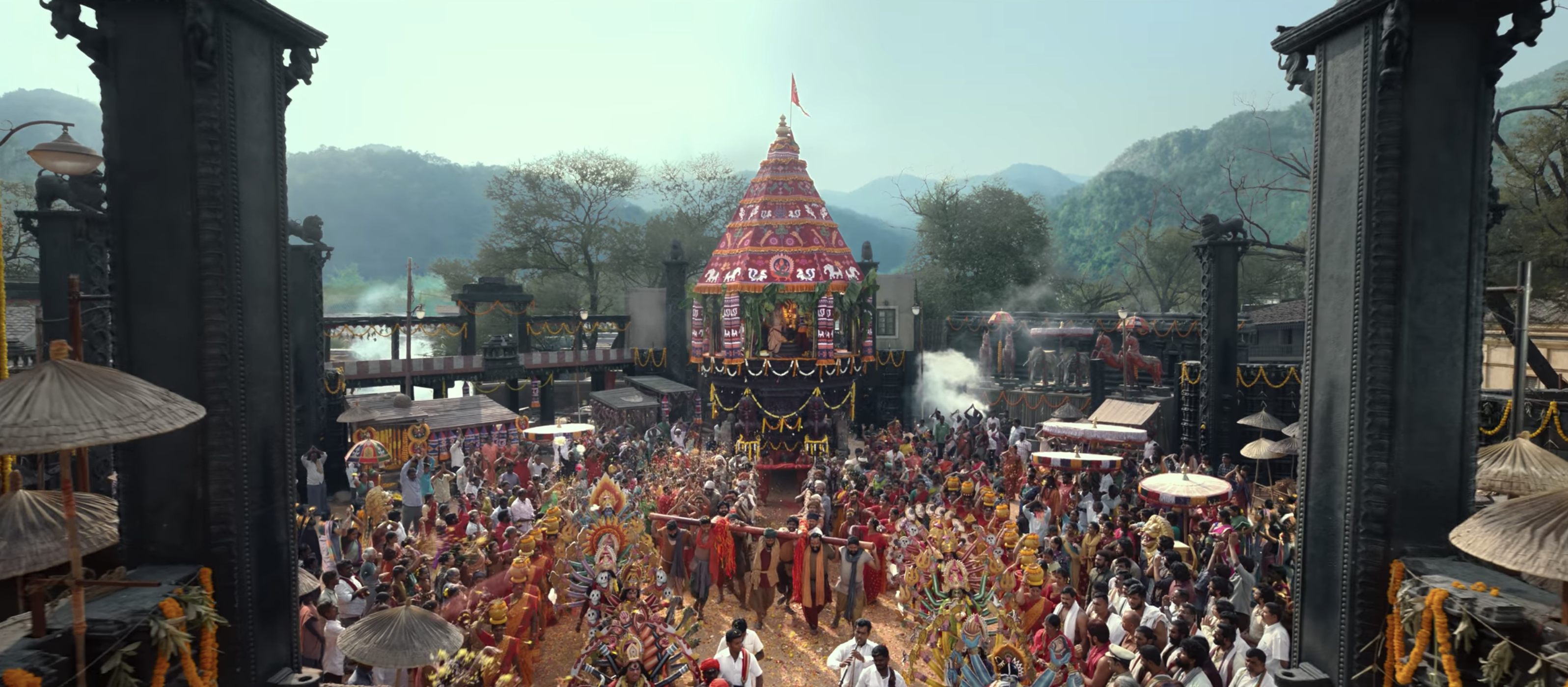
The film opens with a fairly long animated sequence explaining the history behind the twin villages of Dharmasthali and Padaghattam. At least I think that was what was happening, because the subtitles were difficult to follow and mostly didn’t make sense. But from what I could gather, the village of Dharmasthali developed after the goddess Gattamma came to Earth to defend the tribal people of Padaghattam. The villagers built a temple in her honour and continued to live a peaceful existence until the people of Dharmasthali became corrupted. In contrast the tribal village of Padaghattam still followed the traditional way of life, and still do today, producing ayurvedic medicines that they take across the river to Dharmasthali. However life is becoming more difficult for them as Dharmasthali becomes a hotbed of crime and violence and the goddess seems to be allowing her people to be attacked.

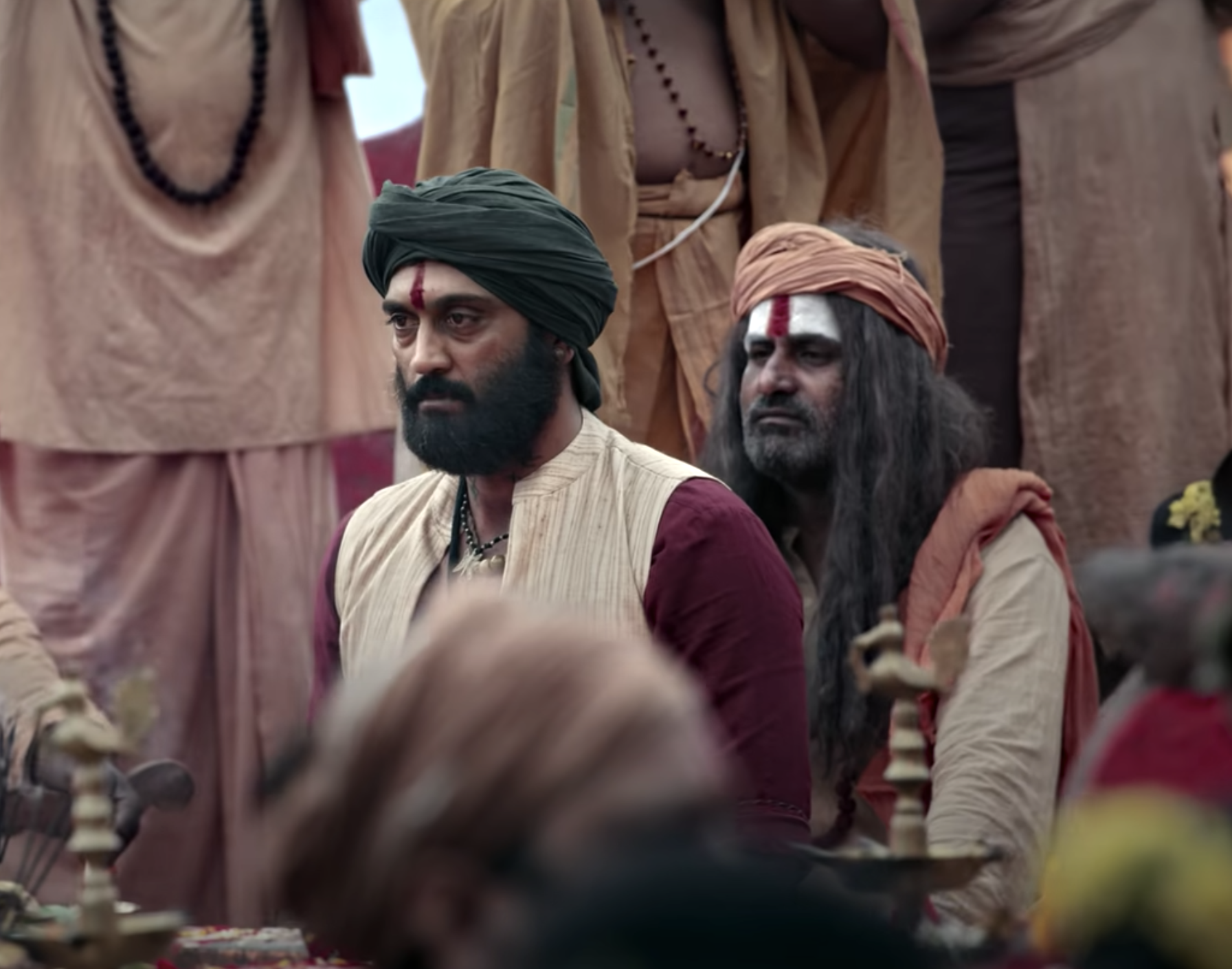
Excitingly for me, CinemaChaat favourite Ajay is playing the role of Vedanna, the leader of the Padaghattam people. Their belief in Dharma means that they are peaceful and won’t fight back when threatened, leaving them vulnerable to the corrupting influence of local bigwig Basava (Sonu Sood). I really enjoyed seeing Ajay in this more pacific role where he gets the chance to emote, conveying emotion using just his eyes and facial expressions instead of just being thug #1. I thought he was excellent here and kept smiling ecery time he appeared onscreen.

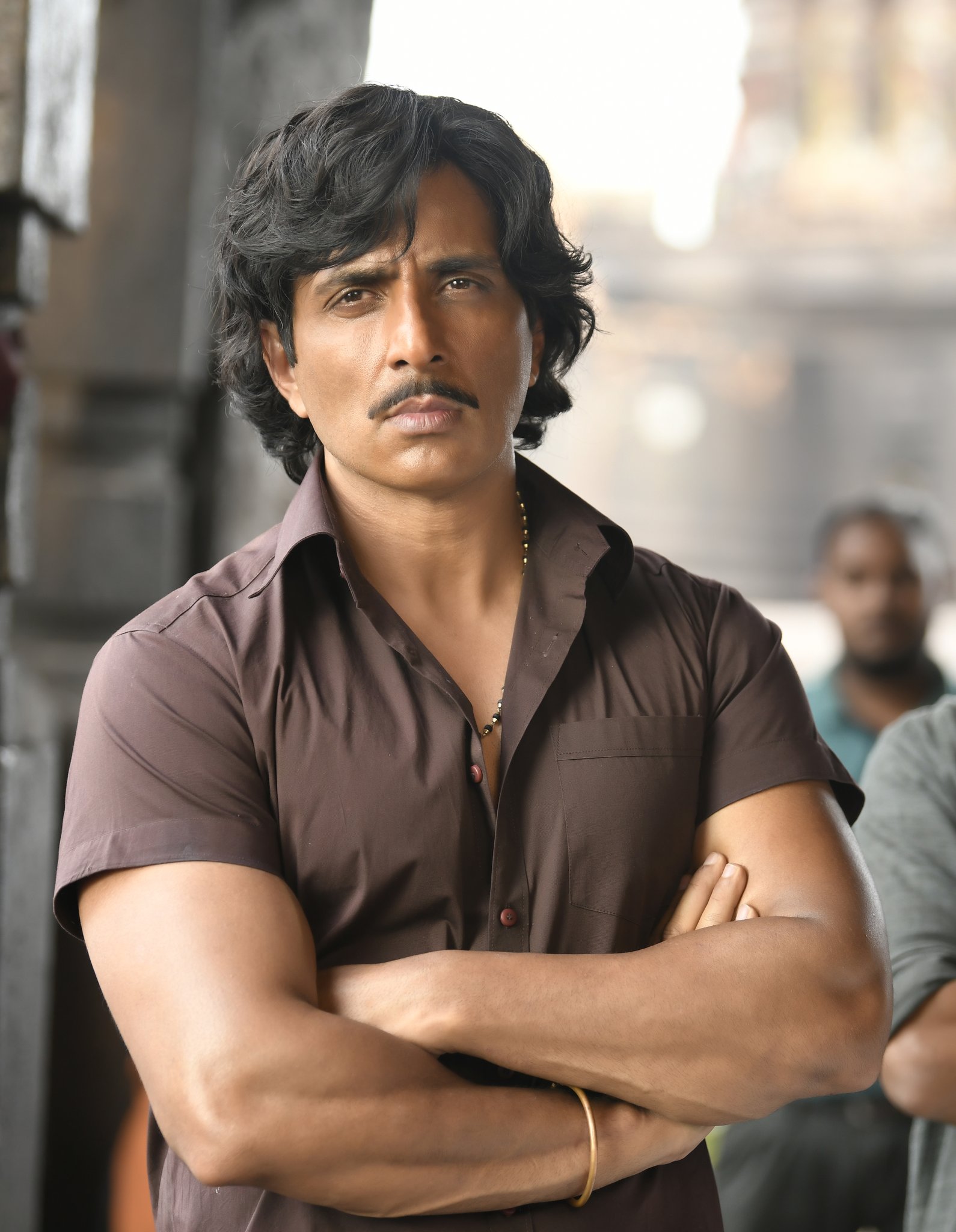
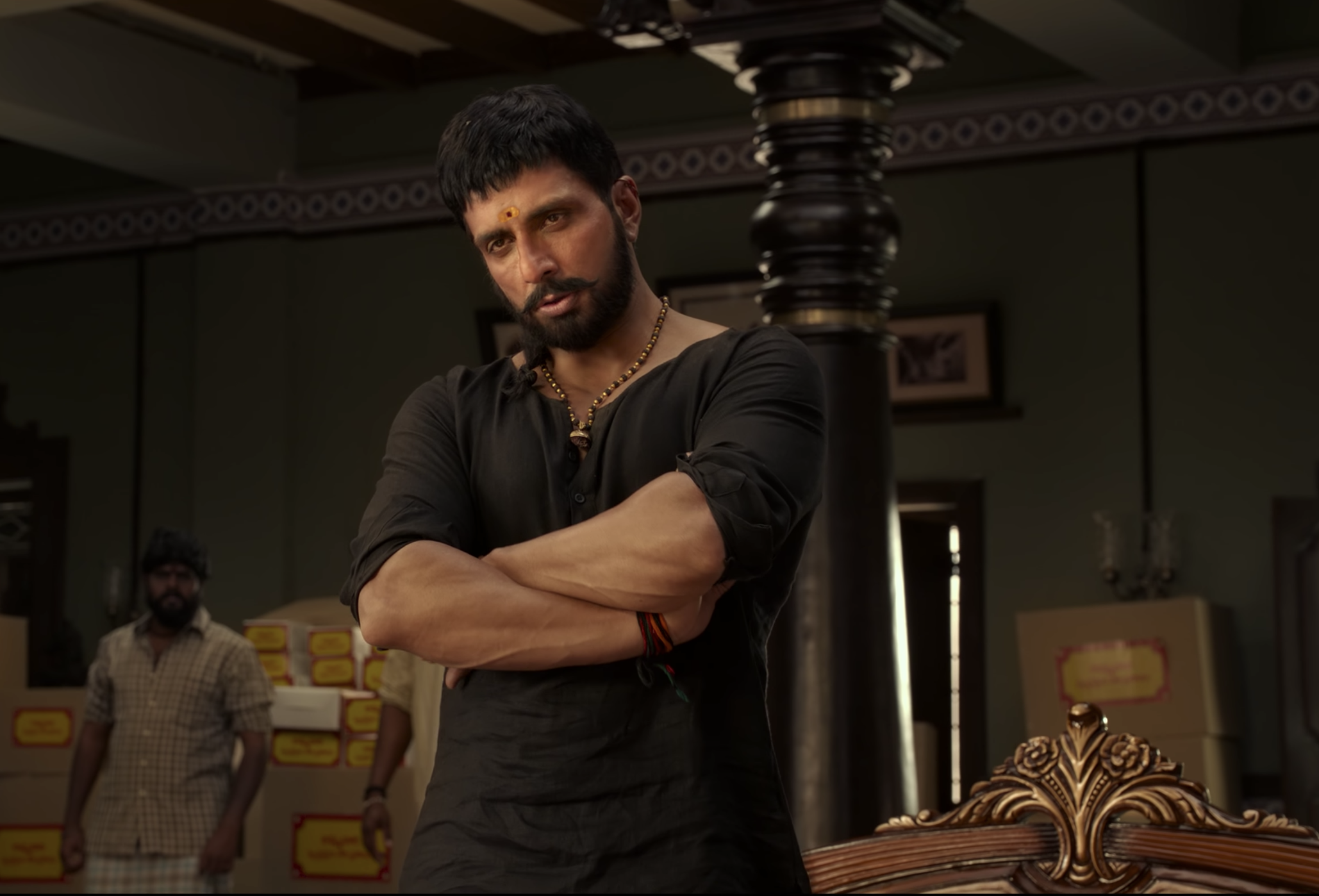
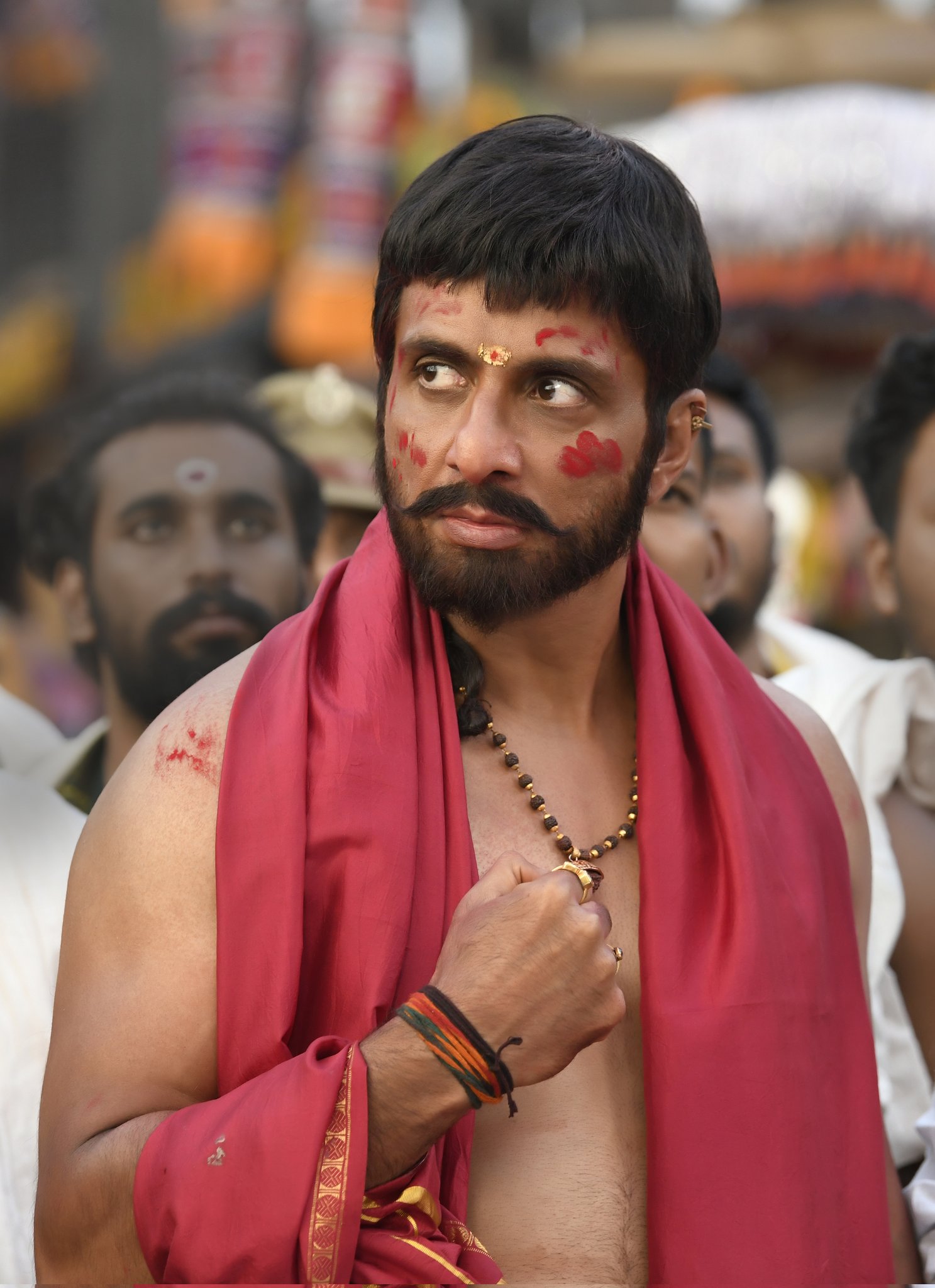
Basava is working with businessman and developer Rathod (Jisshu Sengupta) to mine the mineral resources of the region, mainly located in the virgin forest of Siddhavana. Rathod is vicious and nasty for no apparent reason, but Koratala Siva does at least give Basava a sort-of back story that involves a bad hairstyle and humiliation by the people of Padaghattam. He’s also a generally nasty character who enjoys inflicting terror and controlling everyone else around him. Basava has risen up to become the municipal chariman, which gives him control of Dharmasthali, although he still has a bad hairstyle which demonstrates that money isn’t everything as it hasn’t allowed him to find a better hairdresser.

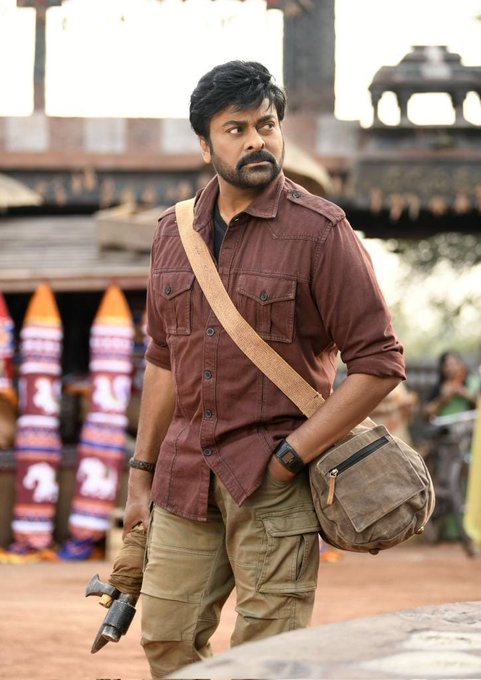
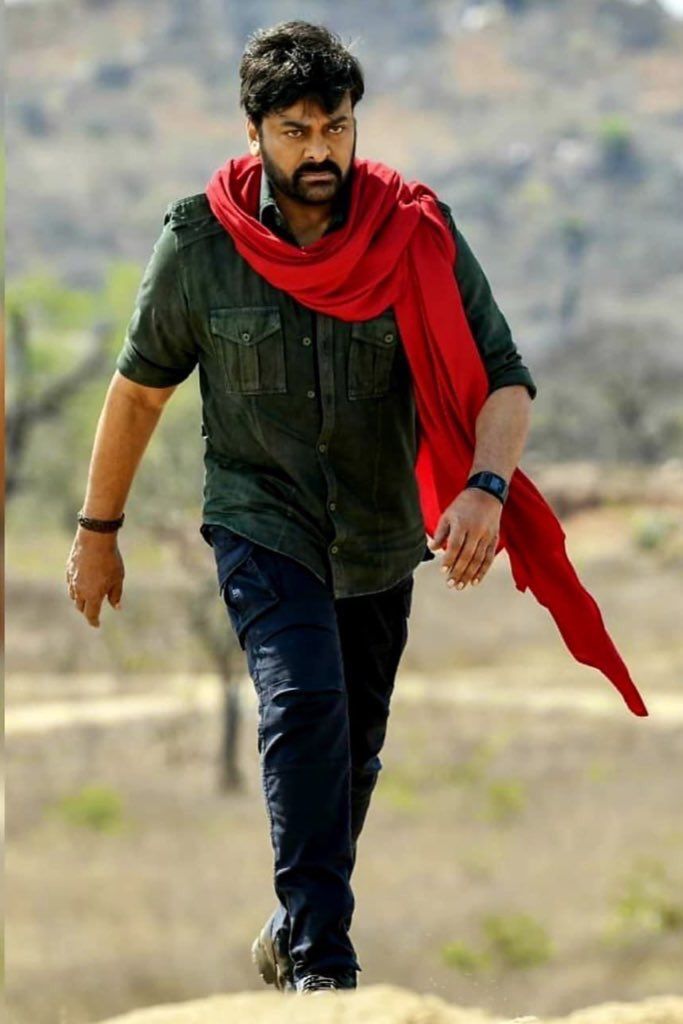
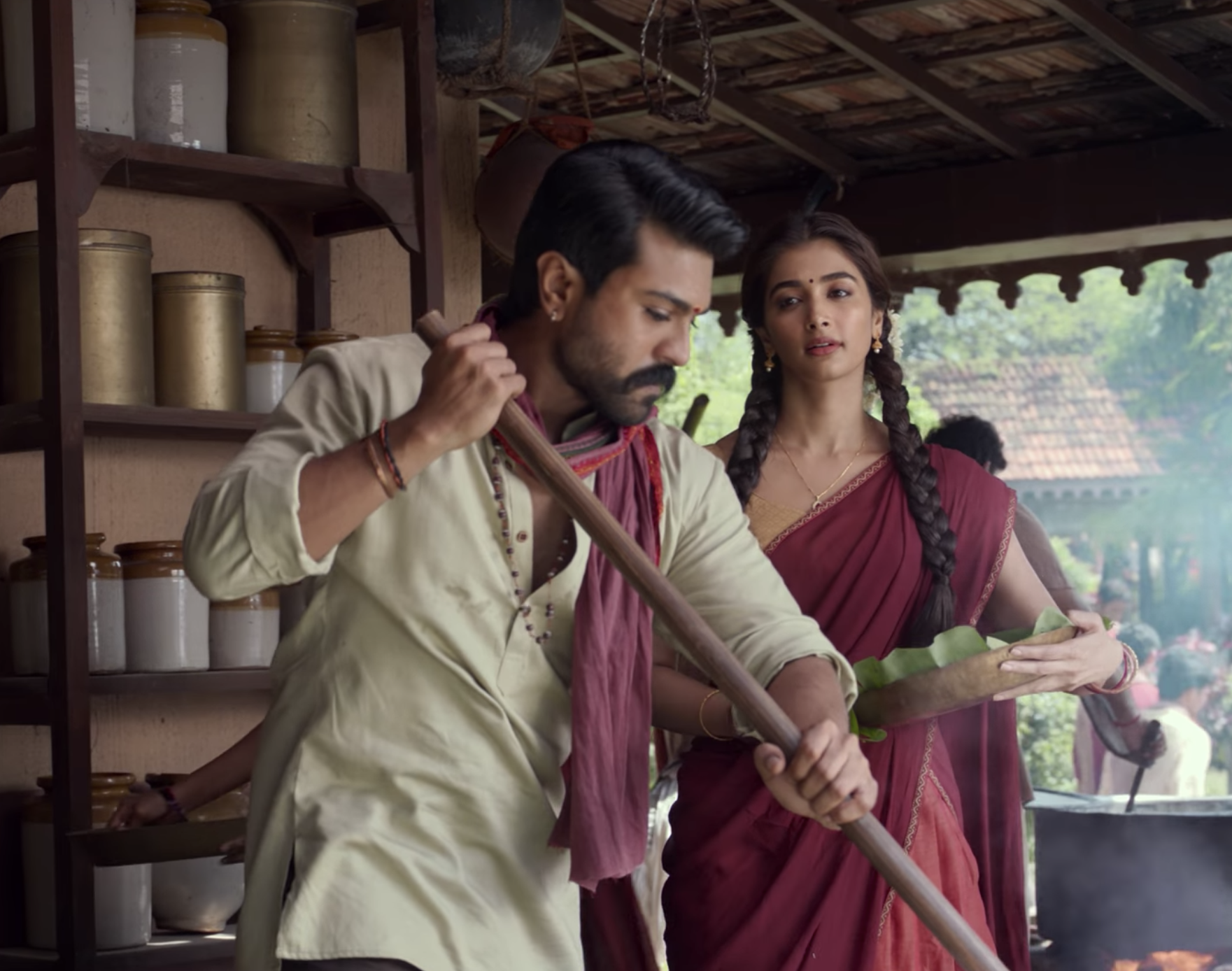
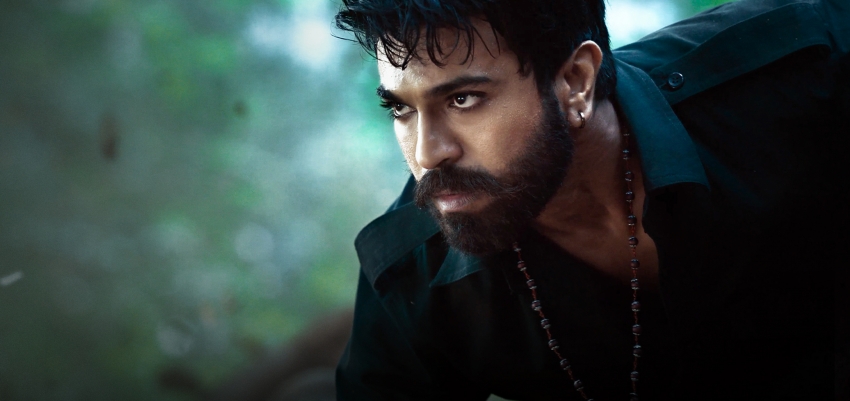
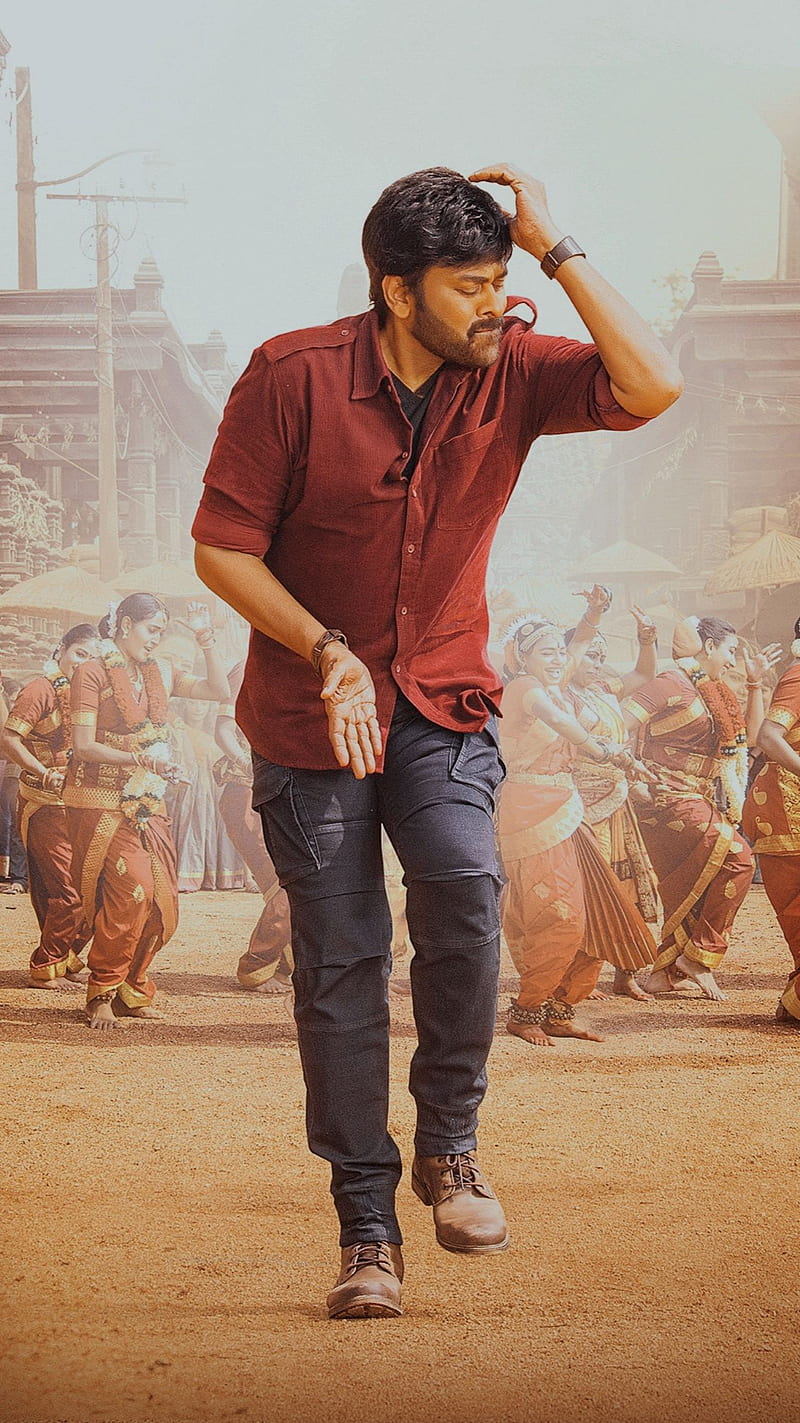
Against the heightening tension between the temple and Basava’s thugs, a stranger arrives in town and sets up a carpenter business in Dharmasthali. Acharya (Chiranjeevi) at first seems to be a do-gooder who sets out to help the people affected by Basava’s greed, but it becomes clear that there is a deeper reason for his involvement. The second half reveals the story of Siddha (Ram Charan) and why Acharya is working to save the people of Padaghattam and Dharmasthali.

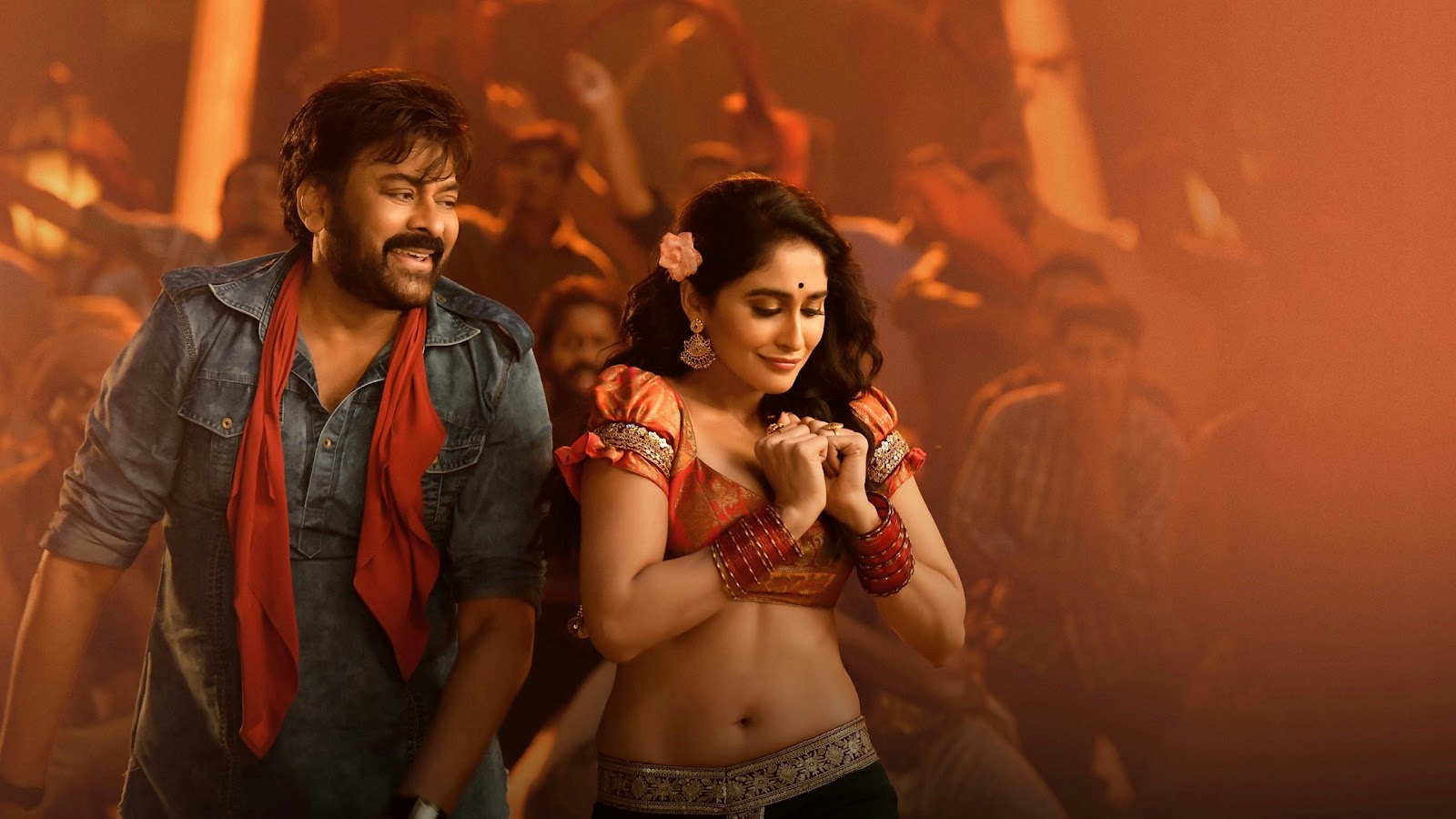
It’s a fairly standard story for SI cinema and Kortala Siva doesn’t add anything new to the tale. The hero arrives, the bad guy’s motivations are explained, and then they fight. Mix in a lot of discussion of Dharma, a dash of Temple festivals, Ayurvedic medicine and Naxalite freedom fighters and there you have it. The first half has gorgeous sets from production designer Suresh Selvarajan and cinematographer S Thirumavukkarasu makes the most of the sumptuous colours and beautiful scenery. I loved the first song  Laahe Laahe, featuring the stunning Sangeetha Krish, which bursts with colour and energy against the backdrop of the temple. And of course, add in Chiru dancing and it’s a total winner!

Siddha turns out to be the son of a Naxalite leader who was raised by the people of Padaghattam after his parents were killed. Acharya was tasked by Siddha’s father to raise his son in the movement and when Siddha is injured fighting against corruption in Dharmasthala it’s the perfect opportunity for him to go back to his roots. Ram Charan is excellent and his eyes are brilliantly expressive as he shows Siddha to be a true follower of Dharma. There are so many emotions conveyed between Siddha and Acharya just using their eyes that there is an entire section of the film that just focuses on their eyes for a good few minutes. I was in heaven! Although the story may be not be anything new, the interactions between Ram Charan and Chiranjeevi continually made me smile and lifted the energy of the film. 
The scenes where Ram Charan is dancing with Chiranjeevi are spectacular and feature plenty of Mega Star patented moves that Ram Charan performs under the approving eye of his dad. It’s really effective and I wanted to see more! The action sequences too are mostly well choreographed, apart from the finale which doesn’t work as well as the earlier pieces. In terms of spectacle and production, the film looks amazing and each set is obviously well designed and beautifully filmed. But essentially the film lacks depth. The reason for Acharya to be in Dharmasthala is revealed too late and so Chiranjeevi’s character lacks motivation for most of the first half. The second half is better and benefits from the interplay between Ram Charan and Chiru, but the finale could have been so much more if Kortala Siva had taken better care of his characters and thought more about Acharya’s motivation. 

Seasoned actors Nassar, Tanikella Bharani, Ravi Prakash and Vennela Kishore also put in an appearance and are all excellent in the type of roles they have played many, many times before. I’m not sure why Rathod’s main henchman Khilla (Shatru) had to have a deformity, but the bad guys are mostly faceless and evil because that’s what bad guys just are. Sonu Sood does his usual villain schtick effectively despite limited screentime and those dreadful wigs. But poor Pooja Hegde. After Beast I was hoping she would have a bigger role here, but she has even less to do here. Her character is mostly used as the reason for Acharya to explain Siddha’s history and apart from a song and a brief romance she barely appears in the film. 

I did enjoy Acharya and loved watching Ram Charan and Chiranjeevi together on screen. It’s unfortunate that the story doesn’t deliver the same emotional impact, but the songs from Mani Sharma are good, the action well choreographed and the dancing awesome! The worst part of the film is the subtitles which appeared to have been translated literally, and then misspelled (golry instead of glory, their instead of there – seriously did no-one check?) so that I was actually better trying to decipher the Telugu from my very limited vocabulary rather than rely on the subs. For a film with otherwise high production values, it seems such a shame to be let down so badly internationally for something like bad subtitles. So is Acharya worth watching – absolutely! Sit back, enjoy the performances and revel in the pairing of Mega Star Chiranjeevi and Mega Power Star Ram Charan.