Mere Brother Ki Dulhan

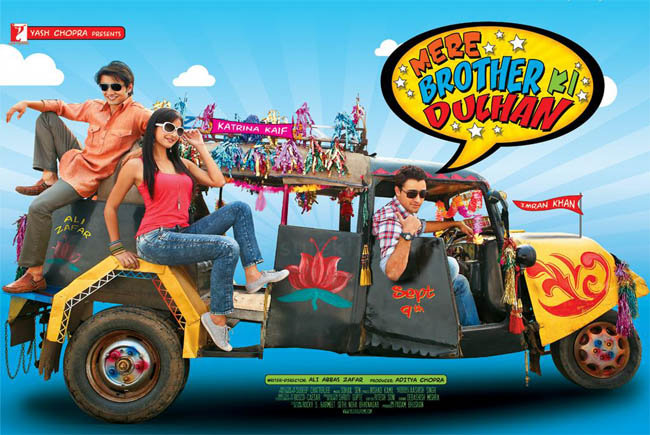
I had pretty low expectations of Mere Brother Ki Dulhan. But I’ve had a very up and down kind of week, and seeing this with excellent company of a couple of friends was the perfect antidote. The leads are likeable, it’s a pretty film, there are some beautiful locations, I laughed all the way through and the songs are excellent. The comedy was funny, and there were some pleasing references to classic and not so classic Bollywood films. There is nothing in the story that is new, but Ali Abbas Zafar (no relation to the star, Ali Zafar) has done the recycling with wit and charm. It’s a really light hearted undemanding film but I didn’t leave my brain at the door, just my worries.

The story kicks off as Luv (Ali Zafar) breaks up with his girlfriend in London. He asks younger brother Kush (Imran Khan) to find him a bride as he feels it is time to settle down but doesn’t think his parents know him well enough to pick a compatible girl. Luv tells Kush that if Kush likes a girl, he is bound to as well. So you can see where this is going long before old flame Dimple (Katrina Kaif) is trotted out by her parents. Kush and Dimple had never quite got together but he thinks the world of her and so she is the perfect bride for his idolised brother. But what to do when you realise you’re in love with your prospective sister-in-law, and she feels the same? The path to the predictable ending is much more entertaining than I expected and even kind of made sense. Not in a real world logic way, but there was enough context built into the film, and characters behaved in accordance with the internal logic of the story.

Imran is great as the boy next door Kush. He has obviously been working hard on his dancing (and should keep working on it), and that was a plus with so many good songs. His comic timing was spot on and he seemed to have good rapport with his co-stars. A lot of the comedy derives from Kush’s reactions to people and incidents and I thought Imran was able to communicate so much by expression alone, particularly his eyes. The look on his face when Dimple tells Kush that he looks like Amol Palekar was priceless!

Ali Zafar handled the demands of playing a character who was selfish and a bit immature and making him sympathetic and funny. He plays the preening NRI but when he is talking to his little brother those mannerisms drop away and we can see more of the genuine person underneath. Luv was decent in his own self centred way and while the ending was inevitable I also wanted to see him happy, or at least not become Romance Roadkill.

I really liked that both Luv and Kush were shown as fundamentally nice guys, so on one level it didn’t matter who got the girl as there was no villain or obviously bad choice. And both chaps do very good eyebrow acting so they were well matched as brothers.

Katrina’s acting was adequate and she certainly looked lovely. She always used to be the blank faced doll in the short dress, but now when the camera focuses on her eyes it does look like there is somebody home. Her performance in ZNMD was far superior to this and yet the characters could have been very similar. Dimple wasn’t given a lot of nuance, indeed she suffered from the highest WTF quotient, and she mostly played as loud and boisterous. The ‘Suicide!’ scene was a real misfire, but for the most I think Katrina delivered what she was asked to do. Dimple is a rebel, but she’s the good kind of rebel who doesn’t upset her parents.  She struck me as the ideal drinking buddy but a bit too high maintenance to want her as a friend.

It was nice to see a heroine who wasn’t passive and helpless, and while some of her choices made me roll my eyes, some had me cheering. She asks why guys can flirt with lots of girls but if she flirts, she is thought to be a slut. Kush tells Dimple not to change herself but that she must also realise that change in others attitudes would take time. While it was completely filmi, it was still nice that Dimple didn’t have to suffer or be rescued because of her ‘bad girl’ behaviour. The part of the characterisation that worked best for me when Dimple spoke about her fear of losing her identity once she was married, and what that change in her life was going to mean.

There was time for a little bit of reflection and introspection in amongst all the pre wedding shenanigans, but still done with humour.

The screenplay was generous in giving the supporting characters some good dialogue and they all had a little quirk or detail that made them stand out. I’m not convinced by Tara D’Souza as Luv’s ex Piali, but her acting did make everyone else look that much better. She seemed to be given the same direction as Katrina that loud = strong. Arfeen Khan had a difficult role as Ajju, Dimple’s autistic brother, and he was good. He had some really nice little moments interacting with Kush and Dimple, and his timing was great. Mohammed Zeeshan Ayyub was delightful as Kush’s friend Shobhit, making the most of being a comedy sidekick and bride hunting assistant.

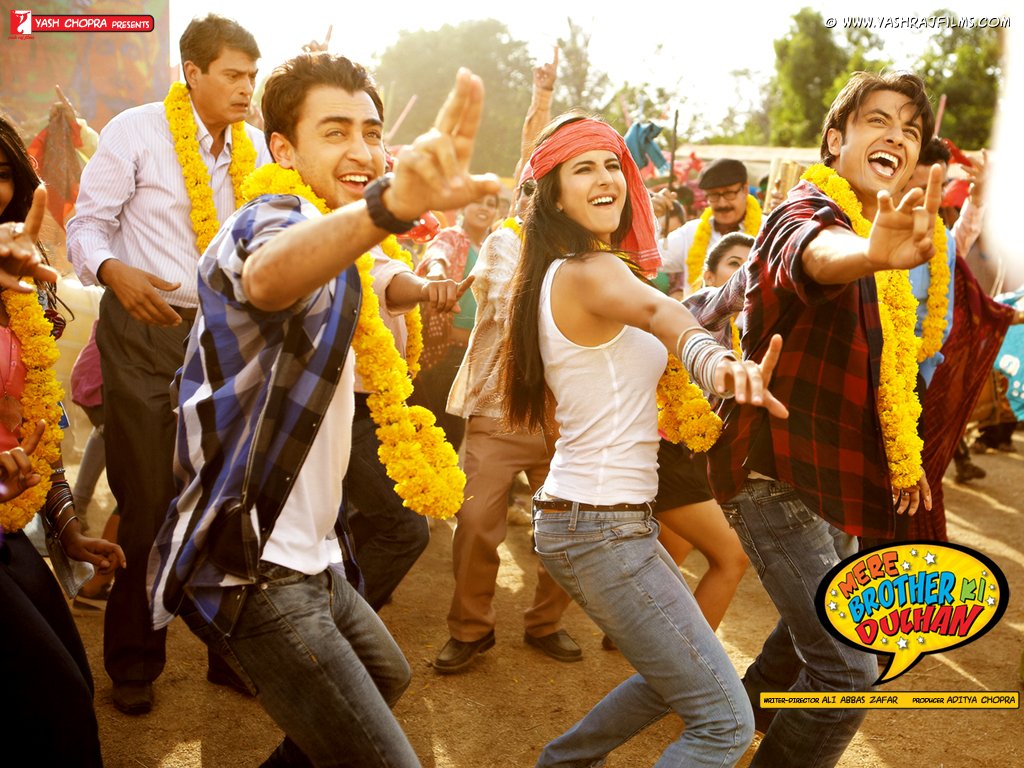
The songs by Sohail Sen are a perfect match for the characters and the tone of the story. This is one of my favourite soundtracks at present and the picturisations are a highlight. From the filmi pastiche choreography of the title track to the rambunctious Madhubala (sung by Ali Zafar) or the sweetly funny Isq Risk there is not one that I didn’t like. There is even a bit of a snake dance! The film also uses songs from older films like Padosan and Caravan to signal or highlight things happening in the story.

While the film is aimed at the youth market, this could be one for the nostalgic folk too. It was that most rare of things – a modern Bollywood comedy with no fart jokes, no sleaze but with lots of humour and abundant song and dance. I don’t think there is anything new or amazing about the film, but don’t we go see movies to be entertained or amused? Mere Brother Ki Dulhan does that, and does it very well.
Vikramarkudu

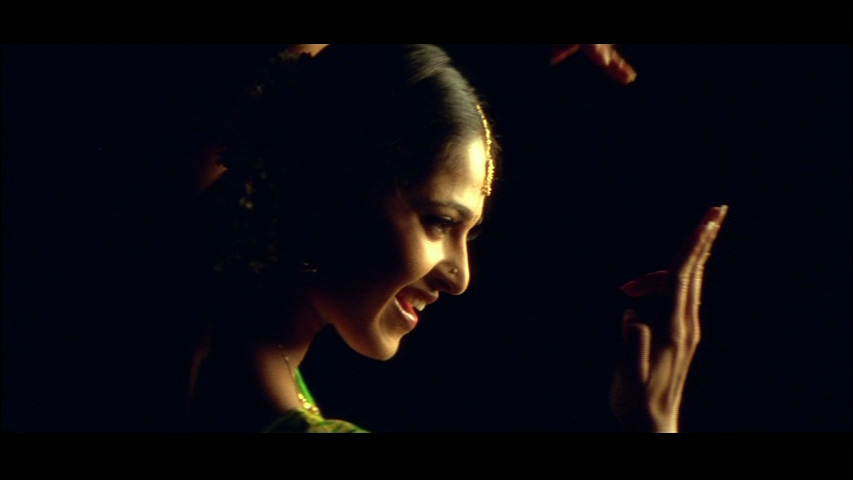
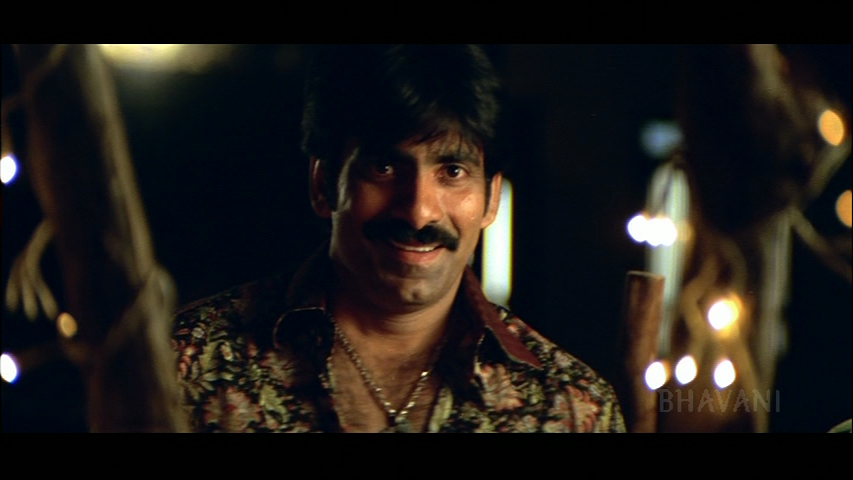
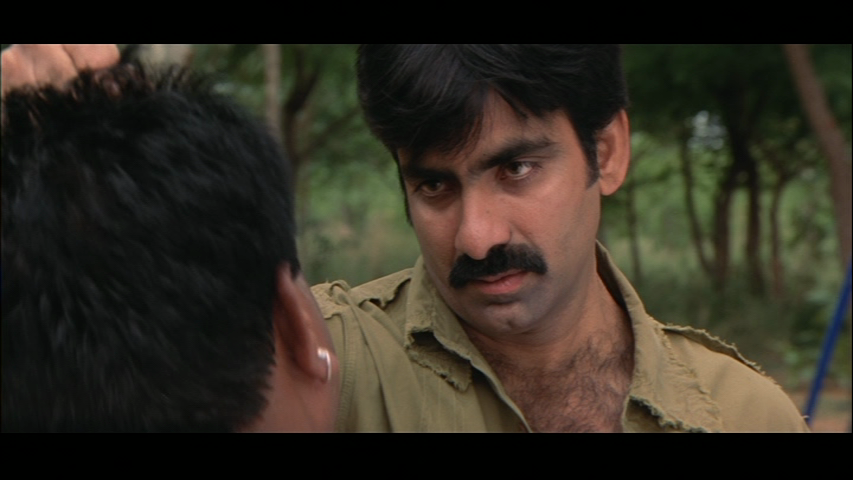
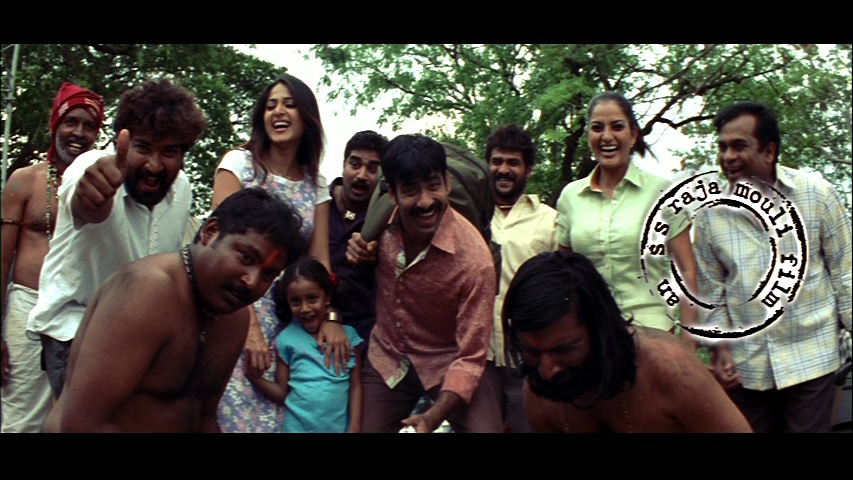
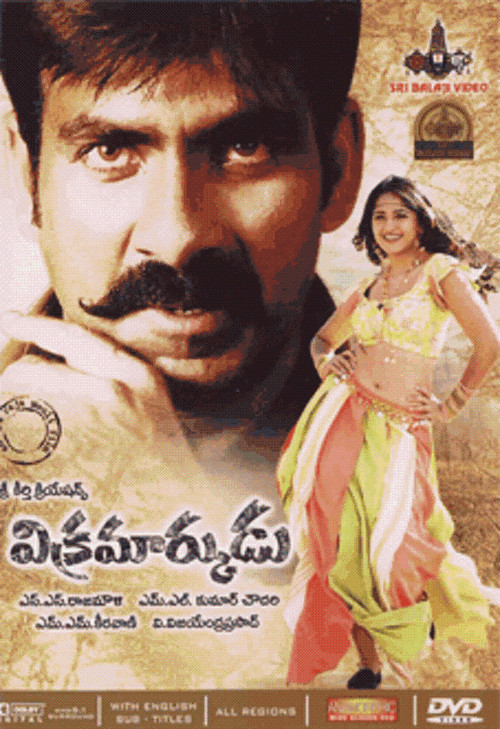
Vikramarkudu centres on ASP Vikram Singh Rathore (Ravi Teja) and his attempts to bring rural crimelord Bavuji and his evil brother Titla (Ajay) to justice. Needing to go into hiding, Vikram schemes to have his young daughter left with unknowing duplicate Athili Sathibabu (also Ravi Teja), a conman conned into caring for the child. The now familiar theme of justice being outside of the law is at the fore as even the police cannot rely on the legal system. There is suspense as the bad guys get closer and the two lookalikes cross paths in a series of action packed episodes. SS Rajamouli knows how to get a story up on screen and make it look amazing but he doesn’t have the best material to work with here. Vikramarkudu is a bit less satisfying than it should have been.

The major problem for me is the first section which sets up a very unconvincing love at first sight romance between Sathibabu and Neeru (Anushka Shetty). She acts giggly and flirty and he is sleazy and grabby. I struggle to believe Neeru would be smitten by Sathibabu. I can believe she might fall for him over time, but on sight? It wouldn’t have taken much to come up with a better story for her, but apparently no one could be bothered. Apart from the unfortunate giggling and the attempt to be a minx, Neeru was quite likeable but then she disappears until the end of the film. While it wasn’t much of an acting challenge at first (except maybe for having to gaze lustfully at Ravi Teja) Anushka did at least look like she was having fun in the songs. She got a bit more to work with later in the film, but the heroine was not pivotal to the story.

Ravi Teja is a good actor and created two very distinct characters while playing up their similarities so that while I was never confused, I could believe that the other characters might be. He gave the policeman a serious demeanour that was almost out of place in the mass madness.

The action scenes look great and Ravi Teja is up to the challenge of the scuffling, bruising fights. But most of the story is about Sathibabu whose notion of romance is slapstick sleaze.

I have a fear of Anil Kapoor’s back hair which dates from seeing Janbaaz. Oh, the rolling in the hay scene was so disturbing even without the straw woven into Anil’s furry pelt. I had post traumatic flashbacks when I saw Ravi get his shirt off with no warning.

Brahmanandam and Sathibabu live in a house they had furnished from various stolen items. It was neatly quirky, and might have been better suited to college aged guys but the set designers had fun. Ravi Teja has an upbeat energy which is very effective in the dances and he looks like he enjoys the dreaded comedy scenes. Their conman shtick was mildly amusing and I liked some of their schemes, but the heavy handed and repetitive dialogue especially by Brahmi became annoying. And I just don’t think sleazy puns and groping equates to humour.

There was more to Sathibabu than I initially expected. He was coerced into caring for a little girl (Baby Neha) who was convinced he was her father. I liked the developing affection between Sathibabu and the little girl. It didn’t seem that he was won over because she was cutesy but because he started to appreciate she was a little human being and had her own fears and likes that he could relate to. And from that initial moment of empathy came a protective affection that was endearing. It also meant that he was more invested in helping Vikram and sorting out the villains when the time came.

The bad guys play for cartoon effect but there was an edge of darker violence to some of these scenes. Bavuji is a stock baddie who leers and shouts and does a pretty good mad eye. Ajay as Titla is more striking and not just because of his height and aura of evil. He leads a gang who were possibly involved in the trial run for Magadheera costumes, and is armed with what looks like a kind of blunderbuss and a cross bow.

Ajay has the right amount of menace and silliness and he plays it to the hilt. Munna (Amit Kumar), Bavuji’s son, is flamboyantly bad but opts for a comedic approach which masks his calculating nastiness.

Their crimes include abducting women from the village for sex and killing anyone who stands up to them. Rajamouli doesn’t soften these scenes at all and, while it does make payback more cathartic, it is dark. Mind you, they still know how to party:

The supporting cast of good guys do well with the patchy script. Inspector Mahanti (Rajeev Kanakala), paralysed when they abduct his wife Pramila, is an example of what happens when good men stand by and do nothing.  Yet again I found myself wondering about how a handful of psychos can dominate a population of hundreds. His wife and kids make a strong impression and I cheered and cheered in one of her scenes. Prakash Raj makes a very small appearance as a DCP but gets to use his misty eyed Gaze of Blossomimg Bromance to good effect.  Ruthika is a tough policewoman who is handy in a fight and that is treated as kind of unremarkable which I liked. She just does her job. It didn’t stop the writers inflicting some ‘comedy’ on her though. She is drugged by Brahmi which causes a sound effect of whinnying like a horse and the terrible side effect of fancying Sathibabu. The only good thing I can say is that this song happens:

The MM Keeravani songs are fun and they provided a battlefield between the choreographers and the costume team. There is a pleasing commitment to metallic pants and that makes me happy.

The costumes are a highlight and Ravi Teja’s trousers often make a statement. Anushka seemed to get the more experimental designer but she didn’t seem too fazed. I suppose that is a benefit of knowing you could wear a hessian sack and still look stunning.

There is some excellent Only In Films Medicine I must mention. I bet you didn’t know that a temporary cure for an aneurysm is running cold water over your head.

I struggled with Vikramarkudu at first as I couldn’t see the story going anywhere and I didn’t care less about the lead pair. Once the revenge story started to dominate, the pace picked up and I found the film much more satisfying. There was some tension and characters started to become more fleshed out once the common enemy was in play. While the content and situations are unrealistic, the impact of the dramatic and action oriented scenes was surprisingly strong. By the end, as Ravi Teja made those baddies sorry they had ever been born, I cheered and laughed and occasionally winced. As for the resolution, well I question some of the logic but you know what they say; all’s well that ends well. 3 stars!

Shor In The City

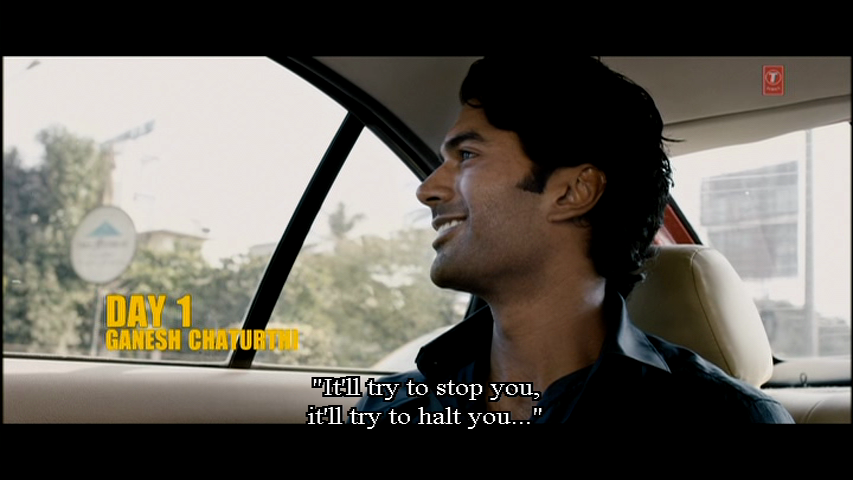
Shor in the City didn’t get a cinematic release in Melbourne, which was very disappointing to those of us who had been following updates on twitter. Good reviews, an interesting cast line up and compelling trailer meant that I got the DVD as soon as it was released, and watched it almost straight away. It’s a film that would look great on the big screen, with some beautiful shots of Mumbai and the Ganesh Chaturthi celebrations, but the storyline and excellent performances make it a very worthwhile DVD watch as well.

The film takes place over  Ganesh Chaturthi  and follows three stories which are not interlinked, although there is one character who is involved in all three. Interestingly the opening credits state that all the events in the film are inspired from newspaper articles, which at times made me wonder exactly what does get reported in Mumbai. It’s a slice of life in the city and seems to be a very realistic serving.

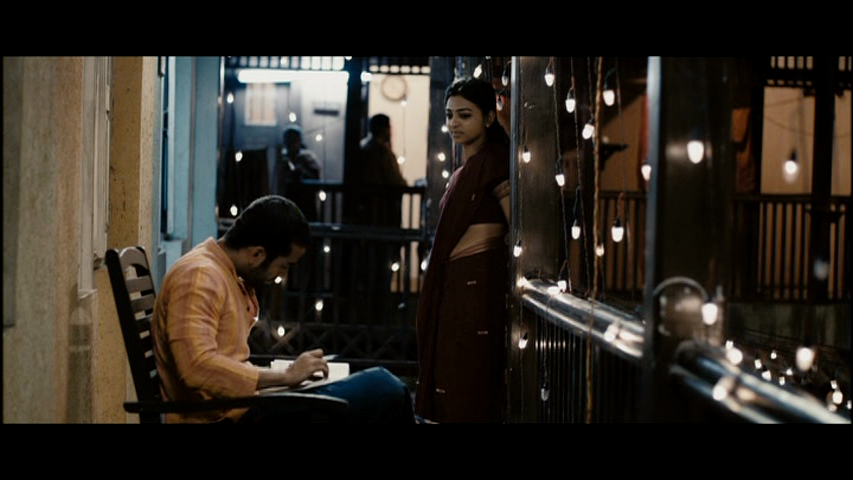
The first story centre around Tilak (Tusshar Kapoor) and his two friends Ramesh (Nikhil Dwivedi) and Mandook (Pitobash). While Tilak runs a business illegally copying and publishing books to sell at traffic intersections, his two friends seem to be mainly engaged in petty theft and other small crime. Tilak is also recently married and the relationship with his new wife Sapna is one of the standouts of the film. Their initial awkwardness around each other and the slow development of their relationship is very well portrayed. I would have to say that this is probably the best performance by Tusshar Kapoor that I have seen – I can’t remember much about him in other films, but he really impressed me here. Radhika Apte is excellent as Sapna and the chemistry between the two is develops realistically as their relationship evolves. This is the second time I’ve seen Radhika Apte (she was in Onir’s excellent I Am) and she shows her versatility here with a completely different but equally compelling performance.


The film follows the lives of the three friends as they kidnap a writer to steal his latest manuscript, try to get rid of some guns and a bomb that they have stolen and finally get involved in a bank robbery. Nikhil Dwivedi is totally crazy as Mandook and while he portrays the type of person that you would hope never to meet in real life, on-screen he is funny and infuriating in equal measures. Ramesh is somewhat overshadowed by the force that is Mandook, but the relationship between the three feels very natural and true to life. Whether it is riding around on a motorbike taking surreptitious pictures of girls or hanging out in a bar taking pictures of themselves writer/ directors Raj Nidimoru, Krishna D K and writer Sita Menon really seem to have got these three right.


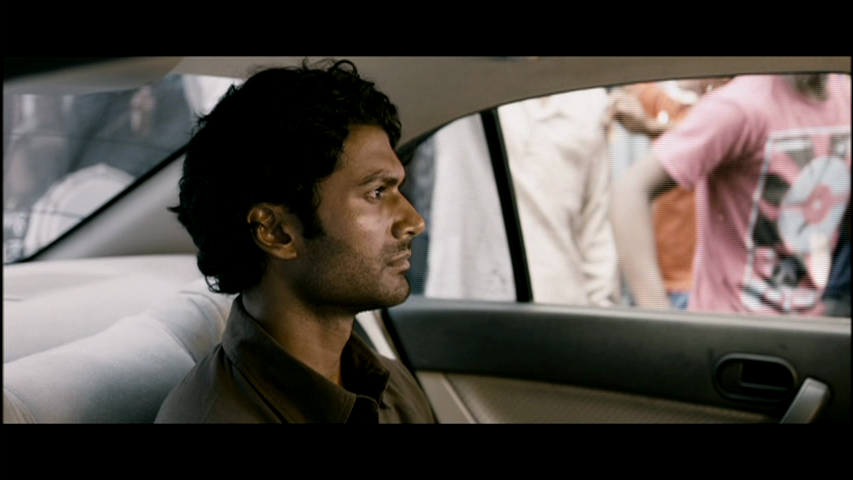
The second story revolves around Abhay, an NRI from the USA who has come to Mumbai to set up a small business. His shock and incredulousness at the number and extent of the bribes he has to pay is understandable, but things take a much darker turn when a couple of extortionists – Premal (Zakir Hussain) and his boss Hemraj (Suresh Dubey) – turn up demanding he pay protection money. They threaten him and his new model girlfriend Sharmili (Preeti Desai) and his helplessness is compounded when he cannot get the answers he wants from the police. Sendhil Ramamurthy looks out of place enough to be perfect for this role. He is an American actor who has appeared in a number of TV shows, but I hadn’t ever seen him before so he fitted the part well for me. His attempts at Hindi before lapsing back into frustrated English are just brilliant and remind me so much of my attempts to communicate in India! The last part of his story is a little less believable but it’s still an engrossing watch.


I liked the contrasts in Abhay’s story. Firstly the contrast  between his work life; trying to set up a business, dealing with IT issues, dealing with his employees and the extortionists and then his more Western style life clubbing and shopping with his girlfriend. Again the story is very realistic and there is a moment where Sharmili spots a poster of herself and her reaction of – look there’s me! – is spot on. Then the contrasts between the noise of Ganesh Visarjan and the quiet of Abhay’s apartment, and of his initial excitement at being in Mumbai gradually changing as the realities of his situation kick in. But what really impressed me here was a scene where Abhay’s employee speaks to his wife on the phone about eating dinner with his boss just before Hemraj walks in. The detail about his phone conversation makes his employee a very real person and the distain with which he is subsequently treated serves to accentuate the viciousness of the extortionists. This attention to small details occurs throughout the film and I think this is why it feels true to life and works on a number of different levels.


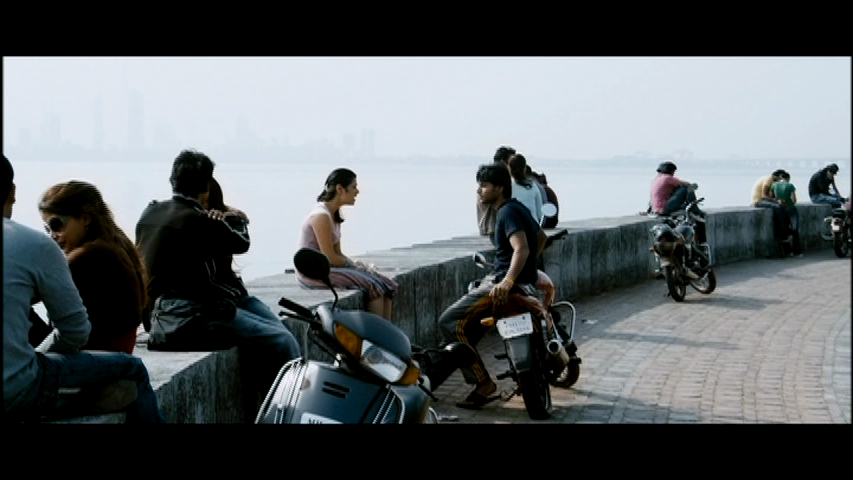
The final story involves Sawan, a talented cricketer who is trying out for the under 22 team. He quickly realises that skill and talent are only going to get him so far, and that to get into the team he will need to bribe the selector. But he doesn’t have the kind of money it takes, and to add to his troubles his girlfriend Sejal (Girija Oak) is being pressured into a marriage by her family and is constantly asking for his help. The scenes between Sawan and Sejal again feel very realistic and their situation a common one. Judging by the number of couples in this scene at any rate!


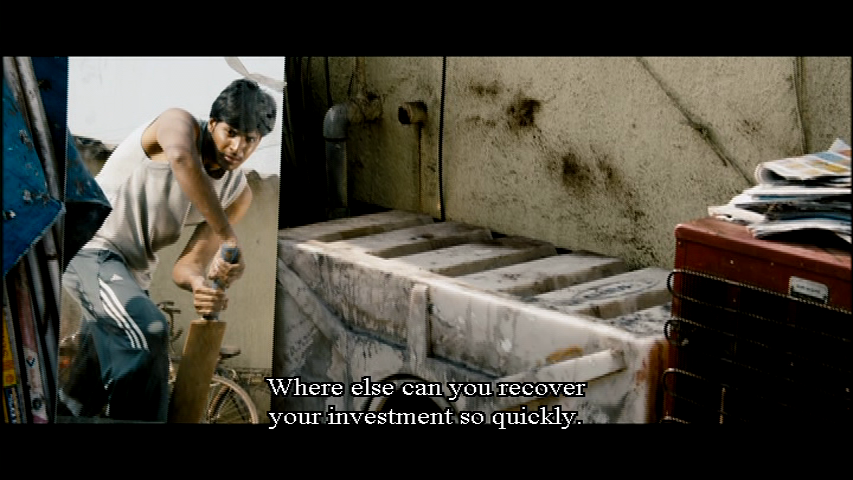
I was very keen to see Sundeep Kishan here since he was excellent in his Telugu debut Prasthanam, and I wasn’t disappointed.   Sundeep is totally believable as Sawan and perfectly fits the role of the aspiring cricketer who knows enough about life to understand the selection bribery, but still wants to believe that the game is above such taints. At one point he says to his friend, ‘Have I been speaking in Telugu?’ which my subtitles rather strangely translate as, ‘What have I been saying all this time?’, but it did make me smile.  I liked the way he practices his game on the roof using a mirror and the natural rapport he has with his sister when she asks him to look after his nephew. His solution to his money crisis is rather drastic, but his attempts to deal with Sejal are the responses I can imagine any young man in his situation making and it’s all very believable.

Sawan’s friend Tipu is the one character who appears in all three threads of the film. He’s a ‘fixer’ who is responsible for organising crowds for demonstrations and riots, buying and selling of various commodities and many other illegal activities. Amit Mistry plays the role with plenty of humour and has a diverse collection of shirts.

The cinematography is excellent and Mumbai itself becomes another character in the film. We see a number of different sides to the city with shots from above and across the water as well as the loud and exuberant street scenes of the Ganesh Chaturthi festival. The festival acts as an underlying beat and the crowds and noise press heavier and heavier as the film progresses.


The music is also excellent and fits well into the narrative. The opening number is suitably loud and brash, and Saibo is a beautifully sweet.  There are no big song and dance scenes which really weren’t necessary here and in fact would have totally derailed the story. The lack of an item number in the night club scene is very appreciatively noted!

The film is a great look at a slice of Mumbai life and the writers are to be congratulated on taking a number of stories and making them all work together so well. Each of the actors seems to fit their character and it’s one of those films where I keep noticing more and more clever detail on repeated viewing. The end is less successful in some respects although the final resolutions over the end credits are brilliant. Watch for some great performances, clever story writing and to find out why karma really is a bitch. 4 ½ stars.

Temple says:

Shor In The City isn’t totally successful in my book, but it is a lot to ask that all the stories succeed equally- and they don’t. Most of the let down is in Sendhil Ramamurthy’s storyline. It’s just too pat. He is the perfect NRI having the perfectly frustrating and confronting return to India, meets the perfect model girlfriend on arrival, lives in the perfect apartment with the perfect luxe lifestyle, suffers the perfect stereotypical rip-off and commits the perfect crime in payback. For me, it lacks the subtlety and emotional hook of the other characters’ stories, and I just didn’t buy it completely. I have to confess, I think he is very decorative but a pretty ordinary actor. I sat through the truly awful “It’s A Wonderful Afterlife” which is a very unfunny ‘comedy’ in which Sendhil played one of the leads so I was predisposed to feeling a tad jaundiced. But I think his character and performance also suffer in the comparison to the other two guys. Sundeep Kishan is perfect casting as Sawan with his mix of confidence and self doubt that made him choose unwisely at times. Sundeep seems very natural and his timing and rapport with the other actors feels really spontaneous. I was amazed by Tusshar Kapoor who was sweet and awkward and fun as Tilak. I’d never rated him much as an actor but this was a really moving performance in a role that has great range but also needs a lot of restraint. His scenes with his brand new wife were beautifully judged, and his excitement about books and reading (baffling to his sidekicks) was totally endearing. I liked the way Sawan and Tilak provided a nice contrast and tension with the good boy maybe going bad, and the bad boy who decides to change directions.

It’s a very pleasing film on a visual level and does convey the manic bustle and also the quiet reflective corners of Mumbai. The use of locations was great and it added a buzz to the scenes out in the streets, as well as the intimate domesticity up on rooftops and balconies as characters looked out on the sprawling city. Ganesh imagery is everywhere, and I don’t think it’s a coincidence that Tilak is able to move on after catching the benign gaze of the god who removes obstacles. It’s a fast paced film that looks and sounds great. The writing is good, and the story is rarely dull. There is a little too much coincidence and some heavy handed visuals but overall I like it a lot.  3/12 stars.