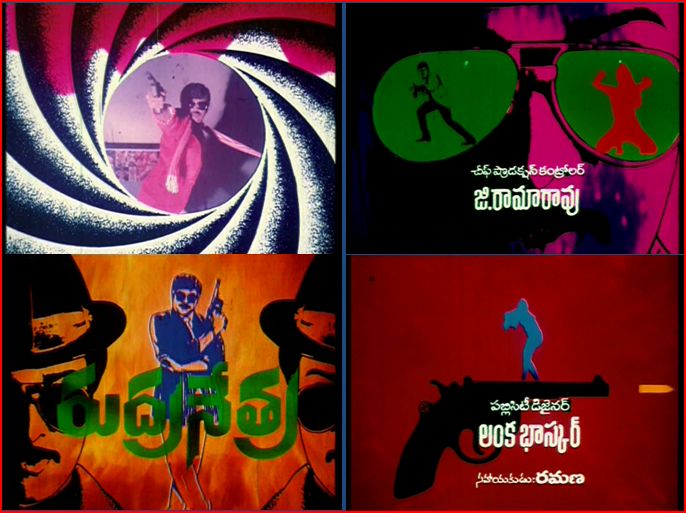
Rudranetra

Rudranetra is silly masala fun that starts from the assumption that more is more. Drawing on Gunmaster G9 more than Bond, it gallops along in dazzling and hilarious style.

Chiranjeevi stars as Agent Netra who saves the world from evil, but does nothing to rid us of lycra and lurex. There are multiple villains and heroines, silly catchphrases, overcomplicated schemes, foreign locations, strange gadgets, horrific outfits and memorable design. This was another Adventure Without Subtitles but who needs words when this visual assault is coming at you?
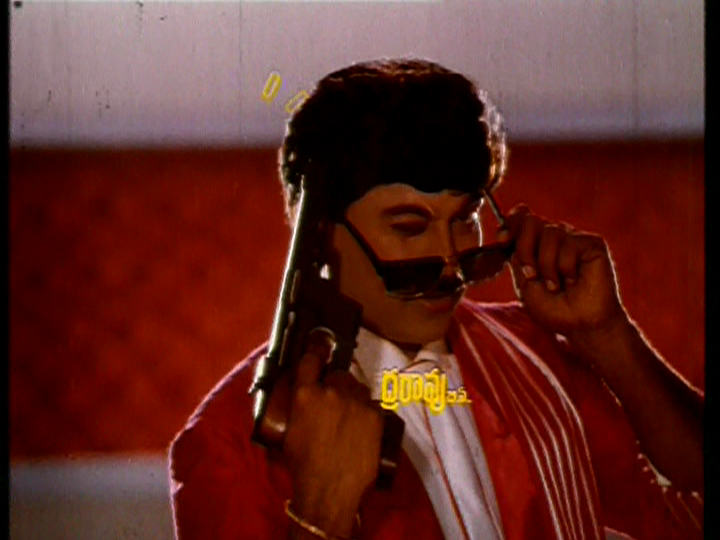
Agent Netra (Chiru) investigates a shady businessman (Rao Gopal Rao) whose real business is in creating some kind of drug. Netra is killed in a confrontation with the next crimelord up the foodchain, Mr Kyun (Raghuvan). Agent Prathima (Vijayashanti) takes over and vows to solve the case for her lost love. She visits some associated bad guy (Nutan Prasad), and finds Yadgiri, a Netra lookalike, working in his home. She persuades Yadgiri to pretend to be Netra. Despite wearing a stealthy red and gold ensemble she is captured and taken to an underwater drug manufacturing plant guarded by men in Michael Jackson Thriller suits. I’m not sure but I think Netra was never really dead and was pretending to be Yadgiri who pretends to be Netra. It really doesn’t matter, as Chiru rescues Prathima very stylishly.

They try get to Rao Gopal Rao through his eldest daughter Rekha. Unfortunately, some pictures get swapped and Chiru acidentally sets his sights on the younger daughter – Hansalekha (Radha), who had obviously incurred the wrath of the costume designer. He decides to sweep her off her feet, and frankly who can blame her for giving in quick smart. Well, I have some doubts about a man who shoots you with a suction-capped arrow and love letter that looks like it was written by an 8 year old with her ‘My Little Pony’ crayons.

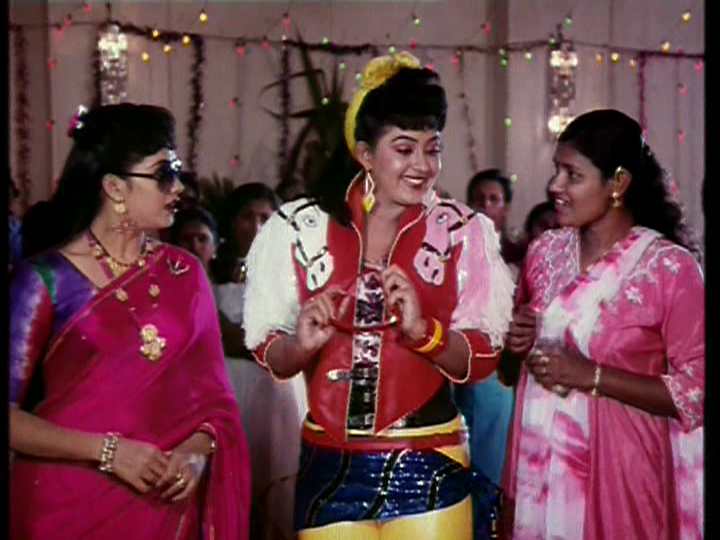
Which is the perfect style for Lekha. There is no respite from her horrible outfits until she mistakenly thinks she is pregnant (to Netra) and starts wearing sarees. Netra breaks up with Lekha and pursues Rekha but to no avail. It turned out poor Rekha was not the villain’s real daughter and he was just using her as a human guinea pig for his drug testing. He really is bad! And who but an evil man would order a child fired out of a circus cannon? (OK I admit, that idea does have some appeal, but I wouldn’t actually do it.) A daring trapeze rescue and fight by Netra ensues. What with one thing and another Netra finds his way to the top villain, Mr Kyun’s dad – Black Eagle!

Will Netra save the world? Will someone save Radha from the vengeful costume designer?

Well, you can’t have everything.

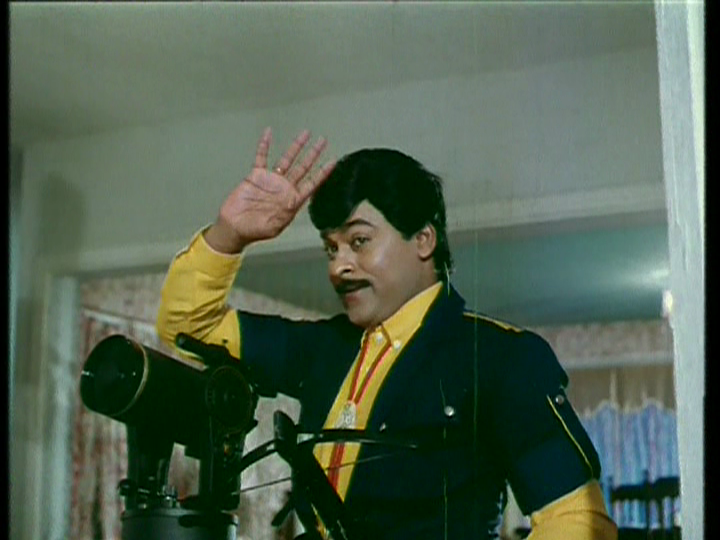
Any film with Chiru playing a triple role will get my attention. Especially when his idea of secret agent work attire is this:
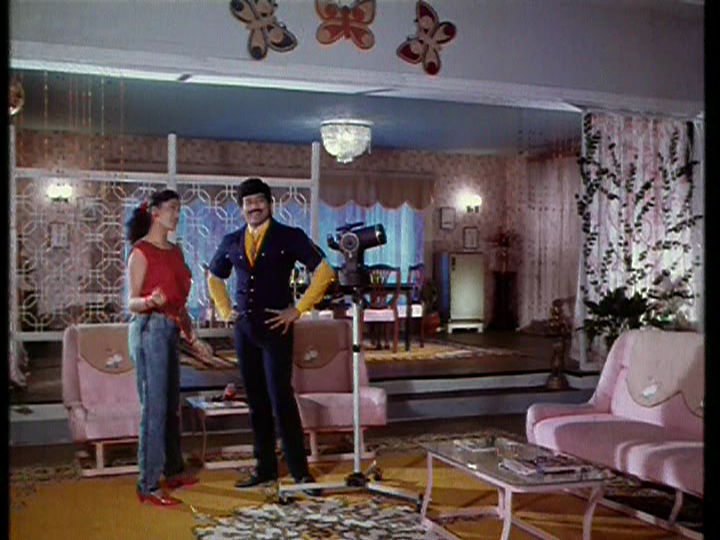
Poor poor Radha. I shall let the pictures tell that story.


Vijayashanti gets a slightly better everyday wardrobe but doesn’t get away without a few feathers and sequins. Generally Prathima is the smarter more resourceful female, and can hold her own in a carefully choreographed fight.
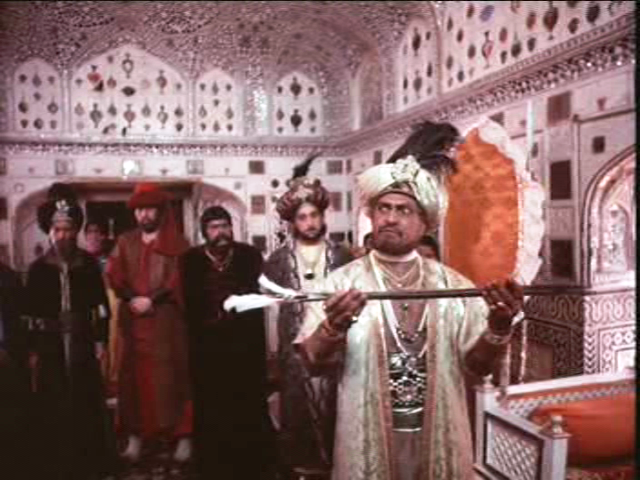
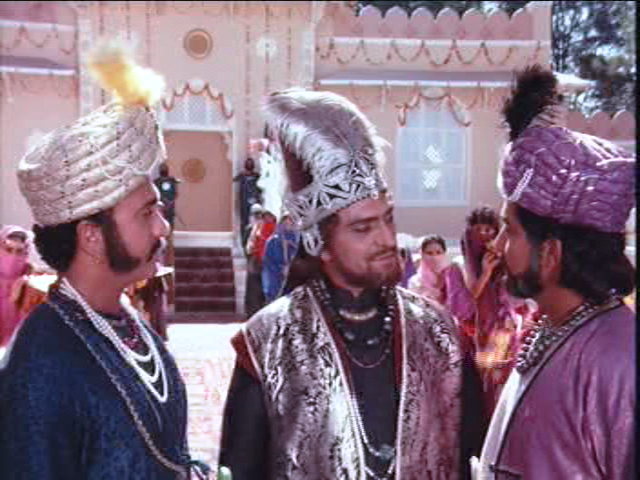
The villains have truckloads of style.

Rao Gopal Rao firmly believes in world domination and colour matched lurex shoes for all his ensembles. His lair is more functional than iconic, in keeping with his pragmatic and cold blooded style. He even kills his not-really daughter Rekha once she is of no use.

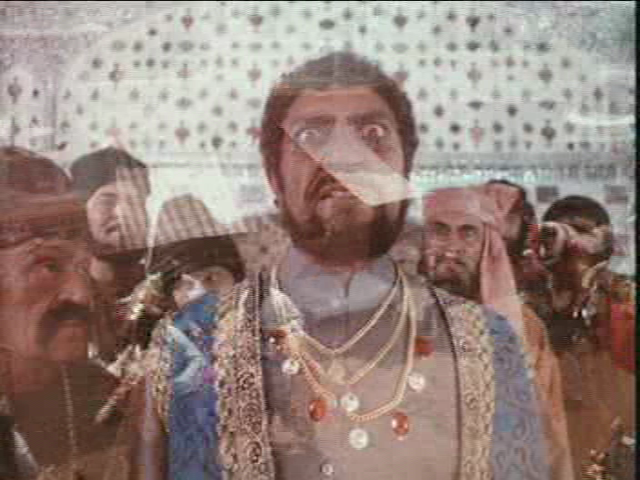
Then there is Mr Kyun whose catchphrase is ‘Mr Kyun is always a question to yoooooooou’. He is a bit disappointing visually, but makes up for it with cheesy English dialogue and being pure evil.
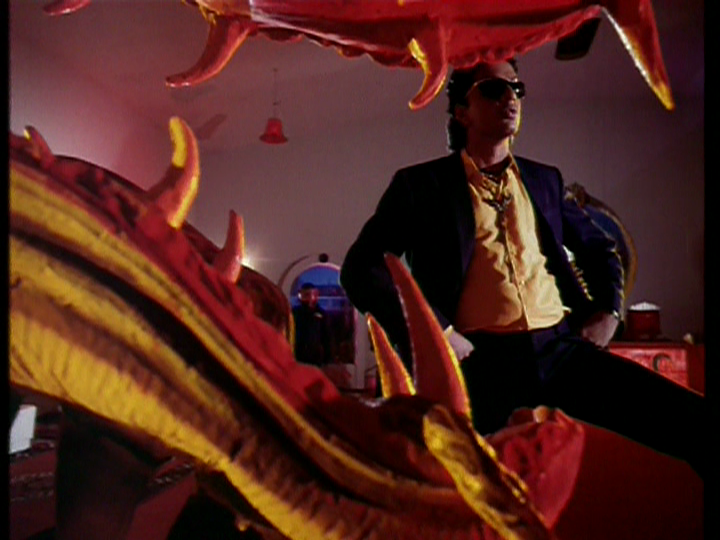
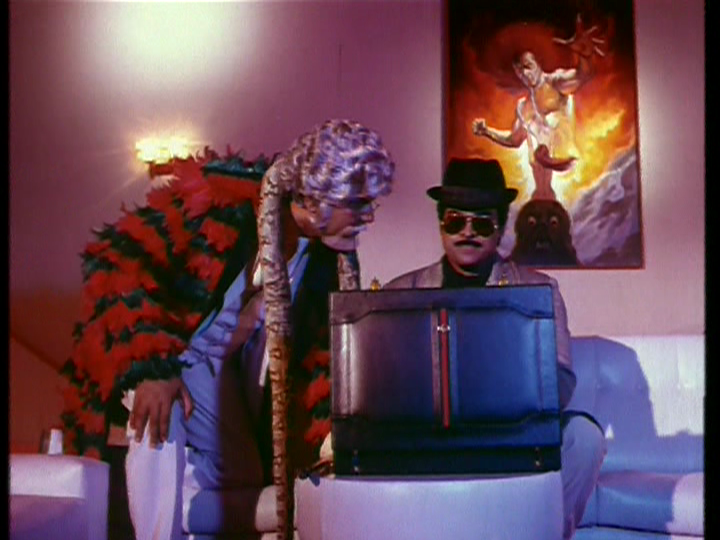
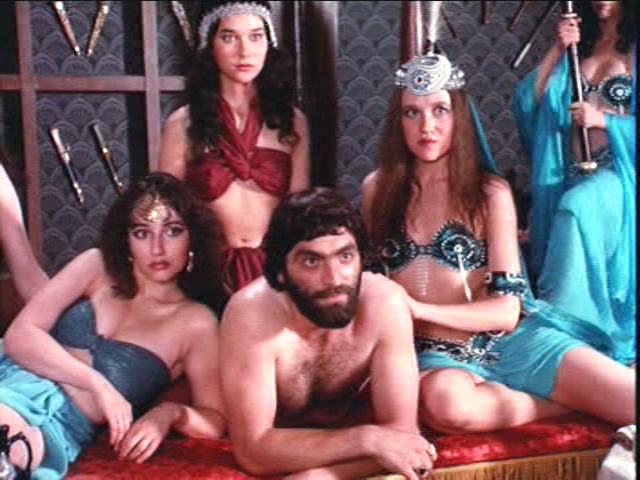
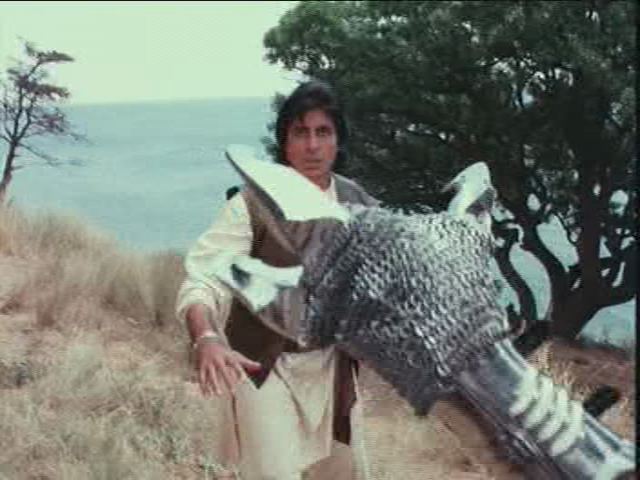
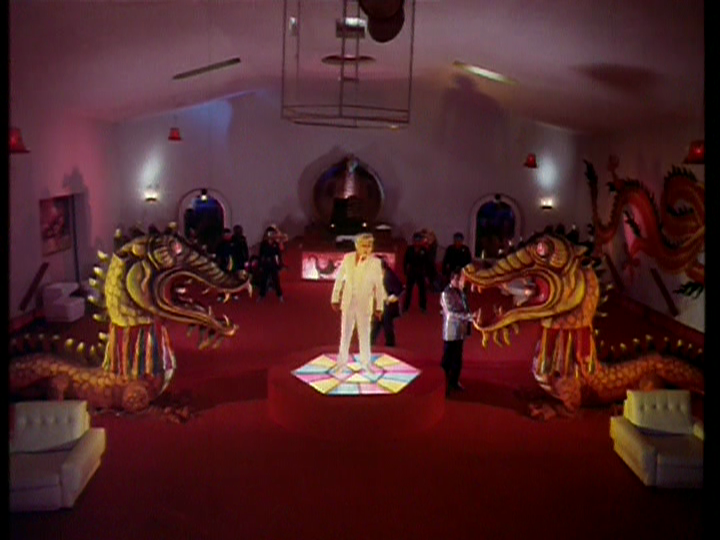
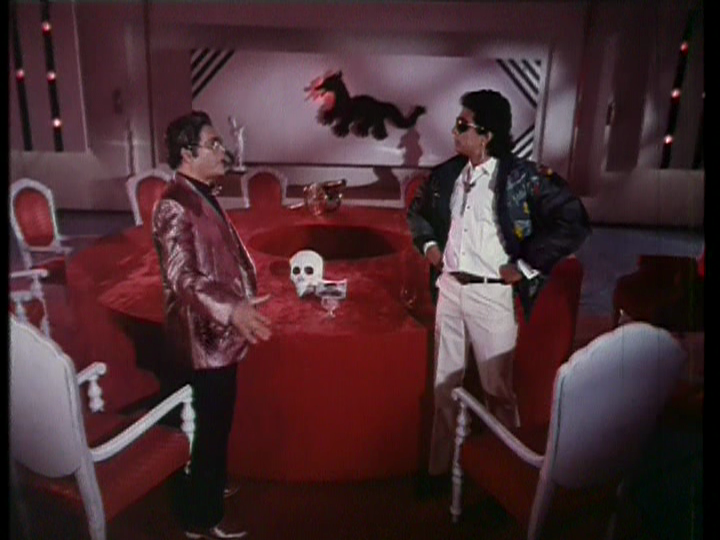
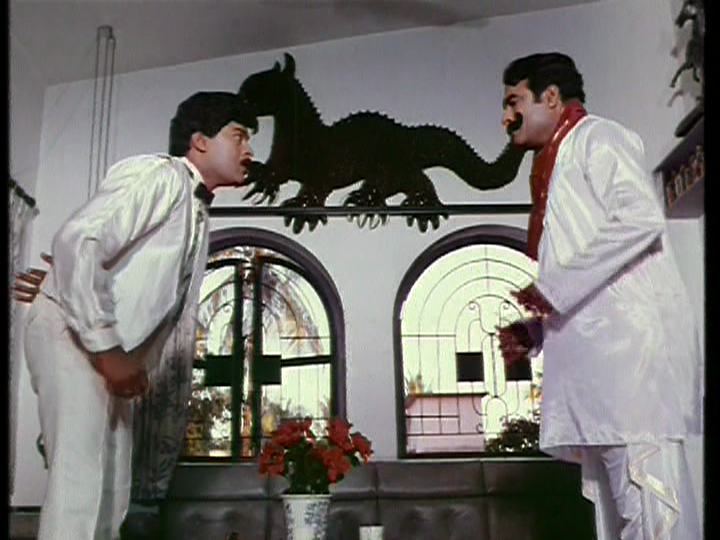
Black Eagle is confused. Why else would he be in a dragon themed lair? Accessorising with snakes?
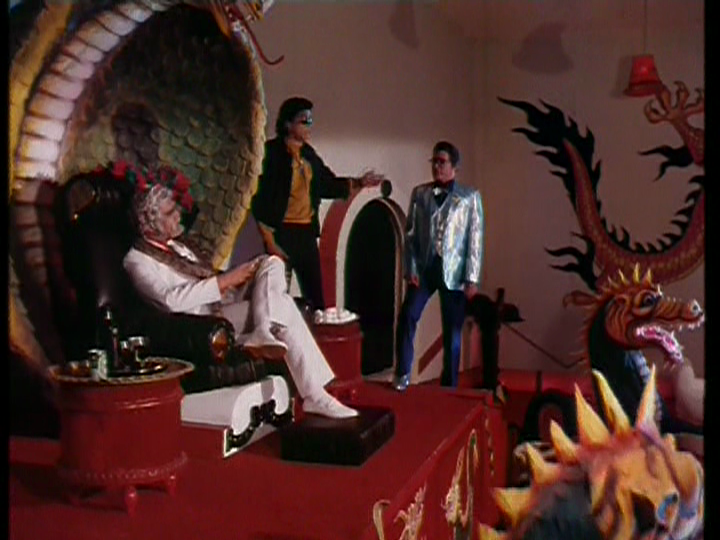
Perhaps this outfit is intended to make him more Eagle-y, despite the boa as boa.
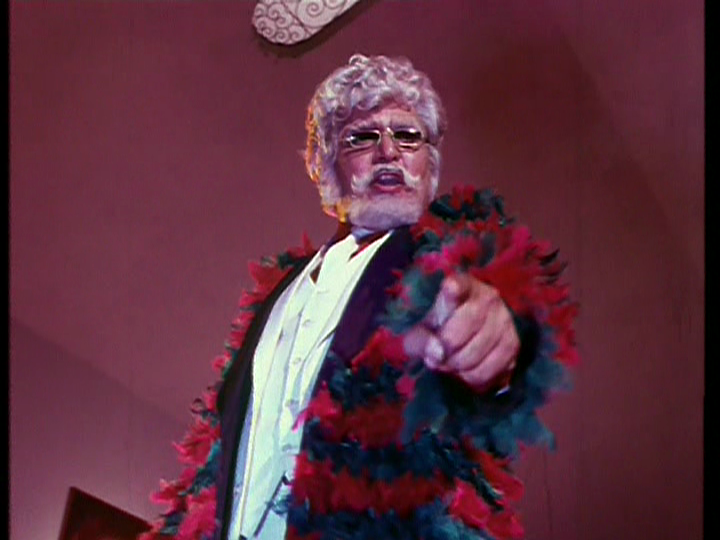
His catchphrase varies from ‘Black Eagles loves you’ to ‘Black Eagle hates this’. You know you’re on a winner when the villain talks about himself in the third person. His minions look like Lego men and are about as handy in a fight.

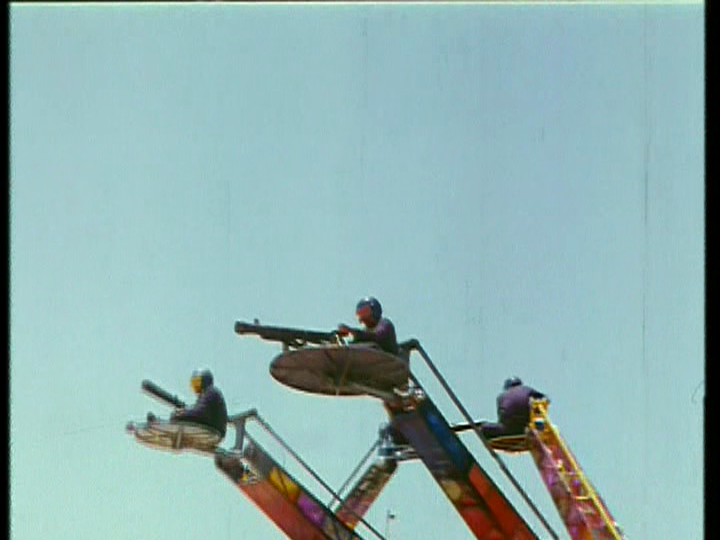
It also makes for excellent espion-tertainment when the gadgets are abundant. Black Eagle has a ‘death bell’, which has a disco floor, and two dragons that bong the ‘bell’, which kills the prisoner (unless the prisoner is Netra). Black Eagle and Mr Kyun have built a rocket to launch their killer bees or lethal gas or drugs (there is evidence pointing to all as a possibility) but neglected to acquire the “destruction gadget lock” so that created a delay. There are fake planes, underwater lairs, exploding guns and lots of cool stuff along the way before we get to the top secret circus tent rocket control centre.
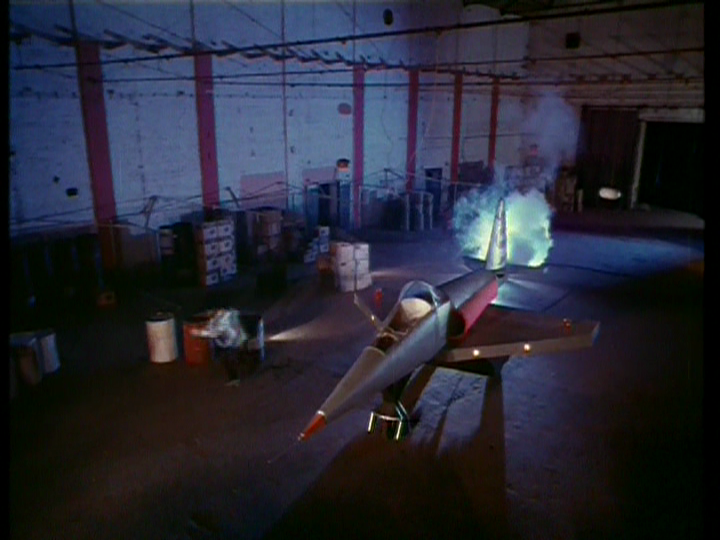
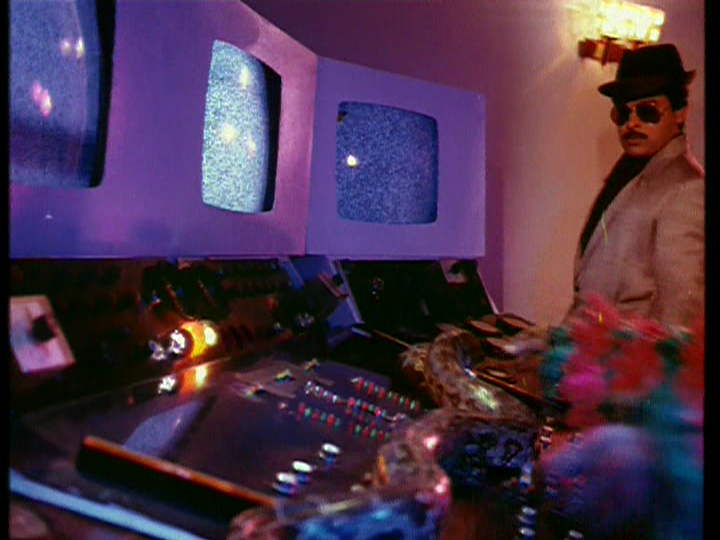


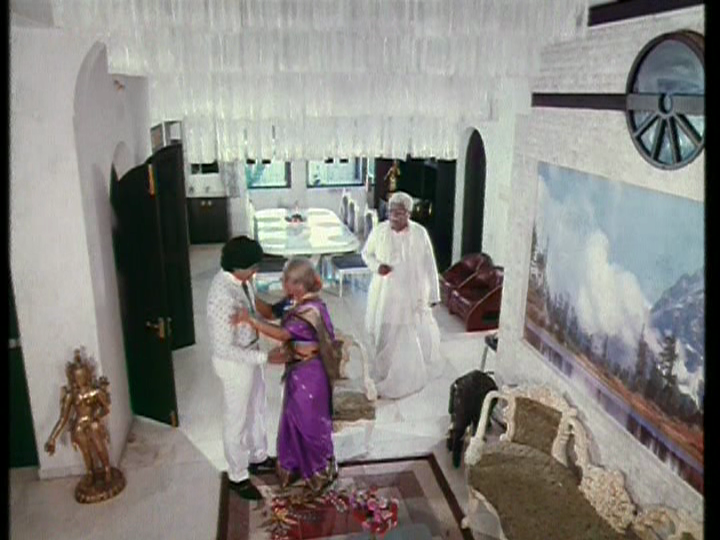
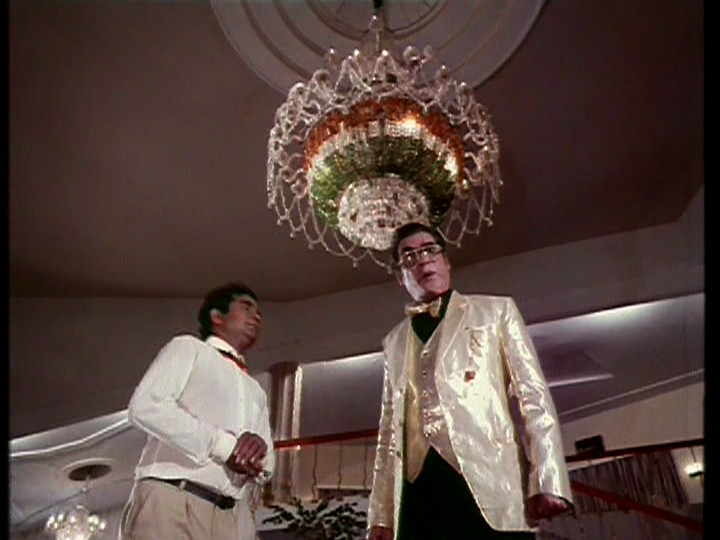
The interiors are all quite special and no wall is left unadorned. This dragon appears in several other vintage Telugu films, and turns up both in a lair and Netra’s own house. Was it the height of style? Or just recycling? There is also a pleasing commitment to chandeliers throughout, including a song in a lighting showroom.


There is a comedy track. Brahmanandam is not it, despite being a bumbling sidekick to Rao Gopal Rao. The comedy happens in Malaysia and Singapore and involves some very unfortunate ethnic stereotypes, an annoying child and a comedy uncle in garish shirts. The only good thing about the comedy is that they get someone to take Lekha’s pulse and determine that she isn’t really pregnant. There is a fun scene where hotel staff (who look like actual hotel staff roped in for the day) chase Rao Gopal Rao through the complex shouting ‘Look Madman!’ and ‘Stop Madman stop!’

This is not Illayaraja’s finest work but the songs are pleasant enough if you watch them with your eyes closed. There is a puzzling lack of orchestral support in the climax scenes. It sounds like they forgot to write anything, the band had gone home, and in a panic they asked a bunch of blokes in the studio to vocalise heroically. This is the result  – and you’ll get to see Chiru in excellent fighting form, plus the death bell! I don’t think I was supposed to be laughing so hard I cried.

Rudranetra is a whirlwind of colour and movement. See it for the cheese, stay for the Chiru! At best, 2 stars for quality but a full 5 for entertainment and effort.

Happy New Year!

Heather says: This is such a totally fab film that it’s hard to believe it was made in 1989, at least that is until you get to the satin frocks with mutton sleeves and excessive amounts of frills and flounces. Otherwise it’s very much 70’s style Bond, although mainly without the actual style. The plot is ridiculous and I kept getting the various women confused until Temple pointed out that Radha always had the most garish outfit in any particular scene. Every time I thought the costumes couldn’t possibly get any worse, the costume department managed to go that really bit further, add in a little more bright canary yellow and dig out the worst hair ornaments I think I have ever seen. Bravo!  I do have a lot of admiration though for anyone who can carry out top-secret surveillance in shiny satin which really is quite an achievement.

It was also a real plus to see the whole of the dragon creature that appears so briefly (and only its feet) in Attaku Yamudu Ammayiki Mogudu, not to mention the number of dragons that are everywhere in Black Eagle’s lair – so why not Black Dragon then – hmm? The whole film looks so amazing that it’s hard to keep track of the story and not get distracted by the visuals. Thankfully though, even without subtitles, it all makes sense in the end, or at least as much sense as I think it was ever meant to, and the climax is really excellent. Overall a really fun watch, although probably best watched with another Chiru fan for best effect. 3 1/2 stars.

Ajooba (1991)

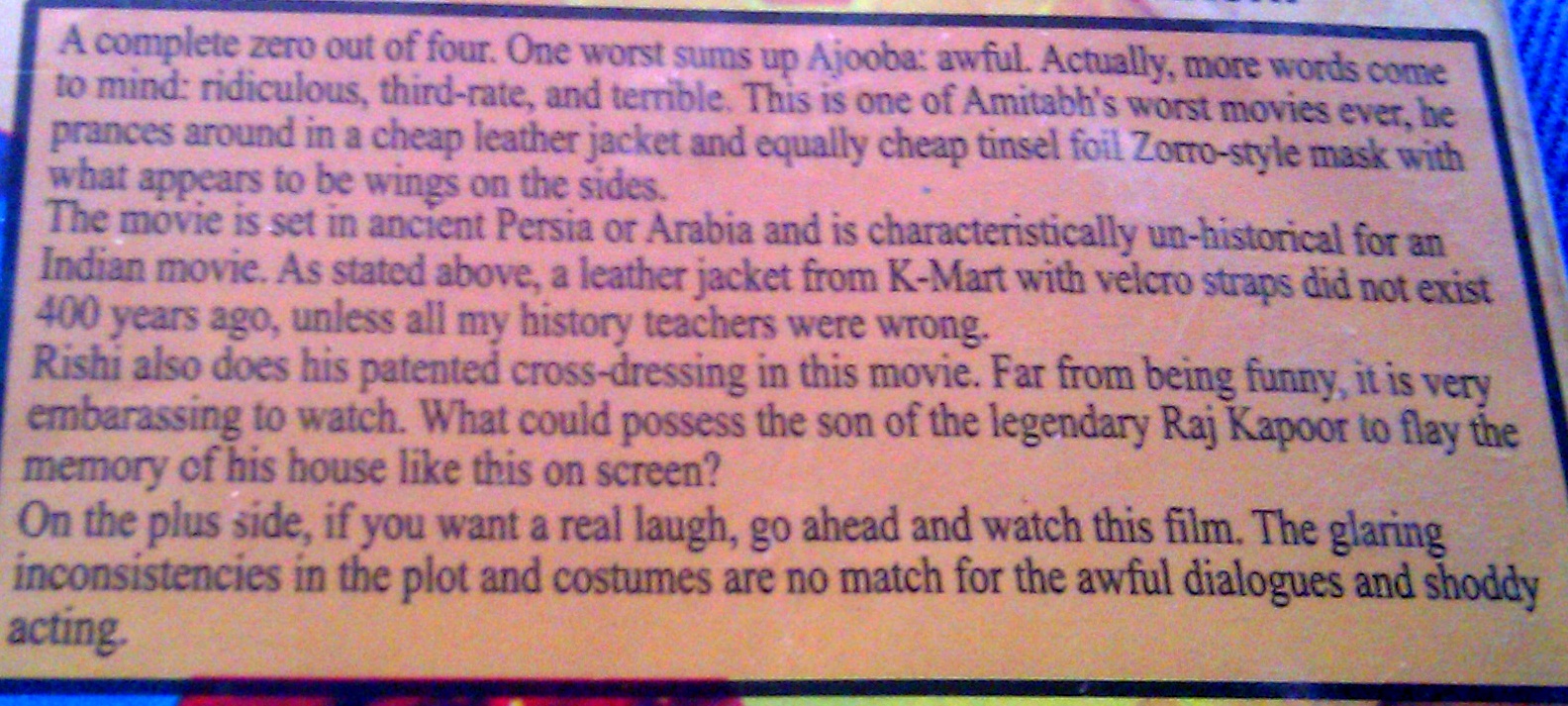
Ajooba is always near the top of my list of favourite So Bad It’s Good films. Before we get started, I must share with you the very enticing blurb from the back of my DVD (click on it to enlarge the image):

Irresistible!

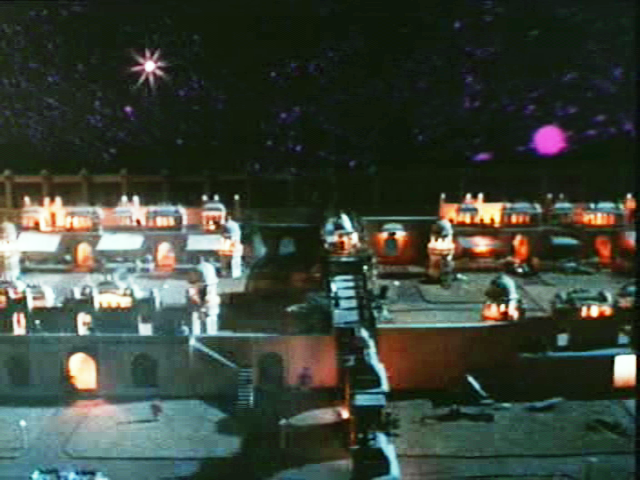
What better way to start some Christmas entertainment than with a mysterious star in the East?

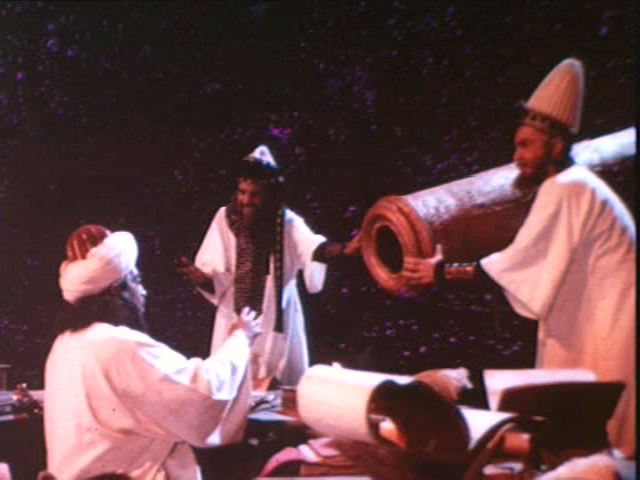
And some wise men.

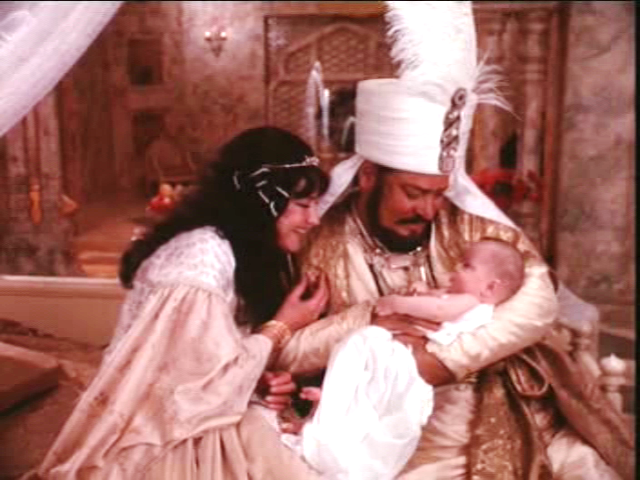
And a baby boy.

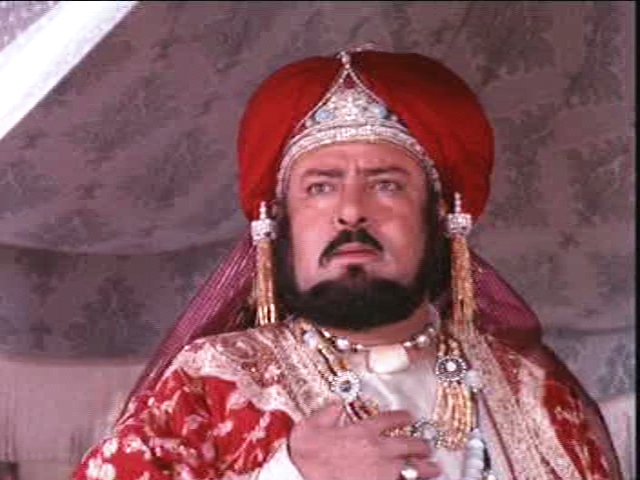
Surely this outfit just screams ‘Christmas Bauble’ (or according to Beth, ‘Mughal beach ball’).

Ajooba is a masala film masquerading as a magical sword and sandal romp. It is replete with a masked hero, a devil worshipping usurper, a good magician and his feisty daughter, sea monsters and so much more, made with enthusiasm rather than skill. While it may not be the story of Christmas, it is a miracle that Amitabh Bachchan and Rishi Kapoor agreed to grace this film by Shashi Kapoor. I think it shows how much they loved him. Ajooba was quite a venture; expensive and a Russian co-production, so it seems like something Shashi felt strongly about making.

Once upon a time in Baharistan, the Sultan (Shammi Kapoor) and his wife (Ariadna Shengelaya) had everything they could want … except a son. Finally, after some magical intervention to protect the unborn child, an heir was born. Hurrah! The people rejoiced with a fun Laxmikant-Pyarelal number. There’s lots of colour and movement including a display of dazzling (ahem) magic, and a dance-off between a kind of skanky snakey dance and some Kathak-ish guys.

Amir Khan (Saeed Jaffrey) is a good magician. I use ‘good’ in the sense of not using his powers for evil, not as an endorsement of his skills.

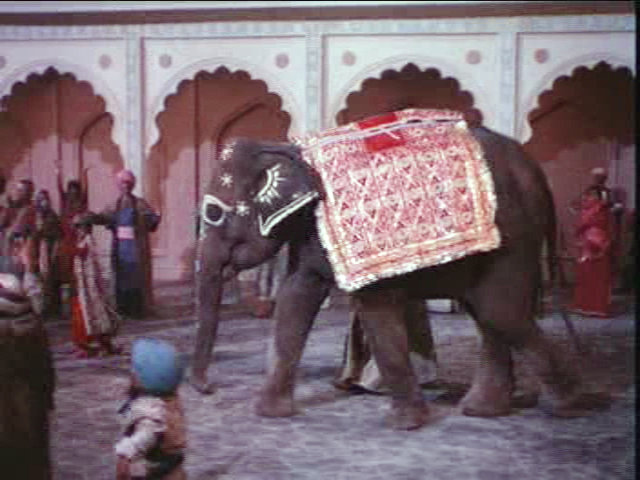
The most impressive thing about his elephant trick is that the elephant looks like it is wearing dark glasses (perhaps it knew this film was not a great career move and was in disguise).

The evil Vizier (Amrish Puri) attacks the toy boat of the Sultan and Malika. The royal family is scattered, each believing they are alone in the world. Malika is blind, the Sultan loses his memory, and their baby is presumed drowned.

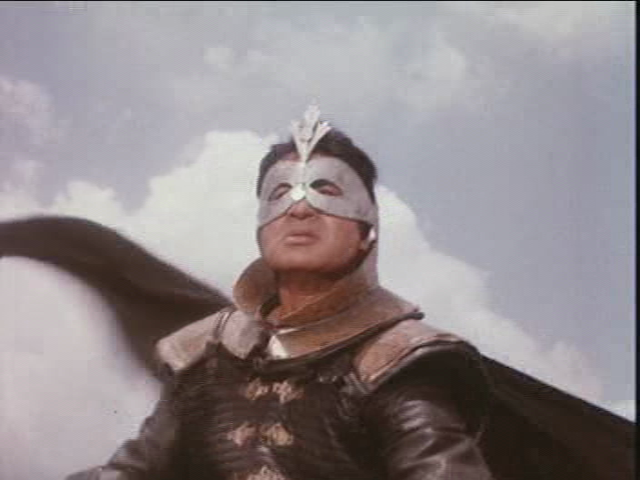
Rescued by a dolphin, raised by a kindly blacksmith, unaware of his real parentage, Ali (Amitabh Bachchan) undergoes years and years and years of training to become the hero who can free his people. Well, those people who are still left after 30 odd years of brutal oppression. Maybe it was the costume that held him up, especially creating a cunning disguise for both Ajooba and horse.

Why something as silly as a tin mask will be so detailed and finished with little flourishes when so much else is left half-baked is part of the charm. It doesn’t save the idea from being daft, but it is fun to look at. There is a serious design flaw. Did you spot it?

With the Vizier in power, life is tough for the simple folk of Baharistan. They still have their picturesque outfits but Amrish Puri and his brother-in-law Shah Rukh (Dalip Tahil) pillage and plunder as the mood seizes them.

With all of his evil deeds to draw on I expected the Vizier to have better material for his catch phrase, but he sticks to ‘Shaitan Zindabad!’. It is clear that he is bad and so are all his associates.

The evil shtick gets a little monotonous despite Amrish Puri’s eyeballs giving it their all.

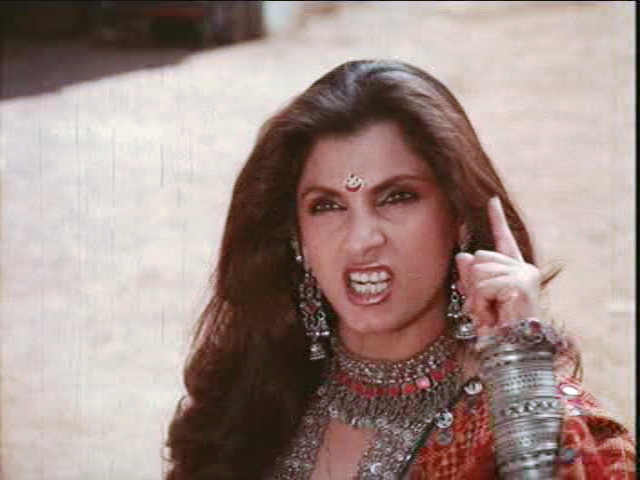
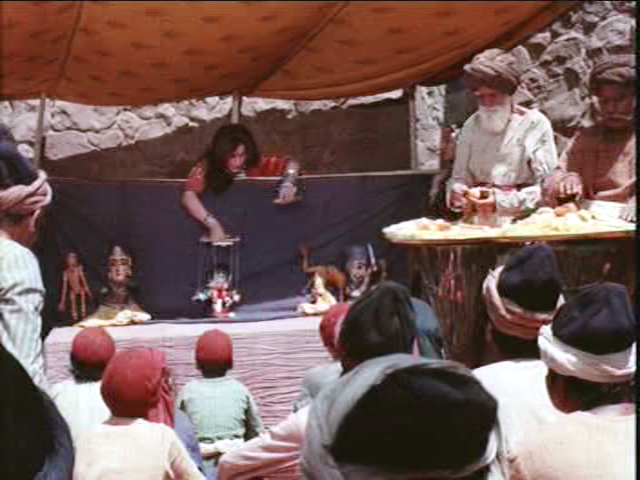
When Amir Khan is imprisoned, he sends messages back to his family in Hind by talking to birds. Luckily his daughter Rukhsana (Dimple Kapadia) can communicate with animals so she sets off on a rescue mission, leaving her mother (Sushma Seth) behind. Rukhsana works as a puppeteer in the bazaar and I liked that she had a plan to both support herself and give a cover story as she was searching for her dad.

Baharistan is not the place for a single lady, and it doesn’t take long before she needs rescuing. Repeated rescuing. Ajooba becomes somewhat tired of this damsel in distress, but she sees through his flimsy disguise (amazing!) and of course that means true love.

Rishi Kapoor is Hassan, the local Romeo who falls for the Princess Henna (Sonam). That’s about as much character development as you get. I liked Rishi and Amitabh together, and they have a fun song as the romantic Hassan tries to get repressed Ali to talk about love.

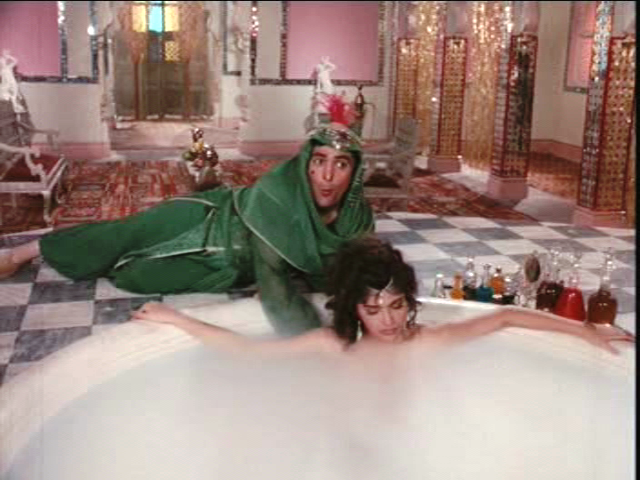
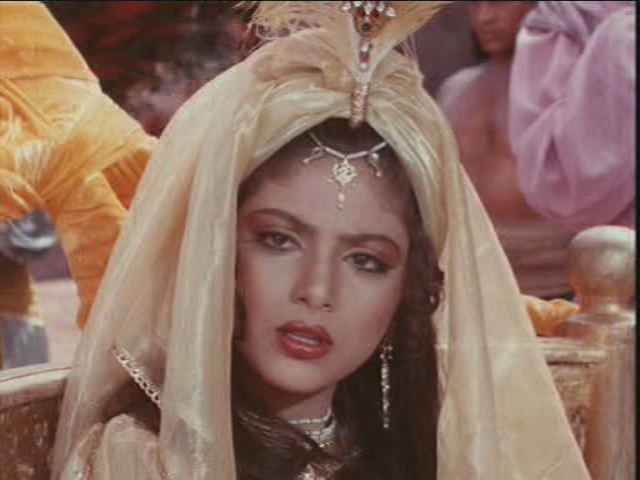
But I lost interest as Rishi detours into drag and sleazy antics and Sonam does little more than this:

The romances play out as you would expect, and Dimple and Amitabh make the more interesting couple (though that is not saying much). Ali does wrestle a tiger to rescue Rukhsana and Amir Khan from the dungeons so that added a level of commitment.

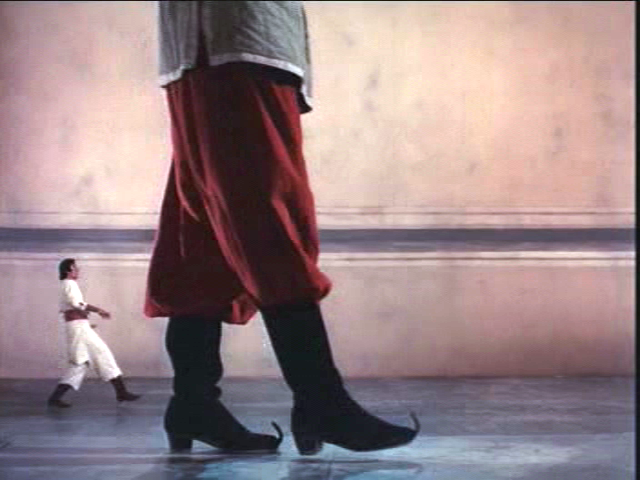
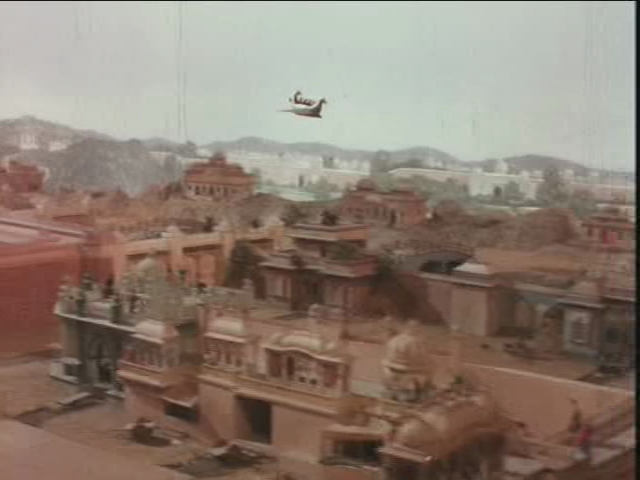
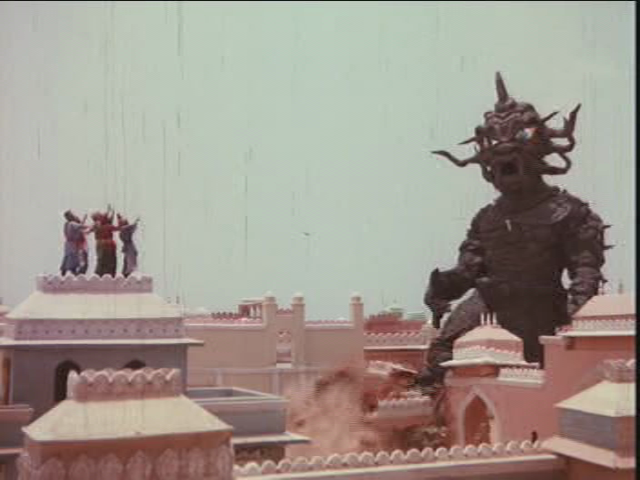
Of course in a fairytale there are trials and tribulations before good can triumph and that means special effects! If only someone had told Shashi Kapoor. The visual effects are quite poor and while it is part of the cheesy fun, I do wish they had done a little better. Beth did ask why a flying gondola was employed in one scene and I think it is because the maximum passenger load for a flying carpet would have been exceeded.


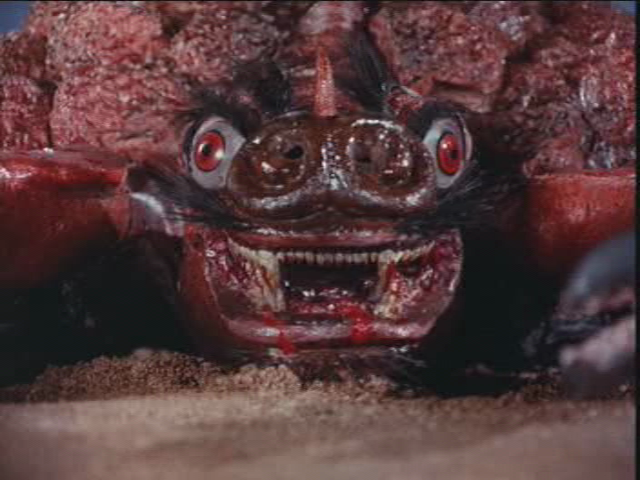
And there are some odd lapses and inconsistencies. When Ali’s sister needs to give him an urgent message, she wends her way through dim corridors and finally  a concealed passage which opens into Ali’s secret training ground. It’s an open field next door that anyone could see. And when Ali and Hassan are chained up with Malika and the blacksmith awaiting Certain Death they are rescued by a sea monster…or are they? Four people in chains, three sets of chains are cut. What about your foster dad Ali????

I recognised so many faces in the background. Memsaab as usual provides a more rigorous acknowledgement of the supporting artists so you should go read her post. But just think – Dara Singh, Sushma Seth, Rajendranath, Narendranath, Tej Sapru, Bob Christo just to name a few!  The locations and sets are delightful, and enhance the fantasy and poetic flavour. The art direction is batty at times, but this is a pleasure to watch.

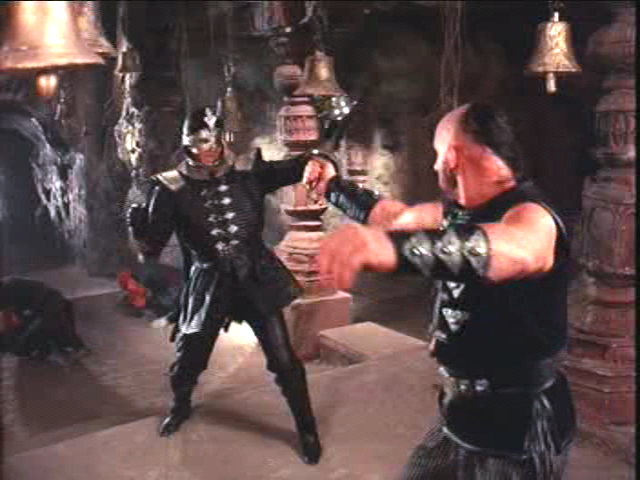
The streets of Baharistan are always full of colourful locals ready for a backflip or bellydance. The fight scenes are OK without being amazing, flying carpets or no. But there is a brilliant episode in a temple with Amitabh swinging from bell to bell to dishoom Bob Christo and rescue Shammi – it is epic and silly and I love it. The final battle gets everyone to Baharistan and there are reunions and expositions all over the place.

I absolutely love that in the climax fight, once people realise Ajooba is Ali is the long lost prince, everything pauses briefly so the onlookers can have a chat amongst themselves about how he is related to everyone and what his title is. Never mind the big glowing sword, or the evil sorcerer – is he your cousin? And is he married?

Ajooba’s heart is pure masala gold and I have enormous affection for it. 4 stars for entertainment alone!

Merry Christmas!

Bichunmoo

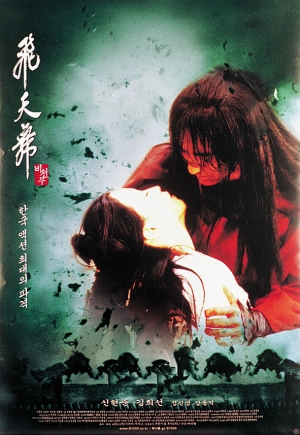
I know very little about Korean films and only a fraction more about the Wuxia genre in Chinese cinema. Even then, my knowledge is based on films such as Crouching Tiger Hidden Dragon and Hero which are aimed more at the Western market and probably not representative of the genre at all. But Bichunmoo was one of the first wire-work martial arts films I saw and it’s a little more unusual in that it is Korean. I love it so much because in many ways it reminds me of a cheesy masala film. It has all the necessary ingredients – tragic lovers, excellent sword fights, a hero who refuses to die despite some very convincing attempts on his life, a significant necklace, an evil warlord and even a dance number!

Bichunmoo is based on a comic series which ran to six volumes, and that is a lot of story to fit into 2 hours. Nevertheless, director Young-jun Kim includes as much as he can with the result that the film is at times hard to follow and almost every scene contains important plot points. Blink and it’s easy to get lost. To add to the confusion, the film was originally longer but a number of scenes were cut to make it fit into the two hour slot demanded by Korean cinemas. This means that there are characters that suddenly appear with no explanation of who they are. The film also jumps forward ten years and it’s hard to realise this has happened as the characters don’t age, and the advance in time is never mentioned. However despite these flaws there is plenty to enjoy and it’s certainly never dull.
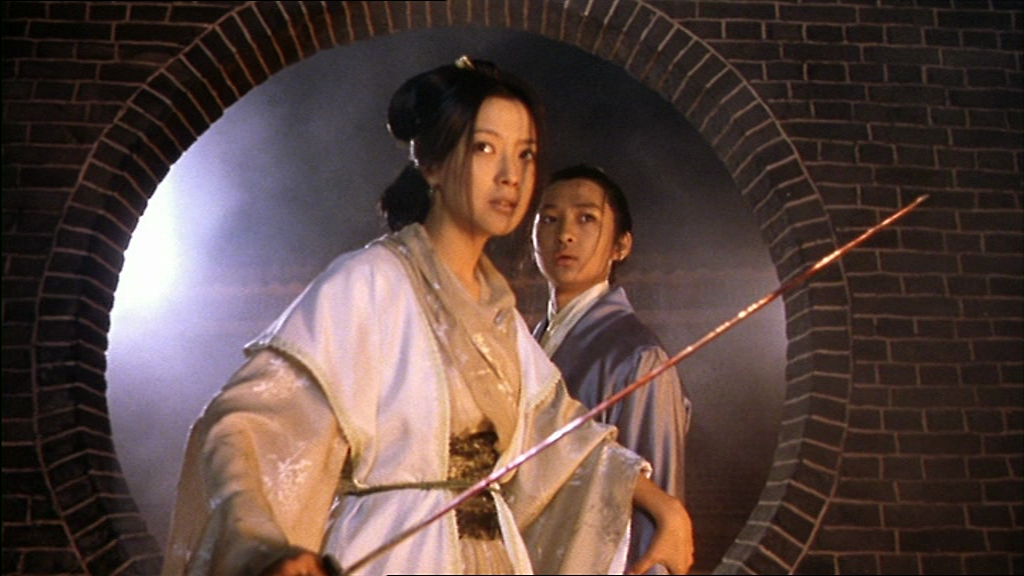
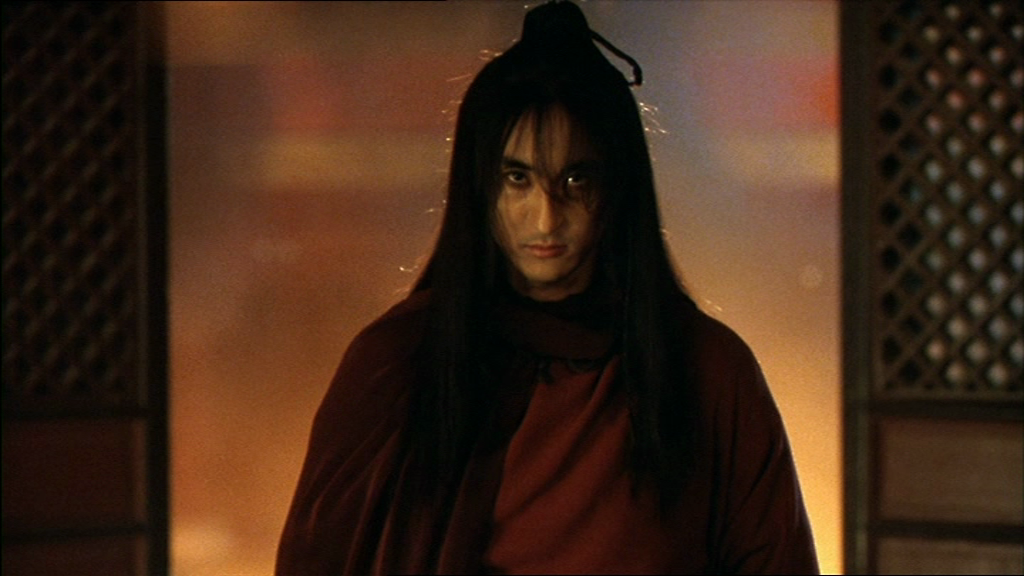
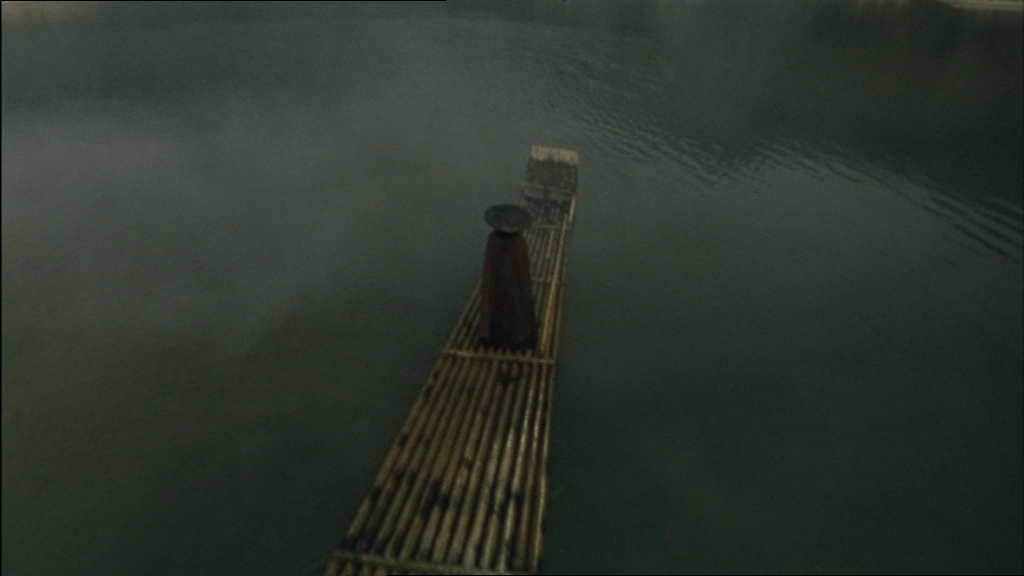
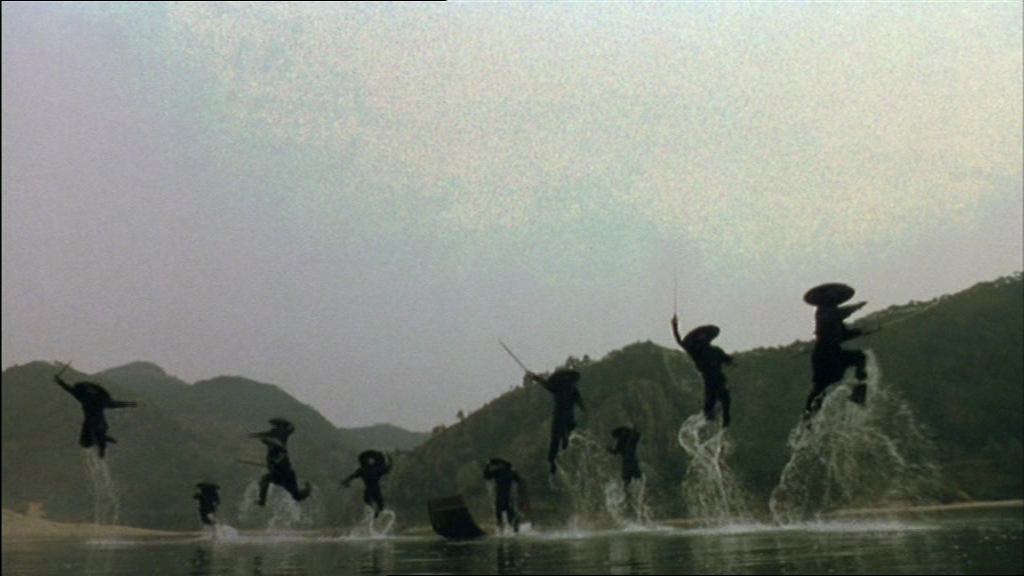
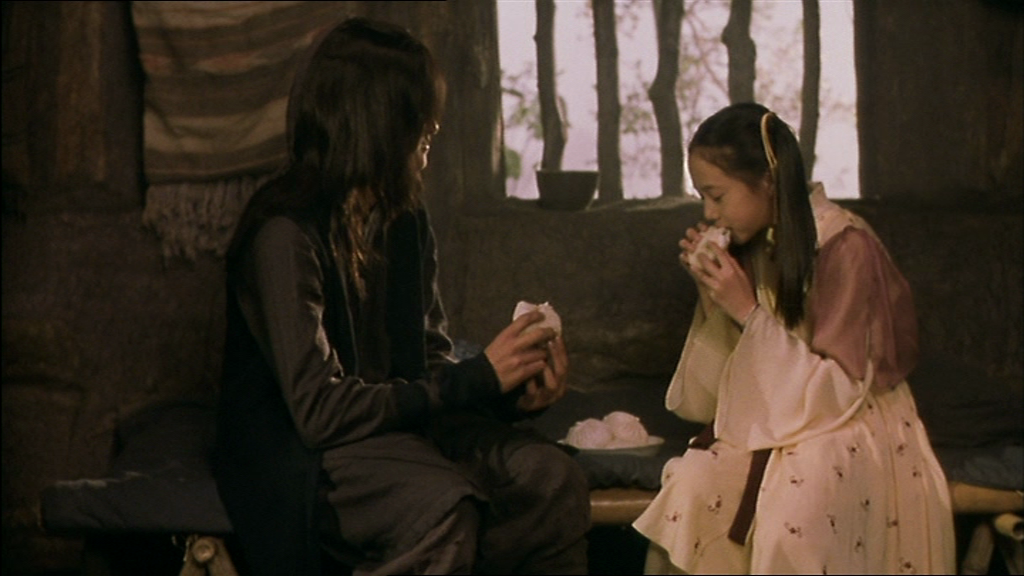
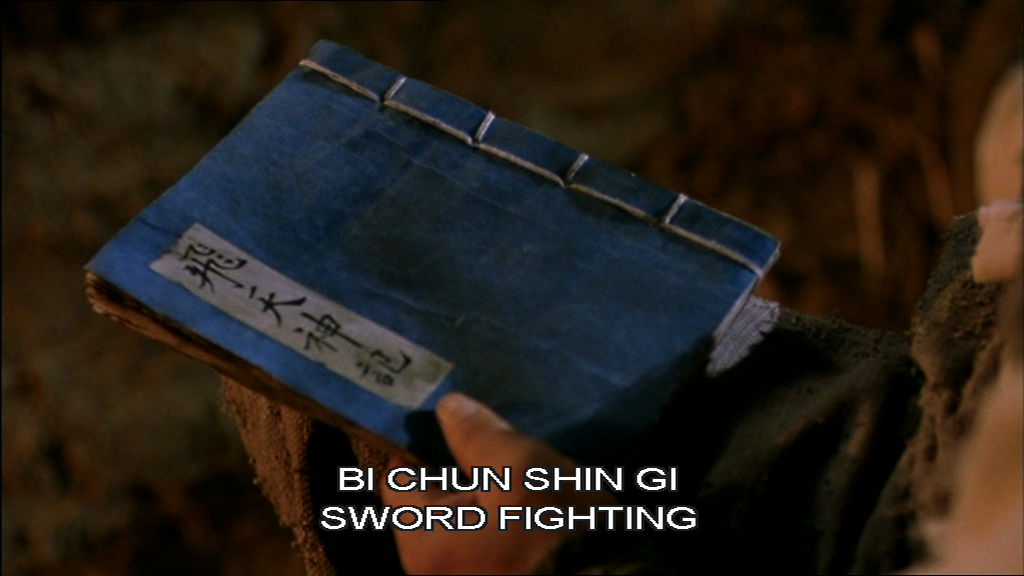
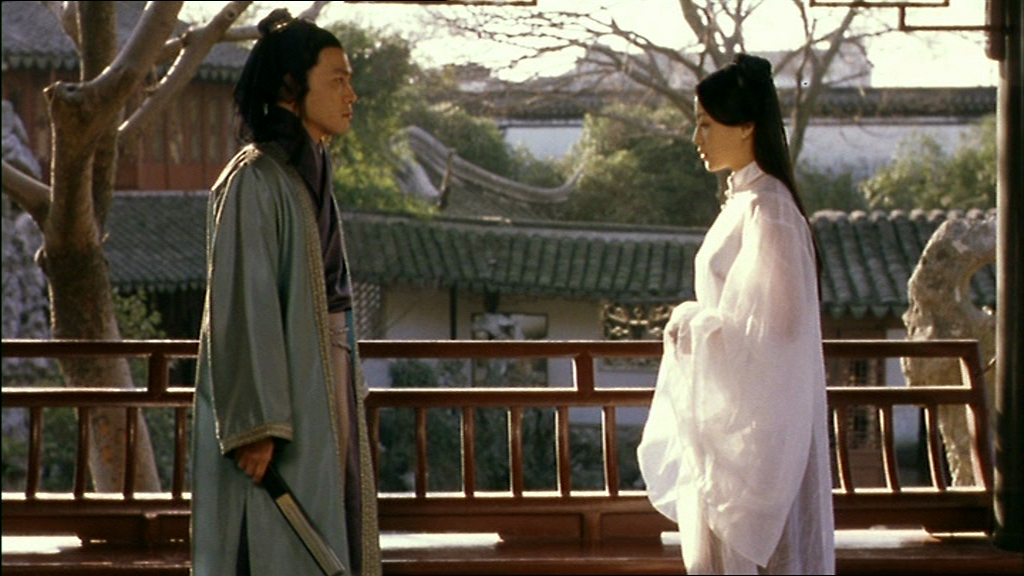
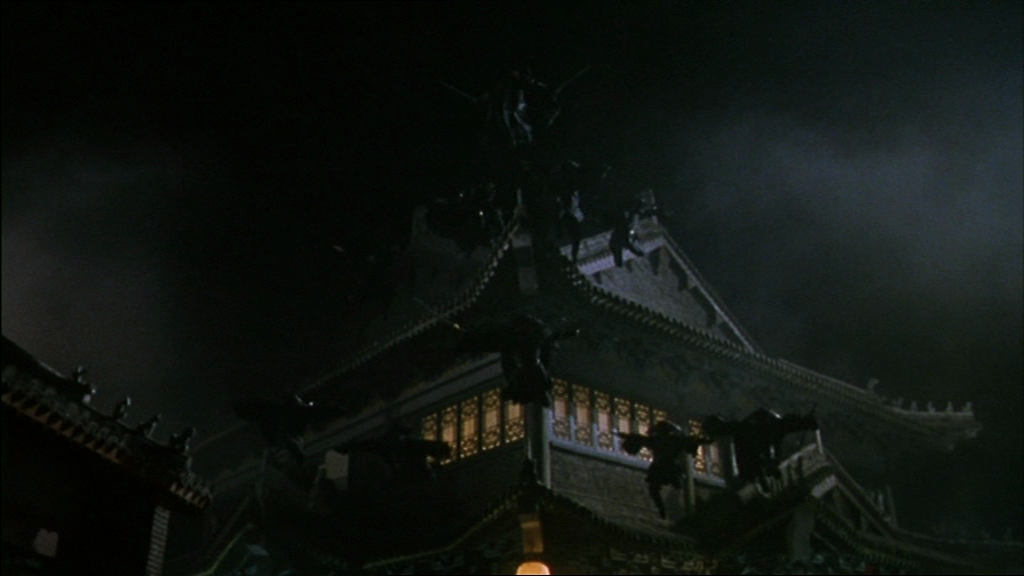
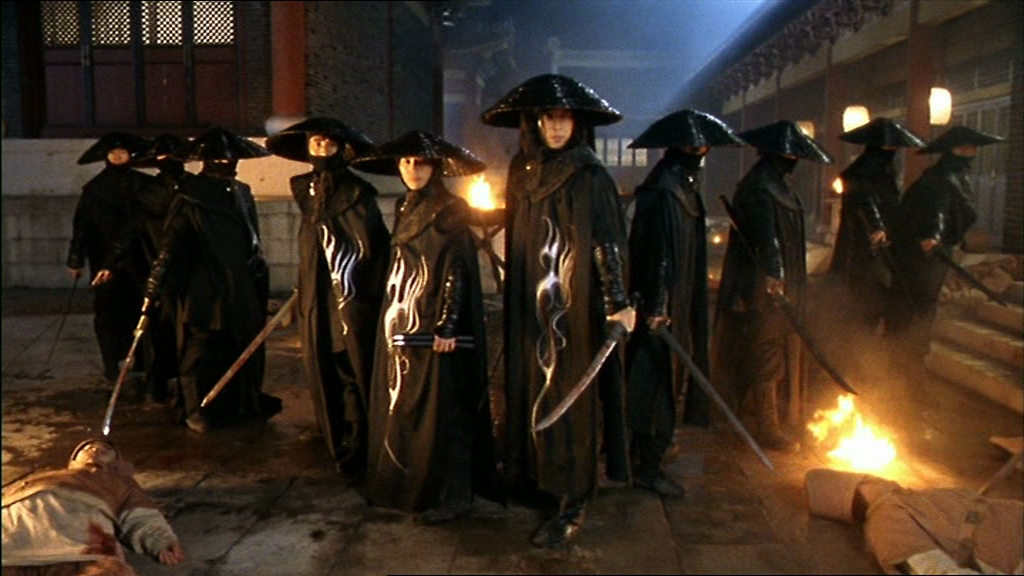
The film opens with Jin-ha (Hyeon-jun Shin) drifting down a river towards an army encampment. This gentle beginning doesn’t last long though as’ Ten Black Swordsmen’ explode out of the water and make quick work of the opposing Mongolian soldiers in the first of many excellently choreographed fight scenes. The next scene cuts to Jin-ha rather morosely sitting on a rooftop gazing forlornly at his lost love Sullie (Hee-seon Kim) and then quickly moves on to a flashback of their lives together as children. Jin-ha grows up under the tutelage of his uncle Kwakjung (Ju-bong Gi) and learns from the Bi Chun Shi Gi Sword Fighting Book – doesn’t every master swordsman have to start somewhere?

Sullie is the daughter of a Mongolian general and his concubine, but when her mother dies General Taruga (Hak-cheol Kim) takes Sullie to the city. Before leaving she gives Jin-ha one half of a jade necklace and arranges for them to meet in the city proving that no matter how fragile she looks, Sullie is one tough customer and not easily pushed around. Jin-ha’s uncle is killed by assassins trying to steal the secrets of Bi Chun Shi Gi but before he dies he reveals that Jin-ha is in fact the son of a Korean nobleman Lord Yu, and asks his student to take revenge on his parents’ killers. Who just happen to be the General Taruga and his men. This takes us about 10 minutes into the story and already we have separated lovers, a desperate heroine, vengeful hero and an angry father – phew!

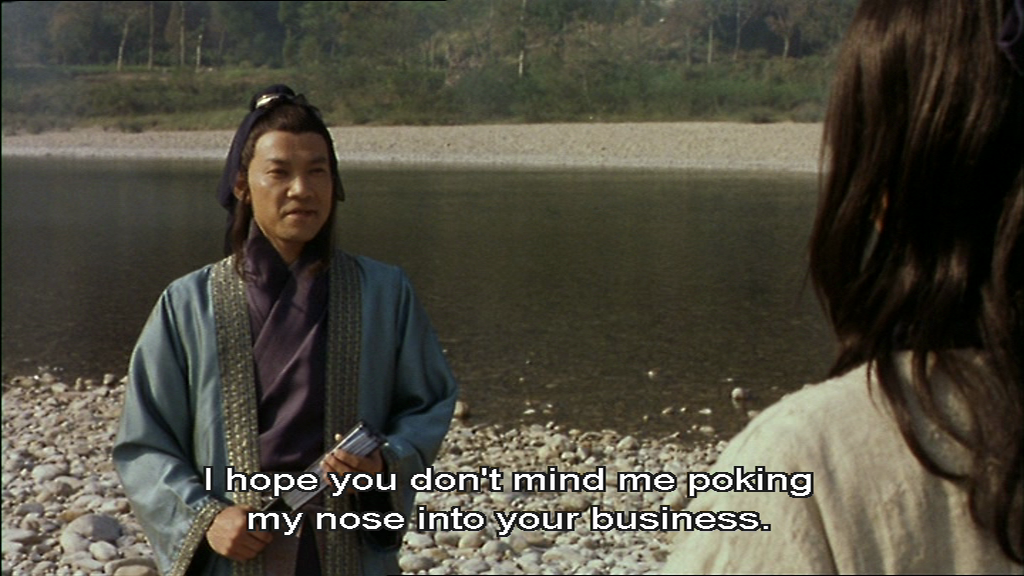
Jin-ha sets off to find Sullie and on the way is attacked by yet more assassins after his sword-fighting secrets. A Mongolian noble Namgung Junkwang comes to Jin-ha’s aid using a fan rather than a sword to defeat the assassins in an impressive and very fast action sequence. Meanwhile Jin-ha shows off his technique of Bi Chun Shi Gi which allows him to attack his enemies using the force of chi alone. It’s very cool.

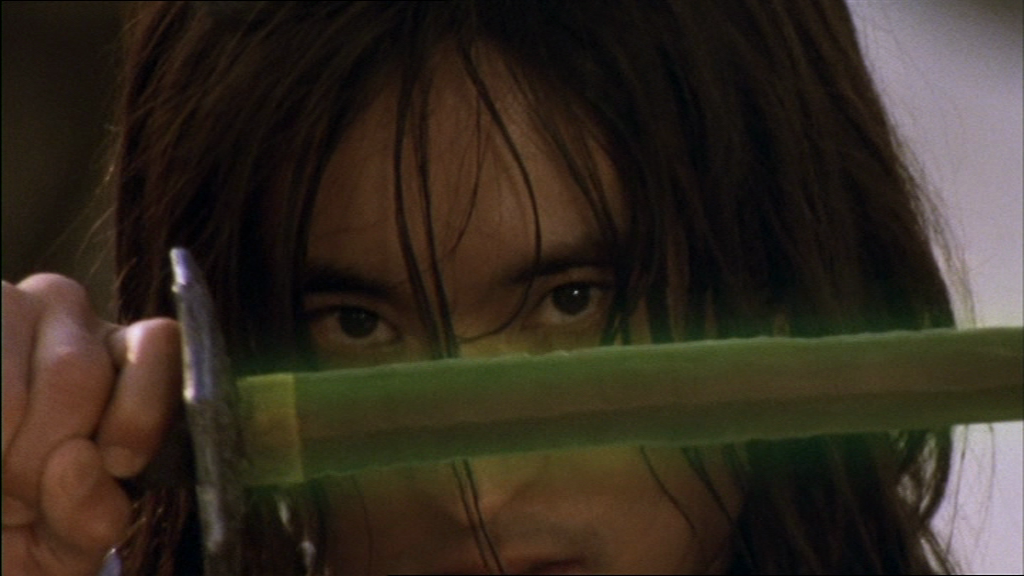
On arriving in the city, Jin-ha learns that Sullie is engaged to marry his new friend to help further her father’s political ambitions. Jin-ha attempts to run away with Sullie but the two are caught and after yet another superb fight scene Jin-ha is shot full of arrows by the treacherous General Taruga and falls off a cliff into a river. It’s interesting to note that the technique of Bi Chun Shi Gi not only allows you to explode your enemies but also has the ability to make your word glow green!

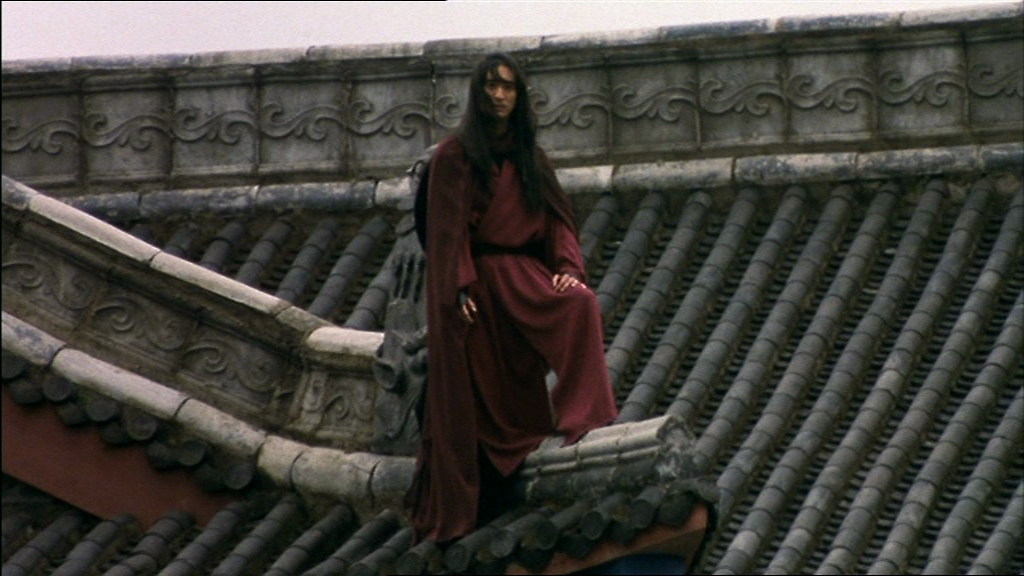
Jin-ha is however rather difficult to kill – he’s not going to let a few arrows, a large fall and near drowning stop him. He is found by Ashin (Su-ro Kim) who heals him with some village remedies which seem to involve a lot of mud. At some point here we jump forward in time where Sullie believes Jin-ha is dead and is now married to Namgung Junkwang and has a 10 year old son, Namgung Sung (Bang Hyep). Jin-ha has become the cold and ruthless Jaha-lang and is followed by the’ Ten Black Swordsmen’ who are all trained in the art of Bi Chun Shi Gi and look like very cool Goth ninja assassins. Jin-ha is aiding the rather despotic Han leader Jo-beak Seung and his evil general Saijune (Tae-hwa Seo) in their mission to kill all the Mongolians and generally mopes around trying to get over his lost love. However in the course of the Han’s campaign Sullie and Jin-ha meet again on opposing sides of the war and you just know they’re not heading for a happy ending.

There is a lot more to the plot and there are betrayals, revelations, more assassination attempts and an ‘other woman’ in Lady Yeo-jin. It’s a story on an epic scale and really deserves more than 2 hours since a few scenes end up feeling rushed and there are some relationships which would have benefitted from further development. However the film looks stunning, the story does make sense despite the deleted scenes and the fight scenes are well integrated into the storyline. Although the actors are Korean, the film was shot in China using their more experienced crews, and it shows in the attention to detail throughout. The costumes by Min-hee Kim are wonderful and Hee-seon Kim is stunningly beautiful and ethereal as Sullie. Although her character seems quite passive, she fights back effectively against her father and is also quite capable of picking up a sword to defend herself if needed. She looks amazing here as she dances for the Han chief Jo-beak Seung and despite her rather fragile appearance she is much stronger than she looks.

Hyeon-jun Shin is excellent as Jin-ha and convinces as the stoical hero. He is honest and innocent at the start of the story but changes as events turn him into a deadly fighter seeking revenge. He doesn’t let much emotion show on his face until it really counts, but his eyes speak volumes especially as he gazes at Sullie. Like all good heroes you know that his strength and loyalty will be there when needed and then he will never, ever give up. Jin-yeong Jeong is also excellent as Sullie’s husband who is also desperately in love with her but cannot ever replace Jin-ha in her heart.  The other supporting characters play their parts well, and in particular Han-gari Lee is memorable as Jin-ha’s lieutenant Changryeon. The story of the tragic lovers is very over the top and melodramatic but works well as the driving force for Jin-ha’s actions and is really more convincing than relying on the revenge plot alone.

The action is fast paced and frequent with fantastic fight scenes choreographed by Yuk-sing Ma. The atmospheric soundtrackby Seong-jun Kim gets replaced during the fights with electric guitars which gives a much harder edge and makes more of an impact. The Bi Chun Shin Gi technique allows Jin-ha to use force against his enemies and rather interestingly they burst apart in showers of dust rather than blood and gore, although there are the occasional rather anatomically unlikely spurts of blood to enjoy!

It is all very spectacular and although occasionally confusing the story is compelling. It’s not a great martial arts film and although I haven’t seen the comics I’ve read that it’s not a great adaptation of these either. But it is an excellent film if you take it as a love story and just enjoy the wonderful fight scenes and glorious cinematography without worrying about the jumps in the timeline or the suddenly appearing major characters. 4 stars.